

Tips and Tactics for Spring Skiing
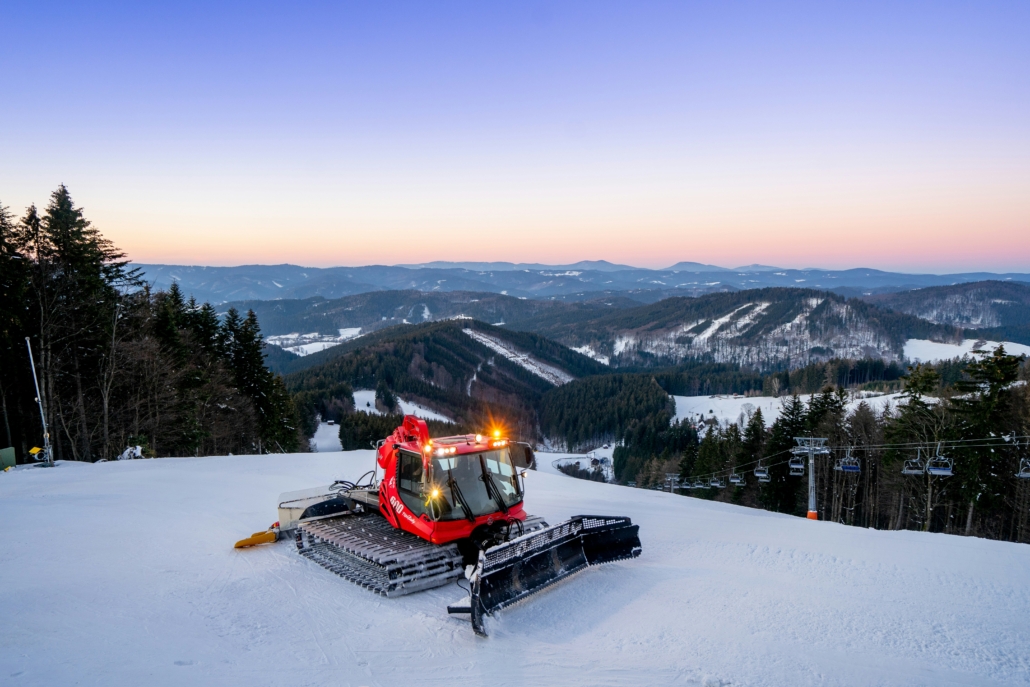
Photo by Michal Janek on Unsplash
The days are longer, the sun is brighter, the temperatures are warmer and the snow is softer. Ah, yes, spring skiing is special, when you can shed layers enjoy such end-of-season silliness as pond skimming contests and leisurely sun-soaked apres.
Spring skiing also needs some special attention, both to the condition of the snow and the condition of your equipment. Here is some sensible advice from a trio of ski and snowboard instructors at Whistler Blackcomb –
Understand spring conditions:
Nights are still cold on the mountain, so the snow can be firm in the mornings. Wait for the sun to soften the snow if you’re looking for that spring slush. Spring powder conditions can be slower and harder to ride through, depending on how deep it is. This can require making bigger, straighter turns.
Debate beauty sleep vs early bird:
Spring skiing means relaxed mornings and softer snow in the afternoons, but prime conditions for laps are in the morning.
Adjust your body language:
Make sure your weight is evenly distributed along the downhill ski (or along the inside edge of the snowboard) at the end of the turn. If there is too much weight, too far forward, the back of the downhill ski (or snowboard), can slide out. Skiers should make sure you don’t have your weight forward at the end of the turn. Instead, what is needed is pressure on all parts of the foot from the toe to the arch, to the heel. This allows the edge to dig in. Tighten your downhill ankle by rolling inwards to put the ski on more of an edge, and tighten your muscles so you have more control.
In powder and deeper slush, push your feet a bit forward through the end of the turn. In deeper snow, it is common for a skier’s feet to slow down due to the increased friction of the snow. The wetter the snow is, the more likely it is for this to happen. This can result in a skier being thrown forward. To counter this, skiers can push their feet forward through the end of the turn.
It is important to also push their hands forward as well, otherwise, you will be leaning too far back. This puts extra pressure on the quads. When skiing, we always want our shoulders over our knees. Snowboarders can also accomplish this feeling by pushing the front of the board forward if they feel that their board is being slowed down by the deeper, wetter snow.
Get a wax:
You’ll definitely want your skis or board to be waxed to avoid getting stuck in slush. A good sign that your equipment is running out of wax (besides not gliding properly anymore) is a white cloudy effect on the edges of the base near the metal – this is where the snow is causing friction burn against the p-tex base.
Tree runs and spring conditions don’t mix:
As the snow melts, obstacles can emerge in forested areas that are hazardous to skiers and riders and damaging to your gear. Tree wells are also a hazard, so stay away from the trunks of trees, especially if they have low-hanging branches. And always ski with a buddy.
Dress properly:
Layer with breathable, quick-drying fabrics, wear sun protection, and pack a small backpack with essentials like water, sunscreen, and extra layers for changing conditions. The jury is still out on whether goggle tans are considered cool, but there’s no doubt that if you want to avoid a nasty burn, sunscreen is a must. With high altitudes and UV rays reflecting off the snow, it’s easy to get sun damage. And don’t forget the lip balm with SPF.
Have fun and be safe. See you on the spring slopes!

- Tips and Tactics for Spring Skiing - March 19, 2026
- Short Swings: Timely Tidbits of Snowy News - March 5, 2026
- Indy Pass Adds 16 Resorts for Next Season - March 5, 2026


Be sure to clean your ski bases as they quickly gum up with dirt in the snow, tree sap and assorted goo that keeps the ski from sliding smoothly and gives the continual feeling of slide and grab. You can clean the bases w wax remover but the best way is to hope scrape wax. Spring solution is by far the best wax I have ever used for spring conditions. It available on Amazon.
Spring Solution is made by Terry Hertel at Hertel ski wax.
Great tip!
Thank you Evelyn and thanks for the tune you spend writing the blog. All the best, and keep em turning. Dick