

Drowsy Driving
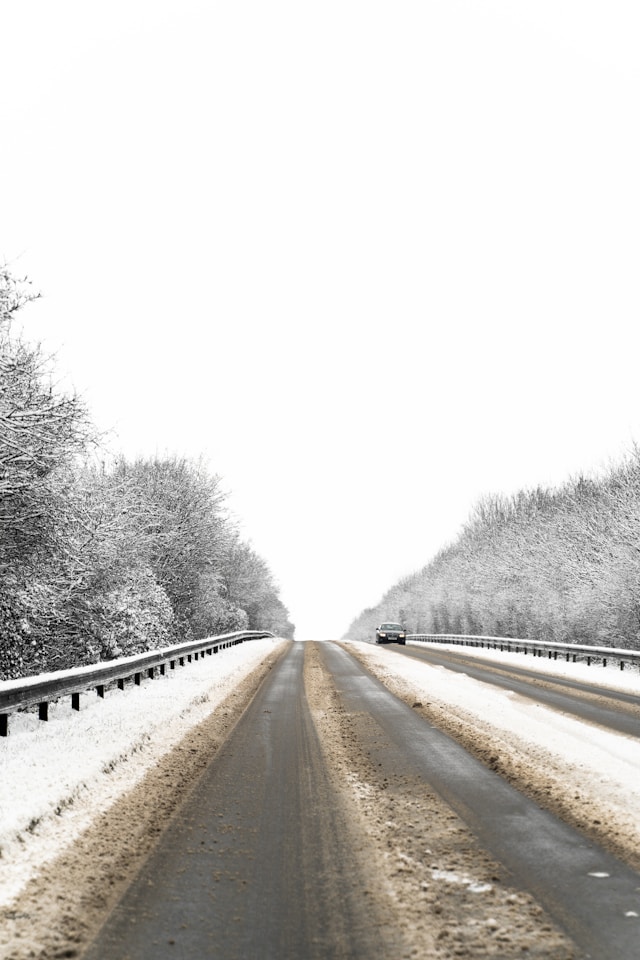
Photo by Krzysztof Hepner on Unsplash
Christmas Day: it had been a great day on the hill skiing with my son, then a young teenager: good sunlight, crisp temperatures, plenty of snow on the trails, and modest holiday lift lines that meant lots of vertical.
It was late afternoon, time to hit the road and go home for the holiday dinner. The drive was a familiar one, about an hour; mostly on a clear, four lane divided highway. My son was asleep in the passenger seat by the time we cleared the parking lot. I turned up the thermostat to summer temps and cranked up the sound to blast level on my favorite CD.
Halfway home the trip the trip ended suddenly, up against a guardrail, the left front of the station wagon ripped away by the collision. The cause of the accident wasn’t nature. The weather that afternoon was perfect. It wasn’t behavior. The trip from last run to the parking lot had no detours. I had slept well the night before, Despite all that, I fell asleep at the wheel.
Fortunately no one was hurt in the crash and no other vehicle was involved. Still it was a stunning first person introduction to –Drowsy Driving.
The National Highway Traffic Safety Administration reports an estimated 100,000 car crashes each year are caused primarily by drowsy driving resulting in more than 71,000 injuries and 6,400 deaths. Common causes for drowsy driving are fatigue due to insufficient sleep or dehydration, or the effects of medication. Middle of the night is the most treacherous common timeframe.
Late afternoon too.
We skiers face special risks, especially as we get older. .
Think about your own experience. You get in your car after spending much of the day out in the cold. You have had a good workout on the hill. You turn up the car thermostat right away to take away the chill. Chances are it is late afternoon. Even if there is no setting sun, the daylight is dimming. especially early in the ski season – December and January. On top of all this, there is the body’s natural tendency to lose energy late in the day.
All of this is no surprise. At least not until the effects of drowsy driving hit you.
Drowsy Driving is not just ski related. But ever since my accident – which remains vivid in my mind even through it was years ago – I am conscious of the risk every time I plan a day on the hill.
My thoughts include:
#1 Try to avoid solo travel. I always try to team up with a companion for the trip.
#2 Always bring along a container of liquid for the trip. I want something in the car.- coffee or water or a soft drink – to sip along the way. The new, popular 30 oz insulated containers work very well for this. Apres ski beverages can wait until I’ve reached my final destination.
#3 Always have sound on during the trip. Whether it is music, or news, or even a book narration, I want some noise in the car.
#4 This is the most important thing to me. I make at least one stop on the route, no matter how long the trip. I do not wait to feel tired. I plan ahead; a stop at least once every 30-45 minutes, to get out of the car, walk around, and refill whatever I’m drinking if possible. You may not feel the need to stop. But it is better to do it sooner than necessary and feel refreshed when getting back underway.
Drowsy driving is a serious matter. It sure can spoil a road trip. You don’t want to learn about it from experience if a few simple steps can keep it from happening in the first place.

- Another Miracle: How Lake Placid Could Again Host The Winter Olympics - March 5, 2026
- Empire State, the Other Winter Games - January 19, 2026
- Drowsy Driving - December 18, 2025


Arrival time doesn’t matter. First lift in the morning; getting home for dinner — neither matter. When you’re drowsy, pull over and take a power nap. 15 or 20 minutes changes everything, snapping your driving synapses back into focus.
(No medical pro will recommend this, but if I have trouble falling asleep when I need a nap during a drive, I drink a sweetened soda or have some candy – boom, I can’t keep my eyes open.)
Good post! Being a pro skier for 50+ years I have had my situational Blessings. Your points are right on. One additional, Keep your right tires from catching drifts
Heat always, after a full day of pushing it on the slope, creeps into your comfort zone and makes you want to relax, even when you’re behind the wheel. I find that once your vehicle’s cabin area becomes warm, it is best to turn the heater fan off but keep the heat level thermostat at your comfort temp. This allows your car’s cabin to cool down but the forward speed pushes some smaller amounts of heat into the cabin. When the cabin temp is mediocre, put your touque back on and this coolness allows you to stay alert and focused. When you stop, chill the cabin and start the sequencing process over. each time.
I have felt my mind & eyes telling me shutting down was near. The one time I ignored that warning my next moment of consciousness was looking at a hospital ceiling. I tried to move my limbs but I was strapped into bed. I was 3 miles from home when getting ready for an Utah ski trip was thee most important thing. As luck would have it this February will mark 3 years that I survived a head on I have zero memory of. Last season I made it to Utah. Still skiing my local mts here in Vermont. Looking forward to my 74 year on the planet this July.
Yep, drowsy driving is one of my fears now that I’m older and retired. My first season back, I skied 27 days. Each day required a little under 4hrs of driving, there and back, so I only went when I woke up well-rested.
Then my second season, I skied 56 days, and have continued to ski in excess of 50+ days, driving almost 2hrs there and almost 2hrs home. How? I got a Tesla that drives itself. Yes, really. Even when the roads are covered in snow. No, a used one with FSD is not that expensive.
With it doing the heavy lifting, I was able to ski 2x as many days, knowing, I could always let the car take me home. It’s a game changer. Other than buying an expensive home at a resort, there’s no other way I could have doubled my ski days, in a safe manner.