


Keeping Warm on the Slopes
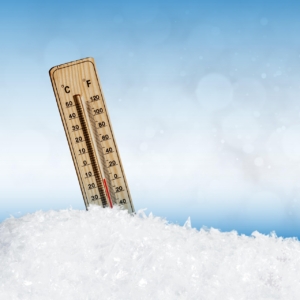
Pixabay photo
When the temperature drops and the wind starts to blow, it can be a real challenge to keep warm while skiing. It is no fun to be out there when you are freezing. To understand how to keep warm, it is helpful to know why you get cold. That is, how heat is transferred from your core to your extremities. It is also important to note that there is a considerable difference between men and women when it comes to body heat regulation.
Body temperature is controlled by a sort of thermostat in a section of the brain called the hypothalamus. Through a complex set of information receptors, the brain tries to analyze what is happening and send out orders to adjust body functions to compensate. It keeps your core temperature within a narrow, safe range even when the external climate changes.
When you feel hot, the blood vessels in your skin dilate to release heat through the skin. This causes the skin to sweat and appear flushed.
When you feel cold, the blood vessels in your skin contract to conserve heat. Your muscles often spasm (shiver) to produce heat and keep body temperature within a safe range. This thermo-regulation is a dynamic process that balances heat generation (through metabolism and muscle activity) and heat loss to the environment, to maintain core temperatures.
The average human has a normal body temperature of 98.6, although this can vary. The core temperature of women, on average, is slightly higher than that of men. In 1851 Carl Wunderlich studied 25,000 people and found that adult women were a bit warmer at their core, perhaps Nature’s way of protecting the reproductive organs. Scuba diving research has long noted that the core temperature of women divers is higher than that of men. Women actually are better able to resist the effects of hypothermia because their essential organs stay warmer longer.
This female heating system for the core means that less blood flows to their hands and feet and as a result they feel cold. This has been largely attributed to the very obvious difference in body structure, limb proportions, surface area, insulating muscle and fat mass, thickness and distribution between men and women, which results in women maintaining a lower skin blood flow and, consequently, lower skin temperatures. Or stated another way, women are typically smaller and have a higher ratio of surface area to volume, which causes a rapid loss of heat.
Women also have thinner skin (okay…I thought of several comments as well.) It is also true that as you get older, both men and women, your skin gets thinner. The skin on the feet of women is thinner and has less subcutaneous fat than men’s. The thinner the skin the less you are protected from the cold.
Studies show there can be as much as a five degree difference in the temperature of a woman’s hand at the same outdoor temperature as a man’s hand. According to an article published in the Journal of Applied Physiology, men have a metabolic rate about 23 percent higher than women’s. Your metabolism is the rate at which you burn food to fuel the body, and as a by-product of that process, you heat up the body. So, women’s bodies are colder than men’s because their metabolisms are slower.
Knowing all of this, how do we keep our body warm when it gets really cold. The human body generates heat, which warms the air around our bodies. The trick is keeping that warmed air next to the skin. This is where layers kick in. Each layer traps air. The more layers, the more trapped air. The body also sweats. That moisture needs to be wicked away from the skin. Again, layers help.
Keeping Hands and Feet Warm
Socks are really important. Never use cotton socks, which absorb and hold moisture. Use only socks specifically for skiing or riding, which often include padding at the shins for comfort more than warmth.
Bring an extra pair and trade them out at lunch time so any moisture that has built up can be eliminated. Spend the money for good ski socks – you will be glad you did.
Mittens tend to be warmer than gloves. Gloves separate the fingers. Mittens keep them together. I use a very warm soft glove as an inner layer and a lined leather outer mitten. Those little hand packs work well, or get battery operated gloves to keep your fingers toasty.
Wear a soft gaiter around your neck. This will trap the heat from your core from escaping upward and will keep your throat and the back of your neck warm.
Your ears also need protection as there is very little circulation there. Earmuffs are great, especially when your hat covers them as well. A helmet also traps in the heat from your head. Some folks have a hood on their jacket that comes up over the helmet. Others have a liner that goes under the helmet.
Your core area is the easiest to keep warm. Start with a base layer of breathable material. Over that you can add a second layer, making sure it is not cotton. Modern ski pants and jackets are wonderful creations. I like the bib-type pants that come up in the back and front so that when you bend the heat stays in the body.
When it gets cold outside, just layer up and keep moving.

- Keeping Warm on the Slopes - January 19, 2026
- Major Changes Coming to Powder Mountain - March 20, 2024
- Montana Brown Trout Magic - September 23, 2023


I’m a ski instructor in Northern Vt, and am over 70 years old. A couple of years ago, I finally decided to bite the bullet and try heated socks. Mine are Thermic, made for ski boots. I had tried other heat generators years ago, and found they were a pain. They made my feet sweat.
Socks eliminate the need for extra cables and batteries clipped and they absorb the sweat and evaporate the sweat from your feet. I’m usually outdoors at least 2 hrs at a time, all day. The batteries have never gone dead in a day. I’m in my third season using them, and the cost is worth it.
When it’s cold a hood is your best friend! High quality jackets, especially those used in ski racing, have hoods specifically designed to go over helmets which racers are required to use when racing, training and free skiing. Jackets with pit zips that open almost to the waist are great when what you’re wearing is too warm and avoids another trip to your car or lodge.
Nordic skiing is a different situation for keeping warm because you are moving much more and get perspired more compared to Alpine/Snowboard. Most of the info like layering is similar, although with Nordic, the layers are lighter. On very cold days, I use a heavier base layer, a more insulative jacket, over-mitts if necessary, face protection like the OuterU Faceglove, etc. Here’s the popular What to Wear XC Skiing article https://www.xcskiresorts.com/new-blog/2016/7/21/cross-country-skiing-apparel
Great article, thanks! Here’s one extra tip based on my own experience from a year ago: brutally cold, low teens,weather with wind during Feb Presidents’ Week at Stratton VT – I’m instructor there.
i was taking several free-ski runs after morning guest canceled due to cold.
Kept checking how I felt warmth-wise during 2-3 easy fun-runs. All seemed under control.
After 3rd run, I went in for a quick break – and while glancing in a mirror noticed a distinct , nickel-sized round white circle on my left cheek…I never noticed the cheek getting cold – but now it was numb with zero pain.
Bottom line: I narrowly missed a much more serious situation if I’d stayed out skiing for even 1-2 more runs: hard freeze to cheek & need for surgery.
Still amazed I never felt the cold on my cheek.
I’ve become much more cautious on those super cold & windy days.
I’ve used both Thermic and Hot Tronic boot heaters. My batteries last approximately 5 years. Be sure to follow the charging instructions or your batteries will not last as long. The wiring easily abrades unless you protect it with electrical/duct tape. I’ve used boot heaters for about 10 years and ski about 60 days each season.
A little tip, humans still possess the mammalian dive response. The primary receptors are the lower jaw, mandible When this gets cold, air or water, the blood flow to the extremities is reduced. Yup reduced blood flow means cold hands and feet. Wear a neck gaiter to keep your face warm, to keep your blood flowing..
Gloves are colder but you don’t take them off as much. If your hands are cold put on your hat. Women are like birds. Small core. Keep moving.
How to keep your hands warm is a plaguing problem for many skiers. I discovered, having Jay Peak, VT as my home mountain, gloves can be warm if you treat them right. I was fascinated by a built-in thumb squeegee to safely scrape ice off from the google. I found gloves with this feature on a post Christmas sale, so I ordered 3 pair, since they were 65% off. I discovered that if I avoided wearing a pair of gloves more than once in a row, my gloves continued to insulate very well. I rotated these 3 pairs on a schedule and was in below zero weather every time and my hands never got cold. I ski 30+ solid days per season. Now the gloves are over 4 years old and each pair are as warm, as though they were new. Gloves and mittens insulation “pack out” when worn repeatedly, regardless of the price you pay for them. Pack out means what once was a 4mm thick insulation against the finger tips becomes 1.5 mm and the insulation value plummets.
David,
In relation to hoods. “Others have a liner that goes under the helmet.” This may interfere with the MIPS system in new helmets. Best to read the manufacturers instructions carefully.
My hands, feet and head always been naturally warm. but this seems to be declining with age. My ski boot liners are heated. This includes a built-in battery. Small as it is it serves me well. I turn them on when I reach the mountain and they warm up the liner. I turn them off when I put the boots on. Toasty toes and I’m not using the battery. If my feet start to get old I can just turn them back on.
Toe, hand & body warmers. Toe warmers in your boots. Toe warmers in your gloves, stick then the the inside top of the glove. This way they don’t interfere with using of your hand. Body warmers, put these under the insulation of your mid layer (Not against your bare skin.) They help keep the core warmer. If this gets too warm, use the pockets of your jacket.
These strategies have proven very useful during this very cold season. Some of us don’t get to choose when we go or how long we are out there.
Stay warm my friends.