
Seniors Enjoy Steep Discounts at Most Idaho Ski Areas

Collectively, Idaho’s ski areas boast 29,000 feet of vertical spanning more than 21,000 acres, short lift lines, and extremely affordable passes. Plus, most offer skiing seniors significant discounts on lift tickets (and season passes).

Here’s a comprehensive list of the deals available to seniors looking to ski Idaho:

  • Bald Mountain Ski Area (Pierce) — Seniors ages 70 and older ski for free.
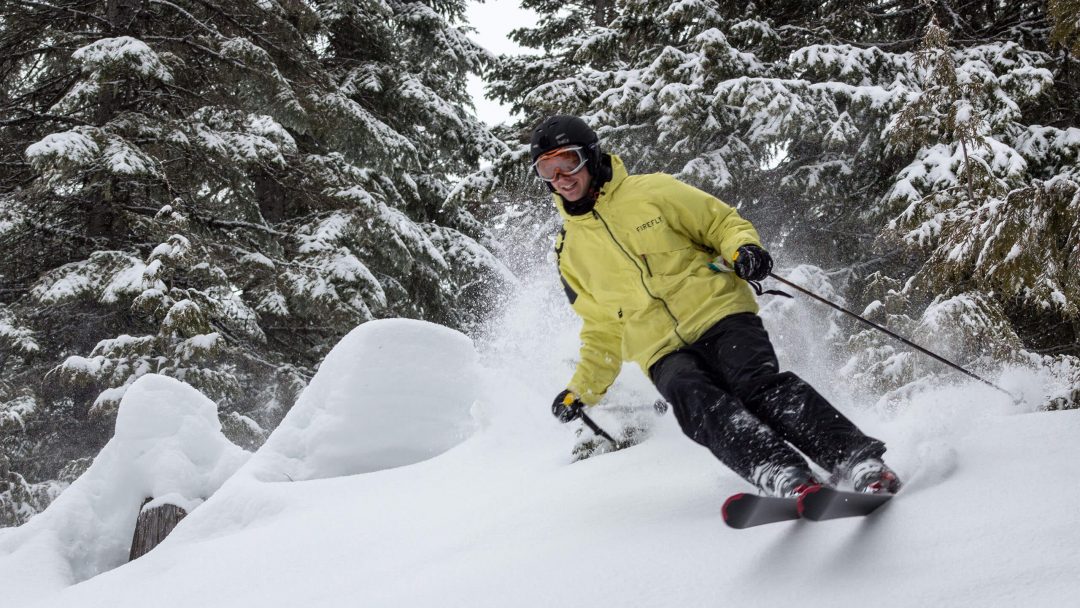
    At Bald Mountain, a small nonprofit ski area near Pierce in North Central Idaho, seniors ages 70 and older ski for free while full-day adult lift tickets go for only $25. Nestled amongst the vast Clearwater Mountains along the Gold Rush Historic Byway, Bald Mountain offers 21 runs that span 140 acres of skiable terrain with 845 feet of vertical. It is operated by the Clearwater Ski Club on land leased from PotlatchDeltic Corp., a forest products company based in Spokane, Wash. (Photo courtesy of Idaho Tourism)

  • Bogus Basin Mountain Recreation Area (Boise) — Seniors ages 70 and older enjoy discounts on lift tickets, with a full day costing $57 vs. $76 for adults 18-69, late arrivals (1 p.m. to close) costing $49 vs. $69, and twilight passes (3 p.m. to close) costing $32 vs. $39. There are no discounts on night passes (6 p.m. to close). Seniors also can purchase discounted Nordic passes, with full-day passes costing $17 vs. $24 for adults 13-69 and half-day passes costing $12 vs. $17. There are no senior discounts on winter tubing or the Glad Runner mountain coaster.
  • Brundage Mountain Resort (McCall) — Seniors ages 70 and older enjoy discounts on lift tickets, with a full day costing $62 during the regular season and $64 on holidays vs. $86 and $94, respectively, for adults ages 18-69. Likewise, seniors receive discounts on late-arrival tickets, which cost $48 during the regular season and $50 on holidays vs. $72 and $76, respectively, for adults. Seniors also enjoy discounts on multiday tickets. Buy full-day tickets online two days ahead of time and enjoy additional discounts. Brundage does not offer discounts for seniors booking snowtubing at the McCall Activity Barn, snowcat adventures, or snowmobile tours.

    Brundage Mountain Resort in Southwest Idaho near McCall about two hours north of Boise is home to what SKI Magazine has claimed is “the best powder in North America.” Its base area is blessed with more than 320 inches of snow annually, creating a consistently satisfying mix of bluebird and powder days throughout winter. It is also home to some of the best senior lift ticket discounts in the Gem State. (Photo courtesy of Ski Idaho)

  • Cottonwood Butte Ski Area (Cottonwood) — The mountain doesn’t offer seniors discounts, but full-day adult lift tickets only cost $20.
  • Grand Targhee Resort (Alta, WY) — Seniors ages 65 and older enjoy discounts on lift tickets, with a full day costing $90 during the regular season and $103 on holidays vs. $120 and$135, respectively, for adults ages 13-64. Buy your alpine ski tickets online and save up to 6 percent on most dates. Seniors also can purchase discounted Nordic passes, with day passes costing $15 vs. $20 for adults. Grand Targhee does not offer discounts for seniors booking snowshoe tours. Those wishing to fatbike its winter sports trail system must purchase a full-day alpine lift ticket or Nordic trail ticket.
  • Kelly Canyon Resort (Ririe) — Seniors ages 70 and older enjoy the same lift ticket pricing as juniors ages 6-12, with a full day costing $59 vs. $79 for adults ages 13-69. Likewise, half-day and night-skiing lift tickets cost seniors $39 vs. $59 for adults.
  • Little Ski Hill (McCall) — The mountain doesn’t offer seniors discounts, but full-day adult lift tickets only cost $25.
  • Lookout Pass Ski & Recreation Area (Mullan) — Seniors ages 80 and older ski for free. Seniors ages 62-79 enjoy discounts on lift tickets, with full-day passes costing $45 midweek, $52 on weekends, and $54 on holidays vs. $55, $66, and $73, respectively, for adults ages 18-61. Buy them online well before 8 a.m. the day before your visit and save another $3 per ticket. Additionally, if you show your photo I.D. or birth certificate at the ticket window on your birthday you’ll receive a free lift ticket on your birthday.

    Show your photo I.D. or birth certificate at the ticket window of Lookout Pass Ski & Recreation Area on your birthday and you’ll receive a free lift ticket for that day. Plus, seniors ages 80 and older ski for free and 62- to 79-year-olds enjoy sweet discounts on lift tickets. Near the historic town of Wallace and straddling the Idaho-Montana border and the Mountain and Pacific time zones, Lookout Pass is debuting its Eagle Peak expansion this winter, nearly doubling its footprint and adding another 500 feet of vertical. (Photo courtesy of Lookout Pass Ski & Recreation Area)

  • Lost Trail Ski Area (Sula, MT) — “Golden agers” 60 to 69 years old and seniors ages 70 and older enjoy discounts on lift tickets, with a full day costing $50 and $29, respectively, vs. $58 for adults ages 13-59. Likewise, golden agers and seniors only pay $45 and $26 for half-day passes, respectively, vs. $53 for adults.
  • Magic Mountain Ski Resort (Kimberly) — The mountain doesn’t offer seniors discounts, but full-day adult lift tickets only cost $40.
  • Pebble Creek Ski Area (Inkom) — Seniors ages 66 and older enjoy discounts on lift tickets, with a full day costing $50 and a half day costing $42 vs. $62 and $49, respectively, for adults ages 18-65. Pebble Creek does not offer seniors discounts on lift tickets that only allow riding on the Aspen beginner lift, which costs $25 for guests ages 6 and older.
  • Pomerelle Mountain Resort (Albion) — Seniors ages 70 and older enjoy discounts on lift tickets, with a full day costing $27 online and $37 at the ticket window vs. $50 and $60, respectively, for adults ages 13-69. Pomerelle does not offer seniors discounts on half-day and night tickets.
  • Rotarun Ski Area (Hailey) — The mountain doesn’t offer seniors discounts, but adult lift tickets only cost $15. Plus, Rotarun offers free public night skiing 6-9 p.m. Wednesdays.
  • Schweitzer (Sandpoint) — Seniors ages 65 and older enjoy discounts on lift tickets, with a full day costing $97 their first visit and $92 to reload their RFID card for subsequent dates vs. $110 and $100, respectively for adults ages 18-64. Schweitzer does not offer seniors discounts on afternoon and twilight lift tickets or Nordic trail passes. Book a stay in any Schweitzer-managed property and receive discounted lift tickets.
  • Silver Mountain Resort (Kellogg) — Seniors 65 and older enjoy discounts on lift tickets, with a full day costing $60 midweek (Monday-Friday), $64 on weekends, and $70 on holidays vs. $65, $71, and $75, respectively, for adults ages 18-64. Likewise, senior half-day tickets cost $55 midweek and on weekends and $60 on holidays vs. $57 and $65, respectively, for adults. Seniors also enjoy discounted scenic gondola rides (the resort is home to the world’s longest single-stage gondola that serves a ski area), which cost them $17.95 vs. $21.95 for adults. Silver Mountain does not offer seniors discounts on snowtubing or passes to Silver Rapids, Idaho’s largest indoor waterpark, which is adjacent to the resort’s Morning Star Lodge in the gondola village.
  • Snowhaven Ski & Tubing Area (Grangeville) — Seniors ages 62 and older enjoy discounts on lift tickets, with a full day costing $22 vs. $24 for a regular adult ticket and half-day passes costing $17 vs. $22 for a regular adult ticket. There are no senior discounts on snowtubing.
  • Soldier Mountain (Fairfield) — Seniors ages 70 and older enjoy discounts on lift tickets, with a full day costing $39 online and $54 at the ticket window vs. $59 and $74, respectively, for adults ages 18-69. Half-day tickets cost $24 online and $39 at the ticket window vs. $44 and $59, respectively, for adults. Soldier Mountain does not offer seniors discounts for its snowcat adventures.

    Seniors save 27 percent off regular adult prices when purchasing their Soldier Mountain lift tickets onsite at the ticket window, and up to one-third when they buy them online. It is one of only 10 ski areas in the U.S. you can rent out for the day. For $6,000 you can privately book the mountain during nonoperational days (Mondays-Wednesdays) for corporate retreats or personal events. So if you and 99 friends got together, you could have the entire mountain to yourself for the day for only $60 apiece. (Photo courtesy of Ski Idaho)

  • Sun Valley Resort (Sun Valley) — Seniors ages 65 and older enjoy discounts on lift tickets, with a full day ranging from $86-145 depending on the date vs. $104-225 for adults ages 13-64.

    Boasting 3,400 ft. of vertical, Sun Valley Resort’s senior discounts are nearly as steep, reaching upwards of 35 percent. For the third consecutive year, SKI Magazine named it the top ski resort in North America in its 2022 Annual Resort Guide. Sun Valley ranked no. 1 in the West for overall satisfaction, lifts, dining, and local flavor, and also ranked highly in the grooming, guest services, lodging, après, nightlife, and family friendly categories. (Photo courtesy of Sun Valley Resort)

  • Tamarack Resort (Donnelly) — Seniors ages 70 and older enjoy discounts on lift tickets. When pre-purchased in advance online, a full-day pass costs seniors $40 midweek and weekends and $60 on holidays vs. $55, $75, and $90, respectively, for adults ages 18-69. When purchased at the ticket window, seniors pay $60 for a half day, $75 for a full day, and $95 on holidays vs. $80, $115, and $135, respectively, for adults.

Please visit skiidaho.us for more details.

These Prescription Goggles Offer Fog-Free and Full-Range Vision

Are you a senior skier or rider who has struggled to find a suitable solution for prescription eyewear on the slopes? Are you still looking for a solution to seeing the trees or reading the trail map while skiing without having to worry about lens fogging up?

Traditional Over-the-glasses (OTG) goggles can be prone to fogging, requiring frequent wiping and gear adjustment. Prescription goggles with lens inserts offer clear vision straight ahead. Still, many users complain that they have limited visibility around the edges, requiring them to turn their heads to see frequently. To improve the viewing experience for senior skiers and riders, There are better ways for senior skiers and riders to enjoy the view entirely.

SnowVision has developed a unique lens technology that addresses some of the common issues with traditional over-the-glasses (OTG) goggles and prescription goggles with lens inserts. Jerke van den Bogaert, Jan Van Roy and Wim Van Roy, an aerospace engineer, founded the company. Wim Van Roy also designed the vents to prevent fogging. By integrating the prescription lens into the inner lens of the goggle, they create an insulating layer of air that prevents misting and fogging.

Additionally, the prescription lens inserts are curved, like the goggle lens, instead of flat, like your regular glasses providing a wider field of view and improved visibility even around the edges of the goggles. They have the widest optical range on the market (+9 to -9) and can have prisms and progressive/multifocal lenses installed. All these make Snowvision goggles an excellent option for senior skiers and riders who want to enjoy a clear and unobstructed view while on the slopes.

Plus, the lenses are photochromatic, so you don’t have to worry about carrying and changing goggles or lenses to match the weather, which can vary from bluebird to overcast, flat light, and back again in a couple of runs. The goggles adjust automatically within 30-60 seconds, about the same time it takes to unfold or refold a paper trail map.

SnowVision prescription lenses are available as unifocal, progressives, or bifocals to meet the diverse needs of skiers and riders. It’s also important to note that it may take some time for your eyes to adjust to the prescription lenses, just as they would with regular glasses. It’s always a good idea to consult your ophthalmologist to determine the best lens type and prescription for your needs and activities. The SnowVision website is also helpful for finding the right lens for your needs and preferences.

High-quality vendors in Germany, Italy, and Japan manufacture the goggle’s components. The modern design, robust look, and performance reflect the quality of SnowVision goggles.

Prices start at around $100 for the no-fog, photochromatic goggles without a prescription and around $250 for the unifocal options. Each pair is custom-made based on your prescription. If you have not seen your eye doctor recently, this may be an excellent opportunity to update your prescription and try out these high-quality, custom-made RX goggles from SnowVision.

private group scheduling app for sharing a ski house or other co-owned or jointly-owned property

Using a Scheduling App for Co-ordinating Ski House or Club Stays

The Challenges of Shared Vacation Property.

I’m connected to a group that has access to a special piece of real estate. It’s not grand or luxurious, but it’s in an epic location and holds years of memories of celebrations, vacations and good times with family and friends. It’s a privilege to be able to go there, and the co-owners work hard to maintain it, to enable fair use, and to share expenses evenly.

The upsides of sharing a vacation property are obvious, but there are challenges. Some of these can be made easier by judicious use of technology. Software can’t repair damaged relationships or solve every problem, but it can go some way to reducing friction and making a shared property easier to manage. 

Scheduling Use

transitioning from a paper calendar to an online reservation system for shared propertyThe first issue that typically arises in group sharing is how to plan use. In our case situation, there was just one person who managed a paper calendar, and you had ask her about availability by phone 9-5 Monday-Friday. 

This was difficult for a number of reasons:

  1. On a particularly good weather weekend, people would be unsure if the place was in use or not and sometimes they would just show up in case no one was there. This didn’t always go over well with people who had called in advance and were already in residence.

  2. Some people found it awkward and uncomfortable to call and potentially disturb the calendar manager. 

  3. It often took more than one call to make a reservation. Playing telephone tennis to establish whether the place was available on a particular date felt like work.

  4. People don’t always make plans 9-5 M-F. Waiting till the next business day to check availability dragged the process out.

Making It Fair

lady justice's scales showing that sharing should be fairThe second issue that we commonly see, and that was the case in our group too, is making use feel fair.
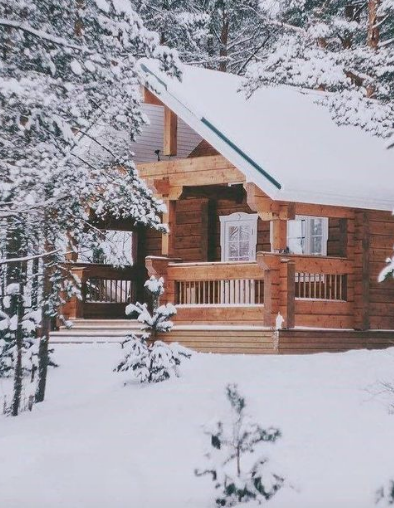
Some members of the group live out of state and might only visit once per season. Others live a short drive away and visit often, when conditions are good.

If everyone is sharing expenses, this lopsided usage is clearly unfair and can prompt bad feelings. We planned to tally up everyone’s use and charge an additional use fee, so infrequent visitors would feel fairly treated.

Building A Website

I’ve been building websites since 2005 (including SeniorsSkiing.com) so it seemed obvious to me that these problems could be solved by a shared online calendar with multiple users.

Rather than build one from scratch, I researched off-the-shelf options. My criteria were:

  1. Group members should be able to see the live calendar.

  2. Group members should be able to make reservations.

  3. The calendar should be private because no-one wants to broadcast when a property is empty.

  4. The available time slots should be customizable so that it’s simple to book a day or overnight, or multi-night stay.

  5. There should be a way to specify use types for example: member, guest or rental. This so different use rates can be calculated.

It seemed simple but I struggled to find something I could adjust to meet our needs. Google Calendar was an obvious option but there was no way to share a calendar without making the link public even if it was unlikely anyone would find it.

There was also too much flexibility—group members could book 10 mins, overlapping stays, and edit the past. We had no way to standardize use and simplify the options.

I must have demoed at least 30 promising apps over the years, systems designed for inns, campsites, rentals management, hair salons, gyms, yoga studios, and even shared workspaces, but all of them had some blocking feature. 

In the end, I became resigned to building a website from scratch. Each owner had a login, you could check the live month-view calendar, see who was going and what days or weeks were available. Reservations were made by clicking on a date and picking from a few simple options and you didn’t need to re-enter your details each time.

The effect was liberating. Everyone had access to the calendar 24/7. There was no need to call a third party. Options and time slots were standardized, it was easy to understand. Members paid extra according to use. We had more money to cover capital expenditures. A big chunk of stressful communication was removed. Sharing felt easier.

Turning It Into A Web App

A few years later the group had a wish list of additions for the site, and there was interest from others wanting a website for their ski house, boat or beach house. It seemed that this was a tool that could potentially do good and maybe generate some income.

I realized that if I created an app that could help groups share with less stress that would feel good, and if special places were kept intact rather than split up and developed there would be a land conservation benefit, too.

Fast forward to 2020 and I contracted with a developer to turn the website I had built into a web application. A web app is essentially one codebase that can be used by multiple separate accounts instead of many separately coded websites. For web apps think Gmail, AirBnB, Shopify etc. I called the app Resercal because it was the most simple and descriptive short .com name I could find.

private group scheduling app for sharing a ski house or other co-owned or jointly-owned property

The new features added by popular demand were:

  1. Annual report of use. Our group’s manager had been tasked with manually tallying visits each year by referring to the original website. It was a time consuming task that had to be correct. Now that’s automated by the app.
  2. Editable Rules page. We had a rules page on the original site but any changes had to made by me as the code had to be edited. Now a manager can easily add to or edit text on the account’s rules page without worrying about code.
  3. Cancellation window. Managers (an admin role) can edit the cancellation window and members (regular users) cannot change their reservation once it’s within X hours of the start date. They also can’t edit dates in the past. We had no bad behavior in our group but it was trust-building to know that no one could edit their past use to reduce their contribution; or block off a date and then cancel on the day to avoid being charged the use fee.
  4. Temporary member suspension. There haven’t been any transgressions in our group but one common issue is that there is no consequence for egregious behavior like not paying your share or constantly breaking agreed upon rules. Now managers can temporarily suspend a member so they can’t see the calendar or book use until they are re-instated. This feature can be used or not according to a group’s bylaws, rules or customs.
  5. Waitlisting. We found that out-of-towners sometimes got blocked out by local members who reserved a date and didn’t know it was the only weekend the member from Florida was able to visit. Now, with waitlisting, you can signal your eagerness to jump in if the original reserver is less invested in that date, or if they are going to cancel anyway. In our group the locals would quickly stand aside for a less frequent visitor if they saw them appear on the waitlist.

shared calendar for groups with waitlisting feature

Launched In 2020

Now Resercal, the scheduling web application for sharing groups, is available for an annual subscription

For the original group that I am connected to, the annual subscription cost is a line item in the budget along with accounting fees and utilities. When we calculate the hours of “busy work” saved at an hourly rate it easily makes sense.

2020 has been a strange year so far. We hope that Resercal can make it easier to manage shared use. We’ve already used it for a summer pool club that needed to separate visitors by “pod”. In that case, use was reserved hourly.

As winter approaches we are gearing up for the ski season, helping clients manage scheduling when dealing with multiple pods, high risk users, work-from-home skiers, and kids who are remote-learning.

Features In Development

We also have some new features in the pipeline:

  1. To-do list where members can easily write notes or post photos communicating repairs needed or low supplies and mark issues as resolved.

  2. “Multiple reservables” so you can have several cabins or main house/guest house etc. in one account and show/hide them in the calendar.

  3. Manager moderation turns member-initiated reservations into requests that are received by the group’s designated scheduling manager. The manager can then edit/confirm or deny the request based on the rules and customs of the group.

  4. Invoicing so managers can bill members for use and/or for their share of expenses.

  5. Payments so members can pay invoices online via ACH or credit card.

How To Get Resercal

If you would like to learn more about how Resercal could work for your ski house, cabin or club please contact us. We’d be glad to schedule a call and learn about your needs, we can also send you a demo link.

If you have features you would like to see developed please let us know. We are keen to hear what ski cabin sharers or ski club members need.

The Resercal shared property scheduling and management app is available on an annual subscription basis from Resercal.com.

Sharing a Ski House During a Pandemic

How Does Everyone Stay Safe In Close Quarters?

Has your ski club thought about managing a shared ski house? Credit: Camilla Stahlschmidt

In the Internet era, we keep hearing about the “new sharing economy” with tech companies like AirBnB, Uber, Zipcar all capitalizing on otherwise under-used assets like spare bedrooms and cars. But in the ski community we’ve been ahead of the curve for years with ski clubs maximizing occupancy of ski houses, families sharing use of second homes, and even college buddies teaming up to buy a ski house together. The sharing economy is not a new concept to skiers and snowboarders who were the original couch surfers!

Despite all this experience in sharing places to stay near the mountains, the pandemic adds a new dimension. Ski resorts, hotels and inns are fretting over plans for opening, but what does it mean for all the private sharers? Do we pile in together as usual or stay in smaller “pods” to limit exposure even though that might mean fewer ski days and less social interaction?

Health experts are still learning about the Novel Coronavirus and how it is transmitted but for now it seems safe to say that you don’t want to be inside sharing air with people who may be spreading the virus. It’s much, much safer to be outside and at least six feet apart. The data also shows that older people and people with pre-existing conditions are more likely to suffer a severe case of COVID-19 if they are infected so our 50+ demographic has to be extra careful.

With that in mind it may be worth doing some additional thinking about your accommodation plans before the snow flies. If you are sharing a house with others, are they all already in your “pod” or are you potentially exposing yourself to a new group—and all the people they may have interacted with in recent weeks?

Some houses have separate apartments or cabins which would be ideal for spreading groups out while still allowing for outside social time while skiing, snowboarding, or trying other winter sports, and of course for après.

Ski clubs may want to consider spacing people out, reducing use of communal gathering spaces or even following the school model and splitting members up into smaller cohorts with each cohort going at a different time. Maybe even sorting by age and giving older members the option to visit at child-free times?

One option to help with organization, minimize risk, and avoid confusion in shared spaces is Google Calendar. Another, specifically targeted at ski clubs and private houses is Resercal.com (disclosure: the author of this article created this product). There are many other online booking systems that can help you organize your season depending on what you need. Many are aimed solely at hotel/inn managers or for rentals-only so look carefully for the features that best fit your situation.

Consider leaving a buffer in the schedule between uses for cleaning. That should reduce the chance of virus being transmitted by air or on surfaces.

You might also want to think about making your shared ski house work-from-home compatible. With many people working remotely, it may be possible to spread family, friend, or club member use over more dates than in past seasons. For example a family with kids could visit for a whole week, remote-working, and “distance-learning” from the ski house, instead of just staying on weekends. Spread out over the season, a few longer visits in smaller pods might add up to a similar number of ski days for all involved.

What are your thoughts and plans? How are you or your group preparing for this unusual season?