My Biggest Fear on the Slopes

On trail signage at Park City Mountain Resort Photo: Jon Weisberg

Several years ago, SeniorsSkiing surveyed its readers about their biggest fear on the slopes. The overwhelming answer was being hit by an out-of-control skier. It is my greatest fear as well.

Whether he/she may be drunk, stoned or skiing too fast for the conditions, or on a run well above his/her ability, or whatever the cause doesn’t matter. It is reckless and doing puts everyone on the trail in danger.

Think about it. A 150 lbs. person traveling at 20 miles an hour packs a wallop. The force of impact is equal to the object’s kinetic energy divided by the distance. Kinetic energy is the object’s mass (150 lb. person) times the speed (20 mph) squared divided by two, or in this case 30,000 Joules or roughly 22,133 lbs. of force. 

The unknown is how far the person has traveled at this speed because he/she is traveling downhill and possibly accelerating. Even if the out-of-control person has only traveled a few feet, getting hit by another person with 22,133 lbs. of oomph may cause serious injuries.

Unfortunately, ski areas do not adequately police their slopes for out-of-control skiers. Their view is that when you step into your bindings, you assume the risk of injury to yourself and to others. 

Most of what ski areas do to counter reckless skiers do is reactionary and defensive in the form of snow fences and warning signs. Stationing employees around the mountain who have the authority to take a lift ticket or season pass is something ski areas are loathe to do. 

To further protect is ski areas against lawsuits, Colorado passed a law several years ago that made it much harder to sue a ski area if you are injured. And, if you are injured by someone who slams into you, you must sue the individual who hurt you. The ski area defense is “We weren’t involved.”

So, what does a senior skier do? Here’s my list of eight:

1. Ski with your head on a swivel.

2. When you stop, either stop on the side or by a ski slow or trails merge sign.

3.  Wait until groups pass and there’s a gap.

4. Ski midweek and avoid weekends and holiday.

5. Don’t ski at the most popular areas. There are many ski areas where a long lift line are the two people who just arrived at the bottom of the lift a few seconds before you did.

6. Pick trails that aren’t crowded.

7. Ski along the edges. All those who ski in New England a lot will tell you that’s where the best snow is!

8. Get to know the mountain before you put on your skis, i.e., study the trail map to know where you want to ski BEFORE you step into your bindings.

Preventing On-Mountain Collisions: The Snow Angel Safety Message

“We want to have a positive impact on this industry after a tragic event in our lives,” says Chauncey Johnson, who founded the Snow Angel Foundation with wife Kelli, to educate skiers and snowboarders to be safe on the slopes, by being more aware of those around them – and slowing down.

In 2010, their daughter Elise was killed by a snowboarder zooming down the trail at a high speed.  “She was five, he was doing 50,” he told a group at the recent Snowbound Expo in Boston. Kelli also was seriously hurt, with a traumatic brain injury that required her to learn to walk, speak and ski again. 

The snowboarder was 23-years-old, older than the stereotype of the out-of-control, don’t-care-about-anybody-else teenaged boarder.  He also was killed, in what was one of the worst on-mountain accidents in history that wasn’t an avalanche – although this created an avalanche of sorrow, and then action, for the Johnsons.

There wasn’t a dry eye in the house as he told the story. I stopped breathing as he told it. I was remembering about putting my own kids on skis at that age, and protecting them from the speedsters, even on the green runs we were skiing, including yelling at the speeders to slow down.  Haven’t we all done that!

The accident was on a small, local mountain in Wyoming, close to where they live, but it could have been anywhere.  Clearly, they want to prevent collisions from happening again anywhere.  Honoring the memory of Elise means working full-time to educate young skiers, even Ski Patrollers, about preventing accidents. 

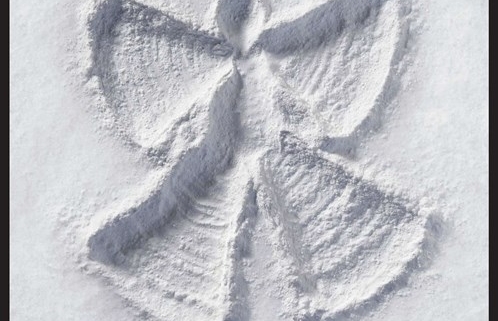
 That’s the reason behind the Snow Angel Foundation – which uses a snow angel for its logo.

www.snowangelfoundation.org

 The Johnsons work with resorts, schools in resort areas and online to promote what he describes as a triangle of safety –

  • Speed – keep it relative to others on the same trail
  • Space – keep a safe distance from others
  • Self – be aware of your limits, including tiredness

The Johnson’s first effort was “Ride Another Day”, a simple theme we can all relate to.  They work with the NSAA, the National Ski Areas Association, to promote the safety message, which continues to be incorporated into their current work under Snow Angel Foundation.

They are now partnering with Killington, which is adding Snow Angel safety signage at lift access, on chair towers even in the lodge.  

They also work with patrollers at various resorts. Ski Patrol used to clip a lift ticket when somebody went down a roped-off closed run, or went 50mph in a 10-30 zone.  Now, they can disengage the electronic ticket.   Johnson wants patrollers to have a positive – not confrontational talk – before it’s reactivated.  Or not, if the misbehaving speeder doesn’t get the message.

He encourages all of us to take an active role in on-mountain safety, by talking to too-fast skiers and boarders.  Johnson suggests starting the conversation by saying something like, “My friends Chauncy and Kelli,” and then tell the story and its lesson.

Simply, we all have a role in on-mountain safety.  Chauncey and Kelli Johnson are leading the way, along with Killington, and we at SeniorsSkiing hope more resorts sign up with the program.

 See you on the slopes!

The Skiing Weatherman March 24, 2023

First of all, please accept my apologies for missing the last edition.  After attending a hectic three day trade show near my home here in Rhode Island, I rushed home and packed my bags for a flight to the Netherlands, where my wife and I met our first grandchild…a memorable event that I will never forget.  I simply had a brain cramp and forgot to submit an article.  Hopefully you didn’t miss it because you were out enjoying the fresh snow that FINALLY made its way to the Northeast early this month!

The weather pattern has unfolded pretty much the way I anticipated, although the cold air that has supported some healthy March snow amounts did not reach as far south as I thought it might.  Most of the substantial snow has fallen north of Interstate 80 and although the past few days have been mild and wet at times all the way up to the Canadian border, the pattern is about to cool down again and I believe that there will be at least a few more meaningful snowfalls across the Northeast before the curtain comes down on this season.  This weekend a relatively weak storm will move across New England with only a marginal amount of cold air with which to work, so we are looking at another elevation event that will bring mixed precip types to the Adirondacks and the mountains of northern New England and southern Quebec. The resorts north of U.S. Route 4 have the best shot at picking up a moderate amount of snow…along with some other “stuff”…but this will not be a blockbuster storm.

Here’s why I believe that the weather pattern still has legs in terms of cold and snow.  If you look at this jet stream forecast for April Fools Day…

You will see an orange area over Greenland.  That is an upper level ridge, and it has hardly moved for about 3 weeks.  That blocking ridge was a product of the sudden stratospheric warming episode that I wrote about last month.  By remaining in essentially the same place, it has acted as a block against upper level troughs (the blue circulation off to its southwest) from zipping out to sea.  Instead, the troughs have been forced underneath the ridge, and many of them have moved through the Northeast this month, supporting surface lows as they spun through the region.  The troughs also break off a chunk of cold air from the high latitudes and deliver it to the lower 48.  Here’s a look at the temperature anomalies at about 5,000 feet for the same time step of the jet stream map…

Temperatures about a mile above the surface are a very dependable proxy for forecasting surface temperatures, and the dark blue on this map suggests that air that is cold enough to limit melting and potentially support late season snow will be present as we head into next month.  If we fast forward to April 5th, we see that it looks as though those deviations from normal will only deepen…

Now, the colder air that we can reasonably expect around April 5th will be offset to an extent by the rises in normal temps that will be occurring over the next few weeks…normal highs and lows are rising 2 to 3 degrees per week in the Northeast right now.  That shot of cold will help sustain some very nice skiing and riding right through Easter weekend by the looks.

So, from where I am sitting, I remain very bullish on the prospects for winter sports for at least the next few weeks…if your timing is right, you could even sneak in a powder day or two…enjoy!!!

The Skiing Weatherman February 24, 2023 

By the time you read this, a significant snow and ice event will have moved through the Northeast, signaling the start of the pattern change that I alluded to in my last installment. The stratospheric warming event that I discussed in my last installment has matured and now it is time for us to reap the benefits.  The polar vortex has been distorted by increasing pressure from the warming above and the cold air contained in the vortex has started to spread out to the mid-latitudes in several parts of the globe.

Colder air has already built up over much of Canada, as you can see from this map of surface temp anomalies from this morning.

Although the core of the colder air is located over the western half of the continent, that cold air will be progressing eastward as we head toward March.  In addition, the cold over eastern Canada is poised to be pulled south by the circulation around any sort of low-pressure center that moves through the Northeast.  There are two other things I want you to notice about this map.  First, the zone that separates the colder than normal from the milder/warmer than normal air masses stretches from Oklahoma to central New England.  This “baroclinic zone” is the likely storm track in the near term as low pressure systems feed off the thermal contrast available for energy to support the storm.  So, there will still be rain/snow lines to be concerned with, but that zone will be sinking southward as we head into March.  Lastly, notice the current warm anomalies over Greenland…those suggest the presence of an upper level ridge overhead and indeed, if we look at this snapshot of jet stream features for the same time we see an upper ridge poking its way into Greenland from the East.

If that ridge strengthens and expands westward over the next couple of weeks, an active storm track will develop underneath it…right through the eastern United States.  If we take a look at a jet stream forecast for the end of the first weekend in March, we will see that there is model support for this idea.

The ridge will extend west into northeast Canada with a broad trough covering much of the Lower 48.  Energy will come out of the piece of the trough in the Pac Northwest, traverse the country from west to east and feed off the thermal contrast that will still exist from the Ohio Valley to the east coast…that thermal ribbon will be further south, though, and that will mean opportunities for late season snow in the central Appalachians.

Here is a very interesting frame that shows the surface pressure tendencies for the 30 day period following the maturation of a stratwarm event…

The orange area shows high pressure anomalies over Greenland and the polar regions and the blue shows a tendency for low pressure areas along the eastern seaboard…can you say “late season Nor’easter”?  A jet stream set up like the ones shown for early March is one that is very favorable for eastern snowstorms.  Furthermore, with a strong ridge over Greenland and Canada effectively blocking the progression of systems around the northern hemisphere, the pattern is likely to remain in place for an extended period…perhaps much of next month.  Last…and certainly not least, here is a forecast for bountiful snowfall through the first week in April…

Based on a multitude of factors, some of which I have laid out in this piece, I think that the amounts you see are feasible, if not likely.  Better late than never, eh?

The Skiing Weatherman February 10, 2023

In spite of last weekend’s dramatic cold outbreak over the Northeast, one that was muted at resorts further south in the mid-Atlantic states, milder than normal temperatures continue to dominate the pattern.  Not to the extent that they did in a very mild January, but enough to make every disturbance, big or small, that comes along a real nail biter in terms of rain vs. snow.  For the most part, natural snow has been confined to areas north of Interstate 90 in New York and New England, although the Catskills have cashed in a few times here in there before seeing mild air turn the precip over to something other than flakes.  There is no short-term change in sight, but all is not lost.  An infrequent event at the top of the atmosphere over the high (polar) latitudes is underway, and I believe that this phenomenon may well provide the Northeast with its most consistent snow conditions of this season from late this month through at least a good portion of March.

What’s going on high above the arctic regions is known as a Sudden Stratospheric Warming, or SSW.  At the top 1 to 3 per cent of the atmosphere, at roughly 30 miles above the surface, the air is warming rapidly, and as pressure levels grow aloft, the effect is gradually pressing down on the polar vortex that is swirling around closer to the surface at a level known as the troposphere.  Here is a graphic that illustrates the potential “before and after” of the process…

You can see the tight, symmetrical circulation over the North Pole, which is essentially what the vortex looks like right now.  The squiggly darkest blue line is what the vortex will look if the warming fully matures, spreads to the lower levels and breaks it up.  As the warming continues to descend, the vortex is attacked by the warmth at the top of the atmosphere.  Here is a graphic showing the attack at the top for the 17th

A strong bubble of warmth has pushed and distorted the vortex to the east…off its polar perch.  This next map shows the stratospheric temperatures the next day at well above normal levels…

As the process continues, the smooth and nearly circular flow of the vortex will get disrupted, so instead of having most of the cold air in the northern hemisphere bottled up near the North Pole, some of that air will get redistributed to the lower latitudes.  One of the key indicators if the warming and vortex disruption is enough to bring the Northeast a spell of consistently cold and snowy weather will be a change in direction of the flow around the pole.  Modeling does indeed forecast that change, and if it does occur, studies of prior SSWs tell us that although the main thrust of the coldest air will move into Siberia, an upper-level trough will form over eastern North America for an extended stay.  In that position, the trough will be poised to receive several shots of cold air from Siberia via a track up and over the Pole.  Here is a look at where the jet stream set up is headed toward the end of this month and beyond…

The most recent February SSW event of consequence was in 2018, and it is worth looking at the temperature anomalies at the surface that occurred in March and April of that year…

Typically, the cold effects of an SSW event last several weeks, and when combined with a dying La Nina, even longer.

An SSW is a very complex event and I hope I have been able to adequately describe it in the space available.  With another week of marginal temps about to unfold in the Northeast and the specter of yet another messy “cutter” storm moving up to the west of the region late next week, I chose to discuss the SSW today because I believe that there will be outstanding conditions to enjoy before this season is over.  The SSW that is underway is the meteorological mechanism that will get us there.

The Skiing Weatherman January 13, 2023

Happy New Year to one and all!  I hope you got some packed powder turns in during the holiday week because dry surfaces have been hard to come by during the first half of this month.  The January thaw typically comes along in the late 10’s/20’s of this month, which you can actually see in the historical data as a modest bump in observed temperatures.  This year the thaw came very early, which was unusual but not unprecedented.  An upper ridge was dominant over the East during the first week of the month, which led to a cessation in snowmaking operations as well as a pause in opportunities for meaningful natural snow.  A pattern change of sorts got underway last weekend, and mountain crews took advantage of colder temps this week to rehab terrain as we head into the MLK weekend.  A messy storm is taking an unfavorable track as we close out this week, but it will be turning colder over the weekend, so if you are skiing or riding during the holiday, you can plan on sliding through some snowmaking plumes on open terrain.

While the East has been running lean in the fresh snow department, you no doubt have been hearing about the parade of storms that have been plastering the West with fresh snow…especially the coastal ranges that get first dibs on the incoming moisture.  Those moisture laden upper troughs have been working their way out onto the Plains and then fighting with the upper ridge that has been over the East much of this month.  Most of the troughs have been deflected to the northeast, running through the Great Lakes and into Canada, and that is a track that draws moisture and mild air northward, bringing rain or mixed precip along the full length of the Appalachians.  Occasionally, one of the troughs fights its way straight east, weakening and dislodging the ridge in its path.  This scenario is what played out last weekend, leading to a colder week.   That cold air has helped to produce some snow on the front end of the system moving through the East late this week, but the track is inland, as illustrated by this slide from Friday a.m.

A low center over Albany allows milder air to reach all the way into southern Quebec, so much of the front-end snow has been washed away.  The backside of the low will bring some snow to northern New York and northern New England, and the air mass for the weekend will be seasonably cold, allowing a resumption of snowmaking.  Next week will turn somewhat milder again, but there are strong signs that a major pattern change will get underway later next week.  It won’t be a “light switch” to a cold and snowy regime, but in the transition, there is the potential for a significant snowfall on the 20th/21st that would benefit area primarily north of I-90.  South of there it will likely be a mixed precip event, with a nice shot of snowmaking temps following the passage of the low center.  Here is a look at a surface map for next Friday afternoon…

Once again, the low center will cross central New England, but there will be enough cold air around to the north of the low for a healthy snowfall.

Longer term, there are changes in the southwest Pacific and eastern Indian Ocean with respect to where thunderstorms are clustered that point to a colder than normal regime developing during the final week of January and continuing right on into February.  This season has been uneven at best and a downright dud in some parts of the East, but that thunderstorm correlation (also known as the MJO, or Madden Julian Oscillation) is an excellent winter forecast tool and I am leaning on it heavily.  Right now, I am very bullish on the second half of the season here in the East.  Here is a look at the 5,000 foot temp anomalies for the 27th, showing that the coldest air poised to dominate the East by month’s end.

For the most part, conditions are epically outstanding out west, but pummeling of storms will end in about ten days, with the northern Rockies becoming the typically La Nina favored region for continued snows…the southern Rockies resorts could still use some snow.  The northern Great Lakes are looking good, but the thaw has impacted the rest of the Midwest.   The central and southern Appalachians need some snow as they are anxiously awaiting the pattern change that I believe is on the horizon.


Seniors Enjoy Steep Discounts at Most Idaho Ski Areas

Collectively, Idaho’s ski areas boast 29,000 feet of vertical spanning more than 21,000 acres, short lift lines, and extremely affordable passes. Plus, most offer skiing seniors significant discounts on lift tickets (and season passes).

Here’s a comprehensive list of the deals available to seniors looking to ski Idaho:

  • Bald Mountain Ski Area (Pierce) — Seniors ages 70 and older ski for free.

    At Bald Mountain, a small nonprofit ski area near Pierce in North Central Idaho, seniors ages 70 and older ski for free while full-day adult lift tickets go for only $25. Nestled amongst the vast Clearwater Mountains along the Gold Rush Historic Byway, Bald Mountain offers 21 runs that span 140 acres of skiable terrain with 845 feet of vertical. It is operated by the Clearwater Ski Club on land leased from PotlatchDeltic Corp., a forest products company based in Spokane, Wash. (Photo courtesy of Idaho Tourism)

  • Bogus Basin Mountain Recreation Area (Boise) — Seniors ages 70 and older enjoy discounts on lift tickets, with a full day costing $57 vs. $76 for adults 18-69, late arrivals (1 p.m. to close) costing $49 vs. $69, and twilight passes (3 p.m. to close) costing $32 vs. $39. There are no discounts on night passes (6 p.m. to close). Seniors also can purchase discounted Nordic passes, with full-day passes costing $17 vs. $24 for adults 13-69 and half-day passes costing $12 vs. $17. There are no senior discounts on winter tubing or the Glad Runner mountain coaster.
  • Brundage Mountain Resort (McCall) — Seniors ages 70 and older enjoy discounts on lift tickets, with a full day costing $62 during the regular season and $64 on holidays vs. $86 and $94, respectively, for adults ages 18-69. Likewise, seniors receive discounts on late-arrival tickets, which cost $48 during the regular season and $50 on holidays vs. $72 and $76, respectively, for adults. Seniors also enjoy discounts on multiday tickets. Buy full-day tickets online two days ahead of time and enjoy additional discounts. Brundage does not offer discounts for seniors booking snowtubing at the McCall Activity Barn, snowcat adventures, or snowmobile tours.

    Brundage Mountain Resort in Southwest Idaho near McCall about two hours north of Boise is home to what SKI Magazine has claimed is “the best powder in North America.” Its base area is blessed with more than 320 inches of snow annually, creating a consistently satisfying mix of bluebird and powder days throughout winter. It is also home to some of the best senior lift ticket discounts in the Gem State. (Photo courtesy of Ski Idaho)

  • Cottonwood Butte Ski Area (Cottonwood) — The mountain doesn’t offer seniors discounts, but full-day adult lift tickets only cost $20.
  • Grand Targhee Resort (Alta, WY) — Seniors ages 65 and older enjoy discounts on lift tickets, with a full day costing $90 during the regular season and $103 on holidays vs. $120 and$135, respectively, for adults ages 13-64. Buy your alpine ski tickets online and save up to 6 percent on most dates. Seniors also can purchase discounted Nordic passes, with day passes costing $15 vs. $20 for adults. Grand Targhee does not offer discounts for seniors booking snowshoe tours. Those wishing to fatbike its winter sports trail system must purchase a full-day alpine lift ticket or Nordic trail ticket.
  • Kelly Canyon Resort (Ririe) — Seniors ages 70 and older enjoy the same lift ticket pricing as juniors ages 6-12, with a full day costing $59 vs. $79 for adults ages 13-69. Likewise, half-day and night-skiing lift tickets cost seniors $39 vs. $59 for adults.
  • Little Ski Hill (McCall) — The mountain doesn’t offer seniors discounts, but full-day adult lift tickets only cost $25.
  • Lookout Pass Ski & Recreation Area (Mullan) — Seniors ages 80 and older ski for free. Seniors ages 62-79 enjoy discounts on lift tickets, with full-day passes costing $45 midweek, $52 on weekends, and $54 on holidays vs. $55, $66, and $73, respectively, for adults ages 18-61. Buy them online well before 8 a.m. the day before your visit and save another $3 per ticket. Additionally, if you show your photo I.D. or birth certificate at the ticket window on your birthday you’ll receive a free lift ticket on your birthday.

    Show your photo I.D. or birth certificate at the ticket window of Lookout Pass Ski & Recreation Area on your birthday and you’ll receive a free lift ticket for that day. Plus, seniors ages 80 and older ski for free and 62- to 79-year-olds enjoy sweet discounts on lift tickets. Near the historic town of Wallace and straddling the Idaho-Montana border and the Mountain and Pacific time zones, Lookout Pass is debuting its Eagle Peak expansion this winter, nearly doubling its footprint and adding another 500 feet of vertical. (Photo courtesy of Lookout Pass Ski & Recreation Area)

  • Lost Trail Ski Area (Sula, MT) — “Golden agers” 60 to 69 years old and seniors ages 70 and older enjoy discounts on lift tickets, with a full day costing $50 and $29, respectively, vs. $58 for adults ages 13-59. Likewise, golden agers and seniors only pay $45 and $26 for half-day passes, respectively, vs. $53 for adults.
  • Magic Mountain Ski Resort (Kimberly) — The mountain doesn’t offer seniors discounts, but full-day adult lift tickets only cost $40.
  • Pebble Creek Ski Area (Inkom) — Seniors ages 66 and older enjoy discounts on lift tickets, with a full day costing $50 and a half day costing $42 vs. $62 and $49, respectively, for adults ages 18-65. Pebble Creek does not offer seniors discounts on lift tickets that only allow riding on the Aspen beginner lift, which costs $25 for guests ages 6 and older.
  • Pomerelle Mountain Resort (Albion) — Seniors ages 70 and older enjoy discounts on lift tickets, with a full day costing $27 online and $37 at the ticket window vs. $50 and $60, respectively, for adults ages 13-69. Pomerelle does not offer seniors discounts on half-day and night tickets.
  • Rotarun Ski Area (Hailey) — The mountain doesn’t offer seniors discounts, but adult lift tickets only cost $15. Plus, Rotarun offers free public night skiing 6-9 p.m. Wednesdays.
  • Schweitzer (Sandpoint) — Seniors ages 65 and older enjoy discounts on lift tickets, with a full day costing $97 their first visit and $92 to reload their RFID card for subsequent dates vs. $110 and $100, respectively for adults ages 18-64. Schweitzer does not offer seniors discounts on afternoon and twilight lift tickets or Nordic trail passes. Book a stay in any Schweitzer-managed property and receive discounted lift tickets.
  • Silver Mountain Resort (Kellogg) — Seniors 65 and older enjoy discounts on lift tickets, with a full day costing $60 midweek (Monday-Friday), $64 on weekends, and $70 on holidays vs. $65, $71, and $75, respectively, for adults ages 18-64. Likewise, senior half-day tickets cost $55 midweek and on weekends and $60 on holidays vs. $57 and $65, respectively, for adults. Seniors also enjoy discounted scenic gondola rides (the resort is home to the world’s longest single-stage gondola that serves a ski area), which cost them $17.95 vs. $21.95 for adults. Silver Mountain does not offer seniors discounts on snowtubing or passes to Silver Rapids, Idaho’s largest indoor waterpark, which is adjacent to the resort’s Morning Star Lodge in the gondola village.
  • Snowhaven Ski & Tubing Area (Grangeville) — Seniors ages 62 and older enjoy discounts on lift tickets, with a full day costing $22 vs. $24 for a regular adult ticket and half-day passes costing $17 vs. $22 for a regular adult ticket. There are no senior discounts on snowtubing.
  • Soldier Mountain (Fairfield) — Seniors ages 70 and older enjoy discounts on lift tickets, with a full day costing $39 online and $54 at the ticket window vs. $59 and $74, respectively, for adults ages 18-69. Half-day tickets cost $24 online and $39 at the ticket window vs. $44 and $59, respectively, for adults. Soldier Mountain does not offer seniors discounts for its snowcat adventures.

    Seniors save 27 percent off regular adult prices when purchasing their Soldier Mountain lift tickets onsite at the ticket window, and up to one-third when they buy them online. It is one of only 10 ski areas in the U.S. you can rent out for the day. For $6,000 you can privately book the mountain during nonoperational days (Mondays-Wednesdays) for corporate retreats or personal events. So if you and 99 friends got together, you could have the entire mountain to yourself for the day for only $60 apiece. (Photo courtesy of Ski Idaho)

  • Sun Valley Resort (Sun Valley) — Seniors ages 65 and older enjoy discounts on lift tickets, with a full day ranging from $86-145 depending on the date vs. $104-225 for adults ages 13-64.

    Boasting 3,400 ft. of vertical, Sun Valley Resort’s senior discounts are nearly as steep, reaching upwards of 35 percent. For the third consecutive year, SKI Magazine named it the top ski resort in North America in its 2022 Annual Resort Guide. Sun Valley ranked no. 1 in the West for overall satisfaction, lifts, dining, and local flavor, and also ranked highly in the grooming, guest services, lodging, après, nightlife, and family friendly categories. (Photo courtesy of Sun Valley Resort)

  • Tamarack Resort (Donnelly) — Seniors ages 70 and older enjoy discounts on lift tickets. When pre-purchased in advance online, a full-day pass costs seniors $40 midweek and weekends and $60 on holidays vs. $55, $75, and $90, respectively, for adults ages 18-69. When purchased at the ticket window, seniors pay $60 for a half day, $75 for a full day, and $95 on holidays vs. $80, $115, and $135, respectively, for adults.

Please visit skiidaho.us for more details.

These Prescription Goggles Offer Fog-Free and Full-Range Vision

Are you a senior skier or rider who has struggled to find a suitable solution for prescription eyewear on the slopes? Are you still looking for a solution to seeing the trees or reading the trail map while skiing without having to worry about lens fogging up?

Traditional Over-the-glasses (OTG) goggles can be prone to fogging, requiring frequent wiping and gear adjustment. Prescription goggles with lens inserts offer clear vision straight ahead. Still, many users complain that they have limited visibility around the edges, requiring them to turn their heads to see frequently. To improve the viewing experience for senior skiers and riders, There are better ways for senior skiers and riders to enjoy the view entirely.

SnowVision has developed a unique lens technology that addresses some of the common issues with traditional over-the-glasses (OTG) goggles and prescription goggles with lens inserts. Jerke van den Bogaert, Jan Van Roy and Wim Van Roy, an aerospace engineer, founded the company. Wim Van Roy also designed the vents to prevent fogging. By integrating the prescription lens into the inner lens of the goggle, they create an insulating layer of air that prevents misting and fogging.

Additionally, the prescription lens inserts are curved, like the goggle lens, instead of flat, like your regular glasses providing a wider field of view and improved visibility even around the edges of the goggles. They have the widest optical range on the market (+9 to -9) and can have prisms and progressive/multifocal lenses installed. All these make Snowvision goggles an excellent option for senior skiers and riders who want to enjoy a clear and unobstructed view while on the slopes.

Plus, the lenses are photochromatic, so you don’t have to worry about carrying and changing goggles or lenses to match the weather, which can vary from bluebird to overcast, flat light, and back again in a couple of runs. The goggles adjust automatically within 30-60 seconds, about the same time it takes to unfold or refold a paper trail map.

SnowVision prescription lenses are available as unifocal, progressives, or bifocals to meet the diverse needs of skiers and riders. It’s also important to note that it may take some time for your eyes to adjust to the prescription lenses, just as they would with regular glasses. It’s always a good idea to consult your ophthalmologist to determine the best lens type and prescription for your needs and activities. The SnowVision website is also helpful for finding the right lens for your needs and preferences.

High-quality vendors in Germany, Italy, and Japan manufacture the goggle’s components. The modern design, robust look, and performance reflect the quality of SnowVision goggles.

Prices start at around $100 for the no-fog, photochromatic goggles without a prescription and around $250 for the unifocal options. Each pair is custom-made based on your prescription. If you have not seen your eye doctor recently, this may be an excellent opportunity to update your prescription and try out these high-quality, custom-made RX goggles from SnowVision.

The Skiing Weatherman November 25, 2022

By the time you read this you may have already made your first turns in the new season.  Mother Nature has been generous with cold and natural snow from coast to coast, with the West favored in late October and early November and then the Midwest and East over the past couple of weeks.  The East is where I am going to focus my reports this season.  It makes sense because I have skied at most every resort east of the Appalachians over the years and the vast majority of my forecast clients are in that same area.

It might surprise you to know that the FIRST resort to open in the East this year was Sugar Mountain, NC.  When early season cold is short supply, elevation matters, and Sugar’s base is right around 4,000 feet.  Since they started turning lifts mid-month, several dozen resorts have joined in the fun, and many of them are already sporting double digit trail counts with multiple top to bottom routes open.  Everything is set up for one of the busiest Thanksgiving weekends in many years, but there is just one problem…the weather.

The early season cold outbreak from Canada has just about run its course, and for the next ten days or so…through roughly 12/6…any cold air masses that move through the East will be transient, and generally confined to the resorts of NY and New England.  As Black Friday gets underway, a weakening low pressure system and cool front are moving across the spine of the Appalachians and the passage of that system will lead to a round of light rain.  Saturday will be the best day of the weekend to get out on the slopes, but another low will cut up through the eastern Great Lakes and then cross central New England Sunday and Sunday night.  There won’t be cold air around to support snow, so Sunday looks wet…not the greatest news for Day 2 of the Women’s World Cup at Killington.

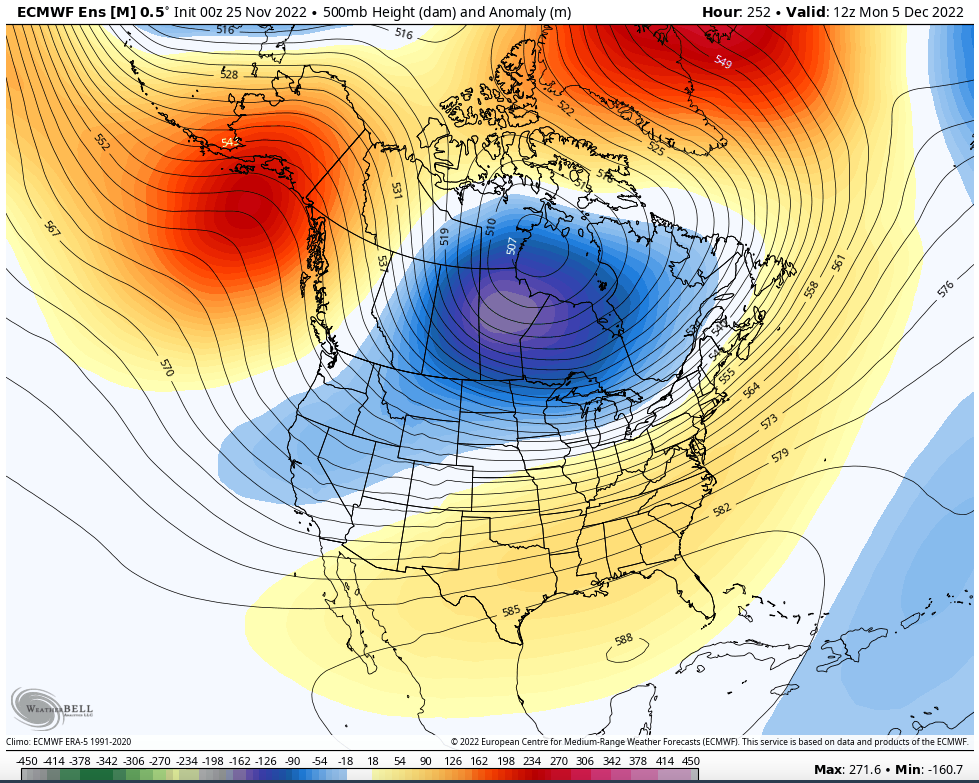
Temperatures will be quite variable over the next ten days as relatively weak disturbances track into the Lakes and then run along the U.S. Canadian border…an unfavorable track for snow and cold except for northern Ontario and northern Quebec.  Snowmaking windows will be small, but there will be several along the way.  The pattern will change at the end of the first week of December, though.  Why?  Well, first there is the EPO, or Eastern Pacific Oscillation.  The EPO is an index based on the relative positions of upper level ridges and troughs over the northern Pacific Ocean.  When it is negative, we find a ridge over Alaska and British Columbia and a trough downstream over central North America.  The clockwise flow around the ridge directs very cold air from the high latitudes southeastward into the counter-clockwise circulation around the trough, leading to an intrusion of very cold air into the lower 48.  Even if the main thrust of the cold is into the center of the country, it will spread out and reach the east coast.  Here is the forecast for the EPO over the next two weeks…

The correlation between a negative EPO and cold in the East is a strong one and you can see that the EPO is consistently negative, suggesting a change in the temperature regime.  Supporting that idea is the outlook for the NAO, another ingredient of the “alphabet soup” of indices that I use to sort out winter pattern changes.  The North Atlantic Oscillation is built on the pressure differential between Greenland and the Azores.  When pressures are high over Greenland, the jet stream pattern gets blocked up, often with an upper trough setting up shop over the Northeast, where it can draw cold air south from Canada.  Here is the two-week forecast for the NAO…

If we take a quick look at the jet stream setup anticipated for 10 days from now, you can see that the pieces are in place for a return to colder weather…the ridges over Alaska and Greenland, with a trough over central Canada poised to deliver a fresh cold air mass to the eastern U.S. as it tracks southeastward.

The season is off to a fast start, but trail count expansion will pause before picking up the pace again about ten days from now.

Test Your Skiing Knowledge

Each issue of SeniorsSkiing.com has a picture to help test your skiing knowledge. Generally, the pictures are from collections in a variety of participating ski museums, which we encourage readers to visit.

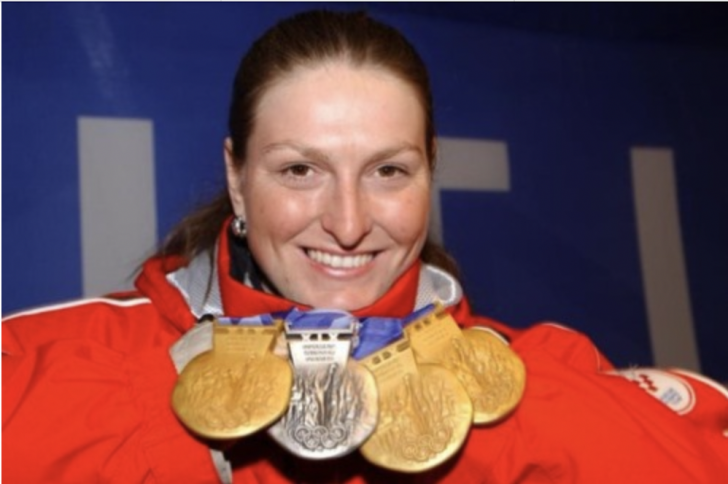
Last issue’s challenge was to identify the woman in this picture. She is the only female skier to win three Olympic golds in alpine in a single Olympics (2002). Roger Evans was the first reader to name Janica Kostelic of Croatia. She also is the first woman to win four golds in alpine at the Olympics. She retired in 2007. Asked about ski racing, she said, “It’s just a race. Just like every other one. You have some good days and some bad days.” Ain’t that the truth.

Test Your Skiing Knowledge (or some version of it) will resume in the Fall.


LUV2SKI

The ski license plate gallery continues to grow. Art Sexauer, whose ARTSKI plate is part of the gallery, sent in this SKI plate on his son’s car.  And longtime contributor, Jan Brunvand, caught ALTADAB on his camera. Then he asked around for the meaning of “DAB”. His son explained that “DAB” can be either a form of greeting or a form of marijuana.

If you spot a candidate for the LUV2SKI license plate gallery, please email a picture to jon@seniorsskiing.com.

[modula id=”34268″]

Remembering Jon Weisberg

1943 – 2022

Seniors Skiing’s creator, co-founder, and main contributor passed away on Friday, June 3, 2022.

Jon Weisberg, 78, died June 3 peacefully at home, following a 15-month fight against bladder cancer. An avid skier, he created and co-founded SeniorsSkiing.com, the global online magazine for older skiers. As an executive with Bristol-Myers Squibb, responsible for international public affairs, he promoted and defended the company’s interests across the globe. Earlier, in PR agencies, he represented major consumer brands, trade associations, and other well-known interests. Jon received a BA (’65) from Syracuse University and an MA (’68) from its Newhouse School of Public Communications. Upon retirement in 2000, he and his wife, Pam, moved to Utah to be closer to world-class skiing. He became an adjunct professor in a graduate program of Westminster College, taught in the Deer Valley Ski School, and skied deep powder. For the next 17 years, he provided public relations and crisis and issues management consulting to organizations throughout the country. He served on the boards of the Utah Humanities Council, including as Chair, of the Living Planet Aquarium, and The Mesa, an Artist in Residency program at Zion National Park. Jon is survived by Pam (Crowe), his wife of 50 years, daughters Zoe Weisberg Coady (Chris, Valentino, Scarlett) of Narraganset, RI, and Dr. Amanda Lucero and family (estranged) of Salt Lake City. Donations in his memory may be made to Huntsman Cancer Institute and/or to the International Skiing History Association.

Jon with Klaus Obermeyer, founder of Sport Obermeyer.

Jon skiing in the Dolomites

Jon skiing at Powder Mountain, Utah, 2022.

We thank all of you for being subscribers and readers of SeniorsSkiing.com. In honor and remembrance of Jon, please leave your comments below.

LUV2SKI

Two new plates for the ever-expanding LUV2SKI vanity license plate gallery: Laurie Beach, has had her SNO JOB plate for 45 years, the same length of time she’s been working in the ski business. She’s currently a rep for SOS Skiwear and works in a ski shop. Chas Crosier sent in FOOTR 2. Thank you Laurie and Chas.


This Issue: March 18, 2022

In Short Swings!, Jon pairs French philosopher Simone de Beauvoir’s thoughts about aging with giving the finger to some disrespectful kids at Park City.

Skiing Weatherman, Herb Stevens, previews what to expect in ski country over the coming weeks.

Wendy Clinch of TheSkiDiva discusses what the women on her forum are saying about the state of on-hill safety.

Tamsin Venn profiles Deer Valley and the pleasures it delivers for senior skiers.

You probably didn’t know about Alta’s role in the development of a national approach to ski-teaching. Alan Engen, who headed Alta’s Ski School, shares that important chapter in American skiing history.

Jonathan Wiesel, President, Nordic Group International, encourages readers to propose that local golf courses start cross-country ski operations. He establishes a strong case and provides information resources to help make the pitch.

Finally, Mike Roth illustrates a verrrry long fall he took years ago in the French Alps; Test Your Skiing Knowledge poses a new puzzler and announces the winner of the last one, and LUV2SKI presents a few new reader-submitted license plates for your pleasure.

Enjoy the issue. The entire site, including our archive of more than 1,700 articles is accessible at any time. The next editorial package will be distributed Friday, April 1.

Make lots of happy turns, and, remember, Senior Skiers Rock!

Email jon@senorsskiing.com to request the new Senior Skiers ROCK! helmet sticker.


IS RESORT SKIING GETTING MORE DANGEROUS?

Your Support Helps!

Help us keep SeniorsSkiing.com free. Please support SeniorsSkiing.com with a donation.

DONATE

Editor’s Note: TheSkiDiva.com is an online community of women skiers without the male orientation. The forum’s founder, Wendy Clinch, recently posted this report, comprised, in part, of comments by forum participants.

Source: #RideAnotherDay

In the past few weeks, there have been at least 10 deaths at North American ski resorts. While one death is way too many, The National Ski Areas Association says ski fatalities are pretty rare: as low as one for every one million visitors to a ski resort. (It’s also noted that more men are victims of skiing accident deaths than women).

Despite this, many participants on TheSkiDiva forum believe that resort skiing has become increasingly dangerous.

This season, stories of near misses, collisions, and risky behavior are all too common. And while I don’t have the data, it seems like the situation is getting increasingly worse.

What’s the cause? Some say the slopes are more crowded because of multi-resort passes and the ability of high-speed chairs to get more people on the hill. Some believe the problem is caused by ski movies and social media glorifying risky, extreme behavior, treating it as though it’s part of the norm. Others believe skiers and riders are distracted by music, texting, and selfies. And some feel that equipment has evolved to the point where people are skiing beyond their abilities.

HERE ARE A FEW EDITED COMMENTS POSTED BY FORUM MEMBERS: 

  • I’ve been quitting earlier these days because I’m concerned that someone will hit me. It’s not fun when the slopes are crowded with hotshots or folks who are skiing beyond their abilities. We avoid weekends when we can.
  • As someone who only skis weekends, it seems the mountains are more crowded, and people aren’t being mindful of those around them. I’ve noticed many near collisions and had a few incidents where someone got way too close while trying to pass me. In two cases they whizzed right over the tips of my skis causing me to lose my balance.
  • Cheap season passes have resulted in dangerous slopes on busy days, primarily Saturdays. Way too many people I know have been hit by others. The way the terrain parks are laid out where I ski adds greatly to the kamikaze attitude, ineptitude, and general disregard for anyone else on the mountain. I am sad to say that all I hear are excuses. I’m pretty over it. The perspective definitely changes when you have a child out there.
  • I quit skiing at our local bump because of crowds and out of control skiers. It’s been a zoo. I was working with a friend on the long beginner run when an out of control kid scared the sh*t out of her, causing her to fall and break her wrist. I was done after that; it could have been me.
  • I was hit hard enough to be knocked out of my bindings. Ski patrol did notpull the person’s pass even though he had been straight lining down the mountain while I stood stopped in plain view with other skiers at the bottom
There’s no question that ski safety is an important issue that needs to be addressed. Here are a feww suggestions from forum members about what can be done: 

  • Limit ticket sales:Crowded slopes are more dangerous slopes. Require skiers to go online and reserve their spots at least 24 hours in advance. This might help reduce overcrowding.
  • Require everyone who buys a pass to go through interactive safety presentation. Make it mandatory for those under 18; give everyone else an incentive (e.g. $10. off or special lift access for completing training.
  • Hold people accountable. Don’t tolerate unsafe behavior.This requires policing from resort personnel. Mammoth patrollers take photos of violators’ passes. Guests with a second speeding offense are required to screen the “Ride Another Day” video and take a quiz before their pass is reactivated.
  • Better regulate/police alcohol and marijuana use.Many on the forum believe that the mix of skiing or riding with alcohol and/or weed, particularly among minors, results in alarming behavior. No one should be allowed to ski or ride under the influence.
  • See something, say something.Let resort personnel know when you see unsafe behavior, and make it clear that this is something you will not tolerate. The more we make our feelings known about this, the better.

WHAT CAN YOU DO TO IMPROVE YOUR OWN SAFETY?

  • Wear a helmet. This can reduce can reduce the risk of sustaining a head injury by as much as 29 to 56%.
  • Make sure your bindings have the proper DIN setting for your size and ability.
  • Always look uphill before taking off, and always be aware of your surroundings.
  • Give the downhill skier the right of way.
  • Always ski in control.
  • Don’t ski alone in the trees or backcountry.
  • Avoid tree wells.

Stay safe out there, everyone.

Encourage Your Local Golf Course to Become a XC Skiing Center

Your Support Helps!

Help us keep SeniorsSkiing.com free. Please support SeniorsSkiing.com with a donation.

DONATE
Moree golf courses need to become XC centers

If you’re a cross country skier in the U.S. snowbelt states or any Canadian province, you may well have enjoyed a golf course offering XC skiing – not surprising, since there are more than 250 in North America, from Halifax to Whistler, Boston to Lake Tahoe.

In my admittedly biased opinion, this isn’t nearly enough.

So I suggest that if there’s a golf course near you that has 60 days of snow cover (or managers have the vision and resources to add snowmaking and lights), you should propose that they open for skiing and snowshoeing. XC operators have learned a lot during two COVID Winters, and XC is clearly growing as a sport and business.

Simply put, we need more places to ski that are close to home – ideally places with professional-quality grooming and XC and snowshoe rental equipment, useful stuff to sell (sunglasses, gloves…), at least minor food service, and instruction. Golf course roughs and fairways can provide great sliding surfaces, while there may also be a clubhouse and pro shop that can be converted for winter. As we seem to be getting in the habit of traveling shorter distances for everything from daily recreation to vacations, having groomed trails in the neighborhood can be a huge stimulus for the sport.

Right now, many golf courses are groomed by dedicated volunteers who may personally provide snowmobiles (or ATVs or UTVs) and grooming implements. These tend to be situations with minimal services, though most have plowed parking and,often, a portable toilet.

Approach local courses to encourage winter XC operations

This concept of approaching a local golf course isn’t the result of a recent revelation. I know of dozens of courses in different regions that have opened for XC at the suggestion of neighbors, golf club members, ski clubs, or community-minded groups.

There are numerous good business reasons for courses to operate in winter. Among them: XC generates cash flow through trail fees, dining, retail, accommodations, instruction, events, club memberships, equipment rental, and more. And land values tend to increase when recreational opportunities are nearby.

There are golf courses that offer XC just to keep key staff employed; or to protect delicate grasses from skiing/snowshoeing/walking; and probably most often to serve the community – providing healthy, low-risk, inexpensive, convenient recreation and social contact.

If this concept interests you, check out https://boston.cbslocal.com/2022/01/13/weston-ski-track-mark-jacobson-leo-j-martin-golf-course-it-happens-here-wbz-tv/. It introduces Weston Ski Track, near Boston, the Grandaddy of golf courses with snowmaking. For a more technical introduction to how winter operations can best work, read http://www.golfbusiness.com/article.aspx?id=4297&bq=6yfv%5Eg433$. Or drop me a line for friendly feedback at jonathan@nordicgroupinternational.com.

P.S. Cross Country Ski Areas Association is a great resource on the sport and business (https://xcski.org for consumers, https://ccsaa.org for industry) – lots of persuasive research on the nature and growth of XC skiing in North America.

Test Your Skiing Knowledge

Your Support Helps!

Help us keep SeniorsSkiing.com free. Please support SeniorsSkiing.com with a donation.

DONATE

Each issue of SeniorsSkiing.com has a picture to help test your skiing knowledge. Generally, the pictures are from collections in a variety of participating ski museums, which we encourage readers to visit.

This Englishman was instrumental in formalizing ski racing in the early part of the 20th Century. 1908, He founded the Alpine Ski Club in 1908, and in 1911 organized the Kandahar Challenge Cup, a race that continues annually to this day. In 1922, he set the first modern slalom course. For these and other skiing race innovations, he was knighted in 1952 by Queen Elizabeth for “…services to British skiing…”.The first reader to correctly identify his name will receive the new Licensed To Ski poster. Please email answers to jon@seniorsskiing.com.  


Greg Zoll, of Hillsdale, NJ, was the first reader to correctly identify the image as Gilbert’s Hill in Woodstock, VT. In the 1930s,it was a popular New England ski location. A rope tow, powered by the motor of a Ford Model T truck, was placed on the hill in 1934, making it possible for skiers to quickly get to the top. The hill was used as a ski area until 1965. There’s now a historical marker near the site. Greg, who will receive the new “Licensed To Ski” poster, currently is celebrating his 60th ski season. He was introduced to the sport by his father, a a 10th Mountain Division veteran, who, at one time, held the patent on the Curtiss-Wright Jet-Air compressor used for making snow at New Jersey’s Great Gorge ski area. He’s carried the skiing tradition to his own family and has skied throughout the US, the Alps and in Chile. Congratulations, Greg!

LUV2SKI

Your Support Helps!

Help us keep SeniorsSkiing.com free. Please support SeniorsSkiing.com with a donation.

DONATE

Wendy Clinch and Steve Cohen emailed pictures of their license plates. Wendy is founder of TheSkiDiva, an online community of women skiers and author of “Is Resort Skiing Getting More Dangerous,” in this issue. Her Vermont plate reads: SKIDIVA. Steve is CEO and  co-founder of Masterfit Enterprises, the snowsports industry’s foremost boot and shoe fitting company.  While executive editor of Ski Magazine, he created the magazine’s on-hill boot testing program. His New York plate reads: SKI365.


We’ve selected some of the cleverest plates for the new “Licensed to Ski” poster. It is available as a gift in our annual SeniorsSkiing.com fundraiser which runs through March. Click here to donate.

This Week: March 4, 2022

While the annual fund-raiser will continue through March (can you believe we’re already in March?), poster and stickers will start to be mailed over the coming days.

Short Swings! explores a different way of understanding our age by subtracting our years from our date of birth. Using that formula, Jon winds up in 1865.

Herb’s weather report bodes well for Colorado, Utah and New Mexico. Be sure to check expected conditions for other parts of ski country.

Marc Liebman gives us an orientation to Crested Butte. And Pat McCloskey helps launch what may become a new feature on the site: thoughts on different ways to experience an area.

Randy Johnson’s second instalment on historic hotels in ski regions around the country take us south of the Mason Dixon Line and west of the Mississippi.

Don Burch has a new short video; this one titled, “Ski Buddies.”

Cartoonist/writer, Mike Roth, has sketched an impossible scene that really happened. It’s funny and terrifying!

Don’t mss the newest additions to the LUV2SKI license plate gallery.

Enjoy the issue. The entire site, including our archive of more than 1,700 articles is accessible at any time. The next editorial package will be distributed Friday, March 18.

Make lots of happy turns, and, remember, Senior Skiers Rock!

Many Ways to Ski an Area

Your Support Helps!

Help us keep SeniorsSkiing.com free. Please support SeniorsSkiing.com with a donation.

DONATE

Editor’s Note: Deciding how to experience a day on the hill can be as simple as skiing familiar terrain or as thrilling as seeking hidden stashes of untracked powder. What you do is based on who you are, where you ski, and what you want to accomplish. I have a friend content with skiing the same green run after run. She thoroughly enjoys it. Others like to get out early, iron the corduroy and go home. There are soooo many ways to enjoy the mountain. If you have an opinion on the subject, please send an email. It may be included in an upcoming issue.

For the first exploration of the subject, I asked SeniorsSkiing contributor Pat McCloskey for his opinion. Pat is a PSIA III instructor and has worked with blind skiers for more than three decades.

Pat and Janet McCloskey taking a break from Deer Valley’s groomers.

Let’s start with smaller areas like we have here in Western Pennsylvania and Western New York. Moving from slope to slope or trail to trail regularly can be an effective way to maximize the satisfaction out of a place with short vertical drop. For these areas, I’ll use a ski with a tighter turning radius to make as many turns as I can.

Different tactics come into play for larger resorts. The first one is to get there early to beat the crowds. This is true everywhere you ski. Usually, the best grooming is available in the morning; certainly, that’s when to find the best powder. If the slopes aren’t crowded, I’ll rip some big GS turns.

Tolerating limited poor conditions may help you find excellent skiing and zero lift lines. A few weeks ago, at Deer Valley, the lifts servicing black diamonds seemed less crowded. The reason? Entry to those slopes was pretty icy, causing people to avoid a second run. The rest of the terrain was in excellent condition. That was my green light to keep skiing there.

Skiing at lunchtime is another tactic when lift lines dramatically disappear. And there are fewer skiers on Sundays when people tend to leave early for home.

On a powder day, I notice that people hunt the fresh and avoid already tracked snow. Using wider powder skis let’s you enjoy both untracked and tracked.

When skiing with my wife, I check the area’s grooming report. I see where the most recent grooming has occurred, and we head there. She thanks me for the recon.

Test Your Skiing Knowledge

Your Support Helps!

Help us keep SeniorsSkiing.com free. Please support SeniorsSkiing.com with a donation.

DONATE

Each issue of SeniorsSkiing.com has a picture to help test your skiing knowledge. Generally, the pictures are from collections in a variety of participating ski museums, which we encourage readers to visit.

In the 1930s the hill pictured here was a popular New England ski location. The first reader to correctly identify its name and location will receive the new Licensed To Ski poster. Please email answers to jon@seniorsskiing.com.  

While several readers correctly identified the man in the picture as Junior Bounous, Terrell W. Smith of Salt Lake City was first. Terrell has been on skis 70 years. He raced in high school and  taught  at Alta when Junior headed Snowbird’s ski school. He says, “Skiing is cheaper than psychiatry,” a sentiment hard to disagree with. Junior is a celebrated deep powder skier and contributed to the sport’s development throughout the Intermountain West. He is 96 and still skiing. The picture came from the Utah Ski & Snowboard Archives, which preserves the history of skiing in Utah and the Intermountain region. The extensive collection contains thousands of digitized images of photographs and print materials, all of which can be accessed online.

LUV2SKI

Your Support Helps!

Help us keep SeniorsSkiing.com free. Please support SeniorsSkiing.com with a donation.

DONATE

Thanks to contributor Randy Johnson for sending the vintage picture of the two VWs parked at Beech Mountain with the “SKI BEECH” plates. As I was snapping the SKINBIK picture, a young woman jumped out of  the car, asking what I was up to. Collecting license plate images has the potential to be dangerous!

We’ve selected some of the cleverest plates for the new “Licensed to Ski” poster. It is available as a gift in our annual SeniorsSkiing.com fundraiser which runs through March. Click here to donate.

SKIING HISTORY LOGO

This Issue: February 18, 2022

This Issue

Short Swings! starts with some contrarian thoughts about the Beijing Olympics. It’ll be interesting to see if you agree with Jon’s observations. They’re followed by news and other curiosities related to the world of skiing.

Herb Stevens, the Skiing Weatherman, explains why snow is happening in some sections of mountain country and what to expect, weather-wise, over the coming weeks.

Randy Johnson, who writes extensively about skiing south of the Mason-Dixon Line, recommends that overnighting at ski areas is better when staying at an historic inn or hotel. In this installment, he identifies several in New England. His recommendations for other parts of the country will appear in the next issue.

Don Burch’s most recent video production delivers a fast-paced artistic impression of his most recent ski outings. It’s another Winter winner.

Writer/cartoonist, Mike Roth, provide some thoughts and guidance about skiing in the trees. Be sure to check out his funny Glade Skiing illustration. His cartoon depicting a ski story sent in by Carole Gray of the U.K., captures the nightmarish scenario perfectly!

Check out the summary of the March-April issue of Skiing History magazine, the new Test Your Skiing Knowledge challenge, and the ski-themed license plates added to our growing gallery.

Test Your Skiing Knowledge

Your Support Helps!

Help us keep SeniorsSkiing.com free. Please support SeniorsSkiing.com with a donation.

DONATE

Each issue of SeniorsSkiing.com has a picture to help test your skiing knowledge. Generally, the pictures are from collections in a variety of participating ski museums, which we encourage readers to visit. This image is from the Utah Ski & Snowboard Archives, which preserves the history of skiing in Utah and the Intermountain region. The extensive collection contains thousands of digitized images of photographs and print materials, all of which can be accessed online.

Source: Utah Ski and Snowboard Archives

This picture was taken in 1963 during Park City’s preseason ski school. The man on the right was a participating ski instructor. He went on to become one of Utah’s most celebrated skiers. Now a nonagenarian, he can still be spotted carving his way down the mountain. The first reader to correctly identify him will receive the new SeniorsSkiing.com poster of ski-themed license plates. (Only answers sent to jon@seniorsskiing.com will qualify).

Winner of February 4 Test Your Skiing Knowledge

Several readers correctly identified the object being transported by dog sled as a tire for the massive Antarctic Snow Cruiser, which was part of Admiral Byrd’s 1939-41 United States Antarctic Service Expedition. But the first reader to send the answer in was Rob Henning of Pittsburgh, Pa. Rob is a frequent denizen of Seven Springs Ski Resort and each season visits Big Sky in Montana. He enjoys chasing his 13-year-old son around the mountain. Congratulations, Rob. You’ll soon be receiving the new SeniorsSkiing.com Licensed To Ski poster of ski-themed license plates.

LUV2SKI

Your Support Helps!

Help us keep SeniorsSkiing.com free. Please support SeniorsSkiing.com with a donation.

DONATE

Captured these four plates last week in the parking lot of Park City Mountain Resort.  Note that SKI LEX is on a Lexus. At first I thought the 1 in SKI UT1 was an I. Maybe the plate of a skiing urologist?

We’ve selected some of the cleverest plates for the new “Licensed to Ski” poster. It is available as a gift in our annual SeniorsSkiing.com fundraiser which runs through March. Click here to donate.