Encourage Your Local Golf Course to Become a XC Skiing Center
Your Support Helps!
Help us keep SeniorsSkiing.com free. Please support SeniorsSkiing.com with a donation.
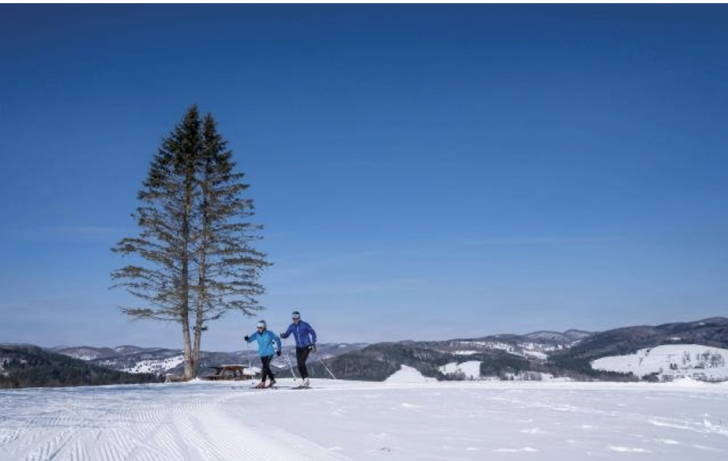
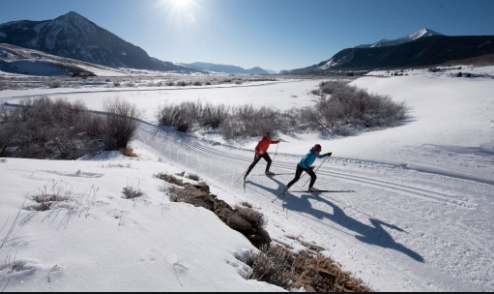
If you’re a cross country skier in the U.S. snowbelt states or any Canadian province, you may well have enjoyed a golf course offering XC skiing – not surprising, since there are more than 250 in North America, from Halifax to Whistler, Boston to Lake Tahoe.
In my admittedly biased opinion, this isn’t nearly enough.
So I suggest that if there’s a golf course near you that has 60 days of snow cover (or managers have the vision and resources to add snowmaking and lights), you should propose that they open for skiing and snowshoeing. XC operators have learned a lot during two COVID Winters, and XC is clearly growing as a sport and business.
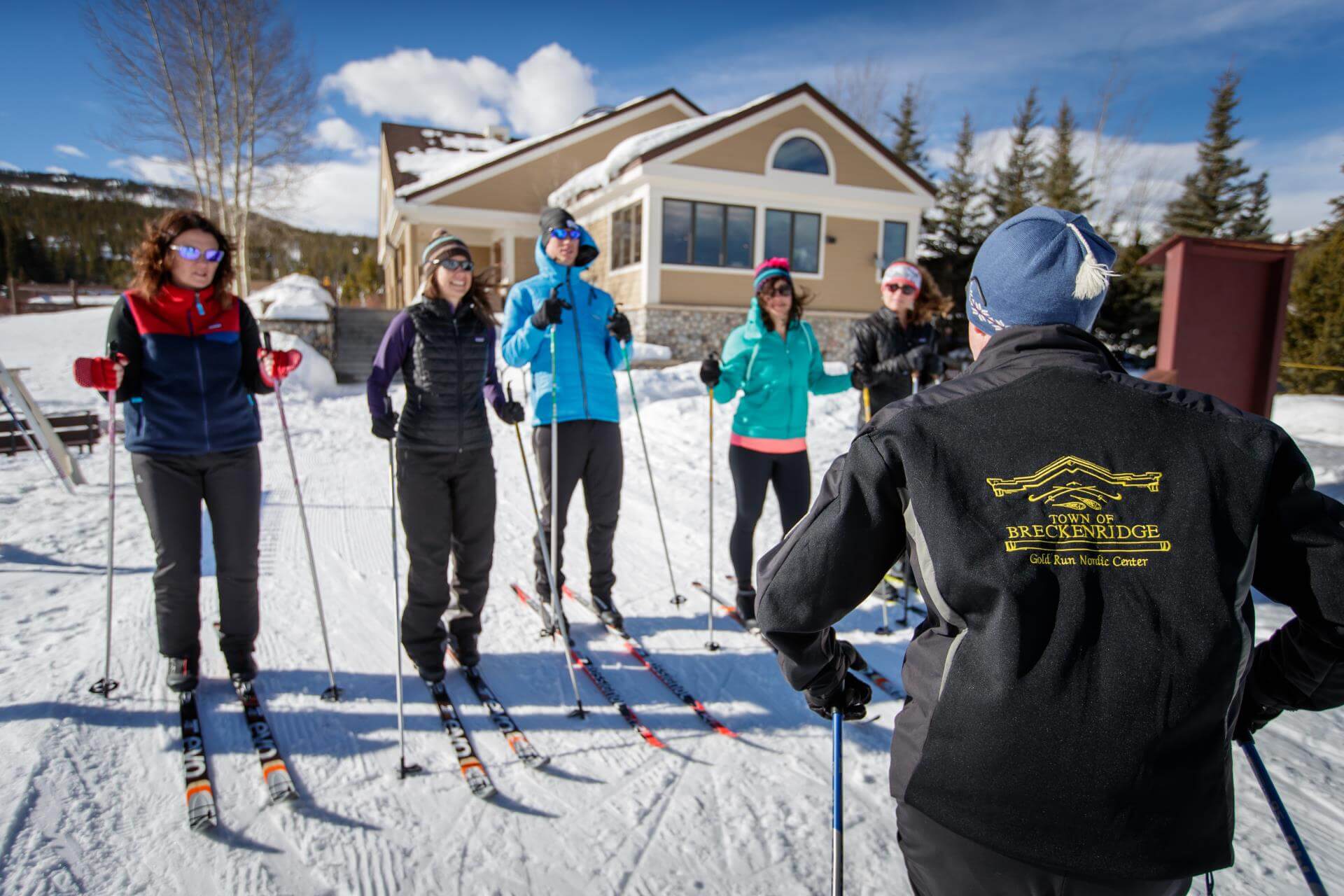
Simply put, we need more places to ski that are close to home – ideally places with professional-quality grooming and XC and snowshoe rental equipment, useful stuff to sell (sunglasses, gloves…), at least minor food service, and instruction. Golf course roughs and fairways can provide great sliding surfaces, while there may also be a clubhouse and pro shop that can be converted for winter. As we seem to be getting in the habit of traveling shorter distances for everything from daily recreation to vacations, having groomed trails in the neighborhood can be a huge stimulus for the sport.
Right now, many golf courses are groomed by dedicated volunteers who may personally provide snowmobiles (or ATVs or UTVs) and grooming implements. These tend to be situations with minimal services, though most have plowed parking and,often, a portable toilet.

This concept of approaching a local golf course isn’t the result of a recent revelation. I know of dozens of courses in different regions that have opened for XC at the suggestion of neighbors, golf club members, ski clubs, or community-minded groups.
There are numerous good business reasons for courses to operate in winter. Among them: XC generates cash flow through trail fees, dining, retail, accommodations, instruction, events, club memberships, equipment rental, and more. And land values tend to increase when recreational opportunities are nearby.
There are golf courses that offer XC just to keep key staff employed; or to protect delicate grasses from skiing/snowshoeing/walking; and probably most often to serve the community – providing healthy, low-risk, inexpensive, convenient recreation and social contact.
If this concept interests you, check out https://boston.cbslocal.com/2022/01/13/weston-ski-track-mark-jacobson-leo-j-martin-golf-course-it-happens-here-wbz-tv/. It introduces Weston Ski Track, near Boston, the Grandaddy of golf courses with snowmaking. For a more technical introduction to how winter operations can best work, read http://www.golfbusiness.com/article.aspx?id=4297&bq=6yfv%5Eg433$. Or drop me a line for friendly feedback at jonathan@nordicgroupinternational.com.
P.S. Cross Country Ski Areas Association is a great resource on the sport and business (https://xcski.org for consumers, https://ccsaa.org for industry) – lots of persuasive research on the nature and growth of XC skiing in North America.
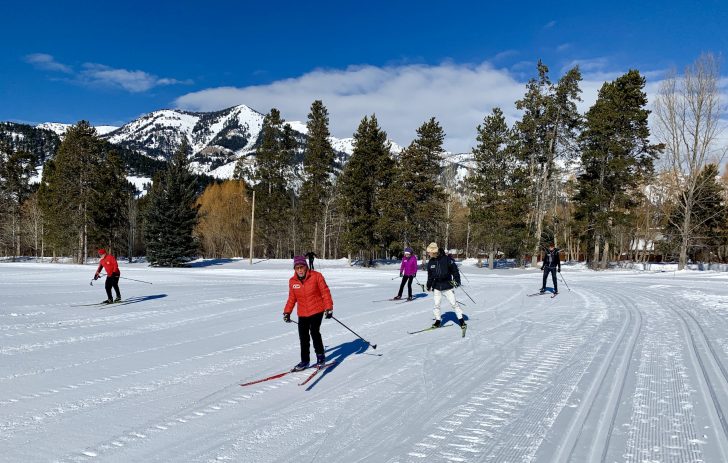






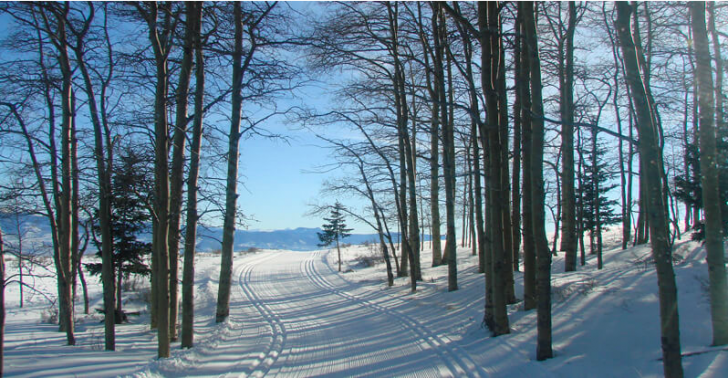








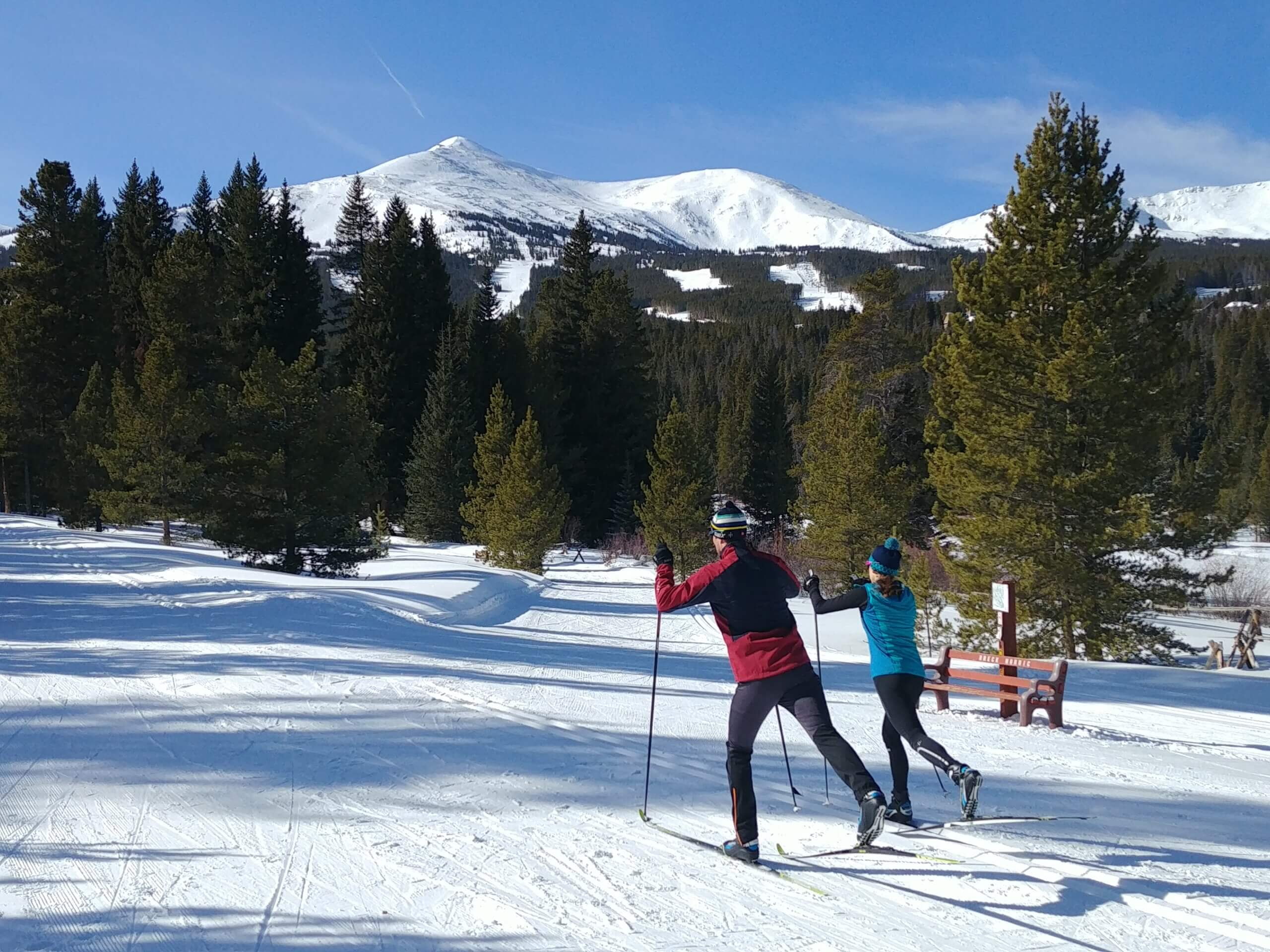
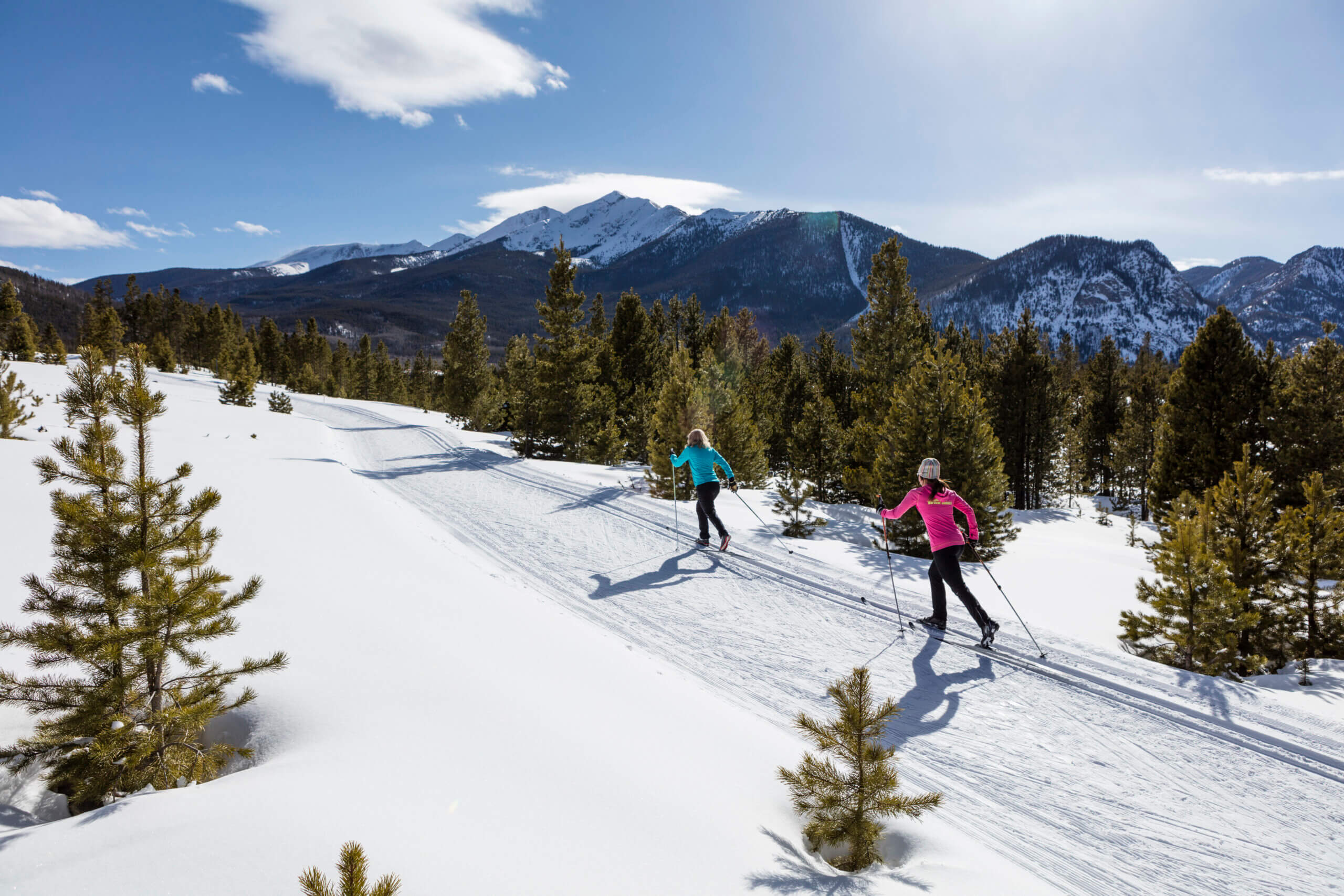
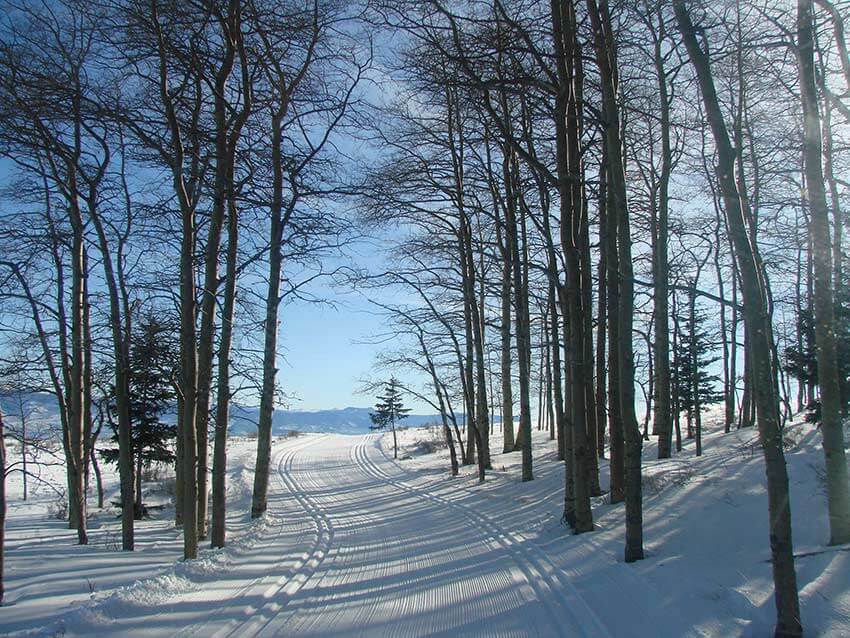
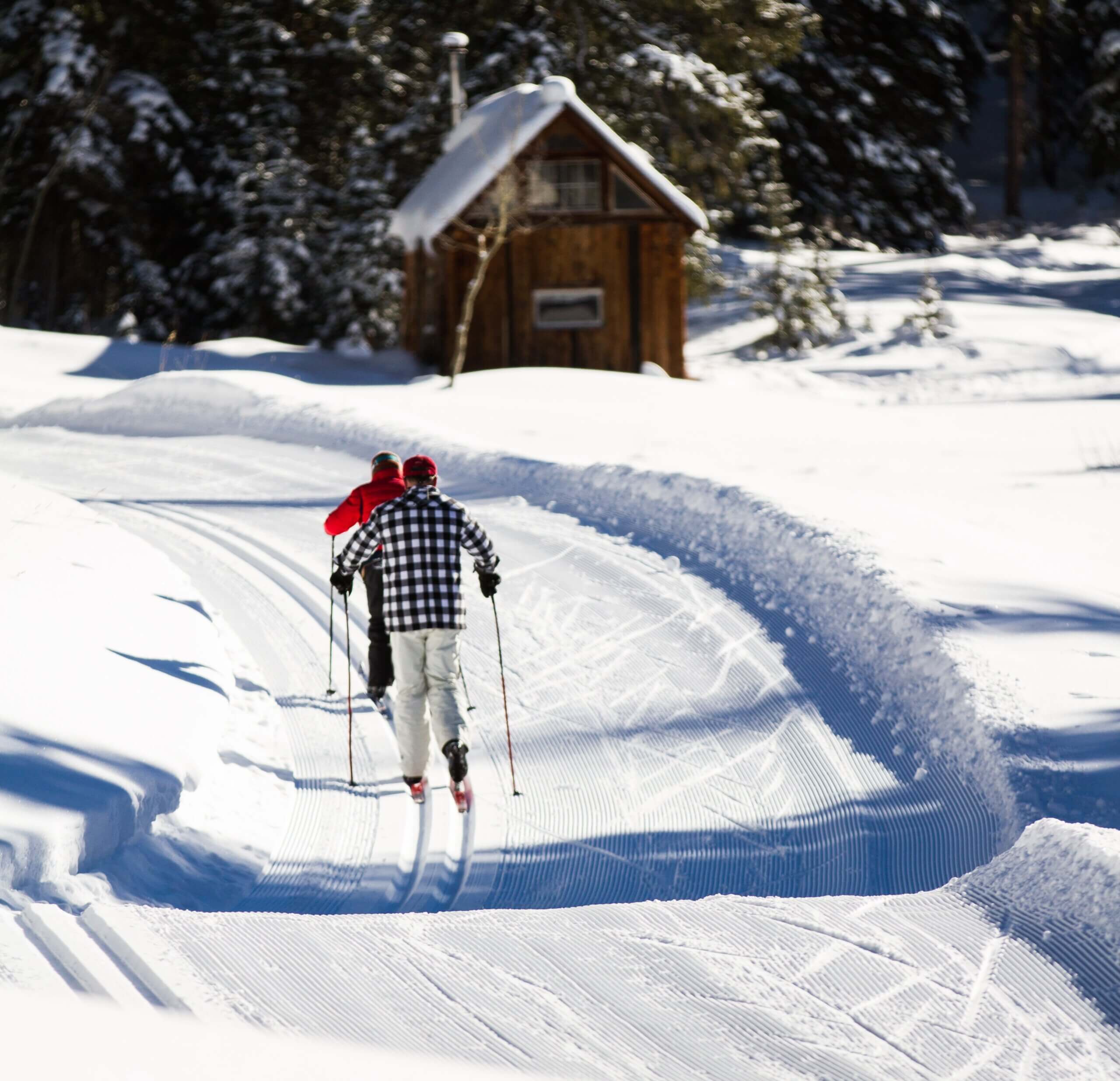

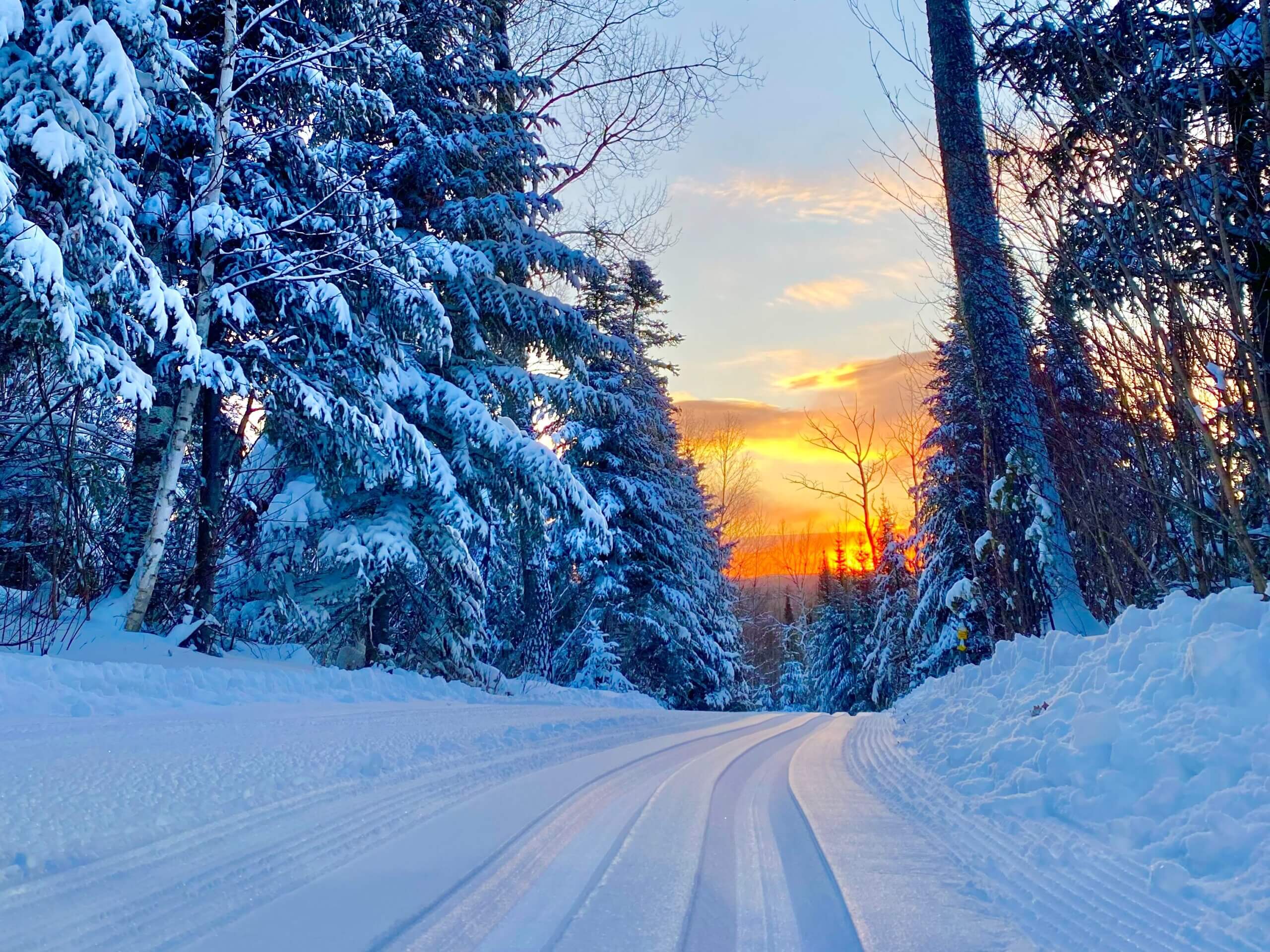






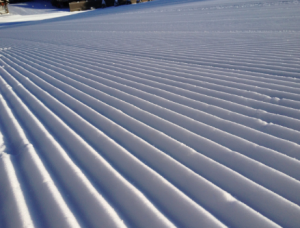 Corduroy creates a strong, stable surface if it’s in place long enough before being used. In addition to faster set-up time (“mechanical age hardening”) and increased snow metamorphism, the triangular shape of the individual ridges adds strength and stiffness. Ideally, corduroy peaks form a thin glaze that extends about 1/3rd of the way down the trough, in effect building a little ice cap. With a well-distributed load, these caps are the first defense against trail flattening, friction, and melt.