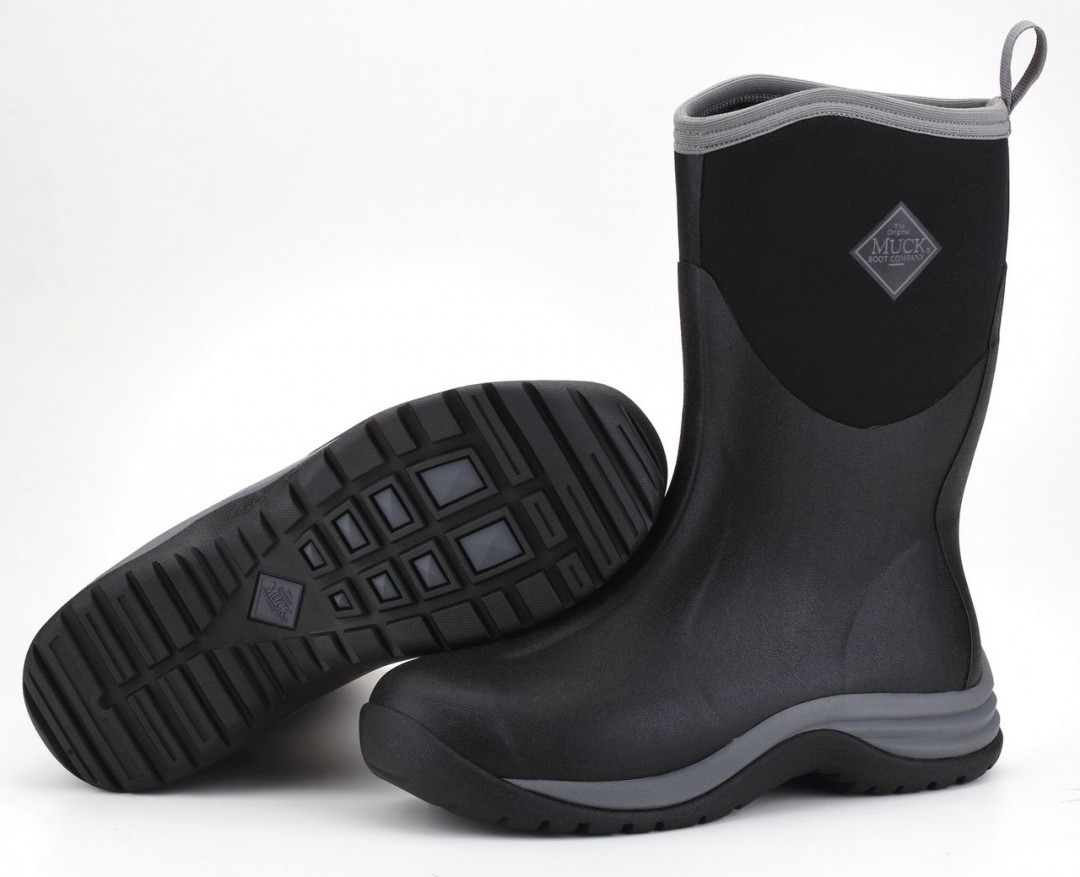
Slide In with Slide On
 There are lots of moments we look forward to every ski season. Chances are, putting on ski boots for the first time each winter is not one of them.
Last spring you cleaned your boots and put them away for the summer. Now, after months on the shelf or in the closet, those puppies are ready to come out and play. But not without a struggle.
Say hello to Raymond Fougere, a 77 year old one time aeronautical engineer and former ski instructor and coach who a dozen years ago concocted Slide On, a teflon-like powder spray that when applied to the inside of a ski boot eliminates the grunts and groans we all associate with that start of ski season.
Fougere, who is a company of one based in Tiverton RI, founded Booster Straps in 1999 to help racers and other performance skiers get a tighter fit in their ski boots. It is still a standard in the sport and he sells some 35,000 of them each years through his business SkiMetrix. For years, it was a one product business. He wanted a sister product to market.
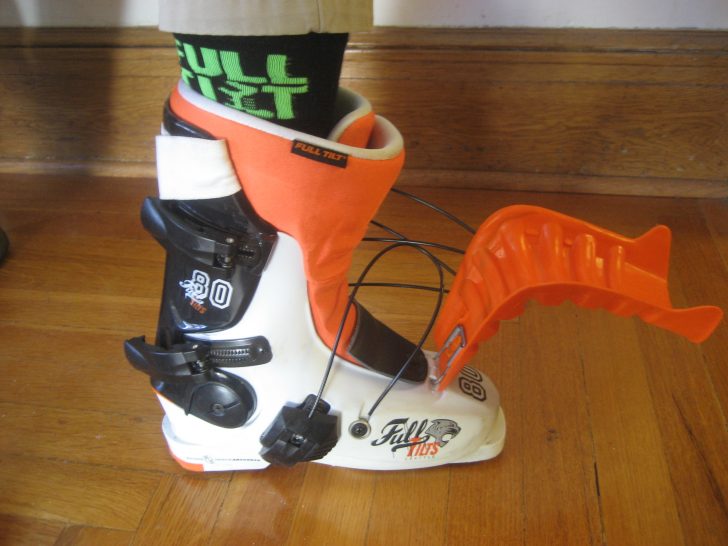
A friend, a chemical industry salesman and fellow skier, suggested Fougere try to come up with a ski boot product that could tackle another problem – putting them on. Now this was not a new issue. There are silicon sprays on the market today and the Alpine Boot Horn is a long shoe horn designed specifically to help with boot entry. And rear entry boots are making a comeback. Nordica already has a model in he shops and other brands are expected to follow suit.
The secret to Slide On is a teflon like powder that forms a liquid that is packaged as a spray that, unlike silicon, when applied does not build up on inside the boot or eat away the lining. As a user of the product for several years, I can attest it works. I keep a can in my boot bag. My grunt and groan days are over. It is available in many ski specialty shops and retails for $15 for a two ounce container that for most skiers can last up to a full season. The website for Slide On is skimetrix.com.
Looking forward to that first day on the slopes. Booting up has never been easier.











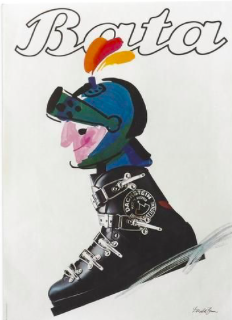 A SeniorsSkiing.com reader survey conducted a few years ago showed that in a given season, 25% of you purchase new boots. In that and subsequent surveys, many of you have commented on the need to change boots because the damn things hurt…or because your feet are uncomfortably cold.



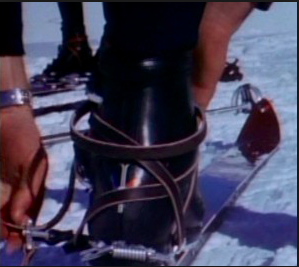


 What has changed the sport are shaped skis. They are lighter, easier to turn, and just as, if not more stable, than the 200+ centimeter skis of yesteryear.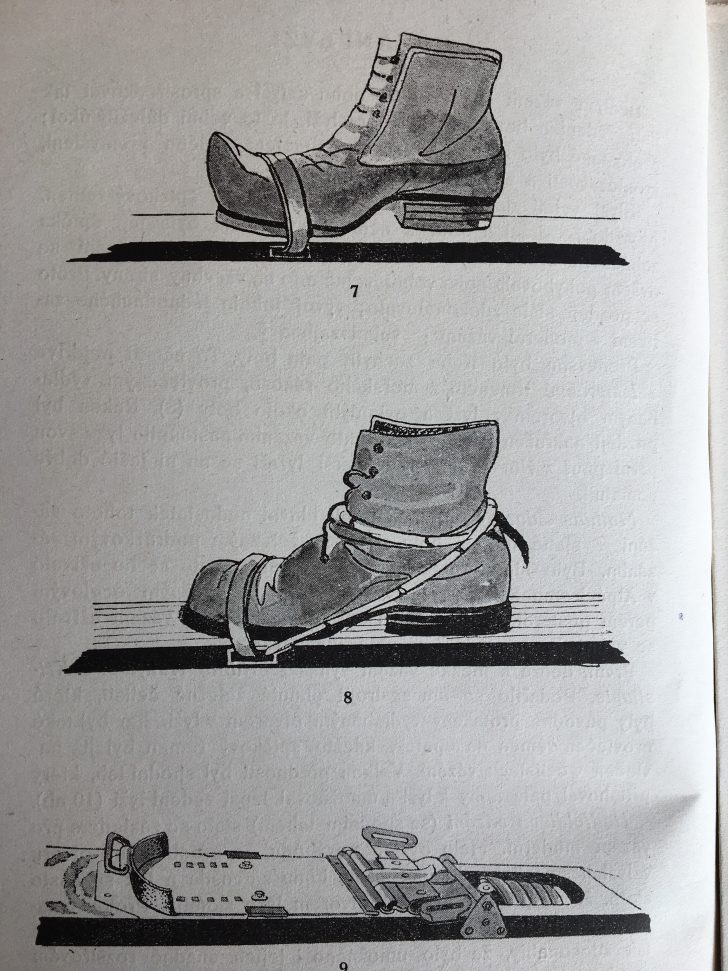





 Consider the size of the foot in Figure 1. This illustration shows two feet which are the same length, but each require different size boots. There are different fittings for short-arched and long-arched feet. Proper boot fitting incorporates not only overall length (heel-to-toe measurement) but also arch length (heel-to-ball measurement). Boots are designed to flex at the ball of the foot. Correct fitting properly positions the ball joint in the boot and provides room for the toes so they are not confined.
 Once you’ve chosen a boot, check the length by untying the boot, shove or kick your toe into the toe of the boot and slide your finger down behind your heel as shown in Fig.2. You need a finger’s width between the heel of the boot and the heel of your foot for the boot to be long enough.
 Volume – The measure of the boot around the forefoot has no alpha-numeric indicator (and neither does your foot). Fig. 4 shows the location of the volume and it is important because too much volume could cause your heel to be continually lifting up causing a heel blister. Too little volume and you’d have problems with your toes.
 Shape – Some boots have a slight curve inward from the heel to the toe and some are very straight. Like volume, there is no alpha-numeric indicator of shape. Shape is important to prevent pinching or sliding. If the boot pinches in any area as shown in Fig. 5, then the boot may be the wrong shape for you.