Can You Ski Yourself Into Shape?
There Are Other, Fun Ways To Get Ready Besides Hitting The Gym.
Sure, you can do the gym thing. It’s not too late to hit the trails, too.
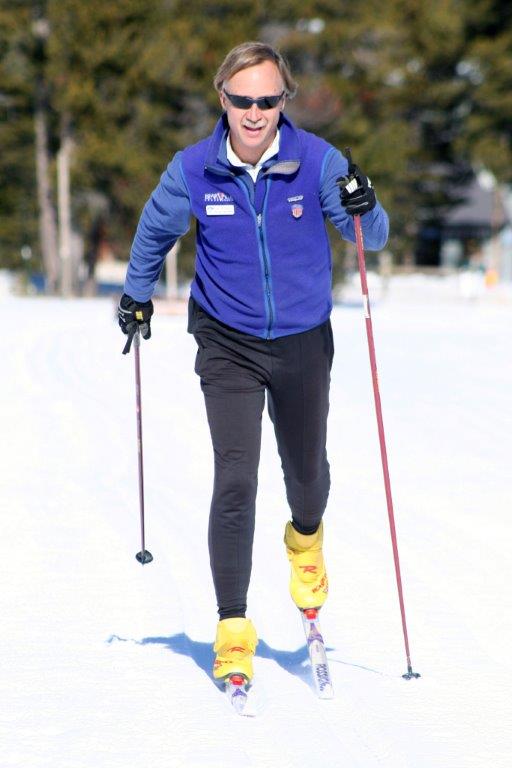
One of the myths I hear from people at the beginning of the ski season is that they can “ski themselves into shape.” They have not really done any preparation for the ski season and feel that they just have to start skiing, and their ski legs will eventually come back. If I ever heard fake news, this is it. Skiing is a dynamic sport and in order to effectively execute a turn, your legs need to be in good shape before the first turn of the season. I can’t tell you how many times I have see folks whose “legs are killing them” after the first and second day of a ski trip. They ski defensively, because they are not in good shape and all the money that they have spent on a ski trip is for naught. That’s because they failed to get in shape before they got on that airplane. The same is true for local skiers who make their way to their local ski area and have the same experience.
So why not start thinking about this now if you have not done so? There are a lot of articles popping up in the ski periodicals and web sites about exercises that you can do in the gym. But how many of us really want to spend time in the gym day in and day out to prepare for ski season? How many times can we pretend to sit in an invisible chair with our backs to the wall to strengthen our legs? On the other hand, there are outdoor activities that can be engaged to get the legs in shape but are also fun and allow us to be in the outdoors which is where we all want to be in the first place.
With the flaming leaves coming in to view, the trails in our mountains and parks are available for mountain biking, hiking, and trail running. Hiking and trail running uphill prepare the legs for sure as well as providing an excellent outdoor fresh air activity. Mountain biking ramps that up a bit by strengthening the legs on climbs, as well as simulating skiing skills like looking ahead and picking a path through varied terrain.
Lots of folks mountain bike, hike, and run during the summer season when the weather is cooperative, but when the time change looms—Nov. 4 this year, by the way—and the days get shorter, the motivation for these activities starts to wane. If you want to be prepared for ski season, I would strongly suggest that you continue these activities as long as you can during the fall and into the winter if conditions allow.
A good friend of mine says there is no such thing as bad weather, just bad clothing choices. So why not buy a good Gore-Tex suit for running or hiking and also one to ride in the winter if you can do it. Night riding is a favorite of mine, and there are a lot of options for rechargeable light and battery systems. I have used a lot of expensive lighting options in the past but with the advance of lighting technology, you can now purchase systems for a fraction of the cost of the traditional main stream lighting systems. Cree Mountain Bike Lights found on Amazon are an excellent choice for around $32.00 and provide three mode LED lighting with a rechargeable battery that can provide up to two hours of excellent light on high mode. I use these lights on my handlebar with another one on my helmet. I store the battery for the helmet light in my hydration pack and also the battery for the handlebar light can be attached to the top tube of the mountain bike. I also purchase spare batteries and store them in my pack in the event that there are any issues with the primary battery.
It is not too late to get back on that bike, lace up the trail running shoes or hiking boots, and get moving. Your legs will appreciate your diligence now in the early fall season, and you will enjoy your turns and ski outings much better if you take the time to be in shape when the first flakes start to fly in the mountains.
High tech bike lights allow you to ride into the evening hours when the clock changes back to Standard Time. Credit: MountainRides.com