
Book Review: Staying With It
An Aging Athlete Becomes Enlightened
[Editor Note: We are reprising this article from Nov. 2015 because it contains important themes of persistence and adaptability. And the book Staying With It was written by one of our favorite authors, the venerable John Jerome, a former editor of SKIING magazine.]
What happens when a 50-year-old writer decides to fight aging by becoming an athlete? Will physical awakening, sharpening, perfecting hold off the loss of function, range, performance? When former SKIING Magazine editor John Jerome found himself at the doorway to old age, he decided to do something about it. That something was his four-year voyage into athleticism to see if he could counter the effects of aging with muscle power, insight, and, as it turns out, mindfulness.
He tells his story in Staying With It, (Breakaway Books, 1992), a journey of trial, error and learning told in his usual reflective—and discursive— style. We recently re-discovered Jerome’s writing while paging through old, bound copies of SKIING magazine. When we learned he decided to become a competitive, masters-level swimmer at age 50, we wanted to explore his journey for our own edification as well as for our readers’.
At the beginning, he says, “Aging is very rude, making no attempt at diplomacy, at softening its message. It just starts slamming doors in your face, yanking things out of reach.” Jerome said he “was interested in giving up any capacity as slowly as possible…understanding and acknowledging the process.” His goal was “the maintenance of full function beyond the years of youthful vigor.”
To do that, he starts an experiment, swimming first as a fitness replacement for running and then training hard as a competitor. He discovers the Training Effect, body’s response to increased physical demands that gets cells to respond and do more. “To age,” he says, “is to begin asking the cells to do less.” The only antidote he says he could find was “movement—exercise and stretching.”
Jerome tells us about his training regimen, his lessons in exercise physiology, his trips to swim camps where he meets fellow enthusiasts, his many swim meets and consults with scientists. When he talks of perfecting his swimming stroke, he finds that simple physical task opens the door to complex mental aspects. He discovers “pre-verbal” tempo, right-brain control of the action, what we now call “flow”. “Learning to operate in your right brain is another part of the athlete’s job I had never considered before.” You know it, of course, when you ski cross-country “in the groove”, or swing through giant slalom turns without, well, without thinking. One way to induce that, he says, is to relax. “The athlete has to maintain a small amount of relaxation…The right brain knows this. Sometimes you have to wait, to ease up, to feel around in your capacities for just the right touch to make the motion work.”
Because his training program was largely self-directed and John was a self-admitted type-A personality, he eventually drove himself too hard, over-training and catching “Olympic Flu”, the syndrome that leads finely tuned athletes into exhaustion and even depression. After resting, he turned to a sport physiologist who used software and underwater video to analyze his stroke. Result: return to racing more enlightened. But, he says, “I wish I hadn’t started so late. I wish there were more time. I keep hurrying, and I’d really rather not do that.”
Of his experiment, he says, “I may not have stopped aging in its track…but I have certainly stopped the loss of intensity.” And, “the more I trained, the better the rest of my work goes, the sharper, and clearer and more efficient.”
John Jerome has written several books on fitness as well as other topics. Staying With It is available from Amazon.com.







 SeniorsSkiing’s readers all know and appreciate the value of fitness and exercise. Our surveys have shown that when the snow season is over, out come the golf clubs, bikes, tennis racquets, kayaks, hiking boots, and the like. Active lifestyles are us and part of who we are.
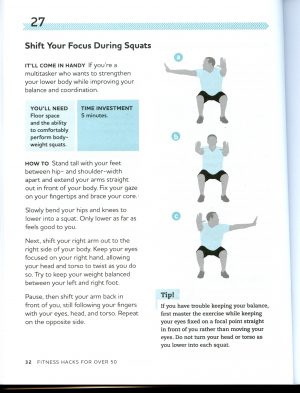 Fetters has created a number of simple things you can do—she calls them “hacks”—that build fitness activities into your day. The book is divided into four major sections: Balance and Coordination, Flexibility and Mobility, Muscular Strength, and Aerobic Capacity and Endurance. Note that while you are probably already engaged with a couple of these—we are overloaded on muscular strength—there are others that need attention.
 In Muscular Strength you’ll find a number of class gym-type exercises as well as novel ideas like Hover Over A Toilet Seat, handy in public rest rooms, or Squeezing Your Cheeks. Yes, those cheeks.







 As I get older, each ski season is more precious than the one before. I’m pushing 60+ years of skiing, and early in my life, I learned never to take one for granted. Except for being deployed overseas during Vietnam and Desert Shield and Storm, I haven’t missed a ski season in decades.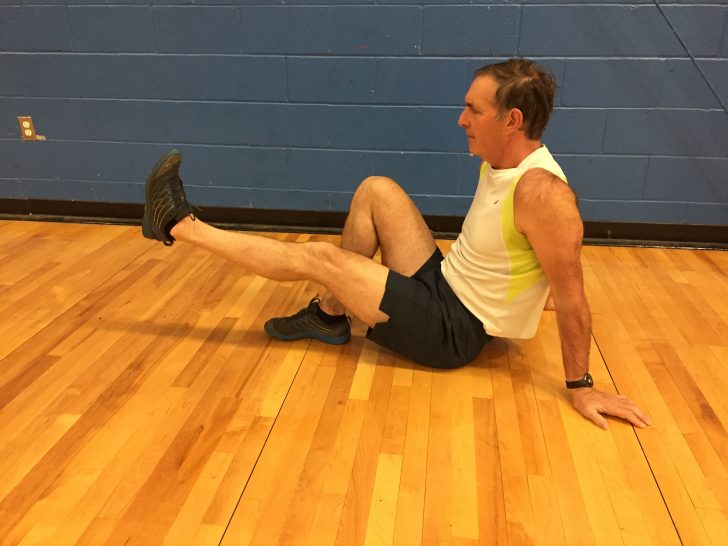

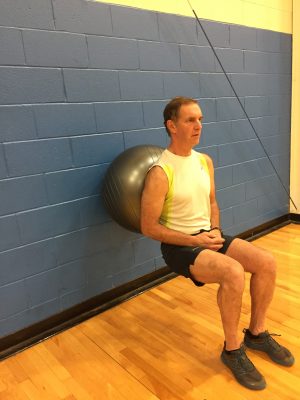
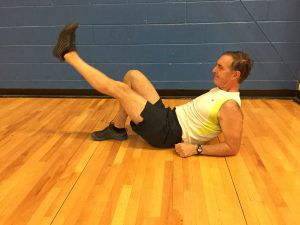
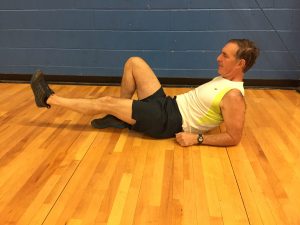
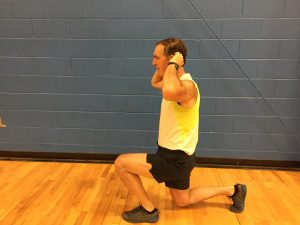
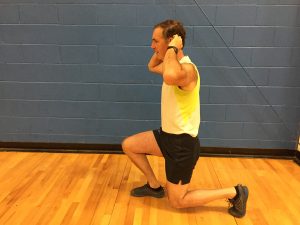
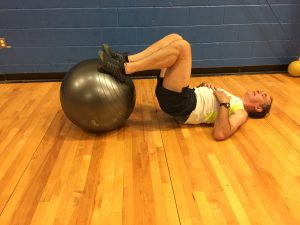
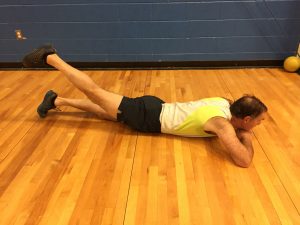

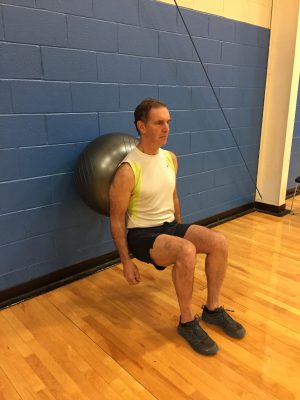
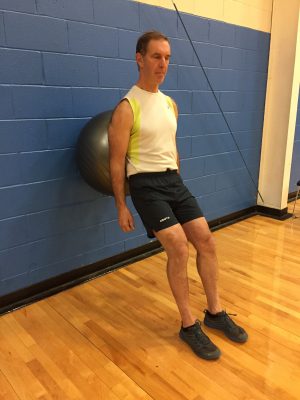
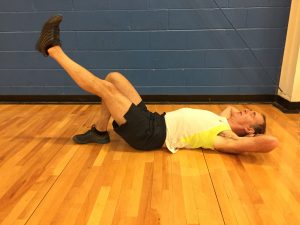
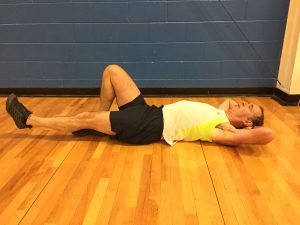
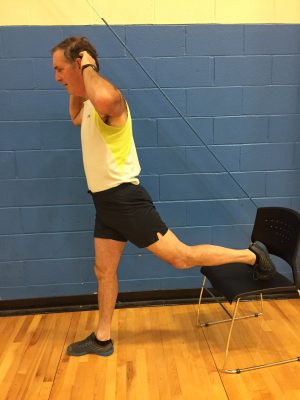
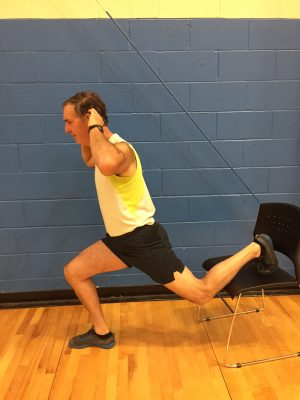
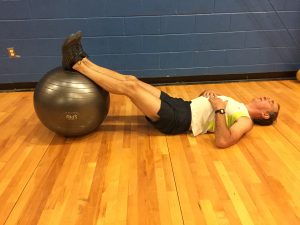
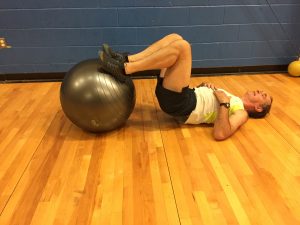
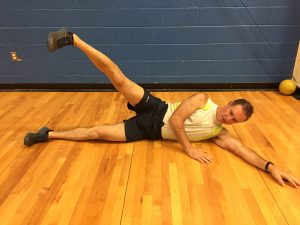







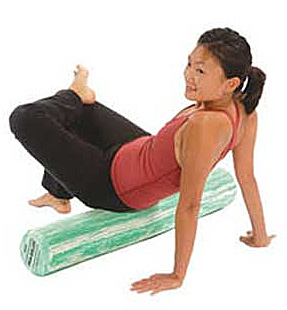
 Okay, it’s late October, and you’ve put this off long enough. You need to limber up for the upcoming snow season. Without topping up your muscles and stretching those ligaments, you can hurt yourself and have a very short season indeed. With some daily or weekly fitness routines, you can feel and move better on the slopes and trails. So, get going.