Tag Archive for: hiking

This Week In SeniorsSkiing.com (July 29)

Trump and Hillary on Skis, How to Hike, Hiking With Wild Flowers, New Stein Eriksen Exhibit, Ski Club Just For Seniors.
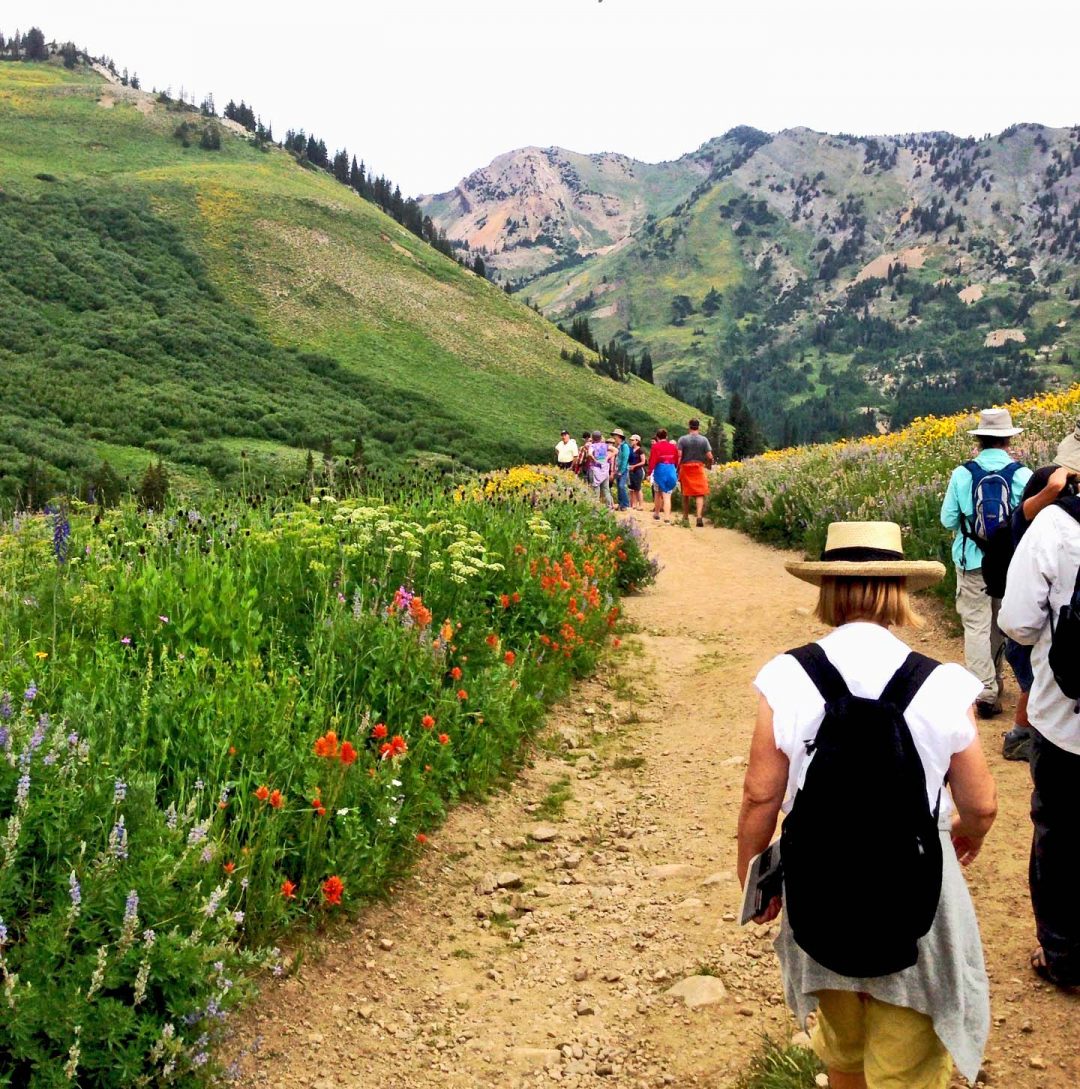
Wildflower Festival hike at Alta Credit: Maura Olivos

Wildflower Festival hike at Alta
Credit: Maura Olivos

Note of explanation to SeniorsSkiing.com’s non-US readers: The U.S. is in the middle of a Presidential Campaign. Please be understanding and stifle any laughter. 

A quick search shows that both major party candidates have some snow skiing experience. Donald Trump’s ex, Ivana, was a Czech racer in her youth. And Hillary Clinton was reported “skiing on a sunny day” several years ago in Park City, Utah, when daughter, Chelsea turned 19.

clintons-skiing

ski_trump-galore-mag

Whichever candidate you favor, you’ve probably experienced some heartburn. When that happens, I usually pop a few antacids and head for the trail.

Two of this week’s features are about hiking. Steve Hines’ piece, How I Choose Hikes, provides excellent advice for anyone thinking about hoisting a daypack and going for a walk. And Sue Z’s account of hiking Alta’s wildflower-carpeted Albion Basin is a treat. So are the fantastic photos by Alta’s Maura Olivos.

Harriet Wallis made it up to the Alf Engen Ski Museum in Park City for the opening of its new Stein Eriksen exhibit. Harriet has a terrific ear for anecdotes, and her article made us chuckle.

Finally, the 70+ Ski Club is the first SeniorsSkiing.com advertiser to use its sponsored content page. That page tells the story of the oldest and largest ski club of its kind. It was founded by his famed radio-broadcasting grandfather, Lloyd Lambert, a name many of you in the Northeast will remember.

Last week we promised publication of the list of Trail Masters, those of you who reported skiing your age or more last season. We’ve rescheduled publication for mid-August.

As always, thank you for following SeniorsSkiing.com, especially during these hot summer days. The interesting thing is that every week—even during the summer—your numbers are growing. It’s a reminder that there are more of us every day, and we aren’t going away!
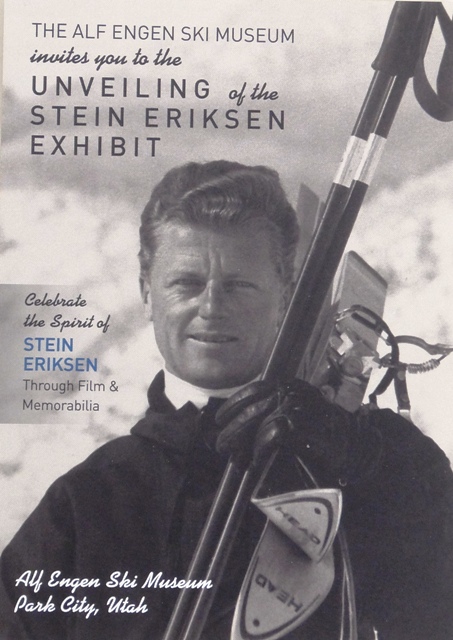
The Alf Engen Ski Museum in Park City opened the Stein Eriksen exhibit this month. Credit: Harriet Wallis

The Alf Engen Ski Museum in Park City opened the Stein Eriksen exhibit this month.
Credit: Harriet Wallis




Grow A Hiking Habit: Part Two–More Stuff

Outdoor Guru Steve Hines Offers More Ideas For Taking A Hike.

Summer hiking season is in full swing. The temperatures are warming and trails are dry. After covering the ten essentials in Grow A Hiking Habit: Part 1, some other items will help you more enjoy your hiking.

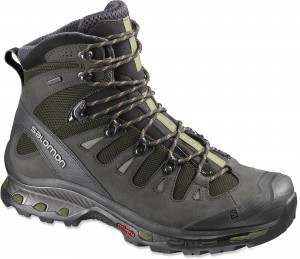
Real hiking boots are lightweight and support your ankle.  Sneakers don't cut it on the trail. Credit: REI

Real hiking boots are lightweight and support your ankle. Sneakers don’t cut it on the trail.
Credit: REI

Boots: Stout boots with good support are a must. Look for boots with waterproof liners. Boots should come to the ankle or above to keep trail debris out and protect the ankles. You should be able to wiggle and spread your toes and walk down hill without “jamming” your toes. Your boots should be wide enough in the forefoot that there is no pinching of any of the toes. Your heel should be held in place without constricting them. If your heel moves around side-to-side with the boot untied try another style/brand. Get fitted at outdoor shop by a qualified boot fitter. If you use orthotics, be sure your boots accommodate them.

Trekking Poles: These are telescoping poles that look like ski poles. When not in use, they can be strapped to the outside of your pack. When in use, they support the legs and lower back. They help with balance and help burn 25 percent more calories.

Comfort Items Now that I’m a little older, several items in my pack make the hike more comfortable.

  • A Dry T-Shirt: A dry shirt mid-hike is great. Avoid cotton; get Dri-Fit or Performance shirts that evaporate quickly.
  • Extra Socks: Even the best socks can’t always keep up with amount of moisture you produce.
  • Foot Powder: Changing socks and rubbing on some foot powder mid-hike is a treat!
  • A Sports Drink: Water is essential. But, a sports drink like Gatorade reduces the risk of dehydration among older hikers.

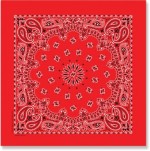
    The classic bandana is an invaluable partner on the trail. Credit: REI

    The classic bandana is an invaluable partner on the trail.
    Credit: REI

Bandana: The ubiquitous hiking buddy: Towel, handkerchief, sun protection, signal caller, sling, and bandage just to name a few uses.

Watch: I like to know how long it takes me to get from Point A to Point B on a hike. If I know the length of the trail I’m on and how long it took me to get there, I can judge my fitness level better. During these last few years, I’ve been aiming for a 1 mile/hour pace on mountain hikes and treks.

Cell Phone: Many people believe cell phones on the trail ruin the wilderness experience. But a phone can be a lifesaver. For many years I left my phone home but now, especially on solo trips, I take it along. Just be aware that in many remote places reception can be spotty or non-existent.

Camera: Helps with memory if you have a time/date stamp option.

Binoculars: Helps with both navigation (identify landmarks for triangulating your position) and spot/identify wildlife.

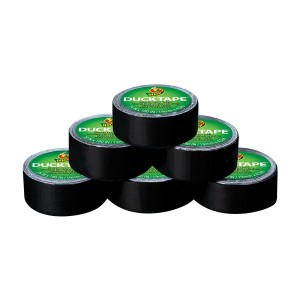
Is it Duct Tape or Duck Tape? Regardless, it comes in small-sized rolls, perfect for a backpack. Credit: Amazon

Is it Duct Tape or Duck Tape? Regardless, it comes in small-sized rolls, perfect for a backpack.
Credit: Amazon

Small Notebook And Pen: Record hiking times and observations, list hiking companions for later memory making.

Duct Tape: Blister treatment, gear repair, unknown problems.  A small roll of duct tape can do miracles.

Please feel free to make comments and provide feedback and additional wisdom. I also welcome questions and clarifications. This can be a wonderful forum for getting your hiking habit started and sharing experiences with others.

Grow A Hiking Habit: Part One

An Expert Offers Advice On Getting Started

Here are the "Ten Essentials": Gear you will need for a hike. Credit: Steve Hines

Here are the “Ten Essentials”: Gear you will need for a hike.
Credit: Steve Hines

Hiking is a great fitness activity for seniors. Whether you are an Alpine or Nordic skier, hiking can keep you in shape to enjoy the slopes or trails this coming winter. Hiking is enjoyed on many levels from simple day hikes in your local woods or conservation lands to classic mountain hikes in our national parks.

Whether you’re an experienced hiker with many trails and summits behind you or you’re new to it,  a few basics make it more enjoyable and safe.

On every hike, when you are away from roads and people always pack the “Ten Essentials”  in your 15-to 20-liter day pack.  The “Ten” are:

Essential Item  Comment
1. Map Contour maps are best. Maps with trails labeled are even better.
2. Compass Know how to orient the map, take a bearing and follow it, triangulate to find your position. Classes are available online and through your local outdoor club. Until you’re familiar with map and compass, keep to well-marked trails.
3. Sunglasses and Sunscreen Prescription sunglasses are great, especially at altitude where the UVs are strong. Don’t forget to put sunscreen on your ears and the back of your neck!
4. Extra Clothing Avoid cotton clothing except for desert hiking. Wool and synthetics are best. Take along a waterproof rain jacket and pants. A light fleece jacket or shirt should be adequate. A light wool or fleece hat and gloves/mittens will help if you are going to higher altitudes where weather is very changeable. And, always bring dry socks.
5. Headlamp/Flashlight Small high intensity lights and lamps keep your pack weight down. A light will be helpful if you are late in coming back from your hike.
6. First-aid Kit This kit should also include bug “dope” and any medications you require i.e. heart, blood pressure, diabetes meds.  Bandaids for blisters might also be helpful.
7. Fire-starter Waxed tinder sticks or tinder balls are available at your local camping store or outfitter. You can make your own using a few simple steps.  Just click here for instructions.  If you don’t think a fire-starter is necessary, read Jack London’s “To Build A Fire”.
8. Matches Waterproof matches are good, but a lighter works even when wet. Butane lighters may now work as well at high altitudes.
9. Knife Your handy Swiss army knife is best. No need for a big sheath knife unless you plan on cutting saplings for a shelter.
10. Water and Extra Food Out for just a day? Take lunch and some snacks or energy bars.   Water is crucial. It’s easy to get dehydrated as we get older. Don’t wait until you feel thirsty to sip water.  Drink frequently!


Here's a 12-15 liter day pack you will need for your stuff.  It should weigh about 12 lbs. Credit: Steve Hines

Here’s a 12-15 liter day pack you will need for your stuff. It should weigh about 10-12 lbs.
Credit: Steve Hines

Other items also come in handy. Some people like a walking staff or trekking pole(s). (See “Try Nordic Hiking” article in SeniorsSkiing.com). Bringing a cap or wide brim sunhat is a good idea. If hiking with friends, a camera adds to the fun. All tallied, your hiking day pack should weigh in at no more then 10-12 pounds.

When I hiked with my kids and they began to gripe about all the stuff in their packs I would tell them, “The only way to make sure you won’t need something, is to have it with you.”

Start slow on level ground hikes. Then, as you feel stronger make your hikes longer and on rolling terrain. When you’re ready, plan a mountain ascent. But always, before beginning a new exercise routine, check with your doctor to make sure your heart is healthy enough for hiking.