Accidents Can Be Self-Inflicted, Too.
[Editor note: SeniorsSkiing.com is collecting stories from readers about incidents and accidents that they have experienced. We intend to review these for patterns and themes and use that data to influence the safety policies of resorts and other stakeholders. The following is the second article submitted by a reader in our new feature “Incidents and Accidents. If you have a story to tell, please follow the format used below and send to INFO@seniorsskiing.com]
Carol Goodman, New Hartford, NY
Where: Gore Mountain North Creek, NY
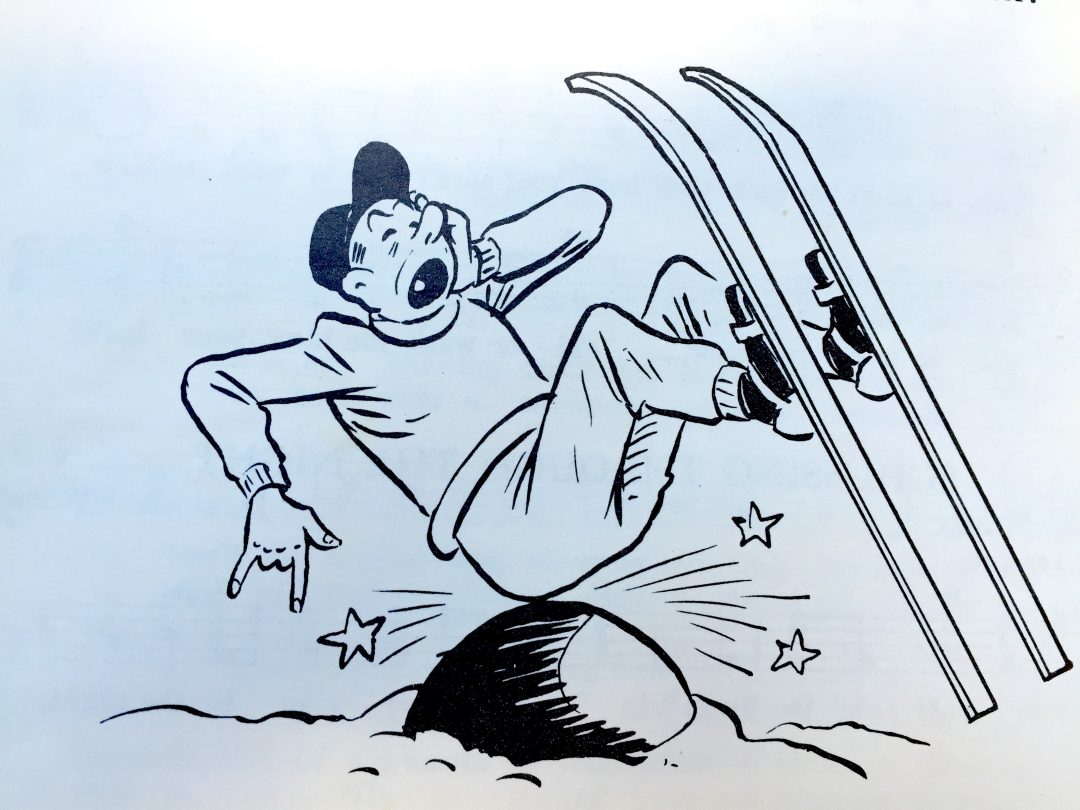
What Happened: It was a beautiful powder day in the Northeast. The snow was coming down heavily and close to 18 inches of new snow had accumulated overnight. The trails were virtually ungroomed. Exciting for a seasoned skier looking for the feel of western skiing. Unfortunately, the stars did not align for me that day. It was my first day out for the season, and my second run down the mountain when I took a header; a forward twisting fall into deep snow with no release of my right binding.
As a result, I suffered a comminuted fracture of both my tibia and fibula. Fortunately the accident occurred underneath a chairlift so I was able to summon for help immediately. I was reached by a ski ambassador first, who was able to release my binding, as I was in excruciating pain. It was a very long process getting me off the mountain and into medical. The accident ended my 2018/19 ski season, as the surgical repair, with a rod and screws, required me being non-weight bearing for 10 weeks.
Role of the Ski Patrol: The goal of the ski patrol is to attend to the immediate needs of the skier and to keep the skier comfortable until the proper splint and sled arrives. This was my experience, although I spent almost an hour on the mountain in the snow. I would hope that this amount of time is not the norm. Once I was down the mountain and was warmed up, the next ordeal was getting my ski boot off, which they insisted had to take place before I could be transported to a hospital. Lucky for me, there was an MD available at ski patrol who was able to administer ketamine, a dissociative anesthetic, so that I would not feel the pain of boot removal.
Lessons Learned: Always be certain that your bindings are in good working order and that you have had a relatively recent Vermont Binding Release test done. Even though I have been skiing for many years at an advanced level, the effects of aging and loss of strength should have prompted me to have my DIN settings checked and lowered.
Advice: Keep your equipment in tip-top shape, have a binding release check done, and keep skiing, even if you have a setback! Follow a strict rehabilitation program, followed by strengthening and conditioning so that you are in the best physical shape possible for the ski season. The benefits of participating in an activity you love, far outweighs giving it up.