Can’t We Stop the Fast & Dangerous Skiers/Riders?

Your Support Helps!

Help us keep SeniorsSkiing.com free. Please support SeniorsSkiing.com with a donation.

DONATE

Source: #RideAnotherDay

In the past couple days many of you have read about two skiing tragedies: one affected multiple lives (a 5-yr old girl who was killed by an out-of-control skier), and the family she leaves behind, plus the alleged “killer,” a 40-yr old skier who has been charged by French authorities with manslaughter.   As always would love to hear your thoughts and ideas about this.

The above is horrifying to all of us, and a true example of the most disturbing  trend I’ve noticed over 30+ years: an explosion in reckless skiing and riding.  As a ski instructor I see this ALL the time, and I’m always wary of super fast skiers/riders, particularly when I’m teaching, because then I’ve got real people with me for whom I feel incredible responsibility to keep safe.

Clearly something should be done about this epidemic on our slopes.  But what?

First, I’ve made it a point to start reporting instances of too-fast, or out-of-control skiers/riders. I’ll report occurrences to either “courtesy” patrol or ski patrol, and also ask them “why don’t you position staff on green and blue runs which attract too-fast skiers, and move them off under a threat of getting their ticket pulled”?  If patrollers hear this frequently, they’ll do something – they’re first responders.

On trail signage at Park City Mountain Resort          Photo: Jon Weisberg

Second, whether I’m in a lesson teaching kids/adults, or simply free skiing myself, I take great care to constantly look uphill before starting down, to see whether or not I’ve got clearance for my next 15-30 seconds of turns.  And I’ll always wait the extra time to let fast people go by me.

In a lesson, I’ll make sure to place myself in a constantly turning series of arcs that place me between my students and faster skiers above.  I can still observe them do a skiing task, and yes, it’s risky for me, but I believe the combination of my turning back and forth, along with my students immediately below me, makes that section of trail unappealing to super-fast skiers.

It’s sad ski areas don’t do more to police the trails.  But they don’t need to…by law.  If you read the all-encompassing “waiver of liability” contained on the backs of all day ski tickets, and included as a mandatory item to read and e-sign before you’re allowed to purchase tickets/passes online, ski areas in general have zero liability for bad things that happen on their hills…it’s all part of the inherent risk of skiing.

For me, I’ve got to TELL ski area courtesy patrol, ski patrol or management when I experience a dangerous situation, especially on green/blue terrain where there’s the expectation that skier proficiency is lower; therefore the speed of guests on that terrain should be lower!  If we don’t tell responsible ski area people about dangers we witness, then we shouldn’t expect anyone to take reasonable actions.  It’s up to all of us, because no one wants to hear about an innocent skier or rider being killed by an out-of-control skier – but’s it’s happening.

Hanging On for Life and (Almost) Getting Eaten by the Rope Tow

Editor’s note: Spend enough seasons skiing and most of us will get into some form of trouble. Last issue, I explained how I got into hot water by inadvertently becoming end-of-day Pied Piper to a bunch of kids who followed me on a long winding trail, while their parents anxiously waited their return. A few readers emailed their tales of on-slope woe. 

Mike Roth is a ski journalist who writes a regular ski blog for the Albany Time Union. He is also a talented cartoonist and and architect. When asked, last minute, if he had time in his busy schedule to illustrate these reader stories, he responded, “When do you need them?” A few hours later, Mike emailed his drawings.

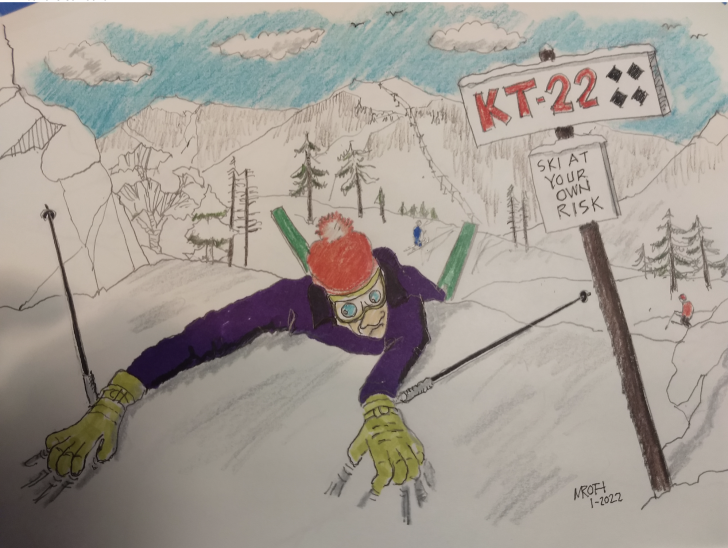
This cliff-hanger happened to Jeffrey M. Fine when he was 40, but he still remembers the day. Jeffery is now based in Dillon, CO.

Sometime in the 1980’s while living in Indiana, I took a trip out to Squaw Valley.  I thought I could ski KT-22, and it almost cost me my life.  While skiing down the right side of the run, I caught an edge and almost went off a cliff with a 50’ drop.  I managed to fall just before going over the edge and held on with my fingers in the snow (I was highly motivated to grab anything) while my skis hung over the edge in space.  The ski patrol was able to throw me a rope and pull me to safety.  I feel very lucky to have survived!

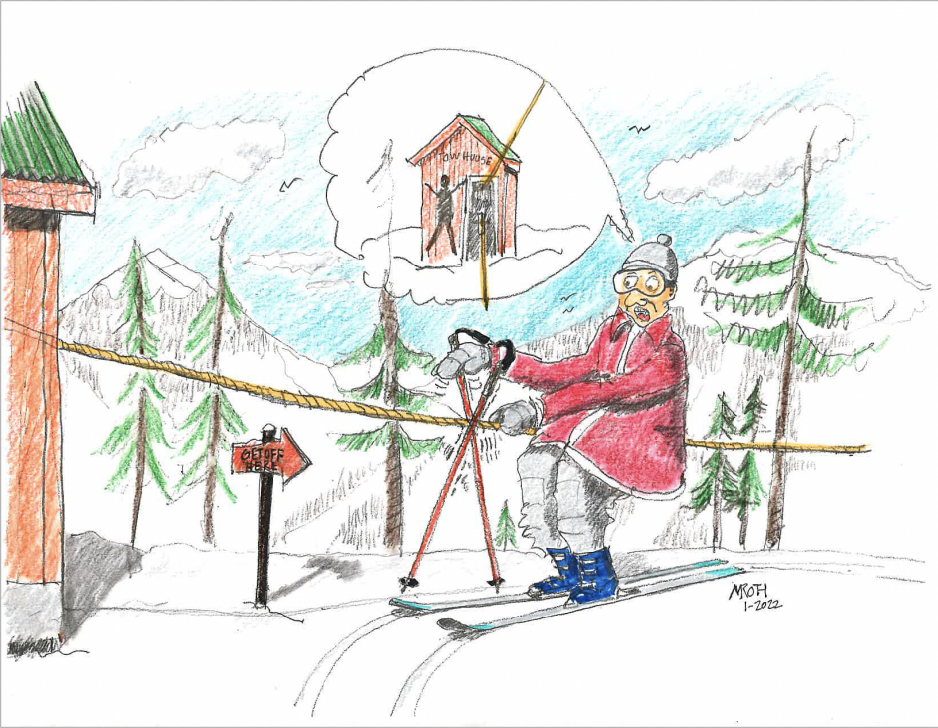
And here’s a rope tow tale from Ed Schultz, Penn Yan, NY. It happened when he was 30.

Back in the early 70’s skiing a small area in Massachusetts near Wooster, (can’t remember the name), I got on the rope tow. I had one arm behind with my pole straps around my wrist. What I didn’t realize was that the poles were bouncing in the snow behind and my pole straps somehow got twisted so when I went to get off I was caught on the rope. The rope tow rose up at the end toward a building housing some of the tow’s mechanism. I had visions of being carried up and going splat on the building. There were no safety stops in those days. Fortunately, I wriggled and twisted, freeing the straps and exiting the tow just in time.

Have a personal ski story you’d like to share? It can be about almost anything. Send it to info@seniorsskiing.com. We’ll share the most interesting with SeniorsSkiing’s 17,000 subscribers, along with an original Mike Roth illustration.

Loveland

Question For You: When Do You Quit?

Stay Till The Final Melt, Or Had Enough Already?

Some are done, some have more to come. Credit: Loveland

We know skiers who save up their skiing days until springtime. Fair weather skier, they are.  March is when they go out in earnest, conditions permitting. And there are others who decide to bag the season after President’s Day. Or St. Patrick’s Day. Still others make the weekend trek to the mountains every weekend until their favorite resort closes down.

Several years ago, we read an article in SKIING magazine about a couple of resorts in the West which extended their seasons because the snow conditions were extraordinary. So, they went through the expense of keeping staff on board, grooming, maintaining, and all that as well as advertising their later closing date. Result: Turnout was lower than expected. Skiers had moved on. When you think that the hard-core who show up are probably season pass holders, the net increase in revenue probably wasn’t close to being worth the effort?

So, how about you? Are you putting away your snow stuff? Taking the cover off the boat? Playing “Winter Rules” golf in early spring? Oiling up the bike chain? Booking tennis dates?

Question: When do you quit for the season? What’s your marker/ decider? How was this year different?

Please comment in Leave A Reply below.

Incidents & Accidents: 9

Funneled With No Place To Go.

Who: Randall White

Where: Mt St Louis, Ontario, Canada, near Toronto

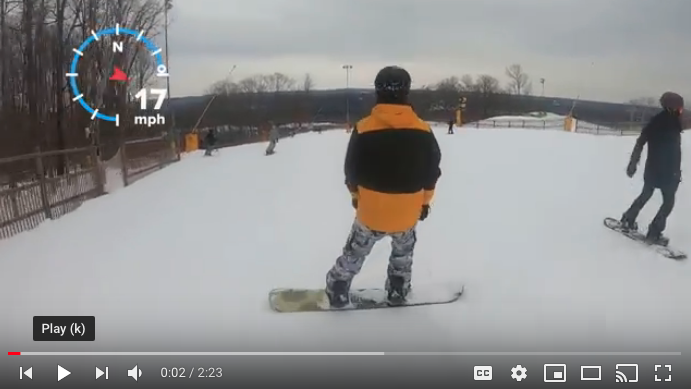
What Happened: Skier-snowboarder collision at convergence and crossover of blue ski runs. These were moderate to high speed runs without any warning signs, and it was a crowded day.  See recorded GoPro video for a detailed visual account of the accident, and thoughts on improvements.

Role of Ski Patrol: Neither person was seriously injured or required transport, so Patrol not called. The protocol at this ski area is for Patrol to take a “not injured statement and signature” from people.  That is for relief of liability. 

Lessons Learned:  Read maps carefully, ski off to the side of the run in busy intersections, go slow, and watch out for fast skiers behind you. Runs with funnel points should be avoided or approached with caution.

Advice: Wear a flashing red bicycle light on your helmet aimed behind you. Choose one of very high lumens for daylight visibility.  That may help reduce the probability of rear end collisions. 

Action: Make a report to the manager of Ski Patrol, or the GM of the ski area for such hazardous conditions.  Suggest that they install metering chicanes in such locations to slow skiers down and allow for safer crossovers and merges. See video.

For Prevention:  Stay away from overcrowded ski slopes that are too close to large metropolitan areas. There are inherent hazards/accidents that while preventable, are unlikely to be corrected by the ski area operators.  

CLICK BELOW TO SEE RANDALL’S STORY AND ANALYSIS OF THE CAUSE.


historic6

Incidents & Accidents: 8

[Editor Note: SeniorsSkiing.com is asking our readers to contribute to support our online magazine. Yes, we have grown in the number of subscribers and advertisers. But our expenses have also grown. You can help us defray some of these expenses by helping us out with a donation.]

Support SeniorsSkiing.com by clicking here.

______________________________________________________

It Might Be Wise To Skip That Last Run.

Who: Arlene Condon Maginn

Where: Bretton Woods, NH

What Happened: On the third day of our ski week, Bretton Woods had a two-for-one ticket day.  The crowd, still very modest, was noticeably bigger than earlier in the week.

John and I were skiing the last run of the day around 3 pm. John followed me down from the top, and, at the very bottom run out, he zoomed past me. At least three trails led into the base area, marked by a big “Slow” sign. No one was slowing in the slightest. Suddenly, a boarder crossed directly in front of me and went right over the back of John’s skis, not 15 feet away. John launched into the air without his skis and landed head first in a snow bank off the trail. The boarder also fell and lost his board.

Both John and the boarder stood up and shook themselves off. John said he saw stars and was thankful he was wearing a helmet.  The boarder also said he was okay and was very apologetic to have caused the mishap. 

I am a nurse with a recent head injury, so I was very careful to ask John several times about any symptoms, like blurred vision and headache. The boarder stayed with us while John put his skis back on. We went down the 50 or so yards to the base.  We were done for the day and headed back to the lodge.

Lesson Learned:

1. We should have asked for identification from the boarder, just for future reference. And we should have reported the incident to the resort. Later, in the lodge, we learned from an employee that there is a formal process for reporting accidents. Since we never exchanged information with the boarder, reporting didn’t seem that useful.

2. The last run of the day can often be problematic. We had fatigued muscles, slowing down our response time.  John should have curbed his enthusiasm and his speed at the bottom of his last run.

3. Skiing in crowded areas—merging trails, near the base, or where there are lessons—requires more diligence and focus on what’s going on. Clearly this is where the risk for collisions is highest.

4. As a senior—especially someone who is recovering from a head injury—I try to be very careful about injuries.  I stay in shape, stretch, wear a helmet and bright-colored parka. My lesson is to ski defensively, especially in tight places and at the end of the day. 


Slope Safety Reigned Supreme In Far West

[Editor Note: SeniorsSkiing.com is asking our readers to contribute to support our online magazine. Yes, we have grown in the number of subscribers and advertisers. But our expenses have also grown. You can help us defray some of these expenses by helping us out with a donation.]

Support SeniorsSkiing.com by clicking here.

______________________________________________________

During the second annual Ski California Safety Day, some 15 resorts in California and Nevada held a slew of events to promote on-slope safety.

Avy dog demos were a big hit at Sierra-at-Tahoe. Credit: SkiCalifornia

On the last Saturday in January, slope safety was in the air at more than a dozen ski resorts from the Sierra Nevada range in the north to the San Bernardino mountains in the south. The occasion was the second annual Ski California Safety Day, during which Ski California, the state’s ski industry trade organization, premiered its fourth ski safety video and participating resorts held a wide range of fun and fascinating demonstrations and events to promote safety on the slopes.

According to statistics gathered by the National Ski Area Association, the 42 fatalities reported in the US during the 2018/2019 wintersports season accounted for one fatality per one million skier/snowboarder visits; the 31 reported catastrophic injuries accounted for 0.52 such injuries per one million visits. So the odds of a skier or snowboarder being killed or seriously injured on the slopes is one or 0.5 in a million, yet that is little solace for those who were injured or for the families of those who died. Surprisingly the majority of these deaths and injuries were not the result of avalanches but rather males under the age of 30 skiing or snowboarding on intermediate terrain and having collisions with other people, trees, or stationary objects, or falls on the snow surface. So on-slope safety awareness is key to making skiing and snowboarding safer for all.

NSAA is promoting three actions for skiers/boarders to keep in the forefront of their minds when they hit the slopes: 1) Always be ready and in control so you can slow down or avoid objects at any time; 2) Always be alert to what is going on around you, from other skiers to snow conditions; and 3) Plan ahead, including looking uphill when you merge onto a larger slope from a trail, being aware of blind spots, scoping out a run slowly the first time you ski or board it, and giving other skiers/boarders a wide berth. Advice to skiers and boarders is all well and good but resorts believe that leaving safety awareness to individual skiers and boarders is not enough. There is now a concerted effort underway among California and Nevada ski resorts and the Ski California association to greatly reduce these statistics, and Ski California Safety Day is a vital part of that effort.

Resorts are going an extra step, holding events where they have captive audiences that will hear the safety messages loud and clear and retain what they hear. Says Michael Reitzell, president of Ski California since 2015, “Over seven million people ski and snowboard in California and Nevada annually. While the risk of serious injury remains extremely low, we are proactive about educating wintersports participants about the importance of safety. If we can prevent just one serious injury, our extra efforts are worth it.”

A couple of ski areas came up with quite ingenious ideas to promote safety on the slopes. Kirkwood Mountain Resort, for instance, cranked up its “Bars for Bars Down” program: anyone using a chairlift restraint bar at the proper time on the resort’s Timber Creek beginner chair was handed a candy bar when getting off the chairlift. At the top of Chair 2, ski patrollers enticed people getting off the lift with hot dogs so they’d stick around and listen to an avalanche awareness talk given by the Sierra Avalanche Center and get the chance to pet some “avy dogs.” Mammoth Mountain came up with “Know the Zone,” painting a few big circles in the snow, each with a 15-foot radius and a mannequin in the middle, beneath the Broadway Express Chair, its busiest chair, to help chairlift riders visualize the optimum distance skiers and boarders should leave between each other on the slopes.

Boreal/Woodward Tahoe hosted a “Helmets Are Cool” event during which participants could decorate their helmets with various stickers and view a “Helmets Are Cool” video. Homewood Mountain Resort also focused on helmets, offering free helmet rentals all day. The resort also had ski patrollers and instructors on hand, along with Ruckus, the avy dog, at five interactive stations at the base area during the lunch hour, talking about a wide range of safety topics.

Heavenly Mountain Resort went all out with terrain park safety clinics, avalanche dog demonstrations, avalanche beacon park and backcountry preparedness beacon hunts, various ingenious raffles, and a “Helmet Head” photo booth where folks could post on social media photos of themselves wearing helmets.

Sierra-at-Tahoe had a great turnout at its avalanche dog demonstration, during which the resort’s ski patrollers talked about avalanche danger and how the dogs are trained. This was followed by a ski patroller actually being buried in the snow and “rescued” by one of the avy dogs. The patrollers also demonstrated the various safety devices available today, from beacons and whistles to AvaLungs and airbags. Northstar California followed suit with its own avalanche/rescue dog demonstration and also emulated Kirkwood with its own “Bars for Bars Down” event on selected chairlifts .

Sugar Bowl hosted an on-slope Scavenger Hunt and a poster contest for kids aged 12 and under. Squaw Valley/Alpine Meadows set up safety booths, held a raffle, and had a meet-and-greet with the ski areas’ patrol dogs. Tahoe Donner held a few demos on slope safety, and Diamond Peak offered a behind-the-scenes tour of its Village Terrain Park that included discussion of its construction, safety, maintenance, and boarder etiquette. Mt. Rose Ski Tahoe treated its guests to an “On-mountain Safety Poker Run” and free hot chocolate or coffee for anyone who reviewed the skiers’ Responsibility Code at its welcome booth.

In the Southland, Big Bear Mountain Resort went the Hollywood producer route, hosting an on-mountain Instagram story contest, in which participants had to create an Instagram story highlighting five safety items and tagging their creations with a series of hash tags. China Peak gave visitors a chance to accompany the ski patrol on its rounds, and Snow Valley Mountain Resort offered a free lift ticket to anyone who purchased a helmet at the resort’s sports shop on the 25th.

Mike Reitzell sums it all up, saying about safety, “You can never do enough for ski resort guests. We are committed to a consistent and constant effort to increase safety awareness. The resorts are all in this together; we’re not competing with each other [in this area]. As an industry, safety is at the forefront. We ultimately want to say to skiers and boarders: Come skiing; we have the safeguards in place.”

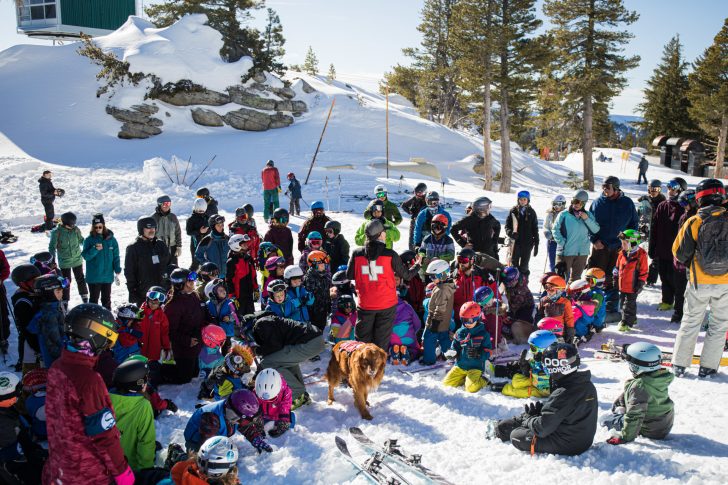
Ski Patrollers explain safety rules to kids at Sierra-at-Tahoe Safety Day. Credit: SkiCalifornia


Incidents & Accidents: 7

Safety Is Up To All Of Us.

[Editor Note: Dave Irons contributed this article on skiing safety which first appeared in the Lewiston Sun Journal. Dave is a veteran ski journalist and ski patroller.  SeniorsSkiing.com is collecting stories from readers about incidents and accidents that they have experienced. We intend to review these for patterns and themes and use that data to influence the safety policies of resorts and other stakeholders. ]

Each ski season the issue of safety comes up. Some years it’s a fatality at one of our ski areas. It might be a famous person, like Sonny Bono who died while tree skiing at Heavenly Valley on the California/Nevada line.  One year it was a couple of teenagers who left the trail at Sunday River and had to be rescued at night.  Whatever the trigger we all need to be reminded at times of the need for safety while skiing.  I remember years ago when I walked into Tom Reynolds classroom at UMF.  On the board was the saying, “If it is to be, it’s up to me”.
That pretty much describes safety on the ski slopes.  How often have we heard someone say about a particular situation, “There oughta be a law!”?   You might be surprised to know that there are some laws when it comes to skier safety.  Mostly we are not restricted in our skiing, but there are certain activities that are limited, most not by law but by ski area policy. One example is skiing too fast in an area posted, “SLOW SKIING”.  Skiing fast in an area set aside for beginners or approaching lifts can bring about a warning from the ski patrol. It will usually be nothing but a warning. Some ski patrols will mark the lift ticket either with a marker or by punching a hole in the ticket.  Stopped by a second patroller who spots the mark will result in loss of ticket.

But that’s not law.  When are skiers likely to be subject to law?  Unlike on the highway, there are no radar guns on the ski slopes, but if there is a collision and injury, the law can be involved.  The Colorado Skier Safety Law states clearly, “The person higher on the hill has the responsibility to avoid people below and if something happens that skier or boarder is at fault”.  Notice that there is no mention of the ski area being responsible.  As a ski patrolman, I used to sum it up this way, “If you are good enough to overtake another skier, you should be good enough to avoid them.”

We often hear, “He cut me off” from skiers who hit someone while passing them.  I would make the point that the skier downhill from us cannot be expected to look up the hill before making a turn, especially if that downhill skier is a lower level skier.  The better skier has to be aware that he is sharing the slopes with skiers of all ability levels. And we should all know the Colorado law.  It may not be the law in Maine, but we can be sure it will cited by an attorney representing a skier who has been hit from above.    

This should be all we need to know about avoiding collisions on the hill. Add the common sense parts of the Skiers’ Code Of Responsibility such as slowing down and looking up hill when entering a trail intersection, looking uphill before entering a trail and always stopping on the edge of the trail.

The next area is skiing closed trails and out of bounds. I can tell from years of experience that no ski patroller wants to close a trail.  If it’s closed it’s because the ski patrol judged it to be unsafe.  Also, no ski patroller wants to have to explain to management why they closed a trail if it was skiable.  I would also point out that if any of those skiers who patrolled for me felt uncomfortable on a run, you probably don’t want to ski it, and the average skier certainly doesn’t belong on it. Trails are closed for our safety. Stick to the runs that are open. And to those that are within your ability. 

Out of bounds is another issue.  This is not to be confused with skiing in glades within the area, but this skiing also calls for special precautions.  Sonny Bono lost his life within bounds, but he was skiing alone in the trees. We don’t know if he died instantly or if he might have lived had rescuers reached him quickly. His body was found the next morning. Never ski in the trees alone. It should be a group of three or more, one to stay with the injured skier while another goes for help.  Cellphones help, but if you don’t know where you are on the mountain it can still be a long time before rescue. 

Leaving the ski area boundaries is taking an extreme risk, not only to the skier, but to those who will be involved in the rescue.  If you survive a problem even if it’s no more than getting lost and having to be led out, this can involve the law. In these cases it’s not uncommon for a number of services to be involved such as warden services and police. For this you could receive a bill, and it could be quite large. Just figure the hourly pay for dozens of searchers for a full night, along with the equipment. Do you know what it costs an hour to keep a helicopter in the air? The next time you consider skiing out of bounds remember this sign at the top of Killington, “The mountains will be just as cold and lonely tonight as they were 200 years ago”. 

historic6

Incidents & Accidents: 6

Tracking Down The Reckless Party: YOU Must Capture Data At The Scene.

Mark Stangl, Steamboat, CO

What Happened: Snowboarder collided with me from behind, causing a spiral leg fracture.  Both fibula and tibia were broken and required internal hardware treatments.  Major life changes and financial impacts resulted. (The snowboarder was from Panama and although at fault resisted all contact from my attorney and was shielded by the corrupt legal system there.)

Role of Ski Patrol: Transported me from the slopes to the local hospital.  Patrol did not conduct an accident investigation, nor help identify nor locate the snowboarder.  My friends snapped a cellphone image of the on-the-spot ‘incident report’, but name and contact information were wrong, or “wildly incomplete”.  Later inquiry to Steamboat about identity and location yielded a response of “Too bad. Here is the policy indicating it is not our job to authenticate information given to us by patrons”. 

Subsequently, a Denver TV station conducted an investigation and aired the results.  The ski area stonewalled their questions, but undercover work revealed the high number of injuries at that ski area every year.  Over 3,000!  Link to that TV aired report is here

Followup investigation to 12 other ski areas and industry trade groups were further stonewalled, or responded to with the common façade of “…myth out there…our numbers are so low…”.

Lessons Learned:  A systemic concealment and conspiracy is in existence regarding skier safety by the industry.  An image of “wonderful family experience” is shadowed by the truth of high non-fatal injury rates, and exculpatory laws/waivers releasing the operators from virtually all responsibility. 

Advice:  Upon being the victim of an”at fault accident”, call police and report an assault.  Have others snap a photo of the offenders ski pass or ticket.  Tracking data is available from that.  Detain the offender if possible, and call patrol.

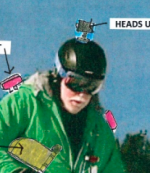
For Prevention:  Wear a flashing red bicycle light on your helmet facing back.  These are being used by seniors to alert followers and seem to inspire attention.

Incidents & Accidents: 5

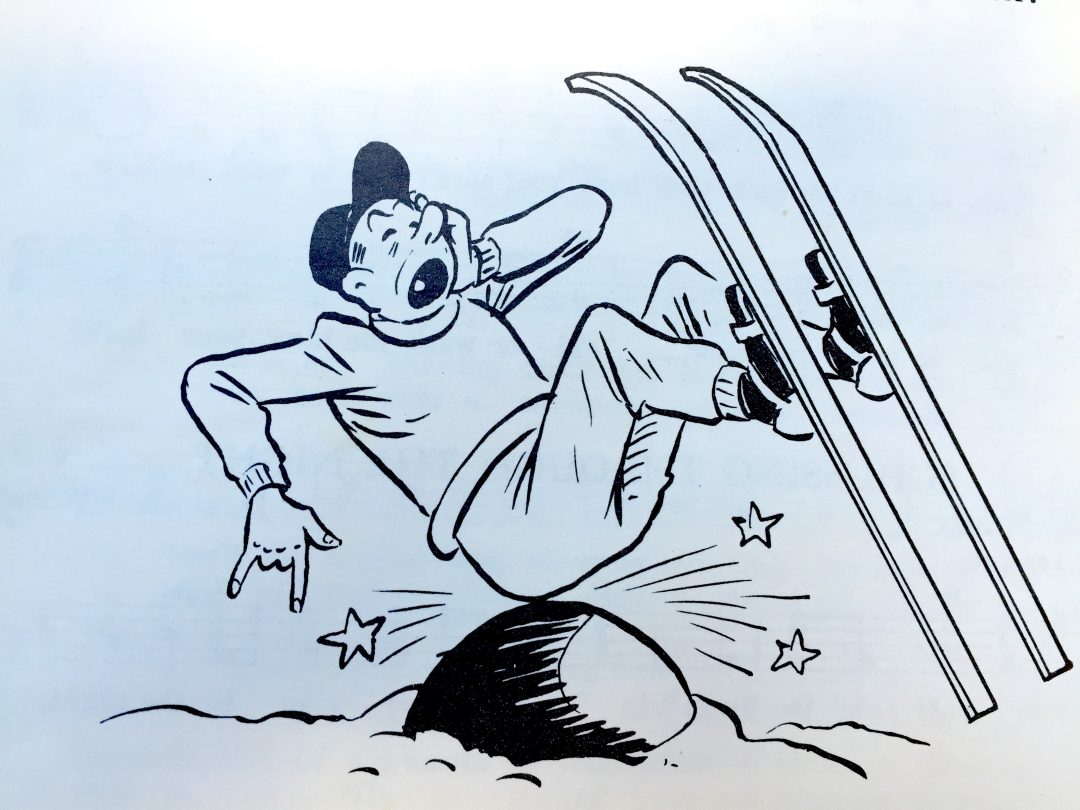
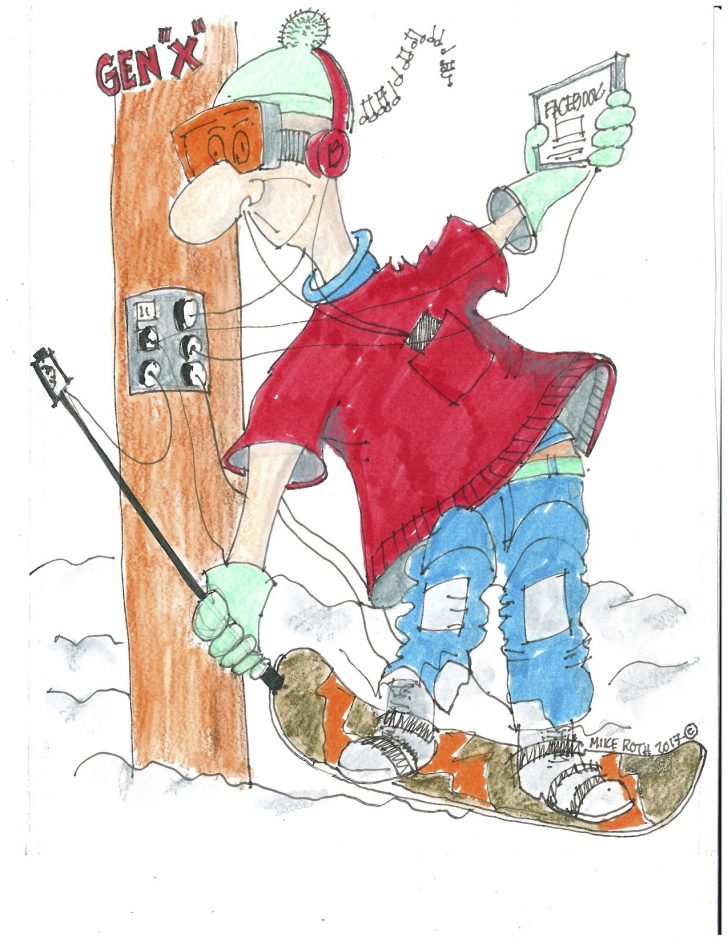
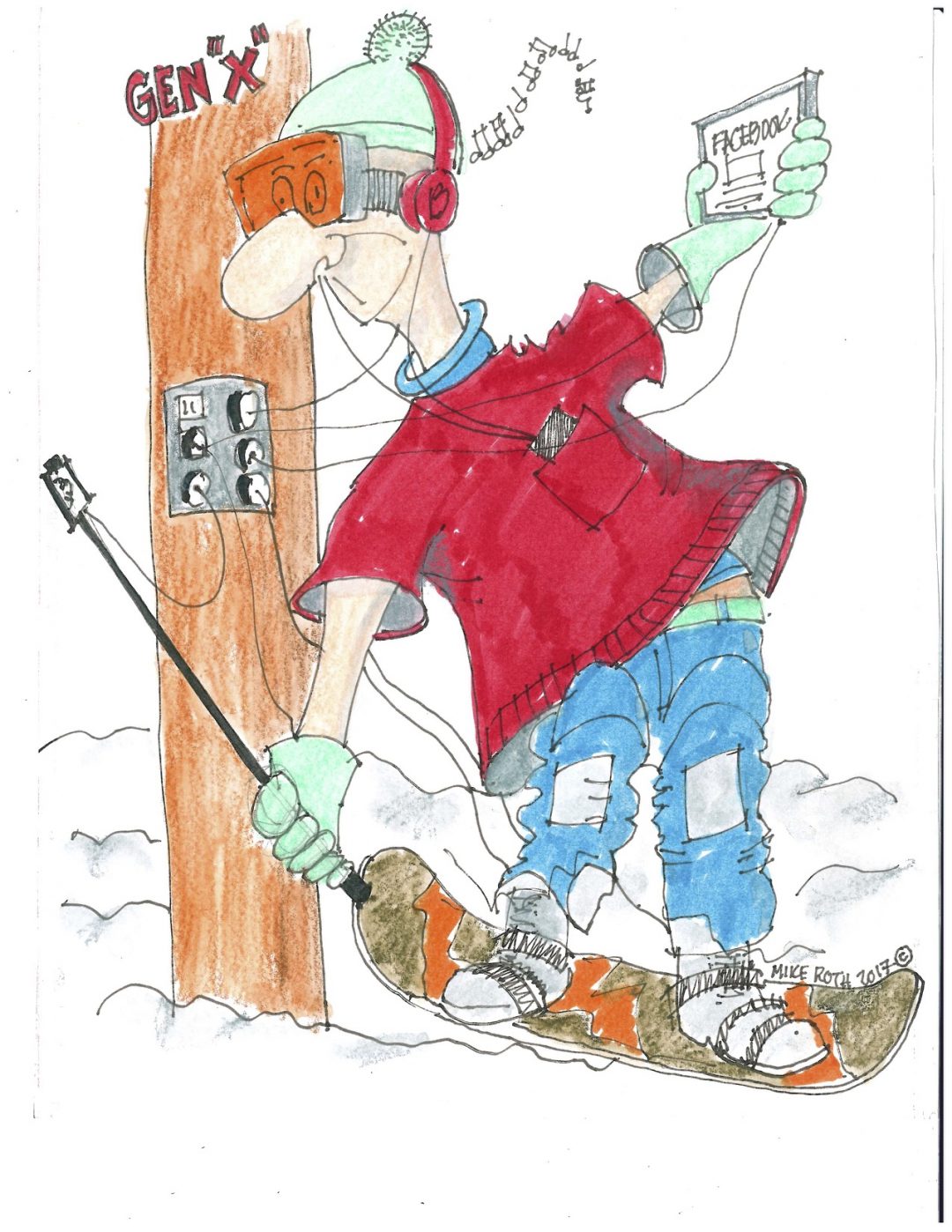
Here’s A Less Serious Report, But Is There Some Truth In This Cartoon?

We’re lightening up this week for our ongoing series of Incidents & Accidents. Instead of recounting a collision, here’s a cartoon from veteran journalist Mike Roth, depicting the Gen X-er on the snow.  What think? Truth?

Incidents And Accidents: 4

Things Get Rocky On Bullwinkle

[Editor note: SeniorsSkiing.com is collecting stories from readers about incidents and accidents that they have experienced. We intend to review these for patterns and themes and use that data to influence the safety policies of resorts and other stakeholders. The following is the fourth article submitted by a reader in our new feature “Incidents and Accidents”. If you have a story to tell, please follow the format used below and send to INFO@seniorsskiing.com]

Jan Brunvand, Snowbasin, UT

What Happened

My wife Judy and I, both octogenarians, were skiing a blue run called Bullwinkle at Snowbasin, UT, on a nice clear midweek day with smooth groomed snow and few other skiers or riders. I had my helmet cam turned on, and I skied down first in order to get a video of Judy’s run. Looking back up the slope I noticed a skier and two snowboarders entering the run at the top, but Judy was on skier’s right, and they were on the left. What could possibly go wrong?

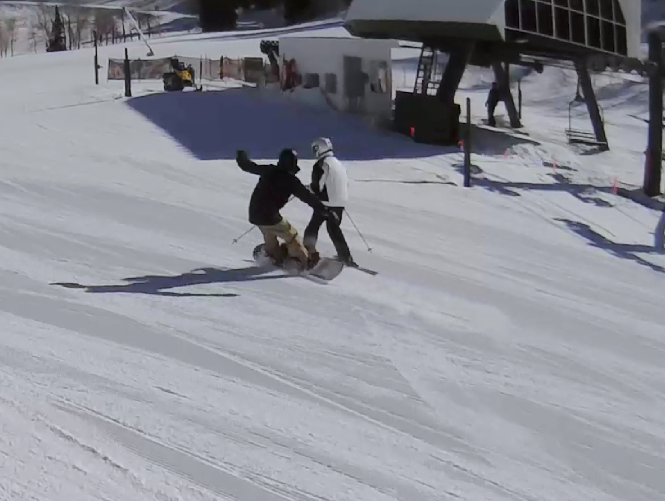
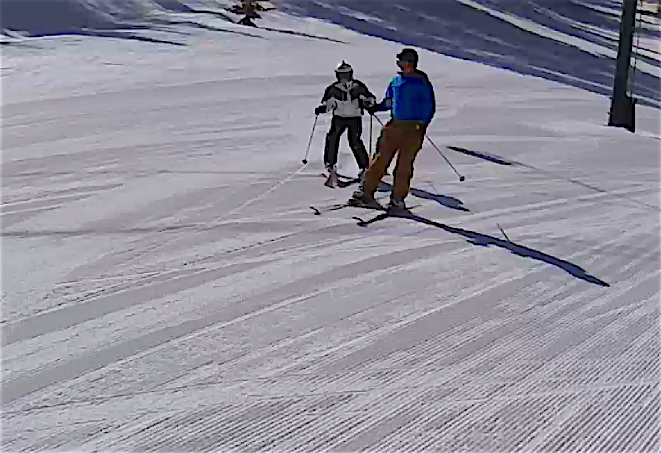
Skier veers toward Judy. Credit: Jan Brunvand

When Judy was about three quarters of the way down, suddenly the skier veered towards her and barely missed cutting her off. Then, just as she reached the run-out at the bottom, one of the boarder dudes cut straight across the hill towards her and ran over the back of her skis. The kid toppled, but Judy managed to stay upright by waving her poles to offset the collision.

Boarder crosses Judy’s skis. Credit: Jan Brunvand

The boarder, probably noting Judy’s white hair sticking out from under her helmet, apologized profusely. Judy checked her skis, and they had remained solidly attached. We proceeded to the base, keeping careful eyes on the others around us.

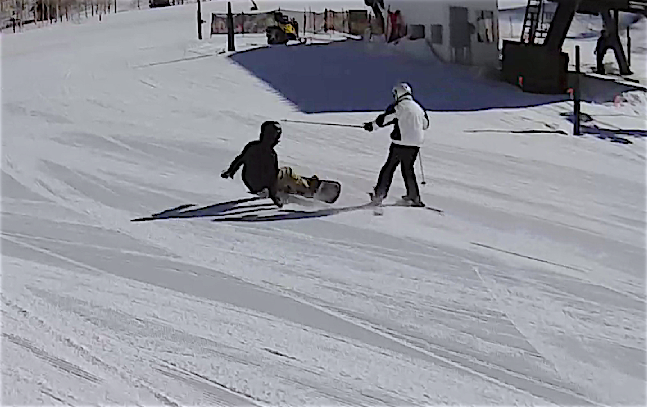
Boards goes down, Judy is waving her pole for balance, not repelling boarders. Credit Jan Brunvand

Back home I checked the video and saw again what close calls these had been. I took screen shots of three frames showing the two near misses plus the aftermath. In the last one it looks like Judy is poking the boarder dude with her ski pole—fighting him off. Not true, but it all happened too fast for us to realize how it might have appeared to a bystander.

Role of the Ski Patrol

No patrollers in sight

Lessons Learned

Danger can come from anywhere, no matter how much you try to stay in your lane and watch out for others on the hill. Not all skiers and riders are out of control or aggressive, but neither are they necessarily aware of their surroundings, so YOU have to be the aware one.

Advice

As in photo 3 above: Don’t Mess With Grandma!

historic6

Incidents And Accidents:3

Confronting The Offender.

[Editor note: SeniorsSkiing.com is collecting stories from readers about incidents and accidents that they have experienced. We intend to review these for patterns and themes and use that data to influence the safety policies of resorts and other stakeholders. The following is the second article submitted by a reader in our new feature “Incidents and Accidents”. If you have a story to tell, please follow the format used below and send to INFO@seniorsskiing.com]

Jon Weisberg, Teasdale, UT.

Where: Deer Valley, Park City, UT

What Happened: I was skiing the left edge of a wide slope, about three quarters of the way down. The bottom of the lift was visible. A skier in a green parka came from behind and passed within an inch or two. His skis crossed mine. I stopped and watched as the ugly green parka made its way clumsily to the bottom. Taking chase, I caught up with him and his friend in the lift line and confronted him. He was in his late teens or early 20s and denied that he was the skier in question. I pressed the issue. “You’re the only person wearing that ugly green jacket.” He still didn’t admit that he skied so close and almost knocked me down. “You did it, and you know you did,” I persisted. His buddy then spoke up  and admitted that his friend had done it. They were about to get on the chair. I gave him a short lecture. “If you got hit at your age, you’d get up or spend a few days sidelined and be back on the hill. I’m in my seventies, and you almost knocked me down. I’ve been skiing more than 60 years. If you hit me, I might have been out for the season or for the rest of my life.” Maybe it registered, maybe not. He got on the chair and, fortunately, I never saw the twerp again.

Role of the Ski Patrol: Had Patrol been nearby, I would have reported the kid. They were not, and I did not.

Lessons Learned: I like to ski the fall line which is what I was doing when this happened. I deliberately ski slowly and in control. But many others don’t ski with the same level of control. It’s important to redouble looking around and upslope when skiing.

Advice: The incident made me realize that regardless of how well I conduct myself on the hill, I need to expect the unexpected.

historic6

Incidents And Accidents: 2

Accidents Can Be Self-Inflicted, Too.

[Editor note: SeniorsSkiing.com is collecting stories from readers about incidents and accidents that they have experienced. We intend to review these for patterns and themes and use that data to influence the safety policies of resorts and other stakeholders. The following is the second article submitted by a reader in our new feature “Incidents and Accidents. If you have a story to tell, please follow the format used below and send to INFO@seniorsskiing.com]

Carol Goodman, New Hartford, NY

Where: Gore Mountain  North Creek, NY

What Happened: It was a beautiful powder day in the Northeast.  The snow was coming down heavily and close to 18 inches of new snow had accumulated overnight. The trails were virtually ungroomed. Exciting for a seasoned skier looking for the feel of western skiing.  Unfortunately, the stars did not align for me that day.  It was my first day out for the season, and my second run down the mountain when I took a header; a forward twisting fall into deep snow with no release of my right binding.

As a result, I suffered a comminuted fracture of both my tibia and fibula. Fortunately the accident occurred underneath a chairlift so I was able to summon for help immediately.  I was reached by a ski ambassador first, who was able to release my binding, as I was in excruciating pain. It was a very long process getting me off the mountain and into medical. The accident ended my 2018/19 ski season, as the surgical repair, with a rod and screws, required me being non-weight bearing for 10 weeks.

Role of the Ski Patrol: The goal of the ski patrol is to attend to the immediate needs of the skier and to keep the skier comfortable until the proper splint and sled arrives.  This was my experience, although I spent almost an hour on the mountain in the snow.  I would hope that this amount of time is not the norm.  Once I was down the mountain and was warmed up, the next ordeal was getting my ski boot off, which they insisted had to take place before I could be transported to a hospital.  Lucky for me, there was an MD available at ski patrol who was able to administer ketamine, a dissociative anesthetic, so that I would not feel the pain of boot removal.

Lessons Learned:  Always be certain that your bindings are in good working order and that you have had a relatively recent Vermont Binding Release test done.  Even though I have been skiing for many years at an advanced level, the effects of aging and loss of strength should have prompted me to have my DIN settings checked and lowered. 

Advice:  Keep your equipment in tip-top shape, have a binding release check done, and keep skiing, even if you have a setback! Follow a strict rehabilitation program, followed by strengthening and conditioning so that you are in the best physical shape possible for the ski season. The benefits of participating in an activity you love, far outweighs giving it up.

Skier’s Code: Let’s Review

Remember The Right Of Way Rules Please.

Mike Roth with new safety add-ons for the modern skier.

[Editor Note: This article by ski journalist Mike Roth originally appeared in the Albany Times Union. It has been edited slightly from the original.]

On Monday the 19th of March, I skied Mount Snow which was fantastic. Since the week before they had received over five feet of snow. The trail conditions were packed powder over the entire mountain and could not have asked for better conditions aside from fresh ungroomed powder.


There was a decent crowd at the Bluebird bubble six pack chair but that was mainly because it was the only main face lift operating. There was no reason to run any of the others due to the lack of people. Even though the lift line took a few minutes to get through there basically was no one on the trails as you skied down to the base.


While I was on the mountain there were various posters with the Skier’s Code of Responsibility so I will repeat them here for the record.


It’s YOUR responsibility
1. Know your ability and always stay in control and be able to stop and avoid other people or objects. It is your responsibility to stay in control on the ground and in the air.
2. Take lessons from qualified professional instructors, to learn and progress.
3. As you proceed downhill or overtake another person, you must avoid the people below and beside you.
4. Do not stop where you obstruct a trail or run, or are not visible from above.
5. When entering a trail or run or starting downhill, look uphill and give way to others.
6. When riding a chairlifts use the restraining devices. Always use suitable restraints to prevent runaway skiing/boarding equipment. Ensure your equipment is in good condition.
7. Observe and obey all signs and warnings. Keep off closed trails or runs and out of closed areas.
8. Before using any lift you must have the knowledge and ability to load, ride and unload safely.
9. Do not ski, snowboard, ride a lift or undertake any other alpine activity if your ability is impaired by drugs or alcohol.
10. If you are involved in, or witness an accident, alert Ski Patrol, remain at the scene and identify yourself to the Ski Patrol.


To me, Item Three above is the most important!


This is my biggest gripe while on the mountain. When people pass you, they just fly by, many very close to you and without notification. How hard would it be to say “on your right or on your left”? Almost no one says that anymore. What a shame. I say no one, but I do and on Monday one other person said it to me. And I thanked him.

Every time I ski, I am increasingly conscious of the fact that I will be passed by someone behind me and almost always without notification. It is a rule on the Skier’s Code, but it should be a law. It is a law to use your directional in a car when you are going to change lanes or turn. It should be illegal to pass someone without notification.


When skiing I cannot tell you how many near misses I have had by individuals passing me without notification. “On your right or on your left” must not be in anyone’s vocabulary. I am not sure how we can instill this in skiers. Maybe these notifications should be taught through repetition. In that way the repetitive knowledge might sink in. It should start in the ski school levels. It should also be conspicuously posted on all the lifts and in the lodges.

Mount Snow has done some of this. On the trail markers there are signs on the mountain that say “Go With The Flow; People Ahead = Right Of Way” also the codes of skiing are posted on the TV next to the menu in the food court. This can’t be missed.

Anyone have any other ideas?


historic6

Incidents And Accidents: 1

Katie Van Hess, Sun Valley, ID.

Editor Note: Here’s our first contribution from a reader about an incident she was involved with. To submit your story, try to follow the same format. Send to INFO@seniorsskiing.com

Where: Sun Valley

What Happened: Uphill skier heading fast towards a ridge to jump it.  I was heading along the ridge towards a congested area to load on the lift.  He tried to stop but hit me anyway, sending me into another skier while skidding along, flat on my back with skis still attached.   The uphill skier came out of his skis.  No one was seriously injured (but no apology from the guy who hit me). I took time off in the lodge to collect myself and did notice a previous meniscus injury was again compromised. This was at my home base of Sun Valley, and this particular run has always needed a slow down sign or better traffic control. 

Role of the Ski Patrol: I’ve suggested a slow down sign to a ski patroller, and he did agree its been needed but nothing has been done.

Lessons Learned: I rather “panic” when I hear a skier or boarder behind me.  I try to set a definite rhythm to my turns so they can judge where I’m going.  I’ve gotten hit by them too many times over the years.  One time, I did go to the emergency room with a huge hematoma on my arm (which I stuck up to protect myself as a boarder slammed into me while I was standing still).

Advice:  Uphill skiers/boarders need to be reminded of their obligation to be able to safely pass those below them.  I do agree that all mountains need more staff or volunteers to slow down the  “indestructible” younger skiers. Resorts seem to be hesitant about ruining their good time.