Short Swings!
To some extent, skiing is a fashion statement. Current trends have an impact in what we wear, the equipment we purchase, and the way we ski.
Over the past several seasons, I’ve noticed skiers taking run-after-run using the same high speed, up-on-their-edges, race turns. It reminds me of the 60s when people were wedeling straight down the hill, or the 70s when extreme bump skiing was the rage.
Good technique is the foundation upon which we develop a well-rounded repertoire of turns; one than can evolve into your own skiing style.
I know two people who raced in college and continued to use race techniques whenever and wherever they skied. I never learned to race and admire those who have. But the need to be first to the bottom, regardless of terrain, can lead to disaster. Both had serious breaks.

Skiing is not a one-turn-fits-all sport. Endless terrain and condition changes require us to draw from a repertoire of moves.
Age and physical limitations are changing the way I ski. But when I’m in the groove, each run becomes a form of personal expression: Mixing short and wide turns. Playing with the fall line. Slowly descending a cascade of bumps. Entering powder for a few weightless turns.
It’s not skiing to a template or keeping up or showing off. It is personal choreography, and it feels very good.

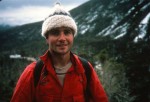
Jon in an undated photo with more hair and less waist.
It Wouldn’t Hurt to Take a Lesson
That’s the title of Jackson Hogen’s most recent Realskiers.com Revelation (click here to access). He builds a strong case for improving skiing skills in order to move beyond your comfort zone.
Vermont Boomerangs Back
Following a devastating January thaw, Vermont areas had an outstanding MLK weekend. A Ski Vermont news release reported that on Sunday, Sugarbush had the biggest day in its 61-year history and Jay Peak’s 600 room capacity was 100% sold out. Some of the mountains got about 2’ and temps dropped to form ideal snow-making conditions.
Alta’s New Website

Alta’s New Website
One of the many wonderful things about Alta is that when it makes a rare change, it does so thoughtfully. The classic Utah ski resort just introduced a new web design featuring simplified navigation, an improved mobile experience and interactive weather features. Some of the old features such as Photo of the Day remain. Click here to visit.
Mt Rose (NV): Free Lessons for 50+
Mt Rose on the Nevada side of Lake Tahoe offers Silver Ski Clinics designed for experienced skiers ages 50 and older at skill levels of lower-intermediate to advanced. The Monday and Friday clinics are free to season pass holders or $25 with lift tickets. Click here for details.
Aussie Crosses Antarctica on Skis

Dr Geoff Wilson Source: Facebook
Australian adventurer, Dr. Geoff Wilson, 49, skied 3,300 miles across Antarctica in 58 days. He used a kite and a sled in the historic trek, completing the journey with five weeks of rations remaining.
New Utah Training Facility
Utah Olympic Park at Kimball Junction in Park City opened the Mountain Expansion, a training facility for the state’s ski and snowboard teams. It features 5 alpine training lanes, a mogul lane, expanded terrain for freeski and board athletes, 11 acres of lighted terrain, high-efficiency snowmaking and a fixed grip quad. The facility is expected to expand in coming years.
A Different Hand Warmer Perspective

Last week, I advised placing hand warmers on top of the hands. That, on the advice of a ski shop sales person who told me that heating the hand’s blood supply would help warm the fingers. Nice concept but wrong anatomy lesson. The superficial veins on top of our hands carries blood back to the heart. Thanks to SeniorsSkiing.com subscriber, Roger Skugrud, for making the correction. A resident of frigid Minnesota, he advises positioning warmers in the palms where they’ll warm the blood feeding the hand and allow you to grasp the warmth when riding the lift.
New Pocket Instruction Guide
Bill Hernon’s Modern “A” Frame Ski Technique is a 45-page, small format paperback describing an approach to skiing based on a variety of “A” shapes. It is short and to the point and an interesting approach for self-learners. The book covers basic turns, skiing powder, bumps and Telemark turns. The author also recommends professional instruction. Click here to learn more and/or to purchase.