



Ski Strong, Ski Long: A Chiropractor’s Guide to Preventing Injuries on the Slopes
The sensation is universal for skiers. That crisp mountain air, the stunning vista of snow-covered peaks, and the pure joy of a perfect turn. As both a lifelong skier and a chiropractor, my mission is to help my fellow enthusiasts, especially those of us in the 50+ community, enjoy that feeling season after season without being sidelined by injury.
Although expert technique helps, what’s really important is having a well-thought-out strategy for preparing, maintaining, and recovering your body. True longevity in this sport comes from respecting your body’s mechanics and understanding that the best run of the day is often the one you finish healthy and strong.
The foundation of a safe ski season is laid weeks, or even months, before you click into your bindings. Your body must be prepared for the unique demands of skiing, which combines strength, endurance, balance, and sudden, explosive movements.

Bird Dog Exercise Credit:Rani Nurlaela Desandi
A pre-season conditioning program is your most powerful tool for injury prevention. Focus on building a resilient foundation with exercises that mimic the movements you’ll be doing on the hill.
Pre-Season Conditioning Checklist
Build a Powerful Lower Body. Your legs are your primary shock absorbers. Incorporate squats and lunges to build quadriceps, hamstring, and glute strength. Don’t forget lateral lunges, since they specifically target the muscles needed for powerful, side-to-side skiing movements.
Forge an Unshakable Core. A strong core is your secret weapon for stability and balance, protecting your lower back from the torsional stresses of skiing. Planks and the bird-dog exercise (alternately extending opposite arm and leg while on all fours) are exceptionally effective for building the deep core stability you need.
Practice Balance. Simply standing on one leg for 30-60 seconds at a time can dramatically improve your proprioception, that is, your body’s ability to sense its position in space. This is critical for navigating uneven terrain and catching an edge before it becomes a fall.
Getting Started
Even with the best preparation, what you do on ski day itself determines your immediate risk. A cold, stiff body is an injury waiting to happen. Before you even get on the lift, invest 5-10 minutes in a dynamic warm-up.
This means moving while you stretch, not holding static positions.
Leg swings, arm circles, torso twists, and a few body-weight squats will increase blood flow, raise your core temperature, and prime your muscles and nervous system for action. Remember that dehydration happens just as easily in cold weather.
Drink water consistently throughout the day, especially at high altitudes, since dehydration leads to premature muscle fatigue, which significantly increases your risk of injury.
Staying Safe
Now, let’s talk about the most dangerous part of the ski day, the infamous “last run.”
We’ve all been there. Your legs feel heavy, fatigue is setting in, but you’re tempted to squeeze in one more descent. This is when most injuries occur. Your form breaks down, your reaction time slows, and your tired muscles can no longer support your joints effectively.
Learning to listen to your body is a non-negotiable skill.
When you feel that fatigue, when your technique starts to falter, that is your body’s signal to call it a day. There is no glory in a final run that ends in the clinic. The true victory is returning home healthy, ready to ski again tomorrow.
Your responsibility to your body doesn’t end when you step off the mountain. Post-ski recovery is essential for reducing soreness and preparing for your next day of adventure.
After your last run, take a few minutes for gentle, static stretching, focusing on your quads, hamstrings, calves, and glutes. Follow this with a nutritious meal or snack containing protein to help your muscles repair themselves.
If you start to feel specific aches or pains (particularly in the knees, hips, or back), don’t simply ignore them. Applying ice to a sore joint can reduce inflammation, and seeking a professional evaluation from a physical therapist or chiropractor can address a minor issue before it becomes a season-ending problem.
Final thoughts
With a holistic approach that includes intelligent preparation, mindful practice on the hill, and dedicated recovery, you can significantly reduce your risk of injury. This allows you to fully embrace a lifelong joy of skiing.
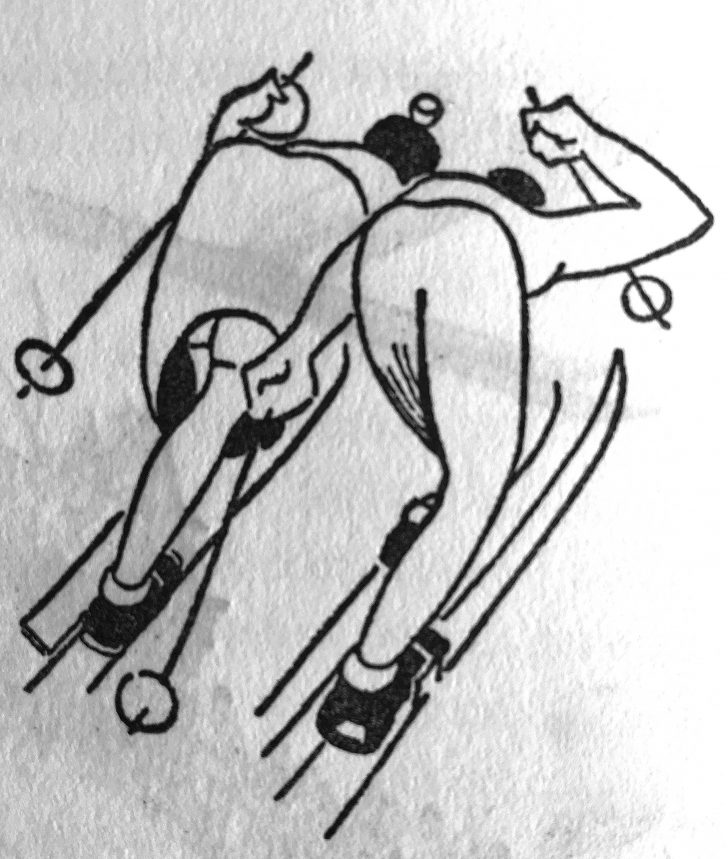

 Okay, it’s late October, and you’ve put this off long enough. You need to limber up for the upcoming snow season. Without topping up your muscles and stretching those ligaments, you can hurt yourself and have a very short season indeed. With some daily or weekly fitness routines, you can feel and move better on the slopes and trails. So, get going.