Short Swings!

Thank You. Thank You. Thank You.

It is the end of summer, and we’ll soon be back to our weekly schedule.

Mike and I want to take this moment to thank our readers, contributors, and advertisers for keeping SeniorsSkiing.com active and relevant.

Our combined efforts seem to be working.

All summer long, the number of new SeniorsSkiing.com subscribers kept increasing. The volume wasn’t as great as other times of the year, but the steady flow was both surprising and encouraging.

We have some data that shows the 50+ snow sports demographic represents almost 1/3 of all U.S. skiers, and the more who learn about the site, the more who sign up.

Our goal is to create community and help the ski industry better appreciate the value of all older snow sports participants.

I was in a meeting last week on the East Coast that had nothing to do with skiing. I mentioned SeniorsSkiing.com in passing. One of the people around the table is a reader. This morning, while hiking here in Utah, I met a couple from Washington, DC. They are skiers and have followed SeniorsSkiing.com for the past few years.

Please tell others about SeniorsSkiing.com.

UTAH

Many improvements and changes for the coming season:

  • Alta’s new Supreme high-speed quad replaces its former namesake and Cecret lifts. Its base is near Alf’s Restaurant. This will be Alta’s 80th anniversary. 2017-18 open/close dates (conditions permitting): Opening Day: November 22, 2017; Closing Day: April 15, 2018 + April 20-22; April 27-29 & May 4-6, 2018.
  • Deer Valley Resort, as reported earlier, is being acquired by an area consortium including Aspen, Intrawest, Mammoth, and Squaw.
  • Park City Mountain has a new, enclosed-surface lift and a new designated beginner trail.
  • Powder Mountain will cap day passes at 1,500 and season passes at 3,000.
  • Snowbasin is replacing the Wildcat triple chairlift with a new high-speed detachable six-pack.
  • Snowbird’s newly remodeled 13,500+ square foot Creekside Lodge, will open at the start of the season.
  • Solitude Mountain Resort invested $1.5 million in several improvements to lodges. If you’ve got limited time, fly into the Ogden-Hinkley Airport. This small airport, serviced by Allegiant Air, is located five minutes from downtown Ogden and will be adding new flights from Los Angeles (LAX) and Las Vegas (LAS) this fall.  Scheduled Thursday through Monday with starting prices at $35 each way, this is a great option for the weekend warrior.

VERMONT

Parker Riehle, who has been with Vermont Ski Areas Association (VSAA) for the past 20 years, has been named president and CEO of the National Ski Areas Association (NSAA). NSAA is the non-profit trade association that represents US ski area owners and operators. He replaces Michael Berry who will retire this winter following 25 years as NSAA president. VSAA represents Vermont’s $1.6 billion ski and snowboard industry. A search is underway for a new president.

  • Trapp Family Lodge, North America’s first cross-country skiing center is turning 50!
  • Bolton Valley is upgrading its snowmaking system
  • Burke Mountain is installing a high speed T-bar which will substantially increase uphill capacity. Burke’s snowmaking is being extended.
  • Magic Mountain has new base to mid-mountain chair and expanded snowmaking.
  • Mount Snow doubled its snowmaking capacity.
  • Okemo also upgraded snowmaking and grooming capacity.
  • Stratton increased its groomer fleet
  • Sugarbush installed RFID ticket-reading gates at all base lifts; improved its snowmaking guns and the size of its groomer fleet.
  • Suicide Six instituted trail improvements, added new load/unload decks to the summit quad, and more snow making improvements.

OREGON

And here’s an amazing shot of Crater Lake from NASA taken in mid-summer 2017. The remnants of the colossal 2016-17 snowfall in the Cascades is there for all to see.

More Skiing Songs Of The Sixties And Beyond

Our Readers Search Their Attics For Old Ski Songs. Hear Them Now.

Wow, what a response!  Thanks everyone for comments and emails on our reprised article, Skiing Songs of The Sixties.  We not only heard about ski song memories, we had some folks sending us (digital) recordings.

We have to tip a pole to Boyd Allen, Exeter, NH, for taking the time to send us two digitized versions of the very songs that some readers requested as a result of the article.  Boyd grew up listening to his dad’s Harry Belafonte, Kingston Trio and other folk records.  In college, he says he came across an old Intercollegiate Songbook with skiing tunes bases on folk songs.  That find launched a hobby where Boyd tracks down and collects old recordings and song books, especially about skiing!  Boyd is a teleskier these days. Thanks so much, Boyd.

Boyd sent us two versions each of Let’s Go Skiing and The Skier’s Daydream by SeniorsSkiing.com reader Ray Conrad. Click on the links below to play.

Let’s Go Skiing by Bernie Knee and the Irving Fields Orchestra.

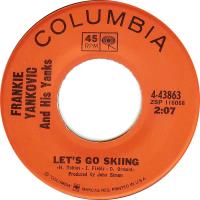
Let’s Go Skiing by Frank Yankovic

The Skier’s Daydream by Ray Conrad

The Skier’s Daydream by Oscar Brand


And to SeniorsSkiing.com reader Alison, we thank you for remembering and sending in a reference to Schifoan, a tune in German written by Austrian folk singer Wolfgang Ambros.  As Alison says, it’s a catchy tune, even if your German is a bit rusty.  Here’s a version we found on Youtube by Wolfgang himself.

Finally, here’s Cotton Pickin’ Lift Tower, another Ray Conrad tune, performed by John Sidle at a coffee shop in Santa Clara, CA.

Fun stuff, thanks everyone!


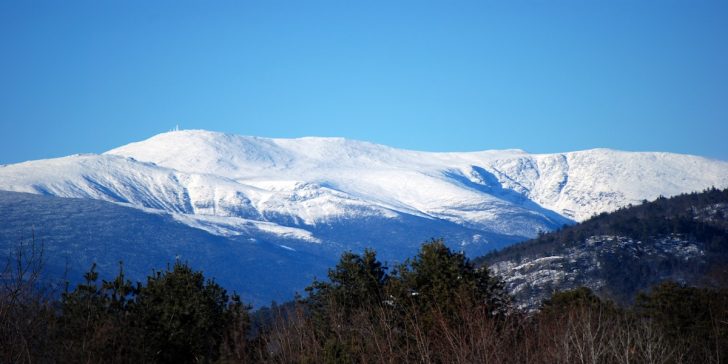
Mount Washington

Hiking Caveats: How A Walk Can Go Wrong

Mount Washington from Intervale, NH
Credit: Peabody & Smith

It’s Not Just Bad Weather That Can Make A Hike A Disaster.

[Editor Note: This article first appeared in the Boston Globe, August 16, 2017, and was reported and written by Martin Finucane. Click here to see the original version in the Globe.]

For years, hikers have shouldered their packs, inhaled the crisp air, and set out for adventures in the White Mountains. And for years, a small number have not made it back alive.

Sometimes it’s been a lack of proper gear. Other times it’s been a decision not to turn back when the skies were darkening. Still other times it’s been a simple slip while trying to get a look at a waterfall.

Julie Boardman has studied the fates of the unlucky ones, researching 219 deaths in the mountains, going back into the 19th century.

Boardman, author of “Death in the White Mountains: Hiker Fatalities and How to Avoid Being One’’ (Bondcliff Books, 2017), said the main reason people die in the mountains, which are just a few hours’ drive from Boston, is lack of preparation.

“People need to be educated about the dangers. I don’t think a lot of people are aware of the dangers that they’re getting themselves into,’’ she said.

She studied deaths that happened from 1849 until July (three more people died just recently). Her study focused on hikers, rock and ice climbers, and back-country skiers.

The leading causes of death were falls (74), natural causes such as heart attacks (57), hypothermia (46), and avalanches (14).

(Boardman’s book didn’t focus on rescues, which are the more common and happier outcomes of mountain emergencies. Those were up this year, New Hampshire Fish and Game officials told the Globe in May, blaming the need for rescues on a lack of preparation.)

How tricky can the White Mountains be?

One finding that surprised Boardman was that 21 of the hypothermia deaths occurred between Memorial Day and Columbus Day, a period during which you wouldn’t expect to die of the cold.

“It’s because people go out in the summer and they don’t have the gear they need, and then they run into bad weather and they get themselves into trouble,’’ she said.

The worst month for fatalities, because of the surprises provided by the weather and perhaps because of the higher volume of visitors, is August, she said.

Here are some of Boardman’s tips to stay safe in those beautiful mountains.

■ Study the weather forecast so you know what to expect.

■ Wear the proper clothing for the weather.

■ Bring enough gear. On winter hikes, bring a sleeping bag and enough equipment so if you get caught out overnight you can survive.

■ Know your route so you don’t get lost — and so you know what hazards you will face along the way.

■ Leave your plans with someone so they can alert authorities if you’ve gotten into trouble.

■ Hike with a companion. Two heads are better than one, she said, particularly because people with hypothermia can become confused. A second person can also help someone having problems with manual dexterity because of the cold or when someone is injured — in a fall, for example.

■ When in doubt, chicken out. Boardman says there’s plenty of wisdom in this saying, which she attributed to American mountaineer Miriam O’Brien Underhill. In a number of hypothermia cases, Boardman found, people had run into bad weather — and made the deadly decision to just keep going.

■ Stay on the trail. Boardman found that of 22 people who died of falls in the summers, 21 were off the trail. “A lot of them had gone off the trail to look at a waterfall,’’ she said.

■ In winter, go up and down the same trail so you’re familiar with what you’re facing on the way back. In six of 16 winter falling deaths, hikers were going down a different way than they had come up, she said.

■ Don’t hurry, and don’t push yourself. Hurrying can lead to rash decisions — and make you more prone to a fall. Pace yourself while hiking, and take breaks to avoid overexertion.

“They’re small mountains, but they can be very dangerous,’’ said Boardman, a veteran hiker.

Even experienced hikers can find themselves in trouble, she said.

“Don’t let down your guard. Don’t underestimate the mountains at all,’’ she warned.


Why Do I Have To Re-Enter My Name And Email?

For New Subscribers, You Should Know What To Do When You Get Annoyed By Pop-Ups.  There IS an answer.

If you are being asked to re-enter your email to confirm your subscription to SeniorsSkiing.com, you might be a bit annoyed.  We don’t blame you, but there is an explanation.

  • You are accessing SeniorsSkiing.com through a device that is different from the one you originally signed up on. Subscribing to SeniorsSkiing.com puts a “cookie” on your device.  If you use a different device, no cookie, so you are viewed as a non-subscriber. If you re-enter name and password, you’ll be okay with the new device.
  • You have disabled cookies or cleared browser history on your device. Even iPads can accept or disable cookies. Turn cookies back on, and you’ll not have to re-enter again, or leave it disabled and realize you have to re-enter each time.  Your call.
  • You are trying to access our Subscriber-Only Content.  Instead of building a firewall that requires usernames and passwords, we elected a much simpler way of getting to our exclusive content: Just confirm your name and email.  You will have to do that each time you want to get to that information, which, by the way, is under the Community tab at the top.

We are also hearing complaints from people who say the email delivery of SeniorsSkiing.com ends up in the spam folder.  What you should do is identify SeniorsSkiing.com as an okay email sender.  Usually if you just click on the file in the spam folder, you will get a menu allowing to change SeniorsSkiing.com to “Not Spam.”

Thanks everyone for your patience.

This Week In SeniorsSkiing.com (Aug. 18)

Summer Rounds The Far Turn.

We’ve heard there were snow falls in this mid-August in the Rockies.  Big snowfalls.  And the venerable Farmers’ Almanac, predicting the weather using its own mix of folk lore and natural observations for 200 years, has forecast a “snowier-than-normal” 2017-18 winter for the Northeast from the mid-Atlantic to the Canadian border.  The FA has even “red-flagged” five time periods for heavy precipitation along the Atlantic Seaboard: Jan. 20-23; Feb. 4-7, 16-19; and March 1-3, 20-23. Place your bets, ladies and gentlemen.  Here’s the forecast map that the folksy publication has recently produced.

Meanwhile, the hurricane watchers have upped the number of named storms to expect for the remainder of the June-Oct season.  Clearly the atmosphere is very active. And, we are watching the El Nino-La Nina reports from the National Weather Service.  It seems incredible but the temperature of the sea surface water in the eastern Pacific plays a vital role in forming weather patterns around the world.

We are still in summer publishing mode, issuing a SeniorsSkiing.com edition every other week.  This week, we are reaching back to the archives for some interesting and amusing articles.

We are reprising Harriet Wallis’ article on her adventures as a ski thief.  An innocent ski thief we hasten to add.

We are also re-publishing an article about the songs of skiing which we originally published in August, 2014, exactly three years ago.  It’s a micro-thesis on the emergence of ski songs in the 50-60s including some samples you can listen to. We’ve been wondering where the new ski songs are.  Know any? Have fun with this.

We are still figuring out the changes in our arrangement with Experticity.  If you have access to the site as a subscriber now, you will continue to have access until the anniversary date of your original sign up.  Then you will be asked to re-apply for access.  New subscribers who want access to Experticity will have to go through the new application process.We are trying to understand what that re-application process entails. So please be patient.

Enjoy the rest of August.  Wear sun screen and remember there are more of us every day and we aren’t going away.


ShortSwings!

According to NSAA (National Ski Areas Association) last season there were 8.4 million active U.S. skiers and boarders: 6.5 million skiers; 2 million boarders.

The number is significantly lower than reported by SIA (Snowsports Industries America), which, for 2015-16 reported 11.6 million skiers and 7.6 million boarders. NSAA collects its information from a sample of resort skiers. SIA uses other criteria.

What is striking about NSAA’s figures is that those who are 51 and older represent 1.84 million of the total. Our reader surveys show that the majority of you are skiers, not boarders. With some slight (an imprecise) mathematical adjustment, we can assume that older skiers comprise about 27% of the country’s total skier population.

Which brings us to an announcement this week from Squaw Valley Alpine Meadows about its association with a big Chinese skiing-related enterprise. Modern skiing is relatively new in China and is growing briskly as China’s

Zhangjiakou Wanlong Ski Resort

middle class grows. According to the China Ski Association, referenced in Squaw’s announcement, the number of skiers in China has increased from 200,000 in 2000 to 12.5 million in 2015.

For 2000/01 NSAA reported total U.S. skiers/boarders at 9.3 million. Our numbers are going downhill.

China currently has 93 resorts, compared to 463 in the US during the 2015-16 season. US and Canadian areas, especially those in the West, expect more visitors from China.

Colorado

Eldora Mountain Resort, near Boulder, has a new high speed detachable six-pack. It also will have free Wi-Fi in its day lodges.

Montana

Good news for Big Sky skiers! United Airlines is expanding service to Bozeman Yellowstone International Airport. In December it will increase by 30% flights and available seats to Bozeman from San Francisco, Los Angeles, Denver, Chicago, Houston and New York/Newark.

Utah

Deer Valley Resort is vying to be named the World’s Best Ski Resort by the World Ski Awards. The group already has named DV the United States’ Best Ski Resort. Voting for the 5th annual World Ski Awards takes place through September 22, 2017 at worldskiawards.com. In addition to public input, votes are cast by ski tourism professionals worldwide.

Vermont

Dutch Hill, ski area of my youth and for many years abandoned, is scheduled to re-open for backcountry skiing.

Other

HBO has a new must watch documentary featuring Carl Reiner and other celebrated people in their 90s (and older). It’s titled, “If You’re Not in The Obit, Eat Breakfast.”  It is uplifting and inspiring.

WalletHub, which among other financial services, offers free credit scores and full credit reports, just published its take on the best and worst places to retire. Their analysts compared affordability, quality of life, health care and availability of recreational activities for thecountry’s 150 largest cities. Their #1 pick is Orlando, followed by Tampa, MIami, Scottsdale, Atlanta, Salt Lake City, Honolulu, Denver, Austin, and Las Vegas.

WalletHub also compares best and worst. For example, Yonkers, New York, has the fewest property crimes (per 1,000 residents), giving it a score of 10; 9.3 times fewer than Salt Lake City, the city with the most and a score of 93. View the full report and your city’s rank: https://wallethub.com/edu/best-places-to-retire/6165/  

Mountain Collective Pass is currently priced at $469. The price generally climbs as the season approaches. It provides two days at each of 16 big name resorts, most of which are in the US and Canada. Subsequent days are discounted 50%. No blackout days and lots of extra goodies.

Confessions Of A Ski Thief

[Editor Note: This personal account by contributor Harriet Wallis makes me smile. It appeared in SeniorsSkiing.com January 2, 2015.]

Start the Season Off Right: Know Where You Put Your Skis

It had been a glorious day on the slopes. Toward the end of that day, skiers and riders were coming off the hill and settling onto the patio to enjoy the late afternoon sunshine with some beverages and live music. Before I could join them, I had to park my skis, but it was nearly impossible to find an empty slot in the racks.

Where O where art thou? Getting skis mixed up is too easy in this forest of fiberglass. Credit: Harriet Wallis

Where O where art thou? Getting skis mixed up is too easy in this forest of fiberglass.
Credit: Harriet Wallis

With so many people and so many skis, I reasoned that it might be easy for someone to grab the wrong skis when they were ready to head home. To prevent such an accidental mix up, I put one ski in the rack and placed the other against the building. They were old skis, but they were my only skis, and I didn’t want them to go home with somebody else. With one ski here and the other ski over there, I was sure my skis would be waiting for me when I was ready to leave the mountain.

And sure enough, skis were waiting. I gathered one ski from the rack and the other from against the building. I threw them into the car and headed home.

A few days later – just as I was ready to ski again – I picked up my skis and was horrified. They didn’t match. I had a 170cm ski and one that was 163 cm. They were identical except for the size. Same ski, same integrated binding. Just different sizes!

I replayed the scenario in my head. I had put one in the rack and the other against the building. But another skier had done exactly the same thing – one ski in the rack, one ski against the building. And I had stolen a ski that belonged to somebody else.

I made frantic phone calls. My ski was waiting in the resort’s lost and found. When I retrieved it, there was an angry note taped to it saying: “It was the last day of my vacation, but I had to fly home to North Carolina with only one ski. Someone stole my other ski.”

I shipped the 163 cm ski to her immediately, and I included some goodies as an apology.

But when I told my son, he capped the matter. “Mother, I told you to use a ski lock. Now do it.”

Kids. We raise them with our wisdom, and then they turn around and give us a dose of their wisdom.


Super Skier: Skiing Songs of the Sixties

[Editor Note: Here’s an archive article that will bring back some memories.  Back in the Sixties, there was a host of songs devoted to the relatively new and growing sport of skiing.  This article from SeniorsSkiing.com August, 2014 highlights some of the songs and the singers.]

Well, they called him Super Skier
As he sat around the sun deck,
For he swore that he would never take a spill.
When they finally brought him down
They had to use three toboggans
To carry all the pieces down the hill.
Bob Gibson, Super Skier

In the late 50s and early 60s, three cultural threads knit together simultaneously—folk singing, the comedy album and the sport of skiing.  Inspired by the Kingston Trio, Smothers Brothers and the comedy records of Bob Newhart, Woody Allen, Shelly Berman, and Lenny Bruce, a small band of singers created a niche art form: The Stand Up Comic As Skiing Folk Singer.

A pioneer on the scene was Chicago-based Bob Gibson, a 50s folksinger, who, among other things, wrote novelty songs, especially about skiing.  One of those, Super Skier, later recorded by the Chad Mitchell Trio*, became the genre’s archetype.  Here’s a version:

The novelty ski song had a pattern. A naïf—nerdy office worker, country hick, cowboy—goes skiing because it’s macho, ladies find skiers attractive, and it’s cool.  His goal is showing off, joining the Jet Set, finding the girl and having “the look”.  But, misadventures and slapstick outcomes ensue.  All of this is often to a familiar folk tune: Sweet Betsy From Pike, Turkey In the Straw, Railroad Bill and the like, with simple acoustic string-band accompaniment.

Utah skier and resident Ray Conrad is a prime example of this novelty genre.  He was a topical folk singer back in the 60s.  Here’s his song The Big Downhill Skis about a “hard-butt” cowboy who is challenged to go skiing by a city slicker.  Pretty funny.

Ray also has a serious side.  Here’s the opening lyric of his song, “A Skier’s Daydream”.

In the fall of the year, when the summer grows old
When the air has a chill, and the green hills turn cold
It’s then I grow restless and feel at my ease
I yearn for the mountains and the snow in the trees

Then there’s his song Two Cubes and A Slug of VO that compares the joys of skiing with the benefits of “drinking gin with a touch of vermouth, yo-ho.”

The genre went in a different direction when Oscar Brand issued an entire album of ribald ski songs. Brand, a contemporary of Pete Seeger and the Weavers, had an uncanny knack for writing and collecting off-color songs.  His discography (about 100 albums) includes bawdy sea shanties, army ditties, navy songs, and hearty drinking carousers.

Oscar Brand's 1961 collection of ribald ski songs are still funny today.

Oscar Brand’s 1961 collection of ribald ski songs are still funny today.

Ray Conrad was in the mix in those days and contributed two songs to Brand’s 1963 “A Snow Job For Skiers”.  Here are some lyrics from The Ski Instructor from that album.  The rest of the songs range from clever and witty all the way to silly.  Discretion prohibits adding an actual audio track.

Impress her with your ability, don’t let her answer no
Remind her that skiing with no sex involved is nothing but cold, cold snow.

We haven’t noticed après-ski lounge singers embracing these songs or even making up their own in our recent travels.  Google “ski songs,” and you get rock music for your skiing playlist, not the topical send-ups of yesteryear.

Do you have a ski song you remember?

Now the moral of my story
Though my story’s kinda gory
For all you sundeck Charlies, there’s still hope
You buy the fastest clothes you can
Then talk skiing like a man
But don’t let people catch you on the slope…
And Get Charlie Off The MTA

_____________________

*By sheer happenstance, the author was present at Brooklyn College in May 1961, when the Chad Mitchell Trio first performed “Super Skier” on stage and made the recording you can hear on the Youtube link.  They raised the roof on that one.  Here’s the admission (autographed on the back) ticket to prove it.

Chad Mitchell Trio Concert Ticket

This Week In SeniorsSkiing.com (August 4)

SPECIAL EDITION: The SnowSports Industry And Climate Change.

A 12 acre solar farm at Jiminy Peak, MA, generates power for lifts, lodge and snowmaking.
Credit: Jiminy Peak

As we write this in early August, the National Weather Service has issued an excessive heat warning for most of the West Coast.  Seattle is poised to entertain temperatures near 100 degrees, Reno 110, Portland 106. Meanwhile, we hear of a massive snowfall in New Zealand’s Mt. Hutt, bringing 26 foot snow drifts over the weekend of July 22-23.  Here’s some video shot from a helicopter, thanks to Snowbrains.com.

We’ve seen reports from Portillo, Chile, with similar reports of gargantuan snowfalls in the Andes. Short duration, big depths.  Clearly, the atmosphere is reacting to an increase in global temperatures.

So this week, we will devote our issue to climate change and the ski business.  Obviously, there is a link and a concern. We hear from three reports from SeniorsSkiing.com correspondents Rose Marie Cleese and Roger Lohr on how the ski industry is embracing sustainable energy, conservation policies and practices, and new technologies that save money and reduce fossil-fuel consumption and carbon dioxide footprints.

In How The Ski Industry Is Fighting Climate Change, Rose Marie Cleese provides a broad look at how the industry is preparing and responding to a future with potentially less cold weather.  She reports on NSAA, a non-profit called Protect Our Winters, and two major resort operators’ efforts to deal with a game-changing threat to the business and the environment.  Rose Marie also provides links to other resources to check out where you can become more informed about the industry’s response.

In Jiminy Peak: How To Be A Sustainable Resort and At Killington, The Sun And Cows Power Lifts And Lodges,  Roger Lohr presents two case studies of how very practical resort owners have committed to alternative energy sources and conservation business practices, saving money and natural resources.  Find out how the cows play a role in fighting climate change.

On we go into the summer.  Mammoth Mountain finally ended the 2016-17 season by closing down on August 1.  Click below for an intrepid final run over snow and pumice on the final day, again thanks to Snowbrains.com.

We’ll be back later in August.  Meanwhile, summer on.  Remember, there are more of us every day, and we aren’t going away.


Short Swings!

A forced march may be my most effective pre-season training.

While it wasn’t really forced, our hilly, eight day walk in the Dordogne region of France was a delightful, though at times strenuous, way to get in better shape.

After a few days in the 90s, temps dropped to the 60s; perfect for our daily 6-8 hours on narrow roads and even narrower farm lanes. We purchased the trip from Utracks, which arranged for our bags to be moved to the small hotels they had booked along the way. Their maps and directions were okay, not wonderful, and they neglected to inform us of an app that tracks your movement along the trails, helping to prevent numerous wrong turns from following the directions they supplied. That said, every hotel was spotless and the meals (included in the package), outstanding.

This is the land of ducks, geese, truffles, and cheese. Every place we stayed served it fresh from the area and beautifully prepared. No caloric guilt after all that walking. The last day, we took a car part way, walked seven miles, then canoed the final leg down the Dordogne River to another tiny town and our hotel. We had zig-zagged about 70 miles; the ride back to where we left the car was about 20 minutes.

Next time I trek will be closer to the season.

The Dordogne also contains the Vézère Valley, one of the world centers of prehistory. Among the 147 sites is Lascaux, the cave network whose walls are lined with glorious depictions of animals. These masterpieces were created 20,000 years ago. The original cave is off limits, but, in typical French fashion, it is beautifully exhibited in a precise underground copy; the centerpiece of a large, modern museum dedicated to this exceptional discovery. Other sites, including the comprehensive National Museum of Prehistory are scattered throughout the valley. If contemplating a visit to Vézère Valley, it’s best to decide an itinerary and purchase tickets in advance, especially for the more highly visited sites.

Aspen/KSL/Intrawest/Mammoth

A new 800-pound gorilla is about to enter the room. Last week, Aspen Skiing Co., KSL Capital Partners, Intrawest, and Mammoth Resorts closed on the deal announced in April. The new entity has 12 resorts including Aspen, Mammoth, Squaw Valley Alpine Meadows, Steamboat, Winter Park, Stratton, and Mt. Tremblant. It also includes heli operator, Canadian Mountain Holidays. Total terrain (CMH excluded) is 20,000 acres. Total annual skier visits: 6 million. Vail Resorts is the other 800-pound gorilla. What does this consolidation mean for senior skiers? Stay tuned.

Ski Younger Now

Ski Younger Now is a retraining program for older skiers, and skiers returning to the sport after recovering from injury. It teaches low-impact, low-torque techniques to enable efficient skiing in all kinds of terrain. Created by SeniorsSkiing.com advisor, Seth Masia, SNY is entering its third season as a Signature Program in the Vail Village Ski School. Six 3-day sessions are scheduled for 2017-18. To sign up, download the registration form and return it to the Vail Ski and Snowboard School, call (800) 475-4543, or email Ingie Franberg, Adult Specialty Programs Manager, at ifranberg@vailresorts.com.

Climate Change Ends Summer Snow Camp

Camp of Champions, which for 28 years has been held on Whistler Blackcomb‘s Horstman Glacier has ceased operations. In a letter posted on the camp’s website, founder Ken Achenbach writes, “The predicament I find myself in is nature’s fault, not Whistler Blackcomb’s. In 2015 alone, the glacier lost 35 vertical feet of ice.” The camp required big terrain park features which could not be built due to drier snowpack. Other camps continue to use the glacier.

Outdoor Industry’s Political Activism

The outdoor industry is politically involved in saving public lands from private development as reported July 27 in The New York Times.


How The Ski Industry Is Fighting Climate Change

Climate Change Is Literally In The Air. Here’s A Roundup Of What’s Going On.

[Editor Note: This article first appeared on the Liftopia.com blog and can be found at http://blog.liftopia.com/ski-industry-fighting-climate-change/.]

Cold, snowy weather is the very foundation of the ski industry. So, it’s not surprising that climate change has been at the top of the industry’s priority list since the turn of this century. Before that, ski areas relied on rudimentary snowmaking to get them through bad snow years. Today, snowmaking is a much more sophisticated and dependable operation, and resorts and industry associations are doubling down on their environmental efforts, using energy-conscious snowmaking, other sustainable technologies, and climate sensitive business practices and policies. They know how high the stakes are—the very future of wintersports.

Here’s what ski industry organizations and ski resort management are doing in order to ensure that you’ll be able to slide down snowy slopes for many winters to come.

Julian Carr (POW Riders Alliance Member), Snocru, Ski Utah, and POW at Powder Mountain in Utah at POW Day in January 2017. Credit: Jana Rogers

1. The National Ski Areas Association has been pushing environmental initiatives over the past 15 years.

The National Ski Areas Association (NSAA) has been rolling out environmental initiatives for the past 15 years and is not about to let up. Says Geraldine Link, NSAA’s director of public policy, “Climate change presents challenges to the ski industry that require proactive planning, bold action and leadership. The good news is that the ski industry is adept at managing challenging conditions and began work on addressing this issue 15 years ago with the adoption of a cutting-edge climate change policy in 2002. While every industry is affected by climate change, impacts to the ski industry receive a great deal of visibility in the media, given the operations’ natural connection to climate. This visibility provides a unique opportunity to lead by example, and we have done so successfully with respect to climate change education, mitigation, advocacy and adaptation.”

NSAA emphasizes several important areas with its member ski areas and resorts:

  • Reducing carbon emissions through energy efficiency, on-site renewable energy, green-building/retrofitting, and alternative fuels, among other actions
  • Increasing investments in snowmaking, water facilities, and water resources
  • Developing smarter grooming technology
  • Shifting to a four-season model
  • Advocating for legislation and regulation on broader-based climate solutions

Aspen Mountain reflected in Solar Panels at resort.
Credit: Aspen Skiing Company

The association works on many fronts: Since 2009, NSAA has been providing its member ski areas grants through its Sustainable Slopes Grant Program that provides cash and in-kind funding to support resorts’ sustainability projects. Its Climate Challenge is a voluntary program that helps participating ski areas reduce greenhouse gas emissions and reduce energy costs. Its annual Golden Eagles Awards for Environmental Excellence recognizes ski resorts for their performance in several environmental categories, from overall excellence to water conservation to visitor education and community outreach. And its online Green Room provides links to resorts’ environmental web pages listed by state (and Canada) so that fellow resorts and the public are all up to speed on the latest environmental actions and ideas.

Director Link adds, “In light of the political climate in Washington, the industry needs to be even more proactive about climate solutions to forge a sustainable path forward for the industry.

Her call for advocacy is not misplaced. In a study released by the Natural Resources Defense Council in 2012, it was calculated that the ski industry loses $1.07 billion in revenue in low snowfall years. And according to a report recently issued by the EPA and prepared by Elsevier, a global information analytics company based in the Netherlands, estimates show that climate change will cause a drop of about 30% of current snow sports revenue and skier/snowboard visits in the U.S. by 2050. The report states that the drastically shortened snow sports seasons, in the Northeast and Southeast in particular, will force many resorts out of business between now and 2050.

Kelly Davis, director of SnowSports Industries America (SIA) says, “The industry must determine whether to accept the impacts and wither [or] consider options that include opening new areas for snowsports in less-affected regions, improving snowmaking technology, developing gear innovations that make skiers and riders less dependent on snow conditions, [etc.] to thrive in the next 50 years.”

POW founder, Jeremy Jones, on Capitol Hill testifying at a House Subcommittee Hearing in April 2017. Credit: Protect Our Winters

2. Protect Our Winters is dedicated to engaging and mobilizing outdoor enthusiasts in climate issues.

Protect Our Winters (POW) is a nonprofit organization, founded in 2007 by professional snowboarder Jeremy Jones to encourage various groups to be active participants in the fight against climate change. POW works closely with outdoor businesses, ski resorts, professional athletes, and outdoor enthusiasts to be in the front lines of environmental action and green practices. Its volunteer professional athletes talk to students in schools, and POW staffers are frequent visitors to state capitols and the power centers in Washington, D.C., advocating for the reduction of greenhouse gas emissions via carbon pricing, solar energy, and the electrification of public and private transportation.

3. Aspen Skiing Company is one of many ski resorts combating climate change.

Matthew Hamilton is Aspen Ski Company’s sustainability director, overseeing its community philanthropy and supporting the company’s internal environmental programs. He says, “Today there is much more significant discussion of climate change and its impact than there was 12 years ago.” Aspen’s sustainability department was the industry’s first such entity when it was founded in the early 2000s, and the company has emerged as a major industry leader in environmental issues, from issuing an annual sustainability report that dutifully records both its successes and rare failures to developing a program to use the methane from a nearby defunct coal mine to generate 24 million kilowatt hours annually—enough to power its entire operation—four ski areas, three hotels and 17 restaurants— for a year.

A presentation at Aspen’s methane-to-electricity conversion operation at Elk Creek Mine. Credit: Aspen Skiing Company

Whether it’s lobbying in Washington, funding educational opportunities, or having its visitors use paperless apps for receipts and lift tickets, Aspen is solidly in the forefront of tackling today’s environmental challenges. To get inside the head of Aspen Skiing Company’ president and CEO Mike Kaplan, read his bold manifesto that appeared in The Aspen Times last December.

Aspen is just one of several U.S. ski resorts that are environmentally proactive. Even the simplest actions make a difference. For instance, to save water, the Resort at Squaw Creek in Squaw Valley, CA, gives its guests $5 coupons to spend at the resort’s shops and restaurants every day they opt out of having their bathroom towels replaced. To learn more about what U.S. ski areas are doing to meet the challenges of a changing climate and other environmental issues, check out NSAA’s list of resorts’ environment-specific web pages.

4. Ski resorts’ commitments to the environment keep snowballing.

On July 25th, Rob Katz, chairman and CEO of Vail Resorts Inc. announced to its 30,000-plus employees at a company-wide town hall meeting Vail’s commitment to zero net emissions, zero landfill waste, and zero operating impact on forests and habitats by the year 2030. Its Epic Promise for a Zero Footprint includes everything from purchasing 100% renewable energy, restoring equal forest habitat for any habitat displaced, working with vendors to up their “green” quotient, and educating resort visitors to diverting 100% of waste from landfills and financially supporting environmental stewardship projects. Says Katz, “The environment is our business, and we have a special obligation to protect it.”

Vail Resorts’ subsidiaries operate nine major ski resorts and urban ski areas in the U.S., plus Whistler Blackcomb in Canada and Perisher in Australia, as well as RockResorts, a collection of luxury hotels in Colorado. 

What can you do to make a difference?

Want more specifics about the environmental actions many ski industry organizations, areas and resorts are currently undertaking or planning for the future? Here are some informative and action-oriented links you may want to check out!

Night time snowmaking at Aspen Mountain. Credit: Aspen Skiing Company

Jiminy Peak: How To Be A Sustainable Resort

This Almost 100% Renewable Energy Ski Resort Is A Pioneer In Harnessing Solar And Wind.

[Editor Note: Thanks to Roger Lohr, publisher of XCSkiResorts.com, for steering this article our way.  It first appeared in XCSkiResorts.com in late July.]

A 12 acre solar farm generates 2.3 megawatts. Wind power and solar power cover most of the resort’s needs.
Credit: Jiminy Peak

Jiminy Peak Mountain Resort located in the heart of the Berkshires of Western Massachusetts constructed a 2.3 megawatt community solar facility located on 12 acres of the ski area and resort’s property, owned and operated by Nexamp. Renewable energy is not new to the resort—back in 2007 it was the first ski area in North America to generate power from its own GE 1.5 MW wind turbine.

The solar project significantly expanded Jiminy Peak’s renewable energy program, while extending the environmental and cost-saving benefits of solar to up to 200 neighboring homes and small businesses. By adding the solar power facility to Jiminy Peak’s existing wind turbine, 75 kWh cogeneration unit, and extensive conservation efforts, the resort can claim to be one of the few resorts in the U.S. powered 100% by renewable energy and one of the most sustainable energy ski resorts.

Solar and Wind Energy

The solar project significantly expanded Jiminy Peak’s renewable energy program. All power generated by the 7,500-module solar facility is exported to the grid. Resort president Tyler Fairbank said, “We receive net metering credits in return. Half the net metering credits are utilized by Jiminy Peak and the balance by about 200 neighboring homes and small businesses in the local area.”

The resort uses all the power generated by the wind turbine according to Jim Van Dyke, vice president of environmental sustainability, and a veteran 43-year employee who commented “The turbine handles 33% of our energy needs on an annual basis, up to 66% in the winter when the winds blow strongest. Any excess energy is sent out to the grid and Jiminy receives a net metering credit, which is used when we need to purchase energy from the grid. So in that fashion we now use 100% of the electricity that the turbine generates.”

Lighting, Recycling, and Cogeneration

Jiminy has upgraded to more efficient lighting and programmable thermostats in the lodges, and the resort more than doubled the energy efficiency of the lights used on the slopes for night skiing. In the Country Inn, 658 lights were converted to  LEDs to be more efficient and 230 slopeside lights have been replaced with lighter, brighter, more energy efficient LED lighting covering 60 percent of the mountain. The difference has been likened to that between a manila envelope and a white envelope.

Waste oil is taken from snowmaking compressors, grooming machines, and all vehicles to heat the Mountain Operations building using approximately 200 gallons of waste oil per year, and the process avoids the storage and disposal of old used oil.

Jiminy Peak installed a cogeneration unit in the Country Inn. The unit uses propane gas that powers a turbine that in turn produces hot water for use throughout the Inn. This hot water also provides the heating source for the central core of the building that includes the year-round outdoor pool, hot tubs, and John Harvard’s Restaurant & Brewery, too.

Using the heat from two snowmaking compressors to heat 34,000 square feet of space in three Village Center buildings avoids the need of an equivalent of 63,800 kWh.

The towel and sheet program in the lodge rooms saves about 25,000 gallons of water a year by only washing the sheets and towels when requested by guests staying for more than one night. They’ve eliminated the use of toxic cleaning agents and only use green, biodegradable solvents and cleaners. Conversion to waterless urinals in bathrooms of several buildings and at JJ’s Lodge saves 40,000 gallons of water per urinal.

Snowmaking

Jiminy averages 615 acre feet of snow per winter using machine-made snow and approximately 123,000,000 gallons of water. The entire 450-gun snowmaking arsenal was replaced with energy-efficient Snowgun Technologies “Sledgehammer” snowguns. The new guns convert more water with less air and at warmer temperatures than traditional snowguns. This means the resort runs air compressors for fewer hours, consuming less electricity, while producing 100% more snow (assuming Mother Nature cooperates).

For example, the snowmaking system’s old technology would have required 4,566,100 kWh ten years ago versus 1,368,326 kWh today. The annual savings is 70% in energy or 3,197,774 kWh.

Slope Grooming

Jiminy Peak has equipped two PistenBully groomers with digital mapping and GPS to tell drivers exactly how much snow is beneath their treads, blades and rollers. The maps are based on aerial photography captured during summer, and are accurate to within two inches (5 cm). “Rather than eyeball it, the SNOWSat technology allows us to more precisely gauge depth and place more snow where the cover is thin, and less where the cover is already sufficient for skiing or riding. This means fewer passes by groomers,” Van Dyke explains, noting that Jiminy Peak is one of only a few resorts in the U.S. using the new technology.

Speaking of groomers, Jiminy Peak is purchasing the new energy efficient Pisten Bully 600 E+ snowcat, one of three in use in the northeast. Kassbohrer’s Pisten Bully “Green Machine” 600E+ is the world’s first groomer with a diesel-electric drive. One of the most significant advancements in snow grooming technology over the past two decades, the 600 E+ uses a diesel engine to drive two electric generators which power electric motors that turn the tracks and the snow tiller. It reduces the emission of nitrogen oxides and carbon dioxides by 20%, produces 99% fewer sooty particles and registers a 20% fuel savings over their standard 600 model.

Jiminy turbine.jpg

Transportation

There are plans at Jiminy Peak for the installation of four EV charging stations, working with an Albany, N.Y., EV Drivers Club, with support from Tesla. Van Dyke notes that EV car owners, in addition to saving on fossil fuels, will be recharging with renewable electricity generated by both solar and wind.

Jiminy Peak has won environmental recognition, but awards are not why Jiminy Peak Resorts conserves and invests in renewable energy. Fairbank reflected, “Conservation is practiced every day at Jiminy Peak. It’s part of our corporate DNA. We have an in-house energy management team that conducts an on-going and aggressive program to help us to identify and curtail energy waste and research ways to source 100 percent of our energy from renewable resources. They are constantly evaluating opportunities for savings. Our renewable efforts have come from facilities we’ve built, and we’re proud for reaching 100% of our electricity energy, which is from local, on site-generated renewable resources.”

At Killington, The Sun And Cows Power Lifts And Lodges

Killington Is Another Ski Resort Leading The Way In Sustainable Energy.

[Editor Note: This article by XCSkiResort.com publisher Roger Lohr first appeared in SnoCountry.com.]

Summer At Vermont’s Killington.
Credit: Killington

Ski areas in the U.S. continue to implement innovative energy conservation measures and environmental practices to reduce energy consumption and the effects of climate change. Killington Resort in Vermont strives and continues to exceed customer expectations as a steward in the battle against climate change.

Renewable Sourced Electricity

Recently Killington announced its intention to install solar arrays at Pico Mountain with 100 kilowatts (kWh) of solar panels on the Pico Base Lodge and Administration building. Tracker solar panels that move to maintain the optimum angle with the sun will be located at six sites around the resort with three trackers at each site. Power from these systems will be sent back to the electric company (net metering).

The Cow Power program is a unique form of producing energy whereby about a dozen Vermont farmers use cow manure at their farms in an anerobic digester system to generate electricity to sell to Green Mountain Power. Killington purchases 1,125,000 kWh annually of this energy to power the K-1 Gondola and the Peak Lodge.

In 2007, the resort converted 12 walk-in coolers to Freeaire Refrigeration, which uses outside air to refrigerate the coolers instead of using high energy-consuming compressors.

Recycling

Killington has been recycling for years, currently recycling 100 tons of waste annually. It uses 50,000 pounds of 100 percent recycled certified paper products annually. Killington trail maps and guest guides are printed on paper certified by the Forest Stewardship Council.

An innovative design to use recycled waste water systems in the restroom facilities is employed at the six Killington base lodges, saving up to 35,000 gallons of fresh water each day during peak days. Since 1987 when the water conservation system was installed about 62 million gallons of fresh water have been conserved.

Transportation

On transportation, Killington participates in the Marble Valley Regional Transportation District. Current resort-related ridership on “The Bus” exceeds 375,000 one way trips annually including 75,000 commuter and employee related trips.

In 2014, two ChargePoint stations for electric cars were installed at the Killington Grand Resort Hotel with dedicated spaces open to all guests. There are also plans to have two Tesla Destination Charging stations (at the Snowshed and Skyeship areas) installed prior to 2017-18 the ski season.

Snowmaking

Killington purchased 400 new energy-efficient snow guns as a part of Efficiency Vermont’s Great Snow Gun Roundup in 2014, an investment of snow guns valued at over $2 million.  That program required that for every five energy-efficient snow guns purchased, four less efficient snow guns be scrapped. Killington retired 317 snow guns in a variety of styles and added 396 new guns to its fleet.

Killington snowmaking
Killington begins snowmaking for an early season. (Killington)

Killington added 150 new tower bases for these more efficient snow guns and mounting guns on towers allows for more “hang time” in snowmaking, adding to efficiency and output while reducing noise for skiers and providing a more authentic snowfall experience. Dave Lacombe, snow surfaces manager for Killington Resort commented, “Modern, energy-efficient snow guns require up to 85 percent less energy to operate than older snow gun models, and the new snow guns represent the most advanced, energy-efficient technology available.”

One standard diesel-powered air compressor used for snowmaking produces 1600 cubic feet of air per minute (CFM). Older snow guns use 600 CFM while new energy-efficient guns use 8-26 CFM, allowing for far more snow guns to be powered by a single compressor. To further improve sustainability, all Killington diesel compressors have Tier 4 engines that use cleaner burning fuel and have increased energy efficiency overall.

Killington projected direct savings for the season associated with the new snow guns totaled 1,453,000 kilowatt-hours of electricity, 84,000 gallons of diesel fuel, 3,452,000 pounds of carbon emissions and roughly $470,000—and that’s a return on investment in about a year and a half.

Crater Lake From Space

Snow Lingers Around Crater Lake In Amazing Photo From The ISS.

An astronaut aboard the International Space Station shot this photograph of Crater Lake, in the Cascade Mountains of southwest Oregon. Snow still blankets most of the slopes surrounding the crater in late June, and clouds cast dark shadows on the lake surface. Wizard Island, a cinder cone volcano, is almost hidden by the clouds over the western part of the lake. (Note that north is to the bottom of the photo.)