Northstar – a Gem Discovered

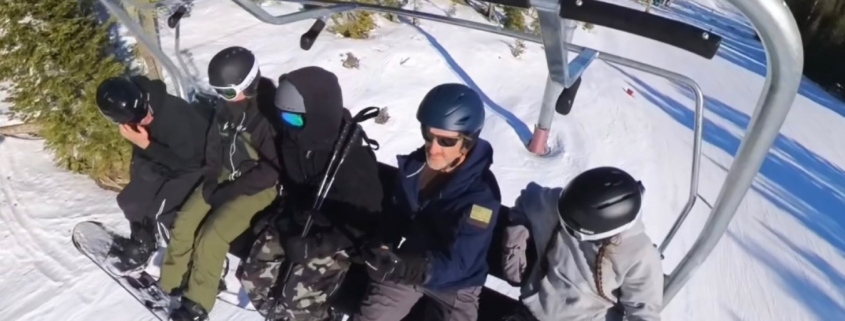
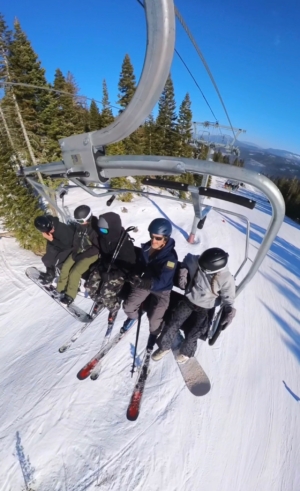
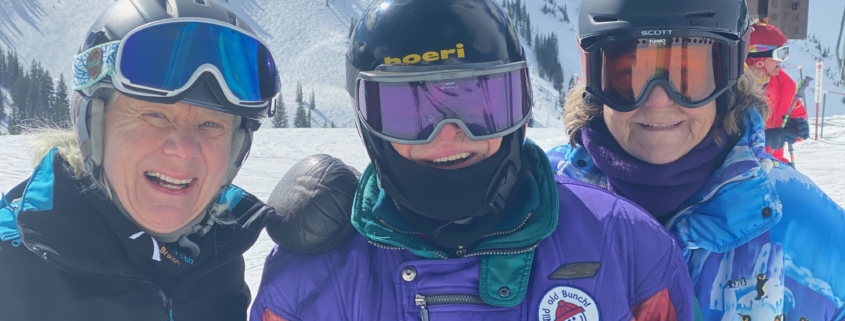
One chair of the Liebman Mob

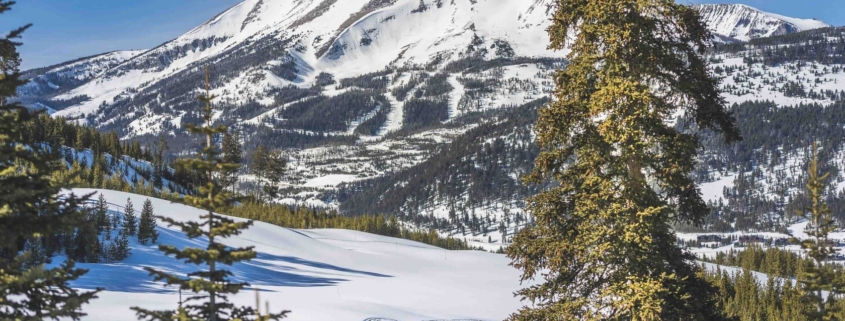
The 2025-2026 ski season will be remembered for its lack of snow all throughout the Rockies and Sierras. At the end of January, SnoCountry’s ski reports showed many ski areas with bases of around 20 inches. When I was in college back in the 60s, we called these conditions “fast grass.”

So, it was with great trepidation that three generations of Liebmans ventured out onto the slopes at Northstar in late January, early February. The reported base ran from 30+ to over 50 inches with temps in the upper 30s! However, despite the lack of snow, 100% of Northstar’s trails were reported open.

Forests line Northstar’s trails which prevents the sun from shining directly on the runs all day. Despite the below-freezing temperatures and night and the warm temps during the day, there was very little really hard snow. The mountain manager deserves a medal for the way the runs were groomed

We all thought the conditions were great. For the record, the “we” totaled nine and included boarders and skiers ranging from 14 to 80. Ability ranged from one beginner to those of us who have been skiing for decades.

Northstar is very easy to get around. We moved easily from The Backside where the expert runs will keep the best recreational skiers entertained. Like the rest of the runs on the mountain, they were long, undulating, and had changes in pitch and angle that forced one to pay attention. A strong advanced intermediate skier could handle them if he/she so desired.

The most difficult terrain was in the Northwest Territory. The runs are steep and narrow. From the top of the Martis Camp Express, one can ski down a fun run – Deerskin – to the Tahoe Zephyr Express to bring you back to the heart of the mountain.

Getting from Backside to Mount Pluto was simple. Ride up either Backside Express or Promised Land Express and then ski down to the Comstock Express. This opens up a nirvana of blues that will keep experts and intermediates entertained for days. Ski any of these runs non-stop, and your thighs will be talking to you. Yes, they’re that long.

Chair lifts. All had safety bars, and most, but not all, had footrests. At my age, not having the weight of skis, boots, and bindings pulling down on my 80-year-old knees is a blessing.

Bathrooms. At both the Lodge at Big Springs and Zephyr, the bathrooms were either on the entry level or there was an elevator available. Blessings on you, Northstar!

Food on the mountain. There was variety at both lodges and the prices were typical for a ski area and tasty. $29 bought me a cheeseburger, fries, and a bottle of water.

Lift tickets. Northstar is an Epic area.

We’re planning to come back to Northstar either this season or next so that tells you a lot about whether or not we liked Northstar. Pray for more snow, lots of it!!!

Notes From a Few Days at Palisades 

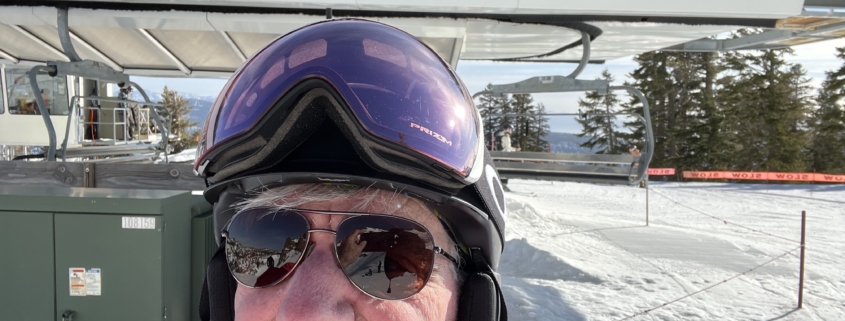
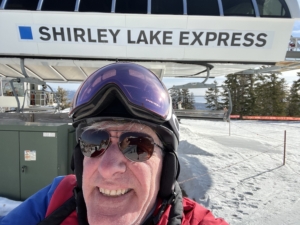
Selfie of author, Marc Liebman, at Shirley Lake

Let’s start with this is a piss poor snow year for Western ski areas. Yet, despite the lack of snow, Palisades was reporting a base of between 22 and 53 inches on the days we were there at the end of January, yet the ski conditions were actually quite good. SnoCountry was reporting that the area was about 80% open, and that was close to reality. What was closed were many, if not most, of the double diamonds.

Palisades, known to us oldsters as Squaw Valley, is a predominantly expert area. One look at the trail map shows why. The majority of the runs off Snow King, KT-22, Headwall Express, and Granite Chief chairlifts are expert runs.

However, you’ll find blue gems off Siberia Express, Gold Coast Express, and Emigrant, and a mix of blues and greens off the Big Blue lift. You can yo-yo off these lifts and will find runs that are delightful to ski several times in a row.

Most of the runs at Palisades are above the tree line and given the temperature and where one was on the mountain, they began to get soft. However, by skiing where there were lots of trees and shade, the conditions were fine. The snow on the runs off Snow King and Shirley Lake didn’t change much other than in the late afternoon when the sun started to go down, and the snow hardened.

More good news. Palisades is an IKON area, and if you are over 80, you ski for free. A quick trip to the ticket office and, depending on how many days you plan to ski at Palisades during the season, you’ll either get day passes or a season pass.

Palisades has spent a lot of money upgrading its lifts, and it shows. Most are quads, or six-holers. But, as a senior skier, the lifts are missing something important –  foot rests. Not one lift that I rode had one. Safety bars yes, footrests, no.

If you are driving up to Palisades on a weekend, take advantage of a reserved parking place. It cost $30/day, but it saves you a long walk wearing ski boots. Locker space at the bottom is at a premium although there are a few at the top of the Funitel Gondola.

For me, walking in ski boots is energy-draining. When you need to make a potty stop, enter the Gold Coast Lodge, where you come out from the Funitel Gondola. There are bathrooms just a few steps inside which means not having to go up or down stairs.

If you leave your skis on a rack on the second or the lowest level means the bathrooms are two levels up. I found an elevator, but an employee said it was for use only by the staff.

On Saturday, the lift lines ran between five and 10 minutes, and the IKON app provided useful info on how long the lines were as well as a way to keep track of my grandkids. On Sunday, the lines were noticeably shorter, and by 1, there were none!!!

Hanging Out With Lindsay Vonn

Legendary downhill racer Lindsay Vonn suffered a devastating leg injury during the Milan-Cortina Winter Olympics, trying to duplicate the Gold Medal she won in the 2010 Olympics and a gazillion World Cup medals.  She’s a champion – and an inspiration to all of us, on the slopes and off.  SeniorsSking wishes her a speedy recovery.  In her honor, we are republishing this article from 2023, when Evelyn Kanter got to hang out with Lindsay Vonn.  From the archives:

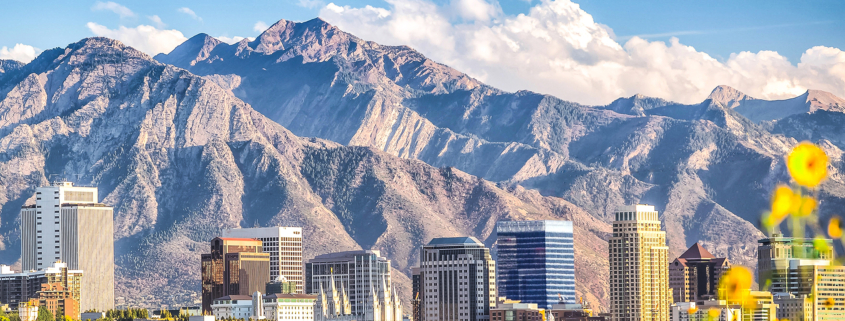
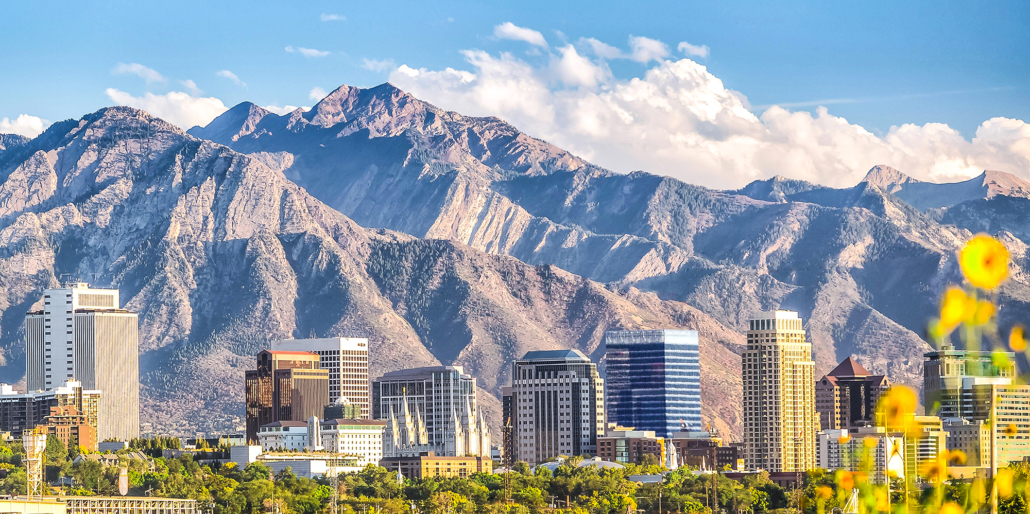
Downtown Salt Lake City skyline with mountains behind

Where to Eat in Salt Lake City

It’s impossible to go hungry or thirsty in Salt Lake City, where the downtown food scene is booming.  Here are some tasty destinations for your next visit during ski/snowboard season or after the snow melts.  Choices include my personal favorites from many visits, recommendations from the 70+ Ski Club and more from the city’s tourism group, Visit Salt Lake, all where you can eat well in two hours or less, including dessert, if you have room.

Red Iguana

736 W North Temple – Open daily 11 AM – 9 PM and until 10 PM Fri-Sun

Red Iguana is its keeper is a vibrant family-run institution serves up richly complex moles that have developed cult-like devotion among locals. The perpetual line outside isn’t a tourist trap mirage – it’s a gathering of devoted locals and visitors willing to wait for that first heavenly bite of Mole Negro.

  • Tip: Reservations are a must, a couple of days ahead. If you can’t get one, head for a spot at the bar, where the full menu is served.
Downtown Salt Lake City skyline with mountains behind

Photo: Visit Utah

Market Street Grill

48 West Market Street – Open for lunch and dinner daily; hours vary daily so check website

This large, bustling restaurant downtown specializes in seafood, including freshly-shucked oysters, salmon, Ahi tuna, which are not local, and Rainbow Trout, which is.  West Market Grill also offers seafood salads and soups, and steaks for the occasional carnivore who joins friends at a seafood joint.  Groups of a dozen or so can reserve a special section of the restaurant, which is in a landmarked building from 1906.

Café Molise

404 S. West Temple – Open daily for lunch 11:30AM to 3PM, dinner from 5PM.

Also housed in a historic building, the menu here is classic Italian, such as polenta or ravioli with mushrooms.  Several of the pastas are house-made, and there’s an excellent wine list, primarily Italian reds and sparkling wines.  Save room for tiramisu for dessert.

https://www.caffemolise.com/

The Pie Pizzeria

1320 E 200 S – Open Mon-Sat 11AM to 11PM, Sunday Noon to 10PM

Hidden in a basement near the University of Utah, The Pie is where generations of college students have huddled over massive, cheese-laden pizzas that require serious upper-body strength to lift. The graffiti-covered walls tell stories of late-night study sessions and post-game celebrations, while the Cheese Pull Challenge (an unofficial local sport) continues to claim countless shirt victims.

Feldman’s Deli

2005 East 2700 S | Open Tues. to Sat., 8AM to 8PM.

Step into Feldman’s Deli to be transported from the mountain west to a corner of New York City.  This no-frills cafeteria-style temple to Jewish deli tradition that serves up sandwiches so massive they could have their own ZIP code, including piled-high pastrami and corned beef good enough to impress a Manhattan or Brooklyn native. Their knishes and house-made latkes have their own fan club, and locals line up early on weekends to snag them before they’re gone. There’s also a selection of German-style wursts, including delicate Bavarian weisswurst, which is made from veal, not pork.

Yoko Ramen

473 E 300 S – Open for lunch Tues.-Sun., Noon- 3 PM and dinner Tues -Thurs., starting at 4 through as late as 10 PM on weekends.

This isn’t dorm room ramen. Yoko’s steaming bowls feature broths that have simmered for days, house-made noodles with perfect chew, and toppings that transform each bowl into a complete meal for around $15. The tiny space fills quickly on cold evenings when the windows steam up and the scent of pork belly and miso envelops the entire block.

Squatters Pub Brewery

147 W Broadway – Open Mon. – Fri. 11:30 AM – 11 PM, Sat. -Sun. 9 AM – 11 PM

This downtown brewpub is large, loud, and offers an extensive menu of both food, including a variety of burgers,  and draft beers brewed in Utah.  It’s a solid choice, whether it’s your first plan for dinner or the last place left when there are no reservations or walk-in space to be had anywhere else.

R&R Barbecue

307 W. 600 St., Open Daily 11AM – 10PM

R&R is a no-frills outpost where the bare wooden tables and high-tops don’t compete with the melt-in-your mouth smoked ribs, brisket and chicken. Table setting include a selection of sauces ranging from mild and sweet to call EMS.  Sides include traditional BBQ favs such as slaw, hushpuppies and baked beans.  Servings are large enough to share, or take the leftovers back to your hotel for tomorrow.

  • Tip – This is just one block from the Double Tree Suites hotel where the 70+ Ski Club stays during the annual Ski Safari trip in February, so it’s a good choice if you are too tired to walk far after a day of skiing.

Wanyen

282 W Broadway STE 115 | Open Tues-Thurs, Sun 12 PM – 9 PM, Fri-Sat 12 PM – 10 PM

Wanyen is your new favorite Asian-inspired dessert café, serving thoughtful takes on classic sweets. Their mango sticky rice is beautifully presented with ripe sliced mango and a perfectly chewy scoop of sweet rice. Try new flavors like Midnight Honeycomb or Midnight Hokkaido, their coconut frappe or matcha latte. It’s elegant, comforting, and made to be enjoyed slowly, one bite at a time.

Find more suggestions here for where to eat in Salt Lake City, including breakfast and brunch.

See you on the slopes, or at one of these restaurants. Or both.

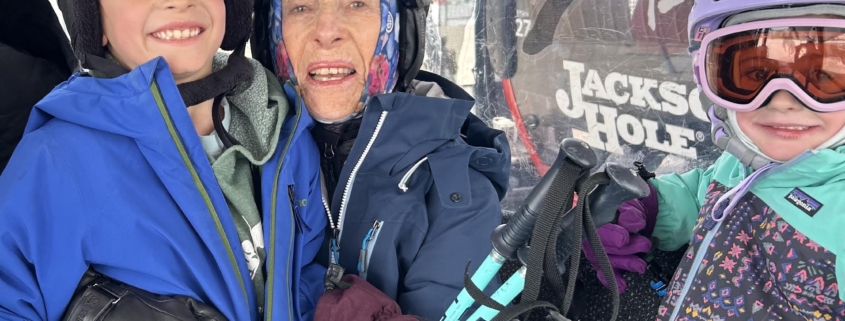
93YO Francoise Roux with two great-grandchldren at Jackson Hole

Turns Through Time – A Ski Story Spanning 90 Years

93YO Francoise Roux with two great-grandchldren at Jackson Hole

Photo by Lori Roux

Editors Note: This article comes from special contributor Lori Z. Roux. 

With the sun reflecting off the white peaks, Francoise felt the familiar pull of the mountains, a reminder that age is just a number on a perfect day like this. At nearly 93, she was meeting her two great-grandchildren, who also live in Jackson Hole, for a ski date. One five and the other eight, nearly nine decades separate them, but they share a passion for the mountains, and the enduring joy of skiing.

Born and bred in Geneva, Switzerland, my mother-in-law began skiing in the Alps as a kid, skinning up Verbier before there were lifts. It seemed normal to her, incorporating her passions for both fitness and skiing. After moving to the United States in 1959 with her husband and children, they went on ski adventures both on the East coast and in the mountains of the West.

They came to love Aspen, but on a trip to Yellowstone in 1965, she urged husband Jacques to set down roots in a new place that was being built, Jackson Hole Mountain Resort. They bought land and built a small house which they used for vacations until Jacques, a physician, took a job in town as the local OB/GYN. This transformed their lives, making Jackson Hole the heart of their family story.

Today, Francoise’s vision for a life in Jackson Hole has come full circle. Her son Laurent (my husband) lives and works here, as I do.  Her grandson Vincent and his wife, Lauren, are living and raising their children here. The great grandkids embrace the mountain lifestyle as their Grandmama does, learning to make turns before they could walk and hiking from infancy. The other kids, grandkids and great grandkids make regular visits to the extended family in Jackson.

On this day, a lively group of Roux’s occupy a Sweetwater Gondola heading to Casper. From the gondola car, Camden, the eight-year-old points. “Let’s do that one first!” We all head up the Casper chair to Wide Open, and the group slaloms down, together. Francoise’s youngest son, Eric, has bought his first season pass at 65, and takes off, making turns that mimic his mother’s legendary smooth style.

She has practiced since her youth and is more comfortable on skis than in shoes, and it shows. The little ones are halfway down the trail before they stop to make sure that everyone stays together. They take off again, this time, into moguls dwarfing them in size.

On the chairlift, Camden stresses that he wants to explore the mountain. So off we go to hit Casper once more, then on to the Teton Lift, before heading back down to the Gondola. “I think I’m better than the other five-year-old’s on the mountain,” says Harlow, with sure confidence. “I can handle it,” she adds when we advise her of a particularly steep pitch.

We leave Grandmama at the bottom, her knee reminding her of decades of ski adventures.  We all share hugs before making our way back up. To see Francoise, a ski pioneer in Jackson Hole, sharing her passion with the fourth generation, made this a truly unforgettable day.

Actually, any day that four generations ski together is a truly unforgettable day.

In the Shadow of the Matterhorn

In the Shadow of the Matterhorn

Editors Note: This article comes from SeniorsSkiing reader Elliot Entis.

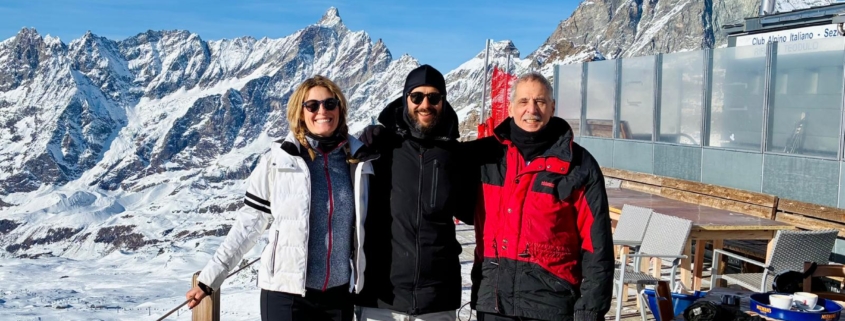
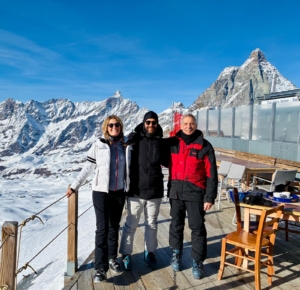
For the week of Christmas oblivion, I was  skiing the Matterhorn with family: Cervino Italy connects with Zermatt on the other side of the divide to form one very large ski arena. We lodged on the Italian side where the prices are half of staying in Zermatt, the food is better and you can ski both sides anyway. But in the Italian side you do miss out on Royalty watching.  The princes and princesses are all in Zermatt (I know cause we all gondola’d  over the  top for lunch among the glitterati, and yes they glittered, though it was not clear if they actually skied). It was a family week: my wife Margaret, myself, son Jon with wife Martina and two tween and younger  granddaughters.  What could be better? Well… maybe a bit more snow? Yeah the plague struck there as well. They actually had enough to ski on, hard pack but not icy, no powder. But that’s not really the point: you go for the skiing but you stay for the scenery. What’s not to love skiing in the shadow of the Matterhorn, towering above you in touching distance from every angle.?  Bucket List. And don’t ignore the restaurants dotting the slopes . Not EPIC pass cafeterias, real restaurants where both skiers and poseurs can mingle, some wobbling back to the piste, others like myself stretching out and trying to figure out how to avoid the drunks on their apres lunch lurch downhill. And yes, at least once I was not totally successful, but she did apologize after crashing into me. Burp on.

My takeaway; I call the place “Practice Mountain”, wide open slopes where even the Blacks are just Blues, no trees, just all relaxing fun skiing but ultimately boring if you stay long and the off-piste slopes (that look like Vail’s Back Bowls) are not covered . But no complaints, and as suggested, you’re there for the gestalt. And that it has in epic abundance. Plus I learned a lot about local geology. After a day of scenery gazing I suddenly realized what the name Matterhorn means. With my brilliant powers of deduction, after seeing dozens of identically shaped lesser peaks surrounding the gigantically larger Matterhorn, I was dumbstruck by a flash of inspiration: Of Course! It’s the Mother Horn! Not only that I learned a bit about how this all came to be: a tale  of the kingdoms of ice, schist, Africa and Europe. 

But I won’t bore you with more. Likely you knew all of this before, or you can look it up. 

And with my tale of the snows of yesteryear, I wish you great hope and happiness for the New Year. And a word of advice: keep a passport within reach.

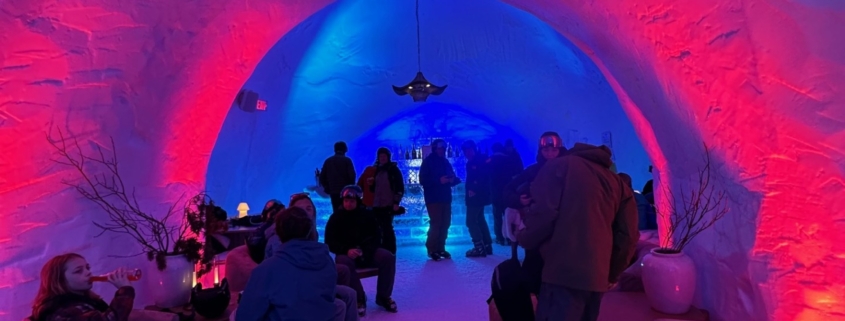
inside the Big Sky Igloo, an ice house_evelynkanter

Short Swings: Timely News From Here and There

There’s always something new and wonderful happening in snow country.  This is our every-once-in-a-while roundup of timely news tidbits from here and there to tickle your fancy, wherever that is.

Smugglers Notch

The popular family-oriented resort in Northern Vermont has been sold to a local investment group which also purchased nearby Burke Mountain earlier this season.

Smuggs, as it is known to many fans, has been owned and operated for the past 29 years by William Stritzler, whose family will continue to have an ownership stake. Bill’s daughter Lisa will serve as an advisor on the future of the mountain.  Bear Den Partners intends to keep Smuggler’s Notch low-key and independent.

Over the past year, Smugglers’ Notch was named #2 Ski Resort by USA Today readers, earned a Tripadvisor Best of the Best Award, and was recognized as Ski Magazine’s Best Family Resort.

Big Sky –

The Montana resort has three newsworthy in-bounds openings this season, all of which I just experienced on the 70+ Ski Club trip to Big Sky earlier in February –

  • Madison 8 – The longest eight-passenger chairlift in North America opens up the glorious long cruisers and some gnarly tree skiing on the Moonlight Basin side of the mountain. It replaces the cranky old Sharpshooter lift.
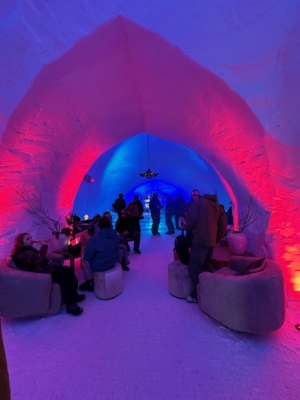
  • The Igloo – An ice house hang-out close to the base of the Powder Seeker lift and the Tram, has lots of cool spots inside (literally – keep your jacket and gloves on), at carved alcoves with your choice of faux-fur covered ice benches or regular chairs. There’s also plenty of seating and standing room outside in the afternoon sun, for pre-apres conversations and beverages.
  • inside the Big Sky Igloo, an ice house_evelynkanter

    Photo by Evelyn Kanter

  • Kircliff – The new glass-enclosed observation deck at the top of the Tram, is included in the price of the tram, whether you ski down or just sightsee. Put on protective no-scratch booties over your ski/snowboard or walking boots to step onto the see-through glass floor for a vertiginous look down a zillion feet.  Or not.

Idaho Sled Dog Race –

It’s been cancelled for this season, perhaps permanently, for lack of snow and the bail-out of supporting sponsors.

Organizers held the original race, dubbed the McCall Ultra Sled Dog Challenge, in 2018 and ultimately staged 300-mile and 100-mile races five times. However, in addition to canceling races in 2021 due to the global COVID-19 pandemic, organizers had to cancel or suspend the lengthier races due to low snow or avalanches the last three consecutive years.

As an Iditarod Qualifier and part of the Rocky Mountain Triple Crown, the Idaho Sled Dog Challenge has drawn mushers from as far away as New Hampshire, Canada and even Alaska for a chance to compete on steep trails through Idaho’s West Central Mountains. The Rocky Mountain Triple Crown also included the Eagle Cap Extreme near Joseph, Ore., and the Race to the Sky near Helena, Mont., both of which have faced similar challenges in recent years.

“The Idaho Sled Dog Challenge is reputed to be one of the toughest anywhere with over 36,000 feet of climb,” race founder Jerry Wortley told SeniorsSkiing.

“It’s gratifying to know that multiple ISDC mushers have progressed to the Iditarod by way of our race, including an Iditarod Rookie of the Year and a Most Improved Iditarod Musher. Also of special note, female mushers have consistently dominated the Idaho Sled Dog Challenge, having won every 100-mile race and all but one 300-mile race since our event’s inception.”

It’s a sad end to an event popular with both locals and visitors – and also for the competitors, both the two-legged ones and the four-legged ones.

Loon Mountain Resort

The New Hampshire resort has opened Little Sass, a new 120-foot conveyor lift designed to make the first-time ski and snowboard experience easier for newcomers.  Located at the base of the green-circle-rated Sarsaparilla trail, Little Sass adds an important first step to Loon’s learning progression..

Beginners can advance from Little Sass to the enhanced Sarsaparilla Carpet conveyor lift, which has been upgraded with new high-speed terminals at both the top and bottom and provide a quicker ride up a longer slope, helping beginners continue to build skills.

Loon also has an 18-foot superpipe, one of the largest in the East, for skiers and riders who aren’t beginners.

That’s it. See you on the slopes.

Pay Me to Ski Here

Photo by Claudio Schwarz on Unsplash

Sadly, conditions are far from knee-deep in several top resorts in the West and in Europe, where it’s limited terrain on man-made snow. That includes Cortina, site of 2026 Winter Olympics skiing competitions.

The lack of natural snow is bad enough that the parent company of the Ikon Pass is offering passholders a $20 “mountain credit” for each day the pass is used, through Feb. 25, at  areas most affected, according to the ABC News affiliatte TV station in  Denver.

But don’t too excited –

The money back offer from Alterra is good for only three days of skiing or riding at specific resorts, for a grand total of $60.

That’s enough for a white tablecloth lunch for two, a day’s rental, a tune and waxing, or $60 off new helmet, goggles, jacket or pants at a retail shop.

So it barely puts a dent in the price of your pass, airline ticket or accommodations.

Also, the up  to $60 credit is only at specific Ikon Pass resorts and participating restaurants and retail shops, including Deer Valley, Steamboat, Palisades Tahoe, Mammoth, Stratton and Sugarbush.

So, this brings up an interesting issue:

Resorts charge a premium for accommodations during peak periods, especially the Xmas-New Year’s week, and several limit  access for some passholders, whether that’s Ikon, Epic or Mountain Collective season pass – regardless whether conditions are great or pathetic.  And some privately-owned areas, such as Powder, limit peak weekends to passholders only, no walk-ups.

So why can’t they give us a discount when conditions suck? Or a free hot chocolate when the weather is suitable only for polar bears.  Or add another day or two to the allowable days on a pass, to compensate for two days of skiing the only three open trails, all greens from the base, as I experienced in mid-December at two adjacent resorts – one Ikon, one Epic – which I might identify over an apres beverage somewhere.

Hoping for a lively discussion here, with lots of comments.

Drop the Still

Alta 2022, Cherri, George, & Marianne

There are certain words that are at best—annoying. “Still” is one of them. Not kind to say to a mother, “So your daughter is still single?”. To the very pregnant woman, “You still haven’t had that baby?” Or to the frugal guy, “I can’t believe you are still wearing that parka!” OUCH was my reaction to a recent email from a young guy, who I thought viewed me as an inveterate skier. He asked, “Still getting out there?”. By return mail, he now knows he is in semantic trouble. I am on a personal mission to educate people, one at a time, to just drop the “still”. Never let the ask, “Do you still ski?” come from respectful lips.

This campaign is not about my daughter, expectancy or my wardrobe. It is all about my/ our age and ageism. It seems there is a commonly-held belief that skiers reach an age and, presto—they no longer ski. So not true. I recall the winter I joined the Seventy Plus Ski Club where all the members have at least celebrated that milestone. I did two outings with the club including a week in Utah skiing six mountains with 140 hearty skiers and boarders. I was on the younger end of the spectrum but, thankfully, held my own. It was a 103 year old man who stole my heart and gave me hope and incentive to hang in there for many years to come. At Alta, where he was treated as a celebrity, we skied a great run. When he glanced to the left and spotted a strip of powder, he was off! His 72-year old son was quick to reprimand him and I was fast to make a note to remember to leave my kids at home.

At my home Vermont mountain, Sugarbush, there is designated front row parking for 80+ year olds. Bravo to the resort for the recognition and provision to make it a bit easier. Don’t use the “‘still” word with all the racers on the course or in the woods who are well over seventy—they have earned and deserve better. The fact that most resorts have upped their ages for reduced price or free skiing is evidence of skiers/boarders staying with their sports for longer and longer. Win Smith, the former resort owner, then in his 60”s, instituted “The Boomer Pass” allowing weekday skiing at a great price.

Maybe you have to ski in the boots to recognize we are ageless if we love the sport and stay fit. While we may appreciate some considerations, it is best realizing we are tough and determined. We feel fortified when we are perceived as just another constantly-working-on -our-technique person out for fun, companions and exercise. Maybe it is our task to educate people who don’t get it by calling them out on the use of “still” with “Why do you ask me that?” The defensive responses are usually worth the effort! Teach on!

Snow Going: Safety Tips for Winter Driving

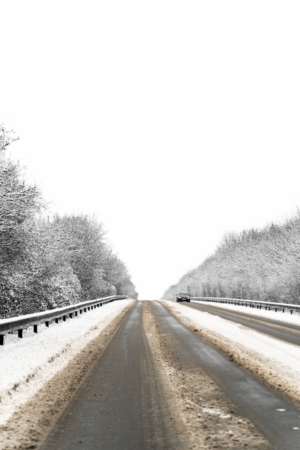
Photo by Krzysztof Hepner on Unsplash

If you were driving in the massive winter storms which ravaged much of US in January, you already know about the stress and dangers of driving in snow, ice, black ice and low visibility or blizzard and white-out conditions. If not, these rules of the road in winter will help prevent spin-outs and accidents driving on snow, ice and other foul weather conditions, including white-outs.

More or Less

More  – Winter driving requires more space between you and the vehicle ahead, more attention to changeable road conditions, more attention to the speedometer, and more time to get to your destination safely.

Less – Winter driving also requires less speed on icy or slick roadways, less dependence on such safety features as lane departure warnings, even cruise control.

Kitty litter is less expensive and more available than packaged rock salt to help get you out of a wheel-spinning nightmare.

It’s Essential

Do not drive unless absolutely necessary.

Leave roads clear for snowplows and emergency responders to do their jobs, including saving the lives of those injured in storm-related driving accidents.

If road conditions are not in good shape, consider postponing non-essential travel until  roads are cleared.

If you must drive, be prepared in case you become delayed while traveling, especially if it’s a long trip. That means making sure your gas tank is full or your EV or fully charged – also your phone – along with snacks, water, a blanket, emergency flares and a working flashlight.

Consider leaving early or later to avoid being on the road during the worst of the storm.

Even if you have GPS, familiarize yourself with directions and maps before you go, and let others know your route and anticipated arrival time.

Winter driving is stressful, so take breaks.  Stop to stretch, get something to eat, check your phone, and change drivers if you feel drowsy.

Smart Stuff

Don’t think you or your vehicle can outsmart the basic laws of physics.

The bigger your vehicle and the faster you are traveling, the more distance you will need to stop.

Expect to need as much as ten times more distance to stop in bad weather, even with such high-tech safety features as automatic braking (ABS). 

If your vehicle is not equipped with adaptive cruise control, which brakes automatically when you get too close to the vehicle ahead, don’t use cruise control at all.  You’ll have better control manually.

Easy Does It

Everything takes longer on icy and snowy roads, so accelerate and brake gently to maintain traction and prevent skidding out of control.

Today’s ABS brakes require that you jam on the brake pedal as hard and fast as you can, and keep your foot down firmly, to activate the system.

The grinding noise tells you tells you the ABS is working.  Let it keep grinding – do not let go thinking you have broken something.

Release the brake when you need to steer, since the vehicle can do only one thing at a time.  You are not good at multi-tasking, and neither is your vehicle.

Watch the Thermometer

Temperatures right around freezing are especially dangerous, because wet snow and ice are more slippery than the frozen solid variety.

Most dangerous of all is so-called black ice, which is a thin veneer of ice on an otherwise dry road. It is not visible, which makes it so dangerous – no different than hitting a patch of ice on the slopes.

The safest snow to drive on is the kind that crunches under the wheels. That tells you the snow is firm enough to provide traction in starts and stops.

Avoid Changing Lanes

You are more likely to lose control trying to drive over that build-up of snow or slush between lanes than if you stay where you are, says the AAA.

Tires, Windshields and Frozen Locks

Make sure tires are properly inflated, and never mix radial tires with other types of tires.

Rotate tires according to manufacturer’s instructions.

You’ll be using a lot of cleaner to keep the windshield clear of road salt and grime.

Never use plain water, unless you want a coat of ice that’s all but impossible to defrost.

Also, never use water on a frozen lock. Instead, use a quick blast with a hair dryer, a quick squirt of 10 W 40, or a commercial lock de-icer.

Steering Out of a Skid

Forget that confusing old rule about “steer into the skid”. It’s much easier than that – just look where you want to go and steer to get there.

Smoothly and slowly, please, since quick and jerky steering can worsen the skid.

Both ABS and traction control require a firm grip on the steering wheel, advises Edmunds.com. Not white knuckle, just firm.

It’s important to remember not to brake and steer at the same time, because you are asking the car to do too many things at once.

Brake first, and when you feel ABS kick in, then steer – gently.

Traction control holds back spinning wheels and allows the engine’s power to switch to the wheels that have a better grip.

ABS reduces what automotive engineers call “pedal travel” and provides a more constant braking feel, so ABS requires firm, constant pressure – no pumping as on conventional brakes.

In fact, you need to jam on the brakes as fast as you can and as hard as you can – and keep your foot there – to engage ABS.

Don’t be scared off by the grinding noise – that means ABS is working.

Drive safe this winter – and see you on the slopes.

The Rise of Private Ski Resorts for the Very Wealthy

Breathtaking views of the mountain. Photo courtesy The Yellowstone Club.

In recent years, the world of luxury travel has witnessed a significant shift towards exclusivity. Being affluent no longer makes the grade. High-net-worth, ultra-rich individuals are seeking highly personalized and secluded experiences. One of the most striking examples of this trend is the rise of private ski resorts designed exclusively for the ultra-wealthy. These elite winter retreats offer a level of privacy, luxury, and service that far surpasses traditional ski resorts, catering to the desires of high-net-worth individuals who seek the ultimate in skiing opulence.

The Shift Toward Exclusivity

Traditional ski resorts, even those considered high-end, have long been the playgrounds of the affluent. Destinations such as Aspen, Courchevel, and St. Moritz have been synonymous with wealth and glamour for decades. However, as these resorts became increasingly commercialized and crowded, an elite subset of skiers began seeking more exclusive alternatives. This demand has given rise to private ski resorts, where access is restricted to members or property owners, ensuring complete privacy and unparalleled luxury.

Unlike public ski resorts, private ski destinations prioritize exclusivity over mass accessibility. They offer a highly curated experience, often featuring limited memberships, private chalets, and ski runs that are meticulously maintained for a select few. This shift towards privatization reflects a broader trend in luxury travel where high-net-worth individuals prioritize seclusion and personalized service over conventional luxury amenities.

The Pioneers of Private Ski Resorts

Several private ski resorts have emerged in recent years, each offering a unique blend of exclusivity, luxury, and custom-made experiences. The most notable examples include:

Yellowstone Club, Montana

Arguably the most famous private ski resort in the world, the Yellowstone Club in Montana epitomizes the concept of exclusivity. With an initiation fee of $400,000 and annual dues in the tens of thousands, membership is restricted to the ultra-wealthy. The club boasts over 2,900 acres of private ski terrain, alongside world-class dining, luxurious accommodations, and unparalleled service. High-profile members, including billionaires and celebrities, appreciate the privacy and security the resort provides, far removed from the public eye. To join, members need to purchase a property worth $2 million or more. There’s also a $400,000 initiation fee and annual dues of $44,000.

The Hermitage Club, Vermont
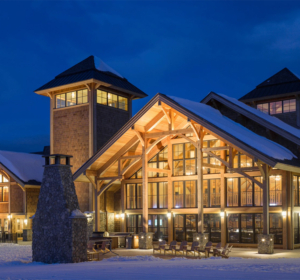
Photo courtesy of the Hermitage Club

Located in the scenic Green Mountains of Vermont, The Hermitage Club offers a luxurious alternative to New England’s crowded ski resorts. This members-only retreat provides a serene skiing experience with uncrowded slopes, high-end dining, and exclusive social events. Unlike traditional resorts, The Hermitage Club is designed for families and individuals seeking a more relaxed and intimate skiing environment without sacrificing luxury. A family membership initiation fee is $100,000 and the annual dues are $18,500.

Cimarron Mountain Club, Colorado
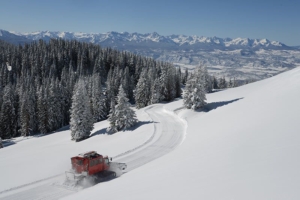
A cat makes tracks at the Cimarron Club

The Cimarron Mountain Club takes exclusivity to the next level, with only 13 members granted access to its 1,750 acres of pristine ski terrain. Each member owns a share in the club, which provides not only unparalleled skiing but also year-round outdoor recreational activities such as fishing, hiking, and mountain biking. This hyper-exclusive model ensures that the slopes remain uncrowded, offering an unparalleled skiing experience. The cost to be one of the 13? A cool $3 million!

Powder Mountain, Utah
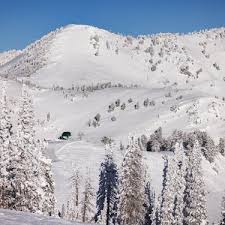
Photo courtesy of Powder Mountain

Powder Mountain is the newest entry into the private resort realm. Recently purchased by Reed Hastings, one of the founders of Netflix, management decided to carve up the 8,000 skiable acres into two resorts. Half the area is open to the public. The other half is now private. Lots will be available starting at $2 million. On top of that members also pay an annual membership fee ranging from $30,000 to $100,000 to access private skiing and amenities. Season passes to the public parts of Powder Mountain cost $1,499.

Will Other Resorts Follow the public/private hybrid?

There are currently at least two other ski areas considering the public/private model. They are Homewood in California and Windham Mountain in NY. They’re making the move for the same reasons as Powder Mountain. The sale of lift tickets alone simply can’t sustain profitability. Industry history shows hotels, condo developments, or home sales are proven sources of revenue for ski resorts.

What Sets Private Ski Resorts Apart?

Private ski resorts differ from their public counterparts in several keyways, making them the preferred choice for the ultra-wealthy:

Unparalleled Privacy and Security

High-profile individuals often seek destinations where they can enjoy their leisure time without the prying eyes of the public or the media. Private ski resorts offer an escape from the paparazzi, ensuring that members can relax in a secure and secluded environment. With stringent security measures and gated access, these resorts provide an unparalleled level of privacy.

Personalized Services and Amenities

Luxury is not just about opulence but also about service. Private ski resorts offer bespoke services that cater to the specific needs of their members. Personal ski instructors, on-demand gourmet chefs, private transportation, and fully staffed chalets are just some of the perks that elevate the experience. Some resorts even offer heli-skiing directly from members’ properties, allowing them to bypass traditional lifts entirely.

Crowd-Free Slopes and Exclusive Terrain

One of the most significant advantages of private ski resorts is the absence of crowds. Unlike public resorts, where skiers may have to wait in long lift lines, private resorts limit the number of skiers on the mountain, ensuring an uninterrupted and enjoyable experience. This also allows for better-maintained slopes and optimal skiing conditions.

Elite Social Circles

Membership in a private ski resort is often seen as a status symbol, granting access to an exclusive community of like-minded individuals. Many members appreciate the networking opportunities that come with belonging to such an elite club, where they can interact with fellow business moguls, celebrities, and influential figures in a relaxed and private setting.

The Cost of Exclusivity

Joining a private ski resort comes with a hefty price tag. Membership fees alone can range from hundreds of thousands to millions of dollars, depending on the resort. Additionally, members often purchase multi-million-dollar properties within the resort, further increasing the financial barrier to entry. Annual dues, maintenance fees, and operational costs add to the ongoing expense, making these destinations accessible only to the wealthiest individuals.

Despite the high costs, demand for private ski resorts continues to grow. Many ultra-wealthy individuals view these properties as not just vacation homes but also as valuable investments. As the desire for exclusivity and privacy intensifies, the market for private ski resorts is expected to expand, with new developments catering to this elite clientele.

The Future of Private Skiing

The rise of private ski resorts signals a broader shift in the luxury travel industry, where exclusivity is becoming the ultimate luxury. As wealth concentration continues to rise globally, demand for hyper-exclusive experiences will likely increase, leading to the development of new private ski resorts in untapped locations.

Environmental concerns may also play a role in shaping the future of private ski resorts. Many developments are incorporating sustainable practices, such as eco-friendly architecture, renewable energy sources, and responsible land management to minimize their impact on the environment. This trend aligns with the growing interest in sustainability among high-net-worth individuals who seek luxury experiences with a reduced ecological footprint.

Another emerging trend is the integration of technology into private ski resorts. High-end resorts are investing in cutting-edge amenities, such as AI-powered concierge services, smart homes with automated climate control, and advanced ski-tracking systems that enhance the overall experience. These technological advancements ensure that private ski resorts remain at the forefront of luxury and innovation.

Conclusion

The rise of private ski resorts for the ultra-wealthy reflects a growing desire for exclusivity, personalized service, and unparalleled luxury. These elite destinations offer a secluded and luxurious retreat where high-net-worth individuals can enjoy world-class skiing without the drawbacks of traditional resorts. As the demand for such experiences continues to grow, private ski resorts will likely remain a coveted indulgence for the world’s wealthiest individuals, shaping the future of luxury travel in the process.


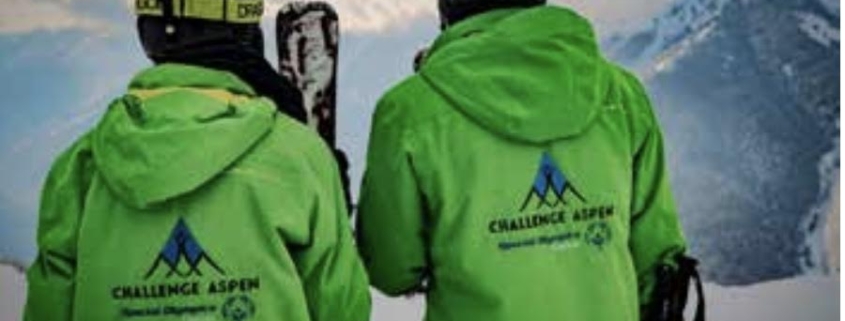
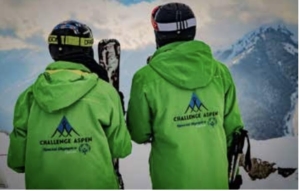
Two Challenge Aspen guide sin green jackets

Skiing With the Challenge Aspen Adaptive Program

Two Challenge Aspen guide sin green jackets

Photo by Rich Silver

It was another beautiful Colorado ski day. Heading down the mountain in front of me was my ski companion, Aspen/Snowmass local, Jen Arkin, and her ski buddy, Deb. As I followed them down the groomed slope, I realized this day on the mountain was going to be different. Jen waited for me to catch up.

“I love to ski moguls, how about you?” and proceeded to navigate the bumps below fearlessly. I watched her in amazement, and when I caught up, she was grinning from ear to ear. Jen, now in her fifties, has cerebral palsy and decided years ago that her disability was not going to stop her from enjoying the exhilaration of skiing, the activity she loves so much.

On the chairlift ride back up the mountain, Jen proudly exclaimed, “I can actually ski better than I walk,” and demonstrated it by leading me down a black diamond trail. Her contagious smile and upbeat attitude were nothing short of inspiring as we spent the morning sharing our love of the mountains. Skiers often speak about their ’best days on the hill’. This was surely one of mine.

Jen is one of thousands of folks who participate in adaptive programs on ski mountains across America. Challenge Aspen, in partnership with the Aspen/Snowmass Ski Company, provides those with special needs discounted private lessons by specially trained PSIA instructors, buddy support by trained assistants and volunteers, and all types of adaptive equipment necessary to participate in on-snow activities.

Remarkably, this includes the visually impaired, who descend the mountain by voice commands and a deep trust in their guide. In addition, Challenge Aspen offers programs specifically designed for injured veterans, as well as those suffering from PTSD and traumatic brain injuries.

Simply, Challenge Aspen is dedicated to changing the lives of participants and rebuilding their confidence. The patient and caring staff, along with volunteers and pros, have served those with over 150 different types of disabilities year-round since 1995.

It’s not just a ski program. There also are summer retreats which offer groups from around the world the opportunity to sign up for fly fishing, archery, and camping.

If you or someone you know has physical or cognitive challenges and would like to enjoy all the outdoor activities the mountains have to offer, contact Challenge Aspen at (970)923-0578 or visit www.challengeaspen.org.

You might be lucky enough to run into my friend Jen, who once again hit the 100-skier-day mark last season and with whom I look forward to skiing for many seasons to come.

Contributors to Maine’s Ski History are Honored

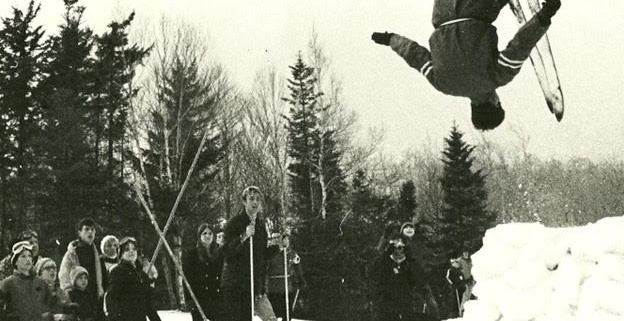
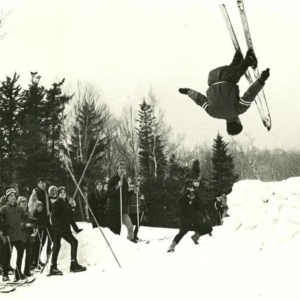
Butch Reilly aerial flip

Coaches, ski area operators, race managers, trainers, a Biathlon director, an apparel ski rep. The Maine Ski and Snowboard Hall of Fame recently inducted ten people into its ranks atPineland Farms in New Gloucester.  Most are 70+.

One inductee is lifelong skier and visionary Butch Reilly, 83, who has contributed to the growth of skiing and riding in Maine for the past 55 years. He started in 1968 as a New England sales rep for Rosemount Boots and Hexcel skis and in 1974 joined CB Sports, started by former downhill record holder CB Vaughan, and adding on Rossignol.

As a founding member of New England Sports Representatives, Inc., he helped establish one of the most important regional trade shows in the ski industry, the New England Winter Ski Reps Show that took place in Providence, R.I., and Worcester, Mass. It was a big step up from when regional brand reps would get together and set up equipment and apparel in hotel rooms.

Relly’s career was marked by his success in business and by his generosity, including donating hundreds of jackets and ski pants to Maine children, ensuring that financial barriers would not keep them from the slopes.

“That’s something honestly I have kept going my entire life,” he says. He also helped start the precursor to the Carrabassett Valley Academy at Sugarloaf, where he and several other parents started a tutorial program in a room above The Bag where the kids got home schooled, then went out to run gates.

Reilly is still on the road as an advisor and special projects manager for GUSTi  international brands in Canada and Europe. In the past five years, skiing with his five-year-old grandson has renewed his enthusiasm for the sport.

What advice does he have for other senior skiers?

“It doesn’t matter how fast or how high you go, what matters is to just keep going.” He says, “It’s a lifestyle that gets embedded in you and is part of your soul, there’s nothing like putting your feet on the snow and the freedom you feel.  Also, you don’t realize how much you have in common with other people who ski until you start talking about different places, people, adventures.”

The biggest change he has seen in the ski world over the past 55 years is snowmaking and the internet retail market that he laments is helping to put ski shops out of business.

Reilly probably speaks for all the recipients when he says, “It was a real surprise and honor to be inducted. I feel fortunate that for me going to work every day was a lifestyle not a job.”

Other honorees include –

  • Ski coach Peter Gately of North Bridgton;
  • Ski area manager Jeff Knight of Dixfield;
  • Ski coach Rick Hardy of Farmington;
  • Race administrator Laurel Lashar of Carrabassett Valley;
  • Nordic and Biathlon director Matt Sabasteanski of Raymond;
  • Coach and Biathlon center developer Carl Theriault of Fort Kent;
  • Ski industry personnel trainer Cathy Witherspoon of Kingfield;
  • The late Byron and Susan Delano of Lee, developers and operators of Mt. Jefferson.

Biographies of the Hall of Fame 2025 Inductees and nomination forms for the Class of 2026Maine Ski and Snowboard Hall of Fame are available on-line at https://www.maineskiandsnowboardmuseum.org.