

The Rise of Private Ski Resorts for the Very Wealthy
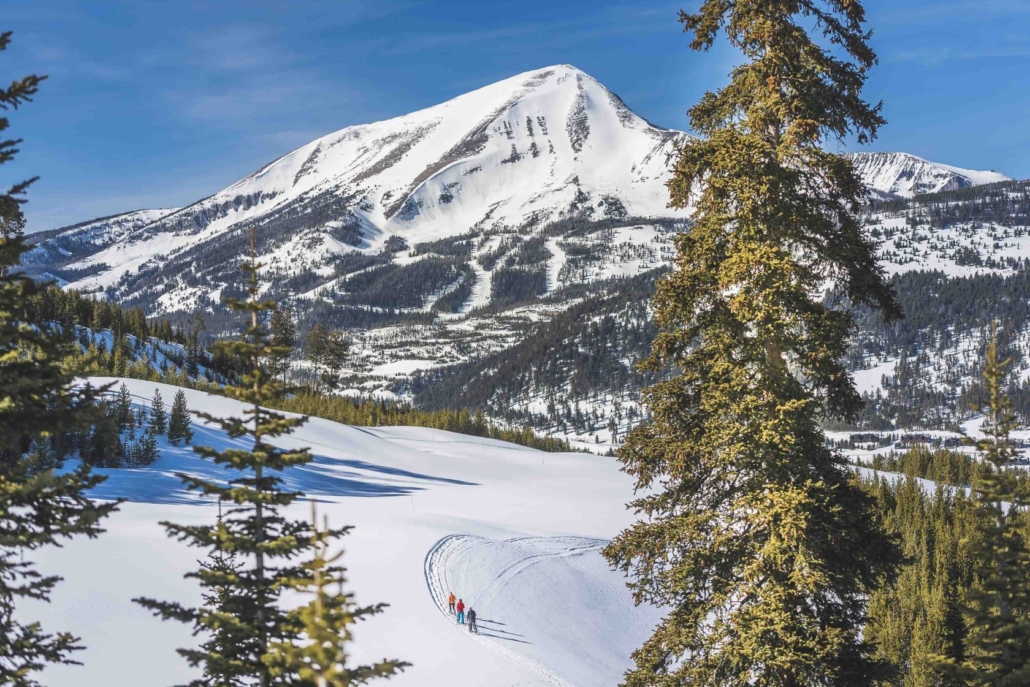
Breathtaking views of the mountain. Photo courtesy The Yellowstone Club.
In recent years, the world of luxury travel has witnessed a significant shift towards exclusivity. Being affluent no longer makes the grade. High-net-worth, ultra-rich individuals are seeking highly personalized and secluded experiences. One of the most striking examples of this trend is the rise of private ski resorts designed exclusively for the ultra-wealthy. These elite winter retreats offer a level of privacy, luxury, and service that far surpasses traditional ski resorts, catering to the desires of high-net-worth individuals who seek the ultimate in skiing opulence.
The Shift Toward Exclusivity
Traditional ski resorts, even those considered high-end, have long been the playgrounds of the affluent. Destinations such as Aspen, Courchevel, and St. Moritz have been synonymous with wealth and glamour for decades. However, as these resorts became increasingly commercialized and crowded, an elite subset of skiers began seeking more exclusive alternatives. This demand has given rise to private ski resorts, where access is restricted to members or property owners, ensuring complete privacy and unparalleled luxury.
Unlike public ski resorts, private ski destinations prioritize exclusivity over mass accessibility. They offer a highly curated experience, often featuring limited memberships, private chalets, and ski runs that are meticulously maintained for a select few. This shift towards privatization reflects a broader trend in luxury travel where high-net-worth individuals prioritize seclusion and personalized service over conventional luxury amenities.
The Pioneers of Private Ski Resorts
Several private ski resorts have emerged in recent years, each offering a unique blend of exclusivity, luxury, and custom-made experiences. The most notable examples include:
Yellowstone Club, Montana
Arguably the most famous private ski resort in the world, the Yellowstone Club in Montana epitomizes the concept of exclusivity. With an initiation fee of $400,000 and annual dues in the tens of thousands, membership is restricted to the ultra-wealthy. The club boasts over 2,900 acres of private ski terrain, alongside world-class dining, luxurious accommodations, and unparalleled service. High-profile members, including billionaires and celebrities, appreciate the privacy and security the resort provides, far removed from the public eye. To join, members need to purchase a property worth $2 million or more. There’s also a $400,000 initiation fee and annual dues of $44,000.
The Hermitage Club, Vermont
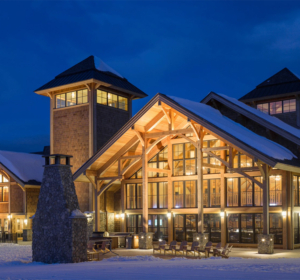
Photo courtesy of the Hermitage Club
Located in the scenic Green Mountains of Vermont, The Hermitage Club offers a luxurious alternative to New England’s crowded ski resorts. This members-only retreat provides a serene skiing experience with uncrowded slopes, high-end dining, and exclusive social events. Unlike traditional resorts, The Hermitage Club is designed for families and individuals seeking a more relaxed and intimate skiing environment without sacrificing luxury. A family membership initiation fee is $100,000 and the annual dues are $18,500.
Cimarron Mountain Club, Colorado
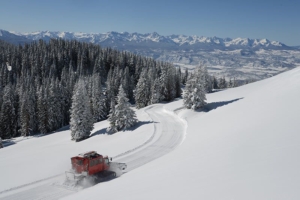
A cat makes tracks at the Cimarron Club
The Cimarron Mountain Club takes exclusivity to the next level, with only 13 members granted access to its 1,750 acres of pristine ski terrain. Each member owns a share in the club, which provides not only unparalleled skiing but also year-round outdoor recreational activities such as fishing, hiking, and mountain biking. This hyper-exclusive model ensures that the slopes remain uncrowded, offering an unparalleled skiing experience. The cost to be one of the 13? A cool $3 million!
Powder Mountain, Utah
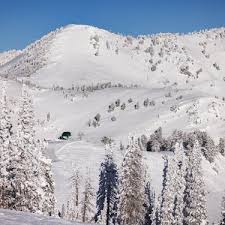
Photo courtesy of Powder Mountain
Powder Mountain is the newest entry into the private resort realm. Recently purchased by Reed Hastings, one of the founders of Netflix, management decided to carve up the 8,000 skiable acres into two resorts. Half the area is open to the public. The other half is now private. Lots will be available starting at $2 million. On top of that members also pay an annual membership fee ranging from $30,000 to $100,000 to access private skiing and amenities. Season passes to the public parts of Powder Mountain cost $1,499.
Will Other Resorts Follow the public/private hybrid?
There are currently at least two other ski areas considering the public/private model. They are Homewood in California and Windham Mountain in NY. They’re making the move for the same reasons as Powder Mountain. The sale of lift tickets alone simply can’t sustain profitability. Industry history shows hotels, condo developments, or home sales are proven sources of revenue for ski resorts.
What Sets Private Ski Resorts Apart?
Private ski resorts differ from their public counterparts in several keyways, making them the preferred choice for the ultra-wealthy:
Unparalleled Privacy and Security
High-profile individuals often seek destinations where they can enjoy their leisure time without the prying eyes of the public or the media. Private ski resorts offer an escape from the paparazzi, ensuring that members can relax in a secure and secluded environment. With stringent security measures and gated access, these resorts provide an unparalleled level of privacy.
Personalized Services and Amenities
Luxury is not just about opulence but also about service. Private ski resorts offer bespoke services that cater to the specific needs of their members. Personal ski instructors, on-demand gourmet chefs, private transportation, and fully staffed chalets are just some of the perks that elevate the experience. Some resorts even offer heli-skiing directly from members’ properties, allowing them to bypass traditional lifts entirely.
Crowd-Free Slopes and Exclusive Terrain
One of the most significant advantages of private ski resorts is the absence of crowds. Unlike public resorts, where skiers may have to wait in long lift lines, private resorts limit the number of skiers on the mountain, ensuring an uninterrupted and enjoyable experience. This also allows for better-maintained slopes and optimal skiing conditions.
Elite Social Circles
Membership in a private ski resort is often seen as a status symbol, granting access to an exclusive community of like-minded individuals. Many members appreciate the networking opportunities that come with belonging to such an elite club, where they can interact with fellow business moguls, celebrities, and influential figures in a relaxed and private setting.
The Cost of Exclusivity
Joining a private ski resort comes with a hefty price tag. Membership fees alone can range from hundreds of thousands to millions of dollars, depending on the resort. Additionally, members often purchase multi-million-dollar properties within the resort, further increasing the financial barrier to entry. Annual dues, maintenance fees, and operational costs add to the ongoing expense, making these destinations accessible only to the wealthiest individuals.
Despite the high costs, demand for private ski resorts continues to grow. Many ultra-wealthy individuals view these properties as not just vacation homes but also as valuable investments. As the desire for exclusivity and privacy intensifies, the market for private ski resorts is expected to expand, with new developments catering to this elite clientele.
The Future of Private Skiing
The rise of private ski resorts signals a broader shift in the luxury travel industry, where exclusivity is becoming the ultimate luxury. As wealth concentration continues to rise globally, demand for hyper-exclusive experiences will likely increase, leading to the development of new private ski resorts in untapped locations.
Environmental concerns may also play a role in shaping the future of private ski resorts. Many developments are incorporating sustainable practices, such as eco-friendly architecture, renewable energy sources, and responsible land management to minimize their impact on the environment. This trend aligns with the growing interest in sustainability among high-net-worth individuals who seek luxury experiences with a reduced ecological footprint.
Another emerging trend is the integration of technology into private ski resorts. High-end resorts are investing in cutting-edge amenities, such as AI-powered concierge services, smart homes with automated climate control, and advanced ski-tracking systems that enhance the overall experience. These technological advancements ensure that private ski resorts remain at the forefront of luxury and innovation.
Conclusion
The rise of private ski resorts for the ultra-wealthy reflects a growing desire for exclusivity, personalized service, and unparalleled luxury. These elite destinations offer a secluded and luxurious retreat where high-net-worth individuals can enjoy world-class skiing without the drawbacks of traditional resorts. As the demand for such experiences continues to grow, private ski resorts will likely remain a coveted indulgence for the world’s wealthiest individuals, shaping the future of luxury travel in the process.
- Recycled Water, Real Snow: Big Sky’s Path to a Greener Ski Season - March 19, 2026
- The Rise of Private Ski Resorts for the Very Wealthy - February 5, 2026
- If It Doesn’t Hurt, You’re Not Doing It Right! - January 8, 2026


I am a senior and do most of my skiing in one of the busiest ski areas in the country. I ski over 100 days a year and really deal with almost no crowds. I get there first, even during the week, it is more important on holidays and weekends than on weekdays. When the lift opens I ski about 2 to 3hours and leave. If you depend on grooming best to be first if you get powder good to be first so get up early and get the best conditions .
As for the “environmental sensitivity” any new or redeveloped ski area is subject to broad environmental review and that exists for either luxury high end or your public /private ski areas.
The greenwashing is “feel good” but hardly a valid reason that luxury resorts are a better project.
The only difference is off-site impacts are less when you have fewer users, however that is somewhat debatable if the private resort eventually becomes public or allows more users.
Unmentioned in this article is whether this is occuring on any bit of leased Forest Service Public Land. I have a problem with that. Other than climate change lack of snow, (and water) is the big battle over the push to sell, retrict access or otherwise dispose of Public Land. This is an Amercan Treasure for all the prople.
Many Private Ski Clubs have been in operation since the early 1950s , located 2 hours north of Toronto, Ontario,Canada.
Built by Members at Osler Bluff SC, Craigleith S.C, Alpine S.C. And Devils GlenS.C.
Great family clubs for winter and summer activities.
These are the things you can expect as the IKON and Alterras of the world totally ruin skiing for us regular folk. No one wants hour long lift lines and ski areas changed to get twice as many skiers on the hill at the same time. I envy the members of the private ski hills.
I hope these areas are well-endowed because the economics of running a ski resort are not in their favor. All it will take for several of them to face law suits and lawyers from one of their wealthy owners or the cost to upgrade lifts, or lodges, etc.
What happens to these types of investments is that when he original family member passes on, the kids may or may not want to spend the time, effort to manage the “resort” and want out. Ultimately, these owners are businessmen/women and will want to monetize their investment, particularly if they see a big payday.
Wonder what people think of express lines, early skiing that people pay besides regular lift ticket. I understand ski school getting to front of lines.