

Recycled Water, Real Snow: Big Sky’s Path to a Greener Ski Season
Summit photo courtesy of Big Sky Resort.
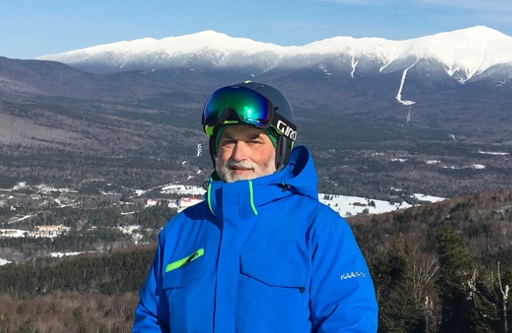
In February I was fortunate to be at Big Sky Resort in southwestern Montana with the 70+ Ski Club. For the last decade or so Big Sky had been working its way up my short list of resorts to knock off. After several years of less than desirable conditions in the East (yes, not this year) I was looking forward to quiet surfaces. You know, the kind where you make turns and you don’t even hear your edges.
I’m pleased to say I found what I was looking for on the slopes of Big Sky. While the base depth was less than average it didn’t matter. The coverage was of no concern and the surface was packed powder nearly everywhere we went.
I had heard Big Sky is pioneering a sustainability initiative that converts treated wastewater into artificial snow but now I was riding on it. Believe me, you would never know.
As climate change, population growth, and increased tourism place greater pressure on mountain water supplies, the resort and surrounding community have adopted an innovative water-reuse strategy that turns what was once a waste product into a valuable resource for winter recreation.
The initiative also reflects a broader shift in how mountain communities approach water management. The Big Sky project grew out of a community planning effort known as the Big Sky Sustainable Water Solutions Forum, which brought together local stakeholders to address long-term water supply and wastewater challenges. Rather than treating wastewater solely as something to dispose of, the community began exploring ways to reuse it beneficially. Snowmaking emerged as one of the most promising solutions because it returns water to the mountain environment where it naturally belongs.
As you know, ski resorts traditionally rely on surface water from rivers, lakes, or reservoirs to power their snowmaking systems. Snowmaking often requires millions of gallons of water and a lot of energy, particularly in the early part of the ski season when natural snowfall may be limited. Resorts in the western United States increasingly face competition for these water resources, especially in drought-prone regions where maintaining stream flows for ecosystems and downstream communities is a priority. In response, Big Sky and its partners have developed a program that reuses highly treated municipal wastewater for snowmaking, dramatically reducing the need to draw fresh water from rivers or aquifers.
The recycled water used at Big Sky comes from the community’s modern Water Resource Recovery Facility, a treatment plant that processes wastewater generated by homes, hotels, restaurants, and businesses throughout the Big Sky area. At this facility, wastewater undergoes several advanced treatment stages designed to remove solids, nutrients, pathogens, and contaminants. By the time it leaves the plant, the water has reached the highest reclaimed-water classification recognized by the Montana Department of Environmental Quality (MT DEQ) and is disinfected and sterilized to eliminate bacteria and viruses. Continuous testing and monitoring ensure that the water meets strict environmental and public health standards before it can be reused.
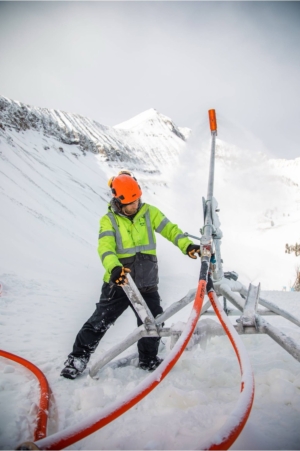
Photo courtesy of Big Sky Resort.
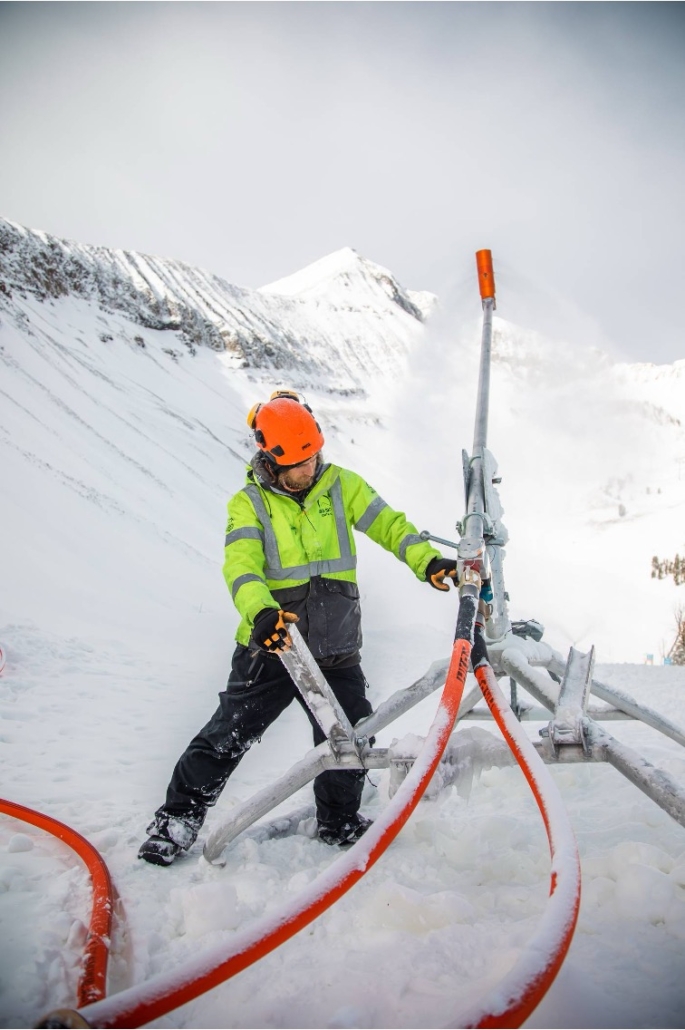
Once treated, the reclaimed water is pumped to snowmaking equipment on the slopes. Snow guns spray the water into cold mountain air, where it freezes into fine crystals that accumulate on ski runs. At Big Sky, this recycled water is primarily used to create an early-season base layer of snow on terrain across Spirit Mountain, Andesite Mountain, and the Spanish Peaks base area. Establishing this base layer is crucial for opening trails earlier in the season and protecting the ground beneath later snowfall.
The snowmaking project will be implemented in phases. During the first phase, the resort expects to use up to 23 million gallons of recycled water each year. In the second phase, the program could expand to approximately 44 million gallons annually, representing a significant portion of the resort’s snowmaking supply. Instead of being discharged into rivers after treatment, this water is reused as snow and later returned to the natural water cycle through melting and infiltration.
An important environmental benefit of this approach is that it reduces pressure on the nearby Gallatin River watershed. Traditionally, many ski resorts withdraw fresh water from rivers or groundwater sources for snowmaking. By recycling wastewater instead, Big Sky avoids taking additional water from these natural systems during the winter when flows can already be low. Conservation organizations such as Trout Unlimited and the Gallatin River Task Force have supported the project, noting that it conserves fresh water and protects river ecosystems.
Another advantage is the process effectively treats the water multiple times. The wastewater first receives advanced treatment at the recovery facility. It is then atomized through snowmaking equipment, which further exposes the water to cold air and ultraviolet sunlight. Finally, when the snow melts in spring, the water passes through soils and natural filtration systems as it percolates into the ground. This multi-stage process can improve overall water quality while returning water to the aquifer and streams later in the season.
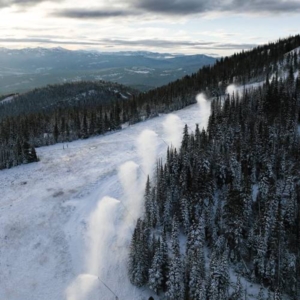
Reclaimed water is recycled water that has undergone advanced treatment at a facility, such as the new state-of-the-art Big Sky Water Resource Recovery Facility. Photo courtesy of Big Sky Resort.
The timing of snowmaking also plays a role in water management. Snowmaking with reclaimed water generally occurs between early November and mid-January, when temperatures are low enough for efficient snow production. As the artificial snowpack melts during late spring and early summer, it gradually releases water back into the environment. This delayed release can help maintain stream flows during drier months, benefiting aquatic ecosystems and downstream users.
Although the concept of using reclaimed water for snowmaking may sound unusual, it is not entirely new. More than a dozen ski areas across several U.S. states—as well as resorts in Canada, Switzerland, and Australia—already use recycled water for similar purposes. What makes the Big Sky project notable is that it’s one of the first ski areas open to the public in Montana to adopt the practice, potentially setting a precedent for other resorts in the region (the Yellowstone Club, a private resort, was the first).
As climate change continues to affect snowfall patterns and water availability in the Rocky Mountains, innovations like wastewater snowmaking may become increasingly common. By transforming a local waste stream into a reliable snowmaking resource, Big Sky Resort demonstrates how ski areas can adapt to environmental pressures while reducing their impact on fragile mountain watersheds. The project illustrates a growing recognition that sustainable recreation in the future will depend on creative approaches to managing water—one of the most critical resources in alpine environments.
- Recycled Water, Real Snow: Big Sky’s Path to a Greener Ski Season - March 19, 2026
- The Rise of Private Ski Resorts for the Very Wealthy - February 5, 2026
- If It Doesn’t Hurt, You’re Not Doing It Right! - January 8, 2026


Nothing new here. Killington has been recycling waste water for years.
Actually Ken, Killington recycles wastewater from its lodges and returns the water to the lodges for flushing toilets. They do not use any of the 35,000 gallons they treat daily for snowmaking purposes. Their snow guns require 9 to 10 million gallons of water per day, most of which is drawn from the Ottauquechee River and the Woodward Reservoir.
This is good example of thinking outside the box for wastewater management. It does depend on some expensive technology to make it work and for the areas that experience drought it sure does make sense to recharge aquifers if the soils are suitable. Employing use of fertilizers made from the sewer plants would also be beneficial for ski resorts instead of synthetic fertilizers.
We need more sustainable projects like this to encourage better use of resources. Good work Big Ski!