Tag Archive for: Make More Tracks

Make More Tracks: A Personal Note At The End Of The Season

XC Has Grown In Participation. Hopefully, Make More Tracks Played A Role.

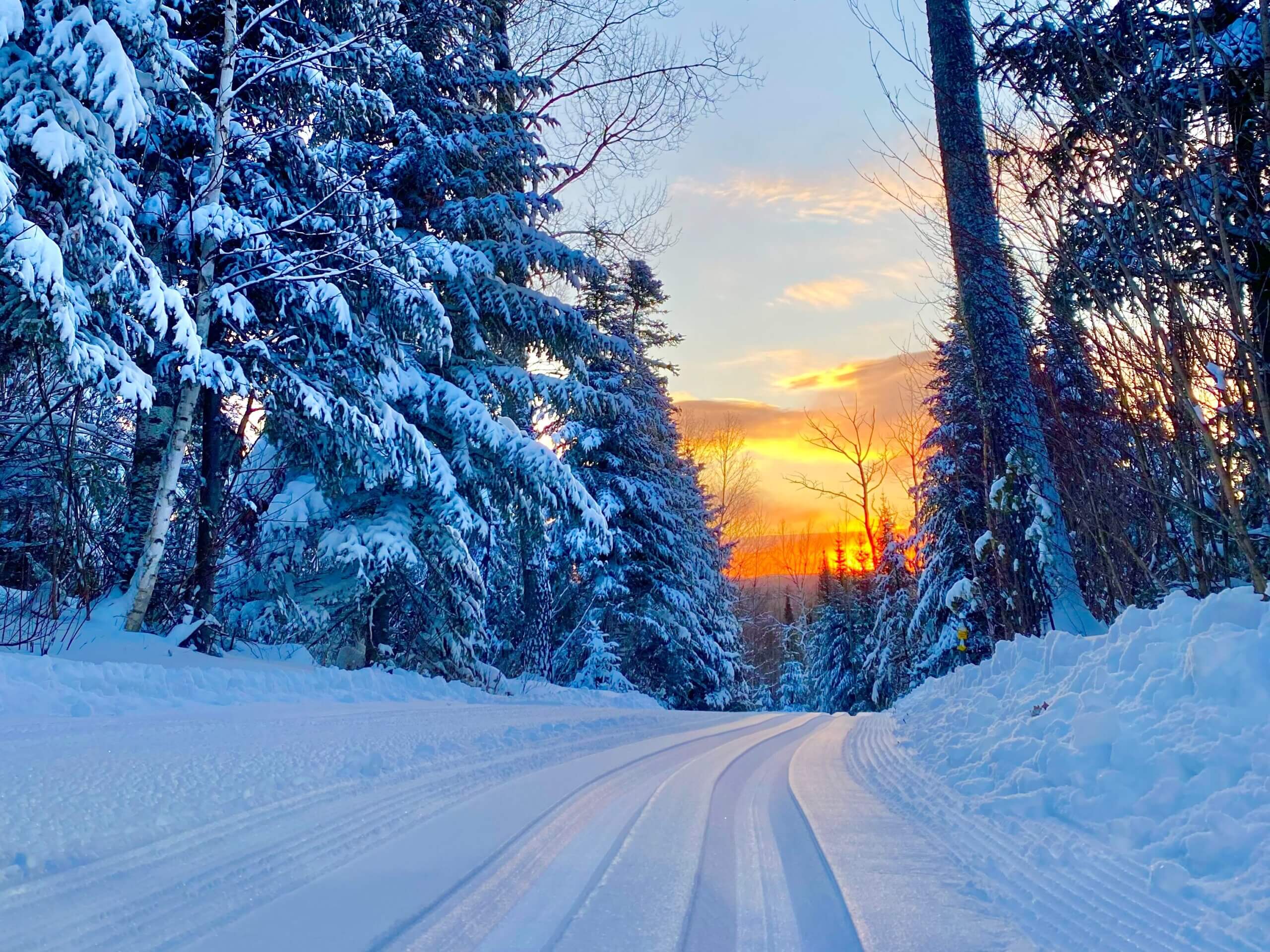
Dawn, Appleton Farms, Ipswich, MA. Credit: NSNA

The Make More Tracks Resource Guide and series of articles in each issues since October was conceived to provide readers of SeniorsSkiing.com with information to expand their options in the winter of the pandemic. It was intended to provide info and perspectives about mostly XC skiing.

As someone who dreamed about skiing as a little suburban boy and has skied since high school, I’ve found that mixing my snow sports is a great idea for my body and mind.  It appears on first look that XC skiing is “too much work” compared to riding the lift and pointing down to let gravity take the effort. The fact is that XC skiing can be done at any individual’s pace that is comfortable. You can avoid the uphill trails, you can ski for as long as you like, you can rent equipment at a XC ski area where the trails are groomed, tracked and maintained regularly, and you have many other options with XC skiing. The physical, psychological, and spiritual wellness association with XC skiing are simply undeniable.

Snowy day in the Lincoln Woods.

The folks who produce SeniorsSkiing.com felt that the pandemic would impact the alpine skiing experience.  Even though the vast majority of readers of SeniorsSkiing are not into XC skiing, it was assumed that perhaps this would be the year that alpine skiers would consider trying it. The statistics at the national Cross Country Ski Areas Association tell us that all the XC ski areas saw many alpine skiers trying XC skiing this year. We hope that Make More Tracks played a part for SeniorsSkiing.com readers to decide to try XC and that they had a new and meaningful experience, one that will continue for years to come.

As the SeniorsSkiing.com Cross Country Ski and Snowshoe Editor, I want to thank Mike Maginn, Jon Weisberg, and Jonathan Wiesel for their wisdom and roles in producing the Make More Tracks Resource Guide and article series for the readers of SeniorsSkiing.com.

So, next winter on a sunny day in the high teens or low twenties, consider dressing lightly, visiting a XC ski area and go experience natural outdoors on XC skis. You’ll be glad that you did!


Editor Note: Visit Roger’s XCSkiResorts.com to learn where you can stay and XC ski in delightful inns and lodges across the US.

Make More Tracks: Favorite Nordic Centers In Colorado

Small Ranch Resorts And Large Scale Nordic Centers Span The State.

[Editor Note: This article by Pete Wilson first appeared in The Nordic Approach.] 

In this state of mile-high life, opportunities to elevate your outdoor activities abound. Taking a page from the book of their Alpine resort neighbors, these cross-country ski areas center their offerings around the spectacular peaks of the southern Rockies—though in a slightly different way than downhill does it. Rolling and widely varied terrain lets Nordic skiers, fat-bikers and snowshoers work their way up and around some of the countries most magnificent slopes, giving them access to exclusive vistas, and breathtaking drops on the way back down. A combination of small ranch-resorts and larger scale Nordic Centers, the ski venues surveyed here span the breadth of Colorado’s natural bounty and the various adventures it has in store. For explorers of every age and inclination, if you’re Colo-ready, Colorado awaits!

ASPEN SNOWMASS NORDIC CENTER

Recognizing that Nordic skiing is something so incredible that everyone should have access to it, the volunteer board which oversees Aspen Snowmass works hard to maintain it as one of the largest free trail networks in the country. This awesome array of routes connects three towns—Aspen, Snowmass, and Basalt—and their respective trail networks into one massive adventure waiting to be had. Start from any of the towns, or from either of the two Nordic centers (yes, two!), and perhaps go check out the view from Buttermilk Ski Area, or continue on the trail for lunch in Aspen village, or simply cruise to your heart’s content. Plan your outing here!

GOLD RUN NORDIC CENTER

As its name suggests, this Breckenridge destination really is a gold mine for fun-seeking families. The skiing is excellent—30 km of beautifully groomed trails for both skate and classic skiing. Beyond that though, this nugget of a Nordic center boasts 15 km of dedicated snowshoe trails, a full fleet of fat bikes for rental, sleigh rides and more! Learn more about all of Gold Run’s golden opportunities, along with its punch pass system and ticket deals here!

KEYSTONE NORDIC CENTER

Just outside of Frisco, this humble Nordic Center promises memorable experiences for the whole family. For the seasoned skier, Keystone’s nine miles of trails combined with the adjoining White River State Park’s 35 miles offer thrillingly hilly fun. For dedicated snowshoers, the Perimeter Snowshoe Trail gives a wholly different perspective of area, taking you deep into the Keystone backcountry. And for the littler ones, a safe-yet-stimulating tubing hill is just a short walk from the lodge, where kids can do loops sledding down and hiking up for days. For the grown-ups, be sure to wind up back at the Nordic Center bar for some après-ski sips after your outing. Read about all of Keystone’s excellent amenities here!

VISTA VERDE GUEST RANCH

A smaller trail system of predominantly meadowy and gently hilly terrain, Vista Verde is geared towards getting their guests out on snow for their first times. And for this purpose, the place is perfect. A dedicated staff of Nordic pros will outfit Ranch guests with well-fitting, complementary equipment, and then give careful instruction, gentle advice or guided ski tours as you require. Trails loop across sprawling fields, over babbling brooks, through the aspen stands, and all the way back to the Ranch—where, it might go without saying, excellent lodging and fine-dining fare are to be readily found. Learn more, and book your trip, here!

HOWELSEN HILL

Owned and operated by the city of Steamboat Springs, Howelsen Hill is renowned as America’s oldest operating ski area—and though its most famous for its Alpine creds, this little mountain has some serious Nordic terrain. With 21 km of widely varying trails, ranging from flats to fairly intense climbs and drops, Howelsen’s adds a bevy of possible activities to your next Steamboat trip. Learn more here!

BRECKENRIDGE NORDIC CENTER

Just a few minutes’ drive from downtown Breckenridge, this family-oriented Nordic center has been granting visitors access to thousands of acres of the area’s most picturesque terrain for almost half a century. Not only do 30 km of well-cared-for trails wind their way up to above 10,000 feet elevation, stopping at two hand-hewn “destination huts,” but the Center offers group tours of the same terrain from the warm comfort of glass-enclosed snowcats. After you’ve made it up to the continental divide and had a little break in one of the warming huts, be sure to circle back to the Lodge for happy hour and a hearty bowl of soup! Learn more about this unique Breckenridge destination here.

FRISCO NORDIC CENTER 

Conveniently located just outside downtown Frisco, this high-altitude Nordic Center has something for every skier. Work your way up to the summit’s panoramic views of the Breckenridge region, or tootle around with the kids on the flatter, but no less fun, beginner’s loop. Plus, for even more kid-friendly activities, just down the road is the Frisco tubing hill and beginner’s ski hill. With 27 km of crisply groomed trails though, there’s more than enough adventure on the Center’s spacious land. Learn more here!

CRESTED BUTTE NORDIC CENTER

A gem of Colorado Nordic skiing, the Crested Butte Nordic Center’s super-convenient downtown location lets users hop on the trails without any driving—just walk from your home, hotel, or VRBO! In minutes you can be geared up and out on over 50 km of world class terrain. While skiing in Crested Butte, be sure to stop in at the trailside Magic Mountain Yurt for a chef-chosen dinner menu. The mile route to the yurt is lit by solar lights, so you can easily ski or snowshoe out for an exquisite and absolutely memorable meal. See why some call Crested Butte the Nordic Capital of Colorado here!

DEVIL’S THUMB RANCH

Ranked the #1 Cross-Country Ski Resort in the country for two years running by USA Today, this luxury Ranch’s Nordic terrain is a sight to behold. With 120 km of expertly maintained trails winding their way through the foothills of the continental divide, there is something to wow skiers of every skill level. The resort’s in-house outfitter, Zach’s Mercantile, offers a full range of skate and classic Nordic equipment for rental or purchase. Plus, a team of world-class Nordic instructors stand ready to give visitors and guests all the instruction you need to have the best possible ski experience. Check out this wondrous Colorado destination here!

SNOW MOUNTAIN RANCH

Tucked well up in the Rockies, a ways West of Denver, Snow Mountain Ranch cares for over 5,000 acres of pristine Colorado ski terrain. At 9,000 feet in elevation, it’s not called Snow Mountain for nothing—averaging around 200 inches per winter, which bring dependably fantastic conditions to all of the Ranch’s 120 km of trails. If you’re not too busy exploring the endless ski adventures, be sure to check out the tubing hill and the ice rink—and to grab a yummy bite at the Skinny Ski Café! Whatever you decide to do, you can’t go wrong in this unique winter wonderland. Learn more here.

LATIGO RANCH

Continuing the proud Colorado tradition of guest Ranches with excellent cross-country ski terrain, Latigo Ranch has centered their winter programming on their stellar backcountry and Nordic terrain. And with 50 km of beautiful trails, meticulously groomed for both skate and classic, plus another 200 square miles of deep powder perfectly suited for backcountry skiing, its easy to see why. Luckily for us, these wonderful trails are open to the public. If you do go for a day trip, consider booking a lunch or dinner reservation at Latigo’s elegant-Western restaurant. You can find more information about this secluded ski destination here!

TELLURIDE NORDIC ASSOCIATION

Bringing together the impeccable ski terrain of six different areas, the Telluride Nordic Association (TNA) maintains and gives users free (though donations are encouraged) access miles upon miles of gorgeous cross country trails. Ranging from the dog-friendly hills of Priest Lake to the classic-skiing-only River Trail, perfect for the Nordic tourer, TNA has something for everyone. Their Nordic Center in downtown Telluride also offers top of the line rental equipment, tuning services, and lessons. You can even ask about multiday rentals, to keep you going during your whole stay in Telluride! Learn more here.

ELDORA NORDIC CENTER

Branching off to the left of Eldora Mountain’s alpine trails, the Nordic Center’s 40 km of wide, well-groomed thoroughfares show off all that the mountain has to offer, albeit from a different perspective than the chairlift-accessed terrain. Winding through old-growth forests, alpine meadows and alongside big-mountain viewpoints, these trails are sure to get your blood pumping and your senses stimulated. With the added amenities of Eldora’s on-mountain restaurant, bar and smoke shack, you can easily make any outing on these excellent trails extra memorable. Plan your adventure here!

TENNESSEE PASS NORDIC CENTER

A dedicated Nordic ski hub, Tennessee Pass takes a classic Alpine ski lodge approach to cross country. 30 km of trails extend out from a central building furnished with all the Nordic and Nordic-related equipment you could want available for rental and purchase, a bar and restaurant, and a spacious sunny deck on which to relax. The trails themselves are excellently maintained and vary in difficulty from beginner flats to expert climbs. Just to add to the magic of this place, Tennessee Pass has a collection of off-the-grid sleeping yurts available for group or individual rental.

ASHCROFT SKI TOURING

A bit of an oddity in the ski world, Ashcroft Ski Touring is a ski center that doubles as the Pine Creek Cookhouse restaurant. At Ashcroft, you can peruse the 35 kilometers of stunning Aspen wilderness by day, and by night peruse the mouthwatering entrees that the locally-sourced, chef-driven restaurant has to offer. In addition to the Cookhouse, this wondrous trail network also makes stops at three different warming huts along its gorgeous loops. Be sure to check out their especially awesome all-inclusive tours—which cover trail fees, rentals and a delicious meal. Learn more about this wonderful aberration here!

Make More Tracks: Favorite Nordic Centers In The Northwest

Cascadia Contains Cross-Country Resorts Close To Metro Areas.

[Editor Note: This article by Pete Wilson first appeared in The Nordic Approach.] 

The Pacific Northwest of the contiguous US is a wonderfully strange bit of geography. The Western edge is home to the fjord-filled Pacific Coast, where long beaches and towering seaside rock formations make for otherworldly getaways. Go the other direction, East and inland, and the mountains await. The Coast, Cascade, Olympic and Columbia mountain ranges boast massive snowcapped peaks and thick, lush temperate rainforests at the lower elevations. All this is to say that the landscapes of Oregon and Washington are utterly unique, with highland regions that turn quite alpine in the winter months. A smattering of excellent Cross Country ski venues dots this snowy swath of Cascadia, which all offer a Nordic experience unlike any others. At these awesome centers, you can cross glaciers, gaze upon craggy horns of ice, bob beneath the snow-laden branches of ancient redwoods—all within driving distance of the bustling metropolises of Portland and Seattle, and the thriving maritime world of the coastline.

Methow Trails
METHOW TRAILS

With a staggering 200km of well-maintained terrain sprawled along the majestic Methow Valley, the Methow Nordic Ski Trail System is at the pinnacle of Pacific Northwest adventure. Not only do the near-endless trails (which are designed for fat biking and snowshoeing as well as skiing) wind their way to some breathtaking vistas and natural features, they incorporate plenty of climbs, drops and flats fit for skiers, bikers and shoers of every stripe and skill level. Bookended by the twin towns of Winthrop and Twisp—and yes, the town of Twisp exists, and is an awesomely artsy destination in its own right—visitors to the Methow valley will find plenty in the way of libations, delicious meals, and warm hospitality.

LEAVENWORTH WINTER SPORTS CLUB

Cradled in the heart of the Cascade mountains, this one-of-a-kind winter sports club offers everything from Nordic skiing, sledding and tubing to alpine skiing and fat biking. This wintery wonderland as all the infrastructure needed for such a slew of activities: two groomed ski hills serviced by rope tows, 26 kilometers of pristinely groomed Nordic terrain, dedicated Nordic trails, and even a 27-meter ski jump are all available to make lasting memories for Leavenworth visitors. With trail passes starting at $14, be sure to check out this Washington gem whenever you’re in the area.

Leavenworth Winter Sports Club
49 DEGREES NORTH NORDIC CENTER

Tucked away in the far Northeastern corner of Washington (as the name suggests), 49 Degrees’ gorgeous Nordic network expands out from the Cross Country Center, a large yurt with a spacious deck that overlooks the trails and ski school area. From there, 25km of wide, well-groomed trails roll along into hundred-year-old forests, crisscrossed by narrow snowshoe paths. A full rental lineup and certified ski instructors stand ready to make ski days special for skiers of every ability.

MT. BACHELOR NORDIC CENTER

Considered one of the premier Nordic centers in Oregon, Mt. Bachelor is a fully decked out Cross Country Ski Shop, with the ski terrain to match. Almost 60 km of widely varied terrain wind around the base of the big peak, offering stunning views of the snowcapped, glacial peaks, leg-burning climbs and heart-pumping drops. For those looking to get some off-season training or free skiing in, it is worth noting that Mt. Bachelor has the longest groomed Nordic season in North America.

Tea Cup Nordic
MT. HOOD MEADOWS NORDIC CENTER

Perched at the base of Mt. Hood, the Meadows Nordic Center takes full advantage of the excellent snow conditions it inherits from the glacier looming above it. 15 km of groomed and set track wind through woods and across meadows with Hood poised as a picturesque backdrop behind it. For a perfect blend of big mountain views with small ski center accommodations and attention to detail, be sure to swing by Meadows if you are in the Bend, OR area.


GiantsRidge_OldSawMedia-9369

Make More Tracks: Top Nordic Centers In The Midwest

Here Are Five At The Top Of The List.

[Editor Note: This article by Pete Wilson first appeared in The Nordic Approach, the site of the Cross Country Ski Area Association.]

Midwest terrain is ideal for cross-country skiing.

Generally speaking, the midwestern states make up an overlooked bit of the country—literally, the fly-over states. And sadly, this wild misjudgment often extends to the world of outdoor activities. It’s easy to think of the old woods of the East and the vast mountains of the West as focal points for things like Nordic skiing; in truth, the Midwest is chock full of world-class country ski terrain and culture. Between the region’s breathtaking plains and dense rolling woods, working fields and forgotten valleys, it offers ample opportunity for amazing winter exploration. Below are some of our favorite Nordic centers in the Midwest, all of which combine a warm plains-state hospitality with unique and visit-worthy trails into your next ski destination.

ABR TRAILS

Tucked on the Western edge of Michigan’s Upper peninsula, almost in Wisconsin, the family owned and operated ABR Trails (Active Backwoods Retreat) takes full advantage of the Lake Superior Snowbelt in which it sits. Over 60 km of expertly groomed trails climb, drop and meander along the nearby Montreal river, reaching the heights of Blueberry Bluffs and the Hautanen Highlands and the lows of Coyote Canyon. In order for every skier to easily find the perfect route, trails are divided into loops that each offer a different level of difficulty. ABR’s professional staff (whose grooming skills are so honed they host clinics on Nordic trail building and grooming) stand ready to set you up with gear, advice, warm beverages, and whatever else you may need to keep exploring their nearly endless terrain.

ABR
GIANTS RIDGE

Originally designed as a training facility for Olympic skiers, it is no surprise that Giants Ridge towers today as a pillar of world class skiing. With over sixty kilometers of meticulously maintained trails expanding in broad loops over the hills that stretch out westward from Lakes Wynne and Sabin, memorable skis are guaranteed. Combine their epic terrain with the reliably snowy Northwoods winters, and it is quickly clear why Giant’s Ridge remains such a prized destination. Backed by the indulgent amenities of a large resort, Giant’s has a near endless array of activities, lodgings, and meal options ready to make create a unique ski getaway for every guest.

MAPLELAG RESORT

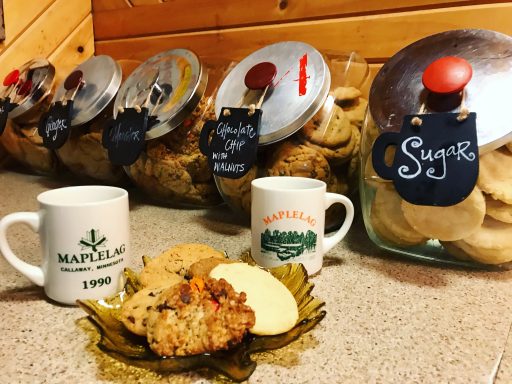
It is not often you strike upon a resort that places cross country skiing at the heart of its guest experience. Originally a maple sugaring operation, Maplelag has converted their 600 acres to pristine ski terrain, while the various buildings on the property now accommodate upwards of 200 guests. Boasting 64 km of trails flanking the frostily picturesque Little Sugarbush Lake, two onsite saunas, and a half a dozen uniquely comfortable lodging options, this erstwhile outpost updates the best Nordic traditions with Minnesotan hospitality and North American grandeur. The last chunk of forest before the Rockies, Maplelag is well worth a stop on your next trip to the Northern Midwest.

 
SOLBAKKEN RESORT

Nestled along the north shore of Lake Superior, midway between the winter sport hot spots of Lutsen and Grand Marais, Solbakken Resort’s sprawling, snowy playground awaits skiers, snowmobilers, and fat bikers alike. Consisting of 58 km of their own excellent trails, plus several hundred miles of connected trails this northerly play area promises endless adventure and a bottomless supply of what the Norwegians call Hygge—“well being.” With lodgings that run the gamut from motels to luxurious lakeside cabins, there are comfortable accommodations fit for individual skiers, fun-loving families, and couples looking for a romantic retreat alike.

GOLDEN EAGLE RESORT

Sitting both smack dab on the stunning Flour Lake and alongside the famous Gunflint Trail, Golden Eagle Resort is a well-situated gem buried deep in the wilds of Superior National Forest. The Resort’s real claim to fame, though,is its part ownership of the Central Gunflint Ski Trail System. This behemoth network of over 70 km of excellently groomed trails offers climbs to some of Minnesota’s loftiest peaks, and the spectacular views to match. Golden Eagle also maintains a small lighted loop for skiing after dark—on which, if you’re lucky, you might see the northern lights dancing in the night sky.

Make More Tracks: Corrugation For Groomed Trails

The Technical Reason Why Ski Trails Are Corrugated.

Freshly groomed XC trails last longer. Credit: North Shore Nordic Association

[Editor Note: This article was written in collaboration with Auguste Lockwood, Yellowstone Track Systems.]

Interest in winter recreation promises to grow phenomenally in winter 2020-’21, despite—or because of —COVID-19, and a lot of us are looking forward to more friends and families on more and better groomed trails.

One of the subtle, unsung, but vital elements of high-quality (read “fun”) cross-country ski, snowshoe, fatbike, and snowmobiling grooming is corrugation. You’re probably familiar with metal or plastic corrugated panels that increase strength and rigidity for roofs and siding. Those same qualities apply to trails, where consistent, durable, beautiful surfaces are essential for skiers, snowshoers, and riders as well as groomers. 

If you’re interested in either producing or using high-quality trails, first thing to know about corrugation is something about the physics of snow. Corduroy —that’s the grooming version of corrugation —has peaks and troughs that create minute pressure differentials. These differences promote the movement of free moisture up through the snowpack to the tips of the peaks, where evaporation is accelerated by increased exposure to cold air.

The phenomenon of “hot moves to cold” describes the movement of moisture from a warm material to a cold one, like condensation on a cold drink on a hot day. Corduroy increases the surface area of the trail, exposing more snow to the air where moisture transfer can happen.

Corduroy creates a strong, stable surface if it’s in place long enough before being used. In addition to faster set-up time (“mechanical age hardening”) and increased snow metamorphism, the triangular shape of the individual ridges adds strength and stiffness. Ideally, corduroy peaks form a thin glaze that extends about 1/3rd of the way down the trough, in effect building a little ice cap. With a well-distributed load, these caps are the first defense against trail flattening, friction, and melt.

En masse, these caps are extremely strong, easily holding the weight of a skier, fatbiker, etc., leaving virtually no damage or even marks. Once the caps or tips fail, the upper half of the ridge is fairly soft, but the layer just above the trail base (about 1/4 inch high) remains extremely strong.

This slightly ridged trail can last for days or weeks under the right conditions. A ridged trail sets up faster, bonds harder, and lasts longer than a flat trail.

Fat Biking On Corduroy

Fat biking promises to become a major winter sport that complements cross-country skiing and snowshoeing, and it’s new enough that grooming for it is a little mysterious. Groomers’ knowledge about any of these sports can help create a premium product for the others.

With the widely-spaced lugs of a fat bike tire, there are two types of interaction with the trail: the lugs, and the smooth rubber of the tire. A corduroy surface makes for a better riding experience by providing consistent traction. With corduroy, tire lugs fall between the peaks of the ridges, allowing the smooth rubber to evenly distribute pressure between the tips of three to five ridges at a time.

Lugs that contact the ridges will crush the snow, digging in and providing lateral traction, while the lugs between ridges grab the edge of a ridge and provide lateral traction, without damaging the trail. This creates a superior surface, as an increased number of ridges per foot of the grooming comb has several advantages.

One advantage is increased surface area, decreasing setup (consolidation) time. Another is more surface contact with a tire, since with widely spaced ridges, the tire will only be contacting a couple of ridge tips, increasing the pressure on the tips and breaking them. In contrast, on a smooth trail, tire lugs either don’t penetrate enough if the trail is too firm, thus reducing traction; or they’ll penetrate the top surface of the trail, until the weight is transferred to the smooth rubber of the tire.

The ideal density can be hard to achieve—too hard and there’s not much traction, too soft and the weight of the rider will crush the top layer of trail, creating a weak spot.

Finally, from an aesthetic point of view for fat biking, really good corduroy leaves a small line of snow on the tire. So while riding, there are three or four (depending on tire width) thin white lines that circle the tire. This produces a mesmerizing pattern on the wheels to watch on your front tire or on the back tire of someone you’re following. The lines run longitudinally around the tire if you’re going straight, but you can zigzag and make cool patterns as they interact with the regularly spaced lugs while turning.


Make More Tracks: “Tasty” Three Forks Ranch

Luxury Ranch Includes Gourmet Food And Outdoor Sports.

I’m a winter guest (or “dude”) ranch specialist – ski at them, write about them, consult with them, love them. Which is a little ironic because when you think “ranch,” you probably also think “horses!” – but I’m a wondrously inept horseman, whatever the season.

I’ve been lucky enough to visit maybe 50 guest ranches in the West, including a bunch near downhill resorts in Colorado, Wyoming, Idaho, and Montana. So it was intriguing but not a huge novelty some time ago to get a writing assignment about Three Forks Ranch, some forty miles northwest of Steamboat Springs, Colorado, along challenging narrow roads.

I came home gushing, totally out of character for a reserved New Englander. Here’s a whole string of adjectives about Three Forks that might sound ludicrous but are absolutely true—“vast,” “majestic,” “exquisite,” “tasty,” and on and on.

“Tasty”? Ohh yes, when there were multiple professional chefs (head, sous, pastry…? – I’m a gourmand, not a gourmet) under the command of an Executive Chef. The ranch serves no more than 30 guests (probably fewer in winter) – something better than a 3:1 ratio of staff to guests.

The majestic but graceful 35,000 square foot lodge, which opened in 2008, offers not just fabulous dining – my experience was three or four dinner entrées, vegetarian options, two desserts (you can have both; I did) – but also wine tasting and cooking classes in making delicacies such as chocolate truffles. In fact, the chocolates set on your pillow are made in-house. It’s pricey (from $1,695/person/night); it’s worth it.

The lodge-and-spa is the centerpiece of the more than 200,000 (no typo!)-acre getaway, in the midst of the Sierra Madre mountains. You can fly to airports in Wyoming and Colorado and take a guided snowmobile tour on 100 miles of private groomed trails the same day. Other options are guided trips on 50 kilometers of groomed cross-country ski trails – starting virtually outside your door – as well as snowshoeing, dog sledding, and sleigh rides where you’re wrapped in warm furs and can sip hot toddies.

I didn’t try them but there’s also private snowcat skiing and ’boarding (1,100’ vertical), tubing, snowshoeing, and ice fishing – no lift lines, no crowds

The bar with art work. Three Forks has been called “A Ritz with an art collection”

St. Louis businessman David Pratt bought the spread in 1999. Pratt out-bid developers who wanted to subdivide the working cattle ranch, and then he commissioned restoration of 16 miles of the Little Snake River – a huge project that has made it into one of the most productive fisheries in the Rockies. Three Forks as evolved into a world-famous fishing and hunting destination. As a former manager told me, “There’s just not more that you can do outside in Colorado on one property.”

There’s really no typical winter day at the ranch – instead they’re tailored to your wishes. Judging by my experience (after visiting more than 200 resorts in North America), Three Forks is an off-the-charts winter attraction, with superb recreation, setting, facilities, and staff. And did I mention the food? Sumptuous accommodations? Super-nice people?

The lodge is the ranch signature piece, the epitome of elegance. At the same time, it’s an imposing building, starting with the high-roofed porte-cochere and leading to the Great Room, with a 40’ ceiling. There you’ll find an autographed 1866 Steinway grand piano built of silky polished woods – one of the two in the world of this model. (No, I didn’t bang on them keys. Now if they’d had a house Stradivarius, as an ex-violinist…)

The lodge interior is a marvel. Walls are paneled with flawless American cherry wood and imported Russian Pine, a rare knotless wood. The 6,000-square-foot spa downstairs offers massage, body treatments, and an indoor/outdoor swimming pool. There are 15 luxurious bedrooms and suites, dining, conference space, and a fitness room.

I heard one visitor call the place “Ritz-Carlton on a ranch, with an art collection” – a fun summation. The art collection was a unique melding of dominant Western with Oriental, including some pieces from the Ming dynasty. Among the more recognizable artists were Charlie Russell and Frederic Remington, though there were also paintings and bronzes by almost -contemporary artists.

Outside the lodge you’ll often see elk grazing among life-size bronzes of fishermen and Ute Indians, adding still another dimension to the remarkable winter experience that’s Three Forks Ranch.


Make More Tracks: Nutter Butters And The Tour Of Anchorage

Joining A Race Without Training? Hey, It Could Be Fun.

Ski the TOA. Race? Fun? Both? Up to you. Credit: Anchorage Daily News

In this strangest of times, I think back to the great and diverse and sometimes unorthodox adventures I’ve had cross-country skiing. And although I haven’t competed often, there was this one time, some years ago…

As I understand it, you’re supposed to train for a major race. Seems sensible, right? But sometimes it just doesn’t work out that way.

Chalk it up to an uninspiring winter in the Rockies or maybe just a lazy streak, but I didn’t bother to prepare for the Tour of Anchorage. Didn’t train, hardly skied, ate too well; then flew up to Alaska at the end of February, did a little track skiing. Lay awake the night before the race, thinking: “Hey, my first marathon! I’ve never done anything longer than 25 kilometers. I’ve skied three times since prepping skis. What am I doing?”

As it turned out, what I did was have the time of my life. First, you can’t help but love Anchorage—150 km of groomed trails, maybe a quarter lit, eight mountain ranges visible on a good day, and incredible hospitality. There’s a large and dedicated racing community, from kids to Masters, represented by the Nordic Skiing Association of Anchorage is one of the most active XC clubs in North America. Their Alaska Ski for Women (held on Super Bowl Sunday) is the most popular all-women XC event in North America.

The Tour of Anchorage rings the city with a choice of distances.

The Tour of Anchorage is actually four point-to-point races, 25 km classical and 25 km, 40 km, or 50 km freestyle. The longer distances begin on one side of the city and go through the center of town—strange and wonderful to pass through birch and spruce forest, over roads streaming with traffic, and along the ice floes of Cook Inlet.

I chose the 50 km (don’t ask). Luckily the day was perfect, starting off cool with great snow, air crystalline, so we had great views of Denali.

I was saved by four things. First, at home I lived at 8,500 feet, so Anchorage’s altitude was an oxygen-rich dream. (Highest point on the trails is around 1,000 feet, lowest is four feet below sea level.) I got tired enough to do several face plants in the last 15 km, usually at conspicuous spots (why does that happen?), but never ran out of breath.

Second, friends who’d skied the race said to take it easy on the first ten kilometers because that’s where the hills are. Right! They’re not very prolonged, but a lot of up and down. You finish the Tour with a longish uphill in Kincaid Park (weirdly wonderful to see moose on these trails and jets flying low overhead).

Racing fuel.

Third, I carried several packages of Nutter Butters. They tasted good from the beginning, better as I got more tired. 

And last, people made all the difference between dropping out (which was a definite possibility) and finishing—not graceful but grinning. Race volunteers kept us hydrated and full of cookies and enthusiasm; spectators yelled us on; other skiers were inspirational, like the guy who broke a pole in the first series of hills and just kept going. (We passed one another at least a half-dozen times; I stuck around the finish area to give him an exhausted cheer.)

Best of all, I talked with two people who’d skied the Tour before, and they slowed down to give me an emotional lift. Without that, they’d probably have finished in the middle of the pack instead of waaay back. (My time was 4:04:20.6, 276th out of 292 male finishers. My pre-race fantasy had been 3:45.)

So what do you do when you’ve finished a 50 km, are staggering around beaming groggily, and one of your kind hosts takes you back to your hotel? I’d hoped to attend the awards banquet but slept through it; grabbed a late dinner; headed back to bed, and flew home the next morning, stiff but not hurting.

I’d love to ski the Tour again, with a few changes. Like about two consecutive months on skis, distance training, a much higher general fitness level, and hotter skis. But there’ll still be Nutter Butters.     

Anchorage Convention & Visitors Bureau is a great resource on the region. My favorite place to stay is Copper Whale Inn, a snowball’s throw from the Tony Knowles Coastal Trail and with 80 mile views over Cook Inlet.

The Tour of Anchorage is scheduled to be held on Sunday, March 7, 2021.  Plenty of time to train.

Choice of 25, 40, and 50 km and classic or skate races at the TOA. Credit: Anchorage Daily News

Make More Tracks: Milestones In XC Skiing

From Wooden Skis, Wax, And Pine Tar Bases To High Tech Equipment in 50 years.

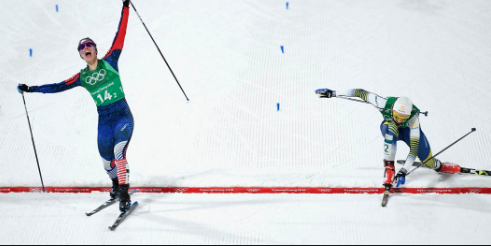
Jessica Diggins with  Kikkan Randall win first Gold Medal for US XC in 2018, making Americans serious competitors on the international racing scene.

Since the time that wooden skis were found in a peat bog in Sweden dating to 2,000 BC, there have been many milestones that brought XC skiing to where it is today. In the USA, the forefathers of cross-country skiing include people like Snowshoe Thompson, who delivered the mail in the Sierra Mountains of California and Jack Rabbit Johannsen, who XC skied in northern New York.

Before around 1970 or so, XC skis were wooden, required the right wax combination to work on the snow, and bases had to be prepared with pine tar “melted” in. Since then, the XC world has experienced enormous growth and change.  The editors of XCSkiResorts.com, using various sources, considered this recent history and development of the sport and created this list of the Milestones of Modern XC Skiing in the USA in rank order of significance:

Waxless skis with fish
scale bottoms made skiing simpler. (Credit: Tahoe Trail Guide)

1. Development of synthetic XC skis in 1974.

2. Development of the waxless based ski in the early 1970’s, most notably the Trak ski with synthetic fish scales on the ski base to eliminate the need for ski waxes. The waxless base gave the recreational skier grip on uphill travel while also allowing gliding downhill.

3. Integrated XC ski binding systems, which provided substantial improvements in simplicity of boot/binding interface and control in the mid 70’s.


Bill Koch started skating on XC skis in the Olympics and changed the sport. Credit: ISHA

4. Olympic and World Cup successes, like Bill Koch who won the Olympic silver medal in 1976 and World Cup in 1982, the first American to ever win at that level. The Nordic Trak exerciser used the Koch image as a fitness icon in advertisements for years. In 2010, there was US Olympic medalists in Nordic Combined, and in 2012 there was a World Cup winner in women’s sprint.

5. The onset of the commercial XC ski area concept began in 1968-69 at Trapp Family Lodge. This brought designed, groomed, and maintained trails making XC skiing easier and safer for the average person.

6. The skating technique proliferated, creating a faster paced and higher performance form of recreation.

7. Revolution Skis developed by Fischer led the way to shorter skis which were easier to use and consolidated ski sizing and simplified ski selection.

Vintage Mother Karen XC jacket made of synthetics came out in the 80s.

8. New lighter clothing with synthetic and breathable materials was more conducive to XC skiing comfortably; company brands such as Mother Karen led the way in the late 1970’s.

9. Other technological advances such as the 2 Wax System that offered one wax for cold temperatures and one for warm temperatures simplified ski waxing, while the BackCountry binding systems provided a beefed up boot/binding system that provided substantially more support and control for backcountry recreation.

10. The Nordic Integrated System (NIS) developed in 2005 has changed the ski/binding interface.  This system combines the ski and binding at manufacture rather than at the retail store. NIS plates were affixed to the ski by the manufacturer and the binding was slid onto the plate rather than screwed directly into the ski.

The changes in XC skiing in the last 50 years has been explosive and exponential, compared to the 4000 prior years. What’s next? Better binding-ski-boot systems, warmer-adaptable clothing, improved grooming, and more resorts catering to the sport.


Make More Tracks: Jackson Hole Nordic

States Of Euphoria

More than great, these are superb conditions. Credit: Teton Pines

The week before Christmas, 1980, I drove west from Cody, WY, through the rugged Absarokas, over Togwotee Pass, dropping into the northeast corner of Jackson Hole, then south to the town of Jackson. Deep fresh snow covered the landscape, with occasional bison, moose, and coyote tracks crossing broad meadows. The road parallels the Snake River. So do the Tetons, which tower about 7,000’ above the river, with maybe the most spectacular skyline of any mountains in the Lower 48

For the next ten years, I skied, hiked, ran, and biked on both sides of the Tetons on the western edge of the valley (“hole” in frontier lingo), the Absarokas, and the Gros Ventre and Hoback ranges to the east. It was a fantastic time to live there, working as one of the world’s first Nordic ski area consultants.

Watching Jackson’s explosive transition from a cow town to a resort region was a little alarming. Happily the surrounding country stayed pretty much unchanged because almost 97 percent of the region is federal land that won’t be developed. Yellowstone National Park is just north of the valley.

Jackson Hole is a special place for winter lovers. Part of that’s the beauty and the pristine quality of Grand Teton National Park; some of it’s the amount and quality of snow. But for Nordic skiers, maybe the main draw is diversity in that stunning setting. It doesn’t matter whether you’re a track aficionado or skater, tourer or telemarker, loner or family skier —there’s not just that sad cliché, “something for everyone,” but a lot that’s absolutely superb quality. Today you can find an online resource that introduces you to all things Nordic (including snowshoeing and fatbiking) in the Jackson Hole area: click here for JH Nordic. You can figure on 300 km of groomed trails in total regionally.

Movin’ and Shakin’

Perhaps the most influential XC player around Jackson has been a specialty shop, Skinny Skis, which provides high quality rental gear, retail equipment, and clothing.

There’s also a core of friendly long-time locals in town who’ve played a huge role in popularizing Nordic skiing. They’ve been coaches and racers, backcountry guides and Olympians, as well as people who ski non-competitively, just delighting in the outdoors in such a beautiful place. A lot of them are members of the Jackson Hole Ski & Snowboard Club, whose Nordic division has been grooming at Trail Creek Ranch since the late 1960s, at the base of Teton Pass.

Private Tracks

Teton Pines has 16 km of gentle golf course skiing, complemented by instruction, rentals, and guided tours with affable Nordic director Cody Downard.  (You’ll often find his photos in Cross County Skier magazine).

Grand Targhee Nordic Center, on the western slope of the Tetons, has 15 swooping kilometers of groomed trails. The resort is about a 75 minute drive from Jackson.

Open since 2014, Turpin Meadow Ranch is a relative newcomer locally but already has a national reputation. Anchoring the north end of the 50-mile Hole, they’re a complete destination—cabins and chalets, great food (check out the Bob Dylan photo in the lodge, taken at the ranch in the 1980s), amiable staff, and 20 km of groomed trails. The ranch is a little higher than most other regional skiing, but generally routes are on the gentle side in meadows and forest, though there are some climbs and thrills too, starting right behind the lodge. Dogs, snowshoes, and fat bikes are all welcome.

Public Trails

Jackson Hole doesn’t have interconnected trails on the scale of Sun Valley, Idaho, or the Methow Valley, Washington, but public trails are immensely popular locally—and they’re free.

As much as 30 km (and growing) of the Jackson Hole Community Pathways and Trails are groomed, some very close to town. Teton Valley Trails and Pathways, at multiple locations on the west (Idaho) side of the Tetons, is rapidly evolving into a destination. And Grand Teton National Park grooms almost 25 km of summertime road, with wonderful profiles of the Tetons to the west and no snowmobiles within sight or sound.

When you visit

Plan a week’s stay, or you’re depriving yourself of grand exploration. There’s also world-famous downhill skiing, dog sledding, the fabulous National Museum of Wildlife Art, sleigh rides on the National Elk Refuge, and recreational eating at dozens of restaurants (try Fish Creek Inn in Wilson for breakfast and The Blue Lion in Jackson for dinner).

My favorite lodging is the Alpine House,  a 22 room B & B that’s owned and run by Nancy and Hans Johnstone, both former Olympians. They’re still avid skiers with great stories about everything from international competition to climbing in the Tetons.

Could this be Nordic Heaven? Credit: Teton Pines

Make More Tracks: Tips For Getting Started In XC Skiing

This Might Be The Season To Get On Skinny Skis.

[Editor Note: This article first appeared in XCSkiResorts.com.]

XC in Mammoth Lakes, CA. Beautiful vistas are included free of charge.

Getting outdoors, going at your own pace, enjoying and sharing an outing with a friend or family member of any age, and getting some winter exercise are all good reasons for older folks to try XC skiing. You can have a purpose (fitness or reaching a destination) or a goal (getting out a few times a week, or attaining a number of times on skis a year) with your XC skiing. The sport is known to provide a level of calorie burning but it also is very helpful to combat various ailments including mental health such as depression and anxiety.

Tips for alpine skiers to have a positive introduction to XC skiing include:

  1. Go to a XC ski area with machine groomed trails (packed with tracks) for a consistent trail condition and introduction to XC. Refrain from starting to XC at the local park, trail, or golf course in your neighborhood.
  2. Use good light weight rental equipment. Boots should be comfortable and skis should allow good balance. Make sure it is not old equipment because the new gear makes it easier.
  3. Get a few clinics or lessons from a professional instructor. Don’t expect a friend or relative to know how to teach you how to XC ski. Basic skills include weighting one ski at a time, good body position, making the skis glide, and controlling speed when going downhill. They’ll also show you how to hold the poles correctly if the grips have straps which makes a big difference.
  4. Dress in layers with a synthetic base layer (underwear top and bottom), light gloves (not alpine ski gloves because they are too hot), shirt and overpants, light jacket (not alpine ski jacket and pants). Bring a bottle of water, headband, heavier gloves, etc.
  5. Go for a ski tour or outing less than 10 kilometers (5 miles) on a nice day (sunny and not too cold), which should be less than 2 hours.

There are some major differences between XC skiing and downhill skiing that include:

Skis are much narrower and the boots offer much less support compared to alpine skis. This requires more reliance on balance and weighting the skis rather than leaning on a big plastic ski boot.

The clothing issues are also significantly different as noted in the above tips. XC skiing creates heat for the skier and you don’t go as fast so there is less wind involved that makes you feel cold. You also do not sit on the chair lift, so less insulation is needed.

Take a lesson from a pro. Here’s balance practice. Credit: Weston Ski Track

On downhills, XC skis require an even weighting technique when snow plowing and it is recommended that you dominate the skis by making sure that weight is distributed to both your heel and the front of your foot. Rolling the ankles inward really helps to push the skis out in the snow plow (weighting the central part of the ski) so it slows down and allows control. Flimsy XC ski boots makes this more difficult but stiff boot should give more control. Twist the boot sole to compare the stiffness of different pairs of boots. On XC skis it is possible to go faster and out of control. In untracked snow you can burrow into soft snow and fall forward if too much weight is on the toes when snow plowing.

Longer poles have a different purpose in XC skiing as they should provide about 20 percent of forward momentum and are more than a turning cue as in alpine skiing except when you are turning the skis while going down hill.

The best suggestion is to avoid overdoing it—bring some chocolate treats, take in nature and winter scenery, and make it about more than skiing, and it can give you a quality experience and great memories. 

This Week In SeniorsSkiing.com (Nov. 20)

SPECIAL EDITION: MAKE MORE TRACKS!

Credit: Trapp Family Lodge

Focus On Nordic, Snowshoeing, Fat Biking: Rationale, The Market Forecast, Videos: How To XC, Snowshoe, Fat Bike, Hidden Gem XC Resorts, Lesson Advice, Mystery Nordic Star, Trail Preferences.

There’s more to winter besides downhill skiing. This issue will explore additional ways you can Make More Tracks.

Let’s be clear at the top: We love Alpine skiing, the thrill, the speed, the grace, and all that. We always will, so don’t think this Special Edition of SeniorsSkiing.com devoted to alternative winter snow sports is an abandonment of the mainstay that almost all of our readers have been participating in for years.

However, this year, we anticipate that while our readers will at first enthusiastically head to Alpine resorts, reserve online, gear up in their cars, mask up, social distance, eat a bag lunch, and all the rest, many will grow weary of those restrictions. Or become frustrated. Or not bother going at all.

But, since we know our readers love winter and snow, we also anticipate that they might be open to alternative snow sports that might be new to them or to which they may be returning. Like cross-country skiing and snowshoeing.  These are accessible, easy to learn the basics, affordable, safe (social distance built in), and good for body and soul.

Since the beginning of October we have been publishing a series of articles named Make More Tracks. These include instruction, resort reports, clothing advice, and the like.  In addition, we’ve compiled a Make More Tracks Resource Guide with a compendium of articles about the alternative winter snow sports, covering gear, destinations, technique, and how to dress, and much more.

Co-Publisher Mike Maginn on wooden skis, circa 1970.

We are dedicating this entire issue to Nordic skiing, snowshoeing, and Fat Biking. Hopefully, you will read something that might stir you to think about getting into other winter sports. We’ve been loving cross-country skiing since the early 70s. So much so that we still (occasionally) get out our wooden skis, wax, four-pin bindings, and take a loop around the farm across the street. On a bluebird day with perfect snow, the right wax combo, and a Heineken in your backpack, there is nothing like it.

ANNOUNCEMENTS

We are extending our special introductory classified ad offer until Dec. 4th. That means you can post a classified ad for 30 days from the date you post for just $1. We’re hoping you take advantage of this opportunity to find ski buddies, share rides, rent condos or apartments, and sell gear and collectibles.

We’ve been contacted by several readers who are frustrated by having to re-enter their name and email on the subscription pop-up. We know this can be frustrating. Here’s what you can do to eliminate the problem: TURN ON “ENABLE COOKIES” IN YOUR BROWSER ON EACH DEVICE YOU USE TO ACCESS SENIORSSKIING.COM. We’re working with our IT resource to make enabling cookies more clear as a way to avoid constantly re-entering name and email.

This Week

SeniorsSkiing.com’s cross-country editor and publisher of XCSkiResorts.com  Roger Lohr explains what XC means to him. Our thanks to him and cross-country journalist and consultant Jonathan Wiesel for their support and contributions to the Make More Tracks series. Click here.

Our Mystery Glimpse picture this week is a Nordic competitor who may be the greatest xc racer of all time. We predict some of our readers will get this one right away; others will have no clue. Such is the fate of Nordic celebrity in the snow sport world.  You will also learn the name of that odd parka from last week. Click here. 

“Au naturel” trail across Appleton Farms field. Credit: SeniorsSkiing.com

This week’s Question For You asks our reader’s preference for what kind of XC ski trail they like best: groomed and groovy or no grooming. Our choice is actually a little of both. Click here.

We have a short video about a cyclist making his first fat bike ride on a chilly day. We learned that keeping toes warm is a project. Click here.

Kelly Davis is a noted snow sports industry market researcher. We met her several years ago when she was director of research at SIA, the industry trade group. Currently, she runs Snow Sports Insights, a consulting company that brings information to decision-makers about the changing market place. Here’s her view of what’s happening this year in the Nordic/Snowshoe market space. Interesting stuff, and thanks to Kelly for allowing us to reproduce this article which first appeared on the Cross Country Ski Area Association website. Click here.

Credit: LL Bean group lessons

Snowshoeing is the easiest alternative for those who want to get outdoors in the winter without a learning curve or significant outlay of cash. It is also the most grandchild-friendly choice. Here’s a short video that explains the basics of How To Snowshoe from LL Bean. Click here.

Cross-country editor Roger Lohr offers his inventory of XC ski resorts that he considers “hidden gems”, tucked away from hustle and big areas. These resorts offer extraordinary opportunities to enjoy a socially-distanced vacation in snow country. Yes, you can! Click here.

Methow resort has lots of ways to make more tracks. Credit: XCSkiResorts.com

Cross-country journalist and consultant Jonathan Wiesel expounds on when and how you might take XC lessons: Group or private.  Trust us, we’ve been xc skiing since the 70s and we took a brief lesson last winter from a former Olympian and US Ski Team member Sue Wemyss at the Great Glens Trails Outdoor Center in Gorham, NH. Amazing how quickly you can improve your stride with a few simple moves. Click here.

For those readers who have never tried to cross-country ski or who might have tried to learn on their own, here’s a short video from REI that is a clear and really helpful guide on How To Cross-Country Ski. Click here

Finally, the Skiing Weatherman Herb Stevens explains how the winds of November will favor some regions and not others. Click here. 

Thank you for reading SeniorsSkiing.com.  Please tell your friends, and remember, there are more of us every day and we aren’t going away.

Appleton Farms, Ipswich, MA. Trails are groomed by a volunteer group. Credit: SeniorsSkiing.com


The North Crater

Make More Tracks: Craters Of Moon

Ocean Of Volcanic Lava Offers Awesome XC/Snowshoe Experience.

“[It is an] area of about 60 miles in diameter, where nothing meets the eye but a desolate and awful waste, where no grass grows nor water runs, and where nothing is to be seen but lava.” (Washington Irving, The Adventures of Captain Bonneville, 1868 )

The North Crater shows the jagged lava outcrops. Credit: NPS

Some things leave a lasting impression. I flunked geology my freshman year of college—just couldn’t figure out technical things like how to measure a geosyncline or why it matters—and consequently rejected the whole science for years. And then I found that in the right context, absorbing geology can be amazing fun. Aside from Yellowstone National Park, the place that’s had the most volcanic effect on my geologic viewpoint is Craters of the Moon National Monument and Preserve  in south-central Idaho.

I used to pass the entrance a couple of times a year, driving between Jackson Hole and Sun Valley, at 5,900 feet in the middle of high-desert seeming-nothingness. Hummocks, ridges, cones, lava and cinders don’t create an inviting landscape; in fact, formations are so moon-like that the Apollo astronauts studied geology there prior to their lunar landing.

Craters isn’t exactly a winter destination. There’s not a whole lot of temptation to stop because there’s not much sign of human activity; there’s no on-site lodging; the nearest restaurants, motels, and gas stations are some miles away.

Beautiful snowshoeing and XC skiing on a volcano. Credit: NPS

Man doesn’t seem to have had much impact on the Craters locale. Oh, there’s more air pollution drifting through than a few decades ago, so you’re not as likely to see the high mountain ranges along the Snake River Plain; and larger animals like grizzlies and big-horn sheep disappeared a century ago—but overall, there’s not a lot of visible change.

The region began erupting around 15,000 years ago and stopped around 2,000 years ago. There’s a school of thought that another eruption is due in the next few centuries; but it’s expected to again be flowing lava rather than an explosion like Mount St. Helens in 1980.

There are no streams and few water holes, but the ecosystem is home to 2,000 species of insect, almost 200 bird species, 59 species of mammals, plus reptiles, amphibians, and a remarkably diverse plant population. Of course, you don’t see a whole lot of any of them in winter – primarily shrubs and limber pine.

It’s a unique land of tremendous extremes that an early visitor called “the strangest 75 square miles on the North American continent.” My first visit was in mid-summer with a geologist-friend who was ecstatic to see both aa lava (a Hawaiian name that’s spelled at least three different ways, meaning a jagged surface best avoided) and pahoehoe lava (smooth and ropey-looking). The heat was stifling – air temperatures may only reach the 90s in July, but surface temperature on that black rock can reach 170 degrees Fahrenheit. That’s more than hot enough to fry an egg – if you can find a flat surface.

I remember the physical shock of following a trail into a lava tube that’s perpetually chilly. We lost perhaps a dozen feet in elevation, started to shiver, and came across ice.

Snow covered spatter cone arises from the landscape. This is a place for other-worldy exploration. Credit: NPS

Winter Landscape: Milk And Vanilla Ice Cream.

Snow can bring a gentler face to Craters, or as one guide told me, a “Sahara arctic flavor.” He added, “It’s an entirely different experience from what you can have in any other area because of the brilliant white snow and the black basalt rock. It kind of looks like cookies and cream ice cream out there.”

Explore the snow-covered lava on snowshoes with a guide. Credit: NPS

Winter conditions can see -30 degrees Fahrenheit at night, with the wind rising to 30 miles per hour and not much tree-cover. It’s a great time to have the right clothing and good judgment on how far to venture from your car. There’s usually about a four-month season for skiing and snowshoeing.

The Park Service grooms up to seven miles of two-way trail along a summertime scenic loop drive. When I visited it was double-tracked, with a skate lane shared by snowshoers plus a separate snowshoe trail. There’s no fee, no dogs, no bikes, no snowmobiles. It’s easier to ski clockwise if you’re a beginner in order to avoid a downhill on the southwest edge of Inferno Cone.

In some ways, snowshoeing around the Monument is more fun than skiing because you get more flotation so can do more off-track exploring. But if you enjoy downhills, it’s a blast to make some turns on the open-sloped cinder cones, which can give you 400-500 feet of vertical drop.  

You can climb to the summit of Mt. Paisley for grand views before heading back to the Visitor Center. As a guide once noted to me, “How many places can people say, ‘Ya know, I went out Saturday and snowshoed to the top of a volcano?’”

At 6,000 feet, snow dominates the landscape from November to April. Credit: NPS


Make More Tracks: Rendezvous Ski Trails

Catch Early Snow in West Yellowstone.

West Yellowstone Rendezvous Trails might be the center of XC in North America.

If you head to West Yellowstone, MT, in late November, you can visit the early winter cross-country ski epicenter of North America: the Rendezvous Ski Trails.

There are a bunch of fall camps in the Rockies – including Silver Star, BC, Crested Butte and Steamboat Springs, CO, plus Mt. Bachelor in Oregon – but the Yellowstone version is the oldest, largest, and incredibly convenient: literally right beside town (http://www.skirunbikemt.com/yellowstone-ski-festival.html). You can fly into Bozeman, MT, and stop to downhill at Big Sky Resort on the way to or from the Rendezvous Trails.

For decades, West Yellowstone was known as Snowmobile Capital of the World, partly because Yellowstone National Park is right next door (geysers! wolves! bison!). These days, the winter economy is also driven by cross-country skiing. (The Park isn’t open to over-snow traffic until December 15th this year, but you can ski from town before that onto snow-packed roads inside Yellowstone.) XC has changed from a handful of locals who thought XC was cool to a community where skiing is a life-style for a lot of residents.

A Lovely Trail System.

“West” has as lovely and lilting a trail system as anywhere in North America. What’s remarkable is that the roughly 35 km are loved by racers (like the Norwegian, Latvian, and German national teams, who trained there for the 2002 Salt Lake City Olympics) and recreational skiers. Perhaps the favorite recreational trail is the Rendezvous Loop, which passes by the biathlon course. A lot of competitors like a good long workout on Dead Dog and Windy Loop, on the far end of the network.

The Rendezvous Trails routes can hone your technique but aren’t a survival challenge (there’s only about 200’ of vertical change). And while they’re full of free-skiers and Fall Training Camp participants around Thanksgiving, the rest of the winter (especially non-holiday weekdays) they can be so peaceful that you can be out for an hour and see only a dozen people.

The trail system is a cooperative venture on U.S. Forest Service land, managed by the Forest Service, the West Yellowstone Chamber of Commerce, and the non-profit West Yellowstone Ski Education Foundation. A WYSEF Director once told me, “I would personally love to see West Yellowstone known as the Cross-country Ski Capital of the World. Our proximity to the trails inside Yellowstone National Park, our lengthy ski season, and competition-worthy grooming lend themselves to this possibility.” 

Several thousand skiers, from beginners to families to elite athletes, flock to “West” in November for the marvelous skiing, moderate altitude (around 6,700’), superb grooming, and reliable snow. In rare years when the white stuff arrives a little late in town, groomed skiing begins on a higher plateau, accessible by four wheel drive vehicles.

Yellowstone Ski Festival.

YSF has racing, but there’s a lot more including Pilates, kids activities, clinics, classes, demos. YSF is modified for this year but may be back full strength again in 2021

Before the upcoming “interesting” winter, the Fall Training Camp was known as the Yellowstone Ski Festival. It included natural science programs for kids, Pilates, backcountry films, indoor equipment expo and clinics, beer tasting, on-snow ski demo, and an end-of-week party. While the indoor component has been reined back – thanks, COVID-19! – there’s still a wide-ranging array of XC clinics with outstanding coaches, biathlon, and an FIS race (Ma Nature cooperating). Winter 2021-‘22 may be back to full-scale festivities.

Post-Festival, there’s still plenty of activity, with the winter schedule getting nailed down as I write this in early October. There are plans for ski races, biathlon (ski-and-shoot) competitions, and fun events, perhaps including the annual “Taste of the Trails.”

West Yellowstone has a daily trail fee (probably $12). Amenities along the trail are pretty limited (there’s a trailhead building with bathrooms and a communal room), but you can rent skis at several locations in town. Freeheel and Wheel (www.freeheelandwheel.com) has instructors, clothing for sale, and equipment rental and retail – plus they’ve got great coffee and a sense of humor!

There’s a mix of hotels and motels in “West”—check http://www.skirunbikemt.com/sleep.html for recommended lodging.

Rendezvous Trail System. Something for everyone.

Make More Tracks: What Has Covid Wrought For Nordic Skiing?

XC Skiing And Snowshoeing Are Perfect Forms Of Recreation For The Pandemic.

Based on activity with walking and bicycling last spring, many people in the snowsports business are anticipating a surge in XC skiing and snowshoeing this winter. If alpine ski areas are restricted in ways that lead to excessive waiting such as the amount of time waiting to acquire lift access reservations via the Internet, waiting to get on the lift, waiting to get lunch in the lodge, waiting to go to the restroom, etc., we predict there may be a resulting influx of alpine skiers to XC skiing and snowshoeing. And, perhaps we’ll see:

  • People who have tried XC skiing in the past but not continued (lapsed skiers) may be motivated to try it again.
  • People who have never gone XC skiing or snowshoeing may be encouraged to try it for the first time—because of associated wellness benefits.
  • And people who already enjoy XC skiing or snowshoeing will go more often this winter.

We do not know if there will be similar restrictions at XC ski areas, but it is expected that people will go XC skiing and snowshoeing with or without restrictions at commercial XC ski areas, which charge a fee for groomed trail access.

A Forbes Magazine article cited that “the younger generation doesn’t ski and some of them think skiing is ecologically destructive and too bourgeois; under forties people feel that it is all artificial snow that requires paying a fortune for gear, clothes, and lessons.” I’m not sure what statistics the Forbes article is drawing on, but COVID surveys conducted by Spot seen in content posted on SeekingAlpha.com revealed “33% of skiers said there is a reduced likelihood of skiing in the upcoming season; 30% fewer season passes have been sold, 24% said they’ll be skiing less frequently, and less travel is expected due to limited resort amenities and services.”

We’ve become accustomed to all the protocols that will be in place at XC ski areas (distancing, contact-less transactions, masks in crowded areas, etc.). All the ski areas both alpine and XC are taking a wait-and-see attitude, hoping that availability of a COVID therapeutic or vaccination will change everything. The predictions are that many of the mitigation efforts will be necessary with or without vaccinations across the population as it will take months for the vaccination to bring on normalcy. Most ski area operators have already set their operational plans to open despite the pandemic and skiers will hear about them as the season approaches.

Product suppliers and dealers are salivating about hoped-for increases in product sales, but some of them are certainly somewhat apprehensive (considering that about 27 million jobs have been lost) about the level of consumer enthusiasm to purchase new gear this year.

Touring is Nordic is XC. Credit: Dynafit

With all of this anticipation, one thing is clear: the reality is that XC skiing and snowshoeing are perfect forms of recreation for the pandemic. Both XC skiing and snowshoeing are exactly what the doctor ordered, that is, healthy benefits such as physical fitness, psychological wellness, and a door to a deep emotional connection with nature. The feeling of passing through the snow covered forest at a slow pace provides a wellness indoctrination that is unavailable from other activities.

It would be beneficial for the people who are newcomers or returning lapsed skiers to get exposed to the advancements in XC skiing such as equipment that makes the sport easier and better. I’ve heard from people who are talking about finding the good in all of the challenges that we have faced since March 2020. More seniors who love the outdoors and winters will be discovering XC skiing and snowshoeing because it will be a great boost and alternative for all those folks. Let’s Make More Tracks!

Click Here For SeniorsSkiing.com’s Make More Tracks: A Resource Guide To XC, Snowshoeing, Fatbiking.

Nordic Skiing Terminology

XC, Nordic, Touring, Cross-Country. What’s What?

Touring is Nordic is XC. Credit: Dynafit

If you’re new to the sport, you’re going to find people using terms that may be a little confusing at first. Here’s an explanation of most of the jargon you’re likely to meet.

  • Nordic skiing is the catch-all term that includes classic technique, skating, ski touring, telemarking, even jumping and biathlon… In all these cases, your boot’s toe is fixed to the binding and your heel is free to lift up, as opposed to the fixed heel in downhill (or alpine) skiing. Nordic skiing is about a jillion years old; downhill is a relative newcomer.
  • Grooming lets you glide on top of a solid, consistent base that’s been prepared by snowcats or snowmobiles pulling special attachments. Groomed trails are used by both classic skiers and skaters.
  • Cross-country refers to skiing on machine-groomed surfaces – track for classic skiers and compacted snow for skaters
  • Classic technique (also called diagonal stride). You’re moving straight ahead instead of skating.
  • Skating is a relatively new technique (was introduced to racing in the early 1980s) involving an ice-skating like motion of arms and legs, thrusting out to the side. It’s dynamic and relatively exhausting.
  • Ski touring means skiing on ungroomed snow, whether it’s playing in your backyard or day-long treks in the mountains.
  • Track skiing (for classic skiers) means skiing in precise machine-compressed grooves, with snow compacted on both sides of the track for planting your poles.
  • Telemarking is an elegant and practical descent and turning technique.
  • Ski joring means being pulled, usually by a dog, though I’ve also been pulled by a horse, reindeer, and VW bug.
  • Biathlon refers to skiing and target shooting, usually with a rifle.
  • Kilometers are how cross-country ski trail lengths are measured. A km is a little over 1/6th of a mile. Skiers get more of a kick out of saying, “Hey, I skied 10 km today!” than “Well, I skied about 6 miles.”
  • Nordic Combined naturally enough refers to the blending of ski jumping and cross-country skiing.


Track Vs Tour

Groomed Vs Bushwhack? Both Have Positives.

Classic diagonal style goes down easy on groomed trails, also essential for breaking trail. Credit: WebCyclery.com

For the past 50 years or so, there’s been a generally amicable debate whether cross-country skiing on machine-groomed trails is preferable to making your own way o’er the fields and through the woods. The argument has a lot of angles, including “Free vs. Fee” and “Pristine, Silent, and Serene vs. Speedy, Social, Service-based, and Secure”.

Clearly, you don’t have to choose one over the other – they’re both delights (and the world’s best exercise), in somewhat different ways. The thing is, as my increasingly complaining bones and joints frequently announce, groomed trails for classic and skate techniques have more and more going for them.

One huge differentiator is that if you want to take up the sport, you’ll be smart to start with one or two lessons from a professional instructor at a cross-country ski area, learning and practicing efficient movement. Undesirable options are learning by yourself off-track (I know someone who tried to do that while consulting a printed manual – results were not pretty, and the manual got soaked) or getting often-incoherent suggestions from a friend while floundering in unpacked snow (‘nuff said).

Whether you’re a long-time practitioner or a newcomer, groomed trails make things easier, faster. For classic style/diagonal stride, you’re riding on a consistent, packed surface, with your skis guided forward in compressed, parallel tracks. (It takes some effort to get lost that way too; whereas I’ve been known to ski in circles in fresh snow, totally convinced I was moving in linear fashion.) Gotta love it, especially if you have balance or vision issues, as I do.

Almost as important but often not noted, your pole tips are digging into packed snow and no further; while breaking your own trail, the entire basket may sink, throwing off your balance and helping you to get up close and personal to the snowpack. And as many of us have discovered, getting up in deep snow is challenging (though your instructor can show you best techniques there too).

Skate skiing has its own techniques and gear. Credit: HuffPost Canada

Skate skiers (for downhill skiers, skating can be easier to absorb than classic style) need a packed surface even more than diagonal striders. Two or three inches of fresh snow even on a machine-packed trail are enough to catch an edge and tip you over. It’s nearly impossible to skate in ungroomed snow except for glorious spring crust-cruising (not the same as skiing on ice – you can set your edges), which gives you a solid, consistent surface – crust lets you go almost anywhere, speedily zipping along. Euphoria!

One of the delights of cross-country is that you can evolve from a groomed trail skier to an off-track tourer (fields, forests, hill country, parks, golf courses…). You’ve developed good classic technique in the tracks; you know how to make your legs do the work and your arms help out – now you can apply those skills in a quieter setting, with shorter strides but still good balance.

Cross-country areas have services – anything from plowed parking to lodges with food and drink, heated bathrooms (also heaven on a brisk day!), rental, retail, even overnight accommodations. Groomed trails may have signs, maps, possibly ski patrol, probably snowshoeing – and if you’re wild for something different, increasingly there’s fat biking available.

If you’re taken by the charms of overnight tours, there may be Forest Service cabins in your area (bring your own food, clothing, sleeping bag…). And finally, for true adventure, there’s snow camping (bring your own stove too). Touring with a pack in fresh snow can be truly character-building (been there, done that, I happily leave it to today’s kids – but there was a time before groomed trails…).

Out-think Your Feet With XC Lessons

It’s Not Like Walking. But Not Complicated To Learn.

Lessons make a difference. Credit: White Pine Touring

In the early 1970s, in a visionary but totally wrong-headed move, the fledgling Nordic ski industry declared that, “If you can walk, you can cross-country ski.”

Retrospectively, it would have been a lot more helpful and realistic to say, “If you can walk, you can learn to cross-country ski. And it takes only a single lesson from a professional to learn how to glide.”

Those were times when an alpine resort manager pigeonholed skinny skiers as, “Guys who head into the woods Friday night, and come out Sunday without having changed either their underwear or their $5 bill.” We were on the defensive – and dang, it’s tough to fight clever stereotypes!

Those were also the days that New Englander John Frado, who designed a lot of the best trails in North America, coined the hilarious phrase that’s the title of this article. And boy, was he right, because you’re going to become a better skier, use less energy, go further faster, and have more fun sooner if you start the sport with instruction. (And by that I mean ideally not just one lesson, but one, followed by practice, then another. And so on. Believe me, this approach works!)

Cross-country can be filled with grace – not just the dynamism, incredible self-discipline, and athleticism you see at the Olympics, but true beauty. Or it can be an awkward downer.

So here are half-a-dozen tips to make skiing euphoric, quickly.

First, please do something the Nordic business has never been able to, and come up with more endearing descriptions than “lesson,” “instruction,” “teaching,” and “ski school.” Who wants to go back to studies when you’re out to have winter fun?

Next, don’t even think of learning from a loved one – instead, learn from a ski professional. There’s always an uncomfortable level of stress and self-consciousness if your instructor is also a relative, or your sweetie. Too distracting; and incidentally, your kids or grandkids are likely to absorb everything depressingly faster than us oldies. But once you can glide, that’s the moment you discover that cross-country becomes incredibly social, skiing side by side with friends and family.

Third, learn to ski at a cross-country area or club with machine-groomed trails, where the compressed tracks will guide your skis. (More on this in a future article—promise!) Two outstanding resources on places to go are https://www.xcski.org and https://www.xcskiresorts.com/, which introduce you to marvelous places in both the U.S. and Canada.

Fourth, your ski pro needs to explain, early-on, how and why to hold your poles properly (my very own cliché: reach for the sky up along the shaft, then shake hands through the grip). Grabbing the poles tightly and ignoring the straps means you’ll be upright, stiff, walking rather than gliding, and a lot more fall-prone. Oh yeah, and wear gloves to avoid cold and abrasion.

Fifth, if you’re renting equipment, check to see if your instructor uses the same skis you do. It kinda levels the playing field.

And finally, think about a second lesson – or a private lesson – that concentrates on the whole range of descent techniques on these narrow skis that don’t have metal edges or heels held down, while you’re using footwear akin to sneakers. Wedge turns, step and skate turns, parallels, telemarking, traversing with kick turns, side stepping… – they’ll all get you down that hill.

And as I found even in my prideful youth, sometimes you just have to take your skis off and walk down. It’s all legit!

As we said, fun lessons. Credit: Mazamas

Snowshoes: From Wood To Metal To…Foam?

There’s Always A Better Way. Foam Is Light, Strong, And Long-Lasting.

Crescent Moon Eva snowshoe.

As a long-time, single-minded Nordic fanatic, snowshoeing used to seem pretty tame – kind of a melding of on-snow recreation and utility, with not much maneuverability and no glide.

Aging knees and mature perspective (or an approximation!) have changed this some, along with vast improvements in snowshoe materials and design, from wood-and-animal hides to aluminum-and-synthetics. Newer products aren’t as pretty as the natural materials, but they’re tougher, lighter, longer-lasting, have easily adjustable bindings, and come with metal crampons that can grip in crust and up (as well as down) hills. Also, rodents don’t chow down on them in summertime.

It’s always interesting to see how technology evolves. In the Nordic world, we’ve seen the introduction of groomed trails, synthetics in skis, skate skis, manmade clothing, waxless bases, boot/binding systems… All that’s led to more fun, faster skiing, better support, easier turns, warmer toes and tushies – virtually a different world.

And in snowshoeing, we may be seeing an equivalent revolution with the introduction of foam snowshoes: the Evas. (Thus far, the only foam manufacturer seems to be Crescent Moon Snowshoes in Colorado: www.crescentmoonsnowshoes.com.)     

Got to be kidding, right? Foam? It’s gonna fall apart in the cold, crumble into small pieces under your weight.

Nope.

I’m a 195 pound guy who’s waded around wearing Evas in a foot of fresh Montana powder as well as heavier crud; managed a 180 degree jump (no good reason, I was just curiousJ); even backed up for a couple of yards without damaging self, ego, or equipment.

Among the things I like about these ‘shoes is the weight (3.5 pounds per pair); ease of movement (you can walk, you can run… and they feel like an elongated extension of your foot, due partly to a “rocker” design, plus they’re only 24 inches long); self-explanatory bindings; flotation (the entire base is in snow contact); good insulation from the snow below; and a lot more. Even sidestepping is easy; and the price is right at $159.

I’m also delighted by the Crescent Moon sense of humor, which describes the Evas as looking like “the love child of a running shoe and a burly snow tire.”

The Evas became available in 2018, so there’s been a chance to test their longevity – has to depend on amount of use and abuse, I suppose; but figure for most of us, several years. The one weakness I found initially was that the multiple plastic cleats and lugs didn’t grab as well as metal on crust, especially on sidehill. (On the other hand, I’ve slid sideways downhill on the old wood ‘shoes, and slipped on crust with modern metal/synthetic snowshoes too.) Happily, the company now gives you the option of inserting metal cleats, which takes just a couple of minutes.

I haven’t used the Evas in more than about 14 inches of fresh snow, but Crescent Moon suggests using them on trails rather than in deep snow. My guess is that it’s not good for the foam ‘shoes to step around on abrasive surfaces like sidewalks or road crossings (yep, done that with my aluminum snowshoes – not smart then either).

And if you have any questions or concerns, call owner Tanner Dunn at 303-494-550 and ask about… yes, plans for biodegradable snowshoes! I’ve suggested to Crescent Moon making them edible as well, so if you’re stuck in the woods you’d at least have a ready food source; but so far that hasn’t been incorporated into design. But ya never know!

Lightness and improbable strength are features of the Eva.

Fat Biking At Nordic Ski Areas

Fat Biking Is A Combo Of XC and Cycling: What A Workout!

Fat biking at Kingdom Trails, VT

Fat bikes, dubbed the “Hummers of the two-wheelers’ world” in the Wall Street Journal are proliferating where there are more than 150 cross country (XC) ski areas that have fat bikes available to use on snow covered trails. These specially-made bicycles that accommodate ultra-wide tires that can be run at very low pressure 4-8 pounds of pressure allow fat bikes to roll over soft, slippery surfaces like snow. XC ski areas and regional pockets across the nation in Vermont, Michigan, Wisconsin, Minnesota, Alaska and Washington now have fat bike trails with groomed single track and signed trails, rental bikes, and special events.

An industry source (at QBP, the manufacturers of fat bike brands Surleybikes, Salsacycles, tires, boots, gloves, and apparel) recently reported that 150,000-200,000 fat bikes have been sold since 2010 while there are about 7 million mountain bikes sold. Fat bikes provide a great way for avid cyclists to stay in shape during the winter season and they provide different recreational fun for people who are active or love the outdoors. Fat bikers are mostly male and are aged 35-65, with 80% at high education levels Bachelors degree or higher) and professional/managerial vocations.

Kingdom Trails

A small group of North American Snowsports Journalist Association members were recently introduced to fat biking by the welcoming folks at Kingdom Trails in Lyndonville, VT. The group found the bikes easy to balance and maneuver. Similar to XC skiing, the fat bikes provide exercise when going on flat terrain with more effort required up hills earning thrills on the downhills.

The Kingdom Trails in northeastern Vermont is the foremost mountain bike destination in the east with more than 40,000 day passes sold in 2017 (20% increase from the previous year) and they’ve quickly parlayed this notoriety into becoming a mecca for fat bikers in the winter. Kingdom Trails has 100 miles of bike trails (30 of which are used in winter for XC skiing, snowshoeing and fat biking) and works with 80 different land owners. They also host Winterbike, which is the biggest fat bike festival in the east.

At Darling Hill Road in Lyndonville, the Village Sport Shop has a trailside facility adjacent to the Kingdom Trails Nordic Adventure Center renting fat bikes for $55 a day and sells the bikes ranging from $1,800 to $2,800. Fat bike products include softgoods, accessories and bikes available from companies such as Liv Bikes and Pivot among others.

Another option for those who would like an introduction to fat biking is to have a guide at Kingdom Experiences take care of all the details. They’ve got certified instructors and want to help cyclists have an experience catered specifically to rider skill and ability levels offering kids camps, women’s clinics and getaways and more.

Kingdom Trails has three paid groomers who maintain about 30 miles of trails. Day membership prices (day pass for trail access) are $15 a day for those aged 16-69 and $7 for youth aged 8-15. There are also year-round memberships available with an annual family membership priced at $150. The Kingdom Trails Welcome Center is in East Burke and the Kingdom Trails Nordic Adventure Center is on Darling Hill Road in Lyndonville.

Other Fat Bike Locations

At the Nordic Village outside of Flagstaff, AZ there are 25 km of snowshoe trails that accommodate fat bikes. The bikes ride much better on packed trails compared to riding on soft snow. Fat bikes can be rented at Flagstaff Nordic for $35 on weekends plus a $10 trail fee, and they offer a 40% discount on weekdays ($20) while charging a lower trail fee on weekdays ($7), too.

In eastern Washington’s Methow Trails the winter season can be longer than all other seasons combined and it was one of the first trail networks to embrace fat biking. They saw it as a new, exciting way to get outside and recreate and for the passionate XC skier interested in fitness, it provides another way to cross-train. Some guys from Methow Cycle & Sport groom some of the local trails and the shop rents 16 fat bikes.

One avid snow biker describes the thrill of riding his fat bike in the winter as, “Riding on snow has been a great alternative to my other winter love…Nordic skiing. Hopping on the snow bike has been a great way to mix up the winter activities. There’s an amazing sensation when you climb aboard a snow bike and find that you “can” ride where only skiers or snowmobilers had once been able to go!” Surveys show that 71% of fat bikes were introduced to the sport at a demo, borrow, or rent the bike that they are riding and 64% of the fat bikers said they would pay to ride on groomed trails.

Fat bike trail offerings are assessed on a day-by-day, snow conditions, user compatibility basis. Information on the trails that are open to fat bikes is available daily on the Methow Trails grooming report. Just like a skier, a valid Methow Trails day pass will be required for snow bikes.

Views in Methow Valley, Washington

Views in Methow Valley, Washington

Fat bikes are available for rent ranging from $15 per hour at Rikert Nordic Center in Ripton, VT to $55 for a full day reaching $75 a day at New World Sport, a Fort Collins, CO, shop that sends riders to local packed snowshoe and XC ski trails. Methow Cycle and Sport in Winthrop, WA has a $35 half day rate or $55 for a full day. Reservations are recommended for weekends and holidays. Methow Cycle and Sport will also provide rack adapters for customers who wish to transport rental fat bikes to the riding area of their choice. Other XC ski areas that have fat bikes on location to rent include Woodstock Inn & Resort in VT, Great Glen Trails in Gorham, NH, Cross Country Ski Headquarters in Roscommon, MI, Crosscut Mountain Sports Center in Bozeman, MT, in California at Bear Valley Cross Country & Adventure and Mont-Sainte-Anne, QE.

As one might imagine the price for purchasing a fat bike ranges greatly from a low-end of $200 (at Walmart) to $1,800-6,000. Like any other equipment the low end is probably less reliable and the high-end includes bells and whistles or are built with carbon fiber construction.

Currently, the issues for fat bikers include skier/biker relations and conflicts, variable and changing snow conditions, impact on trails, and building fat bike-specific trails. Fat bike riders are looking for packed snow trails, moderate climbs no more than 8% grade, and narrow single tracks to ride. They are asked to follow a code of etiquette because they can damage trails groomed for classic and skate XC skiers. A typical list of XC ski area “conditions of use” include:

  • Riders need to purchase a trail pass to use the area’s trails and tell the ticket vendor that they are planning on fat biking.
  • Trail access is dependent on conditions and they should check the daily grooming report for detailed trail access information.
  • Bikes should yield to all other users. Stay to right side of trail at all times, stay out of the classic ski tracks, and give skate skiers a wide berth. * Stay off trails with more than 3″ of new snow.
  • If you are leaving a rut deeper than an inch, having a hard time riding in a straight line, or pushing your bike, the snow is too soft and you absolutely should not be biking on the trails.
  • Be an ambassador for the sport – stay polite, educate other bikers, discourage bad behavior, follow the rules, and we’ll all have a good time this winter.
  • Stay on trails designated for Fat Biking.

Editor Note: This article was originally published in XCSkiResorts.com

Resort Review: Woodstock Inn, VT

The Venerable Inn Has Historic Roots In Ski History.

The Woodstock Inn & Resort is one of Vermont’s true gems for travelers. It offers warm New England hospitality amidst an atmosphere of country elegance and year round recreation. Resort facilities include the new 10,000 square-foot Spa, the Resort’s Nordic Center, Suicide Six alpine ski area, the Resort’s Golf Club, and a 41,000 square foot Racquet & Fitness Club. However, it’s the lavish details of the wood-burning fireplaces in guest rooms, luxurious terrycloth bathrobes, and locally-made furnishings, that defines the country sophistication and completes the picture of charm and comfort at the Woodstock Inn & Resort, which rises above expectations.

The Woodstock Inn & Resort is a 142-room, AAA Four Diamond Resort and a member of Preferred Hotels & Resorts. The village of Woodstock is located in Vermont’s Green Mountains with antique shops, art galleries, boutiques, restaurants, and specialty food markets in the downtown area…but if you also want recreation the Woodstock Inn & Resort delivers.

In the winter months, the inn’s Racquet & Fitness Club is situated close to the inn hosting the Woodstock Nordic Center. There are partnerships between the inn and both Fischer Nordic Skis and Tubbs Snowshoes. The Nordic Center maintains some 60 kilometers of trails in the area – half of which are part of the nearby Marsh-Billings-Rockefeller National Historical Park. Professional instruction, ski storage, equipment sales and rental equipment are available at the ski shop, as well as a full line of clothing and accessories for cross country skiing and snowshoeing.

The Tubbs Snowshoes Adventure Center features guided tours, group teambuilding exercises, and family-friendly scavenger hunts. Beginners and experts alike will find the 30 kilometers of trails against the backdrop of the Resort’s expansive grounds, with flat tracks along the babbling Kedron Brook on the golf course and more challenging uphills and downhills on the adjacent Mt. Peg property. Winter adventure-themed vacation packages are built around the Tubbs Snowshoes Adventure Center. From romantic to adventurous, there are value-packed getaways with the adventure centers designed for guests to enjoy an exhilarating way to experience the peace and tranquility of Woodstock in winter.

My wife and I enjoyed part of the Romance Excursion Package including accommodations for two nights, welcome gift basket, breakfast and a four-course dinner for two at the Red Rooster Restaurant, and a guided snowshoe trek to a four-course chef’s dinner at the Mt. Tom Cabin in the national park. We also went cross country skiing on groomed ski tracks accessed from the Racquet & Fitness Club on a sunny morning followed by wonderful massages in the Spa. On the second morning, I went snowboarding at the nearby Suicide Six ski area while my wife took a yoga class at the club. Overall, we were impressed with the inn and its staff, each and every one of them. In all of our interactions, the Woodstock Inn & Resort staff was especially attentive to us, often without the need of having to ask.

On Saturday evening, we reached the Mt. Tom Cabin after crunching up about one and a half miles on snowshoes up a hardpacked snowy trail under a clear and cold starry night. The meal was prepared on a wood-burning cookstove by the Woodstock Inn’s chef in a candlelight cozy setting. The evening’s guide associated with the national park was a naturalist that imparted some of his knowledge about winter nature and history of the park, which is the only national park dedicated to conservation stewardship. The park’s 550-acre forest is one of the oldest professionally managed forests in the USA with 400-year old hemlocks and Norway Spruce.

The inn’s Main Lobby is comfortably furnished and features a 10-foot fieldstone fireplace at its center. Don’t miss the newly opened Game Room, which is a hoot for the kid in all of us. It has a mix of games including a 4-foot scrabble board on the wall played with magnetic tiles, three real pinball machines, billiards, foosball, six TVs, video games, and more.

The new 10,000 square-foot spa has 10 treatment rooms, luxurious suite, tranquil men’s and women’s lounges, a light-filled Great Room, enclosed outdoor courtyard featuring a meditation tree and a wood sauna and a hot soaking pool. Guests can choose from a wide selection of treatments performed by licensed therapists.

The Woodstock Inn & Resort’s own Suicide Six Ski Area opened in 1937, just a few years after the first ski tow in the United States was rigged up just over the ridge at Gilbert’s Hill. Suicide Six has since evolved into a friendly and personal ski area that caters to families and local skiers. On Sunday morning when I visited, the slopes were covered with young local ski racers learning the ins and outs of skiing gates.

The Woodstock area offers other activities including day trips to nearby points of interest such as Simon Pearce Glass, Shackleton Furniture, or the Quechee Gorge. The Marsh-Billings-Rockefeller National Historical Park, is Vermont’s first national park and it operates in partnership with the Woodstock Foundation, Inc, and the Billings Farm & Museum – a working dairy farm and agricultural museum that mirrors rural life in Vermont in the late 1800s.

Editor Note: This article was originally published in XCSkiResorts.com.

Resort Review: Jackson, NH and The White Mountains

The Hub Of The New England Nordic World Is In New Hampshire.

We excitedly planned a weekend trip to Jackson, N.H., because it is a true Mecca for Nordic skiers. This is the quintessential New England Nordic (XC) skiing experience with the covered bridge, white steepled church, brookside trails, and the accompanying village with all of the trappings.

Many of the trails lead right to the door of local inns, shops, and restaurants. It’s no wonder that Jackson Ski Touring Foundation has been rated the top cross country ski area in the United States by the website, America’s Best Online.

The Foundation is a non-profit organization chartered to maintain XC ski trails in and about the village of Jackson. There are about 75 landowners that allow trails to cross their property. Country inns are spaced throughout the region and the base lodge is a golf country club located on the village loop. The Cocoa Cabin is a warming hut serving hot cocoa on the weekend, located 3 km from the center on the gentle Ellis River Trail. Snowshoers can take a rustic narrow marked snowshoe trail from the center to reach the Cocoa Cabin.

We stopped at nearby Bretton Woods Nordic Center on the way to Jackson to ski in a snow storm for about 10 km on beautiful trails behind the Omni Mt. Washington Hotel. The grand hotel is at the southern base of the mighty Mt. Washington with 1,700 acres of spectacular scenery. This full service ski center has its own parking area and houses the ski school, rental equipment, and a retail shop with XC ski clothing and accessories. The center has a fireplace with couches and food service with tables and seating.

It was a problematic tour for my wife Kimberly, who had snow sticking to the base of her waxless skis. I tried applying a lubricant called Swix Easyglide a few times but it didn’t work for more than 50 feet before the snow stuck to the skis again. In a husband-oriented display of gallantry, I switched skis with her but I couldn’t get them to glide very well either.

We arrived at the Inn at Ellis River in Jackson after leaving Bretton Woods and were showed to our room-with-a-view by new innkeepers John and Mary Kendzierski. The next morning we awoke to the aroma of bacon, which while incredible, does not do justice to how good the maple bacon tastes when accompanying a choice of two hot entree specialties such as cinnamon crepe stuffed with apple filling and topped with creme fraiche or pecan praline French toast. There’s also fruit, yogurt, granola, and freshly baked breads, muffins, and other breakfast treats. The breakfast tables were covered antique metal sewing treadle tables. Looking out the windows from the dining room adorned with snowman figurines, we saw frolicking squirrels hopping from tree branch to tree branch.

Behind the inn and across the Ellis River is the Ellis River Trail, one of the most popular trails from the center lodge for XC skiers and snowshoers. We first stopped by the Jackson Ski Touring Center and got my wife’s skis hot waxed as we waited. The wax job worked like a charm as we left the center for a short tour through the covered bridge, ending up at the Cocoa Cabin. The skiers along the Jackson trails are mostly experienced and courteous meaning they give the right of way to downhill skiers and get out of the groomed ski tracks when appropriate. Most say hello as they pass.

We lunched on scrumptious sandwiches at the J-Town Deli & Country Store, a warm and enticing old-fashioned country store that has a bakery, beer, wine, sweets and treats. Then, we headed to our appointment for a “couples” massages at Moondance Massage. Beside massages, Moondance offers energy work, facials, and yoga classes. By the end of the massages, we were both amazed at how our respective soreness was alleviated. We noticed three more couples coming in the door at Moondance, so this apparently is a popular venture for Jackson visitors.

The “Foundation” maintains 150 km of varied and breathtaking XC ski and snowshoe trails 2 hours north of Boston. Foundation trails connect with A.M.C. trails in Pinkham Notch and White Mountain National Forest backcountry adventure trails.

Our après ski time led us to the Wildcat Inn Tavern in downtown Jackson for some live music and libations. The tavern walls display classic ski posters and some antique gear such as snowshoes and a pair of red Jarvinen XC skis. The seats in one of the rooms were built to look like double chairlifts and there were soccer jerseys from around the world pinned to the ceiling. Afterward, we dined at the nearby Christmas Farm Inn for a great dinner and dessert.

Our getaway day included a stop and tour at Great Glen Trails Outdoor Center, about ten miles outside of Jackson up the Pinkham Notch toward Gorham. The panorama view from the center of the Presidential Range and Mt. Washington is unparalleled. We skied a few cold and windy kilometers on wide whimsically-named trails such as the Great Grump Grade and Hairball Passage toward the Great Angel Warming Cabin. The trails were impeccably groomed and on our way back to the lodge we stopped by the new Glen House Hotel for a drink and lunch. The hotel has 68 rooms and is one of the most sustainable operations in the business. We also checked out the Mt. Washington SnowCoach to head up to treeline on the nearby Toll Road, which is an experience not to be missed.

The White Mountains and Jackson met our expectations delivering great snow, excellent trails, and a superb weekend at a destination worthy of being named a Mecca of Nordic skiing.

Editor Note: This article was originally published in XCSkiResorts.com.

Who Needs XC Lessons?

You Do. Take A Lesson From A Pro.

The vast majority of cross country (XC) skiers do not take XC ski lessons, but rather they start with friends or family, who are usually not trained to teach XC skiing. So, who needs XC ski lessons? Most of us do!

Starting with the basics, a XC ski instructor can help a skier choose clothing and equipment that is appropriate for weather and his or her skiing goals and abilities. Equipment selection including the ski flex, length of poles, ski boot type and fit can make a huge difference in a skier’s experience.

A ski instructor can gently guide any XC skier to better skills and match a skier’s pace to his or her level of fitness and interest, keeping the skier from working too hard…and let’s face it, most people who do not XC ski perceive the sport as too much work. The idea of sliding on snow can be a challenge for some people. An instructor can show the proper way to balance, transfer weight from one ski to another, and how to use the poles. Learning to keep the body forward with appropriate ankle and knee bend can start a new skier with confidence. Maintaining control down hills is also key to enjoying XC skiing.

The first time a new skier approaches a hill, whether going up or down, can be a make-or-break experience. A lesson can help one learn simple techniques to travel up a hill with confidence. Going down a hill on XC ski equipment can be frightful to new and experienced skiers alike. Narrow trails, difficult snow conditions, rocks and trees are challenging to even an experienced XC skier. An instructor can make sure the initial down hill experience is a safe and comfortable one by starting on the right terrain and practicing skills and techniques. Such a lesson will prepare a new skier and build their confidence.

Can a Lesson Help Seasoned Alpine Skiers?

Alpine (downhill) skiers who are trying XC skiing for the first time will also greatly benefit by getting some XC ski instruction because the equipment and techniques varies between the two sports. Skiing uphill is a totally new experience for the alpine skier and going down hills on XC ski equipment, which is lightweight and has a free heel…and no big plastic ski boot, can be more than thrilling.

An experienced XC skier, who may need to improve on some aspects of their technique can also benefit from a ski lesson. Most XC ski control and efficiency problems involve incorrect body movements or timing issues and these problems will waste energy. Even constantly looking down at the skis will distort good body position while XC skiing.

Years of incorrect technique can instill the wrong muscle memory and this really requires a certified and experienced instructor to rectify. Video analysis can be a great benefit to seasoned XC skiers. A good ski instructor will not be critical but will direct the lesson to the skier’s goals such as improve glide, control, and feeling more confident on skis.

So many XC skiers use outdated equipment and instructors can be helpful to discuss newer or more appropriate products with them. There are so many derivations of XC skiing, that it is imperative to get informed advice to match what someone wants to get out of XC skiing, be it gliding on a groomed trail or mastering the glades in untracked powder or other ski conditions.

Finding a Qualified XC Ski Instructor

To find a qualified XC ski instructor visit or call a XC ski area. Discuss skiing goals with the instructor and find out if they have been certified by the Professional Ski Instructors organization. Certification involves training and passing a test to teach XC skiing. The instructor should be a “people person” easy to talk to, and offer positive feedback on a skier’s strong points and encouragement on how they can get even better skills. With enhanced skills and techniques, XC skiers can experience the fun aspect as well as enjoy the outdoors and fitness associated with the sport.

Thank you to Brad Noren, of www.NordicFusion.ski who is a PSIA certified level 3 Alpine and Level 2 Nordic ski instructor for information in this article based on his experience teaching since 1972 in northern Michigan.

Editor Note: This article was originally published in XCSkiResorts.com.

Taking The Grandkids Snowshoeing

A Little Planning Goes A Long Way To Ensure A Positive Experience.

Fun on snowshoes. Credit: Laura Rose/SnowshoeMag.com

On a winter trail outing near my home, I ran into a neighbor and her granddaughter on snowshoes – and it was not going well for them. The kid was whining and uncomfortable and she headed back home (nearby) by herself. Grandma kept going and since she is a neighbor, I went along with her for a while and chatted. She was not aware of how to help her granddaughter have a good time snowshoeing on a cold winter day. Here’s a primer about going snowshoeing with the grandkids.

 Snowshoes

You can get the kids snowshoes that are used or new but it’s best to get equipment that is appropriate for their size. For the youngest kids 4-8 years old get colorful snowshoes but most importantly ones that are secure and easy to put on. The Tubbs SnoGlow has LED lights, and also from Tubbs is a model called the “Snowflake.” Ideal has the SnoStompers for under $20, but expect to pay more than that for name brand snowshoes. Most of the companies have a snowshoe for kids.

Keep in mind that the older the kid the more important they’ll want “cool” looking snowshoes rather than a pair intended for babies. As kids get older, they’ll need a snowshoe that is intended for lighter people and has regular snowshoe and binding characteristics (looks and performs like an adult snowshoe).

Again, the key issue is that the snowshoes are easy to put on and easy to walk in. I’ve also found that it is easy to sell used kids snowshoes after your kid gets too big for them.

Snowshoers at any age - SnowshoeMag.com
Snowshoers at any age. Credit: SnowshoeMag.com

 Clothing

Light layers of clothing are comfortable and you can add or remove clothing as needed (i.e., if it gets too hot). A lightweight synthetic base layer of long underwear helps to keep you dry and transport perspiration away. A middle layer provides insulation such as a shirt or sweater and then a jacket shell on the outer layer works great. Don’t forget a headband or light hat and a pair of appropriate gloves. Alpine ski gloves may be too warm for snowshoeing unless it is very cold outside (or you have poor circulation issues).

The goal is for the kids to recognize when it is too cold or too hot and to encourage them to change to feel comfortable with the temperature. Wearing a backpack will allow kids to stash or pull out the extra clothes, and feel self sufficient.

Fun on Snowshoes

If you want it to be a good time for them (and you) you have to make the snowshoeing outing less “boring” and more exciting. Additionally, the first few outings should be short and easy so that the kids don’t feel that snowshoeing is “too much work.” Maybe they can use a camera or cell phone. Plan ahead and discuss what to look for – perhaps there are different kinds of scenic views, trees, animals, tracks, and silly poses that you can do. You can not stop too many times to take photos. Pose for them, take selfies, get some photos of them without you, send them out on social media, etc. You’re making and saving memories!

Perhaps you can print the pictures and create photo books of the adventures. Maybe the kids will discover that they love photography. It will give you an indoor activity to arrange the photos that you can do together with the kids.

Set up a scavenger hunt on the way out on the trail (hang or hide treats or something) and use the destination as a goal to be eligible to play the game. On the way back, the kids can look for and accumulate the hidden treasures.

Kids love candy and perhaps they’ll love to go snowshoeing to look for candy that is cached (hidden in specific locations in bags). Take them on a “Quest for the Candy” by following hints that you write in advance as a poetic treasure map to follow. This is a new type of orienteering for children.

“Orienteering” can be fun for older kids, whereby they snowshoe to find markers by using a compass. Set up five numbered markers in advance and figure out different ways to go to them by taking a compass reading. Give each snowshoer (or team of snowshoers) a compass and show them how to use it. Then see if they can go to the markers in a different but specific order. The first one to record all of the marker numbers wins.

“Snowshoe Biathlon” incorporates other backyard games such as ring toss or ball toss into a container. Set up a course and stations along the trails. If you want to have a competition, keep time as snowshoers race through all the stations to a finish line. Add time for each toss that is missed. If you do not have backyard games or are unable to easily create them, snowshoers can walk backwards or hop through a natural obstacle course at the stations. If you prefer not to have a competition, do the biathlon just for fun.

Choose the Trail

Don’t look down at your feet - look out at nature!
Don’t look down at your feet – look out at nature!

Make sure to take the kids on interesting trails and accept that “interesting” may be very different than it is for you. They may not like historic bridges or flat trails that lead to nothing. Have a destination such as waterfalls or a hilltop, or a site for wildlife spotting. Discuss this issue prior to planning the trek so you are aware of what they might enjoy. It may be like pulling teeth to get them to decide but it will give you a goal as to where to go. Make snow angels and slide down the hills and they’ll keep going. Be aware about whether the child is over his or her head – the trail may be too steep, too long, or you are not getting to the destination soon enough.

If you want to avoid all of this decision-making, go to a cross country ski area that can accommodate kids on snowshoes like Great Glen Trails Outdoor Center in Gorham, NH. They have a scavenger hunt called “Trail Tracker” which is a big hit for kids to track down signs of cartoon animals out on the trails. When they find the animated creature signs, they stamp a card and upon return to the lodge, they get a treat.

Hydrate and Snacks

Plenty of snacks and drinks are a must for a successful outing. If you are going out more than a half hour pack enough water or drinks. The kids get thirsty fast and they may like to play the “I’m thirsty” card when they want a break. Granola bars, sandwiches, energy drinks, fresh fruit and crackers can provide ample energy boosts but also consider some snacks that you know they enjoy like chocolate or candy bars.

A Great Time with the Grandkids

Try to teach them to have fun with snowshoeing. Take snack breaks or play I-spy in the middle of the woods to keep them interested in continuing to walk. Go for a snowshoe adventure rather than just a snowshoe hike.

Take the opportunity to get outside and enjoy nature and exercise, while at the same time get some bonding time with your family; you’ll be glad you did.

Editor Note: This article was originally published in XCSkiResorts.com

Resort Review: Crested Butte, CO

Skis, Dogs, Bikes. It Must Be Crested Butte.

Crested Butte Nordic has rentals for $20 a day. Credit: CB Nordic

It sometimes feels like not much of the American West remains unspoiled, but the town of Crested Butte, CO, comes mighty close. It’s a ski town that used to be a mining community (gold and silver, then coal). Somehow it’s kept the serenity (population is pretty steady at around 1,700) and retained its Victorian architectural integrity.

Meanwhile, the mountains around town haven’t changed at all. They’re beautiful; inspiring; stunning! So is the Nordic skiing, from groomed trails all around town to famous telemarking at nearby Crested Butte Mountain Resort. (Now there you’ll see a lot of change—it’s morphed from a mid-sized area to a significant alpine ski destination. Still, it’s a great complement to XC for folks who like to split their time downhilling or snowboarding.)

Where?

Crested Butte is located in southwestern Colorado, about 30 miles north of the jet airport at Gunnison. It’s a genuine contender for the “Best Kept XC Secret and Remote from Everywhere” award. (Denver is about a four-hour drive, including a sometimes character-building trip over 11,312’ Monarch Pass, especially interesting in snow and wind.)

It’s a place you visit because you want to be there, not because you’re wandering the neighborhood. And you should want to visit, because it’s gorgeous (the Elk Mountains are spectacular), friendly, and kinda charmingly quirky.

The Skiing

The Crested Butte Nordic Council (https://cbnordic.org/) grooms 50 km of trail, usually starting in mid-November and running into early April. Winters can see up to 25 feet of genuine powder.

Trails are rated about 40% Easier, 40% More Difficult, and the rest Most Difficult. That beginner-intermediate emphasis is especially welcome to visitors, since elevation (up to 9,500’) is literally breathtaking. Give yourself a couple of days to get used to the altitude, and then stay a week (or two).

The skiing is very convenient, since you can hop on the trails at several points on the edge of town, plus there’s a free shuttle. Along with skiing, there’s snowshoeing and 10 km of groomed fat bike trails.

First place to visit is the Nordic Center. It’s your primary source for rentals, instruction, and information, with a pleasant lounge upstairs and ice skating next door. You can ski from the Center to The Bench (there’s some uphill) and tootle around on mostly intermediate trails, with good forest protection.

My favorite trails are around Magic Meadows, combining wonderful terrain and mind-boggling views. There’s also a ski-in yurt where you can book dinner or Sunday brunch.

For variety, the Nordic Center also offers guided trips. Another intriguing option is touring up to the old mining town of Gothic and overnighting (heat, electricity, and running water – BYOB, food, and bedding).

XC Idiosyncrasies

CB’s Alley Loop marathon starts in the middle of time. Credit: Xavier Fane/CB Nordic

Did I mention quirky? There’s the 42 km Alley Loop marathon (“best costume party of the year”) each February, which winds its way through town (a bunch of streets are closed to traffic during the event) – lots of fun, but serious enough to be an American Birkebeiner qualifying race.

A Taste of Town

One of the things I like best about Crested Butte is that everything is walking distance from everywhere else, and virtually any place you go is architecturally and historically captivating. Along the way, you’re going to see dogs and fat-tire bikes, whatever the weather.

There are a lot of dining options, but a local favorite is Sherpa’s Café (https://www.sherpascafe.com/), with Nepalese, Indian, and Tibetan cuisine, also serving beer and wine. Prices are surprisingly low for a resort town.

I’d recommend staying at Elk Mountain Lodge (www.elkmountainlodge.net). An easy walk from the Nordic Center, it’s run by skiers for skiers and has pleasant rooms, fine breakfasts, and great staff. Rooms for two run from around $170/night.
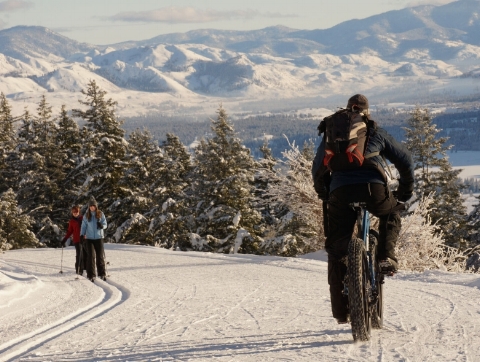
Elk Mountain Lodge in Winter.


Dressing For Nordic

What To Wear: Ditch The Parka.

Often on the cross country (XC) ski trails the clothes that many of the uninitiated wear are malfunctioning…that is, they are dressed for downhill skiing wearing insulated ski jackets and pants, alpine ski gloves or mittens, and ski goggles. XC skiing is a form of recreation that involves moving and thus lighter clothing is appropriate. Recreational XC ski garb is versatile, functional, and fashionable, which is different than either the outfits for downhill skiing or the suction suits worn by the XC ski racers seen at the Olympics.

New parkas from Daehlie. More athletic, breathable.

Currently, the most popular cross country ski apparel is from companies such as Craft, Daehlie, Sporthill, Swix, and others, but what is important is that the products fill a function that includes comfortably allowing movement, protection from the outdoor elements, and transporting perspiration out to keep skiers dry. Of course, skiers need to heed the weather by wearing layers (base layer underwear, pants and tops, and outerwear) and when its colder, more layers or thicker layers are necessary.

XC Ski Jacket and Pants

A jacket for XC skiing provides a layer to keep warm and also a way to cool off and transport perspiration away. These jackets have a mesh liner and material that is comfortable when you have to zip up the collar on a very cold day. The hood on the jacket is useful if it suddenly gets cold out on the trail. The high-hip fit keeps you warm and the zippered side pockets can be closed to avoid losing pocketed items. In some jackets the pockets have a mesh liner that allows for the skier’s heat to escape when working hard. The jacket arms might have extended cuffs, which are a nice touch to keep snow out of your gloves. The inside chest pocket has a zipper and a hole for a phone and earbuds for the times that you may want musical accompaniment on solo trail outings.The pants for XC skiing may be light overpants with zippers along the entire length of the legs and at the ankle there is an elastic area that may be closed with a zipper. This pant ankle set-up is a most significant aspect of the pants because it tightly fits around the boot and keeps snow out of the shoe top to avoid getting wet socks while skiing. To prevent losing a set of keys, zippered side pockets (on pants or jackets) allow a way to lock away your valuables. The base layer also known as long underwear is intended to provide a dry layer next to the skin, but if there is lined material in the pants it may be enough to stay warm with or without a base layer underneath.

Other Aspects of the XC Ski Outfit

Base layers in various thicknesses can correlate to warm and cold days. Moving perspiration away from the body is very important and lightweight underwear on those nice winter or spring days are the way to stay dry, but on the coldest days use a heavier or thicker base layer pants and a top that may have a turtleneck. For your head, a light hat or headband is the way to go. Light Lycra neckies are good for your face but when it is very cold (below 15 degrees Fahrenheit) try a heavier neck gaiter like you’d wear when alpine skiing.Socks and gloves are an entirely other matter that could be covered in a separate article. In short, parameters for selecting socks include the sock material for perspiration, thickness, spacious comfort for your toes, and height of the sock on your leg. Socks for downhill skiers are intended to accommodate the higher alpine ski boots and this may be too high on the leg. Expect to pay as much as $25 for a pair of quality socks these days.Different pairs of gloves will allow adjusting to the temperature ranging from heavier insulated mittens or two-fingered gloves for the really cold days to lightweight gloves needed for the springtime. One of the glove features to consider is the patch of soft material found on the outside part of the thumb, which is useful for nose wiping.For eyewear opt for sunglasses rather than goggles. Sunglasses allow the air to flow while goggles tend to fog up when you get hot. Oversized glasses that have interchangeable lenses for sun or flat light are great for XC skiing.  

Editor Note: This article was originally published in XCSkiResorts.com.