Tag Archive for: Ski Chile

Chile 2018 Ski Season Wrap Up

Finding Good Days In A Disappointing Snow Season In The Southern Hemisphere.

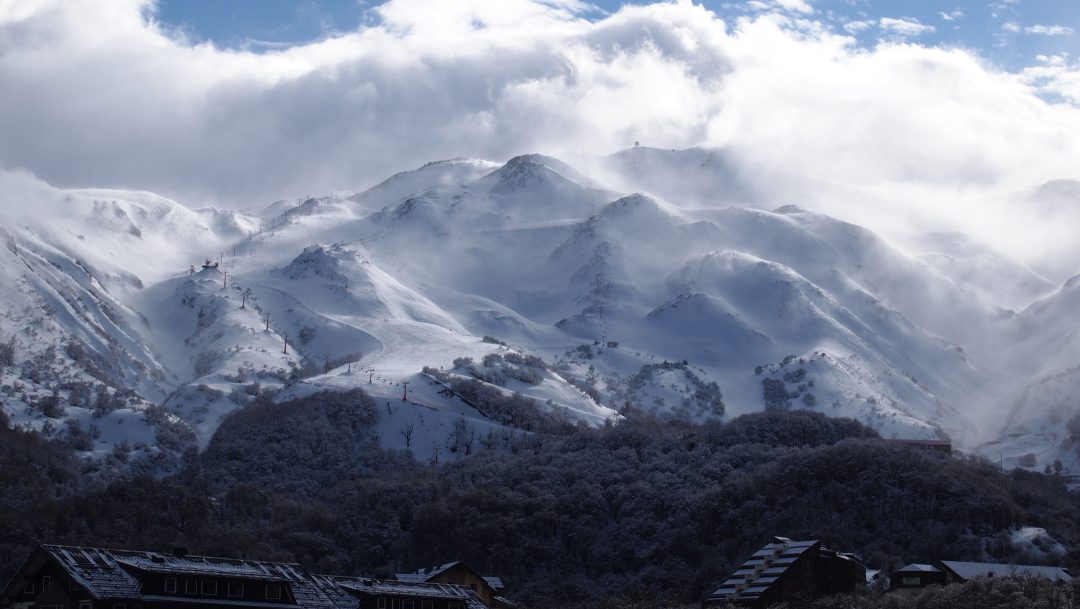
The 2018 season started on time in June, after a serious drought, but sputtered out before it ever really got going. The Chilean Central Zone ended with a 54 percent precipitation deficit, despite ENSO-neutral conditions. For a ski area in Chile not to get to the Sept 18 National holidays is shameful. Which is not to say there were no good days, just that they were few and far between.

Being relatively free to select those good days, I can share a couple of snaps that are deceivingly good.

The Las Vegas lift out of the La Parva village on a cold day in July. Helps to know where the rocks aren’t.

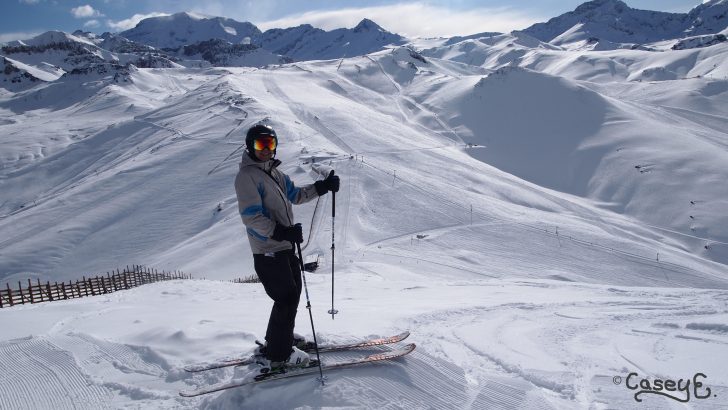
La Parva. Credit: Casey Earle

The conditions were not sufficiently good to ski other Central Zone ski areas, where I am not so intimately familiar with their thin base rock gardens.  So in September we headed 560 miles to the south where Mother Nature was more accommodating.

The Hotel Puyehue. Credit: Casey Earle

Our first lodging was the venerable and grandiose “Termas Puyehue Wellness & SPA Resort”, formerly the Gran Hotel Puyehue, founded in 1907. Back then, guests arrived by steam boat across the Lago Puyehue to enjoy its charming hot springs. The hotel is very well located at the entrance to the Parque Nacional Puyehue, established in 1941, and the lovely Antillanca ski area, tucked up in a volcanic cirque 18 km away. This is reached at the end of a good dirt road that winds through temperate rainforest and lagoons. The snowpack was 6-10 feet, from the mid station up, as it had rained hard at the base.

Here it can rain six feet a year, so when that falls as snow, it adds up, and 10-15 ft bases are not uncommon.

I seized an unusually brilliant sunny day and headed up. Nary a rock to be seen, and superb spring snow.

Heading down back off the crater towards the ski area, with the Puyehue Lake in the distance.

La Parva. Credit: Casey Earle

After the traditional September 18 mega-BBQ at a friend’s place in Puerto Varas, on the Llanquihue Lake, we drove back north 200 miles to Corralco ski area, on the Lonquimay Volcano.

This time we chose a cozy cabin in Malalcahuello, a nearby up-and-coming mountain town nestled in a group of volcanos. Monkey puzzle trees greet you as you wind up through the forest to the barren eastern bowl of the volcano.

Again, no rocks here, even at the end of September.

Credit: Casey Earle

While the American ski team trained on the far right side of the ski area, those venturing into the bowl to the south got fresh tracks

Corralco closed at the end of October, by far the latest closing for any ski area in Chile this year.

If you liked this 2018 summary, and want to drill down to the nearly daily detail of how it panned out, try reading a bit of my 276-entry collaborative thread on the Teton Gravity Research website. Click here for my Ski Chile comments.

More Ski Chile: What To Expect From A Chilean Ski Trip

Some Adjustments Necessary To Ski The Legendary Mountains Of Chile.

For many, a typical Chilean ski trip will seem a bit like traveling back in time to the USA 30 or 40 years ago. Some of the lifts date back even further than that! While the ski areas around Santiago are progressively upgrading their infrastructure, snow making, grooming, and security, the ones further south remain, in a word, funky.

Most Chileans do not speak English, but those in ski schools, tourism, and management positions generally do. If you have no Spanish, you should still get by just fine, as people are mostly helpful and warm. The Chilean peso converts at 630 to the dollar.

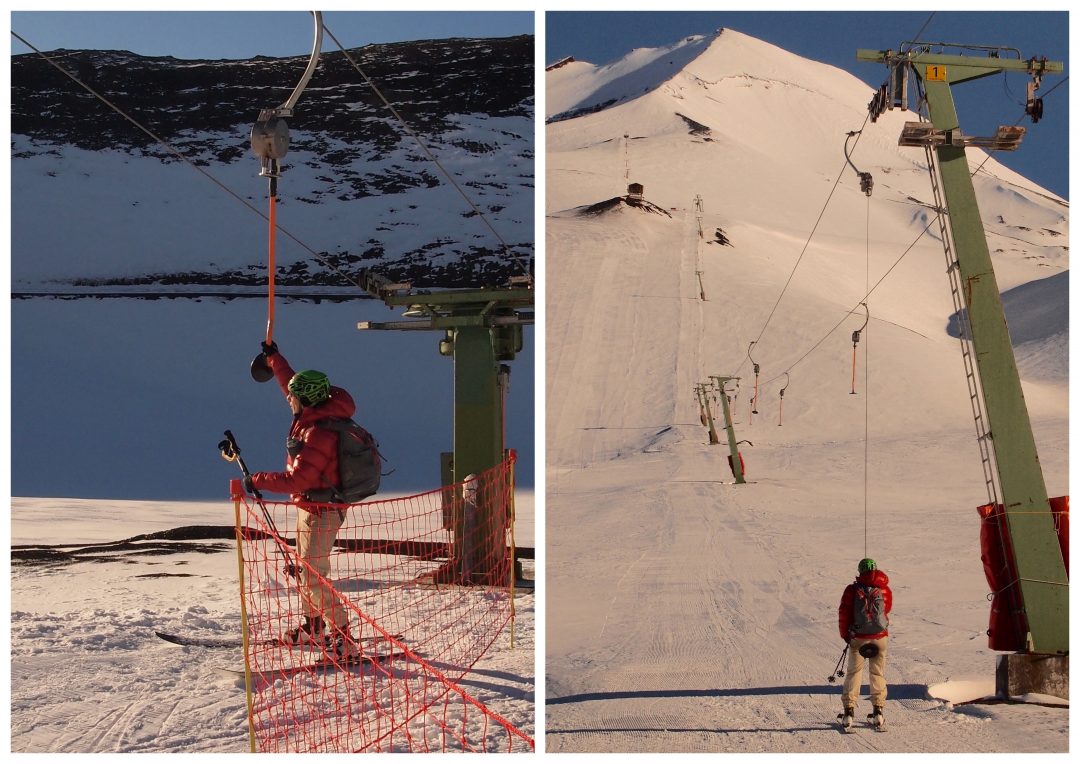
Expect a lot of surface lifts, mainly t-bars and platters, but also the infamous “va et vient” lifts at Portillo (more on that later). On the plus side, these lifts are usually fast, run in windy weather (which is frequent), and you can bail out easily enough if they stop for whatever reason. Some of the chairlifts are second hand from Europe or the USA, and only one high speed quad exists, in Valle Nevado. Lifts open at 9:00 and close at 17:00, with most skiers coming out at around 11:00. Lunch runs from 12:00 to 15:00.

A lonely ride at Corralco. Remember those Poma lifts? Credit: Casey Earle

Don´t expect to get good snow conditions information from the ski area websites, often it is outdated, wrong, or simply non-existent. Portillo is very reliable, but for other ski areas you may have to resort to analyzing webcams or scouring their Facebook pages.

The weather and snow conditions in the Central zone are generally very good. With few but furious snow storms, and occasional extremely light, dry snowfalls, most days will be sunny, fine-packed powder skiing. Off-piste is often limitless, with the southern exposures accumulating triple the amount of the northern ones. With both the sun beating down, and the storm winds roaring in from the north, only in exceptional years can the true north faces be skied, and thus almost all runs are south facing. The season normally runs from mid-June to the end of September.

Casey grabs some pow at La Parva. Credit: Casey Earle

You have to go at least 400 km south from Santiago to the next ski area, Nevados de Chillan, the beginning of the southern climate zone. Here the storms are more frequent and wetter, and the mountains are lower, with skiing starting near or at the tree line. Most people consider skiing in this area more towards spring, when the weather improves. Packed base data is often referred to in meters, reaching up to 5 meters in places. The season in the south often starts late June, and extends into October, with backcountry excursions (on the volcanoes) going into November.

Nevados de Chillan on a windy day. Credit: Casey Earle.

Large hotels are few, at best one per area. La Parva has no hotels, large or small. Aside from Portillo, most people go for the day, or lodge in cabins, small hotels, hostels, or property rentals near the ski areas. Airbnb, Booking.com and other websites have a wide variety of lodging available. In general, what you see is what you get. Chilean food is quite palatable for American tastes, with lots of familiar (and some very unfamiliar) dishes, all accompanied by great local wine and beer.

Lift ticket pricing is based on high and low season, and age group. Avoid the two middle weeks of July, which is the kids winter holiday, as it is quite expensive and crowded. “High season” prices go from July to early/mid August in general, then just weekends, except for Sept 17-19 (National Independence holidays). Seniors start at 65, with about a 20-30% discount on normal adult prices, which run around US$70 in high season and $50 in low. La Parva has a class of seniors from 60-65, and then “super-seniors” as 66+, which only pays US$18 anytime!

Next up is a review of Portillo!

This Week In SeniorsSkiing.com (June 22)

Southern Hemisphere Special, Safe and Sane Cycling For Seniors, Zany Videos, El Nino Coming.

Yes folks, it’s the start of the ski season in far away places below the Equator. Here’s a picture of downtown Santiago, Chile, which received a highly unusual coating of snow for the first time in years.

If there’s snow in the city, there’s more in the mountains. Credit: anis_velasco/instagram

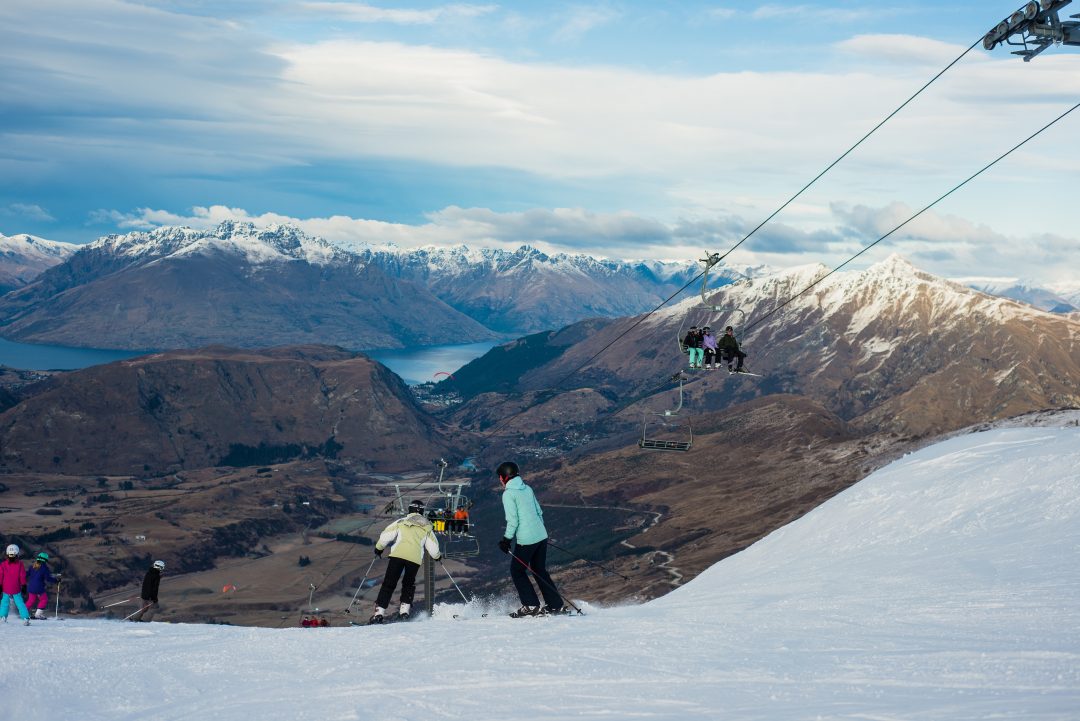
And in New Zealand, The Remarkables, those beautiful, mystic mountains from Lord of the Rings fame near Queenstown, are open for the season.  Check out the video of opening day at the bottom of this article. Nearby Coronet Peak has been open for a couple of weeks.  Here’s what the early season skiing looks like down there.

First turns of the season at Coronet Peak, Queenstown, New Zealand.

Skiing Chile

If you’ve ever wondered what it might be like to follow the snow during the summer and weren’t quite sure how to do it, we have a new series that might get you started.

Portillo Plateau, Chile. Amazing skiing starting now. Credit: Casey Earle

In celebration of the beginning of the snow season in the Southern Hemisphere, we have an orientation to skiing in Chile by a new SeniorsSkiing.com correspondent Casey Earle, an American ex-pat who lives and skis down there.  His first article describes the different resorts what line the magnificent Andes mountains. You will hear more about skiing in Chile in the coming months.

Biking With Young Hammerheads

Veteran cyclist, skier, and SeniorsSkiing.com correspondent Pat McCloskey offers some advice for seniors who ride with a gang of younger riders.  He has strategies for going around the loop safely and saving face at the same time. It pays to recognized the limitations that senior status brings, especially on a mountain bike.

Have You Seen These Videos?

Here’s Opening Day at The Remarkables, Queenstown, New Zealand. Click below for the festivities.

And, Check Out What Happens To A Show Off When His Ski Flipping Trick Doesn’t Work. Click the picture below.

Finally, mountain biking down Corbet’s Couloir? First time ever, but you can be sure it isn’t the last.  Thanks Teton Gravity Research. Click on picture to view.

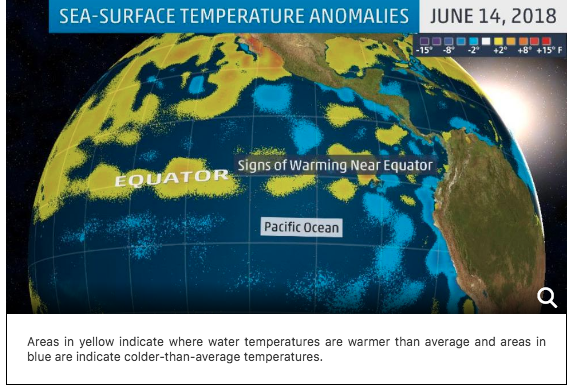
And Looking Ahead. El Nino Is Knocking.

Weather worriers are looking at an emerging El Nino pattern forming in the eastern Pacific. El Nino comes around when the surface water temperature increases ever so slightly in the ocean west of the Peru and Ecuador. Since everything in the weather world is connected, that water temperature change impacts the atmospheric wind patterns which impacts the everyone’s weather.  From the Weather Channel Explainer:

“If El Niño conditions are present during the winter, the jet stream pattern over the U.S. shifts and can result in a wetter-than-average winter across the southern tier of the U.S., including portions of California.

“During an El Niño winter temperatures are also typically cooler-than-average from the southern Plains into the Southeast and warmer-than-average from eastern Alaska into western and central Canada and into the Pacific Northwest, northern Plains and Midwest.

“The strength of the El Niño plays an important role in impacts across the U.S., including in the tropical Atlantic. At this point, it is too early to know when an El Niño pattern may develop and how strong it might be.”

Happy First Day Of Summer.

Onwards.  Have you bought your season ticket yet? Time to pay attention to whatever deals are left.

And tell your snow loving buddies about SeniorsSkiing.com.  Remember, there are more of us everyday, and we aren’t going away.


Ski Chile: An Introduction For Neophytes

Chase The Snow To Summer’s Skiing Headquarters In The Southern Hemisphere.

Come May, you have probably set your skis into hibernation and begun patiently waiting for the snow to fly next fall. But you really don´t have to wait!  Southern America’s greatest mountain range starts getting snowed on in May, and by June the ski areas are normally in full swing.

In Chile the resorts are sprinkled just east of the Pan Am highway along the 700 mile stretch from Santiago south, at roughly the equivalent latitude of central California. With an 80 year tradition of skiing, you will find a whole new world of winter adventure, lasting into October on good years.

Santiago and the Andean foothills, after a rare low altitude snowfall. Credit: Casey Earle

Visitors will be happy to know that within a two hour drive of the airport in the capital, Santiago, there are four good ski areas, and upwards of 70 percent of winter days are sunny. Closest are the Three Valleys, which hang above Santiago on the western slopes of the Andes. At night, you can see the snocats grooming trails from this metropolis of seven million!

The La Parva, Valle Nevado, and El Colorado ski areas are interconnected, and it is possible to enjoy a total of 40 lifts and dozens of groomed runs, with multiple options for lodging and dining. Skiing here starts at 8,000 to 9,000 feet, reaching up to 12,000 feet, and is entirely above the treeline. The sunsets are extraordinary.

Casey looks out from El Colorado ski area towards the upper Valle Nevado and La Parva lifts. The 18,000 foot El Plomo mountain looms in the background. Credit: Casey Earle.

Two hours north of Santiago is the world-renowned Portillo hotel and ski area, smack in the middle of some of the highest mountains in the Western Hemisphere. The hotel sits looking north over the mysterious and beautiful Laguna del Inca lake and boasts a long tradition of great service and entertainment. Here you can rub shoulders with racers and ski fanatics from all around the globe.

Portillo and the Plateau chairlift (spot it!), with the Laguna del Inca. Credit: Casey Earle.

Further south, the ski area infrastructure and access may leave a bit to be desired, but I love it nonetheless. All of the ski areas are situated on volcanoes which have varying levels of activity. They are also surrounded by gorgeous temperate rainforests, lakes, rivers, and hot springs. The main ski areas are Nevados de Chillan, Corralco, Villarrica, and Antillanca. The first three have adjacent towns within a 30 minute drive with plenty of lodging and other touristic services. All but Villarrica have a good hotel at the ski area base.

Villarrica ski area, note the smoking volcano. Credit: Casey Earle.

My recommendation for potential visitors is to contact one of the tour companies operating in Chile, or book directly with one of the on-hill hotels such as Portillo. You will have one of the best and most unusual ski trips of your life. Most of the tour operators

Las Araucarias ski area, west side Volcan Llaima. Credit: Casey Earle

in Chile are mainly for younger, adventurous skiers, such as Casa Tours or Powder Quest. However, for the +50 crowd, I can recommend DreamSki Adventures which offers group guided resort based tours in Chile and Argentina for the 45-70+ skier. Their guides are seasoned ski instructors trained in the CSIA (Canadian Ski Instructor Alliance) and offer a high degree of customer service on and off the snow.

Come on down!

For the latest in conditions in Chile from Casey Earle, click here.

Here are the resorts mentioned.