Keeping Warm on the Slopes
Pixabay photo
When the temperature drops and the wind starts to blow, it can be a real challenge to keep warm while skiing. It is no fun to be out there when you are freezing. To understand how to keep warm, it is helpful to know why you get cold. That is, how heat is transferred from your core to your extremities. It is also important to note that there is a considerable difference between men and women when it comes to body heat regulation.
Body temperature is controlled by a sort of thermostat in a section of the brain called the hypothalamus. Through a complex set of information receptors, the brain tries to analyze what is happening and send out orders to adjust body functions to compensate. It keeps your core temperature within a narrow, safe range even when the external climate changes.
When you feel hot, the blood vessels in your skin dilate to release heat through the skin. This causes the skin to sweat and appear flushed.
When you feel cold, the blood vessels in your skin contract to conserve heat. Your muscles often spasm (shiver) to produce heat and keep body temperature within a safe range. This thermo-regulation is a dynamic process that balances heat generation (through metabolism and muscle activity) and heat loss to the environment, to maintain core temperatures.
The average human has a normal body temperature of 98.6, although this can vary. The core temperature of women, on average, is slightly higher than that of men. In 1851 Carl Wunderlich studied 25,000 people and found that adult women were a bit warmer at their core, perhaps Nature’s way of protecting the reproductive organs. Scuba diving research has long noted that the core temperature of women divers is higher than that of men. Women actually are better able to resist the effects of hypothermia because their essential organs stay warmer longer.
This female heating system for the core means that less blood flows to their hands and feet and as a result they feel cold. This has been largely attributed to the very obvious difference in body structure, limb proportions, surface area, insulating muscle and fat mass, thickness and distribution between men and women, which results in women maintaining a lower skin blood flow and, consequently, lower skin temperatures. Or stated another way, women are typically smaller and have a higher ratio of surface area to volume, which causes a rapid loss of heat.
Women also have thinner skin (okay…I thought of several comments as well.) It is also true that as you get older, both men and women, your skin gets thinner. The skin on the feet of women is thinner and has less subcutaneous fat than men’s. The thinner the skin the less you are protected from the cold.
Studies show there can be as much as a five degree difference in the temperature of a woman’s hand at the same outdoor temperature as a man’s hand. According to an article published in the Journal of Applied Physiology, men have a metabolic rate about 23 percent higher than women’s. Your metabolism is the rate at which you burn food to fuel the body, and as a by-product of that process, you heat up the body. So, women’s bodies are colder than men’s because their metabolisms are slower.
Knowing all of this, how do we keep our body warm when it gets really cold. The human body generates heat, which warms the air around our bodies. The trick is keeping that warmed air next to the skin. This is where layers kick in. Each layer traps air. The more layers, the more trapped air. The body also sweats. That moisture needs to be wicked away from the skin. Again, layers help.
Keeping Hands and Feet Warm
Socks are really important. Never use cotton socks, which absorb and hold moisture. Use only socks specifically for skiing or riding, which often include padding at the shins for comfort more than warmth.
Bring an extra pair and trade them out at lunch time so any moisture that has built up can be eliminated. Spend the money for good ski socks – you will be glad you did.
Mittens tend to be warmer than gloves. Gloves separate the fingers. Mittens keep them together. I use a very warm soft glove as an inner layer and a lined leather outer mitten. Those little hand packs work well, or get battery operated gloves to keep your fingers toasty.
Wear a soft gaiter around your neck. This will trap the heat from your core from escaping upward and will keep your throat and the back of your neck warm.
Your ears also need protection as there is very little circulation there. Earmuffs are great, especially when your hat covers them as well. A helmet also traps in the heat from your head. Some folks have a hood on their jacket that comes up over the helmet. Others have a liner that goes under the helmet.
Your core area is the easiest to keep warm. Start with a base layer of breathable material. Over that you can add a second layer, making sure it is not cotton. Modern ski pants and jackets are wonderful creations. I like the bib-type pants that come up in the back and front so that when you bend the heat stays in the body.
When it gets cold outside, just layer up and keep moving.



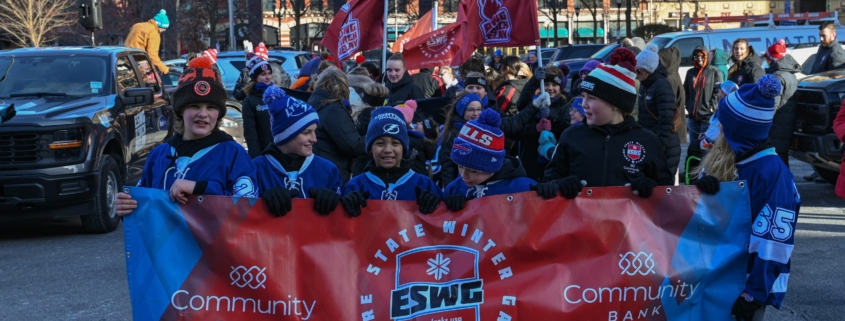

 Just as the XXV Winter Olympics in Milano Cortina Italy are set to begin February 6, some 2,500 athletes, coaches and officials will be wrapping up four days of competitions in Lake Placid and surrounding communities in the Empire State Winter Games, the largest and oldest continuous multi sports winter event in the US. This year there are 176 events in 16 disciplines on the schedule.
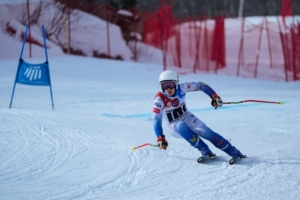 The New York games are not a seat of the pants operation. A 400-mile torch relay starting in Buffalo kicks off the event in Lake Placid with the lighting of the flame at the opening ceremonies. All participants receive branded outfits before the opening, and there are medal presentations after each event.



 Tickets to a Broadway show range from $75 to $500 or more for premium seats at a popular show with an all-star cast. A friend told me they went to see Adele in Las Vegas but would not tell me what they spent. Checking online, I saw $1500 for the least expensive tickets and some premium seats in the $15,000 to $20,000 range.


 Following our recent post