The Skiing Weatherman: Knowing The NAO

A Negative NAO IS Friendly To Skiers. Right Now, It’s Smiling.

During the upcoming winter I will be producing condensed regional forecasts on a weekly basis, hopefully providing readers with another nugget of info before they pick a destination for time on the slopes.  I will refer to a number of different reasons for forecasts that you will probably not hear from other sources.  Things like the Typhoon Rule that I wrote about last week and SSW (Sudden Stratospheric Warming) episodes.  In addition, I will use a number of “teleconnections” around the northern hemisphere. 

A teleconnection is a relationship between surface and/or jet stream level features located thousands of miles apart both west to east and north to south.  Each one has a correlation to different types of winter weather in different parts of the country.  Examples are the SOI (Southern Oscillation Index), AO (Arctic Oscillation), EPO (Eastern Pacific Oscillation), and MJO (Madden Julian Oscillation).  One of the most significant winter teleconnections for snow lovers east of the Rockies is the NAO (North Atlantic Oscillation), which I would like to explain today.

The components of the NAO are found over the waters of the North Atlantic and the teleconnection is based on the difference in sea level pressure between two persistent features: the Icelandic low and an Azores high.   The relative positions and comparative strengths of these features determine the sign (positive or negative) of the NAO. 

When the two systems are relatively strong, the interactive circulation between them (counterclockwise around the low to the north and clockwise around the high to the south) speeds up, which results in more of a zonal, or west to east flow across the Atlantic.  That setup makes it easier for cold outbreaks from Canada to be ushered offshore after only a brief visit to the central and eastern U.S.  This is an example of a positive NAO.

When the two systems are weaker, the flow can buckle more easily, not only at the surface but also aloft.  When that happens, upper troughs are favored over central and eastern North America and blocking ridges can be found in the vicinity of Iceland and Greenland.  This is the configuration when the NAO is negative

Jet stream patterns are more persistent when there is greater amplitude of troughs and ridges. When the NAO goes negative, the trough acts as a receptacle for cold air from Canada.  The development of such troughs often spawns surface storms, many of which bring snow to the Lakes, mid-Atlantic, and Northeast, often in the form of a disturbance that becomes a coastal “Nor’easter”.  It is worth noting that a correlation exists between low solar activity (we are now very near the minimum of the 11 year solar cycle) and North Atlantic blocking patterns that support a persistent negative NAO. So, there is reason to believe that the NAO will be in a mode friendly to skiers and riders at least a fair amount of the time this winter. 

Here are depictions of the two modes of the NAO…

Now that November is here I know that many or you are starting to get as revved up about the season as I am and you are looking for snow, or at least temperatures cold enough for productive snowmaking.  The Rockies have gotten off a fast start and the first shot of true cold air has reached the Great Lakes this week and will spread into the Northeast over the upcoming weekend.  The first half of the new month, at least, looks good for cold and some natural snow roughly north of I-80 from the Midwest into the Northeast. It won’t be long now.
Recreational Therapy For Injured Vets

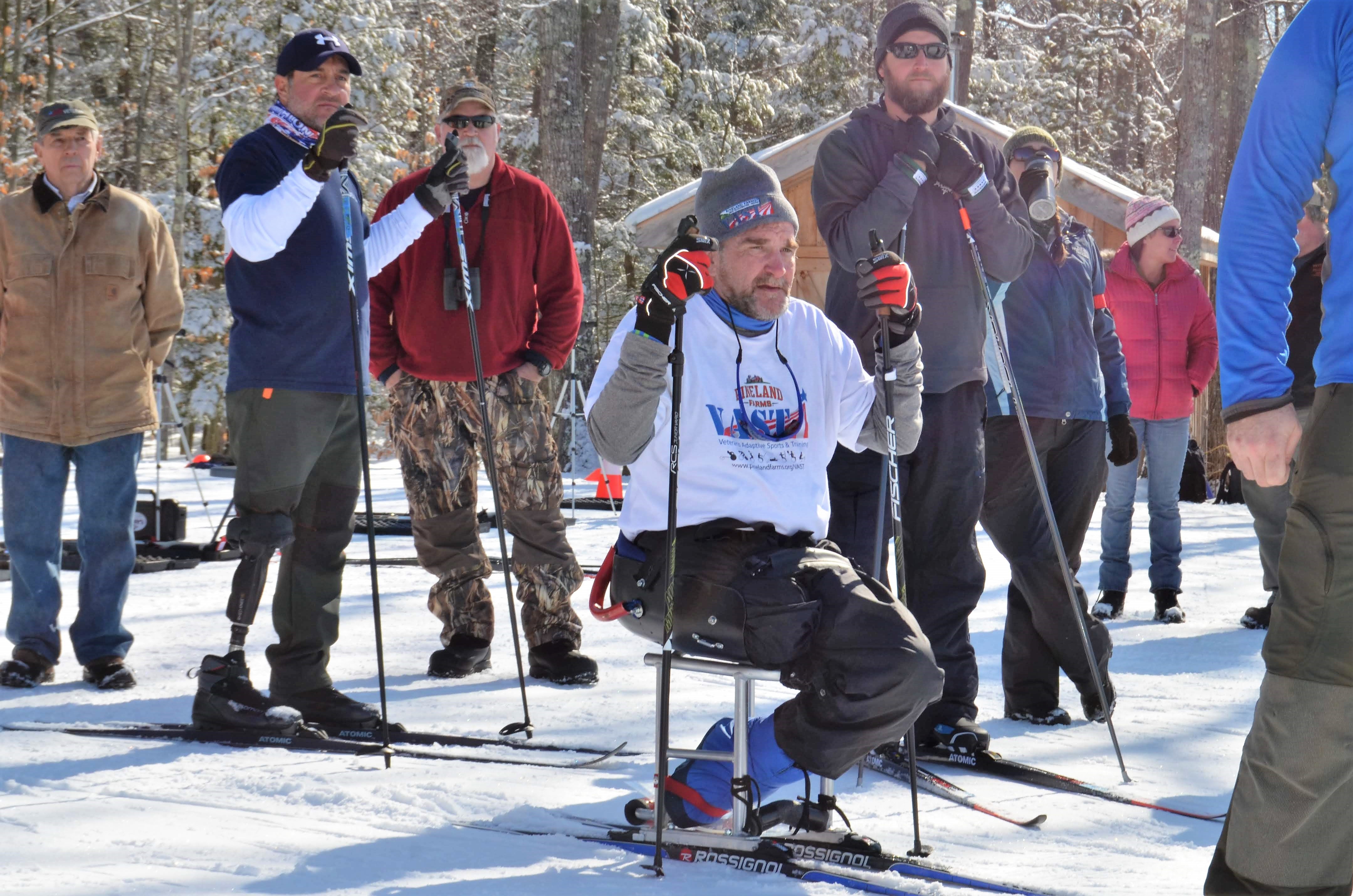
Pineland Farms Veterans Adaptive Sports and Training in action.

More doctors may be prescribing outdoor recreational therapy instead of Xanax if the proposed Federal legislation entitled the Outdoor Recreation Therapy for Veterans Act (HR 2435) passes. Studies are showing evidence that outdoor recreational activities can be therapeutic. I met Veterans Ray Gilmore and David Binford recently at a ski industry meeting, and they were engaging anyone who would talk with them about the Azimuth Check Foundation, which provides injured veterans and first responders challenging year-round athletic activities to create wellness in an atmosphere of camaraderie.

“Whether these vets have seen or unseen injuries, they can find peace in the outdoors,” they said. They feel that participation in activities such as alpine and Nordic skiing, snowboarding, kayaking, hiking, fishing, cycling, indoor rock climbing, wood carving and art, aquatics, golf, water skiing, stand up paddle-boarding, archery, and even bowling will build self-esteem and accomplishment.

Some veterans and first responders who have experienced visual impairments, amputations, and other physical and mental challenges have discovered organizations that orchestrate recreational activities, which can positively impact their well-being through adaptive recreation programs. Azimuth partners with other organizations such as the Veterans Adaptive Sports and Training, Adaptive Sports of the North Country, Ability Plus Adaptive Sports, Vermont Adaptive Ski & Sports, and Northeast Passage.

Misha Pemble-Belkin of Vermont Adaptive Ski & Sports’ Veterans Ventures program commented, “I’ve taken anti-depressants and done talk therapy but nothing I tried has worked. It was like my brain was still at war.” Different than working with healthcare providers in an office setting, this real world/real time approach to creating solutions for active and engaged living takes the guess work out of what happens when you go home or are discharged from care.

Gilmore talked about difficulty “shutting the motor off whereby the adrenaline remains and has become toxic.” The recreational activities help to create new memories and meaningful relationships. Beside physical challenges, many vets are faced with post traumatic stress (PTSD). While a stigma may remain about this condition, more veterans are now acknowledging it and seeking help.

Some of these program participants express that they’ve have had enough of meds and therapy Recreational programs can stimulate problem solving, collaboration, camaraderie, relevant and meaningful goals, as well as develop sustainable healthy behavior.

One vet referred to taking “meds” which made him feel like a “zombie” and took away the passion and joy of life. That vet commented that participating in recreational programs and outdoor activities such as skiing, hiking, rock climbing has helped to re-instill periods of passion and joy in his life.

How does it work?

At Northeast Passage, a recreation therapist (RT) meets with an individual to complete an initial assessment.  The RT talks about health conditions, interests, personal strengths, and local resources.  They will also use standardized assessment tools as part of a collaborative process to identify goals, and a plan for achieving them, while working together.

In follow up appointments, the vet and RT are in the community actively engaged in recreation. At the same time, they’ll likely be creating community connections, learning about equipment, developing skills, and aspects of themselves that support continued active participation and a healthier experience.

Kristina Sabasteansk,i an Army Veteran, runs programs at Pineland Farms’ Veterans Adaptive Sports & Training in southern Maine, which offers year-round programming for vets with disabilities. She said, “Last year we took veterans and volunteers to Maine Huts and Trails in Kingsfield, ME. It was -9 F the day we left to go home, and there wasn’t a single complaint among the group. Sometimes the vets crave challenges similar to what they experienced in the military such as harsh winter conditions and strenuous activities.

Pineland Farm’s yearly Biathlon Camp had 16 Veterans with disabilities – ranging from SCI, amputations, TBI, blindness, PTSD and TBI, and other orthopedic issues. “Many had never even seen snow before the camp and by the last day they cross country skied and competed in a biathlon race against each other. These trips and activities with fellow Vets allow them to share their experiences in the military and they realize they are not alone in their struggles.”

Retired SSG Misha Pemble-Belkin of Vermont Adaptive Veteran had 170 vet participants for more than a thousand activities including winter sports such as skiing, XC skiing, and snowboarding. “It’s vets helping vets to learn these sports.” According to Pemble-Belkin, “There was a study of 1,200 Vets who were split into a group taking three of the major meds and a group taking a placebo, and it showed similar results. While the war experience was stored in your brain, outdoor recreation can provide some joy and passion that is a relief to the miserable times being home alone or unengaged.”

For more info:

Azimuth Check Foundation: acfne@azimuthcheckfoundation.org

Pineland Farms VAST Program in southern Maine with Kristina Sabasteanski Kristina@pinelandfarms.org

Northeast Passage in NH with David Lee david.lee@unh.edu

Vermont Adaptive Ski & Sports Veterans Ventures with Misha Pemble-Belkin veterans@vermontadaptive.org

Mystery Glimpse: Tow Boat

What’s This?

This Strange Device Held 10 Skiers. Hint: Western resort. Many thanks to the Tread Of Pioneers Museum for this contribution.

Last Week

October Snow.

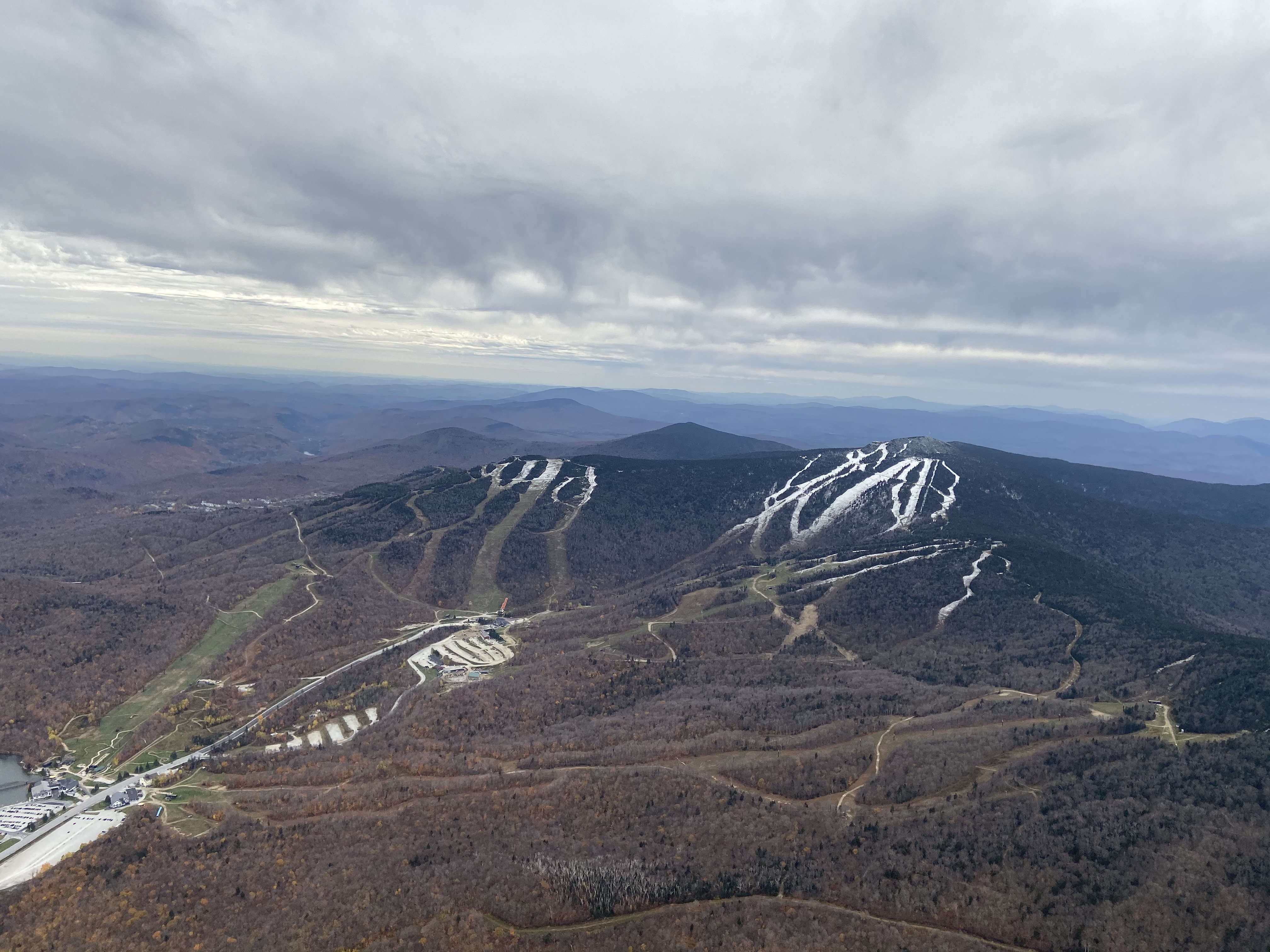
Of course, Killington. We took advantage of a picture of the resort a day or two after a major pair of Nor’Easters in New England taken by a pilot friend of ours. The snow dusting bodes well for Killington. The resort is hosting the 2019 Audi Women’s World Cup on Nov. 29th, that’s just four weeks away!

Lessons Learned From 25 Years Of Coaching Seniors

How Can Seniors Advance Their Skiing Skills?

Ski Coach Bob Trueman shows how to assume a proper stance.

The hardest challenge for me is convincing older skiers that you can change your skiing dramatically for the better no matter your age or gender.  Not everyone wants to, but if you do, you can.

That’s the key to advancing your skiing as a senior skier.

Lesson One: The Key Is Belief In Change.

My most recent pupil—a man of 80—has powerful imagery skill,  considerable confidence, and knows how to relax and reduce anxiety.  He’s fit for his age.  He also has years of skiing behind him: but not quality skiing, just “getting down things”.

But he didn’t know what to DO.  In our first session he found two small actions that reaped big changes.  In all those years no instructor had ever told him how to hold his hands for best results!  From that moment on his self-belief, his hopes for the future, took off.  He ain’t done yet!

Lesson Two: You Will Improve Faster If You Ski Slower.

Provided you know what you intend to do—what movement you will make and you know how you will know what you actually do, do. Don’t try to “ski”. Decide to make one movement only.

If you ski fast, you’ll have too much to think about.  You won’t be able to focus, and you’ll be back to “getting down things”.   Ski slower, improve faster.

Lesson Three: Patience Pays.

Be non-judgmental. The more patient you are, the sooner you’ll reach your goal. Being in a hurry slows you down. So does cussing yourself. Even older skiers with years of life experience still call themselves names.

Lesson Four: Your Learning Curve Will Be Steeper When The Slope Isn’t.

Once I have convinced my older skier that it isn’t “baby-ish” to work on changes on beginner slopes, we make faster progress.  It’s an intelligent approach to do so;  it’s not smart to work on new things on steep ones. 

Learn your new techniques and become skillful with them on the easy slopes, where you have less to think about and “survival” is not an issue, and only then head up the hill.

Lesson Five: Work On The “Intention/Attention Feedback Loop”.

What has worked best in every instance for over 25 years has been what we ski coaches call the “Intention/Attention Feedback Loop”.

It works for everyone, but for my older skiers who for the most part are higher educated, mature, and thoughtful, it has worked even better.  It has been a revelation for them.

It goes like this.

Decide before you set off precisely what movement you will practice.  Decide which of your senses will give you the best feedback.  Will you feel it, see it, smell it, etc.?  When you stop, after only say 50 yards, mentally review it.  Ski only very short distances at a time when you’re training.

The results all my older skiers get is the sheer satisfaction of finding they’re not washed up, and they are becoming more controlled skillful skiers than they ever believed they could. It pays huge dividends.

[Editor Note: You can read more in Bob Trueman’s books. Search Amazon here. And even more explanation on his new, free Youtube Channel “Ski In Control With Bobski” where you’ll also find some the movements to make.]

This Week In SeniorsSkiing.com (Oct. 25)

Get Thee To The Ski/Snowboard Shows!

Arms of bargains at the Consumer ski/board shows!

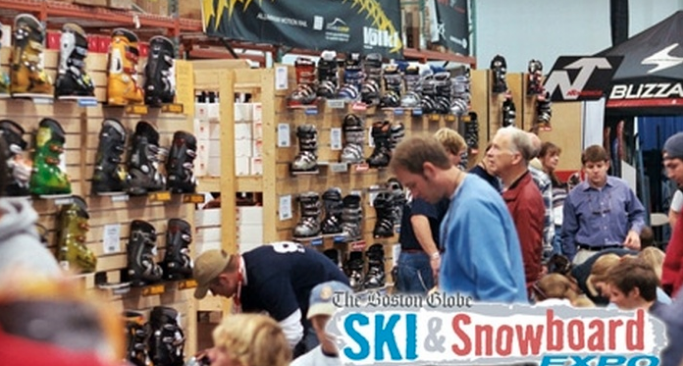
The consumer ski shows are on! The Denver Ski and Snowboard Expo is on today!

The ski shows are a special time for all stakeholders. The resort industry gets a chance to strut its stuff, announcing new trails, lifts, amenities, and bargain price passes. Resort staff are there to answer questions, convivalize with familiar customers, gossip, and generally accentuate the positive about new and old features at the resort.

Some shows have clothing and gear retailers on site, lots of discounts in a bargain basement atmosphere. And clothing and gear manufacturers are showing their latest.

And then there’s the hodge-podge of other exhibitors who have miscellaneous products related to snow sports. Easy chair made of old skis? Check. Ski club? Check. Artisanal ski manufacturer? Yes. And publications and media companies, non-profits (museums, adaptive skiing groups), tour companies, discount ticket vendors, and many others.

For the consumer, it’s a time not unlike the coming of Labor Day is to a high school student. There’s a shift that’s been coming for a while, away from the remnants of summer activities, and toward winter, which is just around the calendar corner. Or which has already arrived in many places.

Get excited, pick up those Hersey Kisses, lollipops and free pens, trail maps, and ski magazines; every exhibitor has something to hand out. Put those in that big plastic bag and spend your evenings checking out and anticipating.

The shows are part of the rhythm of snow sports. Enjoy the official start of the season.

You can get a $3 discount if you get tickets through SeniorsSkiing.com by clicking on the banner ad in the top right of the home screen.

For a schedule of consumer ski/snowboard shows around the country, click here. Thanks to Mary Jo Tarallo of SunAndSnowAdventures.com for sharing her article.

This Week

The role of ski patrolman on monitoring out-of-control skiers and boarders has been an open question since SeniorsSkiing.com and readers have started questioning who is responsible for lifting tickets.

So, we asked Meegan Moszynski, Executive Director of the National Ski Patrol, for clarity. Click here for her response. Your thoughts?

How does a typhoon in the western Pacific ocean impact weather in the US and Canada? As with most things related to the weather, all phenomena are connected. The Skiing Weatherman Herb Stevens explains “The Typhoon Rule” which is one of the few reliable long range (two weeks) predictors of weather. Interesting stuff. Click here.

Correspondent Pat McCloskey explains how familiarity with terrain and trails can lead to confidence. Even gnarly, challenging terrain. If you could do it before, you can most likely do it again. Here’s his story.

Where?

Our Mystery Glimpse this week shows us an aerial view taken just this week of a notable resort dusted with beautiful covering of October snow. Tell us where it is. You’ll also learn where that apres-ski disco from last week is located. Here’s the picture.

Thanks again for reading SeniorsSkiing.com. Tell your friends! Remember, there are more of us every day and we aren’t going away.

Short Swings!

Imagine an extensive road network in which single and double lanes merge with big highways. No stoplights. No speed limits. Highway patrol rarely issues tickets. 

Driving these roads doesn’t require a license. Anyone willing to pay the steep toll gets on. Vehicles aren’t safety checked. Tickets issued at the tollbooth carry a well-lawyered statement about individual responsibility for safety when entering the system. 

The private company that owns the network fills potholes and posts warning signs at major intersections. Occasionally, it stations highway patrol where it wants drivers to slow down. 

Many of the larger roads have a slow lane for drivers who want to use it, but fast motorcyclists weave in and out, just as they do with the other lanes. 

When there’s an accident, highway patrol gets there quickly, as does EMS. Those badly injured are treated and evacuated to the nearest medical facility. 

The Department of Transportation doesn’t require the company to report accidents, injuries, or deaths. 

Older drivers report hit and runs and near misses to Highway Patrol and the company. Little, if any, corrective action is taken. 

Imagine such a crazy system. Just imagine.

Againer Exoskeleton Increases Skiing Strength and Endurance

Againer Exoskeleton is a leg-assistance device that increases leg muscle performance and reduces pressure on the knees and back. It is especially useful for older skiers as well as those with injuries or disabilities. Worn on the outside of ski pants, the lightweight device uses adjustable gas springs to improve leg muscle performance.  US Sales Manager, Murray Jacobson, is a new advertiser. He sells directly to customers and is available to answer questions about Againer. The product will be reviewed in SeniorsSkiing.com in the next month or so. In the menwhile, click on the picture above and/or visit the Againer Exoskeleton website.

Feel Young, Act Young; Feel Old….

This report about perceived age vs chronological age in The New York Times should interest most older skiers. The takeaway: feel young and you’ll behave that way. 

Ski Racing $$$$

World Cup downhill and slalom winners in Kitzbuehel this January will receive 100,000 Euros ($111,447), per event, setting a new prize money high. 

Displaying Old Season Passes

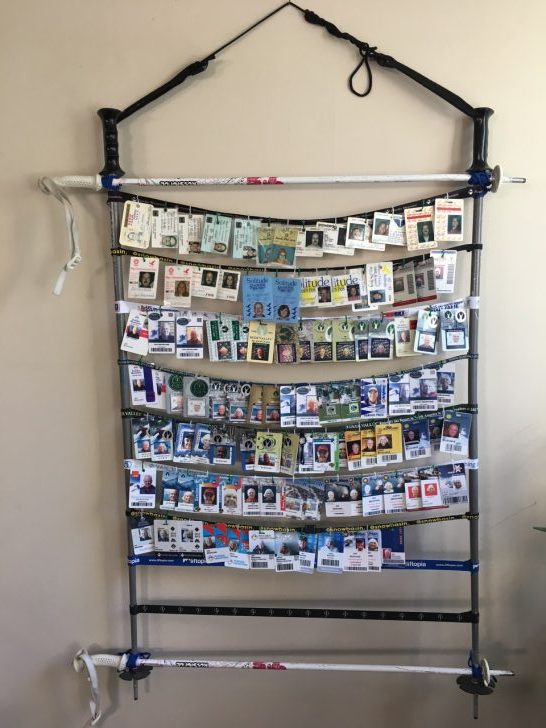
Jan Brunvand’s season pass collection.

Jan Brunvand, a frequent SeniorsSkiing.com contributor, sent in this photo of a clever and creative way to display years of season passes. His earliest Utah pass is for Park City (1968).

UK’s Ski TV Now Available on ROKU

UK-based SKI TV is dedicated to the ski and snow industry. It’s now available in the US via ROKU. Click here for the link. 

Warren Miller’s Timeless

The new film is screening around the globe. To locate a showing near you, click here

The Secret of Skiing

Comedian Larry Miller

Stand up comic, Larry Miller, tells the hilarious account of his frst time skiing. I laughed throughout the 35-minute routine. Audio, only.


Big Bargains For Older Skiers at 157 North American Ski Areas

Big bargains await older skiers this season at 157 North American ski areas. Fifty-two allow them to ski free. The rest have heavily discounted the cost of skiing.

But it all depends on your age.

The comprehensive list includes season pass prices, age requirements, and links to each area’s website. To access, click “Community” on the menu bar, then click “Subscriber-Only Content” in the drop down box.

The areas are in 30 states and five Canadian provinces. Many are large and well-known.

It you’ve reached 70, there are 101 areas offering free or extremely low cost season passes and lift tickets. If you’re 75, there are 122 areas. If you’re 80, the same privileges are available at virtually all listed areas. A few extend the benefit to skiers in their 50s and 60s.

The states/provinces with five or more listed areas are: 

  • California (6)
  • Colorado (7)
  • Idaho (10)
  • Maine (5)
  • Michigan (11)
  • Montana (9)
  • New Hampshire (9)
  • New Mexico (6)
  • New York (6)
  • Pennsylvania(7)
  • Utah (6)
  • Vermont (6)
  • Washington (5)
  • Alberta (15)
  • British Columbia (6)
  • Ontario (5)
  • Quebec (5)

The list was researched on line and will be updated throughout the season as readers report new information. SeniorsSkiing.com first published the list for the 2015-16 season. 

NSP On Role Of Patrol Re: Speedsters

A Reply From Meegan Moszynski, Executive Director, National Ski Patrol

[Editor Note: On Oct 1, SeniorsSkiing.com published an article by correspondent Roger Lohr recounting his hit-and-run collision that left him with a nagging back problem. Many readers responded to that article by citing their own on-hill incidents with speeding or out-of-control skiers/boards. The question emerged: Who is actually responsible for lifting ski tickets from people who are discourteous, unsafe, or just acting dangerously? The ski patrol, right? No, said some; yes, said others. So, SeniorsSkiing.com asked Meegan Mosynskyi, the executive director of the National Ski Patrol, to clarify what the NSP’s role is in controlling dangerous skiers/boarders. Here is her response:]

Thank you for reaching out and inviting NSP to provide some input to this important topic.

The Responsibility Code is a courtesy code that all areas and guests are encouraged to follow. The Code was developed by NSAA and is supported by many other leading organizations in the ski industry, including NSP. As an education and training organization, NSP provides the standard of training. The standard of care and the actual roles and responsibilities of patrollers who work or volunteer on the hill is up to area management. Some areas ask patrollers to regulate and react to skiing speeds and other on-hill behavior to the best of their ability, and some do not. 

We are always interested in working to promote safety in skiing. We work closely with NSAA and others to do this, and to ensure that we are meeting the needs of the skiing public and the areas that host them. Any communication that can be shared with the skiing public via your channels would be greatly appreciated. 

Thank you for all you do. Let’s hope it’s another great winter!

The Skiing Weatherman: How Do Pacific Cyclones Dictate US Weather?

The Typhoon Rule Can Predict Chilly Wet Air In North America.

In an age where computer models are believed to be the only viable long range weather forecasting tool, there remains a very effective technique for looking ahead a couple of weeks that had its roots in World War Two. 

It is called the “Typhoon Rule”. When the far western Pacific is active in terms of tropical disturbances, it is a great way to determine what the jet stream pattern will look like over the US with a lead time of one to two weeks. 

Military forecasters in the Pacific theatre dealt with typhoons pretty much year round, due to the persistence of water warm enough to form and sustain such storms in that part of the ocean.  One of the meteorologists noted that after a typhoon either re-curved over or east of Japan or tracked straight west into mainland Asia, a change in the weather would result in a week or two in Washington, D.C. and thus the correlations were born.  Here is how the Typhoon Rule works:

All tropical disturbances across the globe act like a cork in a stream.  They are warm systems without the warm and cold fronts that drive mid-latitude low pressure systems, and are therefore more influenced by jet stream level winds in terms of where they will move.  When a typhoon in the southwest Pacific encounters an upper ridge to the north—centered over Korea and Japan—the clockwise circulation around the ridge directs the storm westward, often through the Philippines and into Asia. 

A ridge in that position correlates with an upper level ridge and tranquil weather over central and eastern North America with a lead time of one to two weeks.  However, when the axis of the Pacific ridge is set up further east by several hundred miles or more, over the waters well east of Japan, the typhoons tend to run around the perimeter of the circulation, leading to a track that heads for Japan before turning north and then northeastward. 

This happens in a fashion similar to Atlantic storms threatening the east coast before turning around the perimeter of the Bermuda high as they head for New England and the Maritimes—when the ridge is far enough to the east, the storms miss the U.S.  A re-curving Pacific typhoon around a ridge well east of Japan correlates with a central/eastern North American trough, often leading to colder and stormy weather.

As we wait anxiously for the new season to start, the Typhoon Rule can give us a hint as to when colder air masses will be available for early season snowmaking or natural snow.  As I write this on Oct. 22, the Typhoon Rule is set up for a cold air mass to dive into the center of the country later in the week of the 28th.  The cold will also spread into the East, though in modified form.  Take a look:

This October typhoon is re-curving to the north east, transporting its heat to a trough in the Gulf of Alaska. Result: an early cold shot that will get snow guns going.

There are nuances to the rule, and one of them comes into play here.  This strong October 22 storm will not make a dramatic turn to the northeast toward the Aleutians, but it will turn north of east. This track suggests that the trough/cold shot will be centered in the middle of the country with the chilly air eventually spreading east. 

The Killington Women’s World Cup is about five weeks away, and it looks as though the snowmakers will be able to get started there around Halloween. The Typhoon Rule that an observant WWII forecaster discovered says so.                

Familiarity Breeds Confidence

You Can Do It If You’ve Done It Before.

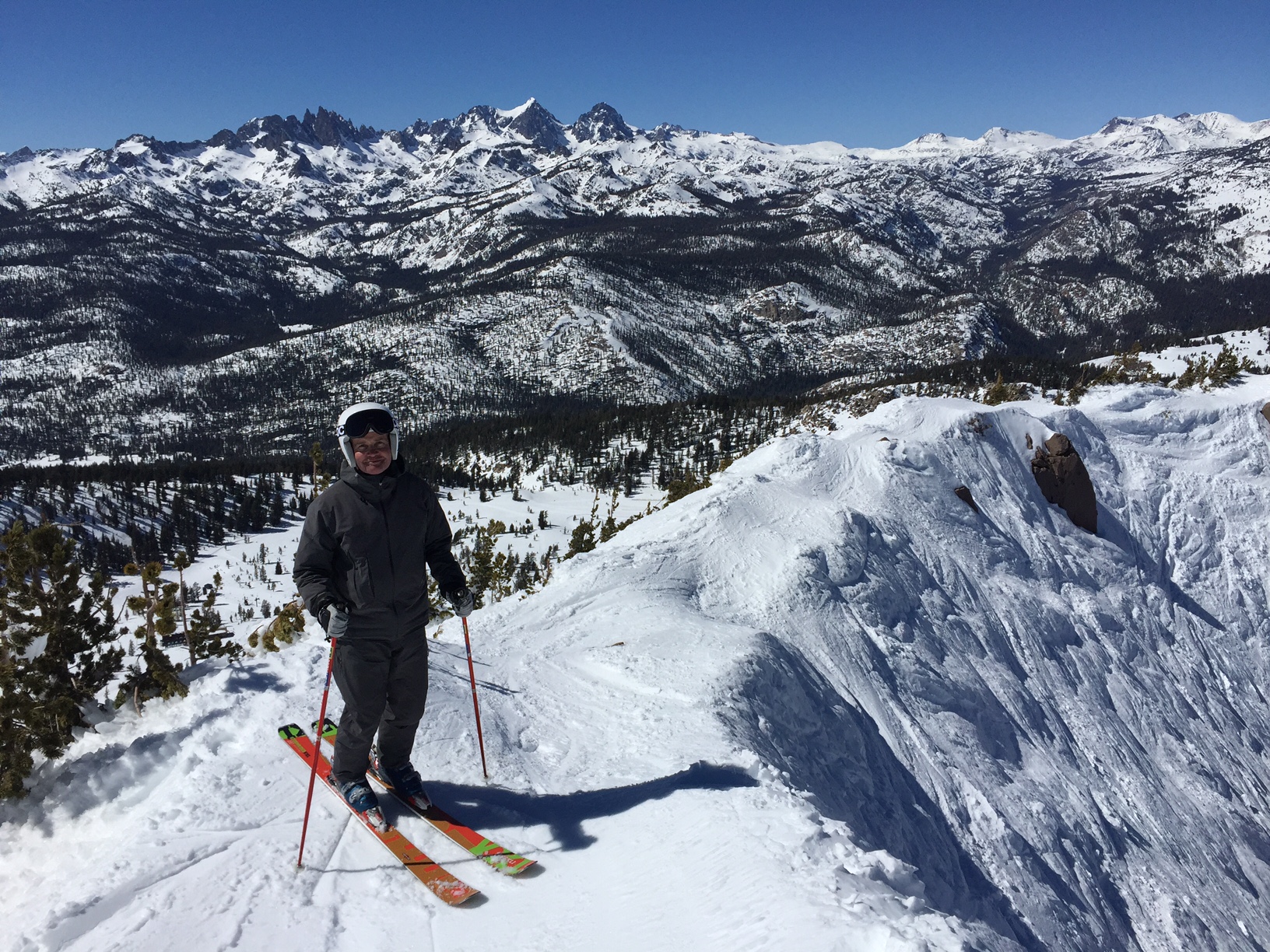
Pat Standing On The Cornice. Not A Problemo.

You know, as you age, little things creep into your mind like, “Can I still ski that?”  “Am I too old to keep trying this pitch?”  But, one of the things that keeps our minds in check is the familiarity with the terrain after years of experience. 

For instance, every year, I travel to Mammoth Mountain, CA. with my posse of friends  All of us have skied that mountain for years.  After exiting the gondola at the top , we ski off the famous pitches and faces up there with confidence.  Why?  Because we know the terrain. 

This last year was no exception. I made several runs down the cat track off the tram relaxed and tucking to the top of Paranoid Flats and skied right off the top with no trepidation.  I have become very familiar with that terrain and know that I can ski it.  Now there are pitches and couloirs there that I have not skied and for me, the consequence factor is too high with the surrounding rock walls that will suck in unsuspecting skiers who have made the error of skiing above their ability. 

I take Coumadin and my doc always says, “Pat, you are the only patient I have who skis and mountain bikes on Coumadin.”  But I have done those sports for years and know my limitations.  And, I know how to ski safely over a familiar cornice, even though I am now 65 years old.

We all do this one way or another.  Confidence occurs because of repetition over certain terrain.  I have a friend who I ski with, who not only skis the same runs all the time at our local area, but he skis the same lines.  He becomes so familiar with the lines that he is confident and tries to make the perfect turn over and over.  I ride my local trails a lot on my mountain bike and am so familiar with the layout of our trail system that I can confidently ride them with speed. 

The flip side of the coin is that if you keep yourself in shape and have the confidence that you can ski or ride most anything within reason, you are not adverse to challenging yourself on new terrain. The more familiar you become, the more confident you are.  This is especially important as a senior skier. 

There is nothing wrong with using a little caution, but for the most part, years of experience on the slopes will give you confidence.  You know how to ski ice, you know how to ski powder and have that centered position and not sit back.  You have seen rain soaked snow before and know that it is consistent.  Why?  Because you have been there before.  When the young dudes see an older guy confidently ski a sketchy line, they are amazed.  But really, we know that confidence and experience rule the day. 

One day, a few years ago, my friend Eric and I saw a guy rocketing GS turns down Strawberry Express at Snowbasin, UT.  His effortless turns goaded us on to stay with him and when we got to the Strawberry Gondola, he took off his helmet and exposed a gray beard with a grizzled, leathery face, and a full shock of gray hair.  I politely asked him how old he was and he said he was 75 years old.  We asked his secret and he stated that he skied or hiked every day, and he is confident in his turns because he keeps himself in shape.  He knows every trail intimately. 

So, the lesson for all of us is stay in shape, keep skiing, and there is nothing wrong with picking lines and sticking to them.  The more confident you are, the more fun you will have. 

You can do it. Remember when you did it? Try.
Ski Snowboard Expo

Ski/Snowboard Consumer Expos Offer Info and FUN!

[Editor Note: This article first appeared in SunandSnowAdventures.com, an online magazine published by Mary Jo Tarallo, the former head of Learn To Ski And Snowboard Month.]

Come down to the Consumer Shows. Bargains and discounts galore.

Ski and snowboard consumer expos are a great way to get ready for or learn more about the sports. And, they are FUN! Most feature music, demos and food samplings PLUS the latest deals from resorts and product suppliers. Shows feature gigantic sales on equipment, clothing and accessories. Some include ski and snowboard swaps.

Attend an expo and Bring a Friend! Shows have already started (and some are over) but most will continue through the fall. See the schedule below.

Expos in Denver and Boston are among the best with various special features for the entire family.

Some shows also provide indoor lessons and most offer an opportunity to sample culinary and beverage selections of some sort. See the schedule below for details.

Albany, NY: Northeast Ski and Craft Beer Showcase, Albany Capital Center | November 1 – 3, 2019

Boston: Ski & Snowboard Expo; Seaport World Trade Center | November 14 – 17, 2019

Denver: Ski and Snowboard Expo; Denver Convention Center | Oct. 25 – 27, 2019

Las Vegas:  SnowJam Ski and Snowboard Expo; Cashman Center | November 23 & 24, 2019 

Los Angeles: Ski Dazzle Ski Show & Snowboard Expo; L.A. Convention Center | December 6 – 8, 2019 

Phoenix: Phoenix Ski Show/Avalanche Sale | Phoenix Convention Center; November 22-24, 2019

Portland, OR: Snowvana | Oregon Convention Center | November 22-23, 2019

Portland, OR: Ski Fever and Snowboard Show | Portland Expo Center | November 1 – 3, 2019   

Sacramento: Nor Cal Ski and Snowboard Festival; Cal Expo Fairgrounds | November 15-17, 2019 

San Diego: SnowJam Ski and Snowboard Expo;  Del Mar Fairgrounds | November 8 & 10, 2019

San Francisco: Nor Cal Ski and Snowboard Festival | Pier 35 | November 1-3, 2019

Santa Clara CA: Nor Cal Ski and Snowboard Festival |Santa Clara County Fairgrounds| November 8-10, 2019

Spokane, WA: Inlander Winter Party | Spokane Convention Center | November 15 & 16, 2019

Whippany, NJ: New Jersey Ski and Snowboard Expo (NJ Ski and Snowboard Council) | Hanover Marriott | November 8, 2019 |


Mystery Glimpse: October Snow

This Week

Here’s a photo taken on Oct. 20th this year, right after a wicked Nor’Easter hit the East Coast. Obviously, the top of this resort got a dose of white. But, where is it? What resort? Why is this especially good news for the operators?

This one should be easy for lots of SeniorsSkiing.com readers. Thanks to a friendly pilot for passing this along.

Last Week: Dancing, Where?

Some excellent guesses. There’s probably a good story behind each one, harkening back to the days of disco lights, beer, and bands. Ah yes, memories.

You might say one ski resort bar/dance floor looks like all other ski resort bar/dance floors. This one, however, is unique.

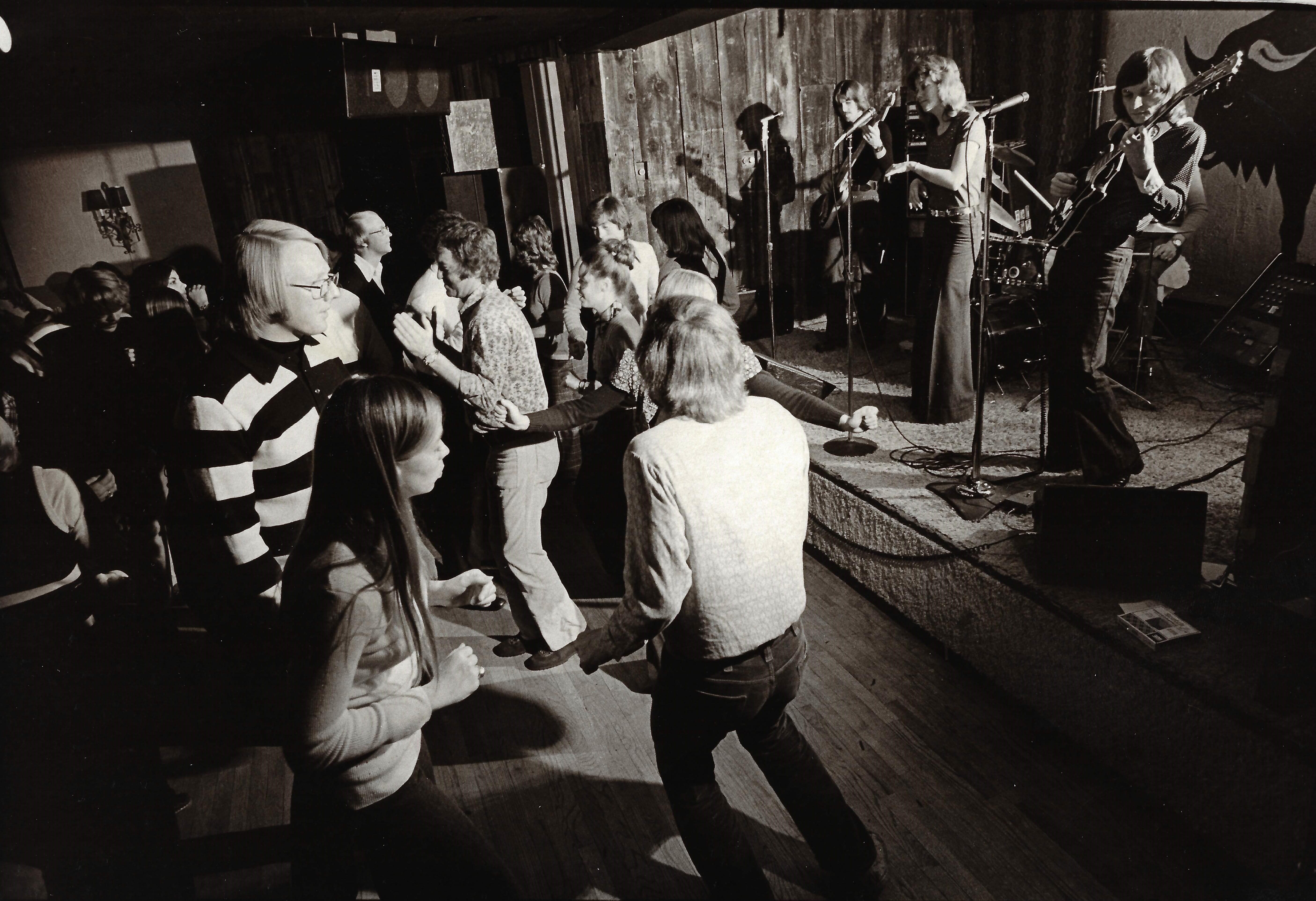
Nu Gnu, Vail, CO, circa late 1960s/

This is the Nu Gnu which opened during the late 1960s as one of Vail Village’s first rock ‘n’ roll bars and one of Vail’s original iconic libation locations. In 1967, Paul Ross Johnston moved to Vail and founded the Nu Gnu. Paul, former mayor of Vail and owner of the Christiania Lodge, manned the door every night with a handlebar mustache and a fishnet shirt or a feather boa and a painted head, explains the Vail Daily. The Nu Gnu was a perfect apres-ski night spot.

Thanks to the Colorado Snowsports Museum for the picture and Dana Mathios, Curator and Director of Collections, for the description. Consider supporting our precious ski and snow sports museums as they are the only stewards of the winter sports history.

Rock and roll is here to stay!

John Denver

This Week In SeniorsSkiing.com (Oct. 18)

Stirring The Pot: Reaction To Ski Collision Article Signals Concern From Senior Skiers.

We get letters. Do we! Well, not letters, but comments. A couple of weeks ago, we published an article by SeniorsSkiing.com correspondent and XCSkiResorts.com publisher Roger Lohr recounting a hit-and-run collision that left him with ongoing back pain. Obviously, that article struck a sore point: Our readers had a lot of passion about on-slope safety.

Out-of-control skiing was also a top grievance we identified through last spring’s Annual Survey.

Based on the energy expressed in your responses, we decided to ask the National Ski Patrol what the official policy was regarding speeding skiers. At press-time, we have learned the NPS and NSAA are coordinating to respond. We will publish their response as soon as we receive it. On the other hand, we did hear from some readers who were in fact current or former NSP patrollers. The general drift of their comments was: We warn when we can, we can’t be everywhere, policing is not a primary role. So, role clarity is apparently missing here; many readers expressed that they expected the NPS to lift tickets. Clearly, clarity is needed.

On the other hand, our readers had many interesting and novel ideas for controlling the inconsiderate and rude skier. Here is a loose summary of some of those ideas:

  • Put up signs warning against speeding and its consequences
  • Indoctrinate new skiers to rules in ski lessons
  • Update the Skier’s Code of Responsibility
  • Bring the issue to resort owners at the NSAA (National Ski Areas Association)
  • Put in speed bumps at run-outs and trail intersections
  • Practice personal situation awareness; check your six
  • Enforce the rules
  • Sue until it hurts

Meanwhile, SeniorsSkiing.com co-publisher Jon Weisberg has connected with Dr. Dan Gregoire, head of the SnowSport Safety Foundation, a non-profit whose mission is to encourage concerned skiers to advocate for skiing safety. The organization issues safety report cards for selected resorts. See Jon’s Short Swings article this week for more details.

We have some other ideas about raising consciousness about this issue in the ski industry. One of those is asking our readers to share their experiences with others in a new feature tentatively called “Incidents and Accidents”. We will keep you in the loop as this develops.

This Week

Last
time you skied?

We hear from UK-based Bob Trueman about his advice for seniors returning to skiing after a hiatus. We know there are many newly retired seniors who want to get back to the sport they loved before career and family drained away their time. With new and open calendars, they are checking out what’s new. Bob’s advice is most interesting, different, and useful.

Co-publisher Jon Weisberg reviews the Apex boot, an innovative change to the classic ski boot. The Apex is proving very popular with seniors because it is comfortable. But how does it ski? Check out his thoughts here.

Our Mystery Glimpse this week goes apres ski. Check out the picture and the answer to last week’s mystery. We told you those guys shooting M1s in the snow wasn’t what you thought. Find out here.

John, Where’s Your Helmet?

Thanks to SnowBrains.com for pointing this next one out. We are publishing a retro music video of John Denver singing and skiing “Dancing To The Mountains”. Check out his groove as he skis what we think is Aspen, sans helmet but with a lot of hair spray.

Thanks again for reading SeniorsSkiing.com. Get ready to head to ski shows and grab some bargains: gear, clothing, ticket deals.

Please tell your friends, and remember there are more of us every day, and we aren’t going away.

Apex Boots

Short Swings!

A subscriber recently brought to my attention the SnowSport Safety Foundation, a non-profit, with the mission to encourage and enable ski area safety improvement through research, education and public access to reliable safety information.

Dan Gregorie, MD, MsM, Trustee, Founder, President, SnowSport Safety Foundation

It was conceived by Dan Gregorie, after losing his adult daughter in a terrible snowboard accident at Alpine Meadows. Dan, a Physician Executive, Board Certified in Internal  Medicine, set up the foundation to research the issue and to encourage greater transparency regarding safety procedures, accident reporting, etc. 

When we spoke, he explained that the resort industry has no requirements to disclose information about accidents. In fact, other than the mechanical operation of lifts, the ski resort industry has virtually no safety regulation, government oversight, or accident/injury reporting requirements.

He and his team have made impressive progress identifying safety issues and developing a protocol for evaluating the safety profile of individual areas. The foundation’s website lists safety scores for the California and Nevada resorts. It also lists a decade of Colorado resort fatality stats.

The website encourages concerned skiers to become advocates with area management and local and state authorities.

We’ll have more about the work of the SnowSports Safety Foundation in future issues.

On a related note, a reader alerted us that last season he noticed that Vail posted “…the number of lift passes they voided for reckless and dangerous skiing.” I emailed Vail to learn more and to see if this is something they are doing or plan to do at their other resorts. Will report when I hear back.

If you’re aware of what areas are doing to improve on-snow safety, please email me (jon@SeniorsSkiing.com) or post them in Comments.

Prediction: Snow to Favor Eastern Canada

Accuweather, which is said to make highly accurate weather forecasts, predicts that Quebec and Ontario will experience a snowy winter.

A-Basin is First to Open

Arapaho Basin opened last Friday. Keystone was running on Saturday.

Wolf Creek’s 80th

Wolf Creek will be celebrating it’s 80th season. You’ll see in our list of North American resorts with big bargains for seniors (look for it next week), that Wolf Creek has good day ticket prices if you’re 65; once you hit 80, its free.

Lotsa Flights to Big Sky 

Bozeman Yellowstone International Airport (BZN), gateway to Big Sky, has 13 daily non-stops to Atlanta, Chicago, Dallas/Fort Worth, Denver, Detroit, Houston, Los Angeles, Minneapolis, New York, Portland, Seattle, Salt Lake City, and San Francisco. 

Artificial Skiing on Copenhagen Power Plant Roof


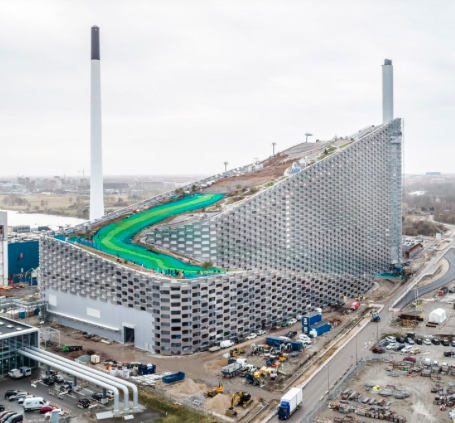
Copenhill is the artificial ski run on the roof of a new trash-to-energy facility in Copenhagen. It uses a magic carpet lift. The same architectural firm has designed a hotel in Western Switzerland with a zigzag skiable roof.

Alan Engen to be Recognized at University of Utah’s Annual Ski Affair

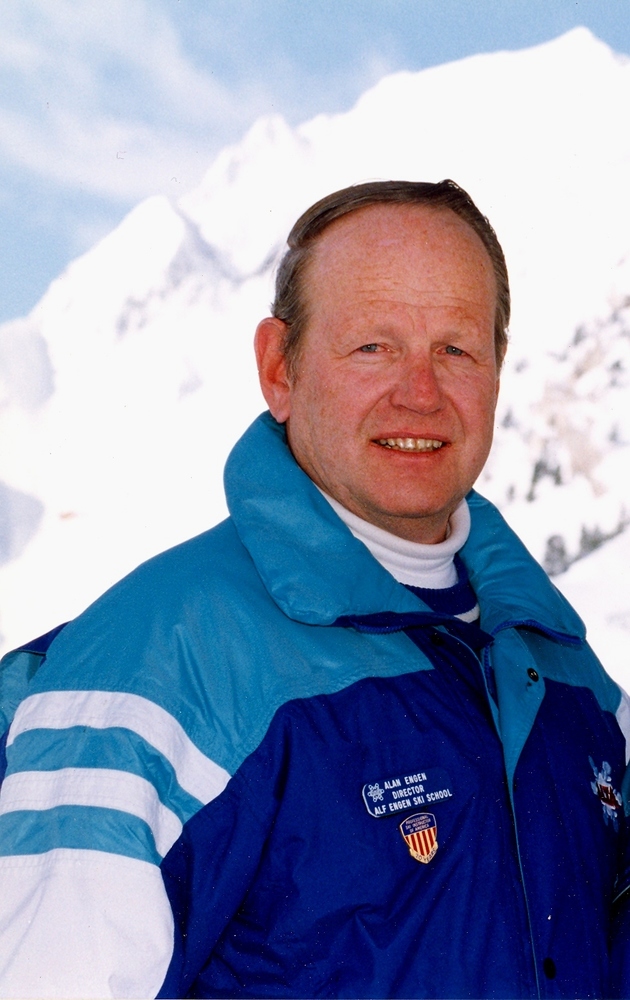
Alan K. Engen, retired Director of Skiing Services at Alta, will be honored at the 29th Annual Ski Affair, November 5 in Salt Lake City. Alan, a member of the SeniorsSkiing.com Advisory Council, is a highly celebrated skier. Among many other accomplishments, he was an All-American skier in college for the University of Utah and has been inducted to several Halls of Fame, including the U.S. National Ski Hall of Fame (2004).  As a ski ski historian he authored  the award-winning book, For the Love of Skiing – A Visual History (1998) and co-authored First Tracks – A Century of Skiing in Utah (2001). He is Chairman Emeritus of the Alf Engen Ski Museum Foundation; Chairman of the Alta Historical Society, and a former member of the board of directors for the U.S. Ski and Snowboard Hall of Fame and Museum. More on Alan and his many contributions to the world of skiing in the coming weeks.
Comic John Pinette on Skiing

I got a kick watching this 2 minute video of comic John Pinette talking about his adventure on skis.

John Denver

John Denver Ski Music Video

“Dancing With The Mountains” Ode To The Lure of Skiing.

John Denver singing and dancing down and with the mountains.

“Dancing With The Mountains”

Everybody’s got the dancing fever, everybody loves to rock and roll.
Play it louder baby, play is faster, funky music’s gotta stretch your soul.
Just relax and let the rhythm take you, don’t you be afraid to lose control.
If your heart has found some empty spaces,
Dancing’s just the thing to make you whole.

I am one who dances with the mountains. I am one who dances in the wind.
I am one who dances on the ocean,
my partner’s more than pieces, more than friends.

Were you there the night they lost the lightning?
Were you there the day the earth stood still?
Did you see the famous and the fighting? Did you hear the prophet tell his tale?

We are one when dancing with the mountains.
We are one when singing in the wind.
We are one when thinking of each other
More than partner’s, more than pieces, more than friends.

https://www.youtube.com/watch?v=XM5wA2L4MPE&feature=youtu.be


Mystery Glimpse: Dancing, Where?

It Was A Famous Apres Ski Hangout Back In The Day.

Hint: Think Colorado. What place? What year? Thanks to the Colorado Snowsports Museum for this blast from the past.

Last Week: Bang, Bang

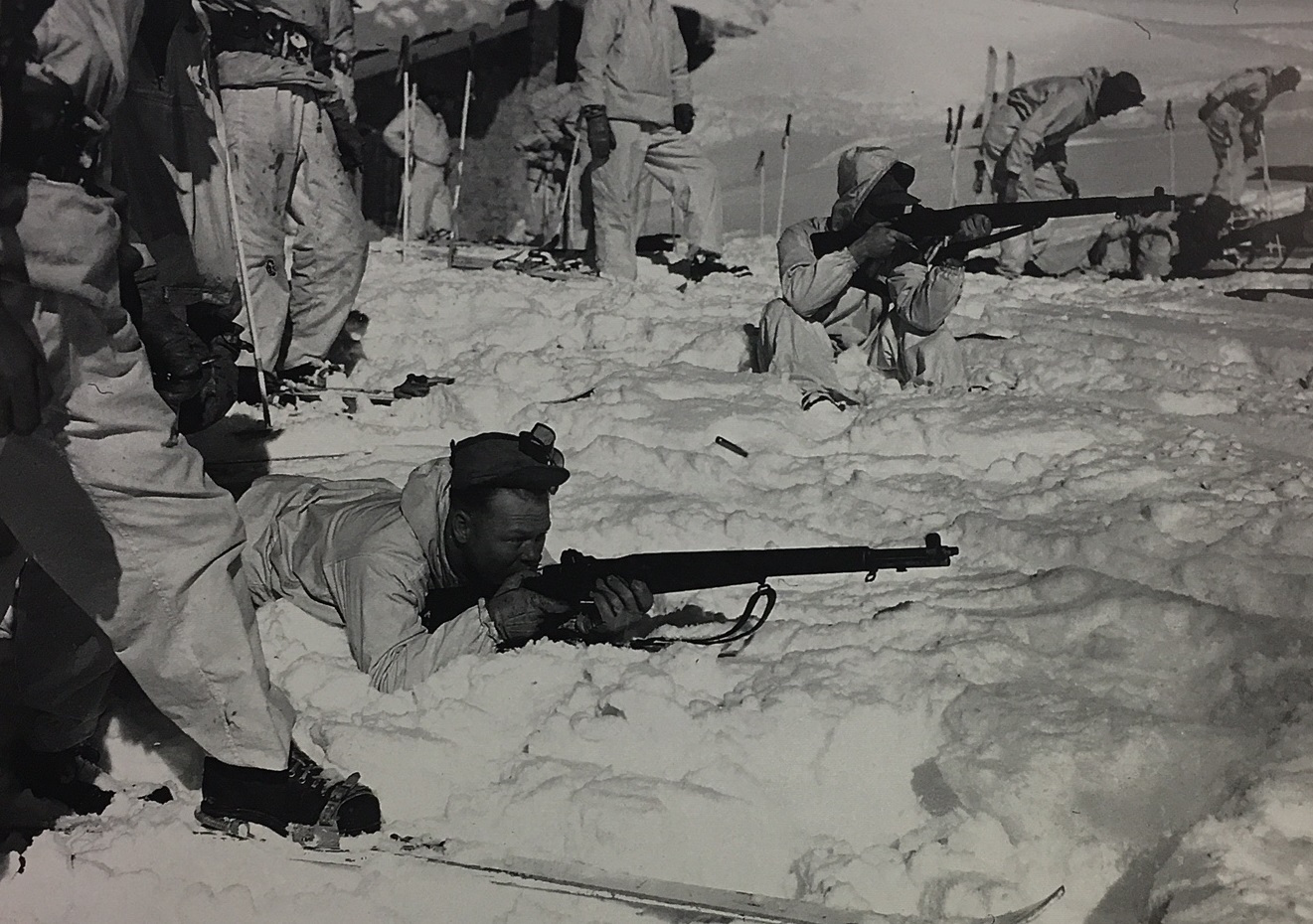
As we said last week, it’s not what you think. It sure looks like the 10th Mountain in training at Camp Hale, as several readers have guessed.

Here’s the story of the photo, taken from the library archives of the Alf Engen Museum, Park City, as explained by Jon Green, the museum’s operations manager.

Taken around 1942, this image shows paratroopers from Fort Benning, GA, who were sent to Alta to learn how to ski and fight in the snow.

From the book, Dick Durrance: The Man On The Medal, The Life And Times Of America’s First Great Ski Racer, as told by the inimitable John Jerome:

“In the fall of 1941, a few months before the Japanese bombed Pearl Harbor, [the 17-time national championship ski racer] Dick Durrance got a call from a Jack Tappan, an army colonel, who asked if he was interested in training paratroopers for ski warfare. Washington had determined that the U.S. would probably soon be involved in a war in Europe, and part of it might be fought in the Alps in the winter.” At the end of that winter, Dick and his fellow instructors determined that “maybe a third of the troopers would become pretty good skiers, the middle third could get by, but the other third had better stay in the paratroopers and forget it.”

Just after Pearl Harbor, early elements of what became the 10th Mountain were activated. The planners decided to recruit active skiers and outdoorsmen who actually knew mountain sports, rather than convert standing regiments of troops, even highly trained paratroopers. Perhaps the lessons learned by Dick Durrance at Alta led to that wise decision.

Mystery Glimpse

Coming Back To Skiing

If You Have Been Away From The Sport For A Few Decades, Welcome Back and SURPRISE!

If this is what you remember about your last time skiing, you have some catching up to do.

Remember the old days?  Long stiff skis?  Weighed a ton.  Wearing yourself out to jump them into the air to change direction?  It didn’t matter back then because we were young and fit.  Now look at us.   

Well, the good news is EVERYTHING has gotten better. Praise be, I don’t need to be the man I was, because I’m not.

The lifts are better, the slopes are better groomed, the clothing keeps you warmer.  Boots are more comfortable.  And this is key: Skis are lighter, bendier, and much easier to ski on.  They really want to make arcs for you. 

Five Essential Tips For Returning Skiers

  1. Be brave. You did it before, you can do it again.
  2. But be cautious, not reckless.  No matter what you skied before, spend more time than you might think is needed, on very gentle slopes.
  3. Aim to start slow and easy, and work up as appropriate.
  4. Of course you’ll be excited, you’ll want to “git started”, but don’t do too much on days one and two – you’ll get tired, your muscles will object, your control will slip away and you’ll wind up on a low, instead of a high.  Picture a rising graph, not a falling one.
  5. After the years away it will matter more HOW you ski, than WHAT you ski.

Get Your Mind Back In The Groove.

Don’t wait until you’re standing on the snow before you begin training your mind.  Read some good ski improvement book, it won’t take long, and it’ll add to your anticipation, like having an extra holiday. You might consider my own book “Ski In Control: How To Ski ANY Piste Anywhere In Full Control”. There are many more. Get an understanding of how a ski turn works by your fireside. It is incredibly helpful to have the concept down before you go.

Four More Useful Tips.

  1. Avoid buying new skis or boots before you go.  Wait until you get to the ski hill and visit the rental shop. Tell them what kind of skiing you hope to do.  Be careful not to let them “up-sell” you, using skis that are too advanced won’t help you.  Tell them you will want to try numerous different pairs during the week, if you have a week.  If you find a pair you like, say you’ll buy them if they deduct the hire fee. 
  2. Boots: Whatever else you do, avoid too-stiff boots like the plague.  They may make you feel more secure, but you won’t be.  You must be able to flex your ankles.
  3. Boots are different in the shop than on the mountain.  They’re thermo-plastic, they’ll get much stiffer when they get cold. Take that into account.
  4. The shop will offer you poles and will be insistent that they have judged their length correctly for you.  Ask them for shorter ones – even 4” shorter.  Just for a day.  Then exchange them later for a pair 2” longer than those.  Keep going until you find a length that a) you like, and b) don’t make you ski upright.

One More Thing: Lessons

If you plan to take lessons, never a bad idea, take care about private lessons, at least to begin with.  Why?  Because one-on-one gives you far less rest.  Private lessons are much more intense and tiring. It also means you won’t get a chance to get or give any feedback from or to others.  Try to find teaching in small groups.  You’ll get more out of it.

You’ll find a lots more useful information on bobski.com, or soon you’ll be able to subscribe to my new Youtube channel for a free online coaching course.


APEX Boots: Simplicity. Comfort. Performance.


If there’s a skiers’ Hell, its boot room will be full.

Many of you have written to complain that your boots don’t provide good support; they’re too cold; you have to tighten them until your feet go numb. They have you thinking about ending your skiing careers. 

There’s no other piece of equipment that stimulates as much discomfort and emotion.

For those of you who suffer, I have these words of advice: either seek out a professional bootfitter or try Apex. 

Really good boot fitters can be found in some ski shops, not all. Some are more skilled than others, and finding a good one can be hit or miss. America’s Best Bootfitters.com lists those who have gone through an important training certification program.

Fantastic Experience!

But many of you have problem feet that even the most skilled bootfitter won’t be able to help. Fortunately, I’m not among your ranks. But I am curious. So, last season I spent time skiing the Apex boot. A fantastic experience!

Apex Boots

The Apex system is a hybrid of a soft and comfortable walkable boot and a stiff open chassis. You slip the soft boot on with ease – even on cold days – and turn a knob that controls a thin cable snugging the boot to the contours of your foot. Walk from the lot or around the lodge with these super-comfortable boots. When it’s time to ski, step into the chassis, close the three buckles, and step into your bindings. It’s as simple and as comfortable as that.

I skied them in the Rockies and in the Alps, and they did what any well-fitting boot should do. They transferred my movements to my skis, provided proper and comfortable support, and kept my feet comfy, even on some brutally cold mornings.  I used the Anterro model  ($899), which is Apex’s top of the line Big Mountain edition.  It’s available in a women’s model (Antero-S; $799), as well. The other two choices are the Crestone (All Mountain; $749) and the Blanca (Ladies All Mountain; $649).

Different Look

Since they’re different looking, they serve as an ice-breaker, which got me into a variety of conversations. I ran into people who were aware of Apex but skeptical about them. Understandable, but not fair. The boot skis very nicely (and COMFORTABLY). A few fellow riders knew some Apex converts and reported they were pleased. After I wrote a brief article about the boots (That was before I skied them), several Apex owners wrote in to report how much they love them. A few outliers emailed admonishments that I should know better. I’d refer them as well as anyone interested in how other skiers respond to Apex to the user reviews on the Apex website. People with all kinds of foot conditions explain how Apex resolved them.

My only criticism is that it took a while to get accustomed to managing the two components. But, really, not that long.

Bottom Line

Here’s the bottom line: If you want a solution for uncomfortable or underperforming conventional ski boots, invest in a pair of Apex boots. You can get them fitted in ski shops stocking the boot. Or you can purchase them directly through the manufacturer’s website. I spoke to one of the Apex executives while preparing this article. Readers ordering the boot directly (Discount code SENIOR3000) will get free shipping in the lower 48, a ski boot bag from Kulkea (value: $149.95), and free demos for friends and family through 2020 at Apex’s demo center in Golden, Colorado. The offer is good through November 30.

This Week In SeniorsSkiing.com (Oct. 11)

Free Skiing For Seniors: Early Observations.

One of the most popular features on SeniorsSkiing.com is our annual listing of resorts that offer free or almost free skiing for seniors. “Almost” free means a lift ticket or a season pass that can be had for a token amount, usually a processing fee or relatively small cost.

For the past several weeks, the lights have been burning late at SeniorsSkiing.com Headquarters. We’ve been waiting for resorts to post their 2019-20 rates, and many started appearing in September and late August. In a couple of weeks, after we’ve verified the final outliers and settled on a new format, we’ll publish our 2019-20 listing of free or almost free skiing in the US and Canada as Subscriber-Only Content. [Subscriptions to SeniorsSkiing.com are free, by the way.)

The process of finding and verifying senior rates is time-consuming. We have to go to each resort’s website, find the lift ticket and season pass rates, search for the senior eligibility age, and note it all on our spreadsheet. Some resorts have clear and easy to navigate sites, others have sites that are clearly amateurish. Others have one website for combined winter and summer activities, adding another layer or two of clicking.

But in going through the process of finding each resort’s pricing plan, we’ve noticed something of a trend. Call these observations rather than findings.

Many of the destination or big, brand name resorts offer free or almost free skiing for seniors beginning at 80 years of age. Those same resorts may or may not offer a discount for 65-79, varying from 10 percent off a regular adult pass to 40 percent, mid-week being the most cost-effective offering.

And many of those big resorts do not make it easy to find the offer of free skiing for 80+ on their websites. In fact, when we saw a separate price for, say, 65-79 year olds, that was a tip that there was something going on for 80+. We had to confirm many of those with an email to the resort. In other words, the free skiing for seniors 80+ option is not clearly obvious on many big resorts’ websites.

On the other hand, when we went to small and mid-sized resorts, the rates for seniors was more likely to be upfront and clearly displayed. These rates were usually found on a table where prices for kids, adults, military, college students, and seniors were immediately accessible. And there are great deals,

For example, Michigan’s Mt. Holiday has free skiing starting at 65. Monarch Mountain in Colorado has free lift tickets for 69 year olds and a $20 fee for a season pass. McIntyre Ski Area in New Hampshire offers a free lift ticket for 65 + and a $30 season pass. For many small or mid-sized resorts, the discounts or free skiing start to kick in at 70.

A couple of observations to share;

  1. You have to ask about discounts at big resorts, regardless of what you find on the website. Call and talk to a person.
  2. Generally, small and medium-sized resorts are the ones that have big discounts and free skiing for seniors. While not necessarily glamorous destination resorts, they are the first line of affordability for seniors. For those who are complaining they are being priced out of the sport, look for those kinds of resorts.

Update: Unsafe Skiers

Last week, we published an article by SeniorsSkiing.com correspondent and XCSkiResorts publisher Roger Lohr, recounting his hit-and-run collision with another skier. That story plus our survey question about “What Pisses You Off?” got a lot of comments from readers. So, we are pursuing some of the questions raised about whose responsibility it is to monitor and control on-slope speeding. We have some inquiries being made to the National Ski Patrol, and we’ll let you know what we hear.

This Week

George Is Da Man. Credit: Harriet Wallis

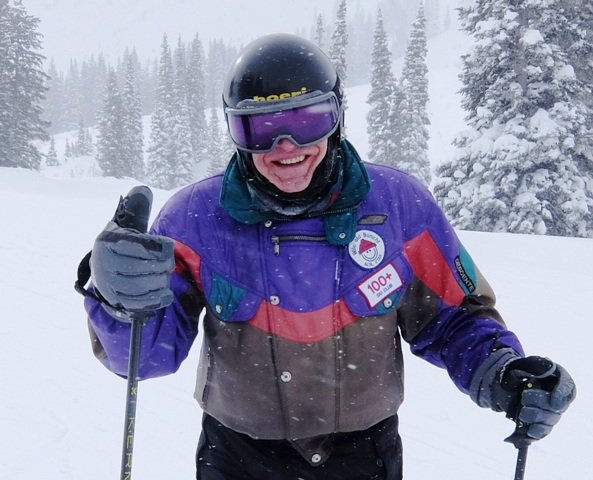
An inspiration to us all, George Jedenoff is the senior-most senior skier. At 102, he still enjoys the outdoor winter at Alta. Harriet Wallis has alerted us to his autobiography which is available and accessible by download for free. Check out his story here.

We are launching our first Mystery Glimpse of the season.

Thanks to the many wonderful ski museums around the US and Canada, each week, we publish an historic photo of a person, place, or thing that they contribute, and you have to guess what it represents. As for this week’s pictures, it’s really not what you think.

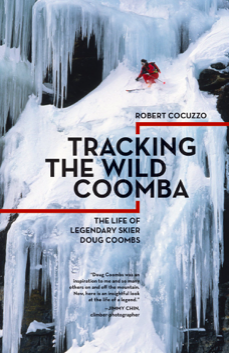
Also, co-publisher Jon Weisberg adds an appreciation of Doug Coombs, daredevil, risk-taker, celebrated skier of the steep and deep. Jon found Tracking The Wild Coomba, a biography of an extraordinary outdoors man and adventurer, in a book store on Cape Cod this summer. Click here to read his tribute.

SeniorsSkiing.com correspondent Don Burch offers another fun puzzle about skiing, this time a word puzzle. Give it a try.

Ben White skied the NH 48 as a teen.

Finally, we are posting an interesting article by Ben White, who, as a teenager, managed to ski New Hampshire’s famous 48 peaks over 4,000 feet in one season. He is sharing what he learned about skiing off-piste, lessons he learned the hard way. If you’re a backcountry skier, see what you can learn from his experience.

Thanks for reading SeniorsSkiing.com. Please tell your friends. Remember, folks, there are more of us every day, and we aren’t going away.

Short Swings!

Based on the overwhelming number of reader responses about on slope hits and near misses, it’s probably safe to say that skiing has become a contact sport.  Body armor products aren’t far behind.

Most of us got our first taste of protective gear when we donned helmets. I resisted a few years. Then word of head injuries started circulating, and I decided to give helmets a try. They’re comfortable, warm, and handy when skiing the trees. I never went back.

Europeans and ski racers have been using protective gear for years. Punch covers, forearm guards, and shin guards protect racers negotiating gates. The All Sport

Back protector by POC

Protection website lists a variety of protective products for skier bodies, including entire suits of armor, not dissimialr to those used by motorcyclists. The site is oriented to big air youngsters who subject themselves to big falls.

European skiers are well accustomed to using spine protectors. These padded devices are said to reduce spinal impact during hard falls. My understanding is that kids racing in the EU are required to use them.

Coming Soon to Your Back?

Based on the content of promotional emails and my participation on a ski product panel, it appears that spine protectors (aka back protectors) are the next big thing in safety gear for the North American ski market.

Slowing Down

I gave up speed a long time ago and for the past few decades have preferred to ski slowly and gracefully, regardless of terrain. 

Because that may make me more of a target for unwitting, unskilled, and irresponsible boarders and skiers, I practice defensive skiing. Busy days, I ski, literally, on the edge of slopes and trails, figuring that I’m minimizing exposure to others. And, I’m always glancing uphill to see what might be barreling my way.  

Importantly, if some jerk gets dangerously close, I do my best to catch up and explain that what he/she/they did is unacceptable.

As for patrol, I respect them for everything they do to protect us from avalanche and obstacles and for helping the injured get the help they need. But I rarely see patrol stop a reckless rider.

As we older skiers enter a new season, on-snow safety is a big concern. We can put on the body armor. We can voice our concerns to area and patrol management . Or, we can ski defensively; glancing around us as we work our way down the hill and avoiding overly crowded terrain.

If you have your own techniques for avoiding skiing injuries, we’d be happy to share them with other readers.

New Take on Cable Delivery?

Credit: AP

A pilot in Italy tangled his plane in the chairlift cables of Prato Valentino last Sunday in the Italian Alps. The pilot was thrown to the ground and taken to the local hospital. His passenger, trapped inside, was rescued, unharmed, by emergency workers.

Scottish Cancer Survivor Skis 120 Consecutive Months

Credit: CTVNews

Helen Rennie, 65, an Inverness school teacher, has been skiing monthly in the Scottish Highlands since 2009. She started in 2006 but was stopped several months later when diagnosed with esophogeal cancer. There are times when she hikes miles to reach a patch of snow where she takes a few turns. Talk out grit and determination!

New Documentary on First US Amputee Skier

Paul Leimkuehler lost his leg during the Battle of the Bulge. He returned home and designed the first ski outriggers in the US. His innovation launched the adoptive skiing movement which liberated many from their wheelchairs, allowing them to expeience the freedom and joy and skiing.  Now his granddaughter, Katie Leimkuehler, has produced a fascinating documentary on her grandfather’s life and accomplishments. It’s called Fresh Tracks and premiers December 12 in Breckenridge at the Hartford Ski Spectacular sponsored by Disabled Sports USA. More info on future showings will appear as they become known. Watch a short based on the film here.

Versatile and Super-Bright Compact Flashlight

Just started using the Fenix LD 30 flashlight. It comes with a rechargeable Li-ion battery. A small button transfers between five light settings, the brightest of which is an impressive 1600 lumens. The light also has a strobe setting. It’s about 4.25” long and 1” wide, comes with a carrying case and a USB cable for recharging. This is ideal for pack, car, boat, basement or garage. MSRP: $79.95. Available at https://www.fenix-store.com/fenix-ld30-flashlight-1600-lumens/.

Tracking The Wild Cooba: An Appreciation

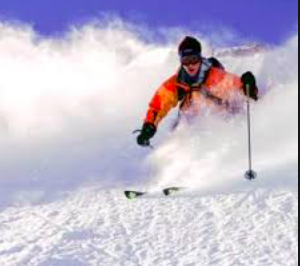
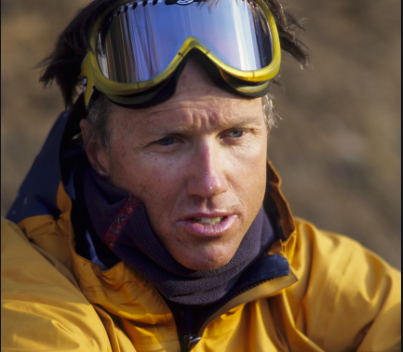
Doug Coombs was one of the most celebrated steep and deep skiers of the ‘80s, 90s, and 00s. Many of you will remember his film exploits and his steep skiing camps at Jackson Hole and in Tinges and elsewhere in Europe. He died in La Grave France in 2006, when he slipped off a cliff on skis trying to find and help a fellow skier. 

I found “Tracking the Wild Coomba” in a used bookstore on Cape Cod. Authored by Robert Cocuzzo, it was published in 2016. Handwritten on the title page is this note from the author: Sebastian, The inspiration to write this book came when I first read The Perfect Storm. Your words drove me to become a writer. Thank you.”  An unexpected find.

Coombs grew up in a skiing family in Bedford, Masachusetts. From the beginning he was a risk-taker, performing crazy stunts and showing off for friends. When he was 17 at Waterville Valley, New Hampshire, he crash-landed. Dazed, he went to the clinic at the base of the hill. No one was there. He went back up the hill and continued to ski. When he got home, his mother took him to the hospital where he was diagnosed with several broken neck vertebrae. His muscular neck had saved his life. He was wheelchair-confined for months, with a stabilization device screwed into his head. Doctors informed him that he would die if he fell again.

Over the ensuing years Coombs established himself as one of the world’s preeminent steep skiers. In telling his story, the author also tells us about the evolution of steep skiing and introduces us to many of the sport’s more prominent personalities. He takes us to numerous places where Doug hung out. These include Valdez, Alaska, where he and his wife, Emily, lived in a trailer, purchased cheap helicopter rides, and specialized in skiing first descents of previously unnamed steeps in the Chugach Range. Before long he was attracting a robust clientele to his heli-ski guide service. 

We learn how he and Emily started the Steep Skiing Camps at Jackson Hole and how he became the area’s public face. But trouble was brewing. As a key member of the underground Jackson Hole Air Force – a cadre of highly skilled, hard core rope-duckers – he is pursued by the Jackson Ski Patrol. It is Les Miserables on skis. He’s caught and banned from Jackson. Soon after, he and his wife set up shop in the French Alps.

Once there, he integrates well with top-ranked skier/climber/guides, eventually earning their respect and becoming a fully credentialed guide. 

Throughout the book, the author paints Coombs as a remarkably caring and congenial person, always there to help others.

Doug Coombs

On April 6, 2006 in La Graves, he was skiing with three friends, including Chad VanderHam, a young American who had attended multiple Steep Skiing Camps and worked with Coombs in France. The last run was through some couloirs they had skied before. VanderHam skied down and went out of sight. Coombs skied to the edge of a cliff and called down to him. The other two heard Coombs call for a rope. One skied part way down  but before reaching him, Coombs, on skis, had slipped off the cliff. 

Chad VanderHam was declared dead by the time his copter reached the hospital. Doug Coombs, warned at 17 that his next fall would be his last, died from a broken neck. He was 48.

The book weaves Coombs’ story with Cocuzzo’s travels to document it. He follows Coombs’ path, interviewing and skiing with the people who knew him.

The author finds his stride not too far into the book. It becomes an absorbing read.

Tracking The Wild Coomba: The Life of Legendary Skier Doug Coombs. Copyright 2016 by Robert Cocuzzo. Mountaineer’s Books. Available online from $3.44.

Mystery Glimpse: Bang, Bang

The First Glimpse Challenge This Season Is Not What You Think.

When, Where, What, How, Who?

This Mystery Glimpse photo comes from the archives of the Alf Engen Ski Museum in Park City, UT. Take a virtual tour of the museum’s collection by clicking here.

The Mystery Glimpse feature posts a photo from one of the ski industry’s wonderful museums. Often these museums are located at or near ski resorts. They preserve and maintain unique assortments of ski history memorabilia, artifacts, documents, publications, and photographs. We are very grateful that so many ski museums are sharing photographs with our readers.

Do you know what’s going on in the picture? Take a guess in the Comment Box below. We’ll reveal the story behind the photo next week.

1974 We Learned to Ski

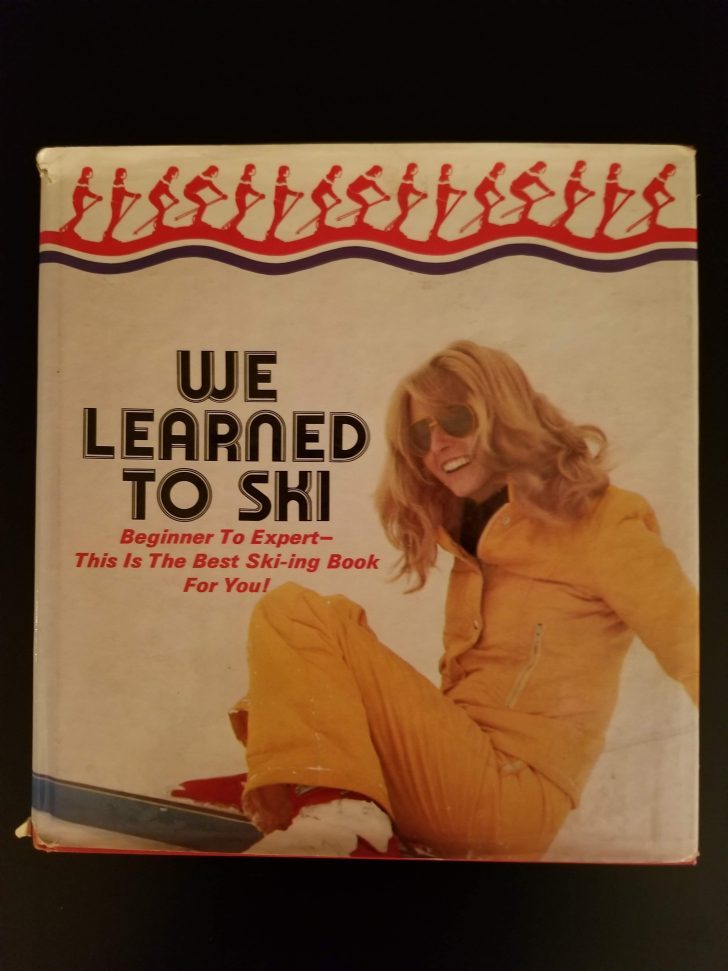
1974’s We Learned to Ski: Still Fun to Read

There’s a lot of skiing literature from the past, some of which still has relevance. If you have a favorite that you’d like to share with other SeniorsSkiing.com readers, please write an appreciation and send it in. Our goal is a maximum of 500 words. Thank you, Susan Zangrilli, for this nice account of We Learned to Ski.

Although equipment and ski teaching has changed since the 70s, We Learned to Ski, produced by writers and artists of The Sunday Times of London, remains one of my personal ski library favorites.

The not-quite-coffee-table 10” by 13” format is filled with photos, illustrations, easy to read headings and text, and covers everything about skiing from choosing a resort, equipment, and lessons starting from day one on snow, to getting fit for the sport.

Authors Harold Evans, Brian Jackman and Mark Ottaway write “their main impetus is a conviction about the teaching of ski movements.” They explain that the book addresses those mainly unbitten by the ski bug and recreational skiers with less than three years experience.

In Chapter 1, Where to Go, the authors illustrate “Goodalp” and “Badalp.”  Lift access in the “Goodalp” allows skiers to ski the upper slopes without having to return to the bottom at the end of each run. A “Badalp” forces many of the skiers do just the opposite, creating bottlenecks at the base.

Lessons for Beginners, Stopping and Going Slow, mentions using a “half-plough,” when there may not be room for a wide basic snowplough. One ski stays flat in the fall line, the other has an open tail, is set on its inside edge, and acts as a brake. This might come in handy for me this winter.

Large illustrations in Chapter 25, Ski Craft, compare the descent of a “crafty skier” and a “snarled-up skier”; how to navigate a narrow, icy catwalk, and the best path through a mogul-filled gully.

It’s fun to read about older ski techniques in Section 6, Lessons for the Advanced Skier: the “jet turn,” with its “sit-back style,” classical and braking wedel turns, and the avalement turn to master moguls.

The book: We Learned to Ski, Copyright © 1974, 1975, by The Sunday Times, St. Martin’s Press, Inc., New York, New York. Copies are available online.


100+ Skiier

102-Year Old Skier George Jedenoff’s Autobiography Published On Apple Books

It’s A Thriller, A History, A Love Story And More. Read It Free On Your Computer.

George Jedenoff never gives up. Credit: Harriet Wallis

George skis with enthusiasm. He cruises steep trails and shouts with glee when he jumps into powder. That’s George!

Skiers at Alta flock to him for inspiration. “Age is just a number,” he says. “Don’t let it be a barrier.” His motto is: “Never give up.” His positive outlook is a cornerstone of his life.

George’s autobiography, My Centenarian Odyssey, chronicles his life and adventures starting with his family’s flight from the Russian Revolution when he was just a toddler, coming to America, and later working as a young man in a California magnesite mine for 50 cents an hour. He graduated with honors from Stanford, served in World War II then worked his way up in the steel industry to become president of Kaiser Steel, a premier supplier of shipbuilding steel.

Along the way he learned to ski, and he’s passionate about snow and the beauty of the world around him.

Read his autobiography free on Apple Books. Or you can download it free onto your computer. Be patient as downloading takes several minutes. Click to Download

George Jedendoff is out and about. Not bad for 102. But age is just a number, right? Credit: Harriet Wallis

Ski Resort Word Search

Jump In And Solve!