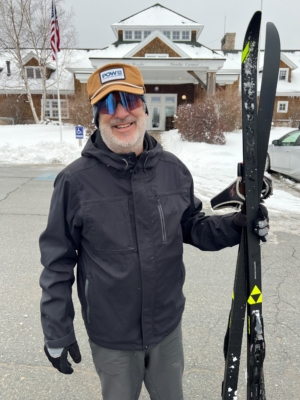
My Second Career as a Ski Patroller at Age 72

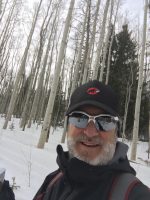
By Alan Slobodnik

When I retired from full-time work at the end of 2017 after a rewarding 50-year career as a family therapist, I was looking for a new passion and challenge in which to invest my energy and continue helping people live to their full potential.  I had always been adventurous and active, including skiing, golf, pickleball, weight lifting, long-distance cycling, hiking, kayaking, T’ai Chi,so something physical appealed to me.

As luck would have it, my wife and I met the  Assistant Ski Patrol Director and his girlfriend at our local bar, near where we lived in Waterville Valley. As I expressed my interest, he said enthusiastically, “You should come out for the Patrol and meet our Director,” never once mentioning my age (72 at the time).

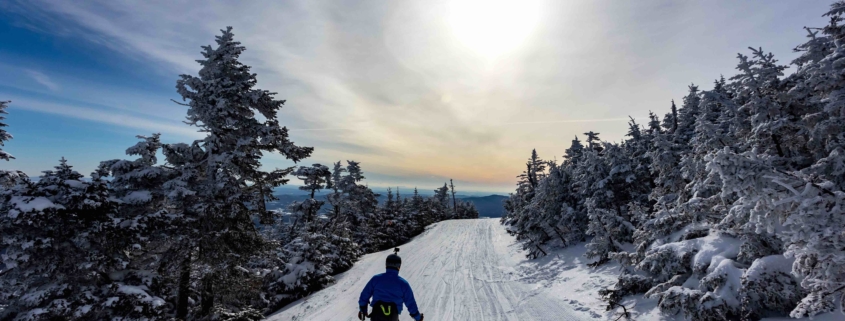
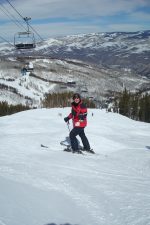
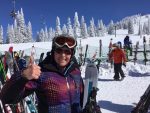
Photo by Harriet Wallis

I’m now entering my sixth season, and it has become the adventure of a lifetime and pushed me beyond what I thought was possible. 

It is hard not to fall prey to the ageism in our society and even in ourselves. One of my good friends and skiing buddies, an age-group national gold medalist in GS, told me that things in the body really start falling apart at age 75. I started to think that my seventies was not going to be my best decade, that my best skiing was behind me and the rest of my life was about loss and preparing for death. Boy, was I wrong!

Research shows that people do best when they push their comfort zone by 4%. Living with a positive and growth oriented attitude makes every decade feel better than the last.

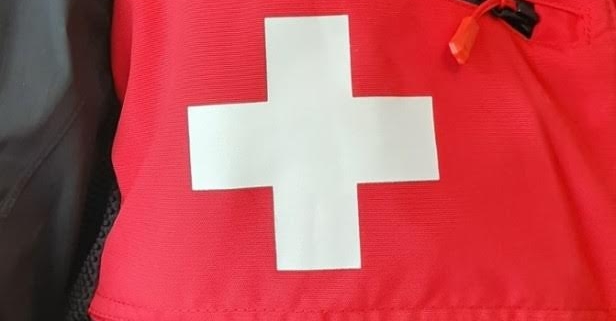
 Receiving instruction to improve my skiing (and developing toboggan handling skills) from the training directors, and hanging out with Patrollers of all ages who believed in me has been exhilarating and also keeps me feeling young, because I have a new peer group to keep up with.  Passing my medical training (a completely new skill for me) and receiving my white cross on my Patrol jacket was one of the proudest days of my life, partly because conventional wisdom said there was no way I should be doing this. The other part was because I truly love every part of being a Patroller, and no intention of quitting any time soon.

 Have there been physical and mental challenges? Of course, but true to my philosophy, I met them eagerly because I wasn’t ready to give up my adventures and joy. I had to work hard at my skiing, even though I thought I was already pretty good.

 I had my fourth joint replacement in July and crushed my rehab so I could be skiing by mid-November. When I felt my balance and agility slipping, I doubled down on T’ai Chi and started seeing a personal trainer. 

Stick to blue groomers in perfect conditions? That may happen in the future, but for now it’s “Hell No!” I’m having too much fun being the first one ripping down an ungroomed double black to see if it is safe to open to the public! And I want to be the first one to respond to someone who has suffered trauma in a fall, because I have worked hard to learn the skills to help them.

 I’m not an exceptional athlete, but I believe that 50 years of honing a positive mental attitude has prepared me well to find this phase of life so exciting and rewarding.  And it’s something we all can do.

 My advice to everyone is to follow your joy and believe you can achieve your dreams and goals, whatever they may be. Don’t give in to the myths of ageism! Focus on what you (and your body) can do and not what you can’t! I guarantee you will surprise yourself!

 If your joy is skiing, keep at it however you can and look me up on the slopes of Waterville Valley. I will be the guy with a huge smile on his face wearing a red jacket with a white cross.

-0-

Sugarbush Supporting Mental Wellness

Photographer Credit: John Atkinson

Getting out in nature triggers the biophilic hypothesis (human tendency to connect with the natural world and other living organisms) which involves lowering human stress, boosting mental health, restoring attention, empathy, and cognitive clarity by getting outdoors and benefitting from its support for mental wellness. Studies have been conducted to measure the impact of exercise for people diagnosed with depression, anxiety, eating disorders, and even post-traumatic stress disorder. This research shows beneficial effects that produce a statistically relevant and significant reduction in these mental maladies. There is also evidence for the effectiveness of exercise training in patients with panic disorder impacted by a number of psychological factors such as increased self-efficacy, a sense of mastery, distraction, and changes of self-concept.

The Sugarbush Resort in Waitsfield, Vermont is coordinating a challenge program called “Descent to Rise Above” intended to make people more aware of and provide support for mental wellness and resilience. The program invites skiers and riders to participate in a challenge to raise up to $50,000 for mental wellness and resilience by skiing and riding a BILLION vertical feet in a single season at Sugarbush Resort. Additionally, the Challenge looks to create chances to connect and possibly share some of the less-than-comfortable stories we all may carry. Riding the lifts and stopping during long runs tend to be great times for conversations. The infinite healing power offered by the outdoors and exercise has a potency that has been penned about by poets and proved by scientists—getting outside provides enormous restorative effects to our states of mind.

The Descent to Rise Above Challenge is a partnership between Sugarbush’s Be Better Here Fund and NFI—a New England nonprofit specializing in the healing of mental and emotional trauma. NFI is an agency that works with states to provide a comprehensive system of care, including crisis stabilization, residential care, and therapeutic foster care with resource centers in all of the New England states and New York. It is the hope of the Challenge to bring some light to what NFI does and provide resources so that they may continue to provide services to the youth and adults that rely on them.

Click here at Sugarbush Rise Above program for more specific details about participating. Sugarbush’s Communication Director John Bleh stated, “Skiing and riding a billion vertical feet in a single season is a big lift, but it can be achieved. Participants need only fire up the app and track their vertical every day they are at the ski area.” Sugarbush will post updates on the Challenge’s progress every week and award Descent prizes to participants, whether it be for their vertical, braving a particularly un-fun weather day, or simply for sharing their experience.

The top three participants from each New England state and New York will receive an Ikon or Sugarbush season pass for first place; a Quad Pack for second place, and a $250 Sugarbush Gift Card for third place. Each of the participating “vertical getters” will receive a commemorative Descent to Rise Above trail sign with their vertical accomplishment burnished into it along with some Challenge SHWAG.

Descent to Rise Above Challenge participants are also invited to share their stories about navigating mental health challenges. These stories can be shared anonymously, allowing for openness and honesty in a safe space.

Whether it’s a moment of vulnerability, a breakthrough, or a small step toward healing, peoples’ sharing their experience can help inspire others on their own path. 

More About Mental Wellness and the Outdoors

Will there come a time when psychologists prescribe an exercise and outdoor intervention as part of therapy for their patients? These activities would seem to integrate perfectly with cognitive behavioral therapy strategies such as situational analysis, self-monitoring, homework activities, and supportive follow-up to help compliance.

Physical fitness associated with other snow sports such as cross country skiing or snowshoeing can also improve self-esteem for those facing mental challenges, and as patients feel better about themselves they’ll develop a more optimistic and energetic frame of mind. There is also an association between aerobic exercise and increased alertness. The exercise improves circulation and increases the availability of oxygen to the brain while it also causes the body to produce chemicals such as adrenaline to promote mental alertness. Fitness can instill a sense of pride and confidence and allow the mind a pathway to escape from everyday stress. Biologically speaking, exercise is said to cause the brain to release beta endorphins, which are essential in relieving pain and create a sort of euphoric or light happy feeling. This overall mood enhancement can be prescribed to help treat depression and anxiety. Regular exercise will also invoke focus, determination, and discipline which are mentally strengthening.

“The Nature Fix” a book by Florence Williams published by W.W. Norton & Company in 2017 provides some of the most compelling arguments for people to spend more time outdoors in nature, based on an increasing amount of biological, psychological, and medicinal scientific evidence.

Over the years, efforts have been made to quantify nature’s impact on mood, well-being, ability to think (remember, plan, create) and sociability. Nature also effects a social component like the feeling that is shared among people who spend time together outdoors or people who perform exceeding acts of kindness in the aftermath of a severe environmental event such as a tornado, earthquake, firestorm, and such.

The evidence (20 pages of cited notes and credits in the book) about nature impact involves details with cortisol levels, sympathetic nerve activity, heart rate decline, and hemoglobin in the brain’s prefrontal cortex.  The Nature Fix is replete with plenty of information, but for the average person suffice it to say that programs that get us outdoors and exercise such as Descent to Rise Above Challenge is just what the doctor ordered.

Skiing/Snowboarding Indoors Year-Round in New Jersey

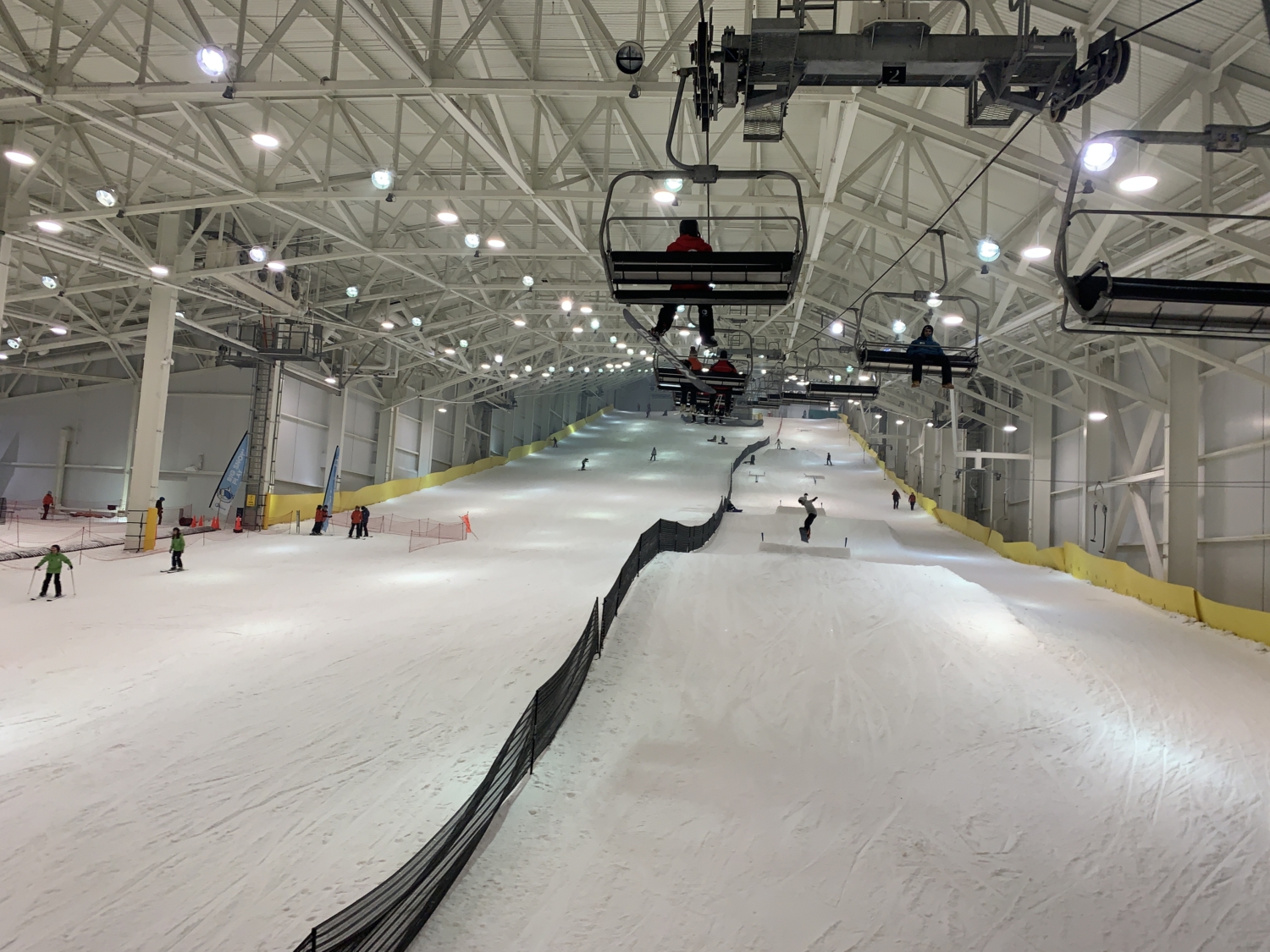
Big SNOW is the only indoor ski and snowboard area in North America. It is part of the American Dream Entertainment and Retail Center in The Meadowlands, East Rutherford, New Jersey, and a great place to learn year-round, get a jump-start on the new downhill season, or tweak your turns between outdoor trips.

Photo Credit: Big SNOW

The complex also offers other recreational activities, including what it claims is the world’s largest theme park.

The slopes at Big SNOW are 1,000 feet long, with a 160-foot vertical drop and a maximum 26-percent pitch, climate-controlled environment at 28 degrees.  One slope is a dedicated terrain park, perfect for skiers and riders working on new tricks or just wanting to get some fun in on a relatively short run.

 According to Marketing Director Hugh Reynolds, the consistent temperature ensures the optimal mix of snow quality and guest comfort. Snow is machine made. Capacity is 4.4 tons per hour, which is comparable to machine-made snow at outdoor facilities.

 Big SNOW encompasses 180,000 square feet, with four acres of terrain, including a specific learning area, four lifts, including a four-passenger fixed grip chairlift, two “Magic Carpets”, and a Poma lift. Maximum slope capacity is 500.

 The complex opened on December 5, 2019 and has hosted more than a million guests since. Most are locals, but Big SNOW gets its share of out of towners. Reynolds says a robust local community has built up around Big SNOW. He notes that the operation has thousands of guests who hold either a monthly subscription or multi-visit card product.

 For the 2024/2025 season, the facility is open 1pm to 8pm daily.  Day passes are $99.99 including equipment and clothing rental, but there’s nothing on the website that tells you the price if you have your own equipment and clothing.  There’s also a season pass for unlimited visits.

https://www.bigsnowamericandream.com/snow-day-packages/

 Big SNOW Background Story

 Big SNOW’s history dates to the early 2000s, when a project called Xanadu was in the works to bring indoor skiing, shopping, and entertainment to the Meadowlands. When it stalled for lack of interest and funding, the state of New Jersey approached the owner/operators of Mall of America to save it.

 Enter Joe Hession and his company SNOW Partners. Hession is the founder and CEO of SNOW Operating, and a recognized leader in the field of resort operations. He also created SNOW Operating’s Terrain Based Learning®. 

 Hession and Reynolds met at Northern New Jersey’s Mountain Creek (formally Vernon Valley). Both are strong advocates of introducing newcomers to skiing or snowboarding, and secured the lease to run the business in 2016.

 Big SNOW programs include equipment rentals, outerwear (pants and jackets), a helmet, a two-hour slope access ticket, and complimentary access to the Terrain Based Learning skills area and instructors.

 To prevent overcrowding, guests are asked to book lift ticket time slots in advance, similar to tee times in golf and ticket-limited resorts such as Powder.

 Ski Bikes also are available for those who want to try something different. The bicycle-like devices are engineered with skis instead of wheels. The “bike” package includes outerwear (not gloves), a helmet, and snowboard boots.

 Big SNOW is especially popular in summer, when outdoor skiing and snowboarding is unavailable, and as an early season warm up for practicing before the snow flies.

 “On an annual basis more than half of our visitors are new participants to the sports trying them for the first time,” Reynolds says. “We see a good number of tourism guests visiting NYC”.

 Big SNOW is just four miles from the Lincoln Tunnel, and the NY/NJ Port Authority offers direct bus service from NYC to American Dream daily.

Roth on Ski Safety

In many of my entries, I talk about skiing safety, but I think it needs more emphasis, maybe even continual emphasis. Here are the seven rules of slope safety to keep you and others out of danger:

1. Always stay in control and be able to stop or avoid other people or objects.

2. People ahead of you have the right of way. It’s your responsibility to avoid them.

3. Don’t stop where you obstruct a trail or aren’t visible from above.

4. Whenever starting downhill or merging on to a trail, look uphill and yield to others.

5. Always use devices to help prevent runaway equipment.

6. Observe all posted signs and warnings. Keep off closed trails and out of closed areas

7. Prior to using any lift, you must have the knowledge and ability to load, ride, and unload safely.

I’ve been thinking hard about the code of skiing. The most important in my mind is number two which doesn’t apply to you but really applies to all the people who are going to pass you.

As a senior skier I tend to ski slower and more carefully along the side of the trail and respect the code by announcing when I’m going to pass a skier well before I do. I ski at a speed that allows many people to pass me. I feel there must be a way to educate others who, when passing me, don’t say a word or shout “watch out”. I learned to ski in the 60’s and 70’s and announcing my intention is ingrained in me. The big question is how to indoctrinate many others who don’t apply this simple safety and courteous practice? If this was the armed service, their teaching methods would be to repeat it 100 times until it was engrained into your brain.

I think one solution would be to put up a permanent banner in the lift line where no one will miss it. If they take 10 runs a day they’ll see it 10 times. Unless they can’t read, it should eventually sink in. Wouldn’t that be nice? It’s the most important rule on the slopes and would prevent many accidents. I also think the logo for the Snow Angel Foundation is one we should all adopt. I plan on getting a patch to wear on my jacket just to give them the exposure. I know that Killington and other ski areas have partnered with the Foundation and will give the cause a great deal of exposure.

Last year at Whiteface the Foundation did have signs up in two locations in the lift line that said, “respect the zone”, meaning the 15-foot radius that is the “no ski zone” as one is passing. The signs were very small. They should be banners across the entire lift line so no one can miss them.

I avoid weekend skiing just because it’s crowded with hundreds of people zooming by you at speeds where they may be in control of or not! I also try to ski the wider trails and stick to the edges to give people the most room to pass. Lastly, I look for the most out of the way, unpopular trails on any mountain. Believe it or not there are many.

Today, our equipment is designed better and better for safer skiing. We have helmets to help prevent head injuries, heated equipment to prevent frostbite, and even inflatable vests for speed racers who might have a bad fall. Maybe someone should design ski clothing with airbags!

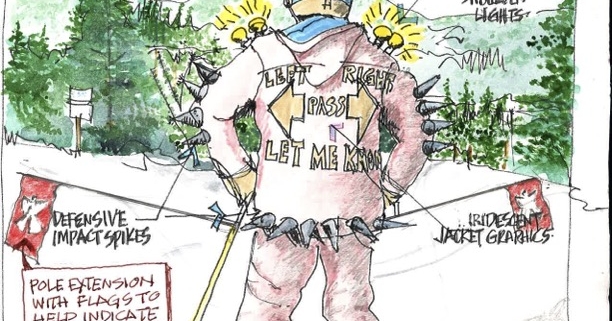
However, no matter how much you do personally, it’s the other guy you must worry about! I now have the ski pole extensions designed by SKI GUARDIAN and called MY SKI SPACE. Let’s see how much they’ll help keep people away.

50 Years the Wong Way

Ski the Wong Way!

That  was the header on the classic K2 poster of a young guy with long black hair wearing white mirrored sunglasses; in mid air off a mogul;, in the middle of a jet turn. It was the early 1970s and the young Canadian from Vancouver B.C. was the public image for the new sport of freestyle skiing.   

Today, the smile is still there; the sunglasses too. While the hair length is nearly the same, the color has ‘matured’. Nonetheless, for a generation of skiers, Wayne Wong is still our face of freestyle skiing.

Wong started skiing at age 11 with his buddies from Mount Seymour near his hometown. Traditional alpine racing wasn’t his thing. Instead, he told The Telegraph last year: ” We would tear down the mountain in a pack, running the moguls really fast and looking for things to jump off”. 

It was the start the Mount Seymour Hot-Dog Club.    

Hot Dog?

“We were show-offs.  That’s what I was. I loved it.” 

Back then there were no rules for this new style of skiing.  Olympic champion Stein Eriksen  had done back and front flips at ski shows in the 1950s and on hill acrobats like Herman Gollner, and Tommy LeRoy followed. Olympic downhiller Suzy Chaffee turned skis – and heads – when she traded her race suit for a silver outfit and danced down the slopes of Killington in the late 1960s. 

Wong, then a teenager, began developing his own repertoire of on hill tricks, many by accident. ” We would fall down and spin around and bounce back up on to our feet and go – Holy crap! That was a new trick.”

One day when skiing, he hit a wall of snow and his ski tips stuck into the mound. ” As I was thrown forward, I instinctively  put my poles out in front of me, vaulted over them, and landed back on my feet – a somersault using ski poles.” 

The world was introduced to “The Wong Banger”. That would become Wayne’s signature trick. 

At about the same time,  ex-Olympic racer Tom Corcoran who had opened the Waterville Valley ski area in New Hampshire and Skiing Magazine editor Doug Pfeiffer had a dinner table disagreement one evening over who were the better skiers: alpine racers or freestylers. They decided to organize an event to settle the matter. They arranged to get Chevrolet to sponsor and offer a Corvette as first prize. It was named the National Championships of Exhibition Skiing. It would be three runs with the best of two counting. There were no formal rules; just show your best and let the panel of judges, which included triple Olympic gold medalist Jean-Claude Killy, pick the winner.

Wong wanted in. With the help of hometown friends he scraped together $200 to travel from Vancouver to New Hampshire. It didn’t start well. Trying to show off the Wong Banger, he crashed on the first run. After a cautious second run to bank a score, he let loose on the third, nailing a Wong Banger. Then, on the last big kicker, one of his skis released on take off. Somehow he landed upright and, on one ski, made up some tricks down the hill to the finish. 

The judges were impressed. Wong finished third overall, winning $1,000. It was 1971, and at 21,  the start of his professional ski career. 

Did the event settle the issue of who was the better skier: ? 

It has never been a question in Wong’s mind: “It’s the one that’s having the most fun.”.

Back in Canada, Wong resumed his ski teaching, now under the heading  “Skiing the Wong Way”  He was named Freestyle Skier of the Year by Skiing Magazine in1972 and he continued to compete in Freestyle events in North America and abroad through 1976, his prominence boosted by a featured role in a widely seen Pepsi television commercial. Although no longer a competitor, he became a regular guest at events across ski country.  He came back to competition in the 80’s, winning the World Powder Eight championships in 84, 86, and 87.  

With his combination of style and personality. Wong has always been a popular figure with the public and for years he has used that appeal to benefit charitable causes.  At an American Airlines Celebrity Ski Event in 1984, he made a special connection with a six year old girl with cystic fibrosis.  Since then he has participated in events that have raised more than $40 million for that cause. 

Over the past half century, freestyle has survived some early safety issues to become a popular sport, now split into specialties. It has been on the Olympic stage since 1992. Even though he never competed in modern era of the sport, he has always been a prominent figure, including these days  as ‘sponsored athlete” at the Deer Valley resort in Park City Utah, reprising the on the slopes role held for many years by the late Stein Eriksen. Among his many honors, Wong is a member of both the US and Canadian Ski Halls of Fame. 

And this month, at age 74 and fresh off being featured in the AARP magazine, he will be back on hand as a special guest at Waterville Valley NH for the FIS Freestyle World Cup events, Jan 24 and 25. With his elegant ski style, colorful outfits and engaging personality, he won’t be hard to spot.

How about a Wong Banger, or two, Wayne? 

“No more. I hang out on the groomers now. My challenge today is just making good turns.”  


Short Swings for January 2025

Credit:Rinat Khairitdinov

As always, there’s lots happening at our favorite ski/snowboard resorts in January.  This month, let’s start with a shout-out to two of them which are making headlines for ground-breaking (literally) new lifts and new terrain.

Deer Valley

 The Utah resort Deer Valley has officially opened the first phase of its major 3,000-acre expansion area with the new Keetley Express chairlift, from the newly constructed Deer Valley East Village.  It opens never-before-skied terrain and provides additional skier access access 500 additional day-skier parking spots.

Keetley Express is Deer Valley’s first six-person chairlift with a bubble. It drops off skiers near the bottom terminal of the Sultan Express chairlift on Bald Mountain. Two additional new chairlifts also set to open this season, Hoodoo Express and Aurora, provide access to beginner-friendly trails and return connectivity to Deer Valley East Village.

“This terrain expansion represents a transformative moment for Deer Valley and our skiing guests,”Deer Valley President & Chief Operating Officer Todd Bennett told SeniorsSkiing. “Keetley Express and the skier access through the new Deer Valley East Village are the next steps in our commitment to deliver exceptional access and unparalleled ski experiences. These enhancements make our world-class terrain even more accessible while maintaining the thoughtful design and exceptional experience that define Deer Valley.”

Big Sky Resort

The Montana resort made history with the grand opening of the Madison 8 eight-passenger chairlift, which replaces the former Six Shooter six-pack on the Moonlight Basin side.  At an inclined length of 8,631 feet, Madison 8 now holds a record as the world’s longest eight-place chairlift installation, and advances the resort’s reputation as home of North America’s most technologically advanced lift infrastructure.

Madison 8 makes Big Sky Resort the only North American ski destination with three bubble D-line lifts and two eight-place lifts.

“Since Big Sky 2025 was announced nine years ago, we’ve had an ambition to create North America’s most technologically advanced lift network,” resort president and COO Troy Nedved told SeniorsSkiing, adding it’s the twelfth new lift installed since 2016, certainly makes this a reality.”

Also new this season is the One&Only Moonlight Basin gondola, providing direct access from the luxury hotel chain’s new Sky Lodge.

Short Swings From the East Coast

Tenney Mountain

The family-friendly resort in Plymouth, NH, is now open seven days a week for skiing.

Stowe Winterfest

January 23-25 – Watch professional ice carvers create stunning sculptures throughout the village, then experience the NICA-sanctioned Ice Carving Competition. There are more than 20 events activities for all ages, including ski movies, kids’ carnival fun, and unique sports tournaments like Snowgolf and Snowvolleyball.

Subaru Winterfest Returns to Killington

January 31-Febrary 2 – It’s fun and games, non-stop entertainment by local bands and free equipment demos at the popular Vermont resort. There’s limited FREE parking at K-1, so make reservations well ahead. https://www.killington.com/things-to-do/events/events-calendar/subaru-winterfest-killington

-0-

What’s New for the 2024-25 Season—Southeastern Edition

Virginia’s Massanutten Resort moves up in the rankings of the South’s best resorts thanks to a flurry of improvements coming to fruition this year. Courtesy Massanutten Resort.

Research on the southern ski industry shows that below the Pennsylvania/Maryland state line, resorts boast a nationally significant rate of infrastructure reinvestment.

“Incremental” and “annual” spending on snowmaking improvements, more modern lifts, and new slopes tell most of that tale (as they do everywhere). But when resorts spend big bucks on big changes it gets enthusiasts excited and can shake up the competition. That registers with snowsports fans even when improvements take a few years to accomplish, which is happening this winter in West Virginia at Timberline Mountain, in Virginia at Massanutten, and in North Carolina as the one-time Wolf Laurel ski area gets ready to open as an upscale boutique resort.

The Rundown 

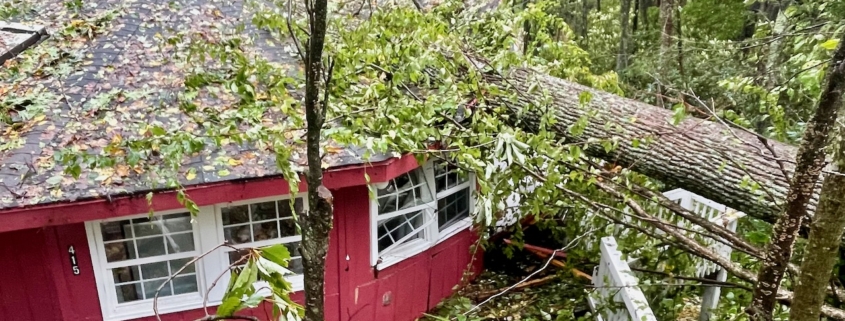
From Asheville’s River Arts District, to Banner Elk and Boone, Helene damage was evident all over southern ski country. Photos by Randy Johnson

Instead of going straight to those stories, I’ll start with North Carolina “in honor” of Hurricane Helene. The storm’s massive destruction makes it a bit of a miracle that North Carolina’s southernmost Appalachians would even have a ski season this winter. (If this buries what you’re interested in, just drop down to “Big News.”)

When I cleared the debris from my own property below Grandfather Mountain in the Watauga River Valley near Boone (north of Asheville), and the lights and water finally came back on weeks later, it seemed that destruction at the state’s six Western North Carolina ski resorts would likely be significant. Since then, with vaporized, even major roads being rebuilt—I-40 north of the Great Smokies will take a year!—I confess to head-shaking, mouth-agape awe at the tear-jerking ruin I discovered when I could explore. 

As I drove past the flank of Grandfather Mountain, a state park and likely the East’s most ecologically significant summit, the flattened forests look like someone dumped a pile of toothpicks on nature, a lot like the damage to Puerto Rico’s rain forest-covered mountains that I recall seeing shortly after Hurricane Hugo decimated the island’s Caribbean National Forest in 1989. 

Luckily it turns out being at the top of these lofty southern summits minimized flood damage to ski areas, the biggest impact of the storm. 

From Asheville’s River Arts District, to Banner Elk and Boone, Helene damage was evident all over southern ski country. Photos by Randy Johnson

Even so, when I drove the few miles from my home to Sugar Mountain to survey the crowds of Thanksgiving skiers, the road on the way to the slopes and others in the incorporated town around the resort were lined with snapped power poles, wires, and massive debris piles waiting for DOT pick up. 

Oddly, the piles of boughs and other evergreen slash from white pines and the indigenous, highly prized Fraser fir looked like a happy hunting ground for wreath makers and lent the drive a Holiday feel. In fact, in this high elevation area, Holiday decorations are big business that makes North Carolina the country’s number two Christmas tree growing state. The 18-foot, Fraser fir towering right now in the Blue Room of the White House made it’s way to DC in mid-November from a tree farm in the shadow of Sugar Mountain.

This winter skiers won’t miss the lingering scars of land slides, match stick-snapped trees, and flood-gutted, dislocated, boarded up homes and businesses as they respond to the North Carolina ski industry’s plea “don’t forget us!” The infusion of tourism dollars that a successful ski season will bring is critical this year, especially in rural areas where ski resorts fuel the winter job market and deliver the bulk of the year’s occupancy tax revenue to municipalities, even those known for  bullish summer tourism.

Cities and towns with names like Asheville, Chimney Rock, and Banner Elk, with centuries-old summer cultures, are now recognizable all over the country to people following the storm and its shocking scenes of devastation. A drive through Asheville’s River District and the Biltmore Village shopping and dining neighborhood still leaves people shaking their heads with the years of rebuilding ahead.

Nuff said. The recovery continues and we’ll definitely be leaving the light on for you.

Big News

Starting with the Old North State, let’s hit some bigger stories.

Hatley Pointe Ski Resort, NC

Alpine-appearing Big Bald rises over Hatley Pointe’s summit quad lift in this picture from 2010, when the resort was called Wolf Ridge. Photo by Randy Johnson

The news in North Carolina is that the modest 1970s ski area formerly known as Wolf Laurel, later Wolf Ridge, is likely to debut this year as Hatley Pointe, what owners Deb and David Hatley call a boutique ski area.” The widely anticipated reinvention was slated for last winter but the task took longer than expected.

Luckily, the Hatleys success manufacturing golf carts and hot tubs appears up to funding the rebirth of Wolf Ridge while also building another upscale resort just across the state line in the mountains of East Tennessee.

The changes are sparking high hopes for what is surely one of the most connected ski areas in the entire South. The resort lies a few minutes off I-26, which makes Asheville—desperately in need of tourist dollars—a very enticing base for skiers, just a half hour away.

That means Hatley Pointe has a rarity in the South, cruise control access (so does West Virginia’s Winterplace). Urban areas to the north and west in Eastern Tennessee and Virginia are both just across the state line via the highest interstate in the East, a heated stretch of asphalt across Sam’s Gap at 3,760 feet. To the south and east, I-26 and a web of other interstates link the urban lowlands of North Carolina, South Carolina, Georgia and beyond. 

Thus homeowners in the Wolf Laurel vacation community perched under the snowy, treeless summit of Big Bald, traversed by the Appalachian Trail, are hoping Hatley Pointe and Madison County become a major presence in North Carolina’s ski and summer tourism scene.

This year’s countdown to opening has finalized a greatly expanded lodge with an upscale restaurant called Smoke and Timber, along with extensively refined slopes, updated lifts, and snowmaking.

Though this picture is from 2010, the upper elevation Ridge Runner lift and slope is expected to operate this winter at the new Hatley Pointe. Photo by Randy Johnson

Not having ever owned a ski area, the Hatleys are bringing a can-do attitude, some local experts from years past, and Colorado-based Mountainworks, a global ski resort designer, to the table. Everything from new summer activities, lodging, and expanded “backside” slopes are envisioned. By early December, the resort’s core slopes were covered with snow, but there were still final lift inspections and tweaks needed that spokesperson Sarah Woodward expected in time for holiday skiing. 

What’s not fully known is how fast the new owners will reinstate a slope network that made the resort promising in its early 2010s heyday. Back then the nearly 60 main acres of diverse slopes served by a summit quad also abutted an attractive set of upper elevation beginner slopes and the massive timber frame Ridge Lodge—which burned in an unexplained 2014 fire. That and adjacent lift damage scuttled access to the upper runs and what looked like a bright future.

That may change. The central slope system is ready, say the owners, and indeed part of the old upper runs, the quad-served Ridgerunner slope, is also expected to open this season. But the next layout below that, the former “Backside” runs accessed via another lift and a ski tunnel under a road, await future action.

If it all comes together as expected, Hatley Pointe could be a noteworthy new wrinkle in regional skiing. 

Timberline Mountain, WV

Whitegrass Ski Touring Center, the South’s best Nordic resort, flanks the rapidly improving Timberline Mountain downhill resort. Photo by Randy Johnson

One of two alpine resorts in West Virginia’s Canaan Valley, Timberline Mountain always seemed poised for greatness, without ever getting there. A different future arrived in 2019 when the 1,000 vertical feet of fall line terrain was purchased by Indiana’s Perfect North Slopes.

Lift changes came first—a six-person detachable summit lift and a fixed grip quad to mid-mountain. A major day lodge expansion and the twenty-room slopeside Timberline Hotel reinvented the base experience. Annual improvements have consolidated the progress, making this winter a great time to appreciate this resort’s arrival as one of the region’s top ski experiences.

That status includes the South’s longest run, two-mile Salamander, that abuts the Monongahela National Forests’s Dolly Sods Wilderness, an awesome backcountry Nordic ski location connected to the adjacent White Grass Ski Touring Center, the region’s top cross country ski resort. Two adjacent state park Nordic layouts, and the state’s Canaan Valley Ski Area, round out Canaan Valley’s rising ski reputation.

Insider tip: It’s pronounced Kuh-NANE, not KAY-nin.

Massanutten Resort, Virginia

Last winters finalization of a major slope expansion at this Shenandoah Valley resort moves Massanutten up among the South’s ski destinations. 

The last few years have seen four new slopes, including a third long drop from the summit, this one a double-black called No Hessitation.” That slope, covered by automated snowmaking and LED lights, runs the lift line under a new four-person high-speed detachable called the Peak Express (replacing a conventional quad). Another of the existing summit slopes Paradice also has had a makeover and snowmaking upgrade. There’s expanded seating and menu options at the Mid-Mountain Grill.

Massanutten’s recent Director of Skiing Kenny Hess (namesake of the “No Hessitation” expert run), promised that the flurry of recent changes would be “a game changer” for the four season resort, the only employee-owned ski area in the region. This year Massanutten has it dialed in, ready to impress. As Hess promised, Mass will ski much bigger than in the past,” and this winter proves it. Best of all, the new runs link the entire top of the mountain creating an almost separate system of slopes.

The Best of the Rest

Appalachian Ski Mountain, Blowing Rock, NC

“App” Ski Mountain’s snowmaking keeps getting better. Photo by Randy Johnson

Back in NC, snowmaking ramps up at “App” with an automated system keyed to weather stations on each snowgun. Marketing manager Drew Stanley says that makes it possible to customize snow quality and usher in mid-season snow conditions virtually overnight.

New slope lights have been installed on four slopes along the resort’s right side switchback, all fine-tuned for uniform illumination and superior night skiing. Another modernization of the family-friendly lodge decor adds undermount sinks, automatic soap and water, custom granite countertops and rustic wood-framed mirrors.

Not completely new this season, the resort’s RFID ski ticket system integrates ski rentals and lessons at the slope’s French-Swiss Ski College with timed arrivals to eliminate congestion. The resort’s flex-ticket this year adds an hour of free ski time if bought online.

Sugar Mountain, NC

Massive Grandfather Mountain dominates the skyline of the NC High Country ski region. Photo by Todd Bush

Despite the storm, Sugar opened the ski season the weekend before Thanksgiving touting expanded snowmaking. Sugar was among the first southern slopes to make great grooming a specialty decades ago back when it wasn’t. Its trademark combed corduroy gets better this season with two new Pisten Bully 600 free groomers and a new winch cat aimed at the resort’s double blacks.

Sugar owner Gunther Jochl maneuvers a Winch Cat at the top of double-black Whoopdedoo. Photo by Randy Johnson

Sugars mile and a half, 1,200 vertical foot longest run begins on a big switchback from the mountain’s 5,300-foot summit on the Northridge slope, then swings past the start of the super popular Gunthers Way (named after owner Gunther Jochl). Busy Northridge doubles in width this winter and gets new LED lights.Giving skiers and riders more space and brighter lights always makes the night session a more pleasurable experience,” Jochl says.

Upper mountain snow quantity and quality also benefits from new automated SMI snow machines on Northridge and just below on Flying Mile, all fed by a second centrifugal 4,000 CFM compressor that replaced two aging ones.

This season Sugar initiates an RFID chip-based, digital ticket system from SKIDATA using onsite ticket purchasing agents or kiosks. An online-only ticket system should also make tubing and ice skating more convenient.

Wintergreen, VA

Happy anniversary Wintergreen—a half century this year, overlooking the Charlottesville area from the crest of the Blue Ridge. To celebrate the resort will stage special events throughout the winter and offer a free learn to ski and ride program. Participants sign up for three free 2-hour group lessons that include beginner area lift tickets and beginner equipment rentals, and after completion they can buy a discounted season pass for the rest of the year and the following winter.

Snowshoe Mountain Resort, WVA

Alterra Mountain Company resort Snowshoe Mountain, one of the company’s seventeen Ikon Pass destinations, also celebrates a 50th anniversary this winter.  

Wisp Resort, MD

Resort sprawls above Deep Creek Lake in Maryland’s westernmost Garrett County. This season debuts an assortment of snowmaking and slope lighting upgrades around the resort’s 33 trails over 132 acres, more than 90% of which is lit for night skiing. Like Wintergreen in Virginia, Wisp is a PGRI Pacific Group Resort company and shares the free learn to ski and ride program.

Indy and Ikon Pass Update—

The Indy Pass discount ski ticket program has spread to six participating ski resorts in the South, including Bryce Resort, Massanutten Resort, and Wintergreen in Virginia, Canaan Valley Resort and Winterplace Resort in West Virginia, Wisp ski area in Maryland (a sister resort with Wintergreen in the PGRI Pacific Group Resort company), Cataloochee Ski Area in North Carolina and Ober Mountain in Gatlinburg, Tennessee. Alterra Mountain Companys Snowshoe Mountain Resort in West Virginia, the regions biggest ski area, is part of the Ikon Pass network.

A Look Back at the Learn to Ski/Snowboard Month Program Which Introduced Thousands to Snowsports

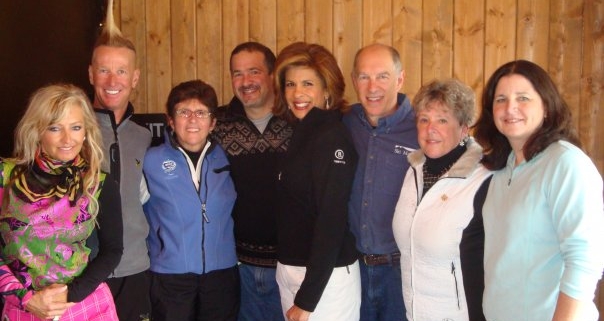
Credit: Mary Jo Tarallo Left to Right Kimberly Plake, Glen Plake, Mary Jo Tarallo, Scott Brandi (Ski Areas of NY), Hoda Kotb (NBC Today Show), Greg Sweetser (Ski Maine), Margie Bell (SkiPA), Linda Irvin (Ski PA)

Sixteen years ago, the ski/snowboard industry embarked on a venture known as Learn to Ski and Snowboard Month for the entire month of January. Over 10 years, from 2009 to 2019, it introduced many thousands of newbies to snowsports. But how it came to be was somewhat serendipitous.

A group of state ski areas associations came up with the concept of offering special “learn to deals” in a specific time frame – the month of January. An effort to secure a declaration from the White House did not materialize. However, the PR director for SnowSports Industries America (SIA) at the time and the Marketing Director for Ski Utah (who is still there) came up with the idea of simply declaring January as Learn to Ski and Snowboard Month while breakfasting at a popular cafe in Salt Lake City in January 0f 2009.

There were so many “National What Evers” that it just made sense to establish one for the ski/snowboard industry to generate new skiers and snowboarders, a goal on which the industry has long been focused.

On a press trip to New York later that year, the Ski Utah team managed to secure a segment on the TODAY Show for January 2010 to kick off the second year of the program. The plan was to have NBC’s Hoda Kotb come to Camelback Resort in Pennsylvania to video a segment where Glen Plake would give her a ski lesson.

The concept had a touch of humor. The opening scene showed Hoda in a children’s class. After a few pointers from Glen, Hoda turned into an expert skier. Her “double” truly was an expert skier who apparently heated up the jacket they both shared. She commented on it in good jest!

Representatives from Ski Areas of New York, Ski Maine and Pennsylvania Ski Areas Association all attended to filming at Camelback along with Glen and Kimberly Plake and the LSSM Executive Director.

Many industry areas and organizations already were on board with Learn to Ski and Snowboard Month, but the Today Show visibility attracted SO many more, including the attention of Michael Berry who, at the time, was the president of the National Ski Areas Association (NSAA). Unlike SIA, NSAA had not been initially involved, but Berry recognized the value that LSSM brought to the effort to attract newbies.

When the SIA PR director left the organization, Berry infused funds to expand the program with said director at the helm. Funding included SIA and NSAA plus clothing and equipment companies, state ski area associations and more. In fact, state ski area associations always formed the backbone of the program that became a collaboration of about 75 industry organizations.

A steering committee was formed with Ski Utah Marketing Director Raelene Davis as chair. Ski areas could determine what constituted its “learn to offer” based on its position in the marketplace. A web site tied the offers together to make it easy for the public to find information and benefit from tips on lessons, what to wear and other helpful hints for beginners.

Together we introduced more than a million newcomers to the sports from 2009 – 2019., the last year for the national Learn to Ski and Snowboard Month. I’m proud to have helmed the program.

Then, priorities within the industry seemed to be changing, with a greater focus from conglomerates on selling season passes and NSAA leadership changed as well.

Today, although there are some groups in the snowsports industry which “honor” the month of January, there is no industry-wide program that draws attention to the sports. Some programs focus on “skier visits”, but the grass roots approach to getting newbies involved ended in 2019 after an 11- year run.

It was a good run.

Tips For Elder Cross Country Skiers

XC skiers at Cross Country Ski Headquarters in Michigan

Before the Golden Bachelor created a hoopla and appeared on TV, Herman Smith Johannsen also known as Jackrabbit Johannsen was known for cross country (XC) skiing at 102 years old. He was a man who popularized XC skiing in Quebec and later in America. He lived until he was 111 and was always inquisitive about what was on the other side of the hill. The Jackrabbit kids’ ski program in Canada was named for him and there was also a Jackrabbit ski wax. I don’t know if there is a direct correlation for Johannsen proving that XC skiing helps you live longer, but it is a plausible theory.

Among the 4-5 million American XC skiers, about 11.2% are aged 55 or older while 30% of the general population falls into that age group. For those elder individuals who live in or near snow country, they might want to consider the benefits of XC skiing to help them live healthier and longer lives like Johannsen.

As a recreational activity, XC skiing is one of the most acknowledged forms of aerobic exercise and there is scientific evidence that the sport’s characteristics are excellent for mental well-being, too. Recommendations are for older people to undertake vigorous physical intensity (exercise) for 75 minutes per week or moderate intensity for 150 minutes each week. XC skiing is a sport that even when done at a slow pace can raise the heart rate for fitness. The well-being associated with XC skiing is derived not only from the physical exercise involving all the body muscle groups, but it is an outdoor activity that takes place in nature in the winter. This “forest bathing” or immersion in nature has been explained in the book “The Nature Fix” and according to scientific evidence besides the fitness biological benefits, there are very positive psychological and medicinal impacts derived from the activity. The sensory experience of getting outdoors is a kind of eco therapy and a prescription for lowering stress, restoring attention, and boosting mental health and cognitive clarity.

Cross country skiers at Woodstock Nordic Center in Vermont

Many XC ski areas offer programs catering to elders from weekly meet-up group outings to special lesson programs and of course, discounted rates for those aged 65 and older. The social aspect of XC skiing occurs when meeting others on the trail junctions or in the lodge and evidence shows that interacting with friends and family is significant factor for living a long and healthy life.

Ski lessons (or a refresher clinic) are recommended to make the sport easier and more satisfying. Ask for an instructor who specializes in teaching older skiers.

Some recommendations for older XC skiers include talking to the doctor if uncertain about strenuous exercise (and remember that you are able to take it easy and ski at a slow pace). There are tips for first timer XC skiers which suggest to stay within your limits and not to ski too long or too far. Going to a XC ski area is a great idea because the trails are groomed and tracked which makes the sport easier. Additionally, the ski area will have patrollers, rental equipment and ski instructors to provide technique pointers if needed. The new XC ski gear for skiing on a groomed trail is light and lively. The bindings are adjustable to give the skis more glide (go faster and glide further) or more grip (go slower) and this adjustability can also help address how the ski performs in different snow conditions. If a trail is too steep another option is available as it is not a crime to remove the skis and walk down the difficult section (or side step on the skis to avoid speeding out of control).

Another good idea is to know where you are going and where you are on the trail network. Many trail configurations can be confusing and you don’t want to get lost particularly if you are tired. Check the trail signs along the trails and carry a trail map if one is available – and check the map to know where you are in the trail network.

Dressing for cross country skiing is about layering (see What to Wear article) with a light base layer, a shirt and a light jacket. Only use heavier layers when it is very cold because overdressing can be a problem as you create heat when XC skiing. Keep in mind that you can remove layers if you become overheated. Socks, gloves and a hat are important components of your outfit and each plays a key role in keeping you comfortable.

The author in front of Bretton Woods Nordic Center in New Hampshire

Socks should be comfortable and keep your feet warm and dry. There are many brands of ski socks that are produced to perform. XC ski gloves are available in various thicknesses and if you have problems with the cold, get a heavier XC ski glove or mitten but avoid alpine ski gloves because they are too heavy and are not made for the movement with XC ski poles. Hats could include a lightweight knitted cap or a headband. If your jacket has a hood, that works perfectly on a very cold day.

Sunglasses can minimize the glare off the snow but they also keep the wind out of your eyes. Another job for sunglasses may include improving flat light on the trails, but for the most part this is less important because XC skiing is not too fast so you can handle terrain without worrying about the visibility due to flat light.

Injuries are minimal with XC skiing but be aware of issues such as falling, exhaustion, dehydration (always bring water and take gulps a few times on your outing), and frostbite (if it is very cold). If you are not a regular XC skier, expect to be sore in some muscles (such as back, neck, arms or legs) on the day following your outing and Advil should successfully address such soreness.

When done regularly XC skiing is soft on the body and delivers a general well-being that it can bring you. Hopefully these tips will help you to enjoy the winter outdoors on XC skis!

Skiing With Bilateral Knee Replacement Surgery

Photo by Nathan Dumlao on Unsplash

LETTER TO THE EDITOR from Frank Rickus

You can ski with bilateral knee replacement in your sixties. Eight months after surgery I was back skiing in November and then teaching skiing at Stratton two months later. 

I am a pharmacist and was working at Southwestern Vermont Medical Center when I had my surgery in 2017, where I had counselled many patients after surgery regarding pain and rehab. I convinced my surgeon to replace both knees in one surgery. It all comes down to motivation, pain tolerance. and rehab. 

Simply, I did not want to miss a ski season and worked diligently at rehab through those eight months between seasons and bought new boots and skis that were easy to flex and turn. That worked out okay, but I was still wobbly with those first turns. But steadily I built up confidence and strength and – low and behold – I could ski the whole mountain and get back to my car afterward. 

Prior to surgery my knees were bone on bone, I was bow legged and could just barely manage walking. Skiing was not a problem. No pain, movement was good, but soon after surgery I realized how out of position I had been, and now with proper alignment skiing is even easier. Today after seven years there is no degeneration of the knee parts, I’m stronger than ever, have been through a couple of ski accidents and falling off my ladder. 

I am looking forward to skiing and teaching for about 50 days this season. I hike, bike, lift weights, and maintain my weight to keep those knees ready for ski season. If you are ever at Stratton look me up and let’s go bang some bumps together.

My Biggest Fear on the Slopes

On trail signage at Park City Mountain Resort Photo: Jon Weisberg

Several years ago, SeniorsSkiing surveyed its readers about their biggest fear on the slopes. The overwhelming answer was being hit by an out-of-control skier. It is my greatest fear as well.

Whether he/she may be drunk, stoned or skiing too fast for the conditions, or on a run well above his/her ability, or whatever the cause doesn’t matter. It is reckless and doing puts everyone on the trail in danger.

Think about it. A 150 lbs. person traveling at 20 miles an hour packs a wallop. The force of impact is equal to the object’s kinetic energy divided by the distance. Kinetic energy is the object’s mass (150 lb. person) times the speed (20 mph) squared divided by two, or in this case 30,000 Joules or roughly 22,133 lbs. of force. 

The unknown is how far the person has traveled at this speed because he/she is traveling downhill and possibly accelerating. Even if the out-of-control person has only traveled a few feet, getting hit by another person with 22,133 lbs. of oomph may cause serious injuries.

Unfortunately, ski areas do not adequately police their slopes for out-of-control skiers. Their view is that when you step into your bindings, you assume the risk of injury to yourself and to others. 

Most of what ski areas do to counter reckless skiers do is reactionary and defensive in the form of snow fences and warning signs. Stationing employees around the mountain who have the authority to take a lift ticket or season pass is something ski areas are loathe to do. 

To further protect is ski areas against lawsuits, Colorado passed a law several years ago that made it much harder to sue a ski area if you are injured. And, if you are injured by someone who slams into you, you must sue the individual who hurt you. The ski area defense is “We weren’t involved.”

So, what does a senior skier do? Here’s my list of eight:

1. Ski with your head on a swivel.

2. When you stop, either stop on the side or by a ski slow or trails merge sign.

3.  Wait until groups pass and there’s a gap.

4. Ski midweek and avoid weekends and holiday.

5. Don’t ski at the most popular areas. There are many ski areas where a long lift line are the two people who just arrived at the bottom of the lift a few seconds before you did.

6. Pick trails that aren’t crowded.

7. Ski along the edges. All those who ski in New England a lot will tell you that’s where the best snow is!

8. Get to know the mountain before you put on your skis, i.e., study the trail map to know where you want to ski BEFORE you step into your bindings.

Is A Custom Ski Right For You?

Credit: Parlor Skis

You have decided it’s time for new skis.

You walk in to your favorite ski shop and there, lined up against the wall, are 100 pair or more; all from brand name companies you recognize. All are high quality.  But which one is best for you?

Since this is a buying decision that likely you make only once in several years, you want to make the right choice. You know the shop by reputation and past purchases. Maybe you know the staff there too. Ideally the rep who greats you is an experienced skier familiar with the areas you frequent and the trails and terrain you like to ski. The equipment match-making proceeds from there.

We’ve all done this dance.  Today, however, there is another track that is gaining popularity: Custom Skis.

Here, you hook up with one of a handful of small companies around the country that construct a pair of skis that are built exclusively for you, the individual skier. The process is interactive. It considers not only the physical characteristics of the skier, but how and where the skis will be used: all mountain, or, powder, or carved turns; on groomers, hard pack, or in the back country; maybe lots of steeps and bumps; in the trees, wide glades, or narrow. Video of the skier showing style and technique may be incorporated too.

Is this for you?

First of all,  realize this is not spring clearance sale shopping. To consider custom skis, start with the idea that you  might spend north of $1,000 more than what you would lay out on a pair off the rack in a specialty shop. Second, understand there is a leap of faith in the process here. While there may be some limited general demo opportunity tor a brand test, you will own the custom made ski before the first time you put down tracks. In the discussion stage, be prepared to be as specific as possible and understand the options if outcome doesn’t work out.

Is it worth the price?

Mark Wallace makes the case that it is. A former D-1 college competitor, he co-founded Parlor Custom Skis 11 years ago. One of a dozen or more small companies across the country that are established producers of custom made skis, his Boston-based firm with 6-10 employees today produces 15-20 of custom made pair a week, each built by hand from scratch with specs developed and materials chosen after interaction with the individual client. It is a process that can  take four to six weeks from initial discussion to product delivery.

And the finished product is not just technical.  The cosmetics are personalized too. Want a picture of your pet staring back at you? It can be there if you want it.

“We build the ski with the client and we know it is unique because we develop the specs and control the production” said Wallace recently.

“On the hill, the skier knows ‘this ski is me’.

But how about the experienced senior skier?  Chances are race results are not important anymore.  Compatibility is.  Are most able to tell the difference between a well chosen brand name model like they have skied for years and a custom made ski?

Bill Nizolek believes at least some can. He  began skiing as a child and today, at age 67, still skis at least 80 days a year. He started skiing on Wagner Custom Skis seven years ago and now is as  brand ambassador for the Telluride CO  based firm.

“The person who benefits most from our product in an educated skier, one who regularly skis more than 25 days a season and who is passionate about quality.”

What about cost?

Says Nizolek: You can’t put a price tag on enjoyment.”

The custom, direct-to-consumer ski business is expanding and sales are nationwide. In addition to Parlor in New England and Wagner in western Colorado, there are established custom ski makers in just about every region, like Meier Skis in Denver, Igneous in Jackson WY, Praxis in Incline Village NV, Shaggy’s Copper Country in  Northern Michigan, Community Skis in Mammoth Lakes CA, ON3P in Portland OR, and WhiteRoom Skis in Northern VT. All have websites. Some offer demo opportunities. Some also offer a small batch ready made ski model and some also build custom snowboards.

Is a custom made ski for you?

Says one veteran ski provider: “If you try it and you feel it, it’s worth it.