It’s not often SeniorsSkiing.com gets to tell you about a product that can potentially save lives on the mountain. We want to introduce you to the Ski Guardian; your safety companion on the slopes.
Safety on the slopes is a top priority, and that’s where Ski Guardian shines. This lightweight and versatile personal flag system is designed to create a visible boundary around. It increases your visibility on the mountain to help prevent collisions, especially on crowded slopes or in low-visibility conditions. Ski Guardian encourages other skiers and snowboarders to respect the recommended 10-15 feet of distance, offering peace of mind for riders of all ages. The device has two flexible 32-inch-long polycarbonate rods with flags at the ends, providing 32 inches of protection on each side.
The Ski Guardian attaches easily to your ski poles with two small screws and a Hex key which are provided. They can be removed without damage if you change poles. They can also be trimmed to fit a kid’s ski poles. One of the key features of Ski Guardian are its collapsible rods, which are perfect for navigating narrow areas or getting on and off the lift. With the rods collapsed, they never become an obstacle or inconvenience. This safety accessory ensures you can ski confidently, knowing you’re doing your part to prevent accidents.
The extended flags can increase visibility during emergencies too, helping you stay visible to rescuers and other skiers or snowboarders. The flags also provide a social element by helping friends and family find you on the slopes. They are great for ski clubs since they can easily identify members on the mountain. Ski Guardian can also accommodate flags with custom made club or company logos. Want to use a personal flag of your own? The Ski Guardian can also be purchased at a reduced price without the flags so you can put your own personalized flags on the rods.
Ski Guardian is more than just a safety tool—it’s peace of mind. It’s simple yet powerful design creates a visible boundary, urging other skiers and snowboarders to maintain a safe distance, especially in crowded or impaired conditions. We all know the recommended 10-15 feet distance is often overlooked on the slopes, but with Ski Guardian, that guideline becomes much easier to follow.
In conversations with many ski patrollers in the United States and Canada it’s clear patrollers believe the Ski Guardian can effectively reduce ski-related injuries or fatalities. The Patented Ski Guardian safety devices should become as common as helmets are now. Like helmets, which were once optional and are now essential, we believe Ski Guardian is on the verge of gaining the same level of acceptance. The concept is simple, but its potential to enhance safety is undeniable. With more exposure, Ski Guardian can become the next critical safety accessory for everyone on the mountain—whether you’re a beginner or a seasoned skier.
https://seniorsskiing.com/wp-content/uploads/2025/10/Angel-for-Senior-Skiing-Oct-13-2025-1-1.png628835Sponsored Content/wp-content/uploads/2014/04/Seniors-Skiing-since2013-Logo@2x-300x68.pngSponsored Content2024-11-04 21:13:372025-12-07 13:30:52Ski Guardian Your Safety Companion on the Slopes
SnowVision Rx goggles integrate prescription with inner lens
One of the downsides of not skiing this season is that I am unable to experience some new and interesting products in a skiing environment. I make clear in each article I’ve written about these products that it is not a product review. These pieces may be about the product’s features and benefits and how I think it will benefit other senior skiers, but, at least for this season, these product articles are not full reviews based on my on-hill experience.
That said, I’ve been using my newSnowVision prescription ski goggles in a number of non-skiing settings. SnowVision is a Belgian company that advertises with SeniorsSkiing.com. It utilizes a patented lens technology that integrates the prescription lens into the inner lens of the goggle. The picture accompanying this article explains it quickly.
A Better Rx Goggle
The SnowVision approach has numerous advantages over goggles using prescription lens inserts or over-the-glasses (OTG) goggles. The most obvious is the total lack of fogging. I believe that has something to do with the face to lens distance. I’ve used SnowVision while hiking on a cold, wintery day and fogging never occurred. I can’t imagine it would be an issue while skiing.
I’ve never found OTG goggles acceptable. My experience is they fog-up too easily. Also, with prescription inserts, there’s always the issue of matching the insert with the correct goggle. Once, after purchasing the insert, I had to search for a compatible goggle.
Perhaps the most significant and satisfying difference between SnowVision and other prescription goggles is the clarity and full range of vision. My prescription-insert goggles provide decent enough vision looking straight ahead. SnowVision, however, gives full, clear vision at the periphery. This, because the integrated prescription lens, like the goggle’s outer lens, is curved. The difference in vision is dramatic.
SnowVision prescription lenses are available as unifocals, progressives or bifocals. The company sent me a pair with bifocals. In all my years wearing glasses, this is the first time with bifocals, and I adjusted immediately. Also, the lenses are fully photochromic: they darken when conditions are lighter and lighten when conditions get dark.
But I have not yet skied with SnowVision, so I can’t comment on their effectiveness in flat light and other on-hill conditions. As for comfort of fit, hiking in a cold and snowy forest, they provided excellent, fog-free vision.
The Belgian company has its goggle components manufactured by high-quality vendors in Germany, Italy and Japan. That quality is reflected in the design and robust look and performance of SnowVision.
Price ranges start about $300 for the unifocal. The custom-made goggle comes in a box with a cloth carrying case, a lens-cover and free shipping, worldwide.
I’ll write a full review when I’m back on snow next season, but, in the meanwhile, if you’re like me and rely on prescription goggles, SnowVision offers a unique, new approach which I think is superior to the existing options.
Among the many things that attract me to skiing, one is the opportunity to improve at something I enjoy. I’m an advanced skier who started skiing as an adult without the benefit of regular lessons. Over the past three years I took mid-week lessons which made a real difference, but COVID cancelled those classes.
This made me wonder if there were alternatives that would help me improve. An internet search introduced me to CARV, a real-time digital ski coach that speaks to you as you make your turns.
CARV has three components: a boot insert, battery/Bluetooth ‘trackers’ and an iPhone/Android app. I bought mine online and received it three days later. The boot insert, which has 72 embedded sensors, fits between boot liner and shell; the tracker attaches to the boot strap.
Setup process is straight-forward. Once you download the app and create a user account you’re ready to go. YouTube videos explain how to do everything needed to get CARV set up and calibrated. When you arrive at the hill, open the CARV app, connect the trackers to boots and calibrate each tracker. This involves lifting each ski off the snow, then standing on it. Plug in your earbuds, and you’re ready to go.
One of CARV’s best attributes is the sophistication of the software which has 40 million turns in its database. If you’re an intermediate skiing in the “back seat,” it let you know. If you’re making more advanced carved turns, it recognizes the subtle pressure change from ball of foot to heel, keeping ski tracking through the end of the turn. I expect that as CARV gathers more data it will continue to update software, making it even smarter.
CARV has four modes, each of which uses input from the insole sensors to evaluate edge angles, balance, early edging, ski similarity, turn smoothness, left/right turn symmetry, body rotation, outside ski pressure and foot roll.
The FreeSki mode creates a SkiIQ while you go about skiing. After a run you will be told your SkiIQ—along with a tip on what you can focus on to improve during the next run. You also can look at the result on your phone while riding the lift and see, in detail, aspects of your skiing evaluated quantitatively.
In Monitor mode you get to select a single aspect of your skiing for evaluation. As you make each turn you hear a number that helps you evaluate how you did and whether you’re improving. A great aspect of this mode is it helps your brain connect with how it feels when you do it well.
Challenge and Training modes provide exercises to help you improve. Training mode provides spoken feedback while executing the exercises.
After eight days of skiing with CARV, I’ve experienced a noticeable improvement; wish I had it when I was an intermediate.
Even if you’re an expert I expect that CARV will help. Ski racers have coaches and Level 3 PSIA instructors have ongoing training to improve their form.
Does CARV replace an instructor? I don’t think so. But no instructor can give you that level of precise feedback. At $349, it’s a great addition to any skier’s toolbox.
https://seniorsskiing.com/wp-content/uploads/2021/01/Screen-Shot-2021-01-26-at-12.25.09-PM.png337296Bob Margulis/wp-content/uploads/2014/04/Seniors-Skiing-since2013-Logo@2x-300x68.pngBob Margulis2021-01-26 12:36:422021-01-26 16:09:55CARV: Your AI Ski Coach
[Editor Note: SeniorsSkiing.com is asking our readers to contribute to support our online magazine. Yes, we have grown in the number of subscribers and advertisers. But our expenses have also grown. You can help us defray some of these expenses by helping us out with a donation.]
Just three ingredients for warm feet and dry boots. Credit: Harriet Wallis
I like to get to the lodge early, meet new skiers, and visit with old friends.
Recipe for your toes
One day I met John Bridgwater and Joan Kent who travel continually to ski. They invented a way to dry their boots night after night in hotel rooms and keep them toasty warm on the drive to the mountain. They find this works better than the expensive, highly marketed systems. Here’s the boot drying recipe.
List of ingredients:
One inexpensive boot bag that will hold your boots side by side.
One heating pad that will stay on continually rather than turning itself off within a short time. They found CVS carried such a heating pad.
One pair of ski boots that have been worn all day.
How to do it
Put the heating pad in the bottom of the boot bag and leave it there.
At the end of the day, buckle your boots and put them side by side inside the boot bag.
When you get to the hotel – or home – unzip the boot bag and leave it open. Plug in the heating pad. You only need one outlet for this.
Then go out to dinner and enjoy the evening. Your boots are drying themselves.
“It’s a chimney effect,” said John. “The boots heat from the bottom and the moisture is driven out the top.”
And tomorrow
Unplug the heating pad and put the cord into the boot bag. Zip up the bag and the boots will stay warm on the way to the mountain.
Recipe For Your Nose
My friend Marypat Schreibman wears a nifty little nose protector. It secures to her glasses, protects her nose from the sun, and it keeps her nose warm even on the coldest days. It’s called a “nose cone.”
So I Googled nose cone, and the internet gave me nose cones for planes and rockets. Wrong ones!
Ingredients
Marypat’s came from NozKon. It’s made of light weight, flexible material and comes in a variety of colors and models. Some attach to goggles. As the springtime sun grows stronger, many skiers are now wearing the protector.
Or protect your beak with beko gear. Protecting noses from sun damage is an entire industry for bicycling, yard work, and water sports. How’s your nose?
Nose cone fashion statement? Credit: Harriet Wallis
https://seniorsskiing.com/wp-content/uploads/2020/02/alg-cone-2.jpg480594Harriet Wallis/wp-content/uploads/2014/04/Seniors-Skiing-since2013-Logo@2x-300x68.pngHarriet Wallis2020-02-26 17:51:432020-02-26 17:51:43Recipes For Toes And Nose
Who owns a hat for 50 years? Well, if it’s a Moriarty hat, perhaps you understand why.
Getting ready to shovel the driveway one cold morning last winter, I reached to the top shelf of the hall closet for a hat. My fingers felt the double-thick headband of my old Moriarty hat tucked up out of sight. I pulled it over my ears and went a-shoveling. Working the shovel in knee-deep in snow, a thought occurred to me. Wait a minute. I bought that hat from Mrs. Moriarty’s shop on the Stowe Mountain Road in 1964. That made it fifty years old. My hat was fifty. It has been with me in trunks, suitcases, boxes and dresser drawers in moves from New York to California to Japan back to California and then to Massachusetts. Been with me at Mammoth Mountain, cross-country in Appleton Farms, MA, going to class in Syracuse, sailing the Gulf of Maine, walking to work from North Station in downtown Boston. Fifty years is a long time to own a hat. Of course, I had other hats, but my Moriarty kept popping into my hand from time to time from the top shelf. How did this happen?
Back in the 60s and 70s, Moriarty hats were iconic. The Preppy Handbook lampooned them as an essential part of the spoiled college kid outfit. Almost everyone I skied with at Song Mountain, Tully, NY, had one. The three points on the top were like a rooster’s cockscomb, distinctive and bold. You wore your hat down tight over your ears with your goggles wrapped around your head. No helmets in those days. It was a “look” that even the most tentative skiers could exhibit.
Mrs. Moriarty founded a cottage industry around weaving those hats. Soon outpaced by the volume of orders, Mrs. M. enlisted an army of fifty weavers in Stowe village, producing as many as 40,000 in 1965. At its height, the Moriarty hat was as ubiquitous a symbol of skiing as Head skis and Marker turntable bindings. An ad in SKI was bold enough to say, “The people of Vermont make great maple syrup, great cheddar cheese and the best ski hats in the world.” As I said, icon status.
You can buy a vintage Moriarty hat on eBay or from the Vermont Ski and Snowboard Museum that somehow has a stock of left over inventory from the later days of the company. The Moriarty family got out of the business in the 80s.
Mrs. Moriarty was told by skiers that “they skied better” with her hat on. Credit: SKI January, 1965
Don’t ask why I never sent my hat off to the Salvation Army. Despite the odd moth hole, it has simply always been part of my kit along with a handful of books, a banjo, a lighter from my Navy destroyer, and other small remainders of the past. Things that travel through life with you have value. When you pick them up again after many years, memories start to emerge in layers. Even after many years. Even a ski hat. That’s why I love my Moriarty hat.
https://seniorsskiing.com/wp-content/uploads/2014/07/BlueMoriartyHat.jpg32643879mikemaginn/wp-content/uploads/2014/04/Seniors-Skiing-since2013-Logo@2x-300x68.pngmikemaginn2020-01-21 18:45:332020-01-22 16:53:41This Old Moriarty Hat
SeniorsSkiing.com’s Reviewer Tried Againer Exoskeleton On His Second Day On Snow. Find Out How It Worked For Him.
I am a 75-year old, advanced intermediate skier with 10 years experience as a PSIA instructor in the East and mild osteoarthritis in my left knee. I currently ski at Alta; that’s where I recently tested the Againer Exoskeleton.
Againer Exoskeleton attaches to thigh and boot, using a gas piston as a shock absorber.
The Againer consists of a hinged plastic frame which runs from the upper thigh to the lower calf and is held in place by two straps. The key to the Againer system is a gas cylinder attached at the top to the upper section of the frame and at the bottom to a bracket on the rear of the ski boot. When the gas cylinder is engaged, it works like a shock absorber when flexing the knees and provides upward lift at the end of each turn.
The Againer helped me ski one of my favorite runs at Alta, Devil’s Elbow, a long intermediate run with a fairly gentle lower half. On my run, I made as many short radius turns as I could—probably 50 or 60 in a row—in the lower half . When I stopped, my legs were not tired, as they often are at the end of this drill, especially considering that this was only my second day on snow this season.
I can also see two advantages of wearing the Againer in case of a fall, which can be especially damaging to senior skiers. First, the Againer would prevent any lateral movement in the knee, reducing chances of ligament damage. Second, when I fall in powder, I often find one of my knees (usually my weaker left one) flexed underneath me. The Againer system would eliminate that problem and, of course, protect against the opposite occurrence, hyperextension.
The Againer was easy to use, thanks mainly to a well-illustrated and detailed instruction manual. I attached the brackets to my ski boots in about five minutes and put on the frames in another five to 10 minutes. The repetition of daily use would, I’m sure, reduce the time needed to get into the frames, and the brackets would stay on the boots all season.
For more information about the Againer Exoskeleton, check out the website at againer-ski.com.
[Editor Note: Below is a product demo video from Againer Ski.]
How many of you remember the days when you got to the mountain early, skied all day, and quit when the lot was empty? I didn’t fully appreciate it then and look back on those times with nostalgia. Youth is wasted on the young.
But what if we could be out there a bit longer and ski a bit stronger? There’s a device that helps do just that.
It’s called the Againer, and for more than a decade, European skiers have used it to reduce pressure on their knees and backs and to increase their leg muscle performance. Now, for the first time, the Againer is available in the U.S. and Canada via a unique demo/purchase program. More on that later.
Againer attaches easily to boots and legs and employs a shock absorbing system that provides an overall boost to the skiing experience.
An Expert’s Point of View
I won’t be able to try it until January when I’m back on the hill. But I have a copy of a letter about the Againer written by Mark Spieler, a ski pro for 45 years, a PSIA Alpine Examiner, and Ski School Director of Disabled Sports Eastern Sierra, a nonprofit adaptive ski school in Mammoth Lakes, California.
He characterizes the Againer as “…a device to help people save energy while skiing” and states that before trying it he was skeptical. Spieler explains that he tested it “through hard, fast and dynanic skiing.” He was “impressed by the constant lifting action at the top of the femurs…”
“The gas powered strut placed on the outside of each leg consistently helps the skier move up and forward through the turn initiation. The lift the Againer provides is surprisingly powerful! I found the product to be quite comfortable and easy to use on the hill. The switch to disengage the gas strut when riding the chair is simple and effective.
“I am convinced that over the course of hundreds of turns a day, the energy savings the Againer can provide a skier will make a significant difference in a skier’s ability to conserve energy and help the skier with better technique, as well! “
Spieler goes on to say that the Againer is “perfectly suited to assist any skier who has any type of fatigue challenges while skiing,” whether due to advancing age or because of a disability.
According to Murray Jacobson, Againer’s U.S. Sales Manager, the Againer’s performance is most noticeable during turns and when skiing powder.
How To Demo and Buy
Jacobsen sells the units directly to skiers and to adaptive skiing programs. He makes the units available on a 2-week demo basis for $250. If the user wants to buy, the demo fee is applied to the $1300 purchase price. He is available by phone to explain set up and usage and to answer questions. The Againer carries a two-year warranty.
To reach him, call 909-557-3000 or email againerus@gmail.com. To visit the Againer website, click on the Againer ad on the SeniorsSkiing.com Home Page. Yes, this is an advertiser, and YES, this device looks and sounds like it will help a lot of our readers.
Reviews of Againer will be forthcoming as the season progresses and as I and others experience it.
I don’t expect to be making turns continuously for seven hours, but I do look forward to adding some octane to my aging tank.
https://seniorsskiing.com/wp-content/uploads/2019/11/Screen-Shot-2019-11-06-at-1.33.33-PM.png332509Jon Weisberg/wp-content/uploads/2014/04/Seniors-Skiing-since2013-Logo@2x-300x68.pngJon Weisberg2019-11-06 14:07:492019-11-06 14:14:55Againer Helps You Ski Stronger and Longer
There are times when we can benefit from some extra help, especially as we age or develop chronic medical conditions.
Nick Manley, a remarkable athlete with a degenerative neurological condition, swears by the Ski-Mojo knee bracing system. The product’s shock absorbing springs reduce the load on his knees, allowing him to continue to race and ski for the entire day without tiring.
I haven’t used it, but I have talked with Nick and at least a dozen other older skiers who tell me that it has made a profound difference in their skiing experiences. Ski-Mojo also helps maintain correct posture while skiing and makes it easier to ski longer.
If you feel you could benefit from some assistance, my strong suggestion is to visit Ski-Mojo’s site.
Now, on a limited basis, there’s another innovative approach to helping your knees. I wrote briefly about it a few months ago, when the company started advertising. The product, being developed by Roam Robotics, is called Elevate. It is a computer-influenced soft exoskeleton that utilizes pneumatics to assist movement in your legs and knees.
It may sound sci-fi, but it’s for real. Starting March 9, the company is making Elevate available on a unique demo basis in three locations: two in Lake Tahoe; one in Park City.
Rent the device, and Roam will arrange for one of its trained ski hosts to accompany you for a few runs or for the entire day, based on your preference. If you’re staying within a certain radius of their facilities, the company will deliver the device to you the night before and provide enough orientation so you’ll be good to go the next morning when you meet your ski host on the hill.
If this sounds a little protective, it is. As a product, Elevate is ready for prime time, but the concept is so new that the company wants to provide hands-on education about its use. It also wants to collect information about customers’ experience to improve future versions. All of this is to assure a smooth roll-out when it ramps up production and makes Elevate available more broadly in seasons to come.
The cost for a one-day demo is $109, which includes drop-off and ski host services. If you are in the Tahoe or Park City neighborhoods and want to try an entirely different approach to protecting your knees and getting more out of your ski day, this is your opportunity. To reserve a demo, click here.
https://seniorsskiing.com/wp-content/uploads/2019/03/Screen-Shot-2019-03-04-at-4.19.24-PM.png398575Jon Weisberg/wp-content/uploads/2014/04/Seniors-Skiing-since2013-Logo@2x-300x68.pngJon Weisberg2019-03-04 19:17:282019-04-16 12:06:37Sometimes Our Bodies Need Help
Have you ever been in or near an avalanche? Big Mountain skiers everywhere are accustomed to hearing and feeling the reverberations of bombs and other technologies used to dislodge slides, making the areas safer.
A few years ago, Taos added a chair to improve accessibility to Kachina Peak. Last week, following inspection by patrol, a slide there killed two.
At the top of NinetyNineNinety at Park City Mountain Resort (the part of the area formerly known as The Canyons), there’s a gate and signs clearly spelling out avvy risks of going into that part of unpatrolled backcountry. Similar warnings probably exist on Kachina Peak.
Warnings at the top of NinetyNineNinty
Several years ago a friend instructing at The Canyons joined a search party looking for a couple whose car was in the otherwise empty parking lot and who hadn’t picked up their child from daycare. My friend explained the methodical nature of combing the post-avalanche slope where the couple was thought to be buried. It was late in the day, but there was ample light. My friend, a geologist, had been trained to seek anomalies…things that were different from the surroundings. Looking up the slope, he detected something angular, possibly the back corner of a ski. He told the search leader, who advised him and the rest of the party to continue probing the cement-like snow to detect what might be buried below. They found nothing until they reached the angular ski tail jutting from the snow. It led them to the two buried bodies. A tragedy.
Last year, I became friends with a man in his 40s who was rescued from a backcountry avalanche. I don’t remember his full description other than how horrific an experience it was and how, after months of hospitalization and rehabilitation, it altered his life.
The website of the National Avalanche Center, a unit of the National Forest Service, shows 551 US avalanche fatalities since 1998. All but five (on Mt Washington in NH and on Mt Mansfield in Stowe) occurred in the West. Most were in back and side country. 177 skiers died. 68 boarders died. 2 were snow shoers. 196 were snowmobilers. 48 were climbers. Five were ski patrol.
This year, alone, there have been 26 snow-related deaths at European resorts.
Once, skiing a remote in-bounds section of The Canyons, I set off a minor slide. It only made it to the tops of my boots, but it was dense and difficult to get free.
There are older skiers who seek out the adventure and solace of side and back country. I no longer have the lungs to climb, but if conditions are right, I rarely hesitate to take a gate or duck a rope for a promising patch of powder on the other side. But with every year I think a bit longer before I do.
Free Lift Tickets for Furloughed Government Employees
Mad River Glen (VT), Sugarbush (VT) and Snow King (WY) announced free skiing benefits to furloughed government employees. Sugarbush upped the ante by extending the freebie to immediate family members. The deals will end when the shut-down ends.
Knee Issues?
Ski-Mojo and Elevate are products for those experiencing knee problems. Both are advertisers. Ski-Mojo is a set of light-weight shock absorber springs that reduce pressure on the knees by 33%. Worn under ski pants, the device reduces pain and fatigue. The people I’ve talked with who use Ski-Mojo, swear by it. Elevate is a soft, robotic ski exoskeleton that boosts quad strength and reduces muscle fatigue and joint pressure. The product causes loads to pass the knee entirely; improving knee stability and preventing normal wear and tear. Elevate is available to demo at locations in Lake Tahoe and Park City.
Saturday is Ski California Safety Day
Resorts throughout California and Nevada will participate in Ski California Safety Day this Saturday, Jan. 26. Each of the 15 participating resorts will host activities designed to inform guests about skiing and riding safely. Topics range from avalanche and deep snow safety to proper chairlift loading and riding. More at skicalifornia.org.
Will Renovated Snowpine Bring New Vibe to Alta?
That’s the question explored in an article this week in The New York Times Travel Section. The Snowpine Lodge was the funkiest of Alta’s five lodges. I know this from multiple stays at each of them over my 45+ years skiing Alta. Accommodations were less than luxe. Food was okay. Guests – maybe because we were all subjected to the same musty smells and low, head-bumping passageways – always seemed to bond. That was back then. The new Snowpine is said to be super-luxe, Aspen or Vail style…with prices to match. It may raise eyebrows among readers who know and love Alta, or simply raise the bar for the other lodges.
Solitude to Host FIS World Snowboardcross and Skicross Championships
The world’s best snowboardcross and ski cross athletes will compete at Solitude, Feb 1-3 in the 2019 FIS World Championships. It will be the biggest winter event in Utah since the 2002 Olympics.
Mont-Tremblant International Airport
The single strip airport is about 20 miles north of the resort. Porter Airlines and Air Canada flights connect through Toronto. A quick check shows that New Yorkers and Bostonians can get round trip fares are as low as $275. Both airlines include free flights for kids and free lift tickets. Click here for details.
Breckenridge to Ski to Memorial Day
That’s the plan for this and future seasons, conditions and US Forest Service permitting.
Videos Worth Watching
Teton Gravity Research generally produces interesting ski videos, and this one(4+minutes) is no exception. It focuses on the challenges a young skier faces at the top of a cornice before skiing a beautiful, steep line.
Kings and Queens – The Evolution of Corbet’s Couloir is fun. The 7+ minute videoshows a competition of men and women skiing and boarding Jackson Hole’s famed chute. Please comment if you’ve had the Corbet’s Experience, and we’ll compare notes.
Experience Something New at Whiteface
Mirror Lake Inn ,in Lake Placid, is a lovely place to stay when visiting Whiteface Mountain and other North Country attractions. Starting this season, Andrew Weibrecht, son of the Inn’s owners and an Olympic medalist, is available to ski with Mirror Inn guests at Whiteface. For details, click on the adjacent ad.
Cell Phone Dying on the Mountain?
Try the GearBeast phone holder. The $9.99 – $12.99 device (SeniorsSkiing.com readers receive a 20% discount; enter SENIORS-SKIING at checkout) fits over the neck and under the parka where your body warmth keeps the phone battery from draining. Other benefits? You won’t drop the phone when using it on the lift. And the mini pocket for credit card, ID and a few bills lets you leave bulky wallets in the car or lodge. Click on the company’s ad.
Joka Glove is $28, mittens also available as are other models.
I usually take most of my vacation time in the winter because I like to ski out West and in the Adirondacks. And more often than not, the trips are something to look forward to when you live in the Mid-Atlantic and have to deal with the rain and sleet events that plague our winters here in “the banana belt”. I always tell everyone if you can stay dry, skiing in the rain is not bad since the snow is soft, and the turns are, well, hero turns on hero snow. Enter the Joka Waterproof Glove.
If you go to the CHS Snowmakers web site, you will find an array of perhaps the finest waterproof gloves that you will ever purchase for a very reasonable price. Joka gloves are rubber and have an inner, removable fleece liner that can be easily removed and dried. These are true snowmaker gloves and are perfect for skiing in the rain.
I have a Pro Gore-Tex from Patagonia that keeps me completely dry, but the Achilles heel has always been wet leather gloves that get soaked and cold. When I found the Joka gloves on a recommendation from a friend, I became a believer and an evangelist. You can literally submerge these gloves up to the fleece lining in a bucket of water and never get wet. Everybody is buying them down here in the banana belt, and you should too if you venture out in weather that is not quite optimal.
The other nice thing about the gloves is that you can “squeegee” your goggles without scratching your lenses. When it really rains, I have to reach up and clear the goggles and these gloves are non -abrasive to the goggle lens. A definite plus for expensive goggles that are sensitive to handling.
My suggestion: Do yourself a favor, buy a pair. You can use them in the yard, on a mountain bike, or skiing in the rain. As my friend the Shark always says, “No such thing as bad weather, just bad clothing choices.”
https://seniorsskiing.com/wp-content/uploads/2019/01/Screen-Shot-2019-01-17-at-9.04.44-AM.png445299Pat McCloskey/wp-content/uploads/2014/04/Seniors-Skiing-since2013-Logo@2x-300x68.pngPat McCloskey2019-01-17 09:13:422019-01-17 09:19:28Snowmaker’s Gloves For Wet Weather: The Joka Waterproof
If you’re still looking for something different and/or special for older snow enthusiasts, the following suggestions are discounted for SeniorsSkiing.com followers and can be ordered online.
APEX Ski Boot combines a removable Open Chassis with a walkable boot.
APEX Boot System is offering 20% off retail for SeniorsSkiing.com readers. This is the boot many olderskiers are talking about. It’s a good performer, comfortable, and let’s you walk with ease. No issues getting it on or off. Enter Senior3000 at checkout.
Panda Poleshave bamboo shafts and are beautifully hand-crafted in Idaho. SeniorsSkiing.com subscribers get a 30% discount off the regular price of $95. Enter SENIORS30 at checkout.
Orsdenmakes wonderful parkas and pants in great colors. They’re sold only online. Comparable products in stores sell for twice as much. SeniorsSkiing.com subscribers get a 30% discount through December 31. Enter WINTER30 at checkout.
The Buffalo Wool Companymakes socks, gloves, hats from bison down mixed with silk, yak, wool, and cashmere. SeniorsSkiing.com subscribers get a 10% discount. Enter SeniorsSkiing in the discount code window at checkout.
DeBooter is a skiboot jack, that makes boot removal a breeze. SeniorsSkiing.com subscribers get a 20% discount. Enter SENIORSSKIING at checkout.
GearBeast is a colorful smartphone carrier attached to a comfortable neckstrap. While skiing, the phone is under the parka, keeping it warm, accessible, and safe. GearBeast has a little built-in pocket to carry credit card, driver’s license and a few bills. SeniorsSkiing.com readers receive a 20% discount (regular price: $9.99 – $12.99) by visiting gearbeast.comand entering SENIORS-SKIINGat checkout.
Wild West Jerkymakes great-tasting, all-natural, jerky products. SeniorsSkiing.com subscribers receive a 20% discount off full retail. Enter seniorsskiing in the promo code window at checkout
Happy Holidays!
https://seniorsskiing.com/wp-content/uploads/2018/11/Screen-Shot-2018-11-21-at-10.48.11-PM.png264200Jon Weisberg/wp-content/uploads/2014/04/Seniors-Skiing-since2013-Logo@2x-300x68.pngJon Weisberg2018-12-11 13:18:522019-01-18 09:24:45Holiday Gifts For Senior Skiers
Twenty-seven thousand, three hundred and ninety-four days. Exactly, nine hundred months. On Wednesday I turned 75. For all but the first nine years, skiing has been my passion.
Two things about me contribute to this craziness: I love being outside in the cold, and what I lack in athleticism, I’ve made up for with persistence.
In Okemo’s early days, when I was 11 or 12, I spent the better part of a season determined to ride the Poma without falling. Eventually, I conquered that demon.
For several years, it seemed I was condemned to the stem, functional but awkward. I remember the moment at Mount Snow when a mogul inadvertently caused me to parallel turn. Before long, I had to think twice before stemming.
There were times when I was bedridden. Regardless of time of year, crumpled sheets became mountain ranges, and my mind took me places where I would ski.
In my teens and twenties, friends and I would jump-turn down Eastern trails, stopping with the occasional tip roll. We wore double leather boots wrapped with long thongs. More than once, I’d get to the bottom and realize my skis were splintered.
There were long weekend rides from Manhattan to Killington and Stowe. On the Stowe Road, the LaMarr’s provided a bunk bed and a hearty breakfast for $5.00. On one of those trips another car spun out of control and wrecked my new MG Midget. Hitchhiking that weekend put me on the road to getting hitched. One of the girls who picked me up became my bride.
Soon, skiing shifted to the West, starting in Alta in 1972. It’s been a rare season since when I haven’t
skied that magic mountain. At one point I fell in love with powder. Those of you who have been up to your knees or thighs or waist will understand. When it’s that deep, steep is your friend. It’s a joyful experience, and, like the word, “joy,” it’s ephemeral.
Over the years, I’ve learned to follow the snow. It’s great to spend the day seeking out the best conditions. It might take you to blacks, blues, or greens. If you know how to use your equipment with the least amount of effort, and if you enjoy making graceful turns, you’ll understand this preoccupation with the physics of poetry.
These days, I’m deliberately slow. Wherever I go – and if I feel up to it – I like to play with the fall line, skiing slowly, making well-formed turns. Some kid me about getting more turns per vertical foot. Others get tired of waiting.
I view skiing as a metaphor for life. We develop and use a range of skills. Some days are bluebird; some are dark. There are times of confusion when we feel our way into clarity. Other times it can be cold, miserable, and ugly. But most of the time, skiing is an expression of love.
Legally Younger?
A 69 year old in the Netherlands tried to legally change his age to 49, which, he says, is how old he feels. The Dutch government rejected the request. He plans to appeal, based on the idea that other forms of personal transformation, such as name and gender, are gaining traction in the Netherlands. In one of the SeniorsSkiing.com reader surveys we asked about your actual age and how old you felt after a good day on the slopes. Your ages averaged about 67. How old did you feel? Twenty years younger!
Rare 20% Discount from Apex Ski Boot System
If you’ve been thinking about slipping your feet into a pair of Apex boots — they provide comfort and performance and, like the ad states, let you Ski Hard and Walk Easy — now is a good time to do it. The company is offering a 20% discount to the first 50 SeniorsSkiing.com readers who respond (shipping to the lower 48, included). Offer ends Christmas day. Go to the Apex website, make your selection, and enter SENIOR3000 on checkout.
Ski Whiteface with an Olympian
Mirror Lake Innin Lake Placid, is a lovely place to stay when visiting Whiteface Mountain and other North Country attractions. Starting this season, Andrew Weibrecht, son of the Inn’s owners and an Olympic medalist, is available to ski with Mirror Inn guests at Whiteface. It’s on the pricey side ($450 for 8:00AM to noon, lift ticket included), but for the deep-pocket set, it sounds like a fun experience.
Vermont Adaptive Honors Volunteers
Vermont Adaptive Ski and Sports, the nationally-recognized group empowering people of all abilities through inclusive sports and recreational programming, announced its Volunteers of the Year. They are Phil Crowell, of Plainfield, N.H., and Jackie Levine, Barry Whitworth, and Ryan Kennedy, all of Burlington, VT. Vermont Adaptive Ski and Sports provides services regardless of ability to pay.
Stoking Your Inner-Pow
I don’t know where this videowas shot, but it’s titled “First lines of 2018 – skiing some powder.” Enjoy.
More Great Holiday Gifts for Older Skiers
I just purchased a dozen GearBeasts– all different colors – as holiday gifts for my skiing friends. They’ll use and love this neat, little smartphone carrier. It fits over the neck and under the parka, keeping the phone warm, accessible, and safe. Warm, because it’s close to the body and helps keep the charge. Accessible, because it’s always there and no need to search pockets. Safe, because the phone can be used on the lift without concern for accidental drops. GearBeast has a little built-in pocket to carry credit card, driver’s license and a few bills. When I use it – and I use it often — I leave my wallet in the car. As a holiday gift to SeniorsSkiing.com readers, the company – an advertiser – is giving 20% off its regular prices that range from $9.99 to $12.99 (I bought the $9.99 version.) Go to gearbeast.com (or click on the adjacent ad) and enter SENIORS-SKIING when checking out.
A thoughtful gift for any older skier visiting Aspen/Snowmass is a one-day Ski Younger Now session with Seth Masia: $820 with 7 day advance booking.
Other Recent Gift Giving Suggestions:
Wild West Jerkymakes great-tasting, all-natural, jerky products. SeniorsSkiing.com subscribers receive a 20% discount off full retail. Enter seniorsskiing in the promo code window at checkout
The Buffalo Wool Companymakes socks, gloves, hats from bison down mixed with silk, yak, wool, and cashmere. SeniorsSkiing.com subscribers get a 10% discount. Enter SeniorsSkiing in the discount code window at checkout.
Panda Poleshave bamboo shafts and are beautifully hand-crafted in Idaho. SeniorsSkiing.com subscribers get a 30% discount off the regular price of $95. Enter SENIORS30 at checkout.
Orsdenmakes wonderful parkas and pants in great colors. They’re sold only online. Comparable products in stores sell for twice as much. SeniorsSkiing.com subscribers get a 30% discount through December 31. Enter WINTER30 at checkout.
DeBooter is a skiboot jack, that makes boot removal a breeze. SeniorsSkiing.com subscribers get a 20% discount. Enter SENIORSSKIING at checkout.
Safe Descents is emergency ski and snowboard evacuation insurance.Among other benefits, it covers ambulance or air evacuation services if injured in-bounds at any ski resort in the United States. The policy is available to residents of all but five of the lower 48. $56.99 for the season.
Join Us in the Alps
Join us the week of March 10 when we ski in the Aosta Valley with guides fromAlpskitour. Each day, we’ll go to a different resort in Italy, Switzerland and France. The all-inclusive price — $4500 to $5500 per person– depends on where you fly to and whether you stay in a 3 or 5 star hotel. Orsdenis a sponsor and giving a parka to each participant. If interested, email me:jon@seniorsskiing.com.
My wife and I have a long-running gag. She’ll say, “Life is short,” to which I’ll respond, “So are you.”
Life IS short. A brief opinion piece last week in The New York Timesmakes the point that we should squeeze as much out of our time as possible. The author writes: “…the appreciation of our own lives has much to do with the ever-increasing awareness of its relative brevity. It is this — an awareness and acceptance of our own mortality — that makes us human. And it is the impetus, I’d argue, for living our lives to the fullest.”
Those of us pursuing our passions live life to the fullest. Skiing is my passion and has been since I got the bug 65 years ago. As I’ll explain this week when presenting at the annual meeting of the National Ski Council Federation—the organizing body of ski club councils—older skiers are able to stay with their passion, in part, because of modern technology. Ski and boot technology make it easier to do more with good technique and less effort. Snow-making, grooming, and lift technology improve the process of getting up and down mountains. Medical advances—replacement joints included—give many of us the opportunity to continue to play in the snow.
Last season, I experienced a drop in stamina. I’m working at turning that around. I take a daily brisk 3-mile walk, half of it up a steady incline. I’m into a gym routine, guided by Dominick Juliano, my 85-year-old friend who in 1953 won the professional Mr. America competition. Around the same time, he appeared on stage as part of Mae West’s show in Vegas . For all his years and in the face of many challenges, Dominick has retained his good health, great physique, and his remarkably positive outlook. For seven years, he and wife, Carol, sailed with Carol’s then young son from the West Coast, through the Panama Canal, across the Caribbean and the Atlantic and around the Mediterranean. They met as croupiers in Vegas. His tells his story in The Essence of Being(Balboa Press, 2015).
At the end of next month we’ll return to our normal publishing schedule.
Helmet Tech: Worth the Cost
Helmet-wearing skiers/boarders have fewer head and other injuries according to a paper published in the June issue of Wilderness & Environmental Medicine. The research found that helmets protect more against cuts and bruises than concussions and that those wearing helmets are less likely to be injured. The authors mention three helmet technologies with brain-protecting technologies. They are D3O, MIPS, and EPS 4D. We at SeniorsSkiing.com believe the additional cost for a helmet with one of these technologies is worthwhile.
Rent Vermont’s Pico Peak for the Day
Pico Peak is available for private rental Tuesdays and Wednesdays January 8 – April 4. The cost is $6,500 for up to 250 guests. Food and beverage services are available for an additional fee. In recent years, other areas, including Utah’s remote Eagle Point, have introduced similar offers. If interested, contact groups@picomountain.com.
New York’s Hunter Mountain Expands
Hunter Mountain is investing $9 million to increase its skiable acreage by 25%. The expansion includes five new trails separated by four large glades. The areas will be accessed by a new high-speed six person chair. The upgrade includes an entrance, parking lots and lodge for Hunter North.
Deer Valley, Squaw Get New Management
Deer Valley‘s long time president and COO, Bob Wheaton, is stepping down following 38 years at the resort. He’ll take on an advisory role at Alterra Mountain Company, which recently acquired the resort. His replacement is Todd Shallan, a seasoned resort, hospitality and recreation executive. One of his earlier positions was Director of Asset Management for KSL Capital Partners, one of Alterra’s organizing entities.
Ron Cohen is the new President and Chief Operating Officer of Squaw Valley Alpine Meadows, another Alterra-owned resort. Cohen has been interim President & COO since April. An attorney, Cohen previously was Chief Administrative Officer and General Counsel of Mammoth Mountain.
Clever Device to Save Your Phone
Recently stumbled across this superb and inexpensive product. The Gear Beast is a smartphone lanyard with a pocket for cash and/or cards. Worn around the neck, it prevents losing or dropping your phone. Gear Beast fits all size phones and retails for $9.99 direct from the company or from Amazon, Walmart, BestBuy and other online sources.
The Excuse I Hear Most Often From Seniors Who Stopped Skiing Is That Their Knees Are Bad.
I can emphasize. At 74, I feel the occasional twinge forecasting a time when something medical is in my future. I know I’m not alone.
Which brings me to the Ski-mojo ad on the SeniorsSkiing.com homepage. It’s a British product for skiers with weak or bad knees. It also works for skiers without knee problems (I’ve been told there are some), by giving a power boost that helps them ski stronger and longer.
Full disclosure: I have not tried Ski-mojo, but I have spoken with skiers who have. They rave about it. Last year, I watched a skier get fitted for the device. It’s light and slim, and it fits easily underneath ski pants. Once on, the skier flicks a switch to activate or deactivate the springs.
In the US, Ski-mojo is endorsed by PSIA. In the UK it’s endorsed by BASI (British Association of Snowsports Instructors). The product can be ordered at www.skimojo.com and shipped virtually anywhere.
I prefer to be proactive about being able to continue to participate in the sport I love. If the twinge in my knees worsens, I’ll be ordering Ski-mojo. I want to stay in the game as long as I can.
January is Learn to Ski and Snowboard Month
Almost 70 U.S. areas are offering great deals on beginner packages for new skiers and boarders. Packages typically include lesson, lift ticket and rental gear. Depending on location, deals range from a single lesson to up to four. To learn about offerings in your area visit the Ski and Snowboard Month website.
California
Squaw Valley Alpine Meadows is now an Official Training Site of the U.S. Ski & Snowboard Team. Other sites are Mammoth Mountain, Deer Valley, Copper Mountain, and Timberline Lodge. Official Training Sites host U.S. team athletes for elite training sessions.
Quebec
Stoneham Mountain Resort dedicated its new Éclipse quad on December 23. The fixed grip quad replaces a double chair and T-Bar. Skiers use a conveyor belt to load the new lift. It has a capacity of 1900 skiers per hour and takes 8 1/2 minutes to reach the top.
Utah
Deer Valley hosts the world’s best aerial and mogul skiers during the 2018 Visa Freestyle International FIS World Cup, Wednesday, January 10 through Friday, January 12. DV has played host to international and world competitions for 20 consecutive years, including the 2002 Winter Olympic Games, two World Championships and 16 World Cups. If you’re in the vicinity, this is one exciting event to behold!
Powder Mountain Resort opened for the season on December 24. The resort has 8,464 acres. Powder now limits day pass sales to 1500.
Snowbasin opened its new Wildcat Express high-speed six-pack. It replaces a triple. The name “Wildcat” has been used for Snowbasin lifts serving the same part of the mountain since 1946, when it started as a single chair.
Soldier Hollow has Biathlon training for groups. Professional staff does the training and participants engage in a mini competition at the 2002 Olympic Range. Reservations required.
Solitude BrewSki Mountain Lager is a new German-style Pilsner created for Solitude Mountain Resort by Utah-based Bohemian Brewery.
Vermont
Vermont has 20 alpine resorts and 30 cross country centers. Ski Vermont is promoting an End-to-End Tour this season. Participants who visit different resorts each week and submit photos will be eligible to win tickets and prizes.
Molly Mahar is the new President of non-profit Vermont Ski Areas Association. She joins from Loon Mountain Resort where she was VP Marketing/Sales. Previously she held similar positions at Sugarbush and Bolton Valley.
Other
Black Diamond has a new short promotional video about backcountry skiing. Even if you stay in or around the resort, it’s well worth watching.
Liftopia announced its 2017-18 Best in Snow Awards. The results will surprise some. For all winners and how they were selected visit https://bestinsnow.liftopia.com/ – /
The Mountain Collective pass is back on sale for $519. With it you get 32 days at 16 iconic resorts. For more visit https://mountaincollective.com
[Editor Note: Thanks to Roger Lohr, publisher of XCSkiResorts.com, for this review of the latest in XC skiwear that was printed first on that site.]
Wearing the right apparel for cross country skiing can keep you warm and comfortable.
I’ve often wondered why there isn’t more hoopla about cross country skiwear. I’m not talking about the suction suits worn by cross country ski racers; rather, I mean the recreational garb, which is versatile, functional, and fashionable.
Currently, I cross country ski wearing apparel from vendors like Craft, Sporthill, Swix, and others. What is important is that the products that I select to ski in fit a number of personal parameter preferences.
Comfortable Pants For XC Skiing
XC Ski pants with zipper all the way up the leg.
The Craft AXC Touring Pants (about $80) that I wear have zippers along the entire length of the legs, and, at the ankle, there is an elastic area closed with a zipper and a snap.
I feel that this pant ankle set-up is the most significant aspect of the pants. It tightly fits around the boot and keeps snow out of the boot top, avoiding wet socks while skiing.
And if you’re worried about losing your keys, the zippered side pockets are comforting to lock away your valuables.
The comfortably lined material of the Craft pants is also enough to stay warm with or without a base layer underneath.
Craft Cross Country Ski Jacket
Sporthill, Craft, and Swix jackets have most everything I want in a jacket, except few have pit zips to provide an extra way to cool off and transport perspiration away. These jackets have a mesh liner and material that is comfortable when you zip up the collar on a very cold day.
Look for jackets with cuffs and neck closures, mesh linings and, if you can find it, under arm zippers.
I’ve used the packable hood on the jacket quite a few times when it suddenly got cold out on the trail. The high-hip fit keeps you warm, and the zipper side pockets can be closed to avoid losing pocketed items. The jacket arms might have extended fleece cuffs, which are a nice touch to keep snow out of your glove. The inside chest pocket has a zipper and a hole for an earbud cable from my phone or iPod for the times that I want musical accompaniment on solo trail outings.
Socks And Gloves
Socks, gloves, shirts, and base layers are an entirely other matter that will need to be covered in a separate article. In short, parameters for selecting socks include thickness, space for your toes, and height of the sock on your leg. Expect to pay as much as $25 or more for quality socks these days.
I have a few different pairs of gloves so I can adjust to the temperature ranging from heavier, insulated, three-fingered gloves for the really cold days to lightweight gloves for springtime. I also have base layers in various thicknesses to correlate to warm and cold days. Moving perspiration away from the body is very important, and I use very lightweight underwear on those nice winter or spring days, but on the coldest days I use a heavier or thicker base layer pants and a top that has a turtleneck.
Problem: Limited Inventory In Stores
One of the challenges that confronts cross country skiing apparel availability is the fact that there is a limited inventory of these products in retail outlets. Because the cross country market is smaller than Alpine, there are relatively few sales in the stores. Retailers react by purchasing fewer items offering less selection in the following year. So let’s break this cycle. Go out and purchase more cross country skiing apparel!
https://seniorsskiing.com/wp-content/uploads/2018/01/SkiWestYellowstone.jpg308460Roger Lohr/wp-content/uploads/2014/04/Seniors-Skiing-since2013-Logo@2x-300x68.pngRoger Lohr2018-01-02 12:48:142024-08-23 14:12:56Cross Country Apparel: Recommendations From An Expert
We Took The Challenge And Wore Them For Five Days. Here’s What Happened.
Bison down and Merino wool make a warm and durable combination.
We love buffalo, the distinctly American creature who has been denizen of the Great Plains since pre-history, who was deified by native Americans, who has captured our imagination in countless legends, songs, stories, novels, and movies, who has shown up in hamburgers, (bison burgers) and who now contributes to keeping our feet warm. Such a versatile critter, we hardly imagined that they had enough…what, fur?…to make things out of.
Apparently so. An enterprising company out of Kennedale, TX, makes a variety of clothing and accessory items from what they call “Bison Down”. Come to think of it, have you ever seen a buffalo shivering? Their undercoat of thick down is the insulating mechanism that keeps these huge mammals warm. Ron and Theresa Miskin, the good folks at The Buffalo Wool Co., were kind to send us a couple of pairs of buffalo down socks for testing.
In the letter accompanying the socks, they wrote: “If you’re feeling brave, wear them for two, three even four days…We think you’ll be impressed at how they hold up, keep your feet dry. and don’t get ‘stinky’ like cotton or synthetic socks.”
Well, we went for five days. We were impressed with how they held up and how warm they were. We hiked in our hiking boots, sat through Thanksgiving, went to the store, and, truth be told, even slept in them on a couple of particularly cold nights. All for the sake of not exactly science but an honest product review for our readers.
At the end of five days, we gave them our personal sniff test. Not bad, we thought, but we need a second opinion to be statistically correct. So, when our grown up son visiting for Thanksgiving was sitting on the couch one evening, focused on a football game, we asked him to do a sniff test. In honesty, we didn’t really ask him. Rather we shoved our five-day ripe socks into his schnozola and said, “Smell this”. After an awkward discussion, he agreed they didn’t have the aroma of the bottom of long-abandoned gym locker.
And they really didn’t. They were terrific. We noticed these socks were nice and thick, the kind that is really comfy for hiking, cross-country skiing, snow-shoeing and outdoor activities in the cold weather whatever those might be. The model we tested was made of 40 percent Bison Down, 40 percent Merino wool, 18 percent Nylon and two percent Spandex. When we first opened the package, we noticed they were quite silky smooth and soft feeling. They remained what way for the entire test period.
On the other hand, such thick socks might not be a choice for ski socks. SeniorsSkiing.com co-publisher Jon Weisberg, who also is testing a pair, says that some ski boots are so fitted to the foot that thick socks might get in the way, make the boots to tight and the feet too cold.
In any case, you can find a wide variety of different socks, hats, gloves, and even yarn at the Buffalo Wool Company site. The model socks we tested were the Trekker Buffalo/Merino Wool for $38. Other socks were as low as $32. Other products included different combos of Bison down with either silk or Merino wool.
And think of the fun you can have challenging your family members to a game of “how long can you wear your socks”.
The American Bison never shivers. Credit: Brittanica
https://seniorsskiing.com/wp-content/uploads/2017/11/Buffa.jpg534458mikemaginn/wp-content/uploads/2014/04/Seniors-Skiing-since2013-Logo@2x-300x68.pngmikemaginn2017-11-29 14:46:412017-11-30 15:32:01Another Unique Gift: Buffalo Down Socks
DeBooter solves that dilemma. It’s a clever ski boot jack that makes boot removal fast and easy.
SeniorsSkiing.com readers can purchase DeBooter for less than $32, a 20% discount from the $39.95 retail. (Enter SeniorsSkiing at checkout.)
It’s simple. Loosen your buckles (obviously!). Place DeBooter on a flat surface. Anchor it with the toe of one foot and place the other heel in the jack. Lift your foot, and you’re painlessly free!!!
Full disclosure: DeBooter is an advertiser, and I’ve written about the product in the past. But many of you are gift shopping, and I’d be remiss not remind you of this perfectly designed device.
On several occasions, I’ve shared my DeBooter with others in the parking lot. Some of them contemporaries, some older, some younger. The reaction to having their ski boots pop off painlessly is universally positive.
David Johnson, who invented and manufactures the product, reports that most of his sales are in the US, and that they are increasing abroad.
If you’re looking for the right gift for the skiers on your list, look at DeBooter.
https://seniorsskiing.com/wp-content/uploads/2016/03/image.jpg120177Jon Weisberg/wp-content/uploads/2014/04/Seniors-Skiing-since2013-Logo@2x-300x68.pngJon Weisberg2017-11-29 11:59:092017-11-29 14:51:14Holiday Gift Suggestion: DeBooter Easy-Off Ski Boot Jack
Attach Tile to keys, skis, bikes, cats, grand kids, wives, husbands, etc. Now they can be found, even when hiding.
You’ve probably had this experience. You are rushing out the door, late for something or other, and you’ve grabbed everything except…wait a minute…”Where are my keys? (wallet, glasses, etc?)” And the frantic search begins, characterized by looking in several of the same places more than once (a sure sign of insanity) and then finally discovering them in your jacket pocket.
And in response you say to yourself, “Why doesn’t someone just invent something to stick on your keys that flashes or something?” Well, ta-da, someone did.
It’s called Tile, and it’s a little (1.5″ x 1.5″) square plastic device you can attach to keys, bicycles, backpacks, puppy dogs…just about anything you can think of that you can expect to go missing.
Here’s the app. Keys and iPhone are being tracked. There’s also a map; you can get a visual on where the hiding things are.
The version of Tile we tested is the Sport model, waterproof, bluetooth-enabled, loud (trust us on this) device that is very simple to set up and use. All you have to do is download the Tile app to your Smartphone (Android or iOS), connect the device and you’re in business. It’s got a 200 foot range, so you can cover most places in a house or office.
To find your keys with Tile attached, simply open the phone app, tap the key logo, and you will hear the keys talking to you from their hiding place. The other indispensable feature we really love is when you lose your phone, and your Tile will help you find it. Just tap the Tile device twice, and you will hear your phone peeping out from where you never thought to look for it. You even have a choice of ring tones.
If there is a downside to finding your phone with Tile, it’s that your app on the phone has to be on. We haven’t experienced any major battery issues, but it is something to think about. Maybe you just activate the app when you take your phone out of your pocket and drop it on a desk or table.
If you lose your phone and your keys, well, bless your heart. Grandma used to say start looking where you saw them last.
It’s clear that once you see how Tile works you will want to tell other people about it. Tile gives you 25 points for each person your refer and who buys. When you get 50 points, you get a free Tile.
The are four different models of Tile, from Tile Mate, to Sport, Style and Slim. Prices range from $25 for the Mate to $35 for the Style. These prices are from the Tile website. Click here to go there.
If you’re looking for stocking stuffer gifts for your family and friends, you can buy multi-packs of Tiles at a discount. A four-pack of Sport Tiles is $100.
A perfect gift. Every time one of those family members or friends finds their keys or lost eyeglasses, they will think of you!
Here’s the Tile video showing the Pro Series Sport Model which is the model we tested.
https://youtu.be/TPSUFq5FFMc
https://seniorsskiing.com/wp-content/uploads/2017/11/Tile_2-e1511288236344.jpg546728mikemaginn/wp-content/uploads/2014/04/Seniors-Skiing-since2013-Logo@2x-300x68.pngmikemaginn2017-11-21 13:48:542017-11-21 13:48:54Perfect Senior Gift: Tile Will Find Your Keys And Any Thing Else
The air-activated hand warmers keep your fingers toasty while you ski. Even when your legs fall off, your hand warmers keep going.
Then what do you do with them? They have a lot of heat left.
I used to give them away in the locker room. People would snap them up for themselves or their kids.
Tip #1. Here’s how to save them.
Mummified hand warmers can be revived for another day. Credit: Harriet Wallis
I discovered I can keep them until the next day and sometimes several days by wrapping them tightly in Saran wrap or other generic plastic wrap.
Mummy them up tightly in about 2 feet of plastic wrap until you can no longer feel the heat coming through.
The wrap cuts off the air, and they go dormant. Reactivate them by unwrapping them and shaking as usual. Roll the plastic wrap onto a tube and reuse it another day.
The up side is you can save and reuse hand warmers for several days. The down side is that sometimes it just doesn’t work.
Experiments 101
Plastic baggies don’t work. Even if you squish really well, there’s still too much air left inside. Aluminum foil doesn’t seem to work, but I don’t know why. Use plastic wrap.
Tip #2. Before you buy.
Check that expiration date. It should be several years out, not soon. Credit: Harriet Wallis
Before you buy a stockpile of hand warmers, check the expiration date. It should be several years into the future—not next year. Hand warmers close to their expiration date often have less oomph.
On the other hand, you might discover hand warmers long past their expiration date that have been buried in your ski bag for years. And they might work very well. Just don’t count on it on a sub-zero day.
https://seniorsskiing.com/wp-content/uploads/2017/01/1-alg-mummied-hand-warmer.jpg478640Harriet Wallis/wp-content/uploads/2014/04/Seniors-Skiing-since2013-Logo@2x-300x68.pngHarriet Wallis2017-01-30 09:16:342017-01-30 09:19:10How To Get Several Days From Your Shake-Em-Up Hand Warmers
I was lying on my back in a narrow 20-ft deep snow hole. My concerned buddy was looking at me from above. I took a few photos and started thinking how to get out of my snow jail without ropes or means of communication with ski patrol. The conditions were tricky, but I was lucky to quickly struggle up and out and still managed to enjoy the rest of the day on Whistler’s magic slopes.
But what if I were alone or out of sight of my ski group? Bad things do happen: medical emergencies, collisions, getting lost. Staying connected could be crucial. We know that some areas, especially in the mountains, have limited or no cell coverage. So, what are the options?
Radios
Two-way radios still rock in situations when you need to contact other people (who also have radios), including ski patrol, EMS, and police. The coverage depends on the power of a device and terrain conditions. In the mountains covered with trees, the coverage could be 1-3 miles.
Midland GTX1000VP4. Very affordable, reliable classic radio with NOAA Weather Alert and a range of up to 36 miles in a “line-of-sight”. About $59.00 from Amazon.
goTenna Text and Location Communicator. A very compact and light device (0.11 ounce) lets your SmartPhone text and send your location info to other people even in the zones with no cell coverage. Technically the range is 2-5 miles, depending on conditions. Sold in pairs. $149.95 from REI.
Satellite GPS
GPS devices rely on satellite connections. Some devices provide only geolocation info, others let you send and/or receive text messages practically anywhere in the world on cell phones or computers.
SPOT Gen3 Satellite GPS Messenger. Standalone device which can automatically send messages with your coordinates to your family or emergency responders. Should work anywhere in USA. Requires subscription. Usually about $149 but might get a Holiday deal with subscription sign up.
DeLorme AG-008727-201 InReach Explorer Two Way Satellite Communicator with Navigation.Send and receive text messages via Iridium satellites. Built in GPS and compass help to navigate around. In case of emergency, you can trigger an SOS message. Working together with your cell phone, DeLorme gives you an access to the maps. Requires subscription. About $390 online.
Suunto Ambit3 Peak Sapphire GPS Multifunction Heart Rate Monitor.GPS locator and a heart rate monitor in a shape of a wristwatch from a seasoned Finnish manufacturer. Your device will provide navigation info, heart rate, altitude, speed, and more data, which you can download and analyze later. Prices vary online from about $300 up. Shop around.
No matter what device you use, keep it dry and as warm as possible. Put it in a pocket next to your skin, unless you pull it out very often. Regularly charge or replace the batteries, otherwise it is a useless piece of equipment.
A few companies are making gloves and even insulated gloves and mittens which are touch screen compatible. Now if you need to answer your phone, you don’t need to take off your gloves! Click here for some examples.
https://seniorsskiing.com/wp-content/uploads/2016/12/midland.jpg14491466Val E/wp-content/uploads/2014/04/Seniors-Skiing-since2013-Logo@2x-300x68.pngVal E2016-12-13 09:44:232024-09-06 15:40:14Electronic Gizmo Gift Ideas Keep You Connected
10 Things A Senior Buyer Has To Know About Goggles.
Googles, once an after-thought, have embraced high technology as well high style. Credit: Smith Goggles
While goggles shopping, take your helmet with you; both should happily marry. It is good to have no gaps between goggles and your nose.
Don’t touch the inner side of the lens with your fingers, gloves or paper napkins. You may scratch off the special coating, then the goggles will start fogging up in this area. Shake off snow or water droplets.
It is more practical, comfortable and even safe to have two lenses—one for a sunny day and another for a low light day. These days, some goggles have lenses which are VERY easy to swap; they have super magnets or easy locks.
Use a microfiber bag to protect your goggles (or glasses) from scratches and also to clean the leans. Microfiber in contrast with cotton, wool, leather and many other materials doesn’t scratch the coating of the lens.
People with smaller faces should check so-called “Asian fit”, “Women” or “Junior” models.
Uvex Variotonic can change VLT with a touch. Pretty fancy. Credit: Uvex
Visual Light Transmission (VLT) is an important metric. VLT is the percent of visible light that passes through a glazing unit, like a goggle lens. Lens color is a question of taste and sometimes may help to see better in fog or flat light conditions. Years ago, we were told the yellow one was the best, later rose/pink became popular, now Smith has red, blue, yellow lenses with VLT (55, 60, 65). It’s hard to tell which one is best. Uvex has a goggle that can change VLT in a fraction of a second. (7 -17 %, very bright conditions; 20-50%, universal, 50-84%, low light/night)
Concerned about protecting your goggles while traveling? Put them in a metal cookie container.
OTG (Over The Glasses) goggles are good option for those skiers who want to combine their prescription glasses with goggles. It is an easy and cheap solution. But make sure the prescription frame is made of impact resistant materials (plastic lenses and flexible frame).
Some brands (Smith, Bolle, Oakley, Uvex) make prescription inserts for goggles. Some of them cost as low as $20-30. Technically, the inserts are designed to fit certain goggles, but in reality they may fit other goggles. Just try. Your optician will install your Rx lenses. You can save money if you ask for the cheapest plastic lenses with minimal coatings. Your sunglasses will already have UV protection and other features.
High tech goggles with GPS and small computers are not cheap, but they could be helpful. You can find your way out or find your friends even when your cell phone doesn’t work.
Are we subliminally trying to look like F15 pilots? Credit: Wallpaperup.com
https://seniorsskiing.com/wp-content/uploads/2016/09/Screen-Shot-2016-09-20-at-8.38.30-AM-e1474375163465.png351728Val E/wp-content/uploads/2014/04/Seniors-Skiing-since2013-Logo@2x-300x68.pngVal E2016-09-20 08:46:182016-09-20 13:04:4310 Tips For Buying Goggles
How Do You Like Your Socks? Farm Fresh, Says Tamsin.
Here’s where the raw material for Farm To Feet socks originate: Merino sheep who live in Wyoming. Credit: Farm To Feet
Do you have those mornings when your lower back is a bit stiff from yesterday’s skiing, and you try to pull on your ski socks standing up and almost fall over? I have. A pair of ski socks just stretchy enough to slip on easily is a key happiness factor. I found those in Farm to Feet socks.
My Lange boots are fairly snug, so I wear lighter socks than I used to. Farm to Feet socks, made of merino wool, some nylon, and a touch of LYCRA® Spandex (for the stretch noted above), use a plaiting construction that puts cushioning in just the right pressure points, despite their overall thinness.
Here’s a pair of women’s socks: over the calf, compression, lightweight. Credit: Farm To Feet
Not everyone agrees that a thinner sock is a warmer sock. Instead, they grab for the thickest pair in the drawer on those ten-below days. Also, skiers tend to need thicker socks when your boots become packed out after several seasons of wear. But others argue that a thinner sock allows better circulation, so your toes don’t freeze. I have yet to test this theory, but another plus worth noting is that with less bulk, your foot conveys more finely tuned signals to your boots and skis. My feet are like control central when I wear the Waitsfield lightweight socks.
Also, using Lycra fiber creates a firm fit that helps support the foot. Seamless toes mean no bulking up of material. Despite multiple wears/washes, they’re not pilling, thinning, or stretching. And they come in colorful patterns that are fun to wear!
Like the farm to table movement, Farm to Feet caters to those who like to know the product’s origins. This ski sock maker uses merino wool from sheep in the western United States. The wool is then sent back east, spun, and made into socks in Mt. Airy, N.C.
One supplier is Fred Roberts, a third-generation rancher, who raises 7,000 sheep at Roberts Ranch, in Cokeville, Wyo.
Wyoming sheep rancher Fred Woods like to ski and cycle when he’s off-duty. Credit: Tamsin Venn
“I like the animals, I like the lifestyle and being outdoors,” says Fred, who mountain bikes and skis in his spare time.
The Adventure Snow Line for men and women skiers consists of six over-the-calf models ($20-$26)in different weights. Each sock is designed with a specific ski area in mind.
The Park City midweight is the heaviest and most cushioned; Alpine Meadows and Waitsfield are lightweight versions; Sugar Mountain is a light Nordic sock; the Jackson is an ultra light racer.
DeBooter: Easy-to-use ski boot jack. Click on image for demo. Credit: OutDoor Logic Solutions
They are the collective sounds of people removing their ski boots: the moans of agony and the sighs of joy heard in lots and lodges around the globe.
I’m simply relieved to get the damn things off, but getting the top of my foot past those two nasty tabs of plastic are akin to ripping a bandage off an old wound. I HATE IT!
No more. I recently had occasion to remove my boots with the DeBooter, an easy-to-use ski boot jack. It takes the pain and discomfort out of the process of taking off ski boots. You’ll still need to bend over to loosen your buckles and your booster straps (if you use them), but the struggle is over!
Place your boot heel in the designated area, step on the back of the device, and lift your foot out of the boot. It happens so quickly and so easily that you need to keep shoes close by so you’re not hopping around on one foot.
Wanting to verify my experience, I took the product around the Alta parking lot one afternoon as people were approaching their cars still wearing their boots. About a half dozen tried it. Using it is intuitive. The first few questioned why it was necessary. As soon as they tried it, they wanted to know where they get one for themselves. Another person who was wearing telemark boots had a little difficulty at first but quickly figured out how to make it work. Each and every one of the others appreciated the ease with which their boots popped off in full comfort.
The day had warmed up and the melting snow required shaking the product to get rid of dirty water. When faced with those conditions, keeping a towel in the car or using the DeBooter bag which can be purchased separately makes sense.
A great idea whose time has come. Get those boots off easily! Credit: Outdoor Logical Solutions
The product is constructed of rugged plastic. It’s one of those things you purchase once and will to your favorite skier. It looks like it will last forever.
DeBooter is available in two versions: portable and commercial. I used the portable model, which sells online for $49.50. The commercial model gets screwed into a solid surface and is intended for use in condos, homes, and ski shops. It’s listed for $42.00. The company is a SeniorsSkiing.com advertiser and is offering readers a 20% discount.For more details, click here.
https://seniorsskiing.com/wp-content/uploads/2016/03/Debooter-e1459273642802.jpg486728Jon Weisberg/wp-content/uploads/2014/04/Seniors-Skiing-since2013-Logo@2x-300x68.pngJon Weisberg2016-03-29 17:56:422016-03-29 18:35:33DeBooter: DeLovely Way For Easy (And Painless) Boot Removal
Like many older skiers, I rely on disposable glove warmers to keep my hands comfortable. I open the package at home and let them toast my gloves on the 30-minute drive to Alta, my home resort. Manufacturers of disposable hand warmers advise that they not be placed directly against the skin. Since my gloves and mittens don’t have pockets, I came up with the following idea which allows me to use disposable hand warmers without them touching my skin.
My ski mittens.
Mittens for newborn children, which can be bought at any store that carries infant clothing.
Little Hotties® hand warmers. Remove pair from package and shake.
Insert Hotties into newborn mittens. Now, the Hotties will not be against your skin.
I put them in my mittens about a half hour before I’m ready to hit the slopes. That way, my mittens are warm by the time I’m ready to put them on. An added benefit: if the mittens are near my socks in my ski bag, I have warm socks as well!
®Little Hotties is a registered trademark.
*Sue Z., born in Brooklyn, is now a senior skier who likes to spend her time at Alta. When she is not skiing, she likes to paint in acrylics, plays the piano, and has taken several years of drum lessons. The “sock to scarf” idea came about while she was looking for a scarf for her new ski jacket; she came across knee socks in fun colors, and thought she could sew them together to create just what she was looking for.
https://seniorsskiing.com/wp-content/uploads/2016/03/Mittens-Photo-2.jpg240320seniorsskiing/wp-content/uploads/2014/04/Seniors-Skiing-since2013-Logo@2x-300x68.pngseniorsskiing2016-03-28 19:15:272016-03-29 14:19:15Helpful Handy Hand Warmer Hints
Here’s the NuDown parka I tested. Removes the hassle of layering. Credit: NuDown
It works. My problem is that, given the relatively warm temperatures since using the parka, I’ve been unable to test it in extreme cold conditions.
Between the outer and inner shells is a bladder with a zigzag pattern of air chambers. A small and easy to use hand pump in the left pocket inflates the chambers. On brisk mornings, I’ve found that 15 pumps is sufficient to be comfortable. Later, when it warms, I press the release valve, which deflates the parka.
Typically, the more cold I expect, the more layers I wear, a technique that can get a bit bulky and result in in overheating as the day warms.
This parka, new to the market, and going by the name NuDown, eliminates the layering hassle. Having used it in not overly cold conditions, my positive experience and common sense tells me that it should perform effectively when it gets truly frigid.
The NuDown parka also is good-looking, even when fully inflated. And it sports a neat little zipper pocket near the left wrist for an RFID lift pass—the increasingly popular lift-pass technology used to open gate to the lift. Simply wave your arm to enter and save the chest pocket for your cell phone. A very nice detail.
The zip-off hood is sized to cover a helmet.
There’s been a lot written about improvements in down and being sensitive to the animal rights issues associated with down production. Some downs are processed not to clump when wet. Some are advertised as being humane. NuDown substitutes air for feathers. It lets you leave the layers at home, and it lets you adjust the air insulation so you can be comfortable in a variety of conditions. In the lodge, it’s a conversation starter when people ask about the zigzag air chambers, especially when inflated.
It’s not as light as down, but, in my experience, that’s not an issue.
NuDown technology currently is available in men’s and women’s parkas and vests. It will be available at retail in the fall and, like most everything else in the world, is available on line. Currently the NuDown site is offering a 30 percent discount.
https://seniorsskiing.com/wp-content/uploads/2016/03/Squaw_Peak_Mens_StrongBlue-e1458221248982.jpg485728Jon Weisberg/wp-content/uploads/2014/04/Seniors-Skiing-since2013-Logo@2x-300x68.pngJon Weisberg2016-03-17 13:37:412016-03-17 13:37:41Product Review: NuDown Parkas and Vests Use Pumped Air to Stay Warm


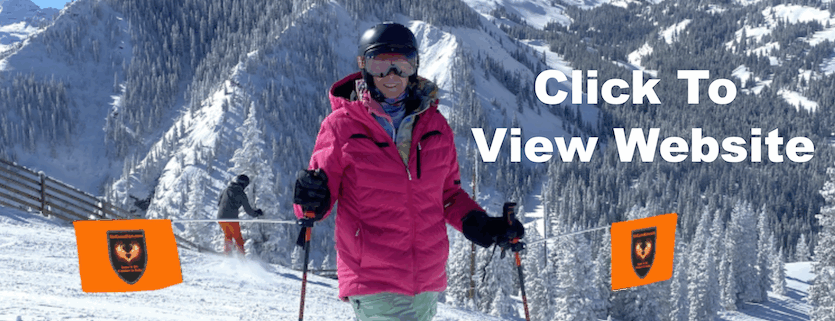

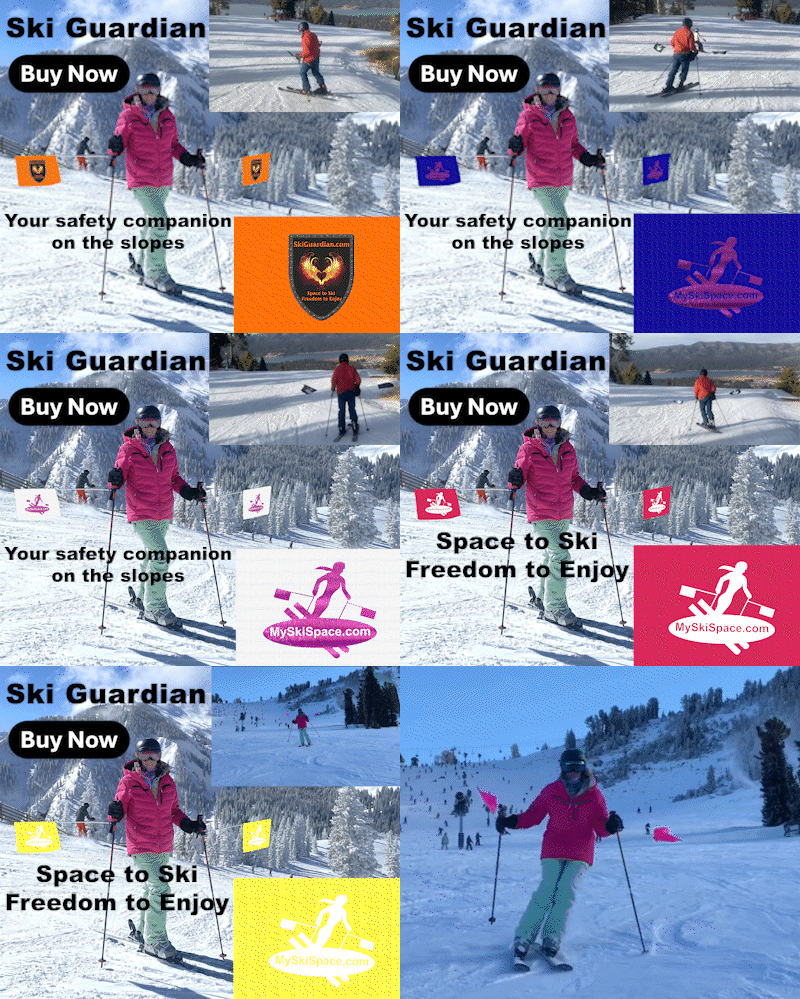



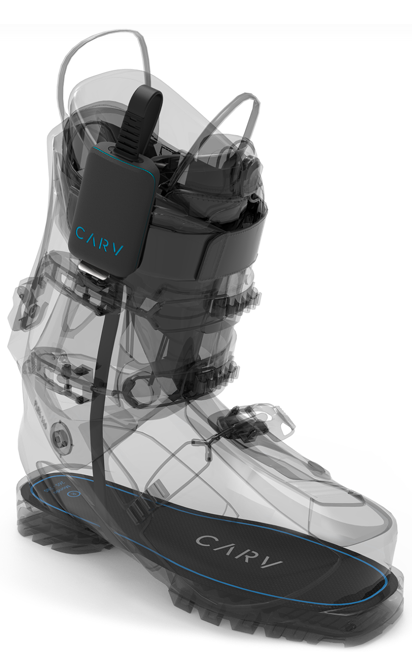
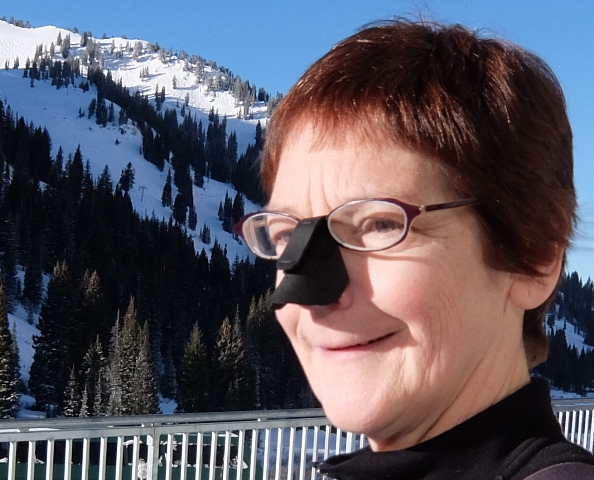

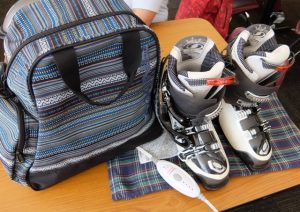


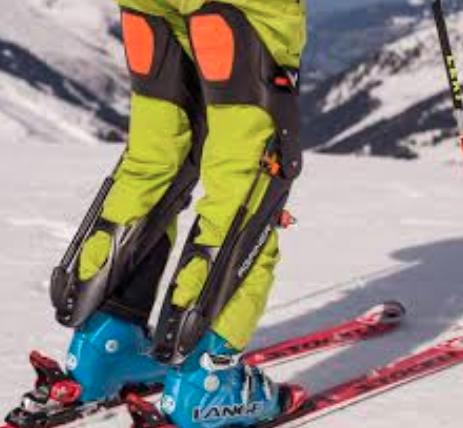


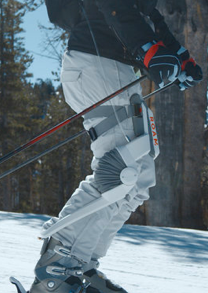
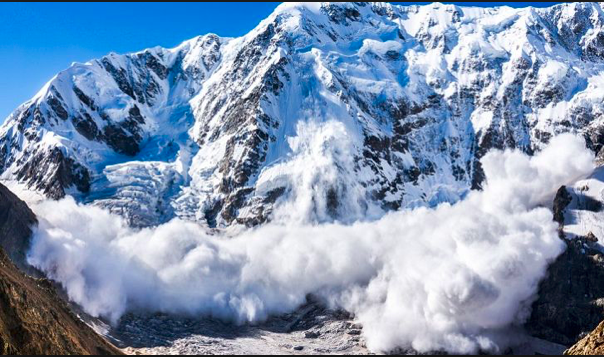





 GearBeast
 athleticism, I’ve made up for with persistence.
 I just purchased a dozen



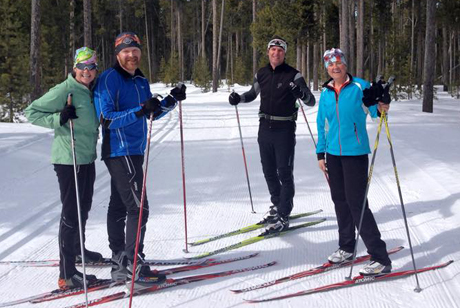

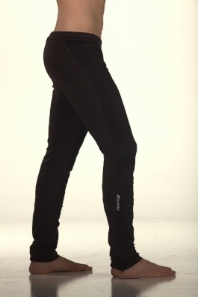


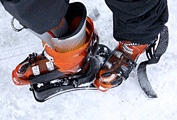


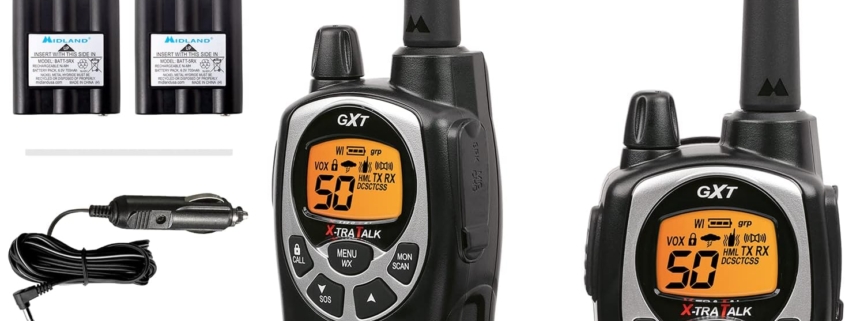

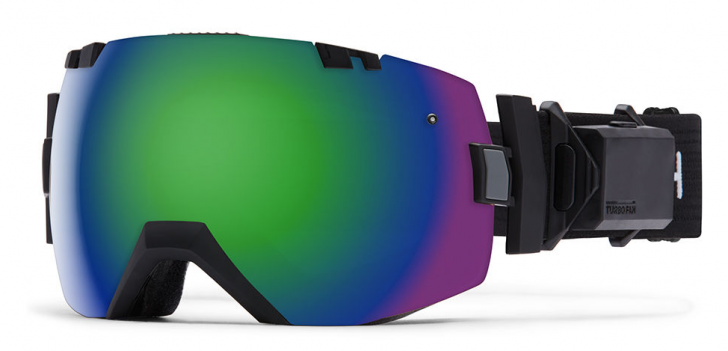
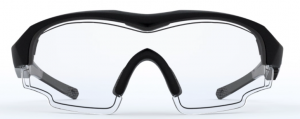


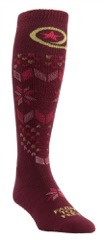

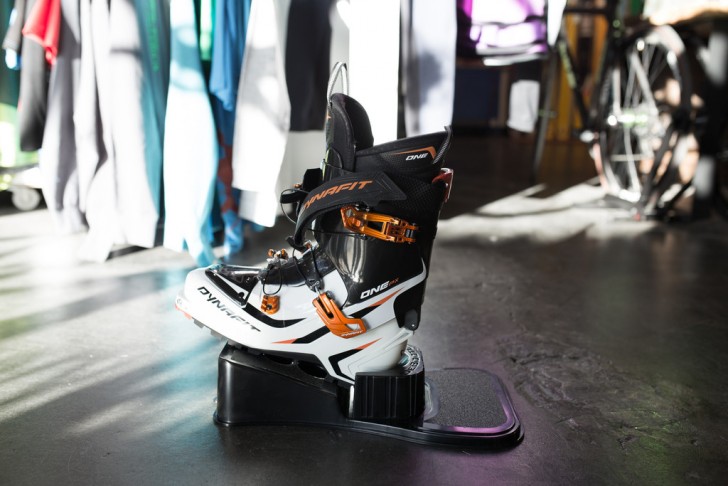
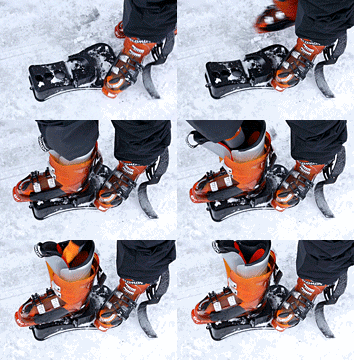
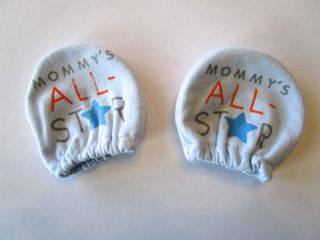

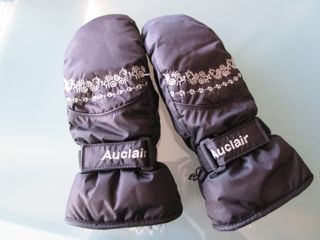
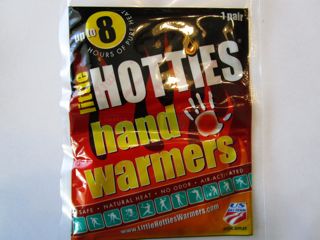
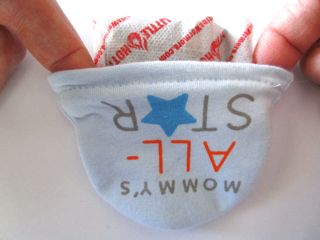
 *Sue Z., born in Brooklyn, is now a senior skier who likes to spend her time at Alta. When she is not skiing, she likes to paint in acrylics, plays the piano, and has taken several years of drum lessons. The “sock to scarf” idea came about while she was looking for a scarf for her new ski jacket; she came across knee socks in fun colors, and thought she could sew them together to create just what she was looking for.