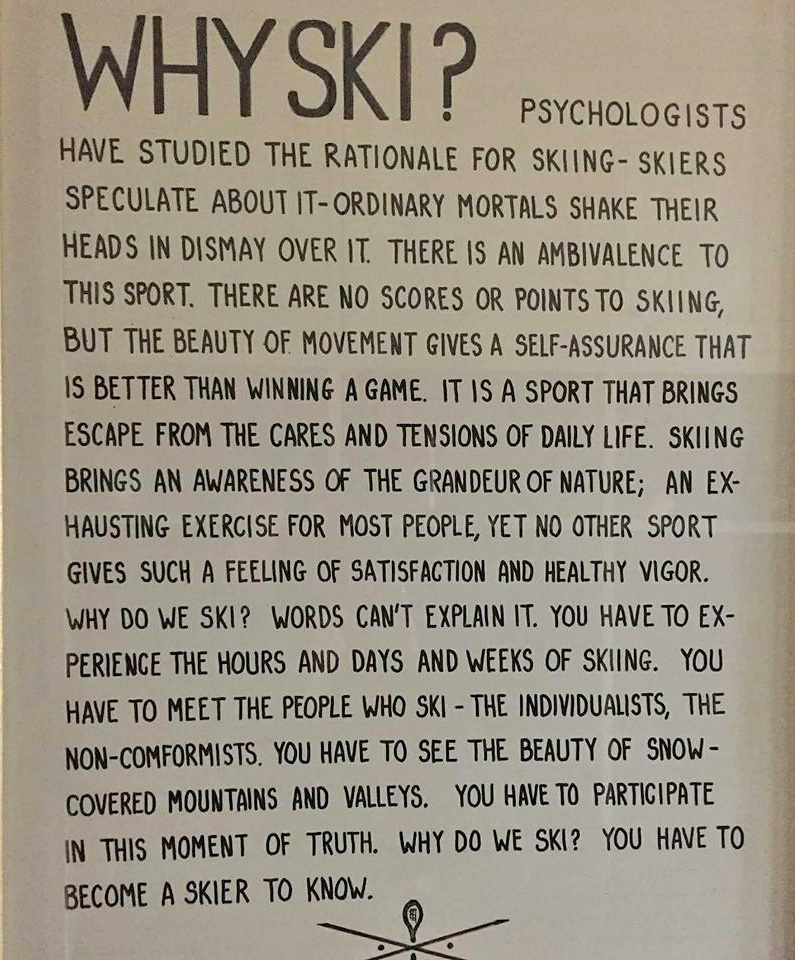
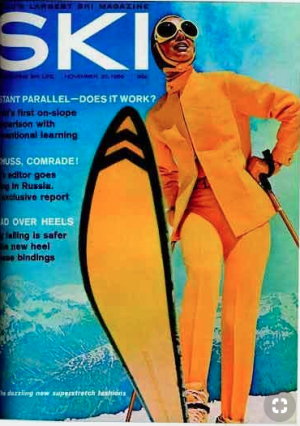
70s Ski Testing: Defining How Skis Work
Step 1: Inventing The Right Metrics
[Editor Note: In this new series, former SKI editor Marc Liebman recounts how serious ski testing began as a way to provide consumers with objective information about ski performance.]
In the early seventies, ski design was in the midst of a revolution that is still going on today. It started in 1959 when Art Molnar and Fred Langendorf marketed the first ski with a fiberglass reinforced core under the Tony Sailer brand. When it came out, skis were made predominantly from wood with a P-Tex bottom and segmented edges screwed into the core. One piece steel edges were coming into vogue.
Computers and programs to model flex patterns, torsion (twisting) and the impact of different materials on ski performance were in their infancy. Ski design was (and still is) a mix of sound engineering, materials science, and experience.
Ski manufacturers touted the benefits of fiberglass versus aluminum sheets or rods or u-shaped metal versus foam or wood cores and the list went on and on. Ski Magazine’s (and Skiing’s) customer research said that their readers wanted an objective way to compare skis. Net net, we – the skier – were confused.
In 1971, Ski Magazine contracted John Perryman, an aerospace engineer to come up with a methodology that would achieve four objectives:
- Measure the dynamic and static properties of the ski;
- Analyze these properties mathematically because they don’t act in isolation and are intimately related to each other;
- Correlate bench testing with a rigorous on-snow program that requires the skis to be put through a standard set of maneuvers by the tester on a variety of snow conditions and terrain without knowing the ski’s identity; and
- Present the results in an easy to understand format that enables the skier to compare ski A with ski B.
 The program was called SKIpp for Ski Performance Prediction. Each year, SKI magazine tested more than 200 skis, all roughly 200 centimeters long. I was on the initial team. Calculations were done with a slide rule and data tabulated on my Bowmar Brain, one of the first electronic calculators. We created five metrics that we believed defined ski performance:
- Foreflex dynamics – complex calculation of the force needed to bend the front portion of the ski and its resistance to rapid flexing;
- Afterflex dynamics – same as the front for the portion of the ski behind the boot;
- Effective torsion – combination of resistance to a ski’s twisting and how sidecut affects ski’s ability to turn in an arc;
- Effective Compression – measured the camber of the ski along with the force needed to flatten the ski; and
- Damping – ability of the ski’s to suppress vibration.
Based on the data gathered, we could predict how:
- Easy a ski was to turn;
- It would perform in different snow conditions; and
- How it stable it would be at high speed.
Looking back, we didn’t realize how far ahead we were in ski performance analysis. In the beginning, several manufacturers challenged our results, but in the end, they came around to our side of the table which was that the correlation between our lab analysis and on snow performance was amazingly accurate.






 This is the famous Engen Bell, a fixture in Utah ski history and an official “treasure” of the state.


 nice spread and an entertaining presentation about the relatively negative but highly amusing portrayal of skiing on TV sit coms. Jeff Blumenfeld, a member of ISHA’s Board put the show together. The program started with the popular 1950’s Topper program (in which two main characters and a drunken Saint Bernard are buried in an avalanche) and continued with a variety segments from the Dick Van Dyke Show, Here’s Lucy (when Lucille Ball actually had a broken leg), The Brady Bunch, Ellen DeGeneres (on a broken chairlift with two nervous friends), Cheers, and others. ISHA intends to promote use of the presentation by ski clubs, thus building awareness of the association and increasing its membership.
 Realskiers.com

 This is a glimpse of the famous Winter Park ski train that has recently shut down after 69 years of service. Ski trains were very popular with skiers from metropolitan areas on both coasts and the Rockies during the 30s and 40s. But, with roads and interstates, the trains became unprofitable. According to the Colorado Ski and Snowboard Museum, the ski train that brought Denver citizens to the mountains was one of the few that survived.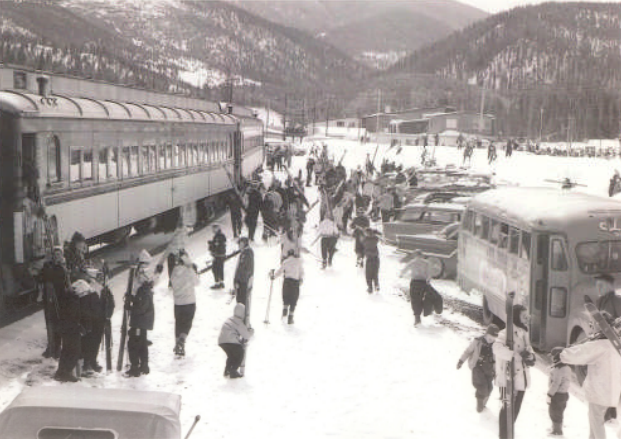
 This is another ski history legend. Nic Fiore was an influential ski instructor and director of the ski school at Yosemite’s Badger Pass for 50 years. His friendly smile and charming French-Canadian accent attracted skiers who came to Badger Pass every year to learn from and ski with Nic.


 Since the late 1990s, their values at auction have increased. To learn more about their history and their values, we interviewed Nicholas D. Lowry, President and Principal Auctioneer of Swann Auction Galleries, and Director of its Vintage Posters Department . Swann is the world’s largest auctioneer of Works on Paper and New York’s oldest specialty auction house.
 geographic location. For example, it’s unlikely that someone in Zermatt will be collecting posters advertising Sun Valley.









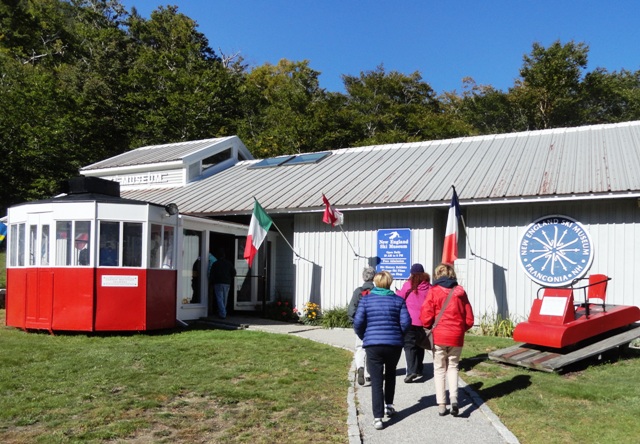
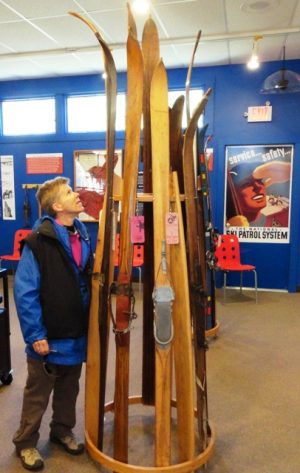 The sled-looking thing was Cranmore Mountain’s idea of an uphill lift. Skiers sat in the sleigh, and it was hauled uphill on a trestle.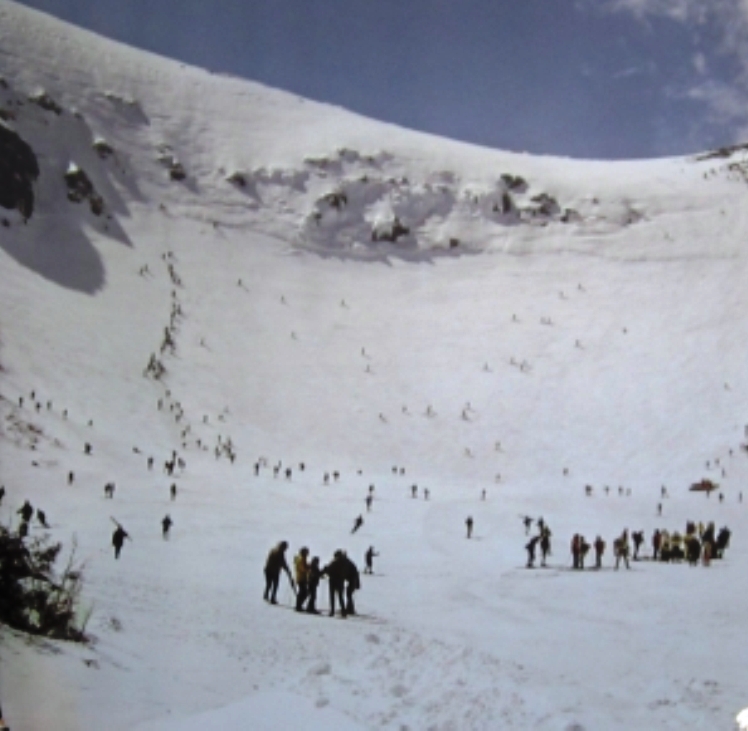



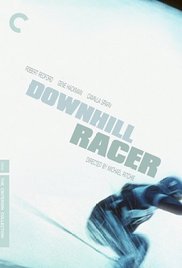 Five ski films received awards. Since these were screened in the daytime when we would rather be skiing, we skipped them, but, at least, we had seen the 1969 classic

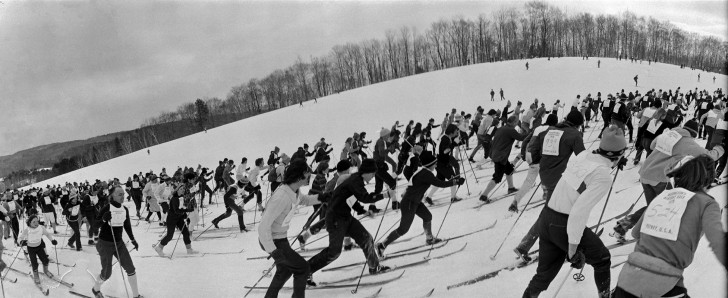
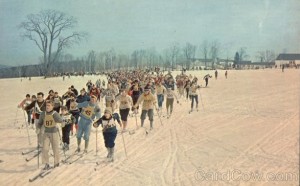
 In 1971, our group from SKIING managed to come in dead-last. Our wax had long gone, we got lost, yet we laughed our way to end point at Putney School. We did get a pin for finishing. It instantly became one of our proudest possessions.