When Errol Flynn Skied at Alta

Many famous Hollywood movie stars came to Alta to ski during the 1940s. Two of the best known were Claudette Colbert and Ray Milland, but most famous of all was Errol Flynn, the swashbuckling leading man.

My uncle, the late Sverre Engen, was Alta’s Ski School Director in 1946 when the legendary action hero visited Alta for a ski outing. I remember my uncle telling me, with a big grin on his face, about the experience.

As I remember, Sverre said that Flynn arrived with great “fanfare,” accompanied by several assistants to make sure that he received the finest treatment possible, on and off the slopes.

The morning after his arrival, it was snowing and visibility was somewhat marginal.  However, Flynn made it known among the other guests at Alta Lodge that he was not intimated and was going to tackle the challenging Alta mountain terrain regardless of limited visibility conditions.

My uncle was requested to be Flynn’s personal escort for the anticipated ski outing.  Sverre wrote about the experience with Flynn in his book, Skiing a Way of Life (1976).   Here is what he had to say:

“When Errol Flynn got to the Alta Lodge, he wasn’t in very good physical condition, but was anxious to get up on the mountain. In the morning, the porch was full of people watching him put his skis on, curious to see what kind of a skier he was. This was his penalty for being famous.

Flynn insisted on taking the lift to the top, but this was something he never should have done. It took most of the day to get halfway down.

I would get him started in a slow traversing position, but he would gain more speed than he could handle, head for the trees, and sit down. I would help him up, and we would do the same thing over again.  We worked our way down the mountain until he wore himself out completely.

Finally, I had to call the ski patrol for help.  He gratefully crawled up on the toboggan, and the patrol took him the rest of the way to the Alta Lodge.  His pride was bruised a little, but he was still a good sport and smiled when he got up from the toboggan and walked into the lodge.”

Personally,I have always wished I could have been there to see the famous “swashbuckling” actor arriving back at the Alta Lodge, without his skis, and facing his adoring public.  As my uncle inferred, I am sure Flynn’s ego was impacted – perhaps even deflated – at that particular moment.

I mentioned a few of the celebrities who frequented Alta ski area in the 1940s.  Since then, there have been many others, from film and politics, and I was lucky enough to know some, including skiing with them. To name a few –

Lowell Thomas, the national commentator who pretty much invented travelogues; “Gunsmoke” star James Arness; famous TV host Art Linkletter; Senator Charles Percy; Secretary of Defense Robert McNamara; former Ambassador to Belgium Tom Korologos; and  Dr. Henry Heimlich, who invented the maneuver named for him, which has saved many lives from choking.

All were outstanding individuals and several, like Senator Robert F. Kennedy – who skied at Alta just a few months before his tragic assassination in 1968 – were excellent skiers. Senator Kennedy, as I remember, liked to ski fast.

 Time continues to move forward, and even though I retired as Alta Director of Skiing in April 2012, I am sure there are many more celebrities who have since frequented the beautiful mountainous resort of what some have referred to as “Romantic Alta.”

Ski Heil!

Historic photos provided by Alan K. Engen

Photo of Errol Flynn at the bottom of the old Collins chairlift, circa 1946 is by Ray Atkeson. It has been provided to Alan Engen by Alta Ski Area with the understanding that it would be used exclusively for Alta related ski history.

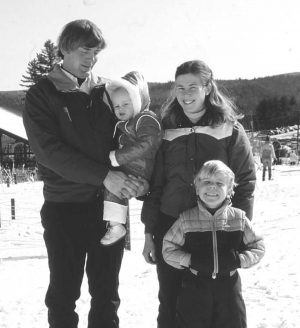
Photo of Alan, Alf, Corey and Sverre Engen is circa mid-1950s.  All four are inductees of the National Ski Hall of Fame.  Photo part of the Alan Engen Ski History Collection, which resides at the University of Utah J.Willard Marriott Library, Ski and Snow Sports Archives.

How Alta Has Changed in the Past Fifty Years. Or Not.

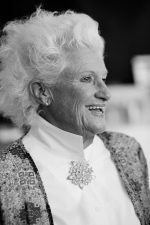
Connie Marshall

I am often asked how Alta has changed in the past 40 or 50 years. This question always excites me, as my career began at Alta in 1974, so my personal journey weaves into the larger tapestry of the Alta story.  That includes several decades as the resort’s public relations manager, working with the media.

In a November 1970 article for Holiday Magazine, David Thomas wrote, “Alta is for skiing. A little-known resort in Utah has the simple claim to fame…. probably the world’s best skiing. Alta’s popularity has been limited by its relatively restricted accommodations and the relative absence of the sort of frantic ski life that draws winter vacationers to the Alps and some of the more social western resorts.”

What would a journalist muse about today? From my perspective, she would begin by penning, “Alta is for skiing. A well-known resort in Utah has this simple claim to fame…. the world’s best skiing. Alta’s popularity has grown as skiers have come to seek out and cherish authentic experiences both on and off the slopes.”

Skiers from the 1970’s returning today would feel immediately as though not much has changed. The lift system, while modernized – including the brand new Sunnyside lift on the Albion side – still respects the desire for every skier to find his own way around the mountain. Many of the buildings on and off the mountain surely are recognizable, albeit most have been remodeled to satisfy the changing needs of skiers and their families.

While Alta has embraced evolving lift technology, best practices in snow and avalanche management, progressive ski school philosophies for all skiers, convenient RFID lift access and management of the ski experience in a world that is ever growing in population that has led to required parking reservations on Fridays, Saturdays, Sundays and holidays, the vistas and uncomplicated layout of the mountain remain steadfast.

#Altamagic has evolved as a popular hashtag for all things in the social media world.

Those who stay on-mountain cherish their experiences in lodges that harken back to the culture of the elegant simplicity of the early romance of skiing. Most lodging has been independently owned and operated by the same linage of family members since they were built, creating a sense of family the moment one walks in the door.

Many lodges have a guest return rate of 70% percent who return year after year, with emerging generations of family and friends to spend time with other guests who they have grown over time to know. Few resorts or individual hotels or lodges can match that, anywhere in the world.

From my perspective, after a 44- year career with Alta Ski Area, I would like to speak about the community of employees and the skiers, both local and all who come from places all over the world. While this menagerie of humans has changed over the years, the same pull that brought all of us together to experience the insatiable thirst for the magic that befalls us and for the spirit of the mountain itself has not changed.

Not one bit.

Editor’s Note –

A visit to a cousin who had grown up in Alta led to a job as a ticket seller, with Connie advancing quickly to sales manager, then to decades as the resort’s first Marketing and Public Relations manager.  Along the way, she married, raised three children, and inspired and mentored scores of people – especially women – to influential careers in the world of winter sports. Connie also was a pioneer in forging bridges between the sometimes-contentious relationship between some resort managements and their local communities, and is widely respected throughout the ski industry.

Before her recent retirement, Connie received the Lifetime Achievement Award from the North American Snowsports Association (NASJA), nominated by SeniorsSkiing editor Evelyn Kanter. Connie continues to live close to Alta, volunteers for local and regional community groups, and still skis often at Alta.

SKIING HISTORY LOGO

Skiing History Magazine

The May-June issue of Skiing History will hit the mail around May 13 (a Friday, of course)., but will be posted online about a week ahead of that.

Look for these articles:

-Skiing Schruns and the Montafon Valley: The old smuggling route between Austria and Switzerland where refugees escaped during World War II.

-Marco Tonazzi, the Vail-based entrepreneur recalls his days on the Italian ski team and adventures with Thoeni, Tomba and Gros.

-Lifts that went nowhere: Gone are the weird experimental ski lifts that didn’t pan out.

-Willy Schaeffler, rebel at heart.

-Warhol in Aspen.

-The man who designed the medals: artist Helmut Zobl.

-Swann poster auction results.

-Report on Skiing History Week in Sun Valley.

-Fritz Wiessner, world-class climber and ski wax alchemist.

To read the new issue online and get the print magazine, visit skiinghistory.org/join.

The Skier’s Subway: Most Unusual Lift in Skidom

Park City, Utah started as a mining camp in the 19th century, transferred business from silver mining to skiing in the early 1960s and never looked back. These days Park City Mountain Resort, owned by Vail Resorts, has about 1,200 miles of underground tunnels and shafts and mining structures all over the mountain that you ski by and over along 348 trails.

In 1963 United Park City Mines, the last active operation in Park City, opened Treasure Mountain Resort on the 3,700 acres it owned. Relying on mining engineering know-how, it put up J-bars, a gondola, and a Skier’s Subway.

Now in the Park City Museum, this “subway” car used to transport skiers into the mountain, where they would enter an elevator and travel to the base of the Thayne’s chair.

In what has to be the most unusual lift in skidom, the Skier’s Subway ran from January 1965 to July 1967, starting near the spot where the Silver Star chair is now located. Skiers rode more than three miles through the west end of the Spiro Tunnel on repurposed mining carts, water dripping onto their parkas, to the Thaynes Shaft where they got hoisted 1,700 feet up to the Thaynes chair lift. From out of the dark depths…Voila!, the slopes. The ride took about 25 minutes. Most skiers did it once for the novelty, once for the kids, and that was enough.

Early March, I skied to the Silver Star base area and discovered this bit of mining history: In 1917, owner Solon Spiro built a tunnel 21,675 feet into the mountain to draw excess water down and away from mining operations above.

The town now uses the tunnel to provide about a quarter of its water for drinking, snowmaking, and golf course irrigation. To protect this resource, a few years ago the town removed debris and shored up the first 400 feet of the tunnel to prevent cave-ins.

On a guided skiing tour of Park City’s mining history.  Photo: Tamsin Venn

The very active Friends of Ski Mountain Mining History collaborated with the town to open a commemorative plaza in the fall of 2021 with signage at the fenced-off tunnel entry at Silver Star Village. It’s a delightful starting point to the day, away from the crowded Park City Mountain Resort’s nearby free parking area. The Silver Star chair  gives easy access to King Con chair. The village has a small lift ticket booth, friendly lift attendants, the well-equipped Silver Star Ski & Sport, located in an old mining building, and the Silver Star Café that transforms from skier-patio-lunch-spot to award winning restaurant at night.

For a fuller view of Park City’s mining history spread throughout the mountain, take the Silver to Slopes Historic Tour, a complimentary two-hour visit led by PC’s mountain services guide (See SeniorsSkiing article: There’s Silver in Them Thar Hills!).

Your Next (or Last) Ski Lesson Can Be Traced Back to Alta

Your Support Helps!

Help us keep SeniorsSkiing.com free. Please support SeniorsSkiing.com with a donation.

DONATE

The origins of the Professional Ski Instructors of America’s (PSIA) harmonized approach to ski instruction in the United States can be traced back to Alta.

When skiing was first taking hold as a participation sport around the Intermountain region in the mid- to late-1930s, ski instruction was informal; limited to tips provided by anyone who had been on a pair of skis more than once.

By the early 1940s, many people were taking up the sport, and it became evident there needed to be some form of training, control, and certification for people teaching others how to ski.

During the 1946-47 season, the Intermountain Ski Association (ISA) took the first steps to form a unified approach to ski teaching in the Intermountain region. One of the organizers was my uncle, Sverre Engen, at the time, head of Alta’s ski school.

During the 1946-47 season, the Intermountain Ski Association (ISA) took the first steps to form a unified approach to ski teaching in the Intermountain region.                                                                                  Source: Alan Engen Collection

Two years later ISA conducted the first Intermountain region instructor examination at Alta.  According to Bill Lash, former Alta ski instructor and founder of the Professional Ski Instructors Association (PSIA), “Alf and Corey Engen ran the program.  The test was given in three grades: master instructor, instructor, and apprentice instructor.  The cost of the exam was $10.00 and the renewal fee was $2.50 per year.  In 1950, instructor pins were given out.  There were two pins and classes of certification: apprentice and instructor.” My father was Alf, who headed the Alta Ski School from 1948 to 1989 and for whom the Alta Ski School in named.

Early December,1950, another certification examination was conducted at Alta. This time, under the direction of Friedl Lang, a noted ski instructor who had been certified by the U.S. Eastern Ski Instructors Association. Lang had taught skiing in North Conway, New Hampshire for Hannes Schneider, father of the Arlberg Technique. He brought special insights to the new ski instructor certification process.

At the same time, the Intermountain Ski Instructors Association (ISIA) was created to oversee certifying instructors.

1958 National Ski Association Certification Meeting at Alta                                                  Source: Alan Engen Collection

Throughout the 1950s, Alta hosted numerous Intermountain Ski Instructor Association examinations. And in 1958, coordinated by the Alf Engen Ski School, Alta hosted the first National Ski Association “on-snow certification conference” to establish national certification standards. A significant outcome of this gathering was Outline of Ski Teaching, by Bill Lash. The first complete ski-instructors manual, it was distributed nationwide and became the basis of the American Skiing Technique. A few years later, in 1961, representatives of the National Ski Association met and agreed to formalize teaching the American Skiing Technique under a new umbrella: the Professional Ski Instructors of America.

So, wherever you take your next ski lesson at an area in the United States, if the instructor is PSIA-certified, she may not know it, but Alta played a role in bringing professional, harmonized instruction to the sport.

Test Your Skiing Knowledge

Your Support Helps!

Help us keep SeniorsSkiing.com free. Please support SeniorsSkiing.com with a donation.

DONATE

Each issue of SeniorsSkiing.com has a picture to help test your skiing knowledge. Generally, the pictures are from collections in a variety of participating ski museums, which we encourage readers to visit.

This Englishman was instrumental in formalizing ski racing in the early part of the 20th Century. 1908, He founded the Alpine Ski Club in 1908, and in 1911 organized the Kandahar Challenge Cup, a race that continues annually to this day. In 1922, he set the first modern slalom course. For these and other skiing race innovations, he was knighted in 1952 by Queen Elizabeth for “…services to British skiing…”.The first reader to correctly identify his name will receive the new Licensed To Ski poster. Please email answers to jon@seniorsskiing.com.  


Greg Zoll, of Hillsdale, NJ, was the first reader to correctly identify the image as Gilbert’s Hill in Woodstock, VT. In the 1930s,it was a popular New England ski location. A rope tow, powered by the motor of a Ford Model T truck, was placed on the hill in 1934, making it possible for skiers to quickly get to the top. The hill was used as a ski area until 1965. There’s now a historical marker near the site. Greg, who will receive the new “Licensed To Ski” poster, currently is celebrating his 60th ski season. He was introduced to the sport by his father, a a 10th Mountain Division veteran, who, at one time, held the patent on the Curtiss-Wright Jet-Air compressor used for making snow at New Jersey’s Great Gorge ski area. He’s carried the skiing tradition to his own family and has skied throughout the US, the Alps and in Chile. Congratulations, Greg!

Test Your Skiing Knowledge

Your Support Helps!

Help us keep SeniorsSkiing.com free. Please support SeniorsSkiing.com with a donation.

DONATE

Each issue of SeniorsSkiing.com has a picture to help test your skiing knowledge. Generally, the pictures are from collections in a variety of participating ski museums, which we encourage readers to visit.

In the 1930s the hill pictured here was a popular New England ski location. The first reader to correctly identify its name and location will receive the new Licensed To Ski poster. Please email answers to jon@seniorsskiing.com.  

While several readers correctly identified the man in the picture as Junior Bounous, Terrell W. Smith of Salt Lake City was first. Terrell has been on skis 70 years. He raced in high school and  taught  at Alta when Junior headed Snowbird’s ski school. He says, “Skiing is cheaper than psychiatry,” a sentiment hard to disagree with. Junior is a celebrated deep powder skier and contributed to the sport’s development throughout the Intermountain West. He is 96 and still skiing. The picture came from the Utah Ski & Snowboard Archives, which preserves the history of skiing in Utah and the Intermountain region. The extensive collection contains thousands of digitized images of photographs and print materials, all of which can be accessed online.

Skiing History March April 2022

Skiing History Magazine (March/April)

Your Support Helps!

Help us keep SeniorsSkiing.com free. Please support SeniorsSkiing.com with a donation.

DONATE

The March-April issue of Skiing History magazine is scheduled to mail at the end of February. Here’s what you can look forward to:

A major tribute to Spider Sabich, the charismatic racer who helped put World Pro Skiing on the map and was shot to death at age 32. Spider will be inducted into the U.S. Ski and Snowboard Hall of Fame on March 26, in Sun Valley.

Another new Hall of Famer is Sven Coomer, the man who made plastic boots comfortable and skiable. In an excerpt from his memoirs, Sven recounts the development process, beginning in 1968, that led to the revolutionary Nordica boots of 1971-74.

Because we’ll hold our 30th Annual ISHA Awards Banquet in Sun Valley on March 24, we’ll take a look at one of the overlooked aspects of the resort’s history: The ski-jumping and slalom hill on Ruud Mountain, developed in 1936 by Alf Engen and Sigmund Ruud. Abandoned in 1965, Ruud Mountain hosted two decades of spectacular competitions.

Lindsey Vonn has just published a memoir, Rise. We have a review of the book. Also, we’ll publish the list of ISHA Award winners for this year.

Overcrowding at ski resorts, and delayed opening of lifts and terrain made national news in January. We offer an analysis of the business decisions and economic trends that led to a nationwide skier revolt this winter.

John Allen writes an appreciation of the British landscape artist Adrian Allinson (1890-1959), who created some spectacular canvasses of Alpine scenery.

To read the new issue online in February, and get the print magazine in March, go to skiinghistory.org/join.

Test Your Skiing Knowledge

Your Support Helps!

Help us keep SeniorsSkiing.com free. Please support SeniorsSkiing.com with a donation.

DONATE

Each issue of SeniorsSkiing.com has a picture to help test your skiing knowledge. Generally, the pictures are from collections in a variety of participating ski museums, which we encourage readers to visit. This image is from the Utah Ski & Snowboard Archives, which preserves the history of skiing in Utah and the Intermountain region. The extensive collection contains thousands of digitized images of photographs and print materials, all of which can be accessed online.

Source: Utah Ski and Snowboard Archives

This picture was taken in 1963 during Park City’s preseason ski school. The man on the right was a participating ski instructor. He went on to become one of Utah’s most celebrated skiers. Now a nonagenarian, he can still be spotted carving his way down the mountain. The first reader to correctly identify him will receive the new SeniorsSkiing.com poster of ski-themed license plates. (Only answers sent to jon@seniorsskiing.com will qualify).

Winner of February 4 Test Your Skiing Knowledge

Several readers correctly identified the object being transported by dog sled as a tire for the massive Antarctic Snow Cruiser, which was part of Admiral Byrd’s 1939-41 United States Antarctic Service Expedition. But the first reader to send the answer in was Rob Henning of Pittsburgh, Pa. Rob is a frequent denizen of Seven Springs Ski Resort and each season visits Big Sky in Montana. He enjoys chasing his 13-year-old son around the mountain. Congratulations, Rob. You’ll soon be receiving the new SeniorsSkiing.com Licensed To Ski poster of ski-themed license plates.

Junior Bounous

Meet 96-Year-Old Ski Legend: Junior Bounous

Ski industry icon Junior Bounous, 96, is a mover and shaker whose passion is to keep people skiing throughout their lives. In a nutshell, he tells seniors: Just “keep moving.”

Junior’s career spans nearly eight decades with a list of accomplishments and awards longer than both my arms: Intermountain cross country and national gelande jumping champion, national race course setter, ski patroller, founding member of Professional Ski Instructors of America, father of today’s American Ski Teaching System, an advisor to ski manufacturers, a ski trail designer for resorts, and the director of skiing in California and Utah including Sundance and Snowbird. In 1996, he was inducted into the National Ski Hall of Fame.

Snowbird’s Pipeline

Junior takes his own “keep moving” advice. To celebrate his 80th birthday he skied Snowbird’s treacherous Pipeline chute, a couloir lined with jagged rocks and with no room for error.

And he keeps on moving. On a bright spring day in 2021, he heli-skied from the 11,489’ Twin Peak summit, the highest point in the Little Cottonwood Canyon range, making him — at 95 years and 244 days — the Guinness World Records’ oldest heli-skier. Getting out of the helicopter was difficult because his knees don’t bend as well as they used to.  “The skiing was the easy part,” he said.

Follow the legend

A role model for seniors, Junior continues to ski for the joy of it.

A few days ago my senior ski friend Beth Tait was skiing at Alta when she saw a yellow helmet. Junior always wears a yellow helmet. As she got closer, she saw it really was Junior. He was talking with skiers around him, and she joined in. Later, Beth followed him, trying to ski as smoothly and fluidly as the 96-year-old.  “Junior is an incredibly athletic skier not to mention his heartwarming personality,” she said.

From barrel staves and manure piles to Alta and Snowbird

Junior was the youngest of six children in an Italian farming family in Provo, Utah. His first ski experience was on the farm at age 8 when he attached barrel staves to his feet and skied down a slope trying to miss the manure piles at the bottom.

Alf Engen (l) and Junior Bounous Source: J.Willard Marriott Digital Library

Fast forward to 1948, when, at age 22, he became one of the first certified instructors in Utah, and he began a long-lasting relationship with his cherished mentor, Alf Engen. For the next 10 years, Bounous was Engen’s primary assistant in Alta’s Alf Engen Ski School known worldwide for teaching students how to ski powder. His skiing and teaching careers kept accelerating.

When Snowbird was on the drawing board, founder Dick Bass recruited Junior to lay out the trails, and when it opened in 1971, he became its Ski School Director inspiring generations of skiers.

Junior’s top tips for Seniors

It’s a bird, it’s a plane, it’s Junior in the air in 1957. Photo credit: Harriet Wallis

Balance and coordination are major factors for senior skiers. “Older people have trouble with their eyes and ears, but you can extend the life of both senses if you practice,” he said.

He advises cross training. “Stay active. Do not confine yourself to just skiing. Play golf, ride a bike, take a walk. Do whatever you enjoy – but do it. It will help you get out of the bathtub, get out of the car, and go up the stairs.”

He also recommends improving balance by skiing slightly different terrain and snow conditions. Don’t get stuck skiing only on bluebird days or just on your favorite trails. “It boils down to just doing it. Stay active in as many ways as possible,” he said.

Take Junior’s advice: Just do it.

However, “Many older people drop out because they no longer have anyone to ski with. They’re physically capable, but they’ve lost the social fun of skiing. Find somebody to ski with,” he said.

Help Us Compile SeniorSkiing.com’s list of senior ski groups

To help seniors find someone to ski with, SeniorsSkiing is starting a list of senior ski groups around the country. If you know of a senior ski group, please use Leave a Reply at the end of this story. Include as much information as possible about the group.

Test Your Skiing Knowledge

Each issue of SeniorsSkiing.com has a picture to help test your skiing knowledge. The pictures are from collections in a variety of participating ski museums, which we encourage readers to visit.

The object pictured here was made in the kitchen, but its nothing you’d want to eat. It was available throughout New England in the 1960s and 70s. One more clue: The image comes from the Maine Ski and Snowboard Museum‘s exhibit, “Made in Maine.” What was the brand name for this useful little object? The first reader to send the correct answer to info@seniorsskiing.com wins a soon to be determined but useful prize.

The Maine Ski and Snowboard Museum shares many stories from Maine and  the state’s role in the development of skiing and snowboarding. Last summer, the museum moved from Kingfield to a new home on the Access Road to Sugarloaf. The current “Made in Maine” exhibit explores the development of skiing and snowboarding through equipment made in the Pine Tree State. If you’re in the area, be sure to visit.

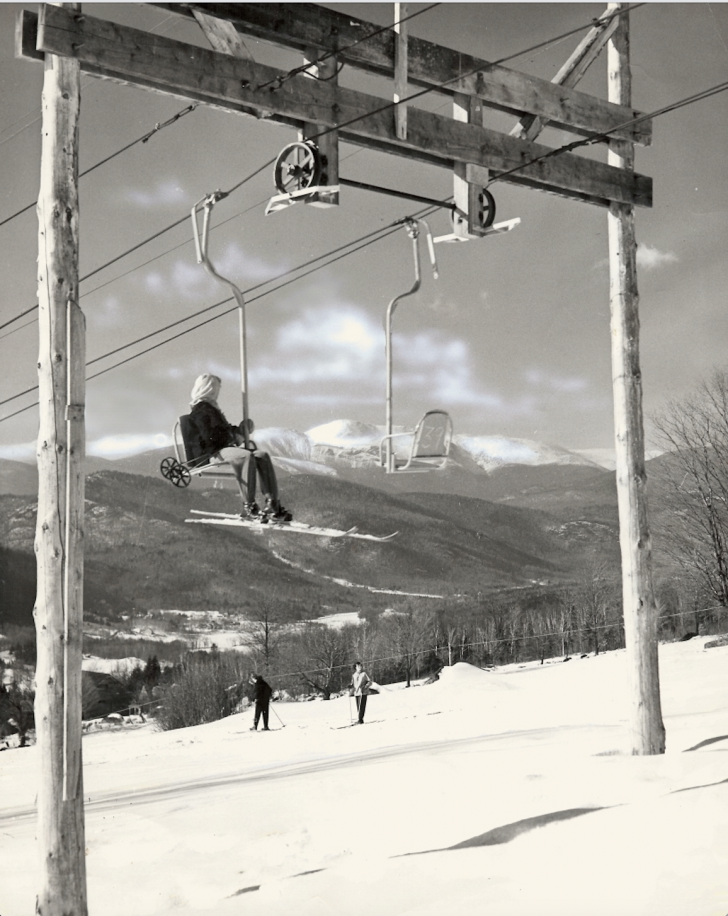
Michael Bannon, Bartlett, NH, was the first reader to correctly identify the picture in the last Test Your Skiing Knowledge. It’s the upper chairlift at Thorn Mountain, Jackson, NH. Thorn Mountain opened in 1949 with two single chairlifts stacked one above the other to give a vertical rise of more than 1,000 vertical feet. Thorn closed about 1956. Michael has been a Level 3 PSIA instructor since 1966. He’s been a SeniorsSkiing.com subscriber for 5 years. Congratulations, Michael! You’ll soon be receiving a container of Slide On, the dry lubricant spray that helps your feet slip in and out of ski boots. One application lasts for a month of frequent boot use. One 2 oz. can is good for the entire season. The picture was submitted by The New England Ski Museum, located in Franconia Notch State Park, New Hampshire. Admission to the museum is always free.
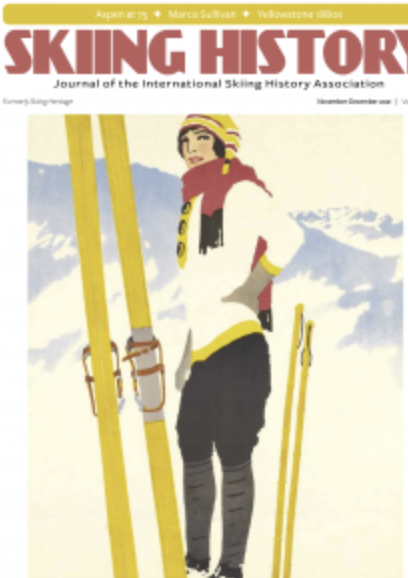
 

Skiing History Magazine

Covid-related delays at the printer and post office caused the November-December issue of Skiing History to mail a month late. The online version posted right after Thanksgiving, and you can read it here. Here’s what you’ll find:

Aspen’s Anniversary: 75 years ago, Aspen built its first chairlifts and opened for business. Most of us are familiar with the story of how racing champion Friedl Pfeifer returned as a wounded veteran of the 10th Mountain Division and forged a partnership with Chicago industrialist Walter Paepcke to form the Aspen Skiing Company. In this issue, Aspen-based writer and editor Cindy Hirschfeld tells the story of the locals who surveyed the ground, cut the trees, dug the footings, hauled and poured the concrete, assembled the towers, hung cables and chairs, and then ran the lifts and ski school.


100th Anniversary of Megève, the first purpose-built resort in France. When the Baroness Noemie de Rothschild took a break from running a military hospital during World War I, she went skiing at St. Moritz. There she bumped into the German arms-maker (and notorious antisemite) Gustav Krupp. She swore to build an all-French resort, and in December 1921 opened her Hotel Prima in this medieval village just off the main road from Geneva to Chamonix. Under the stewardship of four generations of Rothschilds, the resort has maintained is ultra-luxe ambience. The skiing is good, too: After all, Megeve produced Emile Allais. Article by Bob Soden.


Ron’s Last Run: We go into the New Year mourning the sudden death of our great friend and longtime contributor Ron LeMaster. His obituary is on the SkiingHistory.org website now. This issue contains the last article he wrote for us – the history of ruade, the “horse-kick” turn that evolved into down-unweighting and paved the way for avalement.


American Downhiller Marco Sullivan retired after 105 World Cup starts and went to promote Alpine speed through coaching and an award-winning film. Edie Thys Morgan reports.

Walter Kofler Invented Kofix, the first polyethylene base, in 1952. It replaced celloid bases and revolutionized ski racing, making the Austrian and Swiss teams dominant at the 1956 Olympics. By Seth Masia.

150 Years of Skiing in Yellowstone. Explorers, poachers and even the U.S. Cavalry skied into the bitterly cold, snowbound National Park beginning around 1872. By Jay Cowan.

Meet the U.S. Ski and Snowboard Hall of Fame Class of 2021, with boot designer Sven Coomer, snowmaking genius Herman Dupre, skiing stuntman John Eaves, retail pioneers Dave and Renie Gorsuch, broadcaster Peter Graves, freeskiing hero Mike Hattrup, ski mountaineer Jan Reynolds and pro freestyler Alan Schoenberger.

Farewell to Ski Pioneers Rupert Huber of Atomic Skis, inventor of the fat powder ski; racing promotors Anne and Joe Jones; adaptive ski coach Hal O’Leary; Whistler general manager Peter Alder; Burke Academy founder and ski-racer Martha Coughlin Corrock; and pro racer Paul Carson.

The January-February issue should mail around mid-January, but you can already read Edie Morgan’s brilliant report on the upcoming Olympics, Beijing Olympic Alpine courses are a mystery.


Thorne Mountain

Test Your Skiing Knowledge

Each issue of SeniorsSkiing.com has a picture to help test your skiing knowledge. The pictures are from collections in a variety of participating ski museums, which we encourage readers to visit.

This picture, submitted by The New England Ski Museum, shows a chair that serviced a New England area in the 1950s. It was the upper of two lifts that, combined, providing more than 1000′ of vertical. The area closed in the mid-50s. What was the name of this short-lived ski area?

The first person to submit the correct answer to jon@seniorsskiing.com wins a yet to be determined, but skiing-related prize. Note, only answers sent to that address will qualify.The correct answer and the name of the winner will appear in the next issue of SeniorsSkiing.com.

Unfrtunately, there were no correct answers to the last Test Your Skiing Knowledge quiz. Perhaps the answer was a bit arcane. Nonetheless, it is quite interesting.

Source: New Mexico Ski Museum and Ski Hall of Fame

The man in the middle is Bruno Hans Geba, and he’s shown instructing two coeds from the University of New Mexico at Sandia Peak Ski Area in 1968. Several readers thought it might be Ernie Blake at Taos, probably because the image was submitted by the New Mexico Ski Museum and Ski Hall of Fame. Geba was born in 1927 in Salzburg, Austria. After World War II, he received bachelor’s, master’s and doctoral degrees in medical science, psychology and physical education from the University of Vienna. In 1955 he was invited to the US to serve as a consultant for the Aspen Institute for Humanistic Studies. At about the same time, he received his American doctorate in clinical psychology at the University of Colorado. While in Aspen, he trained the U.S. men’s and women’s Olympic ski teams and coached the International Professional Ski Racers Association. In 1966 he started a private psychotherapy practice in San Francisco; later becoming a professor at San Diego State University. He retired in 1992, moved to Hawaii. and passed away there at age 74.


Source: New Mexico Ski Museum and Sk Hall of Fame

Test Your Skiing Knowledge

Where are these skiers? Source: New Mexicao Ski Museum

Each issue of SeniorsSkiing.com has a picture to help test your skiing knowledge. The pictures are from collections in a variety of participating ski museums, which we encourage you to visit and to support.

This image was submitted by New Mexico Ski Hall of Fame and New Mexico Ski Museum, located outside Albuquerque, at the base of the Sandia Peak Aerial Tramway. The museum collects, preserves and displays items connected with and/or celebrating the history of snow skiing in New Mexico. The Ski Hall of Fame celebrates individuals who have contributed substantially to the development of skiing and snowboarding in the state.

It is open daily year-round, and admission is free.

Where in New Mexico are the skiers in this picture? The first person to identify the correct location (email  jon@seniorsskiing.com) will receive a copy of Arcadia Publishing’s book, Skiing in New Mexico.

The correct answer and the name of the winner will appear in the next issue of SeniorsSkiing.com.

The winner of the last Test Your Skiing Knowledge (a few others had the correct answer, but were not the first to submit it) is George Treisbach of Harrisburg, Pa and Copper Mt, Co. He identified author Arthur Conan Doyle, creator of Sherlock Holmes. Congratulation for this mystery well-solved, George. Enjoy the  membership we purchased for you to The New England Ski Museum.

mystery picture

Test Your Skiing Knowledge

mystery picture

Each issue of SeniorsSkiing.com will have a picture to help you test your skiing knowledge. The pictures are from collections in a variety of participating ski museums, which we encourage you to visit and to support. 

This image was submitted by The New England Ski Museum, a non-profit based in New Hampshire with locations at the base of the Cannon Mountain Tramway and in downtown North Conway. In addition to an extensive collection of objects, the museum issues a substantial publication with articles on ski history and content from museum exhibits. More about the museum and its most wonderful shop at www.newenglandskimuseum.org,

The man in the picture is known to each of us but not in the context of skiing. If you can identify him, send me a note (jon@seniorsskiing.com). For the person sending the first correct answer, we’ll purchase a membership in The New England Ski Museum. The correct answer and the name of the winner will appear in the next issue of SeniorsSkiing.com.

Skiing History magazine: Sept-Oct 2021

Summarizing Skiing History Magazine’s Sept-Oct 2021 Issue

Skiing History magazine, a project of the International Skiing History Association (ISHA), is published six times a year. Its collection of articles is always interesting. Click on ISHA’s “Take A Run With Us!” advertisement and register for a free digital issue. Better yet, support skiing history and ISHA by becoming a member! Membership is a terrific gift for any older skier.

Skiing History magazine: Sept-Oct 2021

The first fall issue of Skiing History magazine (September-October 2021) kicks off with a spectacular three-part history of skiing music and song by long-time contributor Charlie Sanders. Most of us remember when skiers gathered around the fireplace with guitars and gluhwein in hand, singing along to “Super Skier,” “90 Pounds of Rucksack” and “Two Boards Upon Cold Powder Snow.” Charlie has reconstructed ski-related songs back to the 19th century – and the full-length series, posted on the website skiinghistory.org, contains 200 links to actual musical performances on YouTube.

This issue’s featured athlete is the amazing Olympic freestyle gold medalist Kari Traa. With three medals in four Olympiads, four world championships and four overall World Cup titles, Traa remains the most-decorated mogul skier in history. Today she’s raising kids and running a $70 million athletic-wear company – but has time to compete in formation skydiving events. Our new contributor, widely published sportswriter Aimee Berg, interviewed Traa at length.

For several generations, until aluminum replaced hickory as the choice material for jumping and downhill racing skis, Northland was the world’s premier ski brand. Owner Christian Lund promoted the idea that he founded the company. But the truth is far more complicated. As authors Greg Fangel and Paul Hooge explain, Lund shrewdly took advantage of several factory fires to acquire control of the company, and the market.

Remember when ski instructors yelled at us to “down-UP!” to start each turn? Ron LeMaster reviews the use of up-unweighting in the old Arlberg technique and its de-emphasis in modern skiing. We still use it sometimes in heavy powder.

The Bonne Bell Ski Team didn’t race – they sold cosmetics. Jeff Blumenfeld recounts the story of Jess Bell’s wholesome, athletic skiing glamor girls.

Andreas Wyller was Norway’s first Alpine racing champion. Einar Sunde reviews a new biography, in Norwegian, recounting Wyller’s career in skiing and heroic death as a Royal Air Force pilot.

Plus: The Laurentian Ski Museum finds a new home; the mayhem of the 1964 Bash for Cash race at Aspen Highlands; a Warren Miller classic on shaping up for skiing; and much more!

Want more? Take advantage of the introductory discount on a subscription to Skiing History magazine – see the ad on this page.

Anyone Lose A Moriarity Hat 35 Years Ago At Beaver Creek?

We Have It For You.


Here’s a note from Shelley Canalia, a reader, who has come into possession of this old hat with numerous pins from resorts and events.

My brother is Anthony Isham West. Great guy, comes from a Nordic ski family on his Father’s side. In 1985-86 he was working at Beaver Creek in Vail. He found this hat. Fast forward to 2021. He gives it to me. I want to find the owner or the owner’s family. Most of the pins are fromEuropean ski areas and a lot are from different Olympic events. There is a Lake Placid 1980 Olympics ABC pin. Also American Express Olympic pin. The person was definitely a skier. The hat is classic 60’s Moriarty Hat from Stowe, Vermont. So, if everyone would share this post maybe we can find the person or family this hat belongs to.

Anyone have a clue who this might belong to?  Or, what can you infer about the owner from what you see, knowing it was lost at Beaver Creek in the mid-1980s?

If you have any information or what to comment, please LEAVE A REPLY below. Shelley will be monitoring responses for leads and clues.


Return To The Rockies

Part Five: Jan and Judy Move To Utah

Our residence in Illinois proved to be similar to grad school in Indiana. I progressed in my academic career, we had another baby, and (sigh) there was no skiing. But a phone call changed everything.

At SIU-Edwardsville, we were renting from a colleague on sabbatical, and we had just started looking for a house to accommodate our growing family. Karen, our last child, was born in February, 1966.  Then a call came from folklorist Barre Toelken in Salt Lake City. He was leaving, and he sought someone to apply for his position at the University of  Utah.

I responded, “Barre, you don’t ski do you?” My interview trip was an eye-opener. I assumed that the season had wound down by late March, but the department chairman assured me. “We’ll have skiing through April.” So it was an easy decision to leave the Midwest again after just one year.

We arrived in Utah at the cusp of the development of major skiing there. Alta and Brighton had been in business since the late 1930’s; Snowbasin opened in 1940, and Timp Haven (later Sundance) started in the mid 1940’s. Park City’s ski resort, then called Treasure Mountains, was in its third season and had its trademark gondola pictured on a patch. You could still buy little houses used by former silver miners for a pittance, and skiers could park within a few yards of the gondola base.
None of the local resorts had much in the way of base facilities or housing at that time. Solitude opened in 1957, then underwent a couple of name changes and at least one closed season before prospering. Park City West opened in 1968, then had several name changes before eventually being acquired by Vail and merging with Park City. Snowbird opened in 1971.

This photo of Judy and me at Alta was taken in 1967. The old Snow Pine Lodge is seen just off Judy’s right shoulder. A luxury hotel replaced it last season.

This was the year we finally got modern skis. I know the exact date (October 31—Halloween—1967). Stein was in the shop representing Head skis, and he signed and dated a poster for us.

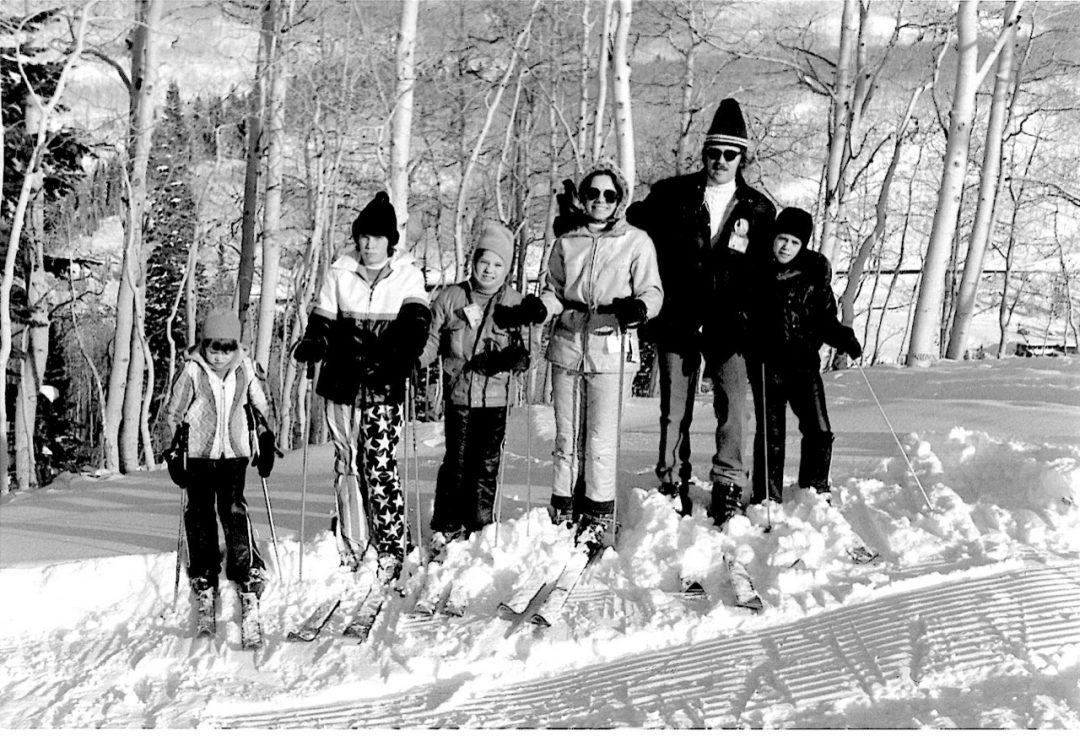
As the kids grew up, we shopped for the best family season pass deals. Here’s a photo of us at Solitude in 1972. Left to right: Karen, Erik, Amy, Judy, Jan, and Dana. After the photo was taken I stepped forward to retrieve my camera, leaving Dana without support. She slipped backwards into the trees and had to be rescued.

In 1981 we skied in Austria with two of our daughters. I had developed an interest in the folklore of Romania, and we had all been there twice in the ‘70s. In 1981 I received a grant to return from January through the summer. We brought Amy and Karen with us.

Erik was in college then and stayed in our house. Dana was on an exchange in New Zealand. Both were able to ski, so why not the rest of us? We each packed one ski outfit and hoped for the best.

As we drove south from Salzburg into the mountains in our Renault Le Car, I parked in front of a sports shop in the town of Wagrain. I asked a clerk in my best college German whether there was any skiing nearby. He grinned and pointed to a map on the wall, explaining that we were right in the middle of  “The Three Valleys,” a major ski center. There were 45 lifts linking Wagrain with the towns of St. Johann and Flachau.

We rented gear, found a B&B, and had a delightful weekend skiing the Alps. Here are Judy and the girls waiting for the ski bus. Wherever you ended up at the end of the day there was a free bus to take you back “home.” I almost gave up on Romania and switched to Austrian folklore.

Although we never managed to ski in Romania, the weekend in Wagrain made up for it. When we returned to Utah in the fall we learned that Deer Valley was opening that season. Modern skiing had arrived in the Beehive State, and we kept on enjoying it through our middle age and into senior status.

To be concluded . . .

Moving To Indiana Then Idaho

Part Four: Jan and Judy Find Lots Of Places To Ski.

We returned from Norway in 1957 and headed to Indiana University. We skied Caberfae near Cadillac, MI, a couple of times, but otherwise, our four years at IU were devoted to my studies and having Bloomington’s New Year’s Baby in January 1960. Where and when would we ever start little Erik on skis?

When I graduated in June 1961 we had a second child on the way, and I had a job offer from the University of Florida. Then came a call from Moscow, Idaho. The chair of the Humanities Department wanted to expand offerings in American Studies, and he had contacted the well-known IU program to see whether any newly-minted folklorist was interested.

This was the only job I ever took without a site visit and a personal interview. Everything was done by telephone and letters. The offer came as a telegram. It worked out perfectly: Moscow was a pleasant small town, the university was solid, my colleagues were smart and friendly, and—best of all—there was a nice little ski area just north of town.

The North-South Ski Bowl had a couple of rope tows and a log warming house. Here is a photo of Judy and me with toddler Erik ready to ski. His baby sister Amy, was with a sitter. Yes, I’m still wearing that old Norwegian sweater.

Jan, Judy, Erk, 1962.

Besides our local area, we visited other ski resorts in our region. We skied Mt. Spokane a couple of times, and returning from a meeting in Seattle I skied Snoqualmie Pass. When I gave a lecture for an extension course in Boise I brought my skis and had a day at Brundage Mountain near McCall, a place Judy and I also skied together. By then we had replaced the front clip on our Norwegian skis with first-generation “safety bindings.”

In early 1962 I was surprised by orders to join the US Army and fulfill my ROTC obligation. Even this led to some  skiing.

On my way to join my class at Ft. Gordon, Georgia, I visited my parents in Lansing. My dad suggested that we go skiing. But was there time to drive up north? Not a problem. A new little area called Mt. Brighton was on I-96 down towards Detroit. In my dad’s garage I found some gear that fit, and thus I had what turned out to be my last ski day in my home state. Hard to believe that little old Mt. Brighton is now part of the Vail empire.

I was assigned to Fort Monmouth, New Jersey, for a year. Judy and the two kids joined me, and we found a local ski club that met in a neighborhood bar. Their meetings were the last time either of us were carded to buy drinks. We never took a ski trip with the club, but we did get to some eastern ski areas on our own.

Judy’s aunt lived in upstate New York, so we could leave the kids with her and go skiing. Here’s Judy in 1963 at the now-defunct Petersburg Pass. It’s not clear whether she was planning to ski an expert or a novice trail.

Judy checks trail map at Petersburg Pass, 1963

Back in Idaho a major new area opened in the mountains above Sandpoint: Schweitzer Basin, now Schweitzer Mountain. We skied it in January 1964 when Judy was pregnant with our second daughter, Dana, born in Moscow in June. The views from the mountain looking past the frosted trees to Lake Pend Oreille were stunning.

Lake Pend Oreille from Schweitzer.

In spring 1965 opportunity knocked in the form of an offer from the Edwardsville campus of  Southern Illinois University. I felt I should not pass up a chance for a promotion to Associate Professor and time off for folklore fieldwork. So back we went to the Midwest with our three little kids, hoping that eventually we would be able to teach them skiing.

To be continued . . .

Okemo Mountain Resort: A Mom And Pop Success Story

The Muellers Saw The Potential And Took The Risk.

The young Mueller family in their first season at Okemo. Credit: Okemo Resort

When Tim and Diane Mueller purchased Okemo Mountain  in August 1982, it was a ski area with six Pomalifts and three double chairlifts. Under their mom-and-pop hands-on leadership, it became a year-round destination resort with summer activities and programs as well as a vastly expanded two-mile wide ski area with 667 acres of terrain, 46 miles of trails, 98 percent snowmaking, 121 trails and glades, a 2,200 foot vertical, and 20 lifts.

Attorney George Nostrand characterized the purchase as  “a struggle and a monumental risk. They had limited funding and if it failed, they would have lost everything they owned. I told Tim that I wouldn’t have had the stomach to take this kind of risk. He said to me, ‘Well, George, that’s the difference between an entrepreneur and a lawyer.’”

Referring to a Sno-Engineering 1981-82 Master Plan which concluded Okemo could become “a major destination resort,” with $8 million in improvements, mountain expansion and additional condominium complexes, Tim cited “the potential” as worth taking that risk.

“We assumed we would be successful because that is part of being an entrepreneur, but never in our wildest dreams did we foresee Okemo becoming what it did. Tim thought going from 90,000 skier visits to 200,000 annually would be doable, and that was our idea of being successful. We never thought we would reach 600,000 or operate three resorts — that was not a goal then,” Diane said.

Hospitality and Service Orientation

The Classic Red Poma Lift in 1956 which the Muellers replaced. Credit: Okemo Resort

With their background operating and expanding a beach resort on St. Thomas — and a Vermont home construction business prior to that — they had “a lot of energy and experience. There were good employees here with experience so it wasn’t as if we were wildly entering some field blindly,” Tim noted.

Still their first season was a struggle. With no time to research a chairlift, they focused on sprucing up with paint, new signs (saving money because Diane did them), and fixing the lifts as fast as possible when they broke down.

With natural snow not falling until mid January, the Muellers relied on snowmaking and had six trails by Christmas with two from the top, contributing to loyal skier appreciation and a “we can do it” attitude among staff.

They also focused on service. Diane cited their beach resort experience as giving them “a jump on the ski industry” in terms of offering quality service. The emphasis on Okemo and its employees providing top notch service was part of Okemo’s core values that enabled the ski area to grow to such a success, she added.

Their hands-on management style was impressive as they worked alongside their staff and management team . They listened to staff suggestions and were able to delegate responsibilities, which eventually allowed them to add Mount Sunapee (NH) in 1998 and Crested Butte (CO) in 2004.

Expansion and Success

Sunburst Six as it approaches the summit. Credit: Okemo Resort

With employee input as to where the replacement chair for the main Pomalift should go, the Northstar Triple was installed in 1983 (later a quad and then a sixpack). The development of the Clock Tower reception area and base village followed in 1984, creating excitement and a growing confidence in the mountain and the Muellers.

Hands-on resort operators Tim and Diane Mueller shown at the 2005 start of the Spring House at Jackson Gore. Credit: Karen Lorentz

The continuing addition of chairlifts, snowmaking, and new trails was impressive. The expansion to Solitude Peak in 1987 provided the Muellers’ first new lift-and-trail complex on 225 acres and was enhanced by a lodge and trailside units.

The development of convenient trailside condominium complexes — on private land the founders had purchased and on land the Muellers acquired — enabled profits to be invested into mountain improvements, including lodges, halfpipe and terrain parks, another new trail-and-lift complex at South Face (1994), a novice area at lower Solitude (1995), and the Jackson Gore complex (2004-06).

The offering of children’s daycare and ski instruction programs combined with an early welcoming of snowboarding in 1987 enhanced the area’s appeal as family friendly and an avant garde ski and snowboard school further propelled its growing popularity. By 2009, Okemo ranked in the top two in Vermont and the East and top 13 in the nation by skier visits!

When Vail Resorts acquired Okemo Mountain Resort September 27, 2018 it may have been the end of the Mueller era at Okemo, but thanks to their success, it was also the beginning of an Epic era that pays homage to their legacy of creating a great family-oriented resort.


Don’t Tell Me To Stay Home

How I Was Reinvented As An Athlete.

Riding the rope. Harriet’s daughter Alison, 5, in leather boots and wooden skis on Jiminy Peak’s rope tow. Credit: Harriet Wallis

I learned to ski on a dare. Actually, it was a threat.

When my husband announced he was going to learn to ski, I gulped. I thought skiing was something crazy people in the other side of the world did, but not here in Connecticut.

“You’re going to do what?” I asked. “How are you going to learn to ski?”

“I read a learn-to-ski book, and I’m going to do it,” he said.

I was still processing that concept when he added, “And you can babysit the kids.”

I was being told to stay home and take care of the kids while he was going off to learn some stupid sport. That was the last straw.

“Whatever this ski-thing is, we’re all going to learn to ski,” I insisted. “You, me, and the kids.”

It was the early 70s and equipment was changing rapidly. Plastic boots were making a hit, and leather boots were cheap at ski swaps. We outfitted all four of us – boots, boot carriers, wooden skis, poles, and a few jackets – for under $100. Lessons got us started, and we spent many Saturdays practicing wedge turns from Jiminy Peak’s free rope tow. The sport was beginning to stick.

As for me, I didn’t know I was athletic until I learned to ski. I was in my 30s with two children. Back in high school gym class, I was always the last one picked when they chose teams. I wasn’t even chosen. I was the last one standing there and the gym teacher would say: “Harriet, go over to that team.”  I just wasn’t very good at team sports: volleyball, basketball, or softball. But when I learned to ski, I was reinvented as an athlete.

And that has stuck too.

Skiing In Norway: 1956-57

Jan and Judy Get New Ski Gear, New Snow Adventures In A Land That Loves Skiing.

After breaking her leg on our disastrous first ski date in Michigan, my wife Judy was still a bit stiff  in the left leg when we arrived in Norway in late June 1956 to begin my Fulbright-student year studying Norwegian folklore.  But we had all summer to get in shape—walking around Oslo, hiking in the forests and mountains, and taking some long bike trips.

In the fall, we bought ski gear: wooden skis, cable bindings, leather boots, and bamboo poles. State of the art stuff. I had my favorite ski clothes, including the Norwegian striped cardigan I had been using since 1953; Judy bought a spiffy new outfit (maroon ski pants and grey jacket) that she occasionally still uses.

Oslo was a great place to practice. The tram lines run right up to the edge of Nordmarka, the vast wooded park above the city, and there were ski racks integrated into the sides of the old wooden cars. (I assume they have metal tram cars by now.) This photo of Judy loading her skis was taken on a weekday; on weekends and holidays the whole side of the car would be covered with skis.

Judy racks skis and boards tram to suburbs of Oslo.

I believe the only ski lift we rode all year was a T-bar in Nordmarka; the rest was cross country. After touring up there we could glide right back down to the area where we lived via ski tracks maintained between houses and businesses.

Early in the winter we took a train to Lillehammer, stayed in the youth hostel, and skied both in town around the open-air folk museum and in the surrounding countryside.

Next we did a weeklong trip with some friends to Numedalen, staying in a rented cabin (hytte) above the treeline. The snow was great, and we got lots of practice and exercise climbing up hills and sliding down. Judy, only in her second season as a skier, got pretty good, despite having little coaching beyond “Follow me!” Here she is enjoying some powder.

Judy in powder on her new skis and outfit.

One day on that trip I skied down to a village to buy some food, expecting a long slog back up with a heavy rucksack. But just as I was starting up, a group of Norwegian army men came along in a tracked vehicle. They tossed me a rope and pulled me back to the level of our cabin. Sweet!

In March we attended the annual jumping meet at Holmenkollen with my uncle and his family. It was a foggy day, and the jumpers came sailing out of the murk, most of them sticking the landing as if it had been a clear day.

Easter was late in 1957  (April 21st) so when we made another mountain trip, this time to a cabin in Telemark, the weather was balmy and snow was thin except in the shadows. Here we are enjoying the traditional Norwegian Easter ski trip, me still in that favorite sweater.

Jan and Judy, Easter ’57.

In June when we returned to the States we had enjoyed a great year of study and skiing in my ancestral home, so to speak. I brought back an article that got published in the Journal of American Folklore, kicking off my academic career. And, of course, we kept our Norwegian ski gear.

But would there be much skiing in our immediate future? After all, we were headed to Bloomington for my graduate work at Indiana University. Not exactly in a major ski zone, but who knows?

To be continued . . .


A Brief History Of Skiing “Style”

Author’s Note : I owe much of the following to a close personal friend. This is wholly my interpretation of his observations, it does not necessarily reflect or deny his views.

In France

In the 1940s/50s France and Austria began competing for increasing skiing tourism. The rivalry was both commercial and political. Each wanted a national “product,” supposedly better than their competitor, that they could differentiate and sell.

At that time, the French believed they had the answer to the question, “What to teach?” They needed a product that trainee ski instructors could be trained to deliver in ski schools.

JCK embodies the French style in 70s Head ad.

Remember that the instructor training systems were nationalized. The Ecole de Ski Francais was a government monopoly. Its name is frequently mistranslated into English, as the “French Ski School” but that is not what it means: it means the School of French Skiing. A product.

They offered the “Rotational Method” which they claimed exemplified the physics involved. What you were to do was to slightly crouch as the “turn” approached, then extend the legs rapidly to unweight the skis, and at the same time rotate your torso in the direction you wanted your skis to go.

This transferred the angular momentum (the twist if you like) of your “upper body” toward the impending new direction, down to the legs and skis. From a physics viewpoint that was “Transference of momentum from part to whole” , your body can only twist so far before it imparts that twist to your legs via your pelvis.

Some of SeniorsSkiing’s respondents to my earlier contributions insisted on this being “the way to ski” and were critical of my introduction of the concept of “arcs” instead of “turns”. Which does not reflect badly on them, but it does illustrate the power of inertia and how susceptible we are to Confirmation Bias.

In Austria

At the time, a leading figure in the Austrian National Ski Instruction System was Prof. Stefan Kruchenhauser. He had been studying, photographing, and filming Austrian racers as they went through the racing gates.

Unlike the French, he observed that as they approached the gate po they turned their shoulders away from the intended “turn” and had their back toward it as the direction change occurred.

Kruckenhauser was a ski photographer as well as a pioneer of the Austrian technique. This photo is by him.

Other writers picked up on this supposedly “New Austrian Technique”, explaining it via Newton’s 3rd Law of Motion (every action has an equal and opposite reaction). It became known as the Counter Rotational Method, conveniently providing a different “product” to that of the French, and endless column inches to the magazine writers.

Because both were governmental, political projects, they each quickly developed their own followers in the ski schools, and woe betide anyone who thought any different. Austrian instructors, attempting to find analogies to help their pupils, began teaching “point your skis across the mountain, and your chest down to the valley.”

In fact, the Austrian racers were not employing Newton’s 3rd Law, they were simply trying to avoid whacking their shoulders into the slalom poles which back then were tree branches cut off the pine trees and bedded very firmly in the snow. Had the good professor filmed his skiers changing direction when not racing round sticks in the ground he would have found they did not “counter rotate”. Be careful what you think you see!

The Austrian concept was exported comprehensively to the USA because Austria provided back then a great many instructors to the newly expanding American ski school industry. The system satisfied ordinary recreational skiers, if it’s making money why change it?

Prof. Georges Joubert.

In late 1960’s early 70’s, Prof Joubert of Grenoble University stood both the French and Austrian instructing methods on their heads. Note that it is academics who are making the discoveries not the ski schools, which simply followed the “official line”, and pretty much did so until their monopolies were broken. Monopolies are not innovators and not good learners.

Still sought after book by French team coach Georges Joubert

What Joubert proved was that racers ski with Independent Leg Action. Racers never skied with their legs together. The legs do NOT act as a single unit. Each rotates independently in its hip socket unless the feet and legs are jammed together, which inhibits such free movement and necessitates throwing your torso about one way or the other.

What this means, and it is very significant indeed, is that the “upper” body is not defined at the waist; it is defined in the pelvis. The leg rotation can be either active or passive, but it happens in the hip socket. There is therefore no need for either the Rotational nor the Counter-Rotational concepts which were not based in physics after all.

To his credit, Prof. Kruchenhauser was one of the first to recognize and adopt this new realization that all that is required is effective balancing (not “balance” which is different and static), accompanied by independent leg rotation with accompanying leg flexion and extension. He called it “Beinspiel” or “leg play”.

Those earlier concepts still facilitate getting folk down skiing pistes, but not in a way that can can now be classified as skillfully. It either matters to you, or it doesn’t. Shakespeare observed “nothing matters, but thinking makes it so”.

It is regrettable that even after 50 years much of the ski school industry has not recognized either the change, or its significance. Though of course, a few have.

[For more thoughts and videos on ski technique, as well as links to Bob’s books, visit https://www.bobski.com/]

Women Played Integral Role at One of Nation’s Oldest Ski Areas

[Please consider supporting SeniorsSkiing.com with a donation. We appreciate your help. Click here.]

Janet Davis Mead, June Aker, Verlene Belden All Kept Pico Going And Growing, Despite Obstacles and Challenges.

Janet and Brad Mead started Pico in 1937.

Vermont’s Pico Mountain survived a war, two owners’ deaths, and a neighbor called Killington to become one of the 30 oldest continually operating ski areas in the country.

It’s a feat that was largely driven by women in its first 30 years, a time when the ski industry was known to be “a man’s world.”

Women also played major roles in Pico operations since that time, continuing the strong family influence that began with co-founder Janet Davis Mead.

A feisty woman given to exaggeration, Janet Davis told Brad Mead she had skied at the Lake Placid Club, so he invited her to go skiing.

“I had to follow him down what looked to me then like Mount Everest. I made it, but without poles,” she would write years later, explaining she had thrown them in the bushes, not knowing what they were for.

Her bravado paid off; they married and researched building a ski area.

Envisioning a year-round resort with mountainside homes, aerial tram, swimming pools, ice rinks, and tennis courts, the Meads leased Pico Mountain and opened Thanksgiving Day 1937 on Little Pico with a 1,200-foot rope tow and a rough-cut, 2.5-mile Sunset Schuss skiers could ‘skin up’ to the summit.

The Meads hired Swiss racer Karl Acker to run the ski school, added two tows, widened Sunset Schuss — renowned for downhill racing and the Pico Derby — and installed the first U.S. Constam T-Bar to the top of Little Pico.

After Brad died in a boating accident in 1942, Janet carried on with support from skiers, the Otter Ski Club, and Otter Patrol. When workers including Acker left for World War II, she kept Pico open despite hardships of rationing and shortages that caused many areas to close. Using her marketing skills, charisma, and tenacity, she gave special rates to schoolchildren and servicemen who visited on furlough weekends.

Karl and June Acker took over from Janet and continued to expand the resort.

Having survived wartime, Janet bought the mountain (1947) as Acker returned to teach and help operate Pico. (He coached daughter Andrea Mead, first American to win two Golds in the 1952 Olympics, bringing acclaim to Pico’s strong racing tradition.) As the first woman to own and run a U.S. ski area still operating, Janet survived four lean snow years, weak finances, and growing competition by lowering ticket rates and offering summer rides on chairs hung on the T- Bar (1950). With the ski boom on and her children not interested in running Pico, she sold to Karl and June Acker in 1954.

Karl added trails, a T-Bar, and a J-Bar. “The lack of access to funding caused him to do too much of the work himself; the long hours and the stress of the new J-Bar which he couldn’t get to work quite right contributed to his fatal heart attack” in May 1958, June told me in 2007.

“The three banks that had lent us money to purchase Pico had insisted on a life insurance policy on Karl. Because I was a woman they needed to know I could repay the loan if he died,” June said of becoming Pico’s owner at age 30.

She added trails, replaced a lift, and obtained financing for Pico’s first chairlift, a Stadeli double that went halfway to the top ($110,000 in 1962).

“Pico needed lift service to the summit to compete and survive.  Being a woman contributed to the banks’ reluctance to provide more loans,” June said, of her decision to sell to Bruce and Verlene Belden (1964) in hopes they would carry on a family-oriented mountain.

Bruce had helped build Mount Snow (1955-1964), while Verlene ran their 30-guest ski lodge and raised four children. With former guests investing, they became majority owners with Verlene as office manager. Her business acumen coupled with their strong family orientation and expansion of the mountain enabled Pico to survive the trying 1970s when all but five major Vermont ski areas changed owners, and most surface lift areas closed. Vermont had 81 areas in 1966 but just 39 by 1988.

When they retired in 1987, Pico had a reputation as the “friendly mountain” with strong racing and instruction programs and new base village engendering a loyal following.

Women played significant roles in achieving that reputation. “They taught youngsters to ski and race and were instrumental in the Pico Ski Club. They also ran various departments from ski shop to ski school, tickets to childcare. They contributed to the skier loyalty that saw kids who grew up at Pico return as instructors or coaches and bring their own families to the mountain,” noted former GM Frank Heald.

Current Pico Director of Operations Rich McCoy added, “Pico staff make people feel at home and welcome. That’s a legacy that women through their leadership roles have contributed to throughout Pico’s long history and still do today.”

Sunset Schuss: Had to skin up in the old days.

Model T Snowmobile

[Please consider supporting SeniorsSkiing.com with a donation. We appreciate your help. Click here.]

In 1922, a New Hampshire Ford dealer and inventor offered a kit to convert Model Ts to “Snowmobiles.” The kit sold for $400 at a time when the Model T sold for $300. The conversion included skis in the front and a second set of wheels in back attached to heavy caterpillar tracks. Inventor, Virgil White, also offered a complete, already converted Model T Snowmobile for $750.

Who purchased the rig? People who had to get through bad conditions no matter what: farmers, country doctors, milkmen, grocers, rural mail carriers, fire departments, etc. White claimed the Model T Snowmobile could travel through 18” of snow at 18 miles per hour. The one pictured is completely restored and being offered by Legendary Motorcar Company, Ontario, Canada, for $59,900 A more extensive description is available in this posting from Hagerty, the terrific publication for old vehicle buffs. Even more info is available from the Model T Ford Snowmobile Club.