New Gear For XC: Skin Skis
An Old Idea Updated With High Tech.
Author Roger Lohr on Fischer Twin Skin Skis
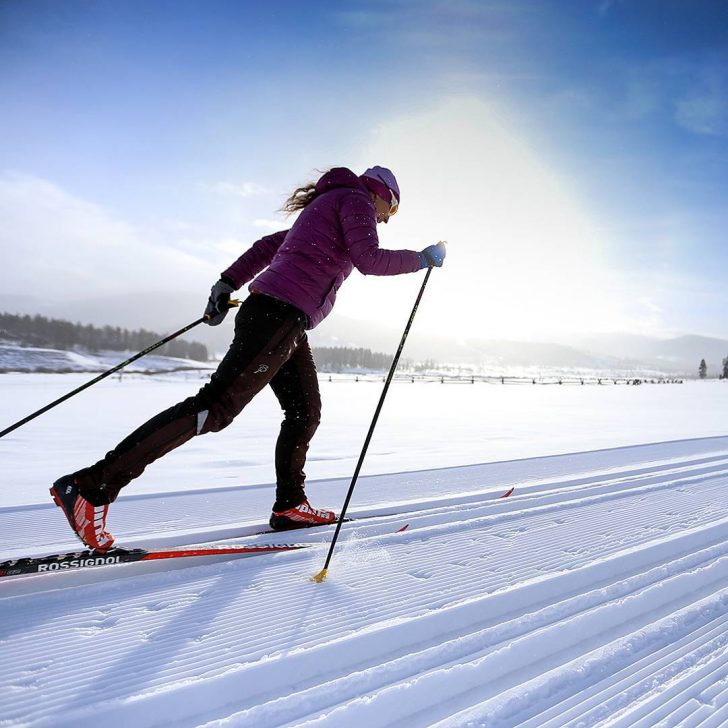
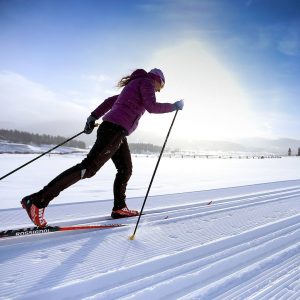
The cross country ski waxless “skin” bases, use inserted mohair strips on the ski bottom, which are extremely effective for all temperatures and snow conditions. It is high performance waxless base technology for the classic skier, who prefers to use a waxless ski. The ski strips are like small climbing skins and they are resistant to icing because they have a Teflon-like coating. There are conditions where a de-icer should be applied to the skins. There are anti-icing solvents that do not degrade the glue (which holds the skin to the ski) but it is best to get an anti-icer made by a ski manufacturer to avoid damage to the skin and the glue.
Specific cross country ski models that have a flex that are created in conjunction with the skin material, which rides above the snow in the glide phase, are easy to press down for excellent grip during the kick phase.
At Fischer, there are skin skis up and down the product line. The Twin Skin skis have two separate skin strips arranged in offset positions and with variable base-depth integration result in smooth and balanced gliding. These mohair skins ensure you can rely on the kick action, especially in hard or icy conditions and thanks to the unique Teflon coating of the skins, moisture absorption and subsequent icing is completely minimized.
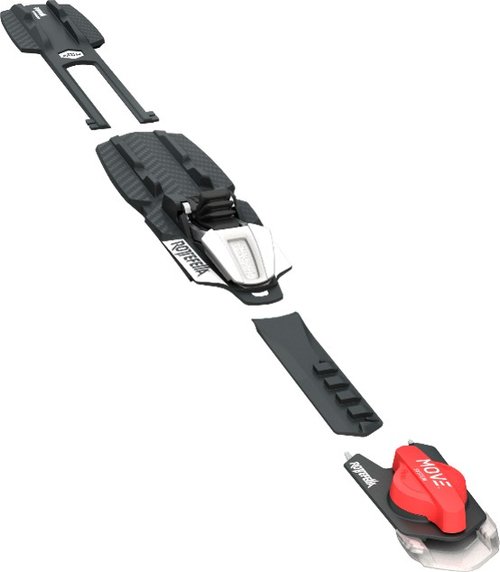
Technique, temperature and snow composition all have an influence on ski performance but with all TURNAMIC® binding models, which provides tool free adjustment skiers can better match their individual needs. Sliding the system forward provides more grip, while sliding it back will noticeably improve glide. With the optimized setup of the boot-binding-plate-ski components, TURNAMIC® gives you dynamic skiing performance like never before. FLOWFLEX® technology enables the ski to flex freely. I own a pair of Twin Skin skis and I’ve found that these skis glide better than other skis that I’ve owned in the past. At the same time, the skis have not lost the ability to climb up hills.
The TURNAMIC® binding has a user-friendly entry mechanism providing individual adjustment possible in seconds and tool-free. The bindings quickly slide onto the plate without the use of tools. When it’s time to ski, the Turn Lock mechanism can be operated even with a gloved hand, making entry and exit easier than ever before. The Rottefella Move binding when it arrives in the USA, will provide even easier dial-oriented adjustments.The Fischer Twin Skin Superlite EF provides a lightweight all-around ski featuring Efficient Forward, which gives the skier an easier, more forgiving kick action and smooth gliding. The lightweight fitness sport skis come in traditional length to glide easily on the trail.

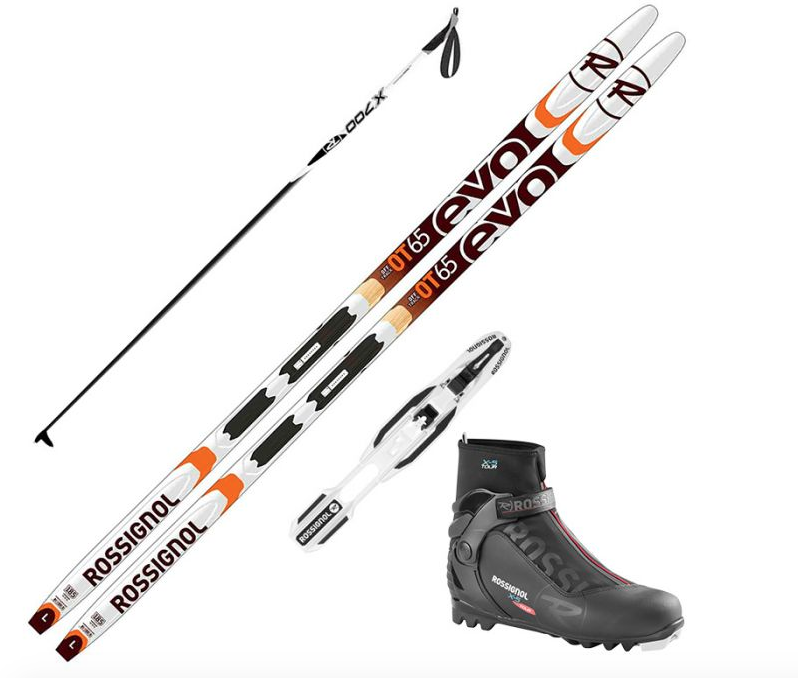
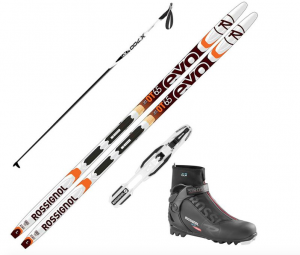
The Rossignol R-Skin Ultra features a replaceable mohair insert, and the waxless R-SKIN base structures offer an easy, consistent kick and maximum glide with no additional prep work necessary. The Rossignol ski is built with a Nomex Honeycomb construction for an accessible mohair skin classic ski for fitness-oriented skiers. The R-Skin Ultra not only offers a bit more width than a traditional race-oriented classic ski giving a more stable platform, but it also has the same high quality base as Rossignol’s top end race skis, and a great new graphic. Compatible with the Turnamic® binding system, the new Integrated Fixation Plate (IFP) allows the most natural ski flex for unparalleled snow feel, precision, and glide. Replaceable mohair inserts reportedly provide 100-150 days on the snow before they might be replaced.
With the Atomic Pro C2 Skintec, prepping and handling couldn’t be easier thanks to its Skintec technology. There’s no need for kick-waxing – instead mohair grip zones produce excellent kick and glide in all snow conditions and temperatures. And you can replace the grip zone after heavy wear. Atomic has added a high-quality base, race grinding, a sportive sidecut and a flexible tip for an easy slide-in and glide. This year they’ve also given the series a facelift with a cool new design for the track.
A suggestion is to find a cross country ski area or ski retailer that has a demo fleet of skin type skis from any product company and give them a try. Play with the binding settings on the ski binding to see the effect from adjustments on grip and glide. Expect the ski to perform better than you have ever experienced.
Editor Note: This article first appeared in XCSkiResorts.com



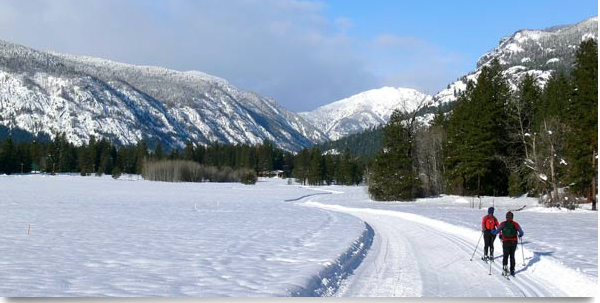
 Comprising the small, picturesque towns of Conway, Sugar Hill, Bartlett and Jackson in the heart of New Hampshire’s White Mountains, the Mount Washington Valley has a half-dozen xc ski areas, all at the base of the most majestic mountain in the eastern U.S., the 6,288-foot Mt. Washington. Here, the spectacular scenery is enhanced by hundreds of inns, lodges and restaurants, plus unsurpassed outlet shopping. Ski past mountain streams, a white steepled church, or over a wooden covered bridge on the network of 150 kilometers (km) of trails that glide past numerous inns and stores and through the woods in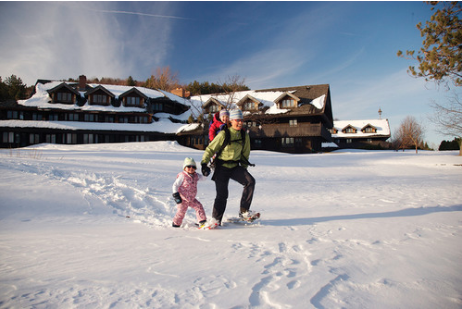
 As a part of the cross country ski industry for more than three decades, I had to qualify my response when SeniorsSkiing asked me about new cross country (XC) ski equipment. There was an unknown research source in the 1990’s that proclaimed, in general, owners of XC ski equipment had their gear for about 17 years. With a view of the meager statistics of annual XC ski sales, the age of the average XC skier’s equipment is now probably a couple of decades older than 17 years.


 In this week’s edition, we have a series of articles on fitness. SeniorsSkiing.com correspondent


 Let’s imagine that the recovery from the Corona virus doesn’t go as we all hope it will. And that by the time snow flies again in the mountains, the second wave has landed. Ski resorts are either closed or postponing opening dates until later in the winter. Or ski resorts are limiting access through a lottery or other ways of restricting access. In other words, no or limited opportunities for Alpine skiing.
 The co-publishers are curious about how our readership feels about our publishing schedule. Currently, SeniorsSkiing.com publishes a weekly edition from around the beginning of October to the end of April. We’ve heard from some readers that might be overkill. Others say, keep on keeping on. We have been struggling with the decisions. Perhaps you can help.


 Everyone in the ski business has been puzzling about next season and how it will unfold. Uncertainty brings with it lots of speculation about if, when, and how the ski industry will re-open. Even if it does re-open, whatever that means, will people show up? So our first Question For You this month is asking for specifics from your point of view.
 From our reader surveys, we know that our audience is interested in fitness and a variety of outdoor activities as a regular element of their lifestyles. Tennis, hiking, cycling, golf, kayaking, running are some of the top choices, however, we do have some equestrians, sailors, fishers, and weightlifters out there, among a bunch of other miscellaneous sports and exercises.


 This season, we had technique tips from Bob Trueman, Pat McCloskey, and Marc Liebman, as well as a new Ask The Expert series, where reader questions were fielded by industry savants. We published personal memoirs about last turns of the season and Moriarty hats, profiles and obits of ski personalities, and fitness routines, personal stories of knee replacements, and health tips especially for seniors. We had a series of pre-season puzzles to keep readers’ interests engaged while we waited for the weather to turn colder.
 SeniorsSkiing.com could not exist without the contributions of our correspondents, most of whom are professional journalists. Most of these writers have been with SeniorsSkiing.com since we started six years ago. We hope you appreciate their work; we can’t thank them enough.


 While enforcement and monitoring is critical to making a safe skiing/boarding policy stick, there is an important role for greater awareness and education. Our readers state that resorts should invest in posting the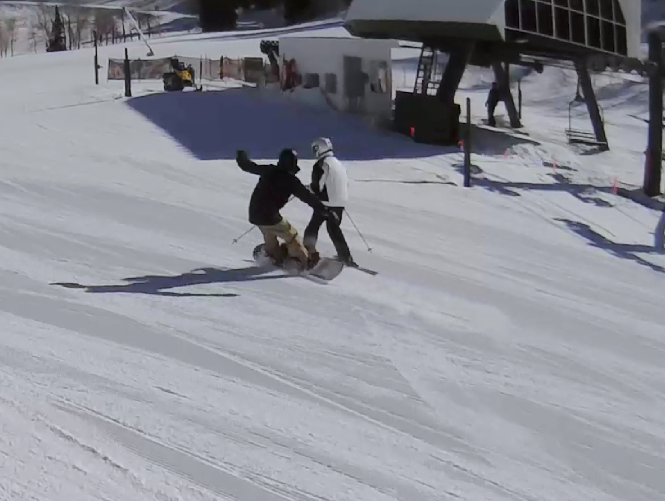


 Finally, we include a special poem in our Snow In Literature series. This one,





 Last week, we experimented with asking questions about how you are coping with the pandemic. Your response was overwhelming. This week, we’re going to ask again. This time, we seek your advice about a more practical matter. Let’s try connecting again.