This Week In SeniorsSkiing.com (June 24)

Remember Winter? More Indoor Skiing, Kayaking Tips For Seniors.

Screen Shot 2016-06-22 at 8.46.07 AM

First day of summer this week has many SeniorsSkiing.com thinking of their warm weather activities. We asked about what you were going to be doing this summer in our Spring Subscriber Survey 2016. We learned:

  • 70 % of respondents will be traveling domestically; 35% traveling internationally
  • 61% will be hiking
  • 56% will be cycling
  • 32% will be kayaking

Those are the major summer activities for our very active readers. The more “relaxed” sports–fishing, sailing, boating– ranked in the 15-25% range.  A smaller percentage were into running, tennis and surfing.  The picture emerges from this data and others that our readers are really into keeping very active at the high end of high. Nice to know.

So, we are lucky to have Tamsin Venn contribute a very helpful article on Kayaking for Seniors.  Tamsin is a frequent contributor to SeniorsSkiing.com, a ski instructor and publisher of Atlantic Coast Kayaker, a highly respected magazine.  She points out 10 tips that can make the kayaking experience more enjoyable and less mysterious.  If you haven’t tried kayaking, you really must give it a go.  It’s truly a wonderful experience on the water.

We also hear from another attempt to extend winter, or at least skiing, into a year-round endeavor.  Snobahn, a European company, has opened its first facility in Centennial, CO.  And none other than Bode Miller is a booster.  Check out the video in the article; it could be a great teaching-coaching tool.

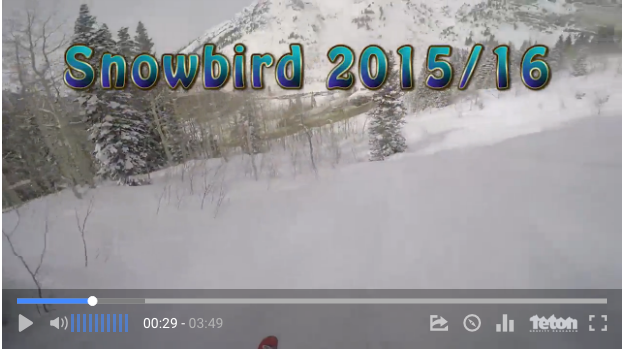
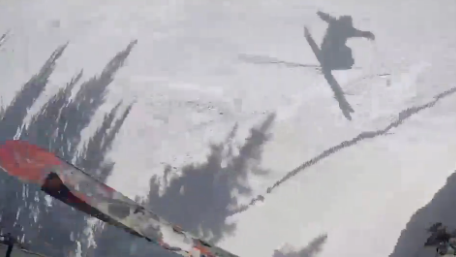
Finally, we just had to show you a far out video from pro-skier Giray Dadali, who is flipping his way down Snowbird’s cliffs in deep powder.  Just a reminder that there is, in fact, winter, and, yes, it approaches as every summer day goes by.

Check out our new advertiser, 70+ Ski Club, a perfect match for our readership.  70+ has lots of trips and activities for seniors planned for 2016-17.

Coming up in future weeks will be more survey results, poll results, and more articles from our outstanding crew of correspondents.

Thank you for reading SeniorsSkiing.com.  Remember, there are more of us every day, and we aren’t going away.

Snowbird Video Brings Back Winter Memories

How To Learn Cliff Jumping At Snowbird In The Pow.

On the first day of summer, we celebrate winter with a very cool video from pro skier Giray Dadali who is showing us how to jump the cliffs at Snowbird.

Pro skier Giray Dadli works it at Snowbird. Credit: Teton Gravity Research

Pro skier Giray Dadli works it at Snowbird.
Credit: Teton Gravity Research

So, if you are thinking that summer is too long, here’s a way to get back to those cool days of winter.  Hang in there.

Click for video and chill.

Screen Shot 2016-06-22 at 8.46.07 AM

http://www.tetongravity.com/video/ski/prosbro-and-a-gopro-snowbird-2016-pov


Indoor Skiing? Bode Miller?

Ski In A T-Shirt. In July. In Colorado.

Bode Miller endorses the indoor, endless carpet as a way to practice and learn. Credit: Snobahn

Bode Miller endorses the indoor, endless carpet as a way to practice and learn.
Credit: Snobahn


There is a way to keep skiing year round.  As we have seen, the urge to keep skiing has been explored in many different ways.  This time, Snobahn, a “state of the art” indoor ski facility is coming to the US with its first facility in Centennial Colorado.

Hey, if you are learning or yearning, it’s a place to get some vertical done.  Snobahn says 30-minutes on the continuously moving carpet gives you the equivalent of 20,000 vertical feet.  That’s a work out.

Plus, there’s a lounge, and the price is right: $40 per rental and instruction. And Bode Miller is an enthusiast.  Pretty interesting.  Check out the video. And thanks Teton Gravity Research for the story idea.


10 Tips For Kayaking Seniors

Kayaking Expert Tamsin Venn Offers Ideas For Those Who Want To Try Something New.

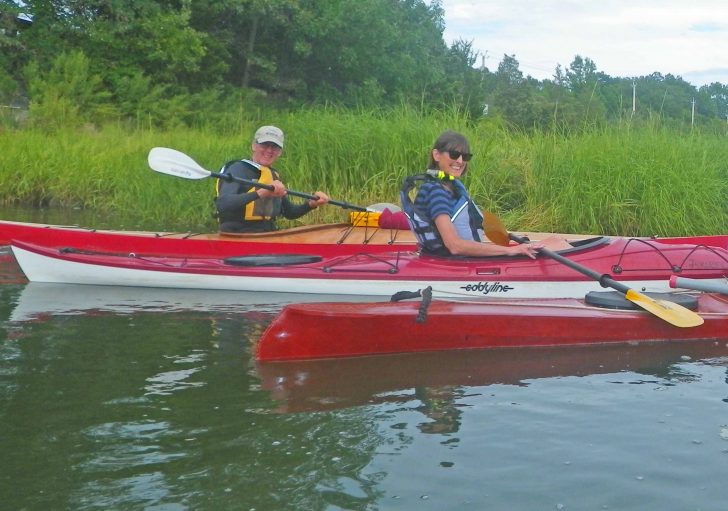
Kayaking is a perfect non-snow season sport for seniors. Outdoors, exercise, skill, and cool equipment combine to make an attractive sport. Credit: Tamsin Venn

Kayaking is a perfect non-snow season sport for seniors. Outdoors, exercise, skill, and cool equipment combine to make an attractive sport.
Credit: Tamsin Venn

Kayak touring is one of the best recreational activities for seniors. It is low impact. It’s easy to learn. It’s a great way to get together with other seniors and connect. It’s intellectually stimulating involving navigation skills and tide charts.

Here are ten tips to make this sport even more enjoyable.

  • Go light. Lifting a kayak on and off cars or the beach can strain your back. Light kayaks made of carbon fiberglass material can be well worth the investment. More kayak manufacturers, recognizing the needs of the older paddler, are reducing weight using various materials. Aim for a boat 35 pounds or less. Consider a wood kayak, which is light, durable, lively, and lovely to look at.
  • Invest in a good paddle for ease of swing weight. Again carbon light materials can be expensive but well worth the price, and wood is a good option. Consider a Greenland paddle. It has a longer and narrower blade that lessens the upload on your arms and shoulders.
paddle_silo1

Greenland Paddle from Lumpy Paddles. Credit: Lumpy Paddles

  • Lifting your kayak on and off a car, especially as a solo paddler, can be onerous. Thule makes something called a Hullavator, a mobile rack that allows you to load the kayak at waist level on the side of the car, then lifts it onto a rack on top of the car. A strut device eases most of the kayak’s weight.
  • Most kayak accidents happen on land, on rocky shores where you may slip on seaweed. Always step in between the rocks, not on top of them.
  • A kayak cart removes the need to haul on your shoulders. You can even rig up a cart to a bike to get your boat to the water. If you ever go to the Adirondacks, where portaging from one pond to another is de rigeur, you will see seniors everywhere using kayak carts. Strap them to the back of your kayak when not in use, or stow them in the rear hatch. Nothing says portage better than kayak cart.
  • The usual kayak safety planning is even more important as you get older. File a float plan with a family member or friend. That indicates your proposed route, time of return, and a description of your kayak. Other useful (and in some cases mandatory) items: a weather radio to indicate wind force and direction; cell phone in waterproof case or hand-held VHF; a pfd (personal flotation device); whistle; and a wetsuit or drysuit if you are paddling in cold water. Hypothermia from cold water immersion is one of the kayaker’s biggest challenges.
  • Carry a tow rope, so you can tow the grandkids in their kayaks back to shore if they get tired, or so they can tow you! Towing is a remarkably easy way to assist someone back to shore.
  • In the off season, lift light weights to keep shoulders and arms strong.
  • Do yoga to assist in balance and flexibility, especially key for getting in and out of your kayak.
  • As in downhill skiing, it’s best to venture out in less traffic. Avoid busy summer weekends when motorboat and Jet Ski traffic is at its most frantic… and noisy. Go early in the morning, when the world is tranquil, and you’ve got the water to yourself.

Happy Summer Paddling!

For more information on getting started in sea kayaking, subscribe to Atlantic Coastal Kayaker, at www.atlanticcoastalkayaker.com


Tamsin Venn is the publisher of Atlantic Coastal Kayaker and a regular contributor to Seniorsskiing.com

This Week In SeniorsSkiing.com (June 17)

Cycling With Celeb, Boarders Say ‘Try It’, A Champ Moves On.

Tour de France winner Greg LeMond snapping pics on charity ride with Pat McCloskey.

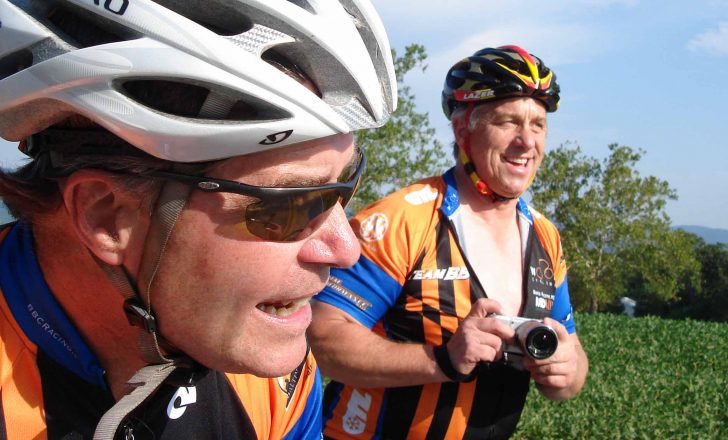
Tour de France winner Greg LeMond snapping pics on charity ride with Pat McCloskey, seniorsskiing.com corrrespondent.

We know that senior snow sports enthusiasts like to cycle in the summer.  That’s why we started our Cycling Series that captures great or notable rides in different places and circumstances.  This week, we see how Seniorsskiing.com correspondent Pat McCloskey managed to ride with Tour de France Champion Greg LeMond on a local charity ride!  What a treat!

We also hear from Dave Hayes, a senior-former-skier-transformed-into-boarder, who presents a reasonable (albeit somewhat tongue-in-cheek) proposition for skiers to give riding the board a try.  Hey, let’s be open-minded.

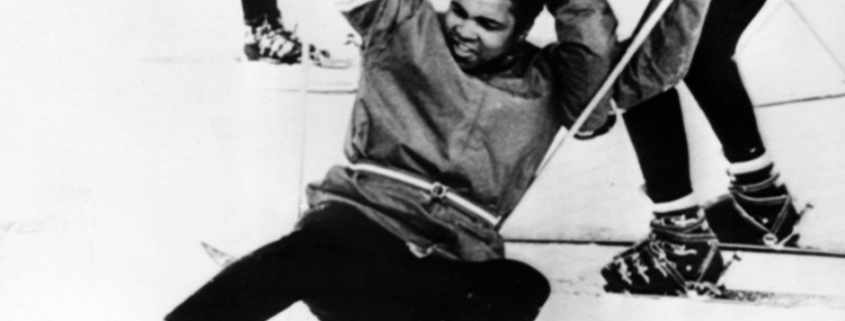
Finally, we take a moment remember the indomitable, one-of-a-kind Muhammad Ali who tried skiing at Mt. Snow many years ago.

As we move to summer, we are analyzing the amazing results from Spring Subscriber Survey 2016.  We know that more of our readers than we thought buy lift tickets online.  That is a significant insight and one we will support with our new alliance with Liftopia.  See what’s going on in the right column over there?  Our readers can now access Liftopia from SeniorsSkiing.com’s front page!  More on that as the summer rolls on.

Thank you for reading SeniorsSkiing.com.  We hope you are taking advantage of your Promotive discounts available only to our readers.  And remember: “There are more of us every day, and we are not going away.”

Cycling Series: Join A Charity Ride This Summer

Cycling With A Champion On A Charity Ride: Priceless.

SeniorsSkiing.com correspondent Pat McCloskey with cycling great Greg LeMond. Credit: Pat McCloskey

SeniorsSkiing.com correspondent Pat McCloskey with cycling great Greg LeMond.
Credit: Pat McCloskey

One of the more enjoyable events in cycling are those which support a charitable cause.  Throughout the country there are road rides where participants receive donations per mile or flat donations to support different organizations.  These are usually marked with support from the local motorcycle club escorts, food vendors and volunteers at the rest stops, and colleges or other venues that provide camping or room facilities with showers and dining hall options.  Sometimes these are one-day rides of 25- to 50-miles.  Others are multi-day events culminating with a large sponsored finish line party.   The events are well organized and many of the event organizers are well known non-profits like the Juvenile Diabetes Research Foundation , the Leukemia and Lymphoma Society , and the National Multiple Sclerosis Society .  All of these organizations have local and national events.  America’s Most Beautiful Bike Ride around Lake Tahoe is a MS sponsored event and I had the privilege of riding in that one a few years back, and it definitely deserves the moniker.  Gorgeous views of the lake and the surrounding mountains.

One of the more interesting rides that I have participated in recently was an event put on by an organization called 1in6.  This organization provides support to men who were abused as children.  The honorary chair person for the ride was none other than our three-time Tour De France Champion Greg LeMond.  The event is called the Catoctin Challenge held annually in Maryland.  The compelling thing about riding with a Tour de France Champion like LeMond is how affable and easily approachable he is.  Surrounded by people all the time, LeMond tirelessly signed autographs late into the evening and was willing to answer any question that anybody had at the event.  With his wife Kathy at his side, he is surely the poster child of any charitable bicycle ride and I was fortunate enough to be with him for two years running.

The amazing thing to me was the fact that most people on the ride preferred to ride by themselves or ride with their friends.  There were only 6 of us who rode both days of the weekend with LeMond including our host Scott Weiner of MHW Corporation.  Being a former road racer, I was kind of in awe about this opportunity because I have been a big fan of LeMond for decades.  He is a little slower now, thankfully, which allowed me to ask him many questions.  What was Sean Kelly like?  How did you get on with Fignon?  How about the psychological battles with Hinault?  I peppered the guy and he was gracious in all of his responses including some of the issues with the recently defrocked seven time TDF Champion.  In all, it was a true pleasure to ride with him in two events in recent years and I can’t say enough about the guy with his entrepreneurial spirit ( He developed the aero bar, Giro Helmets, and many other cycling accessories along with his own bicycle brand.)  Truly a gracious champion and all around good guy.  Great sense of humor, too, in that one guy in our group kept trying to hammer him, and LeMond got ahead of us and hid in the bushes until the guy rode by.  We all laughed at our buddy trying to kill himself looking for LeMond in the distance.

If you ever get the chance to participate in a charity bicycle event, do it.  As the saying goes ”a great cause and riding the miles for smiles.”

Tour de France winner Greg LeMond snapping pics on charity ride with Pat McCloskey.

Tour de France winner Greg LeMond snapping pics on charity ride with Pat McCloskey.

Boarders Are Not Bad, Just Different

Senior Boarder Dave Hayes Returns With Exhortation: Try It!

Senior Boarders ride can ride with grandchildren! Cool, Dude. Credit: Dave Hayes

Senior Boarders ride can ride with grandchildren! Cool, Dude.
Credit: Dave Hayes

Readers of this interesting, professional and most discriminating of online magazines may have recently seen an article written in support of older snowboarders (boarders) by a person who is alleged to be named David Hayes. (See “Confessions Of A Senior Snowboarder.”)

That article was universally panned and elements of ski culture have made horrific threats of various natures against the author, the editors, the author’s children, the entire world of snowboarders and have in fact extended their distain all the way to the maker of the paper it was printed on. In point of fact, the person or persons that made allegations about the parentage of the makers of Hammermill paper should be reminded that this is an ELECTRONIC form, not cellulous paper.

Back to the article, be assured that the sanctity of ski culture is not at risk, there is room for both cultures on the mountains, except for Deer Valley and Alta evidently. The Boarders of 10 to 15 years ago have grown up (mostly) and there is a return of civility to the slopes as the maturing of boarders has provided a platform of simple manners, tossing aside the past attitudes expressed in rebellious teens now older and in some cases with children of their own.

Boarders do often seem to wear the image of rebel and adopt the swagger that only the young can carry off. But, truth be known, the more mature Boarders also carry that “devil-may-care”’ attitude with them but it is not from disdain but it is taken from the very fact that boarding is harder and takes a little more of an effort to do well. Notwithstanding the park work and a double McTwist (see Shaun White video) most of us boarders spend most of our boarding on slopes and then sneaking off in the trees and such for deep powder. This kind of thing (check video) is definitely not for us guys.

You will find those adventurous younger types in the snow parks showing how quickly they can either ruin their boards or end up in the emergency room, often both at one time. Those boarders are the ones we all worry about meeting up in the lift or the slope, these are the ones that our mothers warned us about!

The rest of us look for powder and adventure on slopes and in areas off the slopes as to board in deep powder is like looking under the Christmas tree on Christmas.

Boarders are not bad people, just different! Elegance and grace often found in the skiing community is not where the Boarders interest is found, we boarders (use word Dudes here) swoop and carve and generally look to enjoy the sensations that can only be found on a board. I invite you to try it!

“I tried it one time and it was too hard’ is often heard. “I only get a few days of vacation and I don’t have the time to learn to board” is another. But, is it not true that what is maybe different and maybe a bit harder to learn is also a greater reward when you get it? That first connected heel and toe turn. The joy of being able to actually stop without looking like you have to go to the bathroom, right now! (pizza pie stop). The freedom to swagger to the slope without carrying two boards, two poles!

I say find a good instructor, find out if you are a front faller or a back faller (see authors previous article no doubt consigned to the electronic trash can equivalent.) But try it, try to get in the groove of boarding, there are rewards to be found beyond using Dude in a sentence.

Now the season is over and I still find myself stretching my quads and calves in a crouch, waiting for the day, the perfect snow day that is out there just a few months away. Get ready mountains!

About The Author:

David Hayes is an engineer turned contractor living in central Florida but in his mind is in Ogden Valley’s SnowBasin and Powder Mountain, UT.

der-ski-lehrer-bob-gratton

RIP Muhammad Ali

Never Stop Trying.

The Champ gets up at Mt Snow, Vermont

This Week In SeniorsSkiing.com (June 10)

Skiing Under The Southern Cross, Major Snow, Summer Snow, And Rebalancing Your Body.

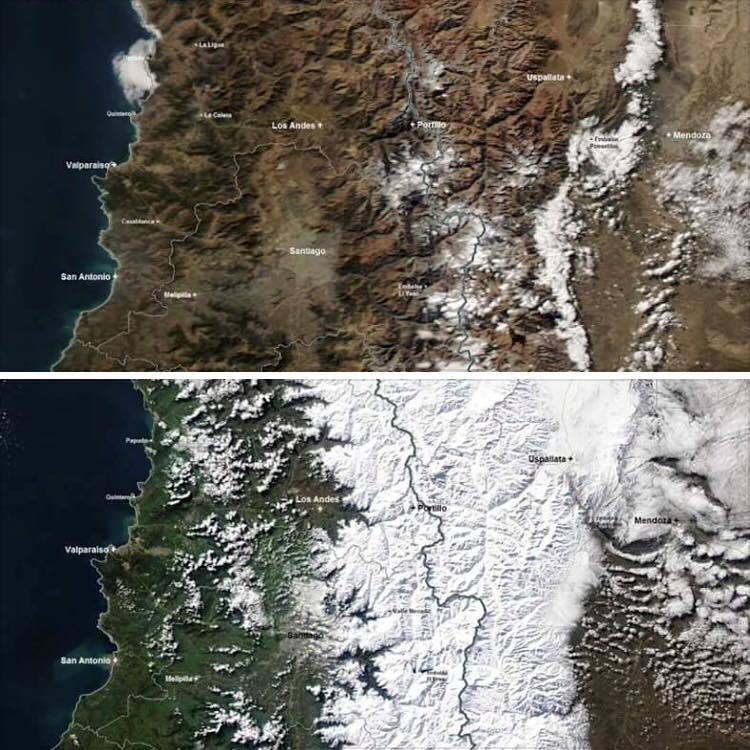
Before and After satellite images of Portillo region in Chile captures the magnitude of the storm

Before and After satellite images of Portillo region in Chile captures the magnitude of the storm

While the snow sports season has finally wrapped up in North America, flakes are falling below the equator.  We have two reports from Oz and Chile.  Our new Melbourne-based correspondent Meg Malkin has written a snapshot introduction to what skiing is like Down Under.  And, we have learned of a mega-monster storm in Portillo, Chile. We have pictures that show what nine feet of snow looks like.  That’s nine feet in one storm.  We should be so lucky here in New England next season.

Co-publisher Jon Weisberg has discovered a company that makes snow, real cold, water-based snow that you can ski on…in the summer.  Find out what he’s found out.  It’s another incredible innovation in an industry that seeks full-year ’round activity.

Finally, Tommy Kirchhoff, long-time ski and Tai-Chi instructor, gives you some tips on how to rebalance your body.  Unconsciously, we all tend to favor one hand, foot, hip, over the other.  That creates an out of balance condition, and the other side tries to compensate.  Result: Chronic pain, aches, and pills.  Check out Tommy’s video to see how to get back in line.

Incidentally, we have compiled the results to our Spring Subscriber Survey 2016 and have identified more than 50 SeniorsSkiing.com readers who have “skied their age” last season.  Skiing your age means you spend one day on slopes or trails for every year you’ve been around.  That is an impressive list and the numbers of days are impressive.  Watch for that in the next couple of weeks.

Meanwhile, we are heading into late Spring.  Enjoy your hiking and cycling (the two most popular non-snow season sports, based on survey results) and tell us about your adventures.

And, remember, there are more of us every day, and we aren’t going away.

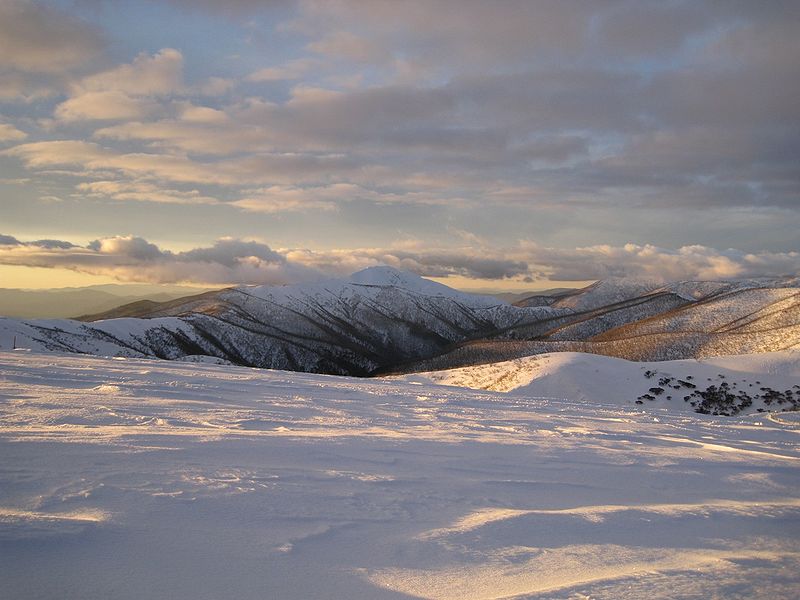
View from Mount Hotham summit. Credit: Kham Tran

View from Mount Hotham summit.
Credit: Kham Tran

Coming to You Soon? Skiable, Outdoor, Summer Snow.

Finally, Outdoor Summer Snow.

It’s the invention of TechnoAlpin, an Italian manufacturer of snow making equipment. Its Snow Factory addresses warming trends challenging the future of skiing, allowing skiable snow to be made when air temps are warm. It will help areas extend their seasons or operate when nature won’t cooperate.

The first application in North America is at Boreal Mountain Resort  at Donner Pass, not far from Lake Tahoe.

The container-shaped unit is delivered by tractor-trailer. It freezes water using a heat exchanger. No chemicals are added. TechnoAlpin’s site states: “The snow is not snow in its natural form but rather in small dry ice flakes which are completely frozen.” The ice crystals then get sprayed onto the slope where the frozen surface gets groomed or tenderized by the sun. It functions best in temperatures between 28 and 75 degrees.

None of this is inexpensive. The unit costs around $500,000 and uses a lot of power, much higher than the $38,000 cost of a typical snow making machine. But it’s not a water hog. Snow Factory uses less than 20 percent of a typical snow maker’s 100 gallons per minute.

The website describes the technology as “… ideal for making snow to cover relatively small sections in ski resorts or for all kinds of events, such as snowboard events or ski races in big towns, or the lower sections in ski resorts.” The company also identifies low-elevation Nordic centers as a suitable application for its Snow Factory.

This is a far cry from the beginnings of delivering ice in summer. That started around 500 BC in Persia (Iran) where winter harvested ice was stored in large, underground spaces, (perhaps similar to those used by Iran for its nuclear development program).

More than two millennia later, an enterprising New Englander named Frederick Tudor (1783-1864) was harvesting, storing and shipping ice from Walden Pond in Concord, MA, and the surrounding area to as far away as India. Queen Victoria said her favorite ice came from Wenham Lake, near Hamilton, MA, one of SeniorsSkiing.com’s headquarter sites.

Boreal will rely on its Snow Factory to provide surfaces needed for its Woodward Tahoe Action Sports Camps, eight weeks of co-ed residential summer camp for kids (7-19) and a week for adults.

As for the rest of us, look forward to warm weather runs without hiking to a glacier or getting on a plane.

This Week In SeniorsSkiing.com (June 3)

Survey Headlines, Still Skiing At Stowe, Cycling Series.

This is definitely the last run, right? Credit: Robby Kelley

This is definitely the last run, right?
Credit: Robby Kelley

This week, we welcome a new advertiser to SeniorsSkiing.com. Vail Realty has joined our crew. Note their ad in the right column, and also note that they are providing a 20 percent discount for subscribers of SeniorsSkiing.com. Click the ad and get in touch.

You wanted discounts, we’re doing our best to make that happen.

Working the results takes time!

Working the results takes time!

We’re also publishing top level findings from our recent Spring Subscribers Survey 2016. The response rate has been outstanding , and we are very happy to heard from so many engaged readers.

Believe it our not, there was a guy who took a run down a trail at Stowe, VT, on May 26 in 80 degree weather. We have the video proof. Check it out.

Finally, Pat McCloskey does what a lot of senior snow enthusiasts do in the non-snow months: He cycles. Here’s his snapshot of riding around a cool town in Western New York State.

Thanks for all your great ideas submitted in the survey. Please keep them coming.

Tell your friends about SeniorSkiing.com, and remember, there are more of us every day and we’re not going away.


Survey Highlights: Surprises And Advice

Here Are Top Level Findings: Discounts, Meet Ups, Instruction.

Analyzing the data from the survey. We're still working the numbers!

Analyzing the data from the survey. We’re still working the numbers!

We are so grateful to the many readers who responded to our Spring Subscriber Survey 2016. We had a 28 percent response rate. Anyone who knows surveys and response rates can appreciate how phenomenal that is. And a huge surprise to us. Most surveys get response rates in the single digits!

What that immediately says to us is that our readers are very engaged and, in fact, are rooting for seniorsskiing.com. We received many comments like “Keep going”, “Good job”, and “Like what I see”. When people said, “We appreciate what you are doing,” well, we got a little teary. Thank you for your encouragement.

As for immediate findings, the following were mentioned frequently in the comments:

Many of our readers said they wanted discounts, and we understand.  Those of you who have opted-in withSeniorsSkiing.com (provided your email address for weekly updates) have access to Promotive, the web service providing discounts on outdoor gear and clothing from hundreds of manufacturers. These are the same “PRO FORM” discounts enjoyed by PSIA members. If you haven’t already done so, sign up for this free SeniorsSkiing.com benefit .

We also are developing a relationship with a major online lift ticket reseller. Watch for these lift ticket discounts.

Finally, look for our updated list of US areas that provide free skiing for seniors. We are updating it for next season.

Meeting up with other seniors. The next most frequent comment was “How can I meet other seniors to ski with?” We were surprised how important this was to our readers and here’s what we can suggest right now. More ideas will be forthcoming.

First, use The Forum for posting where and when you want to meet others. The Forum is a bullet board application that is accessed from SeniorsSkiing.com home page. There is a category for Meet Up/Get Together.

Second, “like” SeniorsSkiing.com’s Facebook page and use that to post when and where information. That message will go to other people who “like” the page.

Third, you will soon see an ad for the 70-plus Ski Club on SeniorsSkiing.com. This club is a perfect match for our readers. The club goes on many trips to many different areas in the US and abroad. You can find one that fits your needs and, voila, you’ve made a bunch of new skiing pals.

Technique, Instruction, Gear for seniors. Here was another pleasant surprise. Many of our readers are interested in skiing technique and instruction that meets seniors’ needs. These include people who are returning from a long hiatus, those adjusting to the new skis and boots, and others who want to ski safer.

We’ve noticed a trend for ski areas to have “Senior Days”, or “Master’s Clinics” on a regular basis through the ski season. It makes enormous sense for ski resorts to do this for their most loyal customer. We’ve been publicizing these through the last couple of seasons.

We will be working on how to publish more technique stories from instructors who have developed curricula for seniors. If you know of anyone who teaches seniors how to re-start their skiing experience, or who has some special ideas for seniors who want to sharpen their technique, please let us know.

More findings will be coming along as we continue to analyze the data.

Working the results takes time!

Analysis and divining results requires concentration…


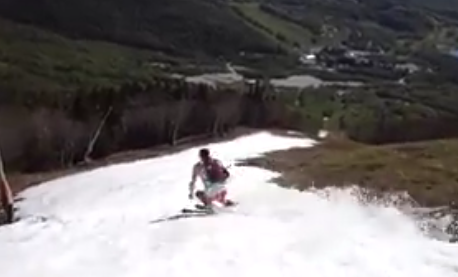
May 26: Spring Skiing At Stowe

Now This Is Hard Core.

Saw this on Facebook and had to show you.  This is from Robby Kelley at Stowe Mountain Resort.  His pal Ryan Siegle hiked and skied in 80 degree weather. Comments?

This is definitely the last run, right? Credit: Robby Kelley

This is definitely the last run, right?
Credit: Robby Kelley

This Week In SeniorsSkiing.com (May 27)

Indoor Skiing, Inspiration From A Senior Swimmer, Update On Free Senior Skiing In NH, College Course On Mountains And Art.

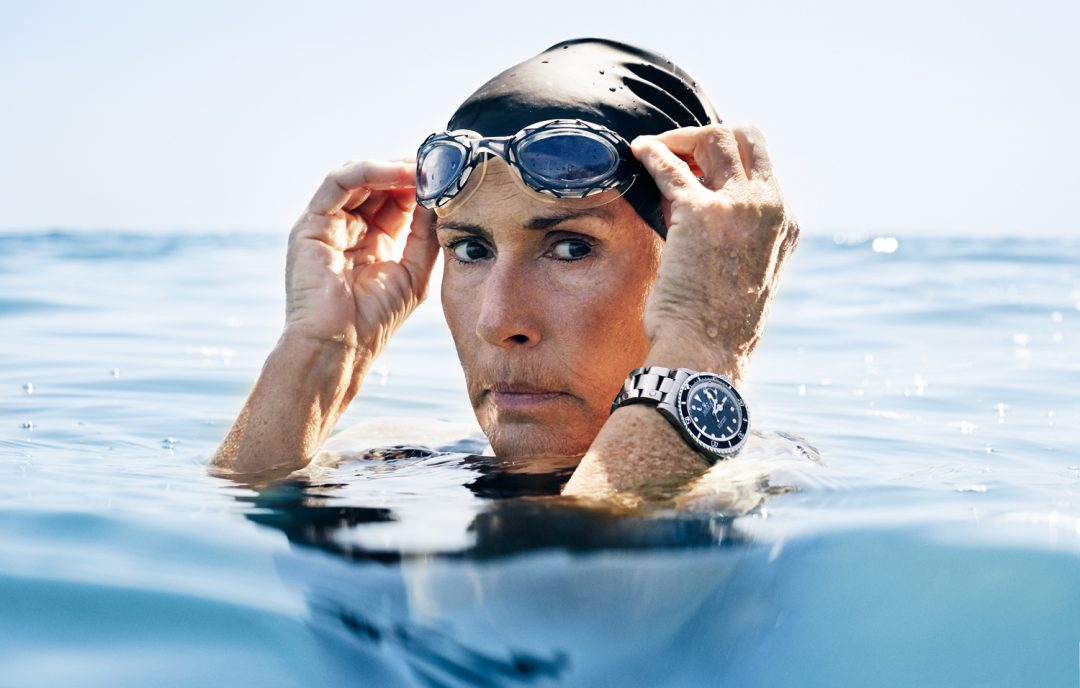
In 2013, Diana Nyad swam the Florida Straits, 110 miles, without a shark cage in 53 hours. She was 64 years old. Credit: Steven Lippman

In 2013, Diana Nyad swam the Florida Straits, 110 miles, without a shark cage in 53 hours. She was 64 years old.
Credit: Steven Lippman

The response rate to SeniorsSkiing.com’s Spring Subscriber Survey 2016 is, frankly, astonishing.  We’re at 29%, a number that reflects how engaged our readers are.  Thank you so very much.  Next week, we’ll start reporting the results, at least the big insights we see in the data.  These fascinating and surprising results will help us steer how we manage our content and our relationships with our readers.

This week, we look at yet another indoor skiing facility, this one in the Toronto, ONT, area.  There are many indoor ski areas around the globe, but most have man-made snow.  This new one has “dryslope”, that is, faux snow.  Very interesting development.

We report an update about the threat to free skiing for senior NH residents.  There have been some developments on the positive side, but the final outcome is still up in the air.

Diana Nyad is a senior marathon swimmer who swam from Cuba to Key West at 64 years old.  We discovered some words of advice and inspiration for all seniors.  Let us know what you think.

Finally, what promises to be an ongoing feature on SeniorsSkiing.com is an account of a Wesleyan University course on Mountains and Art by professor Peter Mark.  Professor Mark is an inspired teacher and outdoor enthusiast who combined his expertise to produce a unique view of mountains and their place in the history of art.  His students have written essays on various topics that may become articles of interest for our readers.  Stay tuned.

Meanwhile, to our very engaged readers, remember: “There are more of us every day, and we aren’t going away.

Indoor Skiing Tries Again: Toronto Next

Experts And Beginners Can Ski All Year On Faux Snow.

Many years ago, we remember when the town of Etobicoke, ONT, a suburb of Toronto, used its municipal trash collection to build a ski hill. That’s a clue to how geographically feature-less the terrain around Toronto is.  While the greater Toronto area has at least 10 ski areas in driving range of the city and reasonable ski ticket prices, the dimensions are modest.

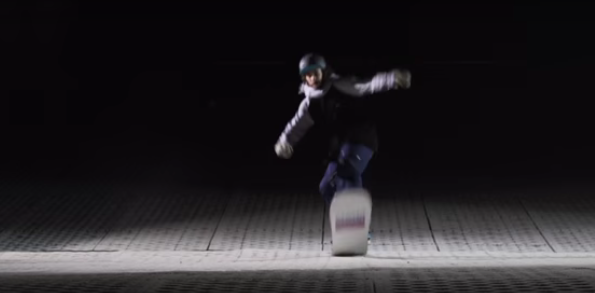
Shredding is possible on "dryslope" faux snow.

Shredding is possible on
“dryslope” faux snow.

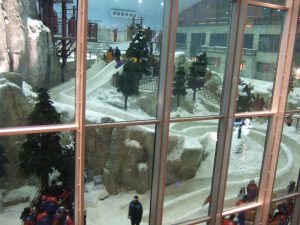
Into this mileau comes a bold idea: Indoor Skiing.  We’ve seen how indoor skiing has been tried in other parts of the world, most notably at Tokyo’s Lalaporte Skidome SSWAS.   There’s also one in the Middle East called Ski Dubai which features real snow and penguins.

Now, a company is building a 20,000 square foot indoor facility in Vaughan, ONT, just north of Toronto.  Axis Freestyle Academy is billed as “Canada’s Indoor Ski and Snowboard Progression Park”, a year-round dry snow, aka, dryslope, training facility.  There is also a 4,000 square-foot trampoline area for fitness and fun.  The ski hill is divided between open slope for beginners and terrain filled with rails and jumps for experts or wannabes.

SkiDubai's indoor ski area has real snow, interesting features, and cold temps.

SkiDubai’s indoor ski area has real snow, interesting features, and cold temps.

In any case, Torontonians—especially young ones—will have another option to practice and prepare for winter.  On second thought, we’re curious if some folks find the faux snow appealing enough to stick with the indoor facility all year round.  Oh, no lifts, by the way.  It’s a walk-up; that won’t be too bad because the elevation is 17 feet.

The facility is scheduled for opening in June 2016.

Here’s an artsy two-minute view of what snowboarding can be like on a “dryslope”.


Cannon

Update: Free Senior Skiing at Reinstated In NH House Bill

Now The State Senate Must Approve.

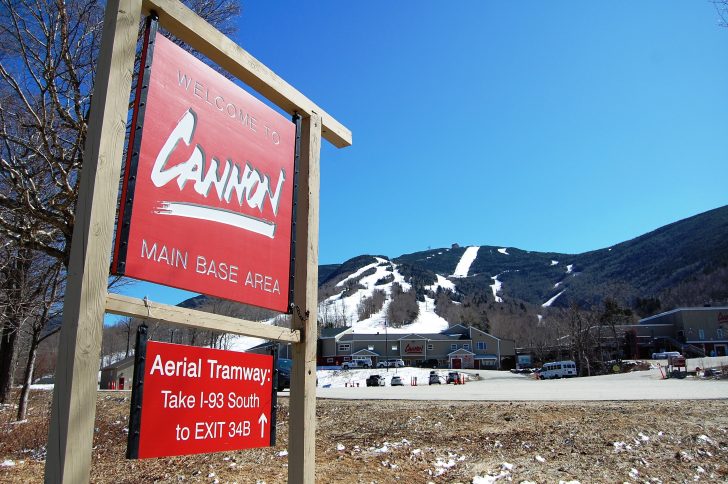
Cannon Mountain is a state-owned area, famous for its aerial tram and free skiing for 65+ seniors. Credit: Cannon Mountain

Cannon Mountain is a state-owned area, famous for its aerial tram and free skiing for 65+ seniors.
Credit: Cannon Mountain

A bill that would have eliminated free skiing for NH seniors has been amended to reinstate the senior benefit and is being sent back to the Senate for approval. The bill would have charged seniors different rates for weekday and weekend skiing and was an attempt to cover the large deficit at state-owned Cannon Mountain. NH residents over 65 had skied for free at the resort for years. According to New England Ski Industry, projections show Cannon nearly $2-million in the red for 2016. Charging seniors was viewed as a way to partially fill the gap.

The challenge to free senior skiing isn’t over. The State Senate has to approve the amended bill.

The change came when senior skiers meet in a forum with state representatives and ski area management. A coalition of Republican and Democratic representatives worked together to strike the provision.

Apparently, senior skiers have a loud voice in New Hampshire.

Representative Leon Rideout raised the elephant-in-the-room question that has hung over Cannon Mountain for years: “Why is the state in the ski business?” So, the spotlight from this controversy is back on the whole concept of state management. Add to that the operational deficit and a tramway evacuation incident last winter that hit the national news, and you have an opportunity for big changes.

We’ll keep you posted on events as they occur.

Diana Nyad: Breathing Primal Life Force at 66

Inspiration Department: Marathon Swimmer Reflects On Staying Vital and Bold.

In 2013, Diana Nyad swam the Florida Straits, 110 miles, without a shark cage in 53 hours. She was 64 years old. Credit: Steven Lippman

In 2013, Diana Nyad swam the Florida Straits, 110 miles, without a shark cage in 53 hours. She was 64 years old. Credit: Steven Lippman

When Diana Nyad attempted to swim from Cuba to Florida when she was 28 years old, she failed.  She was 64 when she finally succeeded.  Her message about defining who we are as we move into aging is uplifting.

They say age is a state of mind. Age is, of course, a state of body as well. It is up to each of us to live bold, vital days, free from subjugation to the mass, limited interpretations of our respective ages.

That’s why she says she is more comfortable in her late 60s than ever before.  “I’m breathing the life force of my primal physical self now…I am more resilient.  My immune system is a stronger fortress. I can summon strength I never had in the day.”

I was a thoroughbred then, more finely tuned but also somewhat fragile. These days I’m more of a Clydesdale, sturdy and stalwart. If you told me I’d be left stranded in the wilderness for many months and could choose at which age I would attempt to survive the ordeal, I’d pick this very age, 66.

Click here for her story in a recent LA Times Op-Ed piece.  If you need a bit of perspective about the passing years and your changing world, this might be helpful.

Here’s her provocative Ted talk on achieving.

Wesleyan University Course: Art, Mountains, and Skiing

Professor Combines Passions and Art; Students Publish Textbook on the Subject

Editor Note: The author is this article is Peter Mark, a professor of Art History at Wesleyan University. He is author of five books about pre-colonial Africa, has taught in France, Germany, and Portugal. He lives in Connecticut and Strasbourg, France.  He hikes, cross-country skis in the Catskills, the Vosges, and the Black Forest. He now climbs in the Italian Alps every summer where he reports “the food is better”.  We hope to publish the essays his students produce in his course, The Mountains and the History of Art, in the future.

Joseph Mallord William Turner - Mountain Landscape with Lake - Google Art Project

Mountain Landscape With Lake. JMW Turner, circa 1842.

In 2013, I decided to join three lifelong passions—hiking, climbing, and skiing—to my career as an art historian at Wesleyan University, by introducing a course on the mountains and the history of art. If you want to learn a new subject, teach that subject.

Two central themes have emerged: mountain passes are highways for movement of artistic styles, and the mountains are the embodiment of “the Sublime.” I expected also to teach my students basic hiking craft, replacing GPS with map and compass. But several of them are more experienced than me. One had climbed Mt McKinley, another was a mountain guide on Central American volcanoes. I benefit from my students’ enthusiasm and their insights..

Since Moses climbed Mt. Sinai, peaks have symbolized the Transcendent or the Holy. And since the first-century Romans constructed their Via Claudia Augusta across the Italian Alps, mountain passes have funneled the movement of people and culture. But interest in the peaks themselves dates only to the Enlightenment—the first climb of Mt Blanc was in 1786.

The mountains truly became a symbol of the Sublime, the Transcendent, in the 19th century. Wesleyan students study the Romantic era: the poetry of Wordsworth, Turner’s magnificent mountain landscapes of chaotic storms, and Ruskin’s philosophical writings about the natural world, all of which present mountains as a manifestation of the Sublime. In early 19th Century America, “mountains” meant the Catskills. The crags and summits painted by Thomas Cole became a symbol of American identity—the wilderness, untrammeled and majestic. But true Transcendence was still to be found in Europe, in the Alps. Some of the finest travel writing of the late 1800s comes from Mark Twain’s account of the Alps.

Mark Twain's "Climbing The Riffelberg" appears in Tramp Abroad, an account of his journey through the Alps.

Mark Twain’s “Climbing The Riffelberg” appears in Tramp Abroad, an account of his journey through the Alps.

We look at mountains as subjects for landscape painters, for poets, and for philosophical essays from Emerson to Twain. But we mix in a healthy dose of the history of mountaineering. Twain was one of the first authors to write on this subject! We spend a week studying the British 1920s Everest expeditions. And we cover the history of skiing both in Austria and in New England—some SeniorsSkiing.com readers will recall the ski school at Cranmore Mountain, where Hannes Schneider brought modern technique from the Vorarlberg to New Hampshire. Schneider’s career, from ski instructor to film star in 1920s Austria, to refugee from Hitler, fills one lecture.

Were I to teach “The Mountains and the History of Art” in German, there would be a wealth of literature, in English, less so. But my students have produced some wonderful essays for this course. At their suggestion, we decided to bring together a collection of the best essays. “Next fall our book, “The Mountains and the History of Art” will be available both online via the Wesleyan University website and in a print version, published by Wesleyan University Press.

Stay tuned for more insights about how mountains have made an impact on art.

Professor Peter Mark summits somewhere in the Alps. Credit: Peter Mark

Professor Peter Mark summits somewhere in the Alps.
Credit: Peter Mark

This Week In SeniorsSkiing.com (May 20)

Spring Survey Responses A Wow, Fling Golf, La Nina Coming Soon, More Cycling Series.

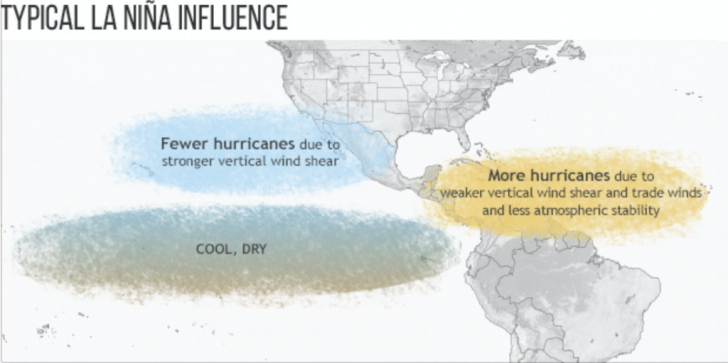
La Nina is next year's weather maker. Here's what happens in a typical La Nina year. Credit: NOAA

La Nina is next year’s weather maker. Here’s what happens in a typical La Nina year.
Credit: NOAA

We are truly awed and grateful for the incredible, enthusiastic responses we’ve been getting to our Spring Subscriber Survey 2016. If you’re familiar at all with surveys, you know that response rates are often in the single digits. So far, we’ve received fantastic 27.5% response rate. To us, that means our readers (you) are engaged and interested in what we are trying to accomplish. Thank you so very much. We will report results after we dig into the data.

Our stories this week venture into the world of golf, well, sort of. Fling Golf is a new take on the old game. Check out the video in the story. Flinging is really different. Will golfers like it?

We’ve been watching the weather lately as the spring and summer months are when winter patterns start to emerge. Right now, the El Nino we’ve seen create unusual snow amounts both east and west is fading away. In its place comes La Nina, cooler sea surface temperatures in the Eastern Pacific. This change will definitely play a role in next season’s snow predictions. Check out the story and resources for further study.

Our Northwest correspondent John Nelson has sent a really neat article for the Cycling Series about Arches National Park in Utah. We have learned from our survey that many of you cycle in the non-snow season and Moab, UT, home base for Arches, is a center of activity. Some amazing pictures, too, from John.

Next Week

We will be updating you on the attempt to eliminate free skiing for seniors at Cannon Mountain, NH. We’ve heard that there has been resistance to making that change. We’ll see.

We will also continue our Cycling Series as well as the usual fun stuff.

Finally, we plan to give you a first peek from the highlights of the survey. A quick glance shows there are so many wonderful ideas we can use. Once again thank you so very much for your terrific response.

And remember, there are more of us every day, and we aren’t going away.

Tower of Babel watches over Arches National Park, UT. Credit: John Nelson

Tower of Babel watches over Arches National Park, UT.
Credit: John Nelson

New Golf: Ready For A Fling?

Snowboarding:Skiing as Fling Golf:Golf.

https://www.youtube.com/watch?v=zVDUq1Rqd10

We love sport entrepreneurs.  These folks are creative and have bold ideas about bringing new sport ideas to the public.  The guy who invented Fling Golf is certainly bold.

Into the hallowed traditions of the golf world comes a very different way to get around the links.  The idea is to fling a golf ball from a device that has a close resemblance to a lacrosse stick.  Instead of hitting the ball with a golf club, you flip it down the fairway.  Same basic game, different equipment.

The premise is that it is an easier game to play than “real” golf, and more people can be attracted to golf courses. More people would be a good thing because golf participation has fallen and leveled off since a high in 2003.

How this will go over with 1) other golfers and 2) golf course management is yet to be determined.  Do flingers share the course with clubbers? Do clubbers let flingers into the sanctum sanctorum golf clubs (think Augusta, The Country Club in Brookline, MA, Pebble Beach, St. Andrews)? Do we have the Alta version of golf courses? (Alta doesn’t permit snowboarders). Is that good or bad?

It is interesting how a new way of playing an old sport causes one to reflect on the nature of change.

What do you think, golfers? Are you ready for a fling?

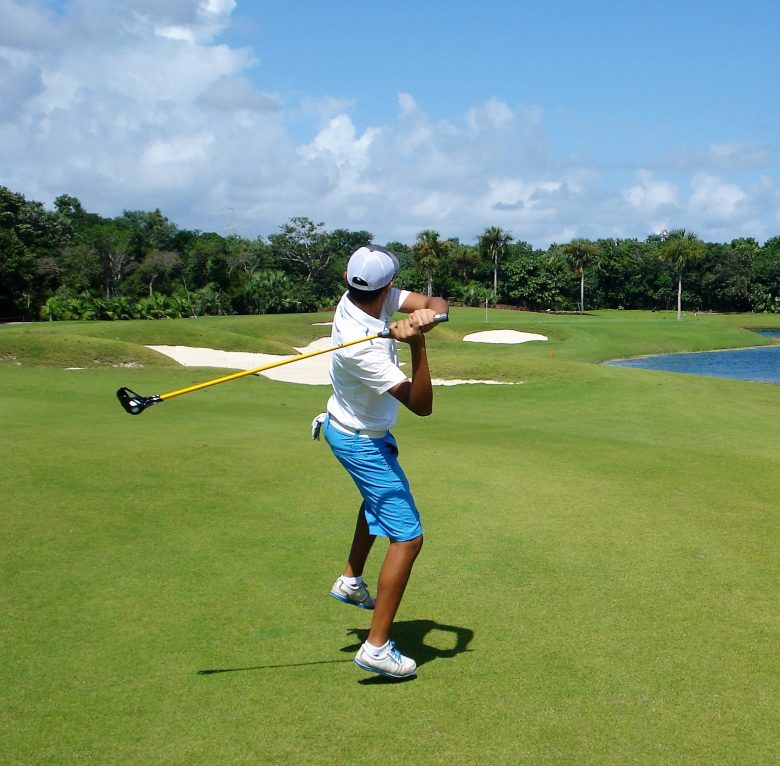
Same game, different gear. Are you ready to share the links? Credit: Fling Golf

Same game, different gear. Are you ready to share the links?
Credit: Fling Golf

Adios, El Nino, Hola, La Nina

Big Changes Are Coming Again To Next Season’s Weather.

View post on imgur.com

The image above shows how the sea surface temperature is changing from warm to cooler, signaling the advent of a La Nina event.

Weather scientists are predicting that the sea surface temperatures in the Eastern Pacific will continue to drop, ending the extraordinary, record-breaking El Nino conditions that drove so much of last winter’s weather. When the sea surface water temps drop below .5 degrees C off the coast of Peru, the new La Nina will be in the wings, bringing yet another set of changes to next ski season’s weather. Some reports predict this La Nina can be as dramatically cold as the fading El Nino was warm.

During the summer coming up, the first impact you’ll see will be more hurricanes in the Atlantic. The hurricane season in the Atlantic starts on June 1 and goes to November 30. The prediction is for more storms because of weaker upper level winds.

For the winter months, a typical La Nina pattern will be cool weather in the Northwest, warm and dry across the southern border, and a wet East.  Click here for an interesting discussion from the Weather Network. 

Fun Fact: La Ninas last longer than El Ninos.  The La Nina event that followed the the 1997/98 El Nino lasted 33 months!

Here’s a more technical discussion from NOAA. 

Stay tuned for more updates as we watch how La Nina takes shape and how it will impact next winter’s weather.

The first La Nina impact could be more frequent Atlantic hurricanes. This year's La Nina is predicted to be as cool as last year's record-breaker El Nino was warm. Credit: NOAA

The first La Nina impact could be more frequent Atlantic hurricanes. This year’s La Nina is predicted to be as cool as last year’s record-breaker El Nino was warm.
Credit: NOAA


Cycling Series: Rolling Among The Rocks At Arches

Once Past The Crowds, Another World Opens Up.
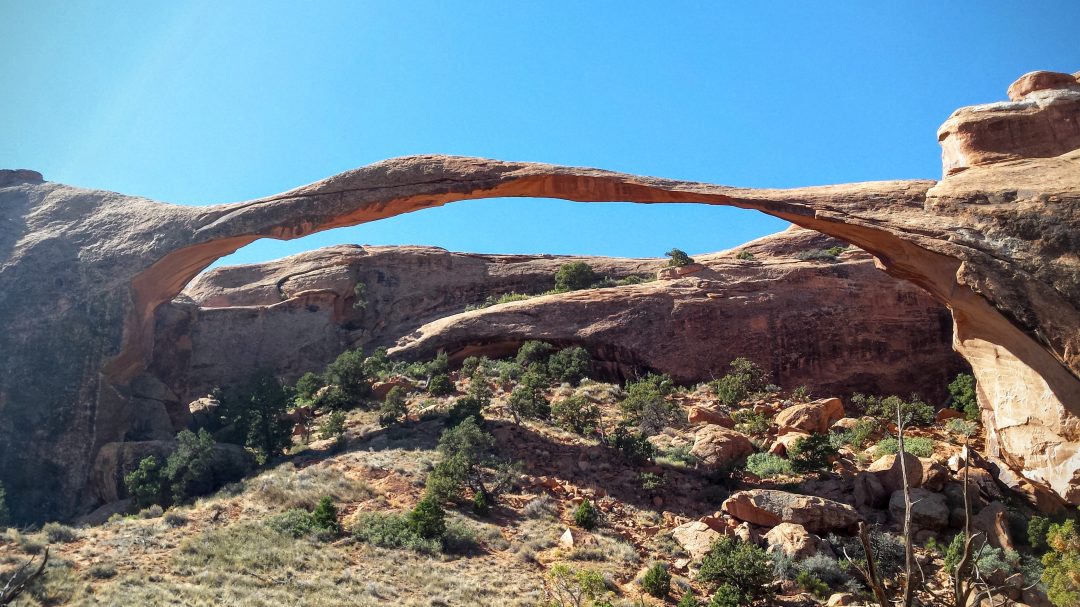
Landscape arch in the Devils Garden Trail in Arches National Park. Credit: John Nelson

Landscape arch in the Devils Garden Trail in Arches National Park.
Credit: John Nelson

Looking out the window of a car just can’t capture the otherworldly beauty of Arches National Park in Utah.

In this stark and dramatic landscape of towering spires, delicate arches and balanced rocks, I chose to bike and hike on my pathway to discovery.
John Nelson along the Fiery Furnace Trail. Credit: John Nelson

John Nelson along the Fiery Furnace Trail.
Credit: John Nelson

I visited Arches in Fall 2015. I pulled into the nearby town of Moab in the evening and found that things were hopping among a diverse crowd of cyclists, hikers, river-runners, ORV enthusiasts and vacationers, all with plans to recreate in the rugged region.

I decided to start early the next morning to get a jump-start on the crowd.

So much for solitude. My outdoors-loving brethren had the same idea, and we all got stuck in a long backup at the Arches entrance gate. Arches National Park is a popular place with nearly 1.4 million people visiting last year.

Once through the entrance, I parked a couple of miles from the visitor center, climbed aboard my bike, and happily left my car behind. The roads were initially busy, but after a few miles, things calmed down and traffic dispersed, leaving me to pedal among the wide-open vistas.

What I saw over the next few hours was mind-blowing.

The National Park lies atop an underground salt bed. Over millions of years, the salt bed became unstable, eroded and shifted, leaving dramatic rock features carved by wind and weather that remain today.

My ride along the main road passed some of the very best sights in the park to its end at Devils Garden 18.5 miles from the entrance gate. Some side roads take visitors to other arch locations, but I wanted to go as far as I could inside the park and return later to see the other attractions.

The ride to Devils Garden takes place on rolling terrain between elevations of 4,500 and 5,500 feet. Once at Devils Garden, I slipped on hiking shoes to visit some of the park’s most famous arches along a 7.2-mile loop trail.

After a picnic lunch, I climbed back on my bike to head back. In some ways, the return ride was even better than the ride out. The light had changed, giving me a different view of these amazing formations.

Back at the car, I was exhausted from the ride and hike—and utterly satisfied. I had seen the park in way that author Edward Abbey, a former park ranger at Arches, would certainly appreciate.

“A (traveler) on foot, on horseback or on a bicycle will see more, feel more, enjoy more in one mile than the motorized tourists can in a hundred miles,” Abbey wrote in Desert Solitaire.

If you go:

Where to start the ride: Don’t park at the visitor center, which is usually swarming with tourists. Instead, drive 2.5 miles inside the park to the La Sal Mountains Viewpoint parking lot. By doing so, you’ll get out of the high-traffic area, and you’ll also avoid a 1,000 vertical foot climb.

When to visit: Spring and Fall, with more moderate temperatures, are the best times to see Arches. Summer temperatures can soar above 100 degrees.

Fitness concerns: At about 30 miles, the ride is difficult, but has only a couple of climbs. Much of the terrain is rolling and pleasant. Carry ample water, and you can refill at Devils Garden.

Safety: Even with traffic, I never felt unsafe riding at Arches. The roadways have good shoulders, and I found that drivers were mostly courteous and careful.

Food: Arches has no food concession, so pack along anything you want to eat. Moab has a wide array of restaurants and markets where you can stock up.

Highlights: Almost too many to count. The Courthouse Towers Viewpoint, The Great Wall, Balanced Rock, Panorama Point and Fiery Furnace all are along the road. If you have the energy, consider a hike around Devils Garden to see some of the park’s best sights.

Accommodations: Moab is the place. You’ll find a wide selection of condos, motels, resorts and bed and breakfasts.

Camping: The Devils Garden Campground inside the national park has 52 spaces, but these fill up very quickly. Don’t arrive thinking you’ll get lucky. Reserve a spot ahead by clicking here or by calling (877) 444-6777. Outside of Arches, there are several other options, including Willow Flat Campground in Canyonlands National Park and Dead Horse State Park, as well as primitive BLM campsites along the Colorado River. Click here for details.

Click here for maps of the area.
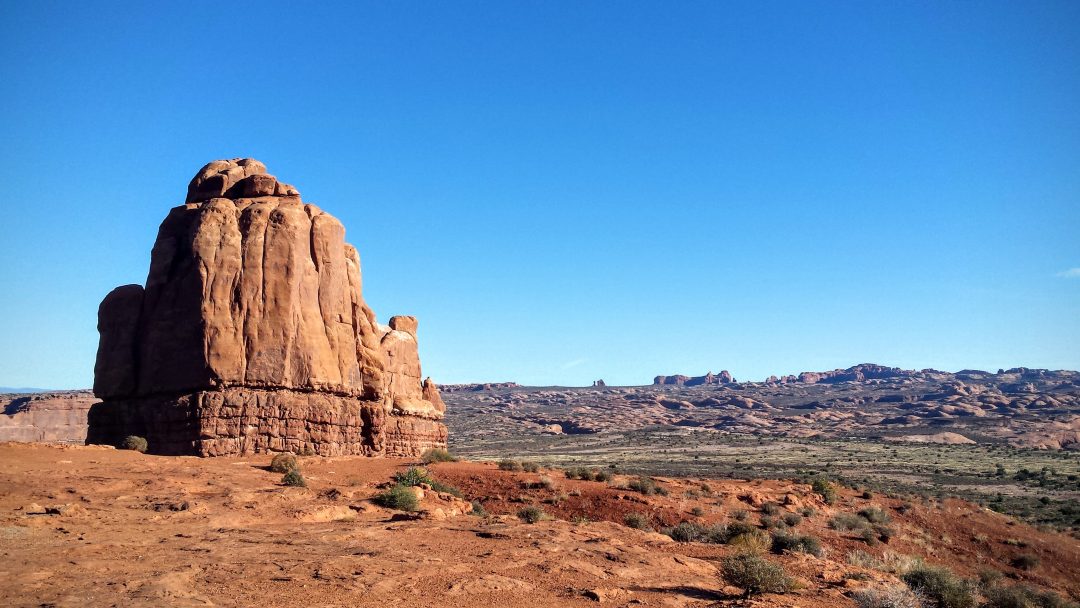
Tower of Babel watches over Arches National Park, UT. Credit: John Nelson

Tower of Babel watches over Arches National Park, UT.
Credit: John Nelson

This Week In SeniorsSkiing.com (May 13)

Survey Launch, Hiking Boots, Basics Of Fly Fishing, John Christie Passing.

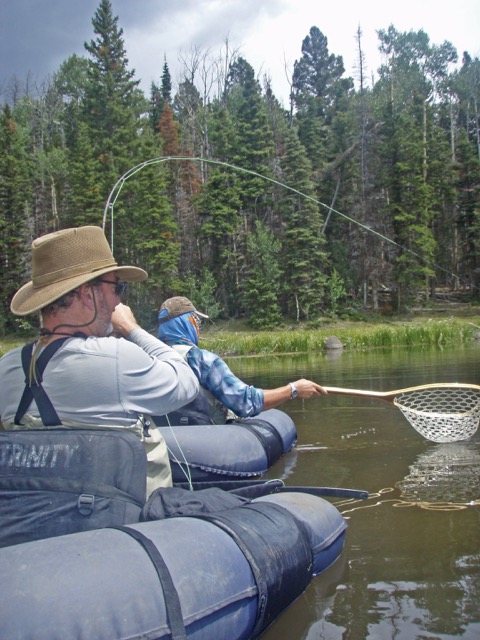
Skiers are attracted to fly-fishing because of the skills, the outdoors, and the lore. Credit: Jan Brunvand

Credit: Jan Brunvand

As we write this, our SeniorsSkiing.com Spring Survey 2016 was sent out just over three hours ago, and we are already approaching a 10 percent response rate.  Three Hours!  Thank you all so much.  We really, really appreciate your support.  If you haven’t responded yet, please join the crowd.

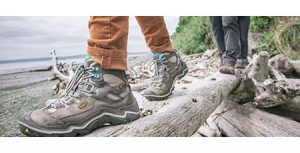
This week features Steve Hine’s story on the highlights of picking hiking boots.  We went to Steve’s REI store for boots before we hiked the Routeburn Track in New Zealand.  Steve’s advice was spot on, and the boots he recommended were fantastic choices for that rugged walk.

We also hear from Jan Brunvand who is switching from one favorite pastime—skiing—to another.  His article on fly-fishing contains some truly wise suggestions for getting involved in this very attractive sport. Anyone can learn the simple basics of casting and fly selection in a few days.  However, the intrigue and delight of fly-fishing is learning the sophisticated intricacies and arcana.  That’s a long range journey. Careful, you can get hooked very easily.

Finally, the ski world lost John Christie whose presence in the business of running resorts and associations goes back at least five decades.  John was a legend in Northeast skiing, founding, owning and managing some of New England’s biggest and well known resorts. We are extremely proud to have published an article in March that John submitted to us about his re-discovery of Nordic Skiing. We are saddened greatly to lose a friend and writer.

Next Week

On we go into mid-Spring.  More Cycling Series, more product information, interesting historical glimpses and perhaps an oddity or two about seniors and sports.

Remember to please respond to our SeniorsSkiing’s Spring Survey 2016.  And don’t forget, there are more of us every day and we aren’t going away.

HikingBoot

Fly Fishing: Three Ideas For Getting Started

There Are Parallels Between Skiing And Fly-Fishing.

Skiers are attracted to fly-fishing because of the skills, the outdoors, and the lore. Credit: Jan Brunvand

Skiers are attracted to fly-fishing because of the skills, the outdoors, and the lore.
Credit: Jan Brunvand

Ski season is over; what now? Some turn to hiking, biking, tennis, or pickle ball. For me it’s fly fishing.
The pursuit of wily trout with fake insects has things in common with skiing. Both involve exercising in beautiful places, both are great family activities, and both offer satisfying complications of gear and technique.

The daunting details of fly fishing, however, deter many from trying it. How to navigate the complex world of equipment, casting, fish behavior, and aquatic etymology? The challenges are part of the fun, but they erect a barrier for beginners.

You can sample fly fishing without too much frustration. I offer three suggestions.

First, go with a pro, if you can possibly afford it. Nobody learns to ski from the pal who takes you to the top of a run and says “Follow me.” Similarly, you usually won’t get the best introduction to fly fishing from a friend or partner. Hire a guide for your first time out.

Step One: Hire a guide to show you the basics. Credit: Jan Brunvand

Step One: Hire a guide to show you the basics.
Credit: Jan Brunvand

A guide provides gear, lunch, flies, and coaching. Explain that you are entry-level. Guides know where and when to go, and they want you to catch fish. A day of guided fly fishing is costly, but you’ll get a good start, have fun, and learn if you want to lay out cash on rods, reels, waders, etc.

Even after years of fly fishing, if I’m on new waters or trying a different approach I like to hire a guide the first day.

Second, find a local support system. If there’s a chapter of Trout Unlimited or the Federation of Fly Fishers near you, join. Look for fly fishing classes taught by community colleges or local sports shops. Go fishing and chat up others you meet on the stream.

Third, start to read about the traditions and subtleties of fly fishing. I say “start” because you’ll never finish. For basic information, get The Orvis Fly-Fishing Guide by Tom Rosenbauer. Someday you may acquire top-of-the-line Orvis gear, but for starters buy this affordable paperback.

Even cheaper in its comic-book format is Sheridan Anderson’s The Curtis Creek Manifesto which offers excellent advice in a rib-tickling style. Published in 1976, it’s outdated as to gear, but the fish-catching techniques, including “The Curtis Creek Sneak,” are priceless.

Beyond facts, you want inspiration, so watch the 1992 film A River Runs Through It, and read Norman Maclean’s story that inspired it. Forget about the fancy “Shadow Casting,” though; that’s more Hollywood than realistic.

There’s much wonderful writing about fly fishing, but let’s keep it simple. Google Robert Traver’s “Testament of a Fisherman” and print a copy to ponder. This classic statement consists of one extended sentence less than a page long; it’s packed with emotion, whimsy, and poetry. Traver concludes that he loves the sport, “ . . . not because I regard fishing as being so terribly important but because I suspect that so many of the other concerns of men are equally unimportant—and not nearly so much fun.”

Amen!

Like skiing, there's more to fly fishing than just fishing. Credit: Jan Brunvand

Like skiing, there’s more to fly fishing than just fishing. Traditions, literature and lore abound.
Credit: Jan Brunvand

John Christie, Ski Legend, 1937-2016

Ski Area Operator, Author, Story-Teller, Outdoorsman, and Hardy Mainer.

Credit: Jamie Walter

Credit: Jamie Walter

Maine ski legend John Christie, 79, unexpectedly passed away on Monday, May 9th.  He was a former owner of Saddleback Mountain, former GM of Sugarloaf and Mt. Snow, an inductee to Maine’s Ski Hall of Fame, raconteur and industry veteran.  Click here for the Bangor Daily News story.

SeniorsSkiing.com just published a new article by John about his rediscovery of Nordic skiing and his love of the solitude of winter trails.  He competed in cross-country as a Bowdoin ski team member in the 50s only because it was required as a four-event collegiate racer. After many years away from Nordic skiing, he found the new technology and the peaceful pace to be appealing. “I was struck that without the need to better your competitors, you could actually ski along at a leisurely pace and even enjoy the serenity and the scenery and the exhilarating fun of being out in nature on a crisp winter day,” he wrote.

We were very proud to have John Christie contribute to SeniorsSkiing.com. He will be missed.