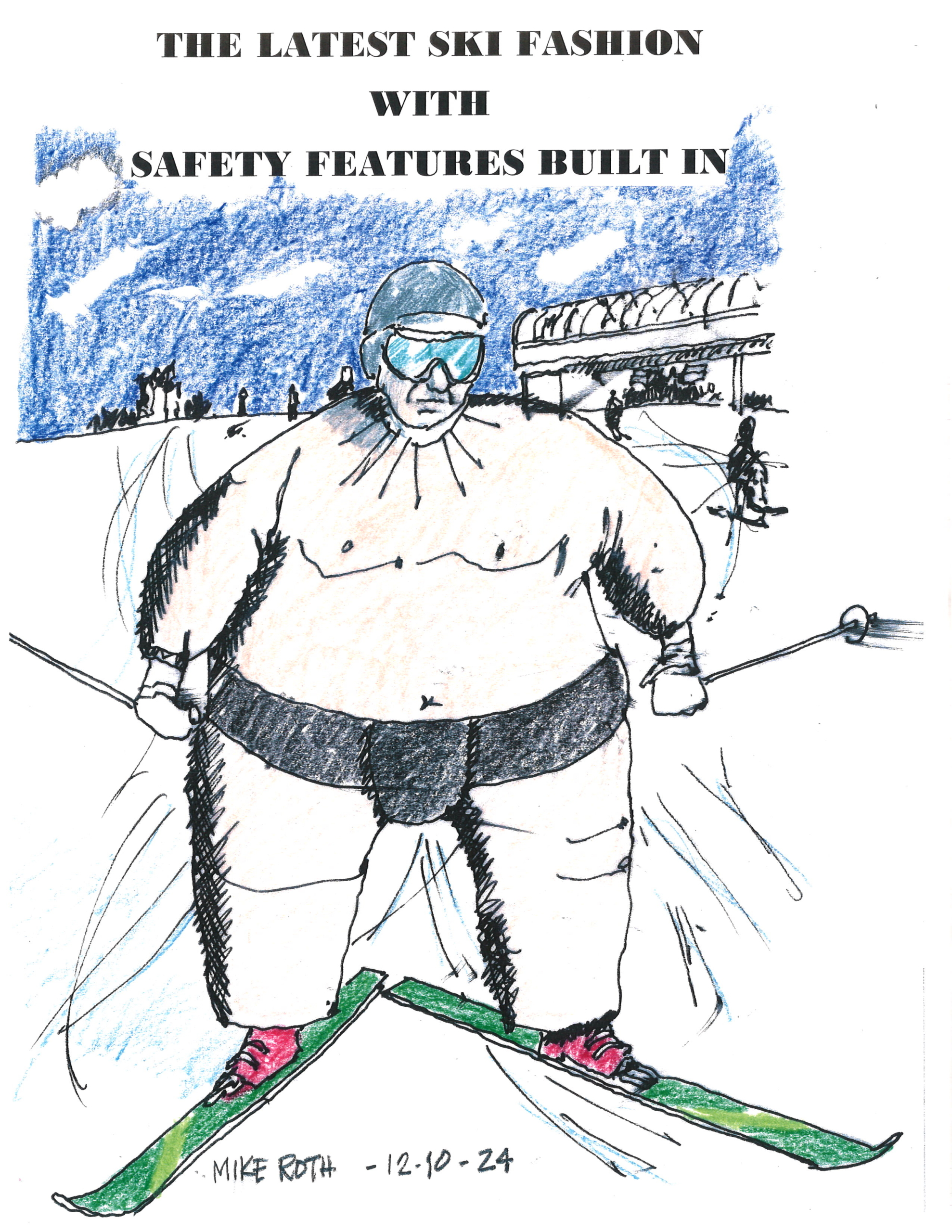
The Senior Ski Bum
Follow the senior ski bum on his first ski trip of the season. Follow along as he has two bluebird days, a powder day and a day with wind holds. Listen to his musings on the positive impact skiing has on our psyches.


Follow the senior ski bum on his first ski trip of the season. Follow along as he has two bluebird days, a powder day and a day with wind holds. Listen to his musings on the positive impact skiing has on our psyches.

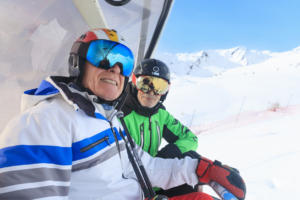
Credit:ultramarinfoto
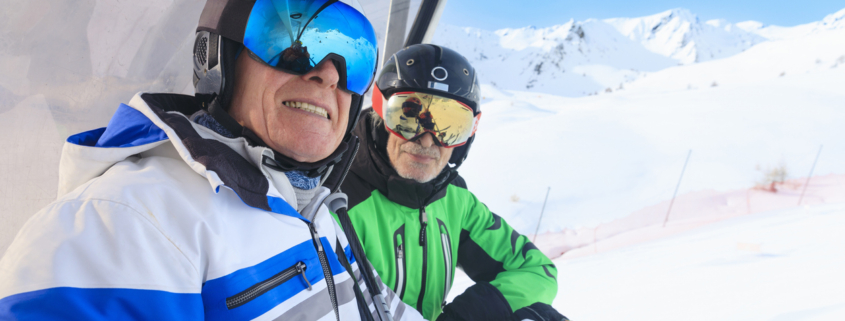
Let’s face it. The older we get, the more fragile our bodies become. Yet, if you are like me, the older I get – I’m 79 at the time this this piece is published – the more I cherish my days on the snow. Gone are my days as someone who would ski non-stop from the top of almost any mountain to the bottom at GS speeds in any conditions.
Now, my goal is ski more and avoid injury. If that’s yours as well, where does the process start. It starts with each of us at home, long before we head toward the mountain to ski.
If you are not in decent physical condition, don’t go skiing. If you do, you’re an injury waiting to happen.
Skiing is a strenuous sport, and fatigue is a major causal factor of injuries. When your legs are tired, you can’t control your skis as well as you did when you first put them on in the morning.
Next, you need to realize that you will never be in as good a shape this year as you were last year, unless of course you were totally out of shape. Mother Nature has ensured that via the aging process. Understand we all age differently and at different rates. I often tell people I work harder each year to get in less good shape as I was last year.
Also note that as we age, our bodies’ ability to deal with temperature extremes decreases. Two years ago, at age 77, I found myself shivering in conditions that would never have bothered me before. It led to a change in what I wear on colder days.
I also believe in the Boy Scout motto, be prepared. Bring your own medical kit with stuff like Voltaren, OTC anti-inflammatories, sandwich/snack bags for ice packs, and other first aid stuff. Trust me, because when you need it, the drug stores are either closed or far away.
For those of us who ski outside the U.S., remember Medicare doesn’t cover you. I have Tricare for Life and still buy a supplemental health insurance policy that also provides for air-ambulance transportation back to the U.S.
Take care of your skis. If you are driving to/from a ski area and if they are on a rack outside the car, put them in a bag or inside a rooftop carrier. This keeps the dirt and grit out of your bindings which could affect their performance. You might also consider having them checked and adjusted every year.
And my last rant is that booze, recreational drugs, and skiing are a toxic mix. Altitudes above 5,000 feet where 50% of the earth’s atmosphere and oxygen content is below you adds to the effect alcohol and drugs have on the body.
Hangovers affect your ability to function mentally so unless you have access to 100% oxygen to breathe for 10 – 15 minutes or more before you go skiing, then think twice about skiing with a bad hangover. SWI – skiing while intoxicated/stoned – is simply dumb because you are a danger to yourself and everyone else on the mountain.
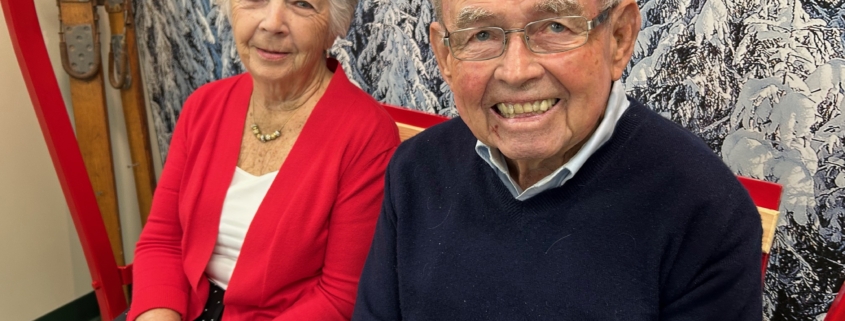

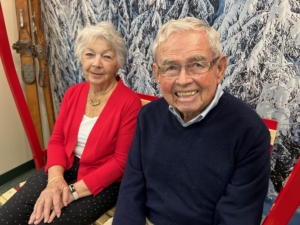
Alpin Haus founder Bud Heck with wife Kay Heck
For Bud Heck, the journey had an unexpected beginning. Stopping in for some after ski refreshment after a day on the slopes at Whiteface, Heck and friend Bob Moore struck up a conversation with a fellow patron. It turned out to be the launch of a 60 year long career in the ski business.
Heck was a young college graduate with a new job as an auditor with New York State. On the side during the holidays, he with then partner John Daly sold crushed ice snow cones and Christmas trees in his hometown of Amsterdam NY. The man in the chance conversation that day turned out to be a ski equipment representative who pointed out there was not a ski shop in Bud’s hometown.
“Why not start one?” the man asked.
Heck listened. Sixty years later, his Alpin Haus ski shop is one of the largest in the Northeast with three locations in New York’s Capital District including a recently expanded 40,000 square foot showroom less than a mile away from the location of the original shop that opened in 1964.
At the start, the shop sold inventory Heck had bought from a nearby ski hill that had closed the year before. Heck would work his regular job in Albany then come to the store afterwards and stay on until closing at 9 pm. Weekends it was all day. Kay, then his girlfriend, was a teacher in town. She came in to work in the shop after school.
“We had no money to go out on dates then.”
Total sales that first year? $1500.
Sixty years later, the bottom line is a lot different and Bud no longer turns the light on and off daily. But Alpin Haus patrons can still catch up with him at the store when he drops in for a cup coffee in the lounge area of the showroom. He loves chatting with customers, especially those he has known for more than half a century, and their kids, and now their kids too
Kay is still there, Mrs Heck since 1965, and now too is son Andy as company President, and co-owner with his brother Greg and sister Katie Osborn. Grandchildren Nicole, Ryan, and Danielle are the third generation of leadership in the business.
“Its easy to run into a Heck at Alpin Haus these days.” said Bud recently.
While the ski business has continued to grow significantly over the years, Alpin Haus has expanded too. Recreational vehicles were added to the mix in the late 1960s, swimming pools in the 1970s and boats in the 1980s.
“We don’t sell anything that’s essential.” says Heck. ” We are a feel good business.”
While Alpin Haus has spread – there are seven locations currently – in the Adirondacks, the Hudson Valley, and now in northern New Jersey, “We are still based in Amsterdam.”
With 275 full and part time employees, it is a major local employer. And involved too. In addition to the usual community activities, Alpin Haus has underwritten a summer splash pad and an ice skating rink in the city in recent years.
Today, in an era where people can buy what they want, wherever they want, why has Alpin Haus succeeded for more than half a century?
Bud Heck believes he knows the answer: “Have a passion for the business; provide a good store experience; and take care of the customers.” he says.
Sixty years in the business suggests that Heck knows what he is talking about.
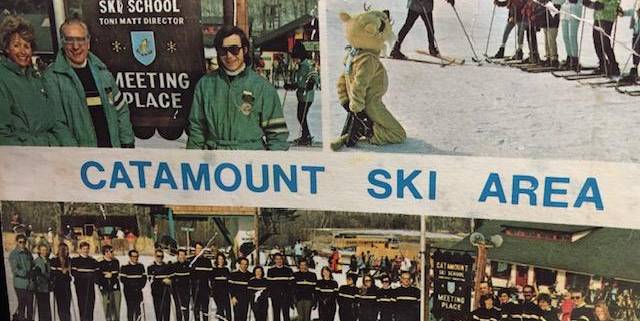
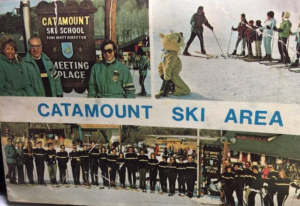 Catamount Mountain Resort Dedicates a Race Trail to Skiing Legend, Toni Matt
Ski pioneer, Toni Matt, was a champion Austrian and American ski racer who spent his life in the mountains beginning in his childhood home of St Anton, Austria and continuing in America in New England, Montana, and New York. The former Ski School Director at Catamount from 1960-1974 achieved success and notoriety throughout his career culminating with his induction into the United States Ski Hall of Fame in 1967.
Soon after becoming the 1938 Austrian Junior national champion at age 19, Toni Matt came to the United States in 1939 with Herbert Schneider to teach skiing with the Hannes Schneider Ski School in North Conway, NH. In the same year, Matt won his first United States downhill championship and also set a record when he won the Inferno Race on Mount Washington in New Hampshire. Matt’s record time still stands today and clocks in at 6 minutes ahead of the previous record time. Toni Matt’s second United States downhill championship would come in 1941.
Later in 1942 with the United States joining the war effort in Europe, Toni Matt enlisted in the U.S. Army and was assigned to the 10th Mountain Division in Alaska. A few years after returning from service in WWII Matt became a founder and builder of Whitefish Mountain in Montana in 1947. After moving back to the northeast to raise his family, Catamount owner, Jack Fisher, hired Toni Matt to become Catamount’s Ski School Director in 1960, a position Matt would hold until 1974 when he accepted the same position at Whiteface in Lake Placid, NY.
Toni Matt had a storied career on two continents in skiing, ski racing, coaching, and serving his country when he was needed most. “The Toni Matt racing trail dedication will be a great day for the Toni Matt family, a great day for Catamount Mountain Resort, and a great day for ski history in America” said Richard Matt, son of Toni Matt.
“The ownership of Catamount and I have been involved in alpine ski racing our entire lives. To have Toni Matt, one of the legends of the sport, so connected to Catamount is an honor to be celebrated” said Catamount General Manager Mark Smith. “We appreciate his legacy and the efforts of his family to remind Catamount’s race coaches, instructors, and young ski racers that a man of Toni’s caliber forged a tradition of excellence to be emulated” continued Smith.
There was a dedication of the Toni Matt racing trail at Catamount on Saturday December 14th at 1:00pm.

Stable Ski
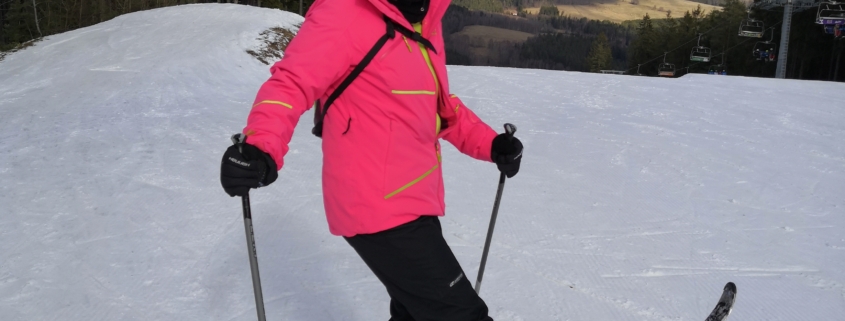
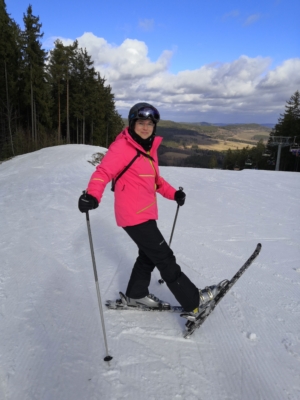
Skiing brings joy, movement, and a sense of freedom, but it can also present challenges, especially for those with physical limitations. Stable Ski offers an innovative solution designed to help individuals return to the slopes with confidence, stability, and safety.
Stable Ski provides better control compared to traditional skis, which can be difficult for individuals with limited mobility. These skis are designed with a focus on stability, making them ideal for older adults, those recovering from injuries, or anyone seeking a safer experience on the mountains.
Stable Ski has been specially developed with the following groups in mind:
These skis are not only designed to provide stability but also to allow skiers to rediscover the joy of the slopes without fear of falls or discomfort. Made from high-quality and durable materials, they are a reliable choice for both recreational and adaptive skiers.
Stable Ski believes that skiing should be accessible to everyone, and these skis represent a new opportunity for anyone facing physical limitations. Stable Ski empowers users to enjoy skiing confidently and safely. Try Stable Ski and experience how it can transform your skiing adventure. https://stable-ski.com/
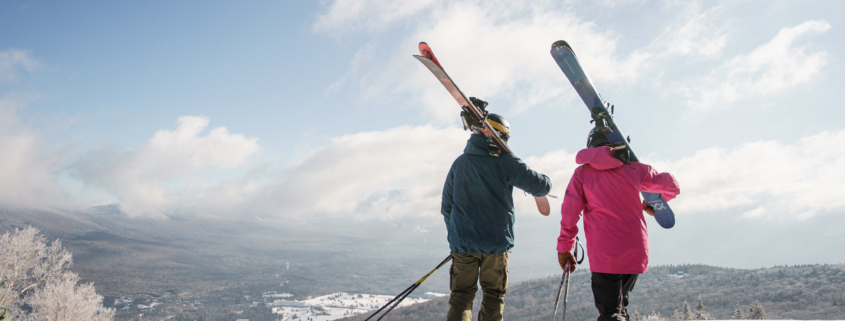

Bretton Woods Credit: Ski NH
SKI Magazine readers once again chose Bretton Woods for the BEST SNOW and BEST GROOMING in the EAST for the 2024 season. For older skiers who prefer gentle skiing and great conditions with fewer difficult slopes, Bretton Woods is the place! Other top rankings for Bretton Woods in 2024 include the best in New Hampshire for Overall Satisfaction, Lifts, Lodging, Guest Services, Dining, Family Friendly and Après Ski Scene. The area also did well in the New England Ski Journal poll rankings and among the accolades is the most scenic ski area.
Bretton Woods is New Hampshire’s largest ski area with 464 acres of skiing and snowboarding on 63 trails and 35 glades! Ten lifts, including the Bretton Woods Skyway 8-Passenger Gondola and four high-speed quads, make your ride up the mountain almost as fun as the ride down.
The Rosebrook Lodge is at the top of the Bretton Woods Skyway Gondola with stunning panoramic views of Mount Washington and the Presidential Range. The Switchback Grille (11 AM – 2:30 PM) offers lunch or libations at the bar or there are snacks at the Peaks Café. The Slopeside Pub & Restaurant is in the main Base Lodge for a sit-down lunch menu and large glass windows for a slopeside dining experience. The Lucy Crawford Food Court is the other base lodge option which is on the main level for food to keep fueled.
Snow and Terrain
Bretton Woods is known for consistent snow conditions, and it’s rarely ever windy. They’ve got snowmaking on 92 percent of the trails. Over the years, Bretton Woods was known as an easy mountain with few steep slopes and that, in fact, is one of the best reasons for older skiers to become aficionados of the area. The runs are short and the lifts are fast, and this allows older skiers and riders to ski comfortably or turn on the jets and avoid getting tired from runs that are too long.
The ski area has become recognized for its grooming by earning first place mention in a skiers’ poll. It also has excellent accessible glade skiing that can be enjoyed by intermediate skiers and boarders and has long lasting powder. Bretton Woods has an excellent layout with the four high speed chairlifts helping to spread skiers out on the mountain, which keep lift lines reasonable and often nonexistent. The West Mountain and Rosebrook areas on the mountain are separated from the main mountain, and they provide plenty to explore both on the slopes and in the glades.
Suggested Alpine Skiing Itinerary for Seniors
Upon experiencing Bretton Woods SeniorsSkiing correspondent Tamsin Venn stated, “The overall experience here is a friendly mountain that’s fun to ski. There’s plenty of skiing available for an older person without putting too much pressure on hips and knees. For tree skiers, the glades are fairly open in keeping with the resort’s easy-going nature.”
My recommendation for Bretton Woods is to take the Bethlehem lift and then ski to the Rosebrook lift. Take a few runs in the Rosebrook area in some easy glades, but don’t go too far to the east, or you’ll end up back down at the base. From the top of the Rosebrook lift, you can also go west (to the right) and keep your speed up as you pass by the Rosebrook Lodge to reach the West Mountain for runs in the glades on that side of the mountain. Enjoy plenty of narrow runs in the West Mountain trees. There’s a restroom at the base of the West Mountain quad, if you need it.
Bottom Line
Seniors 80 years and up ski free any day, and those 65-79 ski for $40 midweek (M-Th)/non-holiday. Holiday or weekend (Fri-Sun) lift tickets are $124 for ages 65-79. Adult day passes are $97 Mon-Thur non-holiday and $139 holiday or Fri-Sun.
2024 Bretton Woods Mountain Stats
Summit Elevation: 3,100 feet
Vertical Drop: 1,500 feet
Base Elevation: 1,600 feet
Trails and Glades: 98
Skiable Acreage: 464 acres
Snowmaking: 92% of Trails
Average Annual Snowfall: 200+ inches
Season Length: Early-November to mid-April
Exposure: North-Northeast
Lifts: 10
Uphill Lift Capacity: 14,000 skiers per hour
Bretton Woods Nordic Skiing
The Bretton Woods Nordic Center is one of the best XC ski facilities in the world at the golf club next to the Omni Mt. Washington Hotel and has classical and skate skiing as well as snowshoeing on trails prepared with state-of-the-art grooming. Visit on-trail destinations including a warming cabin on Porcupine Trail, and the lift-served Mount Stickney Cabin. There are exceptional scenic vistas along many parts of the trail network for those who want to retain the memory with the Mt. Washington peak as the backdrop.
The lift-served Mountain Road trail may be the most fun to be had on XC skis in New England and the photos from the trail are unsurpassed.
I’ve taken many friends on the Mountain Road because it is much easier to take the lift up and then ski downhill on the trail, and it has incredible scenery and views. This 7 km trail is accessible from the top of the Bethlehem Express quad at the Bretton Woods alpine ski area (five minutes from the Nordic Center via complimentary resort shuttle). Along the way, take a side trip on a T-bar lift to the Stickney Cabin for snacks and libations and to ski additional trails on the way back to the Mountain Road. For senior or novice XC skiers, the Mountain Road is sure to be a lifetime highlight!
XC ski and snowshoe rentals are available at the Nordic Center and skiers can be outfitted with classic and skate skis, pulks (pull sleds for pre-skiers) and snowshoes. The Nordic Center also has an excellent retail shop for everything XC ski. Private and semi-private lessons are available with advanced reservation.
While you’re at the area take the free shuttle and go check out the historic Omni Mt. Washington Hotel for some drinks or dinner. It harkens back to the time of the grand hotels (bell boys, ski concierge, etc.) and it has been renovated with a new spa, wonderful restaurants and bars, and even a dance club in the basement for late night action.
Nordic Trail System Stats
Total Kilometers: 100km (95km tracked and skate groomed)
Trails: 45 (34% Novice, 45% Intermediate, 21% Expert)
Base Elevation: 1,600 Feet
Peak Elevation: 2,800 Feet
Total Acreage: 1,770 Acres
Annual Snowfall: 200+ inches
Season Length: mid-November to mid-March

Editors Note: This article comes from SeniorsSkiing subscriber Chet Kaplan from Brooklyn, NY
Credit:4maksym
I tried to learn to ski in my early 50’s, going on a day trip whenever I could. I rented equipment and was always eager to get as much free advice as possible. “Lean forward!” “Hold your arms out as if you’re carrying a tray!” “Bend your knees!” “ “Always face down the hill!” “Breathe!” Somehow, despite all this slightly confusing information, I managed to begin to parallel ski because I got very tired of snowplowing.
The second season of my ski career I was invited join two friends who were excellent skiers at Whiteface Mountain. Knowing that we could not possibly ski together, they urged me to join the Mountain Tour to become more acquainted with the area, so I signed up.
The guide took us up a lift to the top of a run and said, “Follow me!” As I looked down at what seemed to be Mt. Everest, my brain went into overdrive as I struggled to comprehend what I had gotten myself into.
I realized I had not yet made out my will, if I did go down and did. An instant later, I convinced myself I’m probably a much better skier than I imagined, so I began down the hill at what seemed like 100 mph.
Within a few seconds, I fell and found out later that I tore some cartilage in my chest. But I was alive! That ended my ski season, but I healed in time for ski season number three.
The next season a group invited me to join them in Utah. I thought that this was a wonderful opportunity to become a good skier, so I quickly signed on. My friends were supportive, offering me lots of advice, all for free! “Press down with your big toe!” “More flexion!” “Stand taller!” “Bend your knees more!” “Move your hips forward!” My favorite was “Chet, relax, this is supposed to be fun!”
I did begin to ski more parallel until the day we went to the Canyons and opted to do the Mountain Tour. I was directed to join the more advanced group. Instead of changing to the slower group I followed some advice which was, “The only way to improve is to take more risk and go with more advanced skiers!” This was my golden opportunity!
My group got off the lift and went to the top of a steep mogul run. After looking down, I quickly told the guide that I had never skied anything like that. He said not to worry, just follow him. The last time I heard “follow me” it did not turn out well. So, I decided that if again I made the wrong decision, the first thing I would do after returning home would be to immediately register for a new IQ test. Falling very hard on the first mogul, I tore a calf muscle. After some time in PT, I was advised that this is all part of learning to ski!
Determined that I would start having fun by becoming a good skier, I then joined “Ski College” in Park City in early December for several seasons. This involved 5 hours each day of group instruction for 5 days with a “Certified instructor”. One day, I asked the instructor for any advice on how I was doing. He said “Fine”. The next season I had an instructor who only advised, “More angulation!” That was all he ever said. At the end of the week, I asked how he thought I progressed, and he said, “More angulation!”
It’s very possible that the best advice I ever received was from myself. When I am completely balanced, relaxed and comfortable on my skis, I register what my body needs to do to achieve that feeling. I’m also very lucky to ski with wonderful folks in the 70+ Ski Club who rarely give me advice. Maybe I’m finally learning to ski?
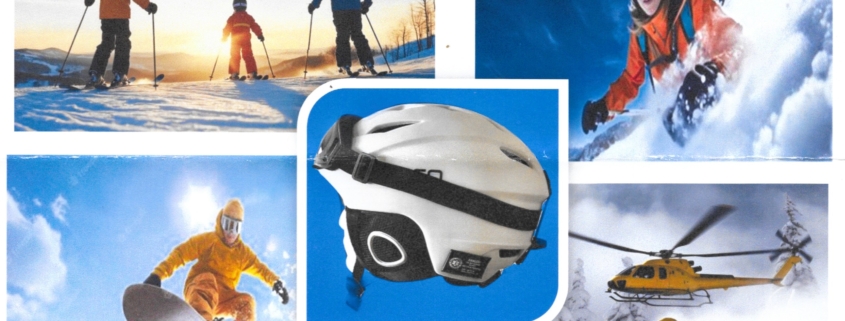
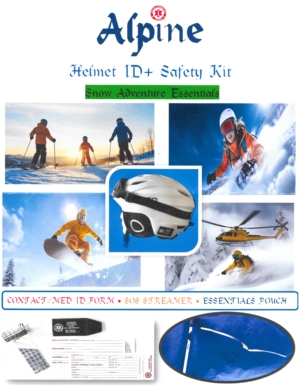 Safety on the slopes is consistently the top concern of SeniorsSkiing.com readers. Now you may elevate your safety, and that of others, with the Alpine Helmet ID+ Kit.
This unique skier/snowboarder safety solution integrates Emergency Medical Services (EMS) with Search and Rescue (SAR). The ultra-compact and durable Kit combines your medical/contact ID with a high-visibility Trail Marker designed for maximum emergency assistance. The “dual-purposed” Kit allows instant access to your essential personal information while empowering another skier to provide a SAR tool to deploy the high-visibility Trail Marker that helps rescuers pinpoint your location rapidly. The Alpine Helmet ID+ Kit is your ideal “ski buddy.” The Kit offers peace of mind by combining critical information with high-visibility rescue features, helping ensure rapid response to unanticipated events on the slopes.
This Kit includes:
The Alpine Helmet ID+ Kit is very well thought out, quite simple, yet very effective in an emergency. The retail cost of a 2-pack is normally $6.99 Thanks to an agreement between SeniorsSkiing.com and the makers of the Alpine Helmet ID+ Kit SeniorsSkiing.com readers can use Coupon Code SS65 and get the 2-pack for only $5.00 total. Isn’t your safety and that of your loved ones worth $2.50 a person? We think so. That’s why the Alpine Helmet ID+ Kit will be on our helmets this season. To get your discounted kit, click on their banner ad.
Your helmet protects your head. Now use it to protect your life with the Alpine Helmet ID+ Kit
For more information visit https://www.emergencyid.net/. If you want to purchase the Alpine Helmet ID+ Kit in bulk for your group or organization, simply contact them at info@emergencyid.net for special pricing.

Photo by Laura Lezman on Unsplash
Cross country skiing has a complex and formerly unenviable reputation. Many North Americans, including ski media, used to visualize it as acceptable only when there was no downhill alternative. Couch potatoes and many alpine skiers took know-nothing or condescending attitudes, and XC often was viewed as technically simple to the point of boredom, granola-and-wool dowdy, and primarily practiced by young masochists.
Dr. Bob Arnot, former NBC News Chief Medical Correspondent and himself in the mid-70s, writes that “Aerobically, XC is the finest recreation you’ll ever find. It builds muscles and lowers body fat – a single hour of moderately-pace skiing burns 800 calories…”
Here’s a true story about XC stereotyping, from my conversation in the 1980s with a Colorado alpine resort manager. He told me they wouldn’t allow cross country skiers to take up valuable parking spaces because “He’s a guy who heads into the woods on Friday and comes out Sunday without having changed either his $5 bill or his underwear.”
Times have changed. Today, aficionados recognize the sports’ cardiovascular benefits, and also love it for the grace, variety, conviviality, and the taste of clear air, pure light, sighing wind. Today, it’s more than mere recreation, it’s exhilaration.
XC can be enjoyed from the moment you attach boots to boards, but it takes time to become an accomplished skier. As to the familiar “It looks like so much work!” misunderstanding, running a marathon is physically demanding too – but like jogging, XC is something you can do at your own pace.
As to the lycra-wearing-loner-male-athlete-with-a-frozen-mustache stereotype, it was sorta-kinda apt decades ago, mostly before machine-groomed trails..
Fewer Mishaps
Another XC attraction is very low injury frequency, and even then, the damage is almost always minor. Hypothermia and frostbite are possible but infrequent. Yes, you can get hurt, or lost, or chilled, but if you’re at a XC ski area properly clothed (no sweat-inducing parkas!), it’s very unlikely – and as with downhill, there will be people around to help.
Over the past 50+ years, I’ve skied thousands of kilometers -including silly things such as skiing backcountry solo – and twisted an ankle once, and I was back out on the trails within days.
Finally…
Cross country ski areas come in all shapes, sizes, settings, and qualities. Generally, they offer instruction and often also accommodations and dining. They may be community parklands, alpine ski area affiliates, guest ranches, golf courses, centuries-old inns, even real estate developments, with activity options, too.
It’s quite all right to take an afternoon or a full day to enjoy other forms of recreation such as relaxing with feet up, reading a good novel, glass of wine in hand, glancing occasionally at falling snow. Give a thought to museums, antiquing, night life, toy factories, bookstores, snowshoeing, ice skating, ice fishing, sporting clays, disk golf, enjoying local accents, country stores, arts and crafts, hot tubs, even horseback riding and dogsledding. OK, snowmobiling too.
Fellow XC ski writer Roger Lohr says,” I prefer to go Nordic skiing on the weekend or when it is colder because groomed Nordic ski trails are very skiable, there are no crowds as fewer people go XC skiing and the skiers are spread out along miles of trails, it’s easier to keep warm… (muscle utilization warms the body), and Nordic area trail passes are significantly less costly compared to the weekend/holiday rates at alpine ski areas.”
There are elegant and vast operations along with small and intimate, moms-and-pops, in mountains, valleys, meadows, forest. Some destinations are intriguing only for a couple of days, with not be much to do but ski. However, many lodges, ranches, and resorts can be immensely fulfilling for a week or more. Thes merit annual visits, combining beautiful settings with dependable snow and fabulous food. The folk who run them often do it for love as much as for money, and their affection for the land and way of life imprints every aspect of the business.
In choosing your destination, there’s so much variety that it’s worth defining vacation priorities. Is cross country skiing the primary objective, or part of a mix with downhilling? Is magnificent setting the overriding interest? Wildlife? Lodging and dining quality? A quiet or a lively ambiance? Do views of the Continental Divide justify altitude acclimation time? (Adjusting to elevation isn’t an issue in most regions, but above perhaps 6,000’, it’s sensible to take it very easy for at least a day.)
There are more than 100 alpine resorts in the USA and Canada with major Nordic affiliates, lodging, dining, and other services on the premises for multi-day visitors – think Sugar Bowl (Royal Gorge), CA; Silver Star, BC; Crystal Mountain and Boyne Mountain, MI; Mont-Sainte-Anne, QC; Bretton Woods and Waterville Valley, NH. Or, go wild and take in a Nordic-with-no-downhill destination. Whether your goal is beauty, entertainment, romance, history, family time, fellow souls, or endless exercise, there is an ideal cross country ski vacation.
P.S. XC trail distances are measured in kilometers (1 km. = .6 miles). You’ll notice that saying “I’ve skied 10 kms. this afternoon!” marvelously improves the appetite and frequently justifies a second dessert. It’s all part of the fun!
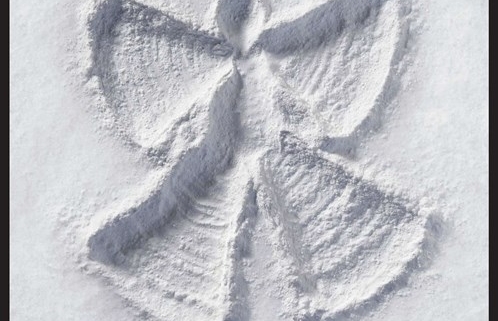

“We want to have a positive impact on this industry after a tragic event in our lives,” says Chauncey Johnson, who founded the Snow Angel Foundation with wife Kelli, to educate skiers and snowboarders to be safe on the slopes, by being more aware of those around them – and slowing down.
In 2010, their daughter Elise was killed by a snowboarder zooming down the trail at a high speed. “She was five, he was doing 50,” he told a group at the recent Snowbound Expo in Boston. Kelli also was seriously hurt, with a traumatic brain injury that required her to learn to walk, speak and ski again.
The snowboarder was 23-years-old, older than the stereotype of the out-of-control, don’t-care-about-anybody-else teenaged boarder. He also was killed, in what was one of the worst on-mountain accidents in history that wasn’t an avalanche – although this created an avalanche of sorrow, and then action, for the Johnsons.
There wasn’t a dry eye in the house as he told the story. I stopped breathing as he told it. I was remembering about putting my own kids on skis at that age, and protecting them from the speedsters, even on the green runs we were skiing, including yelling at the speeders to slow down. Haven’t we all done that!
The accident was on a small, local mountain in Wyoming, close to where they live, but it could have been anywhere. Clearly, they want to prevent collisions from happening again anywhere. Honoring the memory of Elise means working full-time to educate young skiers, even Ski Patrollers, about preventing accidents.
That’s the reason behind the Snow Angel Foundation – which uses a snow angel for its logo.
The Johnsons work with resorts, schools in resort areas and online to promote what he describes as a triangle of safety –
The Johnson’s first effort was “Ride Another Day”, a simple theme we can all relate to. They work with the NSAA, the National Ski Areas Association, to promote the safety message, which continues to be incorporated into their current work under Snow Angel Foundation.
They are now partnering with Killington, which is adding Snow Angel safety signage at lift access, on chair towers even in the lodge.
They also work with patrollers at various resorts. Ski Patrol used to clip a lift ticket when somebody went down a roped-off closed run, or went 50mph in a 10-30 zone. Now, they can disengage the electronic ticket. Johnson wants patrollers to have a positive – not confrontational talk – before it’s reactivated. Or not, if the misbehaving speeder doesn’t get the message.
He encourages all of us to take an active role in on-mountain safety, by talking to too-fast skiers and boarders. Johnson suggests starting the conversation by saying something like, “My friends Chauncy and Kelli,” and then tell the story and its lesson.
Simply, we all have a role in on-mountain safety. Chauncey and Kelli Johnson are leading the way, along with Killington, and we at SeniorsSkiing hope more resorts sign up with the program.
See you on the slopes!
Dartmouth Skiway Courtesy: Ski NH
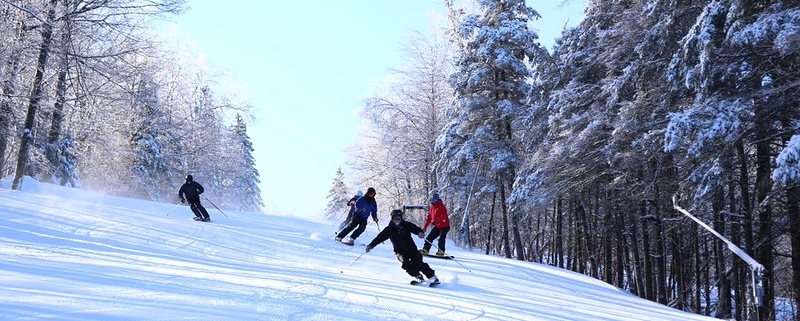
Ski New Hampshire has collated some tips and deals offered at New Hampshire ski areas to make skiing accessible to as many people as possible and help families plan an affordable winter ski getaway.
Many ski areas across the Granite State offer exciting opportunities for seniors to save, including generous discounts on senior passes, complimentary skiing for those aged 80 and above, and specially designed programs that encourage camaraderie among participants. To receive discounts, skiers will need to present a valid ID.
Attitash Mountain Resort, Wildcat Mountain, Mount Sunapee, and Crotched Mountain have Epic Northeast Senior Passes that allow seniors 65+ to enjoy these mountains and 17 more while saving $100 or more depending on the pass option selected. Interested skiers should buy their pass before Dec. 2.
Seniors 80+ can enjoy another multi-mountain ski pass option and ski the season at Loon Mountain Resort along with sister resorts Sunday River and Sugarloaf through their Super Senior New England Pass for just $30. Seniors and others wishing to explore other multi-mountain season pass deals can learn more about these passes at SkiNH.com/deals/season-passes.
Great savings also exist for seniors evaluating single ski area season passes. McIntyre Ski Area provides seniors 65+ a season pass for just $50. Gunstock Mountain Resort offers discounted Winter Prime, Midweek, and Nordic passes for seniors aged 60-69 deals for alpine and Nordic passes, and seniors 70+ can purchase a Winter Prime Pass with unlimited skiing for just $55. Jackson XC discounts its Nordic season passes as well as its trail passes for seniors aged 70+.
Seniors looking for deals on single-day lift tickets should note the discounts available at the following resorts:
Seniors 80+ can ski free any day at Dartmouth Skiway, Bretton Woods, and Ragged Mountain Resort and on weekdays at King Pine. NH-resident seniors 65+ ski free Monday-Friday at Cannon Mountain (must book online). Seniors 65-79 can ski Monday through Thursday for less than $50 (must book in advance) at Bretton Woods and Ragged Mountain Resort; and seniors 65+ save $10 off rates at Pats Peak. Additional information at these and other resorts can be found at SkiNH.com/deals/senior-deals
For cross-country day pass deals for seniors, Bear Notch Ski Touring offers seniors 65+ day passes for just $20, and seniors 75 and over ski or skate free at Mt. Washington Valley Ski Touring & Snowshoe Center and Nordic Wolfeboro XC.
For those looking to ski and socialize with other seniors, Waterville Valley Resort offers the longest-running senior skiing program in the country (50+) called Senior Streaks. The program includes weekly clinics, social events, and more throughout the season.
Look for SeniorsSkiing’s full list of the Best Senior Deals in North America next month.
Ski New Hampshire is the statewide association representing 30+ alpine and cross-country resorts in New Hampshire. For more information on deals, ski areas, trail conditions, vacation planning, and updated winter events at Ski New Hampshire resorts, visit SkiNH.com. For statewide travel info, go to VisitNH.gov.

 Submitted by Alyssa Lambert
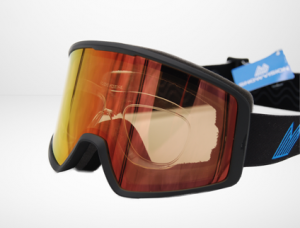
Last season was my best ski season in many years thanks to my new Snowvision prescription ski googles. I wear progressive prescription eyeglasses (I am unable to wear contacts) and have been struggling for years to find the best option for me to see while skiing.
Over the years, I’ve tried different googles to go over my glasses, a helmet with built in visor, and just wearing goggles without my glasses. None of these options worked for me and each season I was frustrated, and determined to find something that would allow me to see the slopes in all weather conditions, read trail signs and maps, not fog up and be comfortable. The Snowvision goggles met all my expectations!
This ski google has a fixed custom prescription inside, an adjustable strap, and lens technology to eliminate fogging and use in all weather conditions. The goggles integrated easily with my ski helmet and were very comfortable. I skied in cold/warm weather, sun, clouds, even heavy snow, and the goggles provided excellent visibility and did not fog up.
I was finally able to enjoy skiing again! I could see the trail and bumps which increased my safety and my confidence! In addition, I was able to easily read trail signs and maps on the mountain, making skiing much more enjoyable, since I no longer had to take off my googles and put on my prescription glasses each time I needed to read a sign/map, as I have had to do in the past.
The only drawback was not being able to read the small print clearly on my phone while wearing the Snowvision prescription google, but that was no longer a problem once I increased the font size on the phone.
Ordering is easy. Choose your goggle style/color and either email, upload, or fill in an online form with your current optical prescription.
Overall, I believe I had the best ski season because I was able to see! My love for skiing has increased thanks to the Snowvision custom prescription goggle! I highly recommend this ski google to anyone who has struggled with their vision while skiing due to wearing prescription glasses and not finding a good solution.
 The lifts already are operating at some Colorado ski and snowboard resorts, but it’s not too late to tell you what’s new for the season, including new lifts and terrain and bargain-priced lift tickets and lesson plans.
In alphabetical order, since that’s the only fair way.
Arapahoe Basin is rolling out two group lesson deals for guests looking to learn and/or improve their skills: $225 half-day morning lessons and $199 half-day afternoon lessons. Both packages include lessons, gear rental, and lift tickets. Sustainability is a priority at A-Basin, which also is celebrating its first full season of carbon-neutrality.
Aspen Snowmass: Skiers and snowboarders can look forward to an all-new lift, the Coney Express, on Snowmass. The new high-speed quad replaces the Coney Glade chair, but with better access and increased base area loading capacity, including a new loading terminal in the Snowmass base area across from the Snowmass Mall. The new Coney Express also features a midway station for access to and from the world-class Snowmass terrain park and all-new access for foot traffic guests to Lynn Britt Cabin and the Spider Sabich Race Arena.
Renovations to the Lynn Britt Cabin, located at mid-mountain on Snowmass, include an extended patio, outdoor grill, and bar area for après parties and specials, live entertainment, and snowcat dinners throughout the 2024-25 season.
Copper Mountain continues its Play Forever Thursdays program with $99 discounted lift tickets, with a portion of proceeds benefiting a non-profit community partner. Also, the new Timberline Express chairlift improves access to the resort’s popular intermediate terrain. The new six-person lift replaces the old quad, greatly increasing uphill carrying capacity. The replacement project is one part of Copper’s multi-year development of the Western Territory, aimed at providing a better skiing and riding experience for all levels.
Echo Mountain, the closest ski area to Denver, helps skiers and snowboarders save with the best prices available when you book online ahead of time for a visit early (or later) in the season.
Eldora is boasting about its new Caribou Lodge, which will serve as a new children’s learning center and the headquarters for Ignite Adaptive Sports. Caribou Lodge also features new restrooms and food-and-beverage facilities and will serve as a hub for the lower-mountain.
Granby Ranch is offering a weekday season pass for $369 and an unrestricted season pass for $619. Night skiers can enjoy expanded Twilight Skiing from March 10–20, when Granby Ranch extends lift operations until 5:30 pm, allowing more skiable hours once Daylight Savings Time takes effect. Uphillers can look forward to all-day uphill access, allowing ticketed uphillers to skin up the East and West peaks during the normal operating hours.
Howelsen Hill takes Sunday Funday to an entirely new level with free skiing every Sunday throughout the winter season at North America’s oldest operating ski area, in the heart of downtown Steamboat Springs.
Loveland Ski Area is a new-this-season member of the Indy Pass and offers free snowcat skiing along the Continental Divide, giving skiers and snowboarders access to some of the resort’s most exhilarating terrain. There’s also a modernized rental fleet, with Grip Walk soles on all ski boots that help prevent falls.
Monarch Mountain is celebrating 85 Years of Independence this season. Teams spent the summer building an access road, extending powerlines, and clearing trails in the expansion area called No Name Basin. The development adds 377 acres of primarily intermediate to advanced skiable terrain on the west side of the Continental Divide in the 2025-26 ski season.
Powderhorn Mountain Resort is freezing or reducing lift ticket prices and expanding affordable programs to address inflation and provide relief to guests, including lower-priced menu options, expanded free learning programs, and discounted passes for students and military personnel.
Purgatory has added 200 sets of new skis and snowboards, increased parking, and self-service ticket pickup boxes that will put skiers and snowboarders where they want to be—that is, on the slopes—faster than ever.
SkiCooper discounts day passes and rentals are purchased online at least 2 days in advance.
Silverton Mountain offers a $449 Premium Pass that now includes new free ski days at partner mountains, including at Arapahoe Basin, Monarch, Loveland, and Powderhorn.
Sunlight Mountain Resort has implemented new RFID cards that streamline the ticketing process will enable skiers and snowboarders to get to the slopes faster this season.
Steamboat Ski Resort had a major expansion last season with the Mahogany Ridge expansion and extended Wild Blue Gondola. For this season, there is increased snowmaking acreage using new, automated, low-E snowmaking throughout the Sunshine area, ensuring that some of the most popular terrain will be early in the season. Steamboat also celebrates the 50th anniversary of its legendary Cowboy Downhill ski race.
Winter Park Resort is introducing a learn-to-ski guarantee: if, by the end of your third lesson, you can’t ski the 10 green trails they’ve identified, your fourth lesson is free. The Kids Ski Free program also includes a free lift ticket with each ski lesson and free rentals with an adult three-day rental package. There’s also $37 million in improvements to snowmaking this season, to make snow more efficiently and allow the resort to open more terrain earlier in the season.
Colorado Ski Country USA Passes Help Families Ski Together
These Colorado multi-mountain passes are available to everyone from Colorado residents to snow lovers from around the country and even the world.
See you on the slopes!
Senior skier writes letter to his younger self.
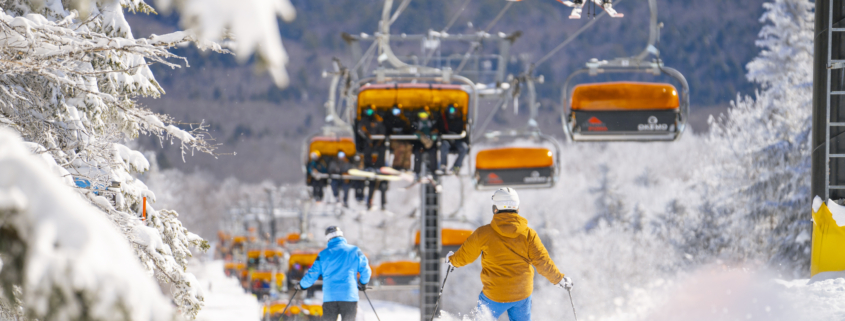
Credit: Okemo Mountain Resort
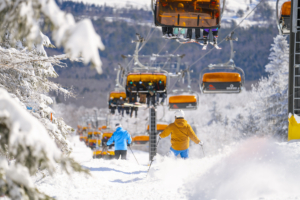
With eight Vail Resorts’ ski areas spread across Vermont, New Hampshire and New York, there is a lot to get excited about for the 2024/25 winter season. Skiers and riders have just days left to save up to 65% compared to lift ticket prices before Epic Day Passes go off sale for the season. All Epic Passes, including Epic Day Passes, are only available until December 2, providing the best value for guests planning to ski or ride even just one day this season.
An Epic 1-Day Pass with access to Stowe, Okemo, Mount Snow, and Hunter in the Northeast is $98 for adults ($48 for kids), providing up to $141 savings compared to the cost of purchasing a 1-day lift ticket in resort. For Mount Sunapee, Attitash, Wildcat, and Crotched in New Hampshire, an Epic 1-Day Pass is $61 for adults ($32 for kids), providing up to $90 savings compared to the cost of purchasing a 1-day lift ticket in resort.
With Epic Day Pass, the price per day decreases the more days a guest plans to ski or ride, up to seven days, with the option to choose which resorts they want to visit. Guests can also add peak day access when building their Pass for an additional charge. All Pass Holders receive 20% off group ski and ride school lessons, on-mountain food and beverage, lodging, equipment rentals, and more with Epic Mountain Rewards.
“We know how important value and flexibility is to our guests as they plan for the winter ahead,” said Courtney Goldstein, chief marketing officer for Vail Resorts. “That’s why we created the Epic Day Pass, so skiers and riders can build their own Pass to use at their favorite mountain resorts, lock in incredible savings compared to the cost of lift tickets, and then decide later when and where to ski and ride.”
All Epic Passes go off sale December 2 – including the full Epic Pass ($1,107 adult, $546 kids), the Northeast Value Pass ($652 adults, $490 senior, $458 college), Epic Local Pass ($859 adults, $417 kids), Epic Military Pass ($223), plus Epic Local College Pass ($720), and Adaptive Pass ($492).
Check out all Epic Passes on epicpass.com before they go off sale on December 2. No reservations will be required at any resort, except Telluride Ski Resort. Passes are non-refundable except through Epic Coverage. Lift tickets will be limited this season across all 37 North American resorts.
Credit:Rinat Khairitdinov
There are plenty of special events on the calendar at our favorite winter resorts, including World Cup and other races worth a visit. Here’s the schedule for the first part of the 2024/25 season, for you to watch or even participate in – plus one super-cheap lift ticket deal for grown-ups and another for kids.
Now that I have your attention –
Jackson Hole Mountain Resort (JHMR) will host the wildly popular Ski in Jeans Day for the second consecutive year, on Saturday, Dec. 7. Guests who dress in their favorite denim can hit the slopes for just $25, or $199 for a three-day lift ticket. Plus, there are discounted rentals and lessons, giveaway surprises, and the chance to ride mechanical bull during après-ski celebrations in Teton Village.
Last year, the first Ski in Jeans Day set a new world record for the most people skiing and riding in jeans at 3,114, and event organizers are optimistic there will be a new record this year. JHMR has partnered with Performance Denim apparel company Ripton for Ski in Jeans Day. Ripton will offer exclusive JHMR patches to customize any denim worn during the event, as well as a photo booth for participants to capture the moment with printed and digital imagery.
Copper Mountain invites world-class skiers and riders to compete in the Toyota U.S. Grand Prix halfpipe event, happening Dec. 18–21 on the resort’s 22-foot Superpipe in Center Village. The event will feature the best athletes on the World Cup circuit in their first North American competition of the season. Copper is the Official Training Center for the U.S. Ski & Snowboard Team, so this is your chance to test your skills against them.
Aspen Snowmass is hosting three top competitive events this season – X Games, the world’s premier action snow sports competition on Buttermilk Mountain, January 23–25; the Toyota U.S. Grand Prix, January 30–February 6, on Buttermilk’s famed slopestyle course and halfpipe; and the launch on March 7–8 of The Snow League at Buttermilk, the first professional winter sports league entirely dedicated to snowboarding and freeskiing, created by world-renowned Olympic snowboard champion Shaun White.
$69 Season Pass for 4th, 5th, 6th Graders
Once again this season, Ski Utah is offering a $69 season pass to any 4th, 5th or 6th grader, regardless of their home state. The Passport Program is designed to get kids on the slopes – and also save money for their parents and grandparents. It’s good for three days at each of Utah’s 15 resorts. That’s up to 45 days for $69 – which is less than $2 per day on the hill. Now that’s a deal! More information here. https://www.skiutah.com/passes/passports.
See you on the slopes!

 When I first started skiing way back in the late sixties, I had no instruction to introduce me into the sport. I had heard many stories from friends who would take their buddies to the top of the mountain and take off, leaving the beginner skier struggling to get down and probably scared to death.
So my approach would be more structured. I would not go to the top until I was able to stop, slow down and turn. After a trial and error, I was able to negotiate the beginner runs at small areas near me in the Northeast, and eventually felt confident enough to join some buddies at Killington, a big step from small to large area.
They left me alone on a beginner area until I felt confident that I was parallel skiing, or, at least, close to it. That afternoon, I talked them into taking me to the top of Ramshead, which turned out to be a disaster.
It took me an hour to make it down, by which time I had lost all the confidence built up that morning. But this was the learning method of trial and error then, and probably still is. I joined some learn-to-ski programs at local areas and progressed to considering myself an advanced intermediate skier.
Then disaster struck again, in moguls. Skiing then was sitting back and skidding the tails of the ski around to help make the turn. It turned out to be a lot of work, and by the day’s end you were exhausted from fighting the hill on every descent.
In the mid 90’s, I went to Sugarbush. The weekend started with a meeting where we discussed how to take deep breaths and other breathing techniques to help relax your body and feel the internal energy. It was really an informal introduction to Tai Chi.
So, what did this have to do with skiing? It turned out to be skiing with your mind and body, being aware and a method of helping you to relax and you as ski down a slope.
Many of us, especially seniors who ski, are in a state of rigor mortis and limited flexibility on skis. You can see that with skiers clutching the poles as tight as they can, moving down the slope in a rigid manner. If you were inside their boots their toes are scrunched together until they hurt, as if they were what was going to stop them as they picked up speed on the trail.
In the afternoon, we practiced feeling the turns, lunging downhill to help you get out over your tips and the skis will miraculously follow you. We also learned to totally relax, the hands, feet, and entire body with deep breathing. I found that helped in feeling my skis turn and for the first time. I was not fighting the hill but being part of the hill.
A very quick course on what was called” Centered Skiing” or” Inner Skiing” skiing within yourself. What a wonderful awakening! That weekend improved my skiing 200% to a stress-free sport that I love to do.
To this day, I continually ski taking deep breaths and feeling every turn as I gracefully descend the slope. Feeling the ski turn in my mind as I watch the tips carve a turn on or through the snow. With today’s the improved equipment it is more and more effortless to ski, and it helps to make the sport more and more enjoyable as the years have progressed.
All this now is a state of mind, I practice breathing and focusing on the slopes, on the golf course and when I play racquetball. All because of that weekend at Sugarbush, many years ago.
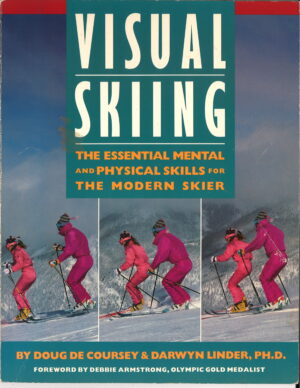
I did purchase two books great books on the subject, and have read them both “The Centered Skier” by Denise McCluggage and “Visual Skiing” by Doug De Coursey and Darwin Linder, PH.D.
On the back cover of McCluggage’s book, the centered skiing book, it states, “you can ski like you ski in your dreams“. Believe it.
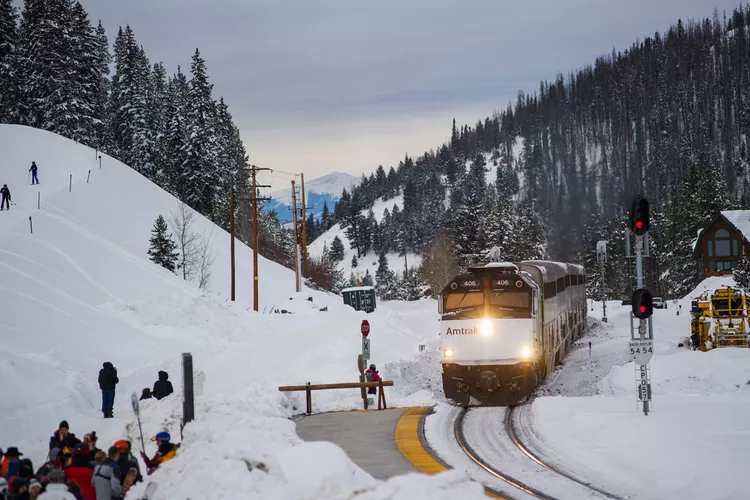
 Want to avoid nightmare traffic gridlock on I-70? You are not alone. Because of increased demand last season, Amtrak is increasing service this season on its popular Winter Park Express Ski Train, with fares starting at just $19 each way. What a deal.
The Amtrak Winter Park Express glides between Denver and the foot of the slopes at the Winter Park Resort, voted North America’s best ski resort and Colorado’s top adventure town. This year, there is an additional stop at neighboring Fraser, Colorado, gateway to Breckenridge, Keystone, Vail, Beaver Creek and A-Basin. Or, stay in town to learn about Fraser’s frontier history at the Cozens Ranch Museum.
To meet growing demand, the ski train now starts in December – one month earlier than last season, when it started in mid-January – operating the last two weekends of this year, December 20 – 22 and December 27 -29, plus January 3 – 5.
Expanded service begins on January 9, with trains on Thursdays, Fridays, Saturdays, Sundays and Mondays through March 31. One-way fares start at $19, with kids fares (age 2 – 12) starting at just $9.50. Additional discounts are available for seniors, students, members of the military and customers with a disability.
Pack your skis or snowboards as carry-on for no additional charge, to be placed in a dedicated baggage storage area.
Coach class features wide, reclining seats with a big picture window, ample legroom and no middle seat. And free wi-fi. There’s also a bi-level Sightseer Lounge, offering panoramic views of the Rocky Mountains and Moffat Tunnel from upstairs and café service with snacks and drinks for sale downstairs.
Train Schedule
The Winter Park Express travels between Denver Union Station (DEN) and Winter Park Resort (WPR), with an additional stop in Fraser-Winter Park (WIP).
The train departs Denver (DEN) at 7:00 am, arrives in Winter Park (WPR) at 9:11 am, and in Fraser-Winter Park (WIP) at 9:41 am.
The return trip departs from Fraser-Winter Park (WPI) at 4:05 pm, Winter Park (WPR) at 4:35 pm, and arrives in Denver (DEN) at 7:05 pm.
To book a trip, use these station codes in the fare finder above or download the Amtrak app.
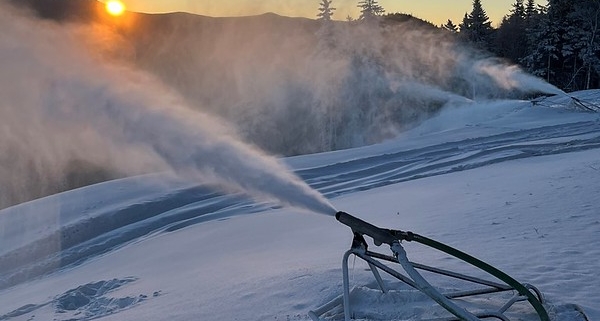
Sunrise 2024 at Bretton Woods Credit: Ski NH
New Hampshire’s downhill and X-C areas have been busy all summer expanding snowmaking, widening and reconfiguring trails, renovating buildings, and adding new technolgogies to make it easier and faster to get to the lift.
Several of the improvements are one phase of a multi-year plan.
Here’s what’s new up north, in alphabetical order, since that’s the only fair way.
Attitash Mountain
In preparation for its 60th Anniversary this season, Attitash has been sprucing up its facilities, including a new haul rope on the Abenaki, and is bringing back the Hunky Dory trail for natural skiing and riding.
Cranmore Mountain Resort
The new Lookout building is being completed, adjacent to Cranmore’s new Fairbank Lodge at the base of the mountain, plus the resort has added 17 new residences with ski-in/ski-out access
In addition, Cranmore’s patrol team is getting its own state-of-the-art ski patrol facility. double the size of its predecessor, strategically located opposite the base of the Skimobile Express. It will feature a small urgent care room with two emergency treatment beds donated by Memorial Hospital, two oversized treatment recliners and an electric garage door with rollers for smooth trauma sled delivery. Let’s hope you never need to use it.
Crotched Mountain
New fiber optic lines will enable large amounts of data to be transmitted reliably at higher speeds. This will result in improved communication for both guests and operations personnel across the mountain.
Great Glen Trails
This smaller resort also invested in energy-efficient snowmaking, adding power to the top of the tubing hill so that the snow guns will be electric-powered.
Gunstock Mountain Resort
This year’s phase of a $4.8 million capital expense plan included $1.6 million for snowmaking expansion on the mountain, widening one trail, and extending and reconfiguring another.
Additional plans include expanding a deck for outdoor dining at the Stockade Lodge, and a new Campground and Nordic Skiing Welcome Center. The new $1 million structure will provide visitors with modern facilities, a spacious check-in lobby and expanded retail space for equipment, clothing, provisions and sundries.
Jackson XC
The popular Kellogg Trail has been rebuilt to make it more weather-resistant and easier to ski, by moving it away from an eroding river bank, and reconfigured to make it more skier-friendly. Adjustments on the Ellis River Trail reduce the amount of climbing and ease some previously challenging curves. Other trailwork was done to improve conditions for the Riverbank Trail, a beginner trail that includes the popular Storybook Path.
Improved pumping capacity will help extend snowmaking to include additional distance on the Wentworth Resort Loops.
King Pine
The resort in East Madison has refreshed the snack bar for easier access, and is revitalizing its Nordic program with a new grooming machine to get more trails open this season.
Good Deal – One of the most anticipated events on the King Pine Calendar is Founders Day, with $4 tickets. This season it takes place on Dec. 19th. $4 lift tickets for anybody and everybody. Tickets must be bought online in advance.
Loon Mountain Resort
Loon has added more than 100 new semi-automated snowmaking hydrants on Loon Peak and North Peak trails, including Haulback, Brookway, and Bear Claw Extension. Snowmaking upgrades have also been expanded to South Peak trails including Cruiser, Ripsaw, Escape Route, and Chipper.
Additionally, snowmaking has been installed on Upper and Lower Stinger. Together, nine trails will see improved snowmaking coverage.
A new snow-melt surface has been installed on The Octagon Lodge Patio, to keep it clear, and there’s a new walkway that improves flow to and from the Octagon Lodge.
Mount Sunapee
There are 20 new upgraded snowguns. Along with low-e snowguns, these will improve snow production, snow quality, and energy efficiency.
Pats Peak
The resort in Henniker is installing 12 new HKD Impulse snow guns on Downdraft trail. This equipment provides an efficiency boost of at least two degrees, which might not seem significant, but in the realm of snowmaking, the difference between 26 and 28 degrees is substantial.
There is also a new 19,000-square-foot Operations Building, which will expand maintenance capabilities by over 400% and streamline operations.
Whaleback Mountain
The new Sunkid surface lift next to the Lower Spout racing trail will provide a more direct path to the racing trail, along with improved access to Canyon and Scrimshaw trails, home to Whaleback’s terrain park. This additional lift will help improve skier/rider flow during peak periods, and in providing access to the lower mountain, enable the ski area to open earlier.
Also, with a $100,000 grant awarded through the Northern Border Regional Commission and matching funds the Enfield is installing additional snowmaking guns, a water pump and an upgraded electrical supply, effectively doubling its snowmaking capacity.
New RFID Technology
Radio Frequency Identification (RFID) is a technology that uses radio waves to passively identify a tagged object. It is integrated into season passes, day tickets, and other products at ski areas, including to automatically open lift gates. It can be reloaded from the comfort of home or during the car ride up, allowing guests to go right to the lifts.
This year, Bretton Woods, Cranmore Mountain Resort, and Pats Peak are introducing RFID ticketing.
Ski New Hampshire
Thanks to the statewide association, which represents 30+ alpine and cross-country resorts in New Hampshire, for providing us this “what’s new” information.
For more information on ski areas, trail conditions, vacation planning, and events at Ski New Hampshire resorts, visit SkiNH.com.
For statewide travel info, go to VisitNH.gov.
See you on the slopes!
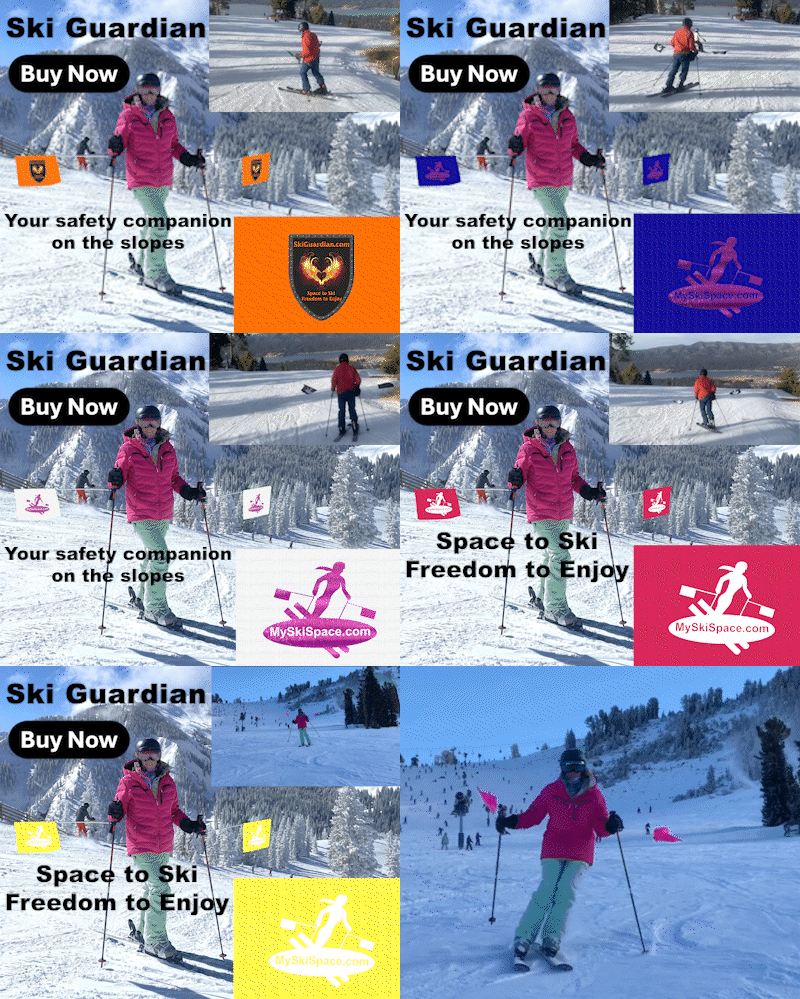
It’s not often SeniorsSkiing.com gets to tell you about a product that can potentially save lives on the mountain. We want to introduce you to the Ski Guardian; your safety companion on the slopes.
Safety on the slopes is a top priority, and that’s where Ski Guardian shines. This lightweight and versatile personal flag system is designed to create a visible boundary around. It increases your visibility on the mountain to help prevent collisions, especially on crowded slopes or in low-visibility conditions. Ski Guardian encourages other skiers and snowboarders to respect the recommended 10-15 feet of distance, offering peace of mind for riders of all ages. The device has two flexible 32-inch-long polycarbonate rods with flags at the ends, providing 32 inches of protection on each side.
The Ski Guardian attaches easily to your ski poles with two small screws and a Hex key which are provided. They can be removed without damage if you change poles. They can also be trimmed to fit a kid’s ski poles. One of the key features of Ski Guardian are its collapsible rods, which are perfect for navigating narrow areas or getting on and off the lift. With the rods collapsed, they never become an obstacle or inconvenience. This safety accessory ensures you can ski confidently, knowing you’re doing your part to prevent accidents.
The extended flags can increase visibility during emergencies too, helping you stay visible to rescuers and other skiers or snowboarders. The flags also provide a social element by helping friends and family find you on the slopes. They are great for ski clubs since they can easily identify members on the mountain. Ski Guardian can also accommodate flags with custom made club or company logos. Want to use a personal flag of your own? The Ski Guardian can also be purchased at a reduced price without the flags so you can put your own personalized flags on the rods.
Ski Guardian is more than just a safety tool—it’s peace of mind. It’s simple yet powerful design creates a visible boundary, urging other skiers and snowboarders to maintain a safe distance, especially in crowded or impaired conditions. We all know the recommended 10-15 feet distance is often overlooked on the slopes, but with Ski Guardian, that guideline becomes much easier to follow.
In conversations with many ski patrollers in the United States and Canada it’s clear patrollers believe the Ski Guardian can effectively reduce ski-related injuries or fatalities. The Patented Ski Guardian safety devices should become as common as helmets are now. Like helmets, which were once optional and are now essential, we believe Ski Guardian is on the verge of gaining the same level of acceptance. The concept is simple, but its potential to enhance safety is undeniable. With more exposure, Ski Guardian can become the next critical safety accessory for everyone on the mountain—whether you’re a beginner or a seasoned skier.
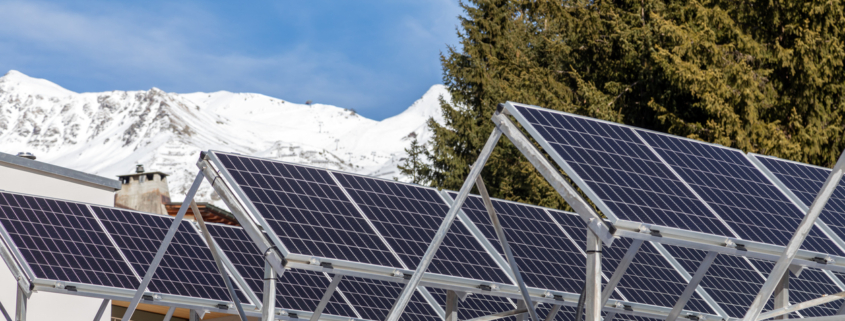
Flat roof solar power plant in the alps Photo Credit: Canetti
The snow sports industry has been in a quandary about climate change. Some in the industry see snow sports as the “canary in the coalmine,” which translates to ski areas facing shorter seasons due to global warming. Statistics show that the snow sports population and skier visit numbers have mostly plateaued in recent decades. Relevant factors regarding the lack of growth include the aging population of skiers, economics and the cost of skiing, available time, and global warming (climate change).
In a recent North American Snowsports Journalists Association (NASJA) discussion session, a panel of interested parties discussed climate change and the snow sports industry. One long-time snow industry pundit, stated that “global warming is already baked in” and “some owners in the industry are preparing exit strategies and maximizing their profits before they go,” commenting that this is how Wall Street works. The meteorologist on the panel stated that “December is now a fall month and many broadcast weather personalities only reference the daily weather and astrological information while being guilty of meteorological malpractice because they refuse to educate and alert the public about climate change.”
There was also a clean energy/government consultant panelist who was comparatively more optimistic than the other panelists, stating “the Inflation Reduction Act will take about a decade to show results, and there is a need to deliver the climate facts in a nonconfrontational and unbiased manner.” She also saw clean energy as an investment opportunity that is preferable to the fossil fuel industry. The panel discussed various related issues including snowfall history, shrinking European glaciers and even mentioned a coming book about climate change and ski racing, but they never mentioned adaptive skier behavior.
Last Winter in New England
I learned that a local New England Nordic ski area’s 2023-24 winter season operation was open for 65 days and was closed for business from December 16 to January 17. The 10-year average of the number of operational days for the area is 93 days, so last year there was a 30% decline of operational days including loss of the December holiday period.
The Nordic area had four days above freezing during the season and significant snowfall occurred only 4 times once each in December, January, February, and March (64 total inches of snow for the winter). On a monthly basis the amount of snow alternated with January and March getting more than two feet while December and February received about two inches! The local alpine ski areas can make snow for more consistent conditions, but warm periods and rain events suggest that they were impacted similarly. A local alpine ski area reported a 74 day season in 2023-24 compared to normal 90 day seasons.
Were the last season statistics due to annual weather patterns or longer trend climate change – science proclaims the answer, but I suppose that we are not aware of the amount of impact annual weather versus climate change is responsible for a given day on the slopes or trails. As a New Englander who relies on Nordic skiing and snowboarding for mental and physical wellness during the winter, I Nordic skied 51 times in 2023-24 and about 20% of the days were skiing on slushy or icy short loop trails. I went snowboarding 19 times. This is what semi-retirement looks like for the snow sports aficionado, who lives in snow country. But I’ve incorporated the impact of global warming in my snow sports activity and there is evidence of ski behavior adaptation that seem to be related to climate change.
Skiing Behavior Adaptations
Personally, I like to ride on sunny days and before I leave my home for the slopes, I pay attention to hourly daily temperatures and I often plan to arrive at the ski area on warmer days for softer snow conditions. My advance planning includes the use of ski area weather reports, webcams, and so on and it has worked very well.
It is apparent at alpine ski resorts that many midweek skiers leave the area before noon and this might explain why so many small ski areas only open their mountain restaurants on the weekend. One day last year I was excited about a half foot snow overnight and arrived at a local ski area in the morning to find almost three full parking lots. I never stopped my car, turned around and went home deciding to return later in the week. The mega ski passes allow skiers to hit the slopes more often for shorter time periods and there are still fewer midweek patrons on the slopes. Most skiers among the weekend crowds learn to select slopes and lifts to minimize their lift line ensnarement.
Many skiers wait for snowmaking to accumulate in the early season until there are more trails open to ski. Fairweather skiers take advantage by going when the snow conditions and weather are most palatable (waiting for warmer temperatures or avoiding crowded days).
I prefer to go Nordic (XC) skiing on the weekend or when it is colder because groomed Nordic ski trails are very skiable, there are no crowds as fewer people go XC skiing and the skiers are spread out along miles of trails, it’s easier to keep warm while XC skiing (muscle utilization warms the body), and Nordic area trail passes are significantly less costly compared to the weekend/holiday rates at alpine ski areas.
For XC skiing, there are days when skate skiing is excellent on hardpacked or frozen groomed trails and other days when classic skiing makes skiing harmonious for outdoor immersion in nature.
Most ski areas and snow sport product suppliers are investing in sustainable efforts in their operations such as renewable energy sources, waste reduction, operational and snowmaking efficiencies, electric vehicles, political lobbying, and so on. These efforts are worthwhile and commendable but they’re a drop in the bucket when it comes to combatting global climate change, but most of the companies in the snow sports industry are moving forward.
Snow sports are important as a winter recreation for people but there is a substantial cost paid even in the snow sports business in terms of climate change. Scientists claim that they are able to forecast outcomes and calendars but we do not know the type of adaptations that will be undertaken for the snow sports business to continue, nor do we know how quickly global warming may change how and when we ski. But we can guarantee that skiers will continue to adapt as necessary to continue enjoying their winter pastime.
Credit:ultramarinfoto
Helping seniors stretch their skiing budget is and has always been a pillar of SeniorsSkiing.com We’re sorry to report we recently learned Telluride has discontinued its season pass for seniors and its free season pass for skiers 80 and over.
Purgatory and Sunlight are now the only resorts in Colorado offering free season passes to those 80 and over. * (Lake County-owned Ski Cooper has a $10 season pass for skiers 75 and up, Monarch offers a $29 pass for skiers 69 and up and Powderhorn offers $29 passes for skiers 75 and up.)
We encourage our readers to support the areas that recognize there are benefits to having seniors on their slopes beyond the price of the pass.
One reader told us he has a discounted senior pass to his local ski area. He used it 19 days last season. Each time he bought lunch for around $30. He had his equipment tuned twice. He brought his kids and friends several times who bought day tickets. He says if he had to buy a full priced pass that spending would have been zero because he would no longer be a patron.
For more on how seniors and resorts reached this point, we encourage you to visit The Colorado Sun at www.coloradosun.com to read “And then There Were Two” by Jason Blevins.
https://coloradosun.com/2024/09/26/telluride-free-skiing-seniors/

Credit:Yelizaveta Tomashevska
Editors Note: Here are some important pre-season readiness tips from Tom Arnold, owner of Powder Cord Pouches and purveyor of Buckletite boot levers, the HotBuns warmer and the SeeBlade goggle wiper. Follow Tom’s lead to ensure your gear is ready to make the first day of this season as memorable as your last day last season.
The 2024-2025 season will be upon us before we know it. Will you be ready? Here are a few tips to ensure your first day this season will be as memorable as your last day last season.
Let’s start with your skis. If you have more than fifty days on them since their last visit to your preferred ski tech, consider taking them in for a full tune-up/base structure evaluation. This should include P-texing any base dings, flattening and waxing the base itself, sharpening the edges, lubing and checking the functionality of the bindings, ensuring you have the correct DIN setting to prevent the bindings from releasing prematurely or not releasing at all and – this is important! – checking the torque of the special screws that hold the bindings to the skis. On rare occasions, all or part of the binding can rip loose from the ski causing a catastrophic crash. You will need to leave your boots with your skis for this test.
If your skis are fairly new with perhaps only a dozen or so days on them, you can prep them for this season yourself. Get a chunk of wax at your ski shop, pick up a bottle of ski base cleaner and if you don’t have one already, a waxing iron. You’ll also need some sort of strap to lock the brakes out of the way so you can work on the bases.
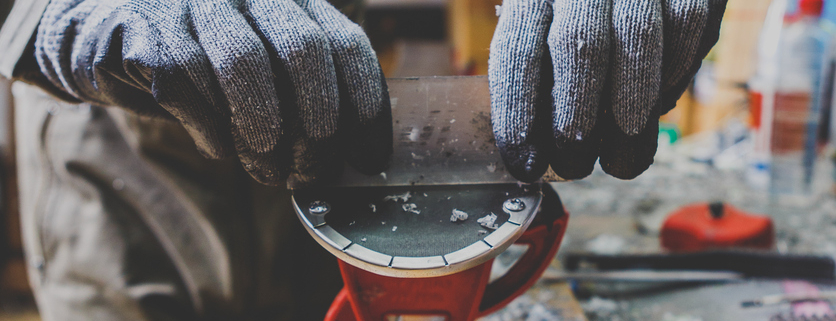
First, clean the bases according to the directions on the bottle of base cleaner. Be sure to let them dry completely before you start dripping wax on them. When they are dry, dribble wax on the bases and iron it in. Tognar Ski Tool has a good how-to video on ski waxing. (www.tognar.com/how-to-hot-wax-skis-or-snowboards). You’ll get the feel for how much pressure to apply, how hot the iron should be and how long to keep the iron on the ski. Let the wax set for a while before you scrape it off with a stainless steel or plastic scraper. Scrape from tip to tail (that’s the direction the snow moves under your skis). Be careful to get a flat, smooth base without removing too much wax.
Next, your boots. You skied hard last season and sometimes your feet would sweat as witnessed by your socks when you stepped out at the end of the day. Don’t for a moment imagine that those damp socks kept your liners dry! They’ve been absorbing moisture and salt like there’s no tomorrow. You need to take the liners out of your boots and, if you have removable foot beds, take those out of the liners as well. Fill up a bucket with warm, sudsy water and slosh those liners and foot beds for several minutes. You will be amazed at how dirty that water is, especially if you’ve had your boots for a few years and this is their first bath. Once they’re as clean as you can get them, dump the dirty, soapy water and begin rinsing the liners in clean warm water. You may need a few basins of water to be sure there is no residual soap. It doesn’t hurt to wash the boot shells as well, inside and out. Finally, let the shells and liners air dry somewhere outside but not in direct sunlight. Don’t be surprised if drying takes several days or even a week or two. The main thing is to be sure they are completely dry before you put them in your closet. Leave them disassembled (liners and foot beds out) until you need them this season.
With your skis, boots and bindings in top condition, you’re good to go with confidence come opening day.
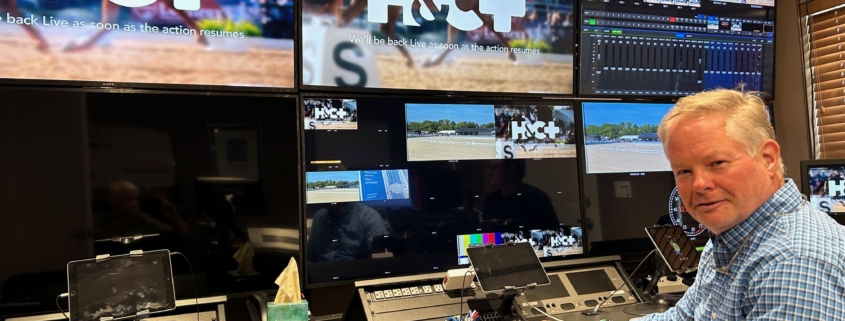

Jim Carr at Carr Hughes Productions in Saratoga Springs
If you were like me, you were glued to the TV last August, watching the Summer Olympics from Paris, especially the track and field events where American Noah Lyles became the “Fastest Man on Earth” by winning the 100 meter dash.
The thrill of victory by one one thousandth of a second – 1/1,000 — a whisker: faster than the blink of an eye; less time than it takes to exhale. But despite the slimmest of margins, at home on TV, you were able to see there was no doubt about the outcome, in large part because of the work done by Jim Carr who produced the the highlights of that broadcast for NBC.
It was no small undertaking. ” We had 110 cameras available to us in Paris from NBC and the world camera feed at track and field, about 25 of those covering the finish line ” noted Carr about the scope of production.
The Olympics Games is the all star game of television broadcasting. The combination of live and packaged telecasts over two weeks doesn’t get any bigger than this. The producers are the quarterbacks of the operation, determining how events will be featured. It means determining the content of the broadcast, prepping the announcers, choosing the graphics, plotting coverage and helping directors set up the visuals. Some of it is live and , in Jim’s case, it can be after the competition pulling together the highlight shows for prime time in the US. .
As you might expect with an event this big, the 60 year old Carr is no rookie when it comes to who is at the controls for the marquee broadcast on the World sports calendar. This is the 17the Olympics for the Saratoga NY based television veteran who is already thinking about number 18 and what he’ll be doing at the Winter Games in Italy in 2026.
Although he isn’t certain what his assignment will be, he already knows what the scope can be.
‘For an outdoor event like the downhill event, there may be 100 cameras or more engaged for the race: large studio cameras on platforms, point of view cameras that shift along the run, sophisticated hand held cameras, and helicopters and drones in the air above the course. All of this will be plotted out long in advance, in some instances as soon as this winter more than a year before the event.”
At the winter games In 2022, Jim was all set as a post production producer of figure skating from Bejiing when the network asked him to double up and take on the snowboard competition too. In a year when much of the US coverage was staffed remotely from studios in Connecticut, Carr was on scene at two locations in China. Shifting assignments on short notice is not unusual, it seems. Just before leaving for Europe for track and field this summer, he was called to Connecticut to help with the remote network coverage of the spectacular opening ceremonies on the Seine River in Paris. .
Being in the right place at the right time has been a hallmark of Carr’s career from the start. The upstate New York native watched the 1980 Winter Olympics from Lake Placid as a teenager and, a few years later after graduating with a degree in communications from the nearby state college at Plattsburg, was hired by the local television station. He and an on- air colleague were sent to provide local coverage of the 1988 Winter Games in Calgary. There he worked in the same space as the network and international television crews. He made contacts. It was the era of expanding television opportunities with cable stations and 24 hour sports broadcasting. He hasn’t looked back since.
After several years with AMPS, a local production service that packaged various sports competitions in the Lake Placid area, he started his own company in1993 and moved to his hometown. In 2002 he teamed up with former US luge athlete and organizer Bob Hughes to form Carr Hughes Productions.
Is he good at what he does? Seven broadcast Emmy Awards suggest the experts believe he is.
Today, in addition to his work with the Olympics, he produces a variety of sports broadcasts, from equestrian and horse racing to international track and field , much of it in partnership with NBC and ESPN, Carr Hughes bought a mobile broadcast unit in 2017 and now crisscross the US and Canada for sports of all sorts: They can do an event like Big Ten football, or produce an entire competition like the World University Winter Games last January. That was an eight venue event throughout the Adirondacks that required a staff of 277. Five months earlier, Carr Hughes was across the country in Oregon for the international Track and Field champions. (Yes, Jim did chat with Snoop Dog.)
In the early years, much of the work was done on site then shipped back and produced at his studio in Saratoga near his home. Today, with the advancement of broadcast technology, a lot of the work can be done remotely.
‘A lot of the editing that once required a studio can now be done on a laptop. We can shoot on site and transmit a ready to air product directly to the network from the site. Our work no longer demands a big city presence. We can be located anywhere.”
Where does he want to be in the winter of 2026?
“I hope I will be in Italy. The Olympics are so much fun in person.”