Dermatologist on Sunscreens and Skiing

Memo to Skiers: Always use a “broad- spectrum” sunscreen with a SPF of at least 30.

Commercial sunscreens are divided into two classes: physical and chemical. Physical sunscreens contain Zinc oxide and titanium oxide. They deflect ultraviolet energy from the skin by scattering ultraviolet light.

All other sunscreen compounds are “chemical,” which act by absorbing ultraviolet light and re-emitting the energy as heat. Most commercially available sunscreens are a combination of two or more active sunscreen compounds.

The best sunscreens have a high sun protection factor (SPF) and are labeled as “broad-spectrum” because they protect against both ultraviolet A (UV-A) and ultraviolet B (UV-B) radiation. UV-B causes sunburn. UV-A penetrates deeper into the skin, causing aging.

Most people don’t apply enough sunscreen. A good rule of thumb is to use a strip of sunscreen about 1/4″ wide from the middle of the tip of the index finger to the crease where the finger meets the palm. That will be about the right amount to apply to the face and neck. If you perspire a lot, use a water-resistant product.

For Nordic skiers, I recommend liberally applying product 15-30 minutes before skiing (it allows the sunscreen to absorb), then re-applying every two hours. For downhill skiers, I recommend reapplying at lunch.

I wear a physical sunscreen combining zinc oxide and titanium dioxide (Vanicream SPF 60). I think it performs better than chemical sunscreens and is less irritating. For more cosmetically aware skiers, I recommend a high SPF chemical sunscreen such as Neutrogena Ultra Sheer Dry-Touch SPF 70 or 85 or 100. Other sunscreens along these lines will probably do the job as long as you apply correctly.

Wearing sunscreen takes a bit of consistent effort, but then again, almost every form of skiing takes some effort. Before your next snow venture, add a finger full of sunscreen to your head and neck. Your skin will appreciate it.

Three Lessons Learned From 157,906 Vertical Feet In Six Days

No, This Is Not Bragging.

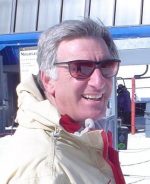
Marc, 71, left, and brother Scott, 60, at top of Snowbird Tram

My brother and I have proof through an app we used to track our movements. More important than the great early March skiing at Snowbird, Solitude, Park City and Deer Valley, were three takeaways that should interest senior skiers…

Lesson #1. We found lift ticket bargains in two flavors – military discounts and over 70. It was a race to which one was cheapest. Snowbird sold me a Monday thru Thursday all area lift ticket for $53 ‘cuz I’m over 71. Solitude’s rate for military active duty and retirees was about half off the full price. Just make sure you bring your ID cards for both  service member and dependents.

Senior only passes were equally cheap. When I walked up to the window, I asked which was cheaper, military or over 70? In one case, I got a little of both. Corollary A to lesson one is that these tickets were cheaper than what we could get on-line or at ski shops in the local area. Corallary B is that Park City doesn’t offer much of a discount.

Lesson #2. Through AirBnB, we rented a two bedroom, two bath house within spitting distance of the main routes to the resorts for about $160 a night. It took 25 minutes to get to the areas. We picked the area each morning based on weather and road conditions.

Lesson #3. Ski lodge designers don’t take old joints and tired legs into account when designing facilities. How do I know? Bathrooms are rarely on the same floor you enter and elevators are rare. Fortunately, the new Summit Lodge and Restaurant at Snowbird and the Roundhouse at Solitude have convenient bathrooms.

Conditioning, as I’ve noted before, helps. We averaged ~26,300 vertical feet per day despite my brother having to take time off on Day 2 to get new boots after the bladder in his elderly Nordicas died.

Here’s the most important takeaway from the trip: Airfare, lifts, ski rentals, lodging and food cost us each for six days about $335/day. Granted, we didn’t eat out a lot, but still, 335 bucks a day is, at least for a ski trip, reasonable. According to the ski tracker app on my brother’s iPhone, we skied a total 157,906 vertical feet at four different areas. That’s $.013 per vertical foot. An absolute bargain!!!

raccoons

This Week in SeniorsSkiing.com (March 10)

Stay conditioned to keep skiing. It’s a message I, not as well-conditioned as I’d like to be, think of every time I feel the need to take a break. The other day, I took a few runs with a couple from Arkon, OH. It was their third day at elevation and he, 75, was feeling it. Fortunately they’ll be out for the next month. I’m confident his normal stamina will return.

That said, John Nelson reports on 74 year-old Fred Frost who clocks between 35,000 and 40,000 vertical feet every ski day at Whitefish Mountain in Montana. Fred is a local marvel who racks up 4+million vertical a season!

Marc Liebman gives his advice on what to do to stay conditioned. His practical guidance explains why exercise needs to change as we age. I had the pleasure of skiing with Marc and his brother recently. They were skiing between 27,000 and 30,000 vertical a day.

If that sounds tiring, check Yvette Cardozo’s account of snowmobiling in Idaho to remote natural hot springs. She and friends did it at Brundage Mountain. Looks like a terrific adventure with a hot soak as reward.

Finally, Harriet Wallis gives us a tour of the sculpted delights on Deer Valley’s Last Chance beginner’s run. It is a must-see for grandchildren. Even if kids aren’t a factor, if you visit Deer Valley, ski the run and see the numerous houses graced with cute carved animals doing amusing things.

The next reader survey will be on your screens when Mike returns next week from sailing in the BVIs. Personally, I’d rather be skiing. (My wife would have an entirely different point of view.)

For those who may have encountered difficulties with the Experticity discount program we appreciate your patience. We hope to resolve the issue soon.

In the meanwhile, keep visiting SeniorsSkiing.com and referring it to your friends. Our numbers — just like the numbers of seniors who like to play in the snow — are growing. There are a lot of us, and we are not going away!

Short Swings!

Mountain goats in Little Cottonwood Canyon, Utah. Photo: Harriet Wallis

Contributor Harriet Wallis snapped this pic on her way down one of the Cottonwood Canyons connecting Salt Lake City with several resorts. Mountain goats are visible from the road this time of year. They maneuver the narrowest ledges like they’re strolling Main Street. Thanks for the picture, Harriet!

CALIFORNIA

Dennis Quaid’s band, The Sharks, will kick off Squaw Valley’s Toyota Ski Pro-Am, Saturday, March 11 at the Resort at Squaw Creek.

COLORADO

Aspen hosts the 2017 Audi FIS Ski World Cup Finals. March 15 – 19. The world’s top 25 men’s and women’s alpine ski racers will compete in Aspen, the first time the event has been held outside Europe since 1997.

UTAH

Park City Area Lodging Association’s Delta Gift Card Program gives an $800 Delta Air Lines electronic gift card when booking a minimum six-night stay, valued at $800 or more. Good through April 16. Program details: 855-585-0776.

Snowbird got 75″ in seven days. It released a brief video to celebrate the event.

Solitude Mountain Resort is offering several attractive Spring ski and stay packages.

OTHER

The ’17-’18 Mountain Collective pass just went on sale for $399. It provides two days of skiing at some of the world’s best resorts. Additional days are 50% off. This season, I’ve met several older couples on a grand tour of Mountain Collective areas. One couple from D.C. started at Stowe and worked their way to Sun Valley, Jackson Hole, Snowbird and Alta. Another couple, from the state of Washington, started at Whistler Blackcomb and worked their way south to the participating Idaho, Wyoming, Utah and Colorado resorts. Now is the time to get the best deal on the pass; prices increase over coming months. If you ski two days at each of four resorts, the daily rate will be less than $50. This season, an online advance purchase for two days at Aspen, alone, (included in the pass) costs $250.

FITS is the sock manufacturer that makes the FILM SKI OTC sock. I tried it and liked it. Because it’s thin, I recommend it for spring conditions. I needed to buckle down one additional notch to accommodate for thinness. Made with non-cushioned merino wool, the sock has graduated compression all the way over the calf. It also has anti-itch and flame resistant properties (good if you plan to place feet on hearth). Odor resistant and antimicrobial, the FILM SKI OTC is a practical addition to any ski wardrobe. Around $24.00 online or in ski shops.

Super Seniors Rack Up Vertical at Whitefish Mountain Resort

Up the mountain he goes, down the mountain he goes. Repeat, endlessly.

Fred Frost, 74, is a marvel of skiing stamina, regularly racking up more than 4 million vertical feet per season at Whitefish Mountain Resort.

Fred Frost, 74, skis 35,000 – 40,000 vertical daily.

Frost is among the many hard-charging senior skiers at the Montana resort who take advantage of a free-ticket policy for anyone older than 70.

“What else are you going to do in the winter?” says Frost, who skis six days a week during the season, taking only Saturdays off. “I moved here to ski, so I’m going to ski.”

Frost is a retired high school math teacher from Pateros, Wash., who came to Whitefish to enjoy the outdoors.
On a single-degree day in January, Frost skis run after run on Whitefish Mountain’s Chair 1, with its 2,084 feet of vertical. In a typical day, he accumulates between 35,000 and 40,000 vertical feet of skiing, stopping only to do what he calls a “D and R.”

“What’s that?” he’s asked.

“A drain and refill,” he says with a little smile. No food, just a visit to the bathroom and drinking fountain.

To understand why Frost pays so much attention to how much vertical he gets, you need to delve into Whitefish Mountain’s annual Vertical Tracker competition. Since the 2004-05 season, the resort has ranked passholders’ vertical — based on its electronic ticket scanners — and posted the results online. That led to a heated competition to rack up the most vertical in all age groups.

Frost, in the “Super Senior” category, has won the overall title several times and regularly places in the top three. Last year’s overall winner, Ken Jones, 52, is in awe of what Frost accomplishes year after year.

“When I moved here, everyone was telling me about Fred. He was the legend,” Jones says. “He’s so inspirational when you think of his age and how he keeps going.”

Jeanne Reichstadt, 63, skis with Frost regularly and is “amazed by his stamina. He never even stops to eat.”

Reichstadt also bicycles with Frost in the summer and mountaineers with her husband in nearby Glacier National Park to stay in shape.

“It is really amazing how fit many older people are here,” says Reichstadt, who moved to Whitefish 17 years ago from Nebraska. “They want to stay healthy so they can keep going.”

Pam Shaw, 60, is a Kiwi who skis hard at Whitefish

At age 60, Pam Shaw is another older skier who hits it hard at Whitefish Mountain. Shaw, a New Zealander who is spending the winter in Whitefish skiing and working as a nurse, takes a visitor on some of her favorite runs — all rated advanced. She shreds with abandon, laughing at the fun of it all.

And then there’s the over-70 threesome of Ken Meckel, Bob Donahue and Gary Simonsic, who also like to ski the steeps. They don’t care about the vertical competition —  skiing hard is their thing.

And it helps that their skiing is free.

“So far, we haven’t figured out how we can get the resort to pay us,” Meckel jokes.

Skiposter

Free Or Big Bargain Skiing For Seniors

Click Here For Free Or Big Bargain Skiing For Seniors

Best 2020 Skis For Senior Skiers

Boots For Seniors Recommendations

CLICK HERE TO DOWNLOAD 2018 BOOTS FOR SENIORS

Free One Year Subscription To SKI Magazine

CLICK HERE FOR FREE ONE YEAR SUBSCRIPTION TO SKI MAGAZINE

Free One Year Subscription To Skiing History Magazine

To subscribe for free, CLICK HERE, scroll to Digital Membership, select 1 Year-Digital Only, add to cart, enter coupon code SENIORSKI17, checkout, then set up your account. P.S. Once you’ve subscribed, you’ll have access to the archives to 2009.

Click Here For Your Free Subscription to Skiing History Magazine

Register For Discounts With Experticity

screen-shot-2016-12-06-at-11-12-44-am

CLICK HERE TO DOWNLOAD INSTRUCTIONS FOR REGISTERING FOR TOP DISCOUNTS

Free eBook Collection Of Historic Ski Posters

Skiposter

CLICK HERE TO DOWNLOAD 16-PAGE HISTORIC SKI POSTER COLLECTION

Rustic Elegance with Fairy Tale Flair In Stowe

It’s More Than “Just Right” Just One Mile From Stowe Resort.

Tucked in the woods, this is a cozy cabin. No bears, too!
Credit: Homeaway

In Stowe, Vermont, a stone’s throw from world class downhill and cross country skiing sits quintessentially rustic Goldilock’s Cottage, welcoming overnight guests. When Jill Evarts purchased the cabin and four acres of land about twelve years ago, she didn’t need to do a lot of work on it. She had helped the previous owner, a friend and colleague, decorate it with fine fabrics and purchases from flea markets and antique shops all over the northeast. The cottage is clean and tidy with many amenities that appeal to eye and requirement for comfort.

I found the cottage warm and inviting far beyond the “just right” of the fairy tale. The kitchen is well equipped, and I was able to easily prepare a pasta primavera for dinner. It has the right pots and pans and cooking implements for cooking lots of delicious meals. There is even a small spice rack above the stove. The kitchen/dining area was immaculate and comfortable.

The kitchen has everything you need, bring our own porridge.
Credit: Booking.com

The living area of the open concept cottage was equally welcoming with a wood burning stove in the center. Plenty of seasoned firewood makes using the wood stove quick and easy. The cottage has one bathroom which is also decorated in the theme of the rest of the cottage and I found it clean and complete with all the towels you’ll need.

The Master bedroom, complete with a sitting area and sleep sofa, also have an interior decorator’s touch. . The cottage has a spacious deck off the bedroom and a deck accessible from the dining room complete with Adirondack chairs and a gas grill. Those details make the cottage appealing year round.

A large sleeping loft lies above the kitchen/dining area is decorated in lighter colors to take advantage of the skylights. Jill’s remarks from her cottage fact sheet demonstrate the features that makes Goldilock’s so attractive;

Bears can’t climb ladders to the loft.
Credit: Steve Hines

“For those staying in the loft: open the skylight before you go to bed, and be sure to let the fire burn down so. You won’t be hot. Some guests like to turn the heat down at night and use the space heater to supplement in the bedroom to keep the temperature in the loft cool”

Everything you may want or need seems to be taken care of. Jill agrees that this attention to detail makes her place perfect for active seniors who want a winter (or any other season) getaway. The area does come alive in winter however because of the outdoor sports, great restaurants and shopping.

The cottage is close to Stowe and the location makes it easy to get to the Alpine and Nordic skiing. The rest of the year the Mount Mansfield locale has great hiking, cycling, mountain biking. The many fine restaurants in and near Stowe make dining out a pleasure as well.

While I’m not a fan of grading accommodations, you might like to know I give Goldilocks’s cottage an A+. For more details about dates, rates, and availability, visit the cottage’s web site here.   Ski season rates start at $250 per night (March) and $270 (Feb). Holidays are more.  The cabin can accommodate up to five folks in one bedroom, a sleeping loft and a pull-out couch.

Here’s the Master Bedroom, ultimate cozy.
Credit: Steve Hines


A Terrific $600+ Ski Jacket For $280!

Orsden is a New OnLine Manufacturer of Quality Ski Wear.

For much of my life the word “disruptive” was associated with toddlers and teenagers. More recently, it has been associated with the introduction of radically new and better ways of doing things. It’s the impact of the cell phone on the traditional telephone; digital photography vs. film; Wikipedia vs. shelf-bound volumes of Britannica.

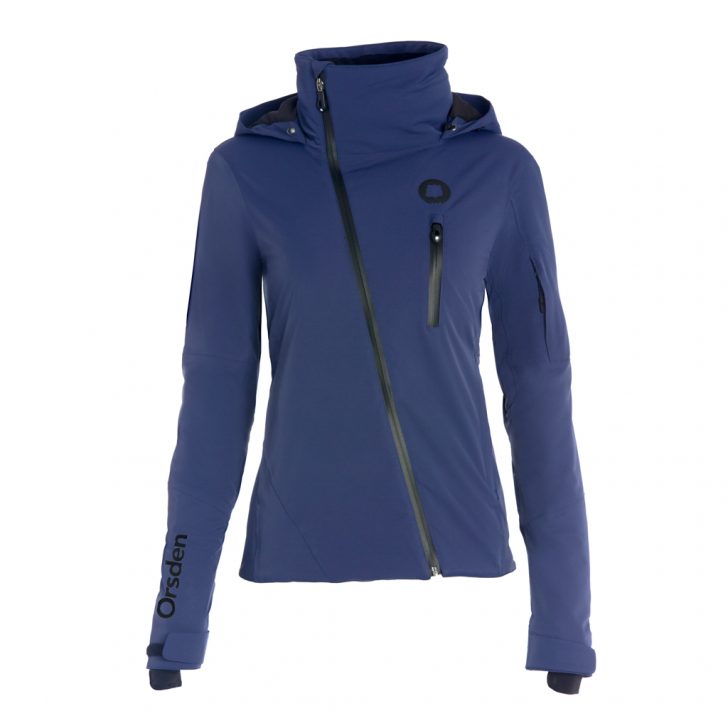
Now it’s happening in how we purchase skiwear. I recently stumbled upon Orsden, a manufacturer of  ski parkas that sells its product exclusively online. This is one very nice ski jacket. It lists for $330. SeniorsSkiers.com readers get a $50 discount on their first purchase by entering SNRSKI50 during check out. In other words, you can purchase this terrific ski jacket for $280!

I’ve checked a few local high-end shops where comparable product would be about twice the price.

Men’s ski jacket

Orsden’s parkas are new this season. The one I’ve been wearing looks great and has some very nice features. Like all of their parkas, it uses a comfortable 4-way stretch fabric that moves as you move.

Women’s Ski Jacket

The detachable hood is sized to cover a helmet.All zippers are sealed. All pockets are well positioned and easily opened and closed. The left arm pocket for electronic lift tickets is near the bicep, where most card readers are located.

Other features include a detachable powder skirt, an attached goggle wipe in the chest pocket, and ample pit zips.

The fabric is water repellant and the fill is warm.

Orsden’s website has specific measuring instructions to help get the best fit. If it’s not right, the company will replace it with a better size.

Colors are terrific (I got Redwood).

Mine came with a handwritten thank you note from the head of the company.

I’ve worn it around town where it’s as appropriate as on the slopes.

I understand that the company has plans to introduce other skiwear next season.

Bottom line is this: Orsden is offering beautifully crafted, high quality ski parkas for men and women at a fraction of what they would cost in a retail outlet. The logic is the same as that of some other online purchases, eliminate the middleman and deliver higher quality at lower cost.


This Week in SeniorsSkiing.com (12/23)

And To All, A Good Night.

This week, as we celebrate our respective holidays and share in our love of Winter, we bring you a short and beautiful video that gives new meaning to the idea of night skiing. There’s a piece on Utah’s Powder Mountain. And Short Swings! is loaded with interesting developments and product information.

In case you missed it, we’re resending our animated greeting.


Powder Mountain: The Cuba of Utah Ski Areas

Visit Soon, It’s About to Change.

Before the end of this season, Powder Mountain, Utah’s slightly out of the way ski area will become the largest in all of North America with 8464 acres, surpassing in size Park City (7300 acres), Whistler Blackcomb (8171 acres) and Big Sky (8000 acres).

School bus picks up on road on right.

Even without the 1000 new acres that will be available with the completion of two new chairs, the place is vast and under skied. One reason is limited day and season pass sales; another is because of its distance. It takes a little over an hour to get there from Salt Lake City, much less if you’re travelling from Ogden, about 30 miles north of SLC.

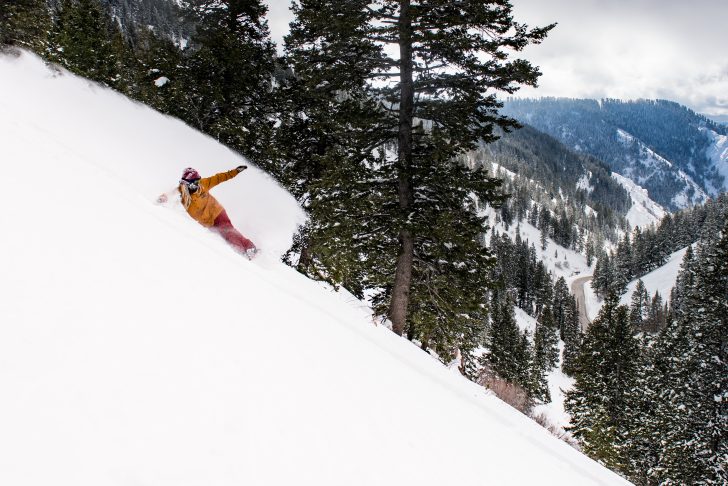
Powder Mountain is one of the places I head for after a classic Utah deep powder dump. Even days after a dump, fresh, untracked areas are waiting to be explored.

The new owners are planning a new village that will give the place more of a resort feel. Currently condos are available on the mountain. Other lodging and restaurant options require a short drive.

Much of Powder Mountain’s acreage is gentle, but know where to look, and you’ll find ample steeps to keep you well entertained. The area also offers a variety of guided and unguided cat and heli experiences.

Skiing trees at Utah’s Powder Mountain


I’m not sure how the new village and lifts will change the feel of the place. In many ways the current Powder Mountain reminds me of skiing as a kid in Vermont. The lodges aren’t fancy, but they serve up tasty and reasonably priced food. There’s a genuinely friendly and helpful vibe. I don’t know if its unique to Powder Mountain, but old-fashioned school busses help convey skiers from one part of the area up a canyon and back to the lifts.

Seniors (65-74) pay $60 for a day pass. Free skiing if you’re 75 or older!!!!

Powder Mountain might be like Cuba. It’s old fashioned in a highly appealing way. There’s a tremendous amount to enjoy. I recommend visiting before too much changes. It will change for the better, but for now, Powder Mountain should be high on every skier’s Utah list.

Ski~mojo

Sponsored Content: Extend Your Skiing With Supportive Ski~mojo

Ski All Day Without Struggling With Tired Legs, Sore Knees And Aching Hips.

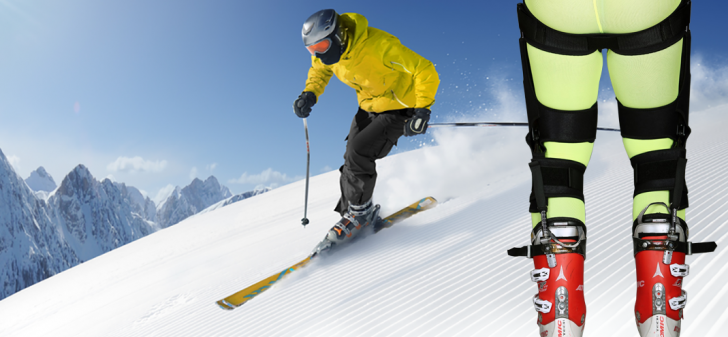
Ski~mojo is a supportive brace that takes pressure off knees and hips. Credit: Ski~mojo

Ski~mojo is a supportive brace that takes pressure off knees and hips.
Credit: Ski~mojo

Ski~mojo has certainly been the savior of many a skier, keeping them on the slopes for longer – whether that’s more time on the mountain during a day or more years to enjoy the sport. Endorsed by both the PSIA in the U.S and BASI (British Association of Snowsports Instructors) in the UK, Ski~mojo has fans who span the ability spectrum from weekend recreational skiers to full-time instructors.

Refined over the past ten years since its inception, Ski~mojo’s design is incredibly effective, light and slim to fit easily underneath most ski pants without anyone else even noticing they are being worn. The comfortable harness is easy to fit, and once it’s on, you just forget it’s even there.

With a simple flick of a switch, you can turn the powerful springs on or off to suit your skiing needs – even if you just need the Ski~mojo for the final hour of the day, it’s there to keep you going and potentially keep you safer as your tired legs struggle to cope with the demands of modern skiing. Yes, we ski more today because lifts are so much more efficient in many ski areas, we get more mileage done in a day but only notice it when we try and walk later on that evening!

Who’s the Ski~mojo for? Well, any skier really but obviously if you’ve had knee issues or get pain in the legs and hip area then it’s a totally legitimate tool to help you enjoy the sport you love. Of course, some skiers purely like the fact it gives them more power through the day and they can ski strong and hard until the lifts close down.

But what do real users say about it? These are skiers who have purchased a Ski~mojo and have written genuine, independent reviews of their experience:

“Without this kit, skiing would be half the fun for me. I will never ski without it again.”

“I don’t know how my shot knees would manage without it.”

“If you want to ski with people half your age, with little or no pre-trip fitness training and be rushing for the last connecting lift of the day – all without leg ache, get Ski~Mojo.”

“Thought I’d have to give up skiing but not with Ski~Mojo. Three straight days in the powder – no pain, no swelling – just epic skiing.”

“I cannot find any part of the Mojo that needs improvement. Having said that, past experience shows that you continue to strive for improvement. I thought that the Mk 1 Mojo was the best piece of kit of its type on the market then and I believe the Mk2 improves that position even more so.”

Click here for more reviews on the Ski~mojo website review section.

So if you’re planning to ski this winter, or if you’re now thinking about giving up because it’s just too painful, then why not try ski~mojo – it might just give you a new lease of ski life like it has for 1,000’s of others.

Ski~mojo can be ordered via www.skimojo.com and shipped to most countries, including the USA and Canada.

https://www.youtube.com/watch?v=xgf8AJDoniM&feature=youtu.be


Seniors Skiing Logo

A Message to Our Readers

We need your support.

SeniorsSkiing.com is the only dedicated source of information for older snow sports enthusiasts.

Our sole source of income is through advertising, and right now there are enough advertisers — bless them — to keep the lights on. We — Mike and Jon — put in a lot of unpaid time to bring you SeniorsSkiing.com. Our contributors — bless them, as well — are unpaid.

The number of SeniorsSkiing.com subscribers has grown steadily since we launched in the Fall of 2014. But we need more. More subscribers leads to more advertisers, and with more advertisers, we will be able to pay contributors and fund programs that will improve benefits for senior skiers everywhere.

How can you support SeniorsSkiing.com? Tell others about the site, Like us and share articles you like on Facebook.

We welcome suggestions for content or ways to improve the site.

Thank you for subscribing to SeniorsSkiing.com.


Short Swings!

historic7_CALIFORNIA

Squaw Valley Alpine Meadows received seven inches of new snow earlier this week; more is forecast. The resort plans to open early between November 11 and 18, weather and conditions permitting.

Bear Valley Resort and Backcountry Pictures presents “A Walk in the Park with David Vassar” featuring the Academy Award®-nominated and Emmy® Award-winning writer, director, producer, and documentarian, David Vassar on Friday, November 25, 2016.

COLORADO

Arapahoe Basin‘s 70th season gift to skiers is its Elevation 4-Pass, good for any four days. Cost: $169 for adults.

Colorado Cross Country Ski Association Nordic Skiing Punch Pass is available for $99. The transferable pass includes 12 trail access passes at six Colorado resorts. Holders also enjoy discounts on rentals, tours and lodging. Visit http://www.coloradocrosscountry.com/Punch-Pass.

Onus iV Hydration in Denver is offering intravenous vitamin boosts to help visitors acclimate to altitude. According to the company, the 45-minute treatments provide maximum hydration. They have a mobile van that will deliver treatment at resorts across the Front Range. Costs from $65 to $145. Click here for more.

QUEBEC

Mont-Tremblant has fired up its snow guns. The resort can bury the equivalent of 76 football fields under one foot of snow in 24 hours.

MONTANA

Montana Office of Tourism has issue a brief video titled Alpen Glow. It’s based on skier/painter Rachel Pohl as she skis gorgeous scenery, records it in her sketchbook, and returns to her studio to preserve it on canvas. Less than 5 minutes and well worth watching: Click here.

UTAH

Alta Lodge, Alta Peruvian, Goldminer’s Daughter, Rustler, and Snowpine Lodge are each offering a variety of early season specials. Alta’s positioning and elevation attract early season snow. There are years when Thanksgiving has delivered 3′ of fresh, and by early December the mountain is well covered.

Powder Mountain Resort announced that for 2016-17, two new lifts will access 1,000+ acres of new terrain. Additionally, the resort will limit tickets to 2000 per day, giving it the lowest skier density of any major area on the continent. Powder Mountain now has 8464 skiable acres. For skiers in the know, it is a required destination when visiting Utah!!!!

ALBERTA

Whistler Blackcomb’s official opening day is set for November 24, 2016 but with favorable early season conditions, the resort can always be counted on to open early. Check out opening day events here.

OTHER

GetSkiTickets.com, the online ticket-seller, is offering $10 discount on gift certificates purchased through the site. A great stocking stuffer!! Visit GetSkiTickets, choose certificates, enter “ilovemountains” when checking out. Offer ends November 15.

Blackcomb Mountain

Vail Purchases Whistler Blackcomb

Chinese Skiers Expected to Fuel Growth.

Aerial view of Glacier Creek, Glacier and Jersey Chairs

Aerial view of Glacier Creek, Glacier and Jersey Chairs

Vail Resorts Inc. has reached an agreement to buy Whistler Blackcomb Holdings, owner of Whistler Blackcomb ski resort. The C$1.4 billion deal is expected to result in Vail’s marketing machine to attract greater numbers of international visitors to Whistler Blackcomb.

“We have felt for a long time that Whistler (Blackcomb) is really the best positioned North American resort to benefit from the growth that we expect in outbound Chinese ski visitation, especially as China starts to ramp up towards the 2022 Beijing Winter Olympics,” explained Vail CEO Rob Katz.

News of the sale had a positive impact on Whistler Blackcomb shares, which jumped to C $36.63 per share in Toronto, up by C$11.49 following Monday’s announcement.

Earlier this year, Whistler Blackcomb announced a C$345-million infrastructure and real estate expansion.

David Brownlie, Whistler Blackcomb CEO, will remain chief operating officer.

Whistler opened in 1966, with a four-person gondola, a double chairlift and a day lodge. It merged with Blackcomb in 1997. The combined areas comprise the largest and most visited ski resort in North America

Earl_1

Snow Sports Leaders: Earl Saline, National Ski Areas Association (NSAA)

Editor’s Note: With this article, SeniorsSkiing.com begins a project of publishing interviews with snow sports leaders. We want our readers to learn more about the people who are influential in snow sports development and their views of the role of older participants in skiing, boarding and snow shoeing.

Earl Saline, Director of Education Programming for the National Ski Areas Association (NSAA)

Earl Saline, Director of Education Programming for the National Ski Areas Association (NSAA)

Earl Saline, Director of Education Programming for the National Ski Areas Association (NSAA), has spent most of his 47 years on snow and around the snow industry. At NSAA he develops education programming for ski areas and their employees, including safety campaigns directed at patrons. Earl has taught at ski areas in the US and in New Zealand, at times managing ski schools with 700+ instructors. Before joining NSAA, he was Education Manager for the Professional Ski Instructors – American Association of Snowboard Instructors (PSIA-AASI) where he oversaw education and credentialing for 32,000+ members.

How did your early career lead to your NSAA position?

For years, I’ve worked with instructors and trainers across the US teaching skiing and boarding. My wife and I even went to New Zealand where I taught, trained, and examined snowboard instructors. In 2009 I took a position with PSIA-AASI focusing on education and credentialing programs. Ski area management was an important stakeholder in these programs, which led me to NSAA in 2014.

What issues face the ski area members of NSAA? 

The big one is attracting and retaining customers. This involves three critical phases, which we identify as “trial,” “conversion,” and “retention.” Areas work hard to bring new skiers and riders to the sport and to their facilities. If they like the experience, they’re more likely to return, improving their skills and enjoying the sport. That’s the conversion phase. As they identify as skiers and riders, our hope is that they return year after year. We define that as ‘retention.’ Ideally, these converted skiers and riders then share their newfound passion with friends and family.

Our member areas compete year-round with their guests’ work and family obligations and with other recreational and non-recreational pursuits. Many activities don’t require the same time commitment as being on the hill. That’s why we work with areas to keep skiing top of mind when people think about where and how they want to spend their winter.

What is your/NSAA’s thinking about the role of the 50+ snow sports enthusiast in the overall skier population?

Research shows that the majority of new participants are introduced to skiing and riding through family and friends. Grandparents have tremendous influence on getting the rest of their family into skiing, especially when they own property at or near a resort. Many areas are embracing 50+ skiers because they may influence their peers, sometimes bringing new people to the sport. Areas like Crystal Mountain, Michigan are leading the charge with programs specifically aimed at experienced and at new 50+ skiers.

Please comment on other macro-issues impacting the industry.

NSAA Logo 24 x 29_v2Time poverty is one of the greatest issues facing increased participation. Many Americans lead busy lives, even after retirement. Family and other activities compete for attention, time, and financial resources.

Reliable snow is another. Areas have invested heavily in snowmaking. Snowmaking technology helped Eastern areas survive last season.

Areas also are investing in the beginners’ experience. Snow-shaping in beginner areas and equipment designed specifically for beginners is making it easier to learn to ski and ride. And new lifts make the beginner’s experience more enjoyable. Last season, areas in the East, put extra effort into keeping beginner areas open. This was critical to get newcomers into the “trial” phase and increasing their likelihood of conversion.

Qualified, trained instruction is crucial for first timers and for more experienced skiers wanting to stay fresh on snow.

These and other advances and improvements make skiing and riding accessible and better than ever. They are among the most enjoyable ways to spend wintertime with family and friends.


Do You Recognize Asymmetry in Your Body?

Are You Right-Handed or Left-Handed?

TaiChi is continuous, slow motion of gentle stretching and breathing practiced by thousands around the world. Credit: Tommy Kirschoff

TaiChi is continuous, slow motion of gentle stretching and breathing practiced by thousands around the world.
Credit: Tommy Kirchoff

[SeniorsSkiing.com welcomes back Tommy Kirchhoff, a long-time ski instructor and a certified Tai Chi master. He has been teaching senior exercises for 12 years. Tai Chi is an ancient martial art that has evolved to slow-moving poses that is practiced all over the world.]

Does one knee hurt more than the other? Are there visible differences in the size and shape of your calf muscles? How about more aches in one shoulder than the other?

When you stand, do you know which foot you typically stand on? When you sit, can you tell which of your butt cheeks takes more of your body weight?

From the time we are born our bodies develop and then degrade asymmetrically. Each of us takes a longer step with one foot than the other. We tend to favor one arm and one leg; and by the time we reach middle age we begin to have asymmetric problems.

Body Asymmetry can lead to chronic soreness. Tai Chi can help re-balance.

Body Asymmetry can lead to chronic soreness. Tai Chi can help re-balance.

One hip or one knee destroys itself. This leads to surgery, and more asymmetry. Eventually the problems make the body sedentary, which leads to problems of the internal organs and the blood.

But asymmetry can be remedied. Not with strength, as doctors and physical therapists all seem to believe. Strength does not solve the problem of joint stiffness.

First, recognize the strengths and weaknesses of your body parts. Take inventory. Think about the differences. Let the left side teach the right side and vice-versa. Then start practicing Tai Chi. You can start anytime, but for older skiers, there’s no time like now to prepare yourself for next season.

The slow “perfect” and balanced movements of Tai Chi allow you mobilize and stretch your ankles and knees and hips in a safe and methodical way.

When you see a photo of someone practicing Tai Chi, you have to always remember that Tai Chi has no static postures. Continuous movement is a principle. So is relaxation.

When you relax and move in a specific way you can work through your stiffness and begin to correct the asymmetry in your body.

Our school has many thousands of students worldwide who enjoy the endless benefits Tai Chi has to offer.

If you want to give the movements a try, this is my Standing Energy Practice video on YouTube:


Droning On: Striking Views Of Ski Country, Other Places

Drones Bring A Magnificent, Unexpected Perspective.

Verbier, Switzerland: ParaSailing on skis Credit: Mark Subi

Verbier, Switzerland: ParaSailing on Skis
Credit: Mark Subi

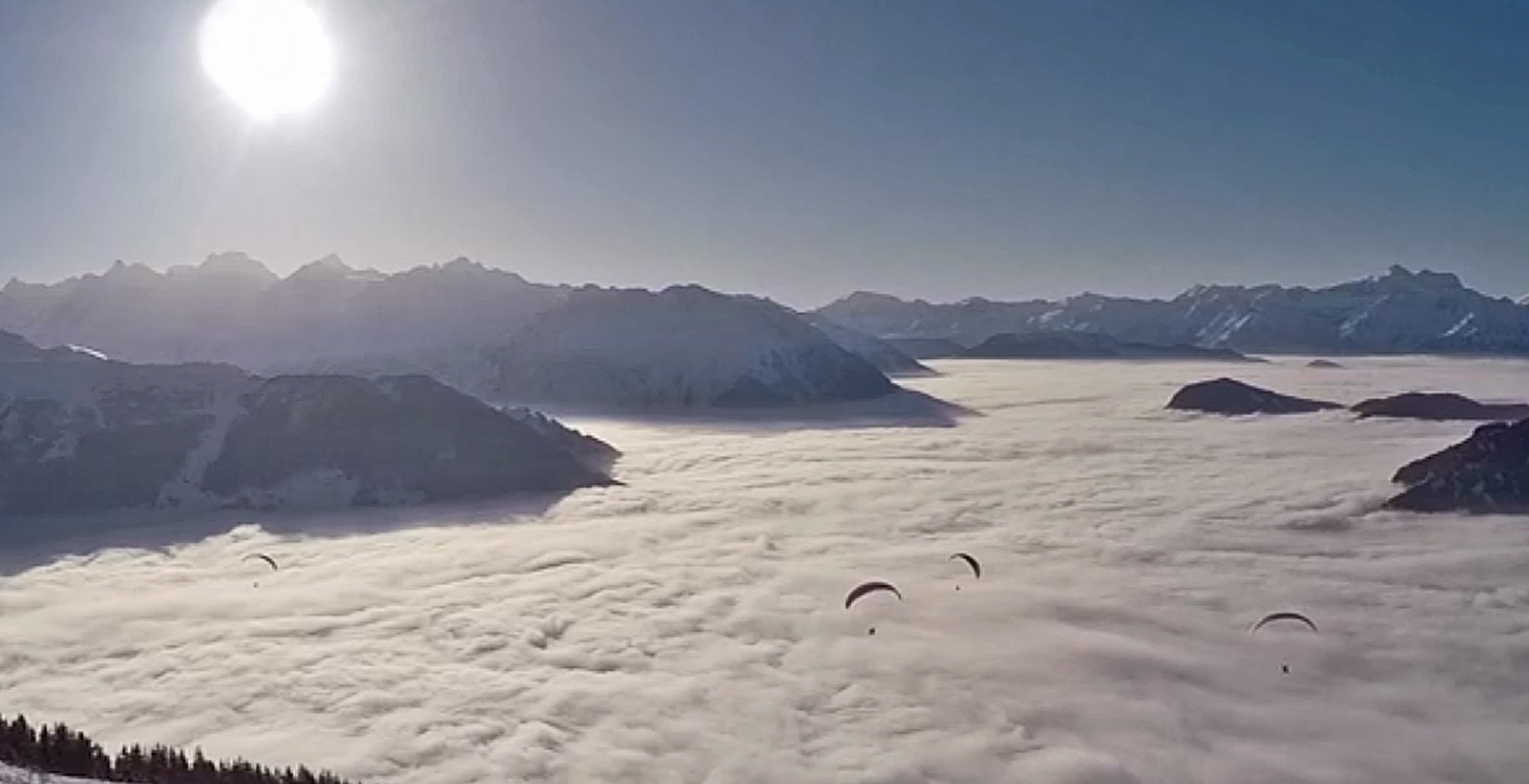
They’re in the skies, but you may not see them. Professional and amateur operated photo drones are capturing striking bird’s eye views of snow-covered mountains, crashing waterfalls, ancient architecture, daredevil feats, even the inside of an erupting volcano.

So this senior skier learned one late July afternoon following a long hike in the high desert of south central Utah. Prone on couch, he wanders to “drones” on the web and a collection of exceptional videos and stills shot with camera-mounted drones awaited.  Click here for the site; home page reads: Bird’s Eye View. Explore. Share.

Postings are from every part of the globe. Videos tend to be a few minutes in length, and while some are of borderline interest, others are well worth the clicks.. Here are a few that may whet your appetites for winter or for an exotic place that takes on new meaning when viewed from a higher place:

Switzerland: Wintery ravine/ Ski

http://www.dronestagr.am/hauptstrasse-bergun-graubunden-switzerland/

http://www.dronestagr.am/verbier/

Mexico: Tamu Waterfall/ Whales near Puerto Vallarta

http://www.dronestagr.am/tamul-waterfall-2/

http://www.dronestagr.am/puerto-vallarta/

Niagara Falls/New York City

http://www.dronestagr.am/niagara-falls-3/

http://www.dronestagr.am/new-york-usa-8/

Vanuatu: Inside an exploding volcano

http://www.dronestagr.am/yasur-volcano-tanna-island/

Bulgaria: Soccer

http://www.dronestagr.am/sofia-bulgaria-5/

Iceland: Park Tour

http://www.dronestagr.am/reykjavik-iceland/

France: Versailles/High Wire Skyliners

http://www.dronestagr.am/versailles-france/

http://www.dronestagr.am/skyliners/

Have you been droning lately?

SeniorsSkiing.com SubscriberSurvey 2015

 Please Add Your Feedback To Other Subscribers to SeniorsSkiing.com

oldfashionedskierThis month marks our first full year of publishing SeniorsSkiing.com, the only online resource for 50+ snow enthusiasts.  It’s a good time for us to get your advice, comments and input on how we can make our magazine more useful to you.  Please take a minute to complete our short survey.  We very much appreciate your support; we’ll share the results with you when we crunch the numbers.

https://www.surveymonkey.com/s/SubscriberSurvey2015

Glittering Evening At Ski Archives Fund Raiser in SLC

Movers and Shakers honored.

Twenty years ago, ski enthusiasts and visionaries realized that historic ski photos and manuscripts should be collected to assure they wouldn’t be lost in dusty attics and that old albums wouldn’t be tossed out. The resulting collection is housed on the University of Utah campus in the J. Willard Marriott Library, and it’s called the Ski Archives. It has grown to be the largest cache of skiing and snow sports history in the country, and it’s a prime research collection, and it’s open to the public.

The Silent Auction is part of the annual fundraiser for the collection. Credit: Harriet Wallis

The Silent Auction is part of the annual fundraiser for the collection.
Credit: Harriet Wallis

The Ski Archives is supported by an annual fund raiser and silent auction. During the gala event this Fall, awards were presented to extraordinary individuals. This year’s top honor went to Deer Valley president and CEO Bob Wheaton who earned the S. Joseph Quinney award – named for the ski visionary and founder of Alta Ski Area. Seven medalists in the 2014 Sochi Winter Olympic earned the History-Maker awards.

Joseph Quinney Award winner

Deer Valley's Bob Wheaton received the prestigous S. Josephy Quinney Award Credit: Harriet Wallis

Deer Valley’s Bob Wheaton received the prestigous S. Joseph Quinney Award
Credit: Harriet Wallis

Bob Wheaton began at Deer Valley in 1980 doing maintenance as the resort was being built, and he worked his way up to become resort president in 1997, a position he continues today. With Wheaton at the helm, Deer Valley has been rated the number one resort in North America seven times by readers of SKI Magazine. He credits his staff for the resort’s success.

History-Maker Award winners:

Josh Christensen, Park City, Utah, gold medalist, slopestyle skiing.

Kaitlyn Farringron, Bellevue, Idaho, gold medalist, slopestyle snowboarding.

Sage Kotsenberg, Park City, gold medalist, snowboarding half pipe.

Ted Ligety, Park City, gold medalist alpine skiing giant slalom.

Danelle and Rob Ulmstead, Park City, Paralympic bronze medalists, alpine super combined.

Keith Gabel, Ogden, Utah, bronze medalist, Paralympics snowboard cross.

In addition, two organizations celebrated milestones. The Utah Nordic Alliance, with emphasis on bringing skiers into cross-country and providing training and race events, was founded 25 years ago. And the U.S. Ski Team celebrates its 40th anniversary in Park City.

SeniorsSkiing.com was a silent auction partner. Credit: Harriet Wallis

SeniorsSkiing.com was a silent auction partner.
Credit: Harriet Wallis

Warren Miller’s Newest: “No Turning Back”

This one is not to be missed.

Flipping out: Lofoten, Norway Credit: Oystein Aasheim

Flipping out: Lofoten, Norway
Credit: Oystein Aasheim

My first Warren Miller film was in the early 50’s. That was when the Master, himself, was present to narrate each showing. You knew the season was

Chute running: Mt. Olympus, Greece Credit: Josh Bibby

Chute running: Mt. Olympus, Greece
Credit: Josh Bibby

starting when Warren rolled into town.

I’ve seen many ski films over the years. After a while, despite camera tricks, ski gymnastics, and the latest soundtrack, they took on a boring sameness. How many times can you watch a daredevil huck the big cliff?

But I just watched Miller’s newest production, “No Turning Back”, and I’ve gotta tell you, this is not to be missed. It is a beautifully shot travelogue of some magnificent lines carved through some of the world’s best terrain.

For the SeniorsSkiing.com crowd, there’s a segment shot in Chamonix featuring a few 50+ skiers (52 and 60) and filled with wisdom about aging and skiing. One line sums it up: “When skiers say 50 is the new 40 (I’d make that 70 is the new 60), what they’re really saying is, Thank you, fat skis!”

“No Turning Back,” Miller’s 65th film, is narrated by Jonny Moseley, who, in his own way, channels the Warren Miller feeling with artful script laced with philosophy and humor. Interspersed throughout are great snippets of skiing history, including a northern Norway search for a ski that was carbon-dated to 3200 BC.

There’s a beautifully shot segment in steep powder runs in Cordova, Alaska, boarding in the bottomless powder of   Hokkaido, Japan, and a piece on skiing in Greece, where there’s more than 20 areas less than two hours from the Aegean.

Two skiers hike and ski Mount Olympus while the narrator links it to Daedelus and Icarus.

A few hundred miles west, we’re introduced to two “speed riders” in Switzerland, guys skiing with paragliding kites, which allow them to huck enormous cliffs, touch down on a stretch of snow and get airborne within seconds.

Throughout, the film pays homage to female skiers, featuring several carving great turns on incredibly steep terrain.

Powder running: Chamonix, France Credit: Mike Hatrup

Powder running: Chamonix, France
Credit: Mike Hatrup

For me, the most enjoyable segment was shot in Montana with big mountain skiers Julian Carr and the charming Sierra Quitiquit. (Julian has done any number on mind-boggling cliff jumps, including a 210′ front flip in Engleberg.) Montana has many smaller areas known for steeps and deeps. And their towns, unaffected by contemporary ski culture, remain time-warped, non-commercial, and down-home friendly.

“No Turning Back” is being shown around the country (locations and schedule). If ski films are your thing, or if you’ve been away from that genre for a while, find a hall where it’s playing. Regardless of age, it will make you want to be on the hill.

Why Seniors Still Ski

A celebration of senior skiers, including American deep powder legend, Junior Bounous describing his descent of Snowbird’s Pipeline when he was 80 years young (he’s about to turn 89). Why does he still do it?

Sponsored Content: The Smartest Way To Hold Your Phone

SeniorsSkiing.com EXCLUSIVE

As a special offer to SeniorsSkiing.com subscribers – enter code SENIORS-SKIING at checkout to save 20% on any Gear Beast Smartphone Lanyard!


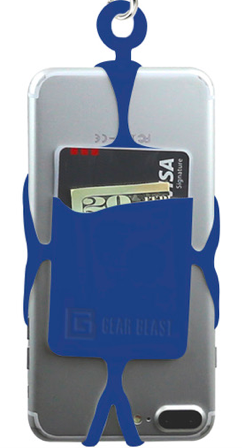
The Gear Beast Universal Smartphone Lanyard is the perfect solution for anyone who wants easy access to their phone without interfering with everyday activities. Great for sports fans, concert goers, teachers, students, seniors, travelers or anyone who wants their cell phone nearby to answer a call, check a message or catch a photo opportunity.

NEVER LOSE OR DROP YOUR PHONE AGAIN!

The tethered solution is perfect for anyone who has ever misplaced their phone or dropped their phone while trying to remove it from their pocket, purse, backpack or bag. It’s also great for kids on the go!

FUNCTIONAL AND PRACTICAL


The phone holder features a convenient ID/card pocket that is perfect for credit cards, Drivers License, Student ID, Access Card, Cash or any card you want to keep handy. The phone holder is detachable and can be worn as a necklace, wrist strap or attached to a belt loop, purse, backpack or zipper.

UNIVERSAL SILICONE SMARTPHONE LANYARDS

The silicone neck strap is comfortable to wear, while an extra strong silicone phone holder provides a secure carrying solution to prevent drops. It is available in a variety of colors and prints to match your own personal style!

UNIVERSAL RIBBON LANYARD WITH BREAKAWAY CLASP AND DETACHABLE CONVENIENCE CLIP

The 20-inch-long satin polyester neck strap is comfortable to wear, while an extra strong silicone phone holder provides a secure carrying solution to prevent drops. It is available in a variety of trendy patterns and colors to match your own personal style! The Lanyard strap has a breakaway clip for safety and a snap buckle release to easily detach your phone to share, use a mobile payment app or take a selfie. A large swivel clip can be used to hold keys or a name badge.

COMPATABILITY

The Smartphone Lanyards are compatible with nearly all smartphones, with or without a case, up to 6.75 inches tall and 3.75 inches wide. The durable phone holder stretches to fit phones including:

  • iPhone Xs Max, iPhone Xs, iPhone XR, iPhone X, iPhone 8 Plus, iPhone 8, iPhone 7 Plus, iPhone 7, iPhone 6s Plus, iPhone 6s, iPhone 6 Plus, iPhone 6, iPhone SE, Galaxy S9 Plus, Galaxy S9, Galaxy S8 Plus, Galaxy S8, Galaxy S7, Galaxy S7 Edge, Galaxy S6, Galaxy S6 Edge, Galaxy Note 9, Galaxy Note 8 and more.

The Phone holder may partially block camera lenses positioned in the rear center of a phone. It may be necessary to remove the phone from the holder to use the camera.