Tag Archive for: ski boots

ski maintenance

Keep Your Gear In Shape

Originally published in the 2020-21 Masterfit Buyer’s Guide and realskiers.com

ski maintenance

How long your gear remains in tiptop condition depends entirely on how well it’s maintained.

At least once a season, it’s good to get skis tuned by a specialty shop, where tuning machines can reproduce a factory finish on the skis so they perform like new. Here are some tips on how to keep your equipment in optimal condition for better performance on the snow.

If you follow these maintenance tips, a well-made pair of skis can perform acceptably for 200 skier days, and may last longer if there’s no major damage. Even inexpensive package skis have at least 100 days of useful life in them. Heavier and more aggressive skiers will usually wear out their skis—and anything else they own—faster than the lighter and more cautious.

Daily Equipment Care

SKIS: Wipe clean and dry. Check for dings on edges and bases.

BOOTS: Buckle all buckles with just enough tension to keep closed.
Be sure soles are clean and no mud or debris is lodged in tread.

BINDINGS: Wipe clean, particularly at boot/binding interfaces.

Regular Maintenance & at the End of the Season

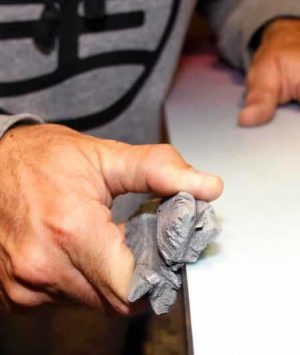
SKIS: Get ski edges tuned by the shop. Or do it yourself: freshen up side edges with a light filing, followed by hand polishing. Fill cuts in bases if necessary. Wax, scrape and buff.

BOOTS: Visually inspect for sole wear and damage to buckles.

BINDINGS: Look for excessive wear, damage or missing parts. Inspect boot/binding interfaces.

Extend the Life of Your Boots

The first part of your boots to wear out will be the soles, but most boots now use replaceable toe and heel pads. The trick is getting a replacement pair while the supplier still stocks them. Or you could just protect them. If you spend a lot of time in parking lots or other hard surfaces, we recommend The first part of your boots to wear out will be the soles, but most boots now use replaceable toe and heel pads. The trick is getting a replacement pair while the supplier still stocks them. Or you could just protect them. If you spend a lot of time in parking lots or other hard surfaces, we recommend Ski Skootys. These are the easiest to use, most versatile sole protectors on the market. As a bonus, they’re also rockered so they make walking in ski boots a lot easier.

Dahu: The Tesla of Ski Boots


Dahu boots are a game changer.


Isn’t it remarkable how electric vehicles are taking over the automotive industry? By 2035, virtually all General Motors vehicles will be battery powered. Our grandkids will look back and tell their kids about a time when combustion engines ruled.

I think a similar new frontier is being established with the Dahu ski boot. The company has parted ways with traditional boot makers and come up with materials and design that make it as different from the others as Tesla is to Dodge.

It’s a game changer.

Dahu boots were conceived and developed to be fitted more easily, minimize ski boot discomfort, and maximize performance.

The shell has a dozen strategically located holes that eliminate foot hotspots most skiers – especially older skiers – experience. Think about this feature: it gets rid of the need for bootfitters to manipulate the plastic to relieve pressure points. The car equivalent? No more engine tune-ups!

Made of a Swiss polyamide composite, the shell combines lightness and durability and consistent flex, regardless of temperature. It has a hinged tongue with two micro-adjustable buckles and a hinged, releasable rear with a patented aluminum spine which helps transfer body energy to the ski. Interestingly, the spine contributes to each skier’s ideal stance.

A comfy, insulated leather inner boot has a grooved rubber sole which provides traction when the inner is worn separately from the shell. Those grooves interlock with ridges and grooves in the shell, the net erect being greater torsional stiffness and more efficient energy transfer from body to ski.

I understand this is a lot to absorb. But I know that many of you have had it with your conventional boots. Our August reader survey asked, among other things, what items you intended to purchase in the next two years. Of the 3000+ responses, about one-third indicated ski boots. And from comments made during past reader surveys, sent to the site and to me personally, I know that finding a better boot is top-of-mind for many older skiers.

If you’ve had it with conventionally designed boots and are looking for a pair that can be fit more easily (including using one-on-one zoom sessions), will keep your feet warm and comfortable and, most importantly, perform for any level of skiing, click on the Dahu advertisement on the right side of the page.


Short Swings!

February is National Bootfitting Month.

Boots! You either love them or you hate them. If yours give you grief, take heart. February is National Bootfitting Month, and the folks at America’s Best Bootfitters are encouraging skiers to visit one of the America’s Best Bootfitters shops to improve boot performance, comfort, warmth, and fit.

Skiing Magazine Folds.

The buzz during last week’s SIA Snow Show in Denver is that Skiing Magazine has folded. The magazine started publication in 1948. The grapevine suggested it will become part of Ski Magazine, another publication in the AIM Media group. Skiing’s website is still up, but the mag’s media kit is no longer posted.

CALIFORNIA

The Audi FIS World Cup returns to California after a 19 year absence. It takes place March 9-12 at Squaw Valley Resort.

NEW HAMPSHIRE

Jackson Ski Touring Center will host an exhibition of abstract paintings throughout its trails. The paintings, to be displayed in niches of snow and other natural materials, will be shown February 11. They are the work of two New Hampshire artists. Cost is $5 on foot; day trail passes discounted for seniors.

UTAH

Alta is supporting the Outdoor Industry for Clean Air and the Utah Physicians for a Healthy Environment. The area joined the other groups by signing a letter for clean air to Utah legislators. Each year inversions in the Salt Lake Valley increase in density and length, causing significant health issues for residents and visitors. The Utah Legislature pays lip service to the problem but does little to change it. Alta skiers can look down Little Cottonwood Canyon to see an ocean of smog covering the valley.

OTHER

A few of the many interesting products found at the big SIA Snow Show last week in Denver:

  • HangEmRight Ski Hangers are a simple and colorful way to store skis. $14.99
  • DexShell makes waterproof, breathable socks, gloves, and headwear. The products are demonstrated in a tank of water. They work.
  • Vintage Ski World is a source for vintage ski posters, photos, and equipment. Always a fun site to visit! Enter code RJA10 for 10% off.

Snow Sports Leaders: Steve Cohen, CEO, MasterFit Enterprises

[Editor Note: Steve Cohen, CEO and co-founder of Masterfit Enterprises, oversees the Masterfit University Training Centers, the America’s Best Bootfitters organization of top ski bootfitting shops, and Masterfit’s insole and bootfitting products lines. He created the annual national on-hill boot testing program in 1988 while serving as executive editor of Ski Magazine. He is a senior contributor and co-authors all the boot content for Ski and Skiing magazines and their websites, and for the America’s Best Bootfitters website (www.bootfitters.com).]

Steve Cohen, CEO, MasterFit

Experienced skiers advise that ski boots rank most important. Why is that?

Boots are both the suspension and steering link between the body and the ski. If your boots don’t fit comfortably and efficiently transmit power between foot and ski, you’ll never ski to the best of your ability.

What’s more important for comfort and performance: boot liners or boot insoles?

Both are important. But the liners that come with most quality ski boots are pretty good and bootfitters are great at making comfort and fit modifications to them.

The insole is a critical fit, stance and performance component. But the dirty little secret of the ski boot world is that the insoles that come in most ski boots, even the most expensive ones, aren’t very durable or supportive. In fact, boot companies expect skiers to upgrade their insoles so they see it as a place to shave cost.

Think of your boot insole as the foundation for the entire boot. If you aren’t standing on a stable, well-balanced platform, all the joints above that are so crucial to executing a ski turn—ankles, knees and hips—will be out of kilter. That can lead to pain and make it difficult to execute turns.

Explain the importance of Masterfit University and seeking out a shop with an “America’s Best Bootfitter” designation when getting boots fitted.

Would you rather go to an auto mechanic with professional training or one who figured stuff out by trial and error? Masterfit University is where ski retailers send their personnel to be trained in the science and art of bootfitting by the world’s elite bootfitters.

The shops that earn the America’s Best Bootfitters mark of distinction are the best of the best. They have elite skills, knowledge and a complement of specialized tools to provide the best in boot sales and service.

Do you recommend custom insoles for ski boots, or are off-the-shelf models sufficient?

Depends on how often you ski and your aspirations. What we call drop-ins or cut-to-fit models definitely provide better fit, stability and comfort than stock insoles. They’re great for skiers on a budget and those who ski infrequently or at a casual pace. But if you have a complex foot problem, stance issue, ski frequently, or aspire to ski at an advanced level, custom insoles should be inside your boots.

How frequently should skiers replace their boots?

That’s a function of how often they ski. Full-time instructors and others who ski daily will replace their boots every year or two.

For recreational skiers, figure 150-175 days of use or 7-8 years. Whichever comes first. The boot’s shell is subject to incredible stresses in every turn. The plastic eventually loses resiliency and strength and can even crack or explode. The padding in the liner also compacts and loses its resiliency. Components like buckles start breaking. I like to have a transition season where I phase out a boot and break in a new one.

If you frequently walk on hard surfaces with boots, all the guidelines above can be tossed out. Once your soles start wearing thin or losing their shape, it can affect how your binding releases. That’s serious stuff. Your binding may not hold you in when it should or it might not release when it should. Both are dangerous situations. Your boot/binding interface should be inspected and tested periodically by a certified shop.

What should older skiers be looking for when they’re shopping for a pair of boots?

A good bootfitter to guide them. Older feet have more problems and need someone with experience and skills to help in the selection and make modifications and accommodations. Older skiers might also want to consider a softer boot than they used in the past as well as one designed for easy entry/exit and easy to close and open buckles.

Masterfit organizes the annual event where the coming season’s boots are evaluated. The results appear in Ski, Skiing, and at the America’s Best Bootfitters website and inform ski shop sales personnel around the country. How is this information relevant for older skiers?

We have a lot of exceptionally-experienced skiers who are 50+ testing boots for us. Their experiences and feedback gives older skiers a reference point from which to start a boot search.


 

Bootfitting 101: TLC For Old “Soles”

Here's a boot fitting pro doing a stance analysis.   Credit: Steve Cohen

Here’s a boot fitting pro doing a stance analysis.
Credit: Steve Cohen

Older people have messed up feet, says Steve Cohen philosophically. Cohen is CEO of Masterfit Enterprises, a company that specializes in training ski shop salespeople to fit boots properly. The company also tests boots, makes insoles and boot fit aids and runs America’s Best Bootfitters, an organization of top bootfitting shops.

“Think how many miles senior feet have trod. They’re like an old car suspension, a little more played out,” he says.

Help is on the way.

“Many people are in boots one size too big for them, some are amazingly even in boots three sizes too big,” says Cohen. “You need snug fitting boots to steer with your ankle, set your edge, and let the ski do its thing with an arc turn. Movement should be minimal to get your ski to turn where you want it.”

The way to test boot size? Remove the liner, slide your foot into the boot until your big toe touches the front. Make sure there is not more than a finger’s to a finger-and-a-half’s width of space between your heel and the shell. That will ensure a snug fit when the liner is reinserted.

Typical foot problems that occur with age are: thinning of the fat pads cushioning the soles, plantar fasciitis (inflammation caused by the stretching of the connective tissue that runs from the front of the heel to the metatarsal heads sole), bunions, and poor circulation.

One recommendation Cohen makes off the bat is to replace the stock insole with an upgraded model that provides support in two key places, the arch and the

Fitting boots may require custom-fit insoles. Credit: MasterFit

Fitting boots properly may require custom-fit insoles.
Credit: MasterFit

heel.

Other pieces of advice:

  • To ease your foot into the boot, spray the spine of the liner with dry silicone spray or use a giant shoehorn, made specifically for ski boots.
  • Remove liners frequently so they can dry out. Your foot sweats and produces moisture. If it sweats a lot, use an underarm anti-perspirant on your feet.
  • Buckle your boots when not in use, to preserve the shape of the plastic.
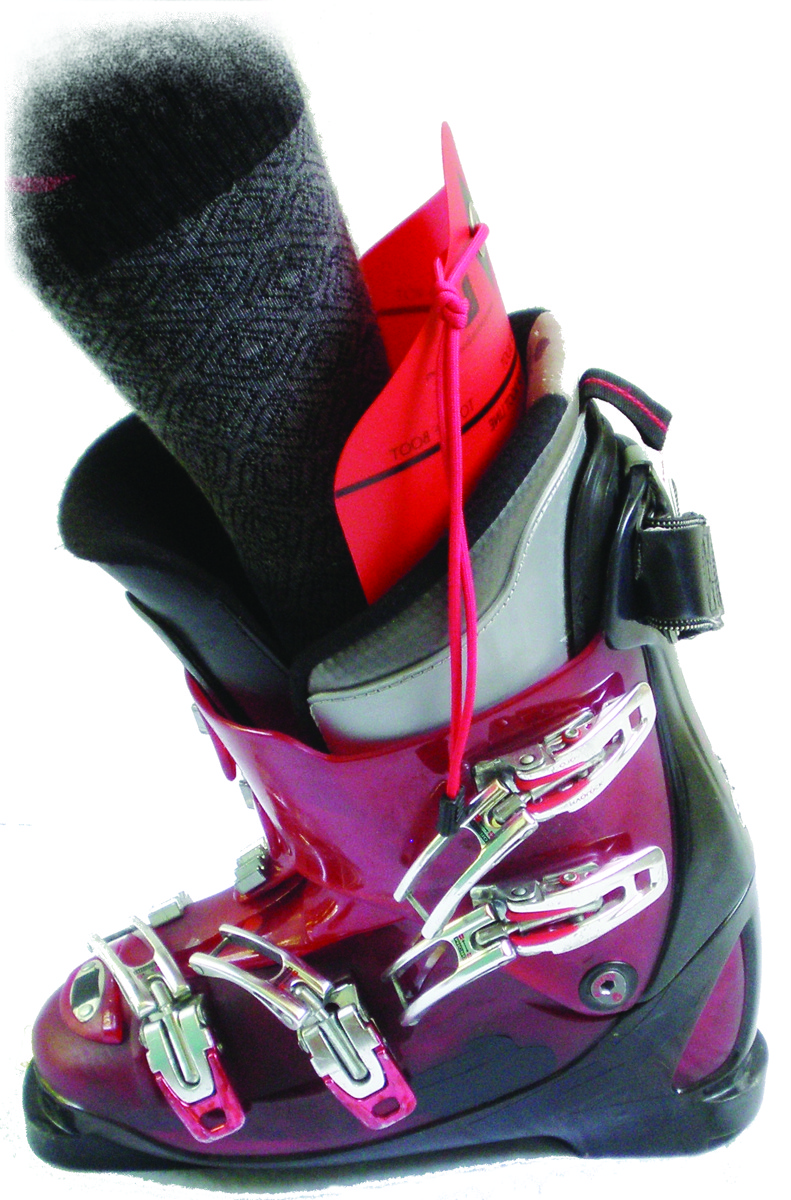
  • Use thin socks, the liners will provide the necessary insulation.
  • The cuff of the boot should wrap snugly with buckle bails set somewhere near the beginning to middle of the ladders. If you’re near the end of the ladder, the buckles may deform the shell and change the boot’s intended flex pattern.
  • To keep feet warm, start with a warm boot. Use a heated boot bag to keep boots toasty on the way to the slopes or place a microwavable hot pack inside each boot (remove before skiing!). Use Boot Gloves, neoprene insulating covers that Cohen swears by. Or—bootfitters’ trick—put a layer of adhesive aluminum foil underneath the insole (stock or custom) to help reflect heat back to the foot.
  • When shopping for boots, expect to spend several hours. Go when shop personnel are least busy, midweek, midmorning.

“Never buy boots online. In the shop, you’re buying the boot fitter’s knowledge and skills, which is priceless,” says Cohen. “You will get boots that are comfortable and will last you many years. A lot of people buy new boots before their old ones are truly done because they don’t fit or perform well.”

Check out bootfitters that belong to America’s Best Bootfitters. They can help you select a proper fitting ski boot, make modification to enhance fit, comfort, and warmth. Good bootfitters can also stretch or grind shells and liners to relieve pain caused by bunions or other bony prominences.

It’s all good for the senior soles.


A Much Better Way To Boot-Up

Taking The Pull Out Of Pulling On Boots.

Every now and then I come across a product that makes a big difference in the comfort of older skiers. I’ll explain in a minute.

No more wrestling with boots. Ski Boot Horn makes a BIG difference. Credit: Ski Boot Horn

No more wrestling with boots. Ski Boot Horn makes a BIG difference.
Credit: Ski Boot Horn

I always boot-up in the parking lot. The difficulty of that process advances with age. Over the years, I’ve found that using boot warmers on the way to the mountain makes it easier to get boots on — especially on very cold days, when the shells are stiff and resistant. Because I find it easier to be seated, I carry a folding chair in the car.

Recently I learned about the Ski and Snowboard Boot Horn, and, WOW, does it make a difference! This specially-designed sheet of flexible and slippery plastic is placed in the boot and helps your foot slip into place. It is simple, effective, and costs less that $10, when purchased online.

In addition to letting your feet slip in easily, the boot horn helps avoid foot and ankle pain from earlier injuries, while putting on boots. It also protects hand and finger injury and discomfort that can occur in the frustration of trying to get boots on in very cold conditions.

The ski boot horn website features a few useful videos about ways to improve getting your boots on, including useful tips about boot liner care. For reasons I don’t understand, there’s even a video of a group of skiers dropping into Jackson Hole’s iconic Corbet’s Couloir. I checked that one off on a deep powder day almost 25 years ago.

I haven’t tried the boot horn with cowboy boots, fishing waders, skates, etc., but the makers claim it works well for them and for all types of shoes. I’ll try those as the seasons change, but for now, I treat my Ski and Snowboard Boot Horn like I treat my AMEX card. I don’t leave home without it.

Ski Boots for Seniors: The Apex Innovation

Hey there, Senior Skier:  Time for a moment of honest reflection.  While ski boots have come a long, long way from the old days, comfort-wise, they still suck, right?

But, what if ski boots didn’t hurt after three hours of riding hard pack?  What if you could walk around the lodge or to your car in comfort, without the cadence of a hobbled horse?  What if you could get the damn things on without wrestling, straining, tugging, and grunting?  Well, you can.  That’s the whole idea behind the Apex boot which promises comfort and performance without the feeling of having your feet in a clamp.

ImageImage

The Apex takes its inspiration from ski board riders, who can perform all day on the mountain and then dance to the music in their boots in the lodge.  Basically, the Apex consists of two elements: a walkable support boot that promises a custom fit, and an external carbon-fiber frame—an exoskeleton, if you will—that can be tuned to different flexes.  The boot locks into the frame, and the result, according to Apex, is the Holy Grail of precise edge control and comfort.

We learned of the Apex boot from Senior Skier Billy Kidd, who, at 70, is still very much on the hill. As the 1964 Olympics silver medalist said in an interview with CBS Denver, “At 20 years old, I didn’t care about comfort.  I still need to have control, but the top priority for me now is comfort.”  Now, we at SeniorsSkiing totally endorse Billy’s urgency for comfort; it’s a core philosophy around here.  That’s why the Apex looks so interesting.

The innovative genius behind Apex is none other than Denny Hanson.  In 1970, Denny and his brother Chris rocked ski industry traditionalists with what was then the revolutionary Hanson boot, the first rear-entry design that also featured comfort and easy to get into.  The Hanson boot caught on with racers and freestylers, and what was once considered radical became accepted.

Here’s Denny showing off the Apex.

Couple of things.  Apex boots aren’t cheap.  On the other hand, reviewers are really effusive about praising the performance-comfort benefit.  Also, dealers are spread out pretty thinly.  Check the website for a dealer within a day’s drive.  Or a short plane ride. Or head over to Apex Ski Boots.

Comments on Apex boots?  Anyone? Anyone?