This Week In SeniorsSkiing.com (Apr 1)

Skiing In Literature Series Launched, Fun Products, Snowshoeing At Ski Resorts, Plus A Report On Roads Scholars Trip to Telluride, CO.

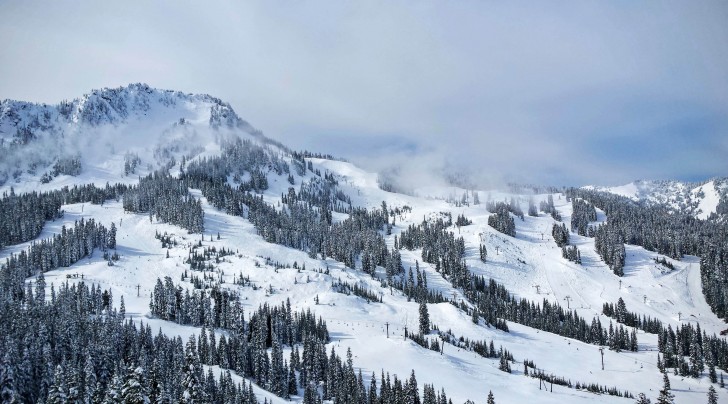
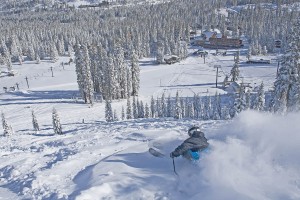
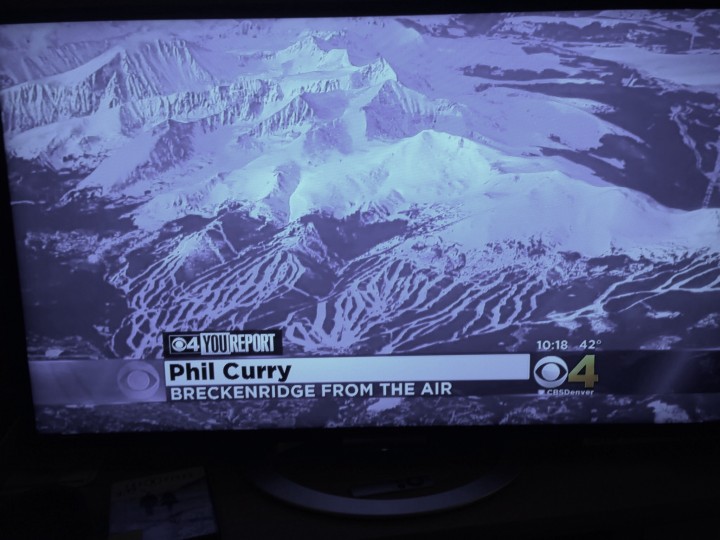
This isn’t an April Fool joke. There is a forecast of snow for this weekend in the Boston area. Come on, Old Man Winter, make up your mind. Our friends in the West are celebrating even more powder as this photo from TV news of Breckenridge shows.

Western states got ka-powed last week. Here's Breckenridge. Credit: Joe Durzo.

Western states got ka-powed last week. Here’s Breckenridge.
Credit: Joe Durzo.

This week, we are publishing the first in a series of Skiing In Literature with an excerpt from Hemingway’s The iHemiSnows of Kilimanjaro. It’s our way of celebrating the 80th anniversary of the story, first published in Esquire in 1936. We will have more Skiing In Literature articles coming up. If you have any sources of stories, poems, novels, please let us know.
Our recent Subscriber Survey has revealed what many senior skiers view snowshoeing as a second snow sport. Roger Lohr, publisher of XCSkiResorts.com, presents a number of Alpine ski areas that run snowshoeing programs, from strenuous to casual. Snowshoeing, by the way, is a great way to spend time on the snow with grandkids.

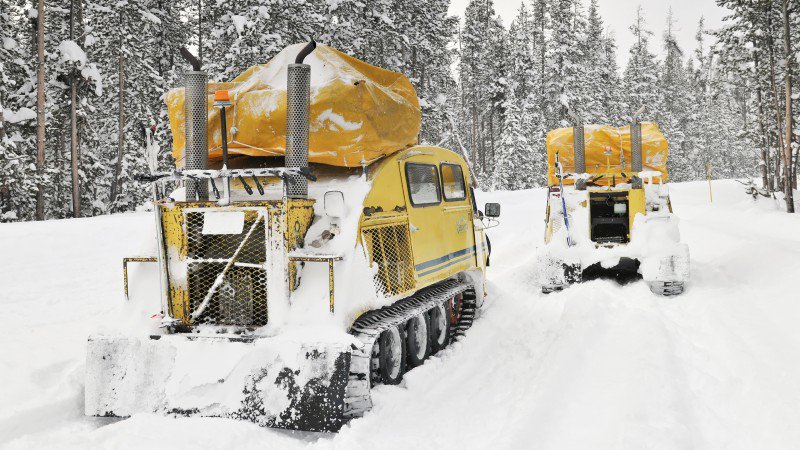
There’s a clever way to “hack” using hand warmers from our resident craftsperson, Sue Z, as reported by co-publisher Jon Weisberg. Jon also reports on the auctioning of Yellowstone National Park’s monster snow coaches. Imagine one of those in your driveway.
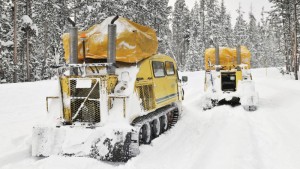
Bombadier snowcoaches have operated in Yellowstone since 1954. Photo: brytta/iStock

Bombadier snowcoaches have operated in Yellowstone since 1954. Photo: brytta/iStock

Correspondent Jan Brunvand describes his experience with Road Scholars in Telluride. Formerly known as Elder Hostel, Roads Scholars has many different adventure travel programs, skiing only one.  There are cross-country adventures, too.
DeBooter: Easy-to-use ski boot jack. Credit: OutDoor Logic Solutions

DeBooter: Easy-to-use ski boot jack. Credit: OutDoor Logic Solutions

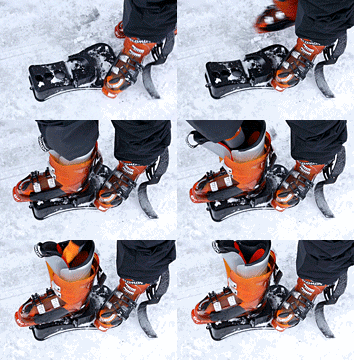
Finally, we highlight a product we feel is a long time coming and greatly needed by senior skiers. It’s the DeBooter. a fast and easy way to take your ski boots off. DeBooter is also a SeniorsSkiing.com advertiser, and we believe the product is a perfect match for our readers.

Speaking of advertising, as we begin our third season of publishing SeniorsSkiing.com, we have grown to the point where advertisers who have products and services targeted to active seniors would definitely benefit by advertising with us. If you know of potential advertisers, please let us know.  Contact jon@seniorsskiing.com
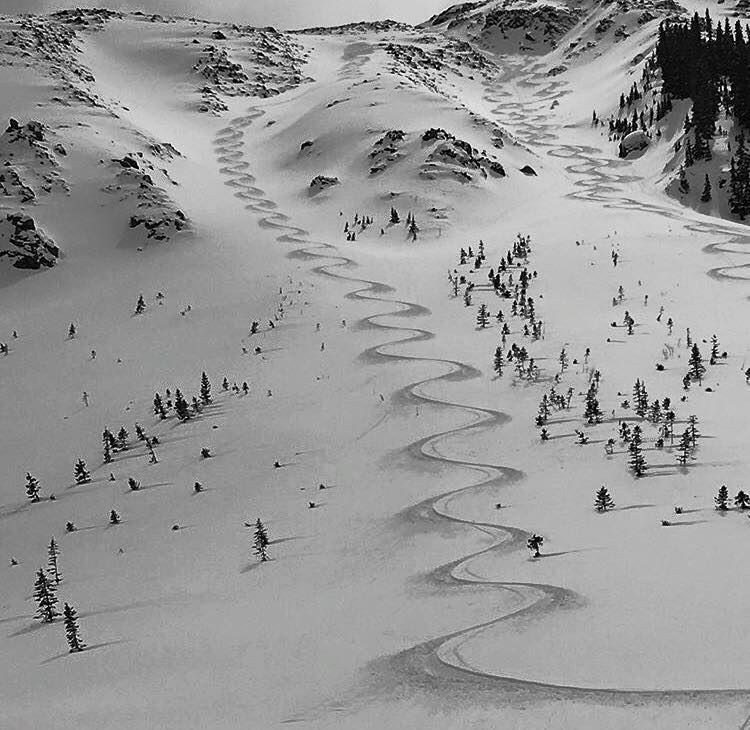
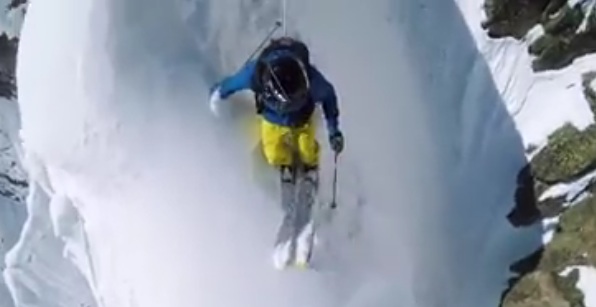
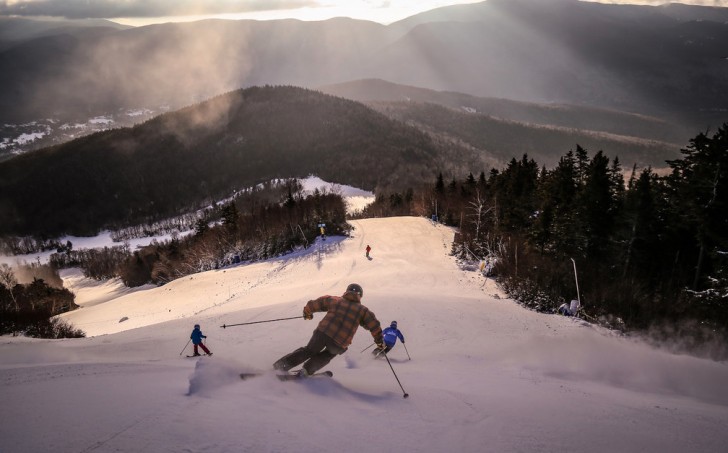
Awesome track at Breckenridge. If you know who took this picture, please tell us. Meanwhile... Credit: Breckenridge Ski Resort

Awesome track at Breckenridge. If you know who took this picture, please tell us. Meanwhile…
Credit: Breckenridge Ski Resort
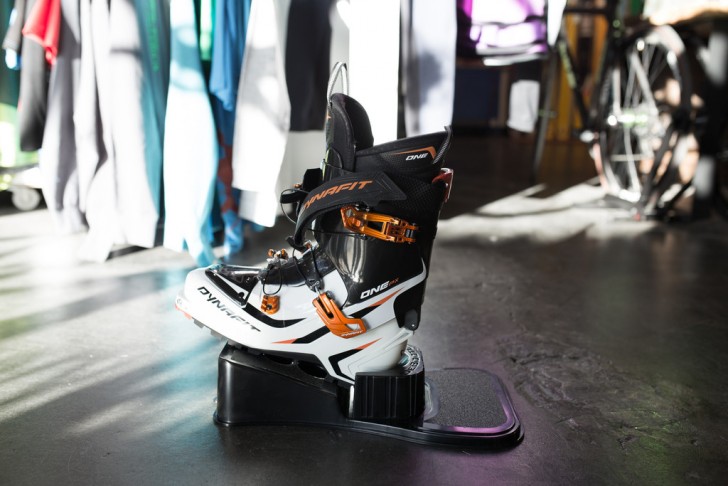
DeBooter: DeLovely Way For Easy (And Painless) Boot Removal

A Smart Ski Boot Jack That Really Works.

DeBooter: Easy-to-use ski boot jack. Credit: OutDoor Logic Solutions

DeBooter: Easy-to-use ski boot jack. Click on image for demo. Credit: OutDoor Logic Solutions

They are the collective sounds of people removing their ski boots: the moans of agony and the sighs of joy heard in lots and lodges around the globe.

I’m simply relieved to get the damn things off, but getting the top of my foot past those two nasty tabs of plastic are akin to ripping a bandage off an old wound. I HATE IT!

No more. I recently had occasion to remove my boots with the DeBooter, an easy-to-use ski boot jack. It takes the pain and discomfort out of the process of taking off ski boots. You’ll still need to bend over to loosen your buckles and your booster straps (if you use them), but the struggle is over!

Place your boot heel in the designated area, step on the back of the device, and lift your foot out of the boot. It happens so quickly and so easily that you need to keep shoes close by so you’re not hopping around on one foot.

Wanting to verify my experience, I took the product around the Alta parking lot one afternoon as people were approaching their cars still wearing their boots. About a half dozen tried it. Using it is intuitive. The first few questioned why it was necessary. As soon as they tried it, they wanted to know where they get one for themselves. Another person who was wearing telemark boots had a little difficulty at first but quickly figured out how to make it work. Each and every one of the others appreciated the ease with which their boots popped off in full comfort.

The day had warmed up and the melting snow required shaking the product to get rid of dirty water. When faced with those conditions, keeping a towel in the car or using the DeBooter bag which can be purchased separately makes sense.

A great idea whose time has come. Get those boots off easily! Credit: Debooter

A great idea whose time has come. Get those boots off easily!
Credit: Outdoor Logical Solutions

The product is constructed of rugged plastic. It’s one of those things you purchase once and will to your favorite skier. It looks like it will last forever.

DeBooter is available in two versions: portable and commercial. I used the portable model, which sells online for $49.50. The commercial model gets screwed into a solid surface and is intended for use in condos, homes, and ski shops. It’s listed for $42.00. The company is a SeniorsSkiing.com advertiser and is offering readers a 20% discount. For more details, click here.

Seniors Snowshoe At Alpine Resorts

Snowshoeing—Fun, Easy, Safe—Steps Into Ski Country. Find Out Where.

Snowshoeing lets you enjoy winter at a different pace. Credit: Ski Utah

Snowshoeing lets you enjoy winter at a different pace.
Credit: Ski Utah

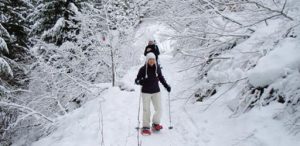
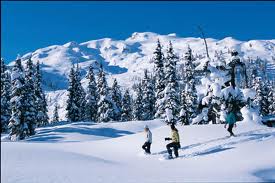
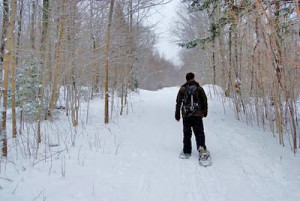
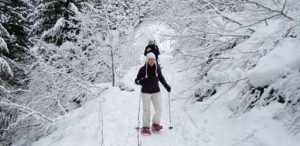
Not everyone who visits a ski resort wants to or is able to ski or snowboard, so resorts offer other activities. Among those options, guests can explore and enjoy the outdoors on snowshoes. These snowshoe outings at ski resorts range from guided naturalist tours to nearby destinations to athletic fitness treks reaching the top of the mountain. Snowshoeing options at ski resorts are booming and becoming ever more creative.  This is especially important to seniors who want to enjoy the outdoors at a different pace than downhill or even cross-country skiing. Snowshoeing is also a great opportunity to spend time with grandchildren on the snow.

Smuggler’s Notch Resort, a prime Vermont family destination, has one of the most comprehensive mixes of snowshoe programs available. There are snowshoe treks for families with young kids, and outings for adults or families with older kids, who want a bit more in terms of the length of the trek, the topography covered, and the insights shared about the natural world and outdoor skills.

Snowshoeing at Smugg's. Many different tours are offered at Smuggler's Notch. Credit: Smuggler's Notch

Snowshoeing at Smugg’s. Many different tours are offered at Smuggler’s Notch.
Credit: Smuggler’s Notch

Special family snowshoe programs that are easy include the S’mores Snowshoe Tour, which is a guided snowshoe trek on Wednesday’s 6-7:30 PM through the woods to a rustic pavilion and bonfire. The Sugar On Snow Snowshoe Trek is where you learn about Maple Sugaring. Back at Smuggler’s Nordic Center, enjoy a sweet treat of Sugar on Snow, a Vermont tradition. Smuggler’s Notch also hosts a dramatic dining feature atop Sterling Mountain for adults, who ride the Sterling lift to a mountain cabin lit only by candles. There’s a gourmet meal served with appetizer, salad, choice of main course, and dessert. After dinner, those calories can be burned off with a 40-minute snowshoe down to the Base Lodge.

Beaver Creek Resort in Avon, CO, has a variety of snowshoe tours via the Strawberry Park Express chair lift. There are guided naturalist snowshoe tours for two hours that include the gear and a map at $175 for two people. The group tours are $73 per person. On certain days the three-hour Fit Tour is available and there’s also the Wine Excursion Snowshoe Tour. On Fridays, there’s the Fondue & Snowshoe Tour and on Wednesdays the Women’s Walk and Wine is offered. The Family Tour is 4-5:30 with a guide, hot cocoa and snacks. The private guided snowshoe tours include the two-hour outing at $285, the half day at $395, and the All Day Snowshoe Tour is $600. Following each tour, the Osprey Fireside Grill welcomes guests into its slope-side, mountain-modern elegance—where Executive Chef Conor Shedor presents decedent culinary and wine pairings befitting of a post-snowshoe hike. Click here for Beaver Creek Resort.

At Crystal Mountain in Thompsonville, MI, there are daily guided snowshoe tours and evening moonlight snowshoe tours. One of the popular treks is to the Michigan Legacy Art Park, which is a 30-acre preserve on 1.6 miles of hiking trails within Crystal Mountain. The Art Park features over 40 sculptures (20 in the winter), poetry stones, an outdoor amphitheatre (open in the summer). Click here for Crystal Mountain.

Stop by the Base Camp at Big Sky Resort in Montana for snowshoe adventures. They have a two-hour snowshoe tour on the Moose Tracks Trail for up to 10 people at a time led by two guides. There are designated trails for snowshoers to go out on their own, but they are asked to pay a $5 trail pass. Click here for a video about the guided snowshoe tours that are available at $50 for guests at Big Sky Resort.

Back in Vermont, a resort that presents a different option is Mount Snow where snowshoe tours are available via Grand Summit Hotel lodge’s NatureSpa. There are planned and marked trail routes at the ski area and the unique “Guided Snowshoe Tour & Massage,” that includes (for $185) a guided snowshoe tour followed by a sorely “kneaded” massage after returning to the spa. Trail loops can take an hour or two and snowshoes are available to rent. Click for a link to the NatureSpa.

Snowshoeing a Mt. Snow where you can tour followed by a massage. Credit: Mt. Snow

Snowshoeing a Mt. Snow where you can tour followed by a massage.
Credit: Mt. Snow

Guided snowshoe tours take about an hour for $45 per person including the snowshoes, poles and a group guide. There are also private tours available and outings offered to people who are more athletic and looking for a fitness workout on snowshoes or an environmental tour with a local Vermonter talking about animal tracks or local geography. Trail maps for snowshoers are available at Mount Snow Sports, where snowshoe rental equipment and a trail pass can be acquired. The trail pass is $10 per day and rentals are $25 per day or $15 per afternoon.

It was necessary this year for some of the Smuggler’s Notch snowshoe treks to be on the alpine slopes due to low snow in the valley. Snowshoers used the lifts to access a high elevation tour and a backcountry tour. The Smuggler’s Nordic Director commented, “When the skiers saw the people snowshoeing on the slopesides, they wanted to get out of their skis to come and try it.”


Helpful Handy Hand Warmer Hints

From Newborn Mittens to YOUR Mittens.

Editor Note: Sue Z. is a senior skier and craftsperson who hangs out at Alta.  She wrote a recent gift idea that showed how to transform worn out ski socks into a cool scarf.  

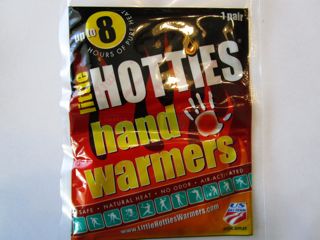
Like many older skiers, I rely on disposable glove warmers to keep my hands comfortable. I open the package at home and let them toast my gloves on the 30-minute drive to Alta, my home resort. Manufacturers of disposable hand warmers advise that they not be placed directly against the skin. Since my gloves and mittens don’t have pockets, I came up with the following idea which allows me to use disposable hand warmers without them touching my skin.


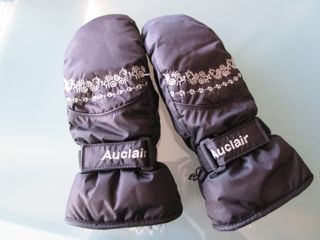
My ski mittens.

My ski mittens.

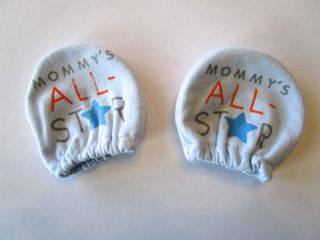
Mittens for newborn children, which can be bought at any store that carries infant clothing.

Mittens for newborn children, which can be bought at any store that carries infant clothing.


Little Hotties® hand warmers. Remove pair from package and shake.

Little Hotties® hand warmers. Remove pair from package and shake.


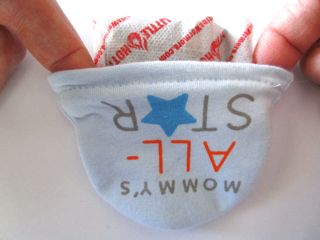
Insert Hotties into newborn mittens. Now, the Hotties will not be against your skin.

Insert Hotties into newborn mittens. Now, the Hotties will not be against your skin.

I put them in my mittens about a half hour before I’m ready to hit the slopes. That way, my mittens are warm by the time I’m ready to put them on. An added benefit: if the mittens are near my socks in my ski bag, I have warm socks as well!

®Little Hotties is a registered trademark.

SueZ*Sue Z., born in Brooklyn, is now a senior skier who likes to spend her time at Alta. When she is not skiing, she likes to paint in acrylics, plays the piano, and has taken several years of drum lessons. The “sock to scarf” idea came about while she was looking for a scarf for her new ski jacket; she came across knee socks in fun colors, and thought she could sew them together to create just what she was looking for.
Road Scholars Ski Telluride

Wonderful Value With Close-to-Lift Lodging.

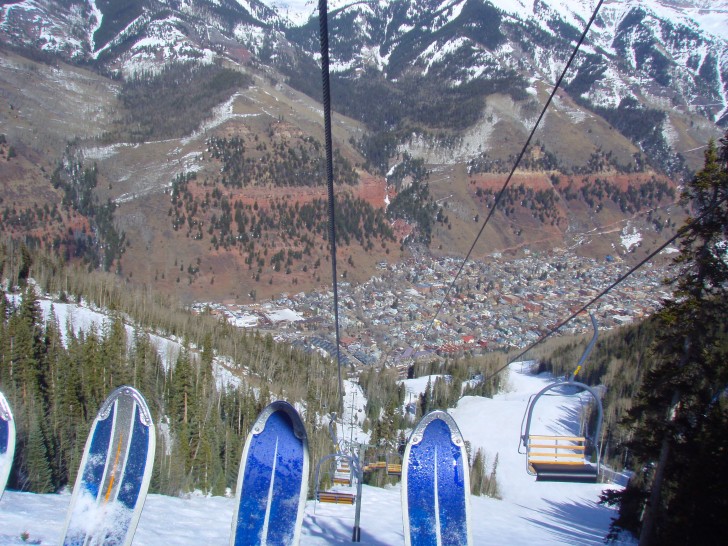
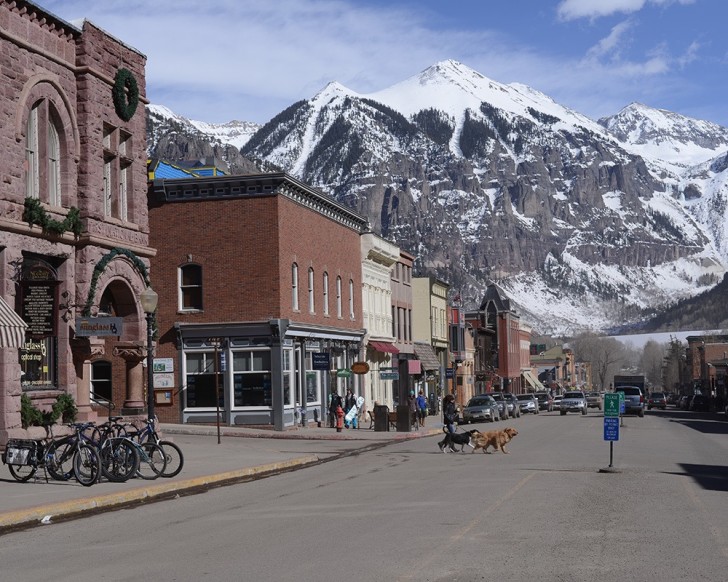
Nice town. Great mountain! It tops out at 13,320'.

Nice town. Great mountain! It tops out at 13,320′. Credit: Pauline Simmons

“You can’t find a better value than Road Scholar” is their claim. My wife Judy and I decided to test it the first week of March with the Telluride program run for Road Scholar by the Mountains and Plains Institute of Fort Collins. The price of $1495 each seemed a bit daunting.

But, when I saw the window ticket prices at Telluride—$122 for adults, $107 for seniors—I figured we were already ahead of the game. We got five night’s housing, thirteen meals and daily guide service in the package; clearly a great deal in this quaint but pricey ski town.

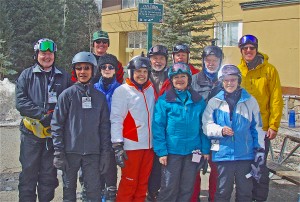
Road Scholars from Alaska, New York, North Carolina, Utah and Vancouver. Credit: Jan Harold Brunvand

Road Scholars from Alaska, New York, North Carolina, Utah and Vancouver. Credit: Jan Harold Brunvand

Our group had eleven skiers. Telluride is skier-friendly for anyone from low intermediate on up—way up, if you are so inclined. The others were from New York, North Carolina, Vancouver, and Fairbanks. We drove down from Salt Lake City, detouring at Moab for a hike in Arches National Park.

Our group leaders, Peter McCarville and Ashley Boling were super skiers and patient guides. They paced the four days to suit their elders and at times split the group to accommodate those who wanted more or less challenge. Since our lodge lacked meeting rooms, the planned “lectures” became on-hill chats about geology, history, and local color.

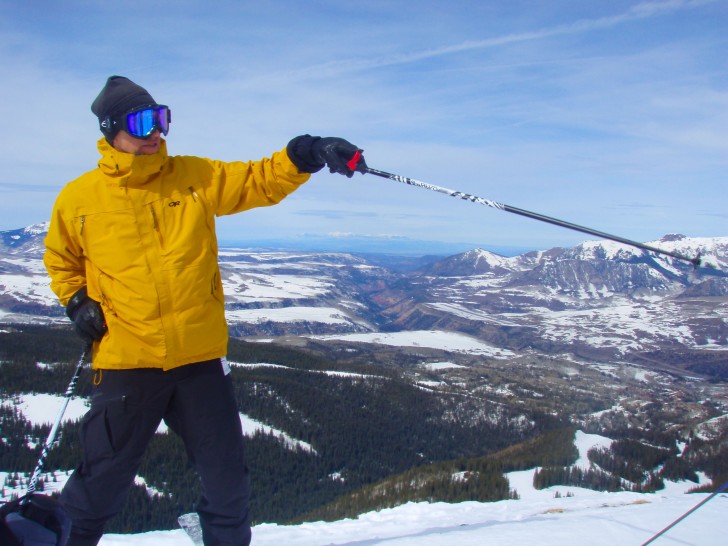
Guide Peter McCarville pointing out a geologic feature, his ski pole framing a view of the distant LaSalle Mts. of Utah. Credit: Jan Harold Brunvand

Guide Peter McCarville pointing out a geologic feature, his ski pole framing a view of the distant LaSalle Mts. of Utah. Credit: Jan Harold Brunvand

The lodge had no restaurant, but all rooms had kitchens. Peter took our breakfast shopping lists and delivered groceries the first evening. We liked this arrangement, but some said they preferred restaurant breakfasts. For on-mountain lunches we each got a Telluride gift card worth $60.  At dinner the bill—alcohol excluded—went straight to Peter.

The big advantage of the aptly-named Mountainside Inn was location. A short walk across the nearby public parking lot (free overnight for Inn guests) took us to the Coonskin Lift which conveyed us over scary-looking, partly bare, mogul-strewn runs to the good snow above.

Despite a stretch of warm weather, the upper mountain was well covered with plenty of groomers to cruise. Our favorites were “Misty Maiden,” “Stormin’ Norman,” “Peek-a-Boo,” and “Polar Queen.”

From the 12,000 foot level the choices ranged from the delightful “See Forever” to Telluride’s signature steep run, “The Plunge,” which was so well groomed that the challenge was more in hanging on for the long descent than any problem staying upright.

Riding Coonskin Lift down at the end of a day. Credit: Jan Harold Brunvand

Riding Coonskin Lift down at the end of a day. Credit: Jan Harold Brunvand

The first afternoon Judy and I joined the others in returning to town on the long winding run “Telluride Trail” that ended in our parking lot. But when we learned we could ride Coonskin Lift back down, we opted for that route on subsequent days. Not only was it a rest for our weary legs but it provided a fine view of town as we headed towards the hot tub.

The program was lots of fun and a true value. Next season we hope to try the Road Scholar program in Snowmass or Steamboat run by the same people.

Feds Auctioning Yellowstone’s Snowcoaches

$10K for Previously Owned Bombadiers Could Make Your Commute Interesting.

Bombadier snowcoaches have operated in Yellowstone since 1954. Photo: brytta/iStock

Bombadier snowcoaches have operated in Yellowstone since 1954. Photo: brytta/iStock

For years, Yellowstone National Park transported winter visitors down snowy roads in large—no, humongous—Bombardier snowcoaches. Slow, noisy, and big-time gas guzzlers, their tank-like treads and heavy weight made them reliable. Now the fleet is being retired and auctioned off buy the Feds. The first batch fetched $10,000 to $12,000 per. If you’re a senior winter adventurer who always wanted a snow toy like this, or who needs back country access to a remote cabin, read more at outsideonline.com.

This Week In SeniorsSkiing.com (Mar. 25)

Serious Senior Discounts Now, A Seattle Ski Area That Challenges, A New Energy Bar That Tastes Good, Poll Results: Are You Done?, And Fun—A Ski Slope On An Incinerator and Feedback Time for Old Man Winter.

Sometimes we need a little boost.

This week, we reveal the results of the latest SeniorsSkiing.com poll directed primarily at Easterners.  We wanted to see how done with the season these folks are.  The numbers show predictable Yankee stubbornness in the face of a tough winter. And, yeah, it snowed on the first day of Spring in Boston. Cue the horns of irony.

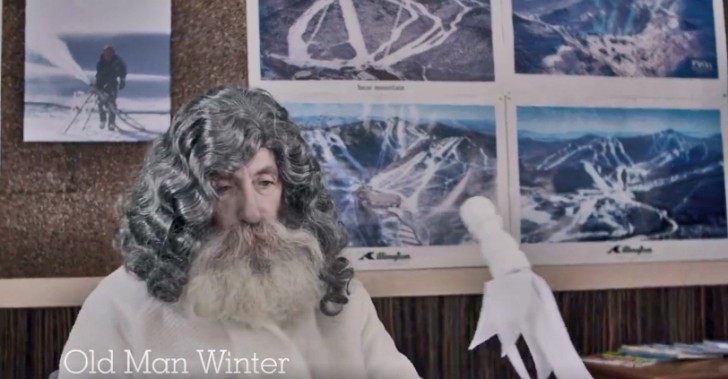
Speaking of which, we received a really funny video from Killington where the GM gives Old Man Winter a little performance review feedback.  If you’ve had any corporate background, this one may appear familiar.  We guess laughing at this winter in the East is a lot better than crying.  Much better to look ahead.

If you are looking ahead, you will see some amazing and short-availability discounts for seniors this year. New Hampshire-based Joan Wallen names a few places in New England where season passes are cheap.  Sugarbush is offering a $99 mid-week pass for seniors again this year, but only until May 4.  Other offers are in Joan’s report.

Seattle correspondent John Nelson visits Alpental, a Snoqualmie Pass resort about 50 miles from town that offers a lot of thrilling skiing and deep, deep senior discounts.

Pat McCloskey reports on an alternative to bland-tasting energy bars.  Munk Pack, his discovery from Canada, has flavor plus a decent amount of carbos.

Finally, co-publisher Jon Weisberg reports on another important development in urban skiing.  We’ve seen ski slopes from the top of condo developments.  For this one, a ski slope loops down from a energy-generating incinerator.  And it blows smoke rings.  Don’t ask.  Just read.

Preview

We’re expecting a season wrap from California, some more fun product information, and whatever comes in over the transom. We’d love your comments, advice, suggestions.

In a few weeks, we will be posting our Subscribers’ End-Of-Season Survey. It will be short and to the point.

And thanks for subscribing to SeniorsSkiing.com.  Remember, there are more of us every day, and we are not going away.


Seniors Save Big in New England

Fabulous Deals For Senior’s Next Season Passes Are Happening Now.

Sugarbush offers a $99 mid-week pass for seniors. Act now. Price goes up on May 4. Credit: Sugarbush

Sugarbush offers a $99 mid-week pass for seniors. Act now. Price goes up on May 4.
Credit: Sugarbush

It’s never too early to think about next winter. Most ski areas have opened up season pass sales for next winter with some big savings for seniors if they plan ahead and purchase their passes now. Here are a few of the highlights.

If you’re 65 or older and planning to ski at least a couple of days at Sugarbush next winter you can’t go wrong with the Boomer All Mountain 5 Pass. This season pass is good mid-week, non-holiday at both Lincoln Peak and Mt. Ellen.

At a price of only $99 it may be one of the best deals in New England. It does require quick action as this price only holds until May 4th. After that it goes up to $199, still a very good deal.

Bolton Valley requires a little faster action. It’s Senior Pass (ages 65-74) is $199 and the Senior Plus for those 75 and up is a mere $29 if purchased by April 4th.

In New Hampshire early bird deals are available also. Gunstock offers a mid-week only Super Senior Saver pass for ages 65-80 for $149 with a May 1 purchase cut-off date.

King Pine’s Midweek Adventure Pass includes skiing and riding, XC skiing, ice skating and snowshoeing for those 65+ for $120 and if you’re 70+ you are not limited to weekdays – an Anytime Adventure Pass is $100.

Many other resorts encourage seniors to get on the slopes, especially midweek, with season passes at around the $300 mark. Senior rates usually begin at age 65 with some Super Senior values offered to those 70 and over. Check out your favorite areas. The best deals usually have a purchase deadline in the spring.

“Waste” Deep Skiing Due Soon In Copenhagen

Incinerator With Skiable Roof to Open in 2017.

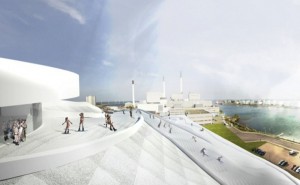
Skiable incinerator being built near Copenhagen

Skiable incinerator being built near Copenhagen. Credit: BIG Architects

For reasons I can’t fully explain, Denmark ranks at the top of the 2016 edition of the United Nations “World Happiness Report.” I’ve been to Copenhagen a few times and enjoyed the people and the food. Skiers there have painfully few options: a few tiny runs and an indoor facility.

Skiing off the roof, there will be a beautiful view of downtown Copenhagen. Credit: BIG Architects

Skiing off the roof, there will be a beautiful view of downtown Copenhagen.
Credit: BIG Architects

That’s about to change with the addition of a massive waste-to-energy incinerator under construction near Copenhagen. Designed by innovative architectural firm BIG in New York, the building has 41,000 square meters of roof which will have trees, hiking trails and a ski slope with synthetic snow. It is scheduled for completion in 2017.

BIG is headed by Bjarke Ingels, whose work includes 2 World Trade Center in Manhattan, the recently announced stadium for the Washington Redskins, and many other eye-popping projects around the globe.

In addition to its skiing feature, the incinerator will remind those in the neighborhood about their disposable consumables by sending a single smoke ring skyward every time a ton of carbon dioxide is produced.

See how the project works in the video below.

Poll Results: Easterners’ Sense Of Done

Short Year Of Skiing For Seniors In The East.

Poll__As you can see, the results of our recent SeniorsSkiing.com poll reveal that about half of Eastern respondents are done or almost done with skiing this season.  On to taking the cover off the boat, cleaning the bike chain and even gassing up the lawn mover.

However, note that there are a healthy number of respondents who are heading to western snowfields. And about a quarter of respondents are still going.  There is snow in those hills, thanks to the heroic efforts of snow groomers and makers across New England.

Now, Western skiers, how say you? When is done?


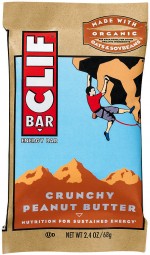
Clif Bar vs Munk Pack: A Jolt In A Bar

Comparing Veteran And A New Comer Energy Boosters.

Sometimes we need a little boost.

Sometimes we need a little boost.

Energy bars and gels have been on the market for a long time for endurance athletes and weekend warriors alike. Cycling, running and skiing require a positive store of energy that can be augmented by a power snack stored in a cycling jersey, pack or ski parka.  It is especially important to seniors who are active to have some form of nourishment during activities that require fitness and skill. Depleting carbohydrates can drain muscle power and lead to injuries.

The Veteran

The Veteran

The gold standard for energy replacement has been Clif Bars for the last several

The Newbie

The Newbie

years.  Energy bars, mini bars, gels and Clif Shots have all been part of the active outdoors persons arsenal .  Recently, Clif Bars has joined a movement that emphasizes non-GMO, Gluten free, organic ingredients included in packaging that is non-toxic and able to be re-sealed.

Recently a competitive producer has been gaining ground in the energy food world.  Munk Pack is produced in Canada and has focused on the energy food packs that have all natural flavors and able to be resealed.  They specialize in Oatmeal fruit squeezes that include whole grain oats, delicious fruits and flax, to produce sustained energy.  At $14.99 per six pack, they are reasonably priced and have four delicious flavors.

Personal Observations

Both Clif and Munk Pack emphasize the quality of ingredients. In my estimation, Munk Pack has an edge because, by comparison, their packs have 90 calories and 1% or one gram of total fat versus five grams of total fat and 140 calories for the Clif product. Some people value low calorie/ low percentage of fat grams in their intake of power snacks. Munk Pack delivers impact in terms of performance and recovery with the least amount of calories and fat. Both products are 120 gram packages. I found that the Peach Chai, Blueberry Acai, Rasberry Cocoanut, and Apple Quinoa Cinnamon also had an edge in exotic flavor over the Clif selections and utilizing the natural sweetness of the ingredients adds to the flavor enhancement.  Both products are comparatively priced, but Clif ranges from $13.99 per box to $18.00 per box of six depending on flavor.  Munk Pack is $14.99/six pack for all four flavors.

Clif has a wide range of products that suit different needs for the modern day athlete.  But Munk Pack seems to have cornered the market on fresh ingredients, taste, and price.  Their logo features a chipmunk which has significance in their mission.  ” We take inspiration from nature to create delicious brands of pure fruit and grain.  Like the chipmunk, we gather only high quality, real ingredients for balanced nutrition on the go. ”  A great addition to the pocket of your ski parka or cycling jersey.

Why, Winter, Why? Snow On First Day Of Spring In Boston

Yes, folks, last year we had too much.  This year, too little. Now this.  Too little, too late. Credit: CBS News/

Yes, folks, last year we had too much. This year, too little. Now this. Too little, too late.
Credit: CBS News/Chantee Lans WBZ

SeniorsSkiing Guide: Alpental—Accessible And Challenging

A Short Ride From Seattle, Alpental Super Seniors Ski For $12.

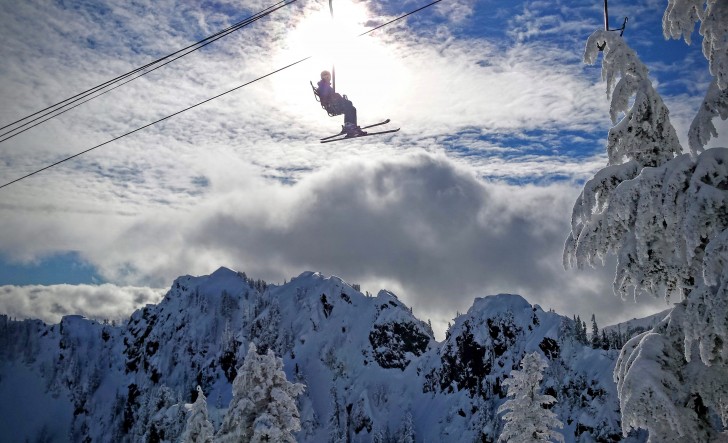
A skier rides the upper-elevation Edelweiss Chair at Alpental. Credit: John Nelson

A skier rides the upper-elevation Edelweiss Chair at Alpental.
Credit: John Nelson

It was a rare sunny winter day in Seattle, and I was stuck working in my office. I kept looking out the window, thinking, “I wish I was skiing.”

Why not? Daydreaming wasn’t getting the work done, so I bolted out of the city, and an hour later, I was on the slopes of Alpental.

Sometimes, access is everything. This challenging resort offers an easy way to fill a yearning to turn. What’s more, senior skiers who seek Alpental’s steeps will get some enticing price breaks.

On the day I visited, Alpental provided a great excuse to play hooky. Recent storms had left its empty midweek terrain soft, with powder pockets just waiting to be found.

Snow, terrain and more

  • Location: Alpental (the German word for “alpine valley”) is one of four areas at Snoqualmie Pass, all owned by the same company. It is about 50 miles east of Seattle just off Interstate 90, the main east-west route in Washington state.
  • Snowfall: More than 400 inches fall annually at Snoqualmie Pass, with considerably more pounding the higher peaks at Alpental.
  • Terrain, lifts: Alpental has some of the most challenging terrain in the Pacific Northwest. The lower mountain is primarily intermediate skiing, served by a high-speed quad (Armstrong Express) and two double chairs; the cliff-strewn upper mountain is for advanced skiers only and served by a double chair (Edelweiss). The experts-only back bowls of Alpental are accessed through gates off the Edelweiss chair.
  • Vertical: 2,280 feet from base (3,140”) to top of Edelweiss (5,420”).
  • Olympics connection: 1984 giant slalom gold medalist Debbie Armstrong grew up skiing at Alpental; the lift Armstrong Express and run Debbie’s Gold are named for her.

Lot to lift access

  • Weekends are crowded during high season and are best avoided. Once you park, skiers must take a short walk across a covered wooden bridge to the base of the ski area. Weekdays are much easier; I arrived in early afternoon and parked 30 yards from the bridge.
  • Shuttle service: Seattle Ski Shuttle delivers skiers from various locations in the Seattle metro area; a free intermountain shuttle operates between the four ski areas at Snoqualmie Pass.
  • Accommodations: Plentiful along I-90; the ski area is just 50 minutes from downtown Seattle.

Culture

  • The vibe: Alpental has a big-mountain feel on a fairly small footprint. Consequently, it feels like a club for people who love its challenging terrain. Lifties are friendly and helpful.
  • Dining: The day lodge at the base area has cafeteria-style food and adult beverages.

Bottom line

  • The senior skier will find some great deals here. Regular adult passes (ages 16-61) are $66; seniors aged 62-69 pay $48. If you’re a “super senior” (70 and older) your ticket is only $12.
  • The upper-elevation Edelweiss Chairlift takes advanced skiers into dramatic, cliff-strewn terrain; the double-diamond, peak-to-base run International is one of the best drops you’ll ever ski.
  • Access is everything: You’re on the slopes an hour after leaving Seattle.

Trail Map Click Here

Webcam Click Here

Skiers negotiate the cliff area of Rollen on the Edelweiss Chair at Alpental. Credit: John Nelson

Skiers negotiate the cliff area of Rollen on the Edelweiss Chair at Alpental.
Credit: John Nelson


Winter In The East: Performance Review

We’ve Been Watching Your Performance, And We Have To Talk.

Thanks to Killington Ski Resort for this hilarious take down of Winter.  You guys in the West have no idea…

Killington gives Old Man Winter a little feedback. Credit: Killington Resort

Killington gives Old Man Winter a little feedback.
Credit: Killington Resort


This Week In SeniorsSkiing.com (Mar. 18)

A Senior Boarder Tells All, Crazy Matterhorn Run, Products and Senior Day at Jack Frost.

We received a post card in the mail from a reader who explained that the weekly delivery of SeniorsSkiing.com to her electronic doorstep was lessened by hard-to-read, too-light blue lettering. Notice the new look. There are also some other subtle graphic changes that make it easier to read. Hope you like.

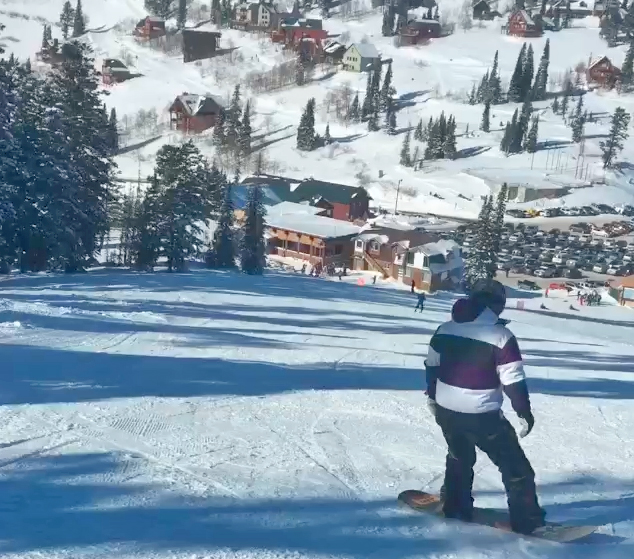
Heading down to Powder Mountain lodge, Dave Hayes took a couple of years to make the transition from skier to board.

David Hayes, former skier, now snowboarder descends to Powder Mountain (UT) lodge.

David Hayes, reader and senior snowboarder, sent in a comment complaining (in jest, he says) that we don’t have any snowboarder stories. So we asked him to write one. Here’s his journey from an avid skier to a pretty good boarder. There’s a video clip in there of him descending to the Powder Mountain (UT) lodge. David is going to write some more about the life of the senior boarder. We also refer you to our friend at graysontrays.com for some interesting posts.

Nick

We also ran across a really scary video clip of Nicolas Falquet, Swiss athlete, skiing from the pointy end of the Matterhorn. Makes you wonder, ahhh, why?

All season long, seniors can take a free, one-hour clinic on Wednesdays. Credit: Bill Runner

Jack Frost senior clinics
Credit: Bill Runner

Jack Frost Ski Area (PA) has a really great senior program that we wish other ski resorts would consider. There’s a free, hour-long clinic every week, terrific, right? Also in the middle of February, JF had a Senior Day featuring demonstrations and presentations. All low-cost, no-cost enhancements to the senior skiing experience. NSAA, are you listening?

Seattle-based correspondent John Nelson shows us Stevens Pass, the venerable Cascades resort. Find out how much they charge seniors. Amazing. Co-publisher Jon Weisberg tries out a ski parka that uses pumped air for inflation. See what he thinks about this novel idea. We always knew he was a bit flatulent.

Finally, what to do with your tattered ski socks at season’s end? Why, turn them into a gift scarf, of course. Find out how here. Sure, wash them first.

Clearing skies over Cowboy Mountain at Stevens Pass. Credit: John Nelson

Cowboy Mountain at Stevens Pass.
Credit: John Nelson

Preview

The season in the East has ended or will end soon. One industry member said of this year, “It certainly didn’t make the top ten.” Despite that, the weatherman is predicting a late spring snow storm for Boston. We’ll give you our observations of this season from this side of the continent.

There’s more going on out West. We’ll have some more Resort Reviews and ideas for products.

If you have story ideas or comments, please let us know.

Remember: There are more of us every day and we aren’t going away.

socks 8


Product Review: NuDown Parkas and Vests Use Pumped Air to Stay Warm

Reduces Layering. Improves On-Hill Comfort.

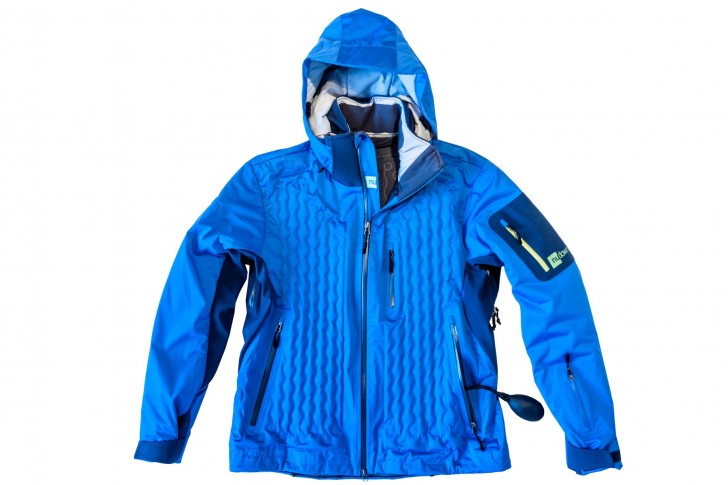
For the past several weeks, I’ve been skiing in a NuDown parka designed to keep you comfortable regardless of outside temperature and without dressing in multiple layers. It utilizes a hand-operated air pump system to create an adjustable layer of air, which, warmed by the body, serves as an effective insulator against the elements.

Here's the Nudown parka I tested. Removes the hassle of layering. Credit: Nudown

Here’s the NuDown parka I tested. Removes the hassle of layering.
Credit: NuDown

It works. My problem is that, given the relatively warm temperatures since using the parka, I’ve been unable to test it in extreme cold conditions.

Between the outer and inner shells is a bladder with a zigzag pattern of air chambers. A small and easy to use hand pump in the left pocket inflates the chambers. On brisk mornings, I’ve found that 15 pumps is sufficient to be comfortable. Later, when it warms, I press the release valve, which deflates the parka.

Typically, the more cold I expect, the more layers I wear, a technique that can get a bit bulky and result in in overheating as the day warms.

This parka, new to the market, and going by the name NuDown, eliminates the layering hassle. Having used it in not overly cold conditions, my positive experience and common sense tells me that it should perform effectively when it gets truly frigid.

The NuDown parka also is good-looking, even when fully inflated. And it sports a neat little zipper pocket near the left wrist for an RFID lift pass—the increasingly popular lift-pass technology used to open gate to the lift. Simply wave your arm to enter and save the chest pocket for your cell phone. A very nice detail.

The zip-off hood is sized to cover a helmet.

There’s been a lot written about improvements in down and being sensitive to the animal rights issues associated with down production. Some downs are processed not to clump when wet. Some are advertised as being humane. NuDown substitutes air for feathers. It lets you leave the layers at home, and it lets you adjust the air insulation so you can be comfortable in a variety of conditions. In the lodge, it’s a conversation starter when people ask about the zigzag air chambers, especially when inflated.

It’s not as light as down, but, in my experience, that’s not an issue.

NuDown technology currently is available in men’s and women’s parkas and vests. It will be available at retail in the fall and, like most everything else in the world, is available on line. Currently the NuDown site is offering a 30 percent discount.

From The Tippy Top Of The Matterhorn

When You Run Out Of Challenges, There’s Always The Matterhorn.

Nicolas Falquet, a 37 year old athlete from Switzerland, starts his run from the top of the world’s most impressive mountain.  He has a GoPro camera attached to a wand device from the top of his helmet.  Bet there was no line for the lift. Thanks to Milkyway Scientists and GoPro for this one.

Nick

The Matterhorn is 14, 692 feet high.  And it certainly looks like it has a very pointy top.  That’s where Nicolas filmed this clip. Hold on, folks, it’s a long way down. Yikes!


Confessions Of A Senior Snowboarder

He Went To From Skier To Boarder. Here’s How And What Happened.

Heading down to Powder Mountain lodge, Dave Hayes took a couple of years to make the transition from skier to board.

Heading down to Powder Mountain lodge, Dave Hayes took a couple of years to make the transition from skier to board.

I have to confess, I was once one of you before I moved to the Dark Side. Yes, I skied in the East Coast and the West Coast, in the Rockies and also in Austria, enjoying the feeling and stability of two boards under my feet and with poles to move me along when needed.

Former skier, now boarder, Dave Hayes with son learning how-to. Credit: Dave Hayes

Former skier, now boarder, Dave Hayes with son learning how-to.
Credit: Dave Hayes

However, with two young sons and the misguided idea that I could spend more time with them if I took up snowboarding, I dropped the two for one and took up Boarding. As an older adult I joined the Dark Side where most of the much younger participants seem to be oblivious to common sense or at least common manners as they drop down to sit in front of you blocking your path. As skiers we all enjoy being edged off the trail as the boarders race by often jumping on nonexistent drifts and seem to purposely nudge you out of their way.

I was once like you but now, I am committed and far happier as a Boarder. I truly enjoy the sensations of a snowboard on powder with the glide and edging making the effortless turns that seem to be only available on a Board.

OK, you skiers need to know that there are two forms of falling while learning to Board, front — which means your hands and wrists are at risk, or, like me, backward fallers —where you learn the meaning of word coccyx, which means tail bone. I hurt my tailbone so badly in my attempt to learn boarding that after my return home I decided to go to the Doctor convinced that something had broken. I learned that severe bruises also hurt like hell and that even a Doctor can laugh at his long time patient who seemingly is not acting his age.

The learning curve was, well, both long and painful. I remember during my private lessons (pride would not allow me to take group lessons) spending a lot of time on my rear to the point that after the end of the day of lessons (ok, mostly falling) I had a real challenge sitting down. After the first week and a very sore backside I spent most of the time standing on the 4.5 hour flight home. Which, you might understand in a post 9/11 world, makes you the object of a lot of suspicious glances until you explain that your tail hurts from learning to snowboard. I believe I noted a few snickers from the cabin crew.

The next vacation on the snow and after more lessons, a very patient instructor told me of the padded appliance appropriately named Azz Pad that snow park participant’s sometime use during training. Quickly getting on the internet and with the gift of overnight delivery I was quickly proud owner of the aforementioned Azz Pad and I have never looked back. My wife shook her head at my new found rear end protection and my two sons derided my apparel but I found comfort in the added padding and when combined with a highly recommended beginner’s board I developed courage, stability and the dissipation of fear (or at least in regard to my tailbone bruises).

Moving ahead a few years and with more than just a few snow days behind me, I am no longer wearing the Azz Pad, I have now five snowboards for differing conditions and also, well, just because I can! I regularly board black runs and often do the snowcat program at my favorite ski (I mean snowboarding) resort.

One son is now a certified snowboard instructor and the other is seemingly an Olympic class snowboarder (at least in my eyes). So, I looked forward to boarding with my sons; at leasst, that was the plan. Guess what, not a chance, they prefer hitting the slopes without old Dad holding them back.

However, I am grateful that my boys were the catalyst for me learning the sport that I now love. I still enjoy the feeling of one board in powder and the sense of victory that comes with learning a difficult (at my age) skill, and with no small measure of pride, learn it well.

Look around you, boarders of all ages are now on the slopes and if you see a gray haired nattily attired boarder with a smile on his face and a groove in his glide from the tunes in his helmet music system, ask him if he is named David.

Editor Note: If you’re interested in snowboarding as a senior, check out GraysOnTrays for the adult snowboarder.

About The Author:

David Hayes is an engineer turned contractor living in central Florida but in his mind is in Ogden Valley’s SnowBasin and Powder Mountain, UT. Click below for a short video from the world of the boarder.

SeniorsSkiing Guide: Stevens Pass—Low, Low Prices For Seniors

It Is Hard To Beat These Lift Ticket Prices For 70+.

Clearing skies over Cowboy Mountain at Stevens Pass. Credit: John Nelson

Clearing skies over Cowboy Mountain at Stevens Pass.
Credit: John Nelson

I learned how to ski at Stevens Pass, so whenever I return, it feels a little like a trip back in time.

The lifts are updated, of course, but I can’t help reminiscing about those days more than a half-century ago as I learned how to make a parallel turn on the rugged slopes. For many skiers of a certain age who grew up in Seattle, Stevens Pass served the same purpose.

Skiers enjoy the soft snow on Hog Heaven, an intermediate run on the frontside of Stevens Pass. Credit: John Nelson

Skiers enjoy the soft snow on Hog Heaven, an intermediate run on the frontside of Stevens Pass.
Credit: John Nelson

On this trip, I arrived to a classic late-winter storm that brought 10 inches overnight. Instead of the narrow wooden skis of my youth, it was a day for rockered powder planks. As the morning progressed, the skies cleared, revealing Stevens’ dramatic scenery.

If I can hang on for a few more years, Stevens will offer another reason to return: exceptionally low pricing for 70-and-older skiers.

Snow, Terrain and More

  • Location: The ski area is 75 miles east of Seattle on U.S. Highway 2, a major east-west route through Washington state. It takes about 1½ hours to drive to the ski area on good roads.
  • Snowfall: More than 450 inches fall annually on Stevens’ 1,200 acres. The pass is often in the stormtrack for Pacific systems that hit Washington, with major dumps a common occurrence.
  • Terrain: The “frontside” is dominated by two peaks rising from a base of 4,061 feet: Cowboy Mountain (5,845’) and Big Chief Mountain (5,600’). The “backside” is called Mill Valley and drops from the top of Big Chief Mountain into a south-facing basin that bottoms out at 3,821 feet. About 35 percent is rated advanced, with 65 percent rated beginner and intermediate. A large and popular terrain park is located on the Brooks Chair, keeping the boarding tricksters in one location.
  • Lifts, lights: Stevens is designed to handle large crowds. Three high-speed quads ferry passengers, along with four triple chairs and and three doubles. Much of the frontside terrain is lighted for Stevens’ popular night-skiing.

Lot to lift access

  • Parking is a problem on busy weekends and holidays. Arrive early. On weekdays, it’s much better, but you still may need to park some distance from the base area. A passenger and gear unloading zone is available near the lodges.
  • Bus and shuttle services bring passengers from Seattle to the sometimes-busy area.
  • Accommodations: Stevens is an easy day trip from Seattle. The best option for overnight lodging is Leavenworth, Wash., a tourist hub 37 miles to the east.

Culture

  • The vibe: Stevens is a big resort, but it’s much less tony than rival Crystal Mountain. A fun-loving party scene occurs during night-skiing.
  • Dining: The base area has three lodges with busy bars and restaurants and the best coffee (T-Bar Market) of any ski area in the Northwest.

Bottom line

  • If you’re 70 and older, your ski day is a bargain: Just $15. Regular adult passes (ages 16-69) are $69 during peak days and $64 for off-peak days.
  • Grooming is exceptional on the area’s lower slopes. Upper-elevation lifts take skiers into a challenging world of powder and steeps.
  • The south-facing Mill Valley side offers sunny-day exposure in an open bowl.

Trail Map Click Here

Stevens Pass Webcam Click Here

Sunny side of the mountain: South-facing Mill Valley. Credit: John Nelson

Sunny side of the mountain: South-facing Mill Valley.
Credit: John Nelson


Jack Frost Senior Day: A Model For Other Resorts

A Get Together Of Senior Skiers Combines Fun, Learning and Friends.

A healthy lunch and presentation on fitness, diet were just a part of Jack Frost's Senior Day. Credit: Bill Runner

A healthy lunch and presentation on fitness, diet were just a part of Jack Frost’s Senior Day.
Credit: Bill Runner

Our mission at SeniorsSkiing.com is to promote the value of senior snow sport enthusiasts to the ski and snow sports industry. This year, we’ve discovered that some ski resorts are, in fact, focusing on their older demographic through “Senior Days”, a variety of no-cost, low-cost events that are seniors-only activities.

For example, Dodge Ridge, CA, has a twice-a-week Master’s Clinic in February, focusing on day-long instruction for seniors who were returning to skiing after a hiatus or injury, or who just wanted to get rid of bad habits. The idea came to Dodge Ridge’s ski school director John Mahanna when he realized seniors need some help adjusting to shaped skis.  San Francisco correspondent Rose Marie Cleese attended a Thursday clinic in February and observed, “I learned to ski with more ease and efficiency and not be exhausted after a full day of skiing.”

Senior Day at Jack Frost included instruction and demonstrations. Credit: Bill Runner

Senior Day at Jack Frost included instruction and demonstrations.
Credit: Bill Runner

Ski instruction like the Master’s Clinic is only part of what ski resorts can do for its seniors.  Waterville Valley Resort, NH, supports the Silver Streaks, the oldest senior ski club in the country.  In addition to senior instruction, Waterville also has racing, amenities like close-in parking, social events and awards ceremonies.  The result is a tight, friendly and upbeat senior community at the resort.

All season long, seniors can take a free, one-hour clinic on Wednesdays. Credit: Bill Runner

All season long, seniors can take a free, one-hour clinic on Wednesdays.
Credit: Bill Runner

Jack Frost, PA, also pays attention to its seniors.  Famous for its Jack Frost Geezers ski club, the area also supports all its seniors big-time. In addition to a weekly special free, one-hour clinics for seniors, this year Jack Frost held a Senior Day in early Feb.  A group of 40 regulars participated in demonstrations of telemark skiing and snowboarding, presentations on resort history, diet, exercise, and how to prepare for the ski season.

Held with the support of the local Area Agency on Agency, the event is a positive example of how a ski resort can take some simple steps to provide added value to its seniors.

So the question is: Why shouldn’t other ski resorts support these kinds of low-cost, no-cost activities for its loyal seniors?

socks-1

From Socks to Scarves in Sixty Minutes

A Terrific DIY Gift Idea!

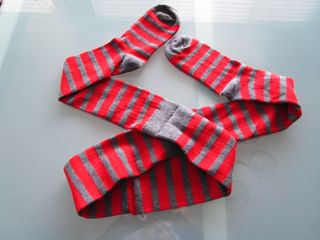
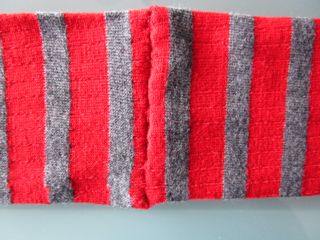
Ski season is winding down, and some of us may be returning to other activities. Suzy Z.* will be doing needlework. Suzy, a seniorsskiing.com subscriber, had this terrific idea for sock-scarves while shopping last fall for ski hose. It uses ski or knee socks to create a scarf for your winter jacket or turtleneck.

Relatives, grandkids, and friends will be receiving a different gift this Holiday Season.

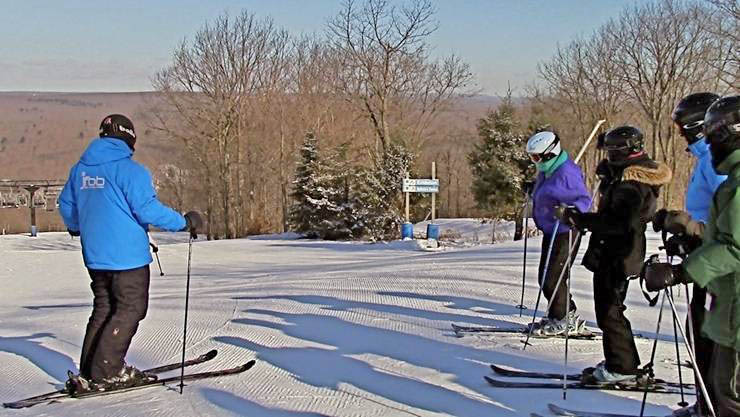
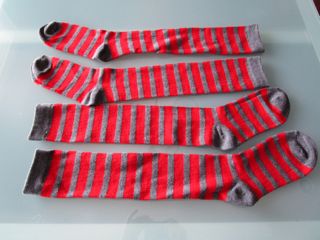
Photo 1. You’ll need two pairs of socks, matching, if possible, or with compatible colors and prints.

socks 1

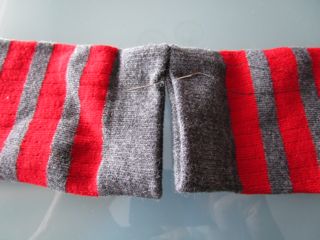
Photos 2, 3 and 4. Join each pair of socks by sewing the tops of the socks to each other.

socks 2 socks 3

socks 4

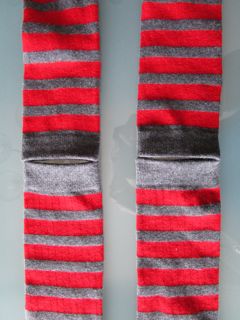
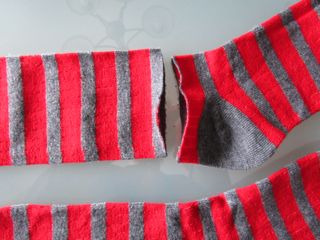
Photo 5. Cut the foot off one sock in each pair.

socks 5

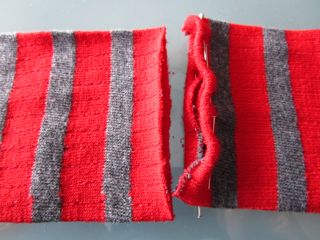
Photos 6 and 7. Turn the just-cut ends under, and sew them to each other.

socks 6 socks 7

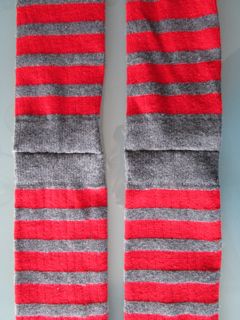
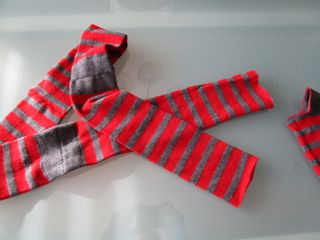
Photo 8. Now you should have four socks, end to end, with a foot on each end. (If you want to be really funky, you could stop here.)

socks 8

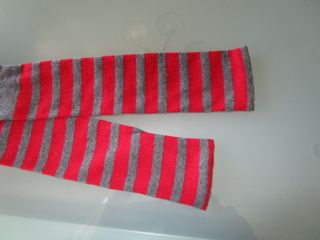
Photo 9. Cut the foot off each end of the scarf.

socks 9

Photo 10. Turn the just-cut ends under, and sew them shut.

socks 10

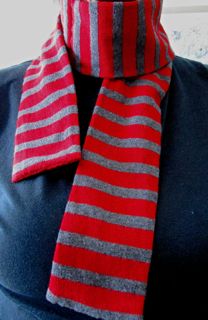
Photo 11. Here’s your scarf!

socks 11


SueZ

Suzy Z., the Alta sock stitcher.

*Sue Z., born in Brooklyn, is now a senior skier who likes to spend her time at Alta. When she is not skiing, she likes to paint in acrylics, plays the piano, and has taken several years of drum lessons. The “sock to scarf” idea came about while she was looking for a scarf for her new ski jacket; she came across knee socks in fun colors, and thought she could sew them together to create just what she was looking for.
This Week In SeniorsSkiing.com (Mar.11)

Resort and Product Reviews, Another Jackson Hole, Snowless Skiing, Skiing With Life-Long Friends, and An Artist On The Ski Slopes.

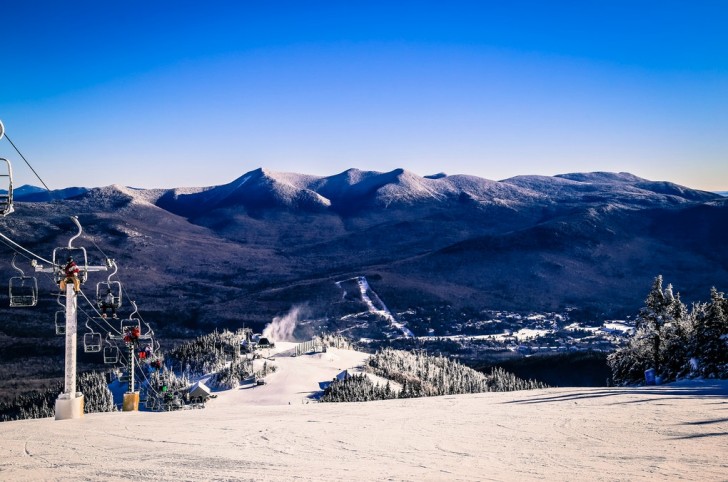
Magnificent views provide a backdrop for senior friendly skiing at Waterville Valley Resort. Credit: Waterville Valley Resort

Credit: Waterville Valley Resort

Well, it was 77 official degrees when we left Boston Wednesday this week to go a-skiing in Vermont.  This is the season of strange to be sure, at least in the East.  Out West, we are learning of 6o” snowfalls in Tahoe and more to come.  We have to give kudos to the ingenious snow farmers of New England who have managed to make do with what nature has provided. Thanks for keeping the lifts spinning.

Pow-ing down to the Sugar Bowl village. Always lots of snow for playing. Credit: Sugar Bowl

Credit: Sugar Bowl

Speaking of Tahoe, San Francisco correspondent Rose Marie Cleese offers a view of Sugar Bowl and Royal Gorge, the biggest snow catchers in the Sierra.  Like Bretton Woods in NH, Sugar Bowl is a double value resort with legendary Alpine skiing and the largest Nordic area in the country.

Tamsin Venn tells us about the most super-senior friendly resort in the Northeast:  Waterville Valley Resort which goes out of its way to make senior skiers feel welcome.  Incidentally, Waterville Valley has been twice awarded SeniorsSkiing.com’s Senior-Friendly Ski Resort Award.

Northeast correspondent Pat McCloskey reflects on skiing with the same bunch of guys for decades.  We count him lucky to have life long friends like that.

Home, home on the range? Not really. This Jackson Hole is not where you think.

Home, home on the range? Not really. This Jackson Hole is not where you think.

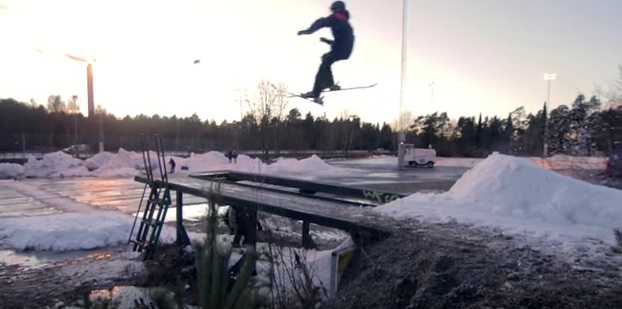
We have some fun with a clip from Stockholm showing a bunch of young fellas skiing in a snowless city.  Hey, take notes, we might have to deal with this one day.  Also, we ask you to identify the “other” Jackson Hole.  There is one, can you guess where?

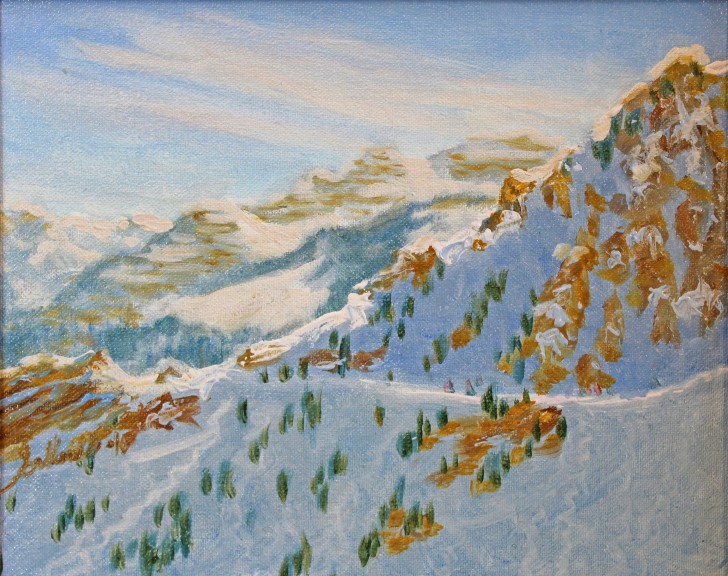
Finally, we profile Judy Calhoun, the en plein air artist that some of you have reported seeing with her brush, canvas and easel on the slopes of Alta or Snowbird.

Oil-on-canvas by Judy Calhoun captures the Wasatch.

Oil-on-canvas by Judy Calhoun captures the Wasatch.

Preview

Next week we’ll be looking at more resorts in the Northwest, product reviews, and other thoughts about the ending of the season in the Northeast and the ongoing-ness of the season out West.

If you haven’t signed up with Promotive, please do so. You just have to register, you don’t have to buy anything.  Call the support number 866-376-4685 and tell them you are in the SnowInfluencers group. Some folks have had problems registering when the Promotive servers had gone down last week.  Keep trying.

Thanks for subscribing to SeniorsSkiing.com.  Remember, there are more of us every day, and we aren’t going away.

SeniorsSkiing Guide: Sugar Bowl And Royal Gorge—A Winning Combination!

Do a little downhill, then a little cross-country at these history-rich neighbors near Donner Summit.

Pow-ing down to the Sugar Bowl village. Always lots of snow for playing. Credit: Sugar Bowl

Pow-ing down to the Sugar Bowl village. Always lots of snow for playing.
Credit: Sugar Bowl

Sugar Bowl, the venerable ski resort that sits majestically atop Donner Summit, is as steeped in history as it is endowed with famously steep runs. In December, 1939, the Tahoe region saw the beginnings of its first major ski area when a small village with a Tyrolean-style lodge opened its doors and the one-person Disney chair (California’s first chairlift and named after one of the area’s early investors, the Walt Disney) started carrying ski enthusiasts up the mountain. The operation was the brainchild of the Austrian ski racer, Hannes Schroll, who had been heading up the Yosemite Ski School at Badger Pass, but was drawn to this cluster of Donner Summit peaks and its location in the path of the Sierra Nevada’s most prodigious snowfalls.

In the 77 years since, the privately held Sugar Bowl has managed to retain its old-world charm, pristine mountain atmosphere, and overriding commitment to a quality ski and board experience, thanks to the members of the Sugar Bowl Corporation, some of whom are fourth- and fifth-generation descendants of the original founders. The members’ surnames are a “who’s who” of prominent San Francisco and Bay Area families, many of whom have owned cabins in and around the village for decades.

Correspondent Rose Marie Cleese practices her balance at Royal George's practice track. Credit: Dave Eastwood, director Royal Gorge x-c ski school

Correspondent Rose Marie Cleese practices her balance at Royal George’s practice track.
Credit: Dave Eastwood, director Royal Gorge x-c ski school

In 1953, Sugar Bowl launched its gondola, the West Coast’s first aerial tramway, that carried skiers from the highway to the village, touted as “America’s only snowbound village”—which today still exudes its original early-days-of-skiing ambience, and where Schroll’s Tyrolean lodge, extensively updated and enlarged, still stands as the village’s focal point. In 1983, the gondola was replaced with a faster gondola with more cars, and in 1998, Sugar Bowl opened Judah Lodge, a day lodge and parking lot half a mile east of the gondola parking area and situated at the base of Mt. Judah. In 2012, Sugar Bowl entered into an agreement with the Tahoe Donner Land Trust to lease and operate Royal Gorge, the largest nordic ski area in North America. Begun by Jon Slouber in 1971, Royal Gorge has more than 200 kilometers of set-track trails spread out over some 6,000 acres of spectacular high-mountain terrain. Although there are cross-country trails linking the two resorts, unless you’re an advanced nordic skier, some climbing and side-stepping is involved; it’s easier to drive between the two.

Senior X-C skiers gliding along with Royal Gorge behind their right shoulders. Credit: Snow Bowl/Royal Gorge

Senior X-C skiers gliding along with Royal Gorge behind their right shoulders.
Credit: Sugar Bowl/Royal Gorge

I first skied at Sugar Bowl back in the late 1960s when the gondola was called “The Magic Carpet” (wonder if Walt had a hand in giving it that name!) and triple and quad and high-speed chairs were not even dreamed of. Returning recently after an absence of many years, I was thrilled to see that Sugar Bowl is sweeter than ever, succeeding in transporting me back to the past while at the same time very carefully and thoughtfully bringing the historic resort into the 21st century.

Snow and Terrain (Sugar Bowl)

  • Snow, snow, and more snow! Sugar Bowl has the highest average annual snowfall—500”—of any Northern California ski resort. (Remember the Donner Party famously snowed in during the winter of 1846–47? They were trapped at the bottom of the summit just a few miles east of Sugar Bowl.) Powder hounds have a better chance of finding the fluffy stuff here than at most other wintersports resorts in the region. Location, location, location!
  • Vertical/Elevation: Sugar Bowl’s 1,500-foot vertical offers more skiing and boarding than that vertical rise would suggest. The resort’s runs snake down to a 6,883′ base at the village from the tops of four peaks: Crow’s Nest Peak (elev. 7,954′), Mt. Disney (7,953′), Mt. Lincoln (8,383′), and Mt. Judah (8,238′).
  • Terrain: 1,650 skiable acres; 103 trails; 17% beginner, 45% intermediate, and 38% advanced.
  • Lifts: 5 high-speed quads; fixed grip lifts: 3 quads, 1 triple, and 2 doubles; 1 surface lift.
  • A trail runs through it: The 2,650-mile-long Pacific Crest Trail that goes from Mexico to Canada passes through Sugar Bowl, crossing several runs on Mount Judah before it drops over Sugar Bowl’s ridge near a ski run at the top of Mt. Lincoln.

Snow and Terrain (Royal Gorge)

  • Snowfall: Awesome.
  • Terrain: 200-plus kilometers of groomed terrain spread across 6,000 acres.
  • Trails: 34% beginner, 42% intermediate, and 24% advanced; extensive network of “snowshoers only” trails; several “dogs allowed” cross-country trails between Sugar Bowl and Royal Gorge in the Lake Van Norden area.

Lot-to-Lift Access (Sugar Bowl)

  • If you’re heading for the lifts at the village base, go three miles up Highway 40 from the I-80 Norden/Soda Springs exit and park at Sugar Bowl’s Village Gondola parking lot. If you’re staying at the Lodge, you can park in the covered garage. Once parked, head to the gondola for the seven-minute ride to the village. If you’re heading for Judah Lodge and the Mt. Judah runs, continue one-half mile past the Gondola lot, and park at the main lot for Judah Lodge.

Lot-to-Trails Access (Royal Gorge)

  • Take the Norden/Soda Springs exit off I-80 and proceed up Highway 40 approximately 1/2 mile, turn right at the Soda Springs Station, then right on Pahatsi to reach the parking lot in front of Royal Gorge Summit Station.

Culture

  • The ambience at Sugar Bowl is unlike that of any other resort in Northern California: dripping with history (walls in the Lodge are covered with old photos going back to when Hollywood stars would bend elbows at the Lodge’s famous bar, as well as original European ski resort posters from the 1930s)…a relaxed atmosphere (no cars, no crowds, short lift lines)…and an incredibly polite and genuinely friendly staff—from the lift operators to the wait staff in the Lodge.

Amenities (Sugar Bowl)

  • Dining: The legendary Belt Room Bar in the Lodge, which was recently remodeled for the first time in decades, offers casual dining, a full bar and is open daily from 11 AM to 10 PM; the Lodge’s comfortable Dining Room serves dinner nightly, featuring French-inspired California cuisine and beautiful views of the mountain. The Nob Hill Café serves breakfast and lunch fare on weekends and holidays and the Sierra Vista Bar & Grill in Mt. Judah Lodge is open daily from 7 AM to 4 PM and serves breakfast and lunch items.
  • Lodging: The beautifully refurbished rooms in the Lodge look out onto the slopes and the Disney Express chair. Guests at the Lodge are given a locker for their equipment. From Sundays through Thursdays except holiday periods, several rooms are available for $199 a night.
  • Working out and kicking back: The new Sporthaus adjacent to the Lodge offers Lodge guests a lap pool, hot tubs, spa, sauna, yoga studio, and a roomful of cardio and weight training equipment.

Amenities (Royal Gorge)

  • The café in the Summit Lodge serves breakfast and lunch delectables and draws discerning café goers from miles around—everything is fresh, all-natural, homemade, and delicious. Trailside, Royal Gorge has one café and nine warming huts for when skinny ski skiers need to cool their heels.

Bottom Line

  • Sugar Bowl: Seniors get a little break on daily lift ticket prices: seniors 65–74, $84; super seniors 75+, $60; afternoon (12:30–4 PM) ticket prices: seniors 65–74, $72; super seniors 75+, $51. (The regular adult all-day lift ticket price is $103.) Online ticket prices: seniors 65-74, $71; super seniors, 75+ $51.
  • Royal Gorge: Senior nordic skiers fare a little better on trail passes—skiers 75 years of age and older ski free! All-day: seniors 65–74, $28; super seniors 75+, free; half day: seniors 65–74, $22; super seniors 75+, free. (The regular adult all-day trail pass is $33.) The adult rental package (skis, poles, boots) is $28. Royal Gorge has a terrific ski school with two pairs of practice tracks. When it comes to getting proficient on cross-country skis, ski school director Dave Eastwood has two words for you—timing and balance, and one image—be a tall Norwegian. He almost broke me of looking down at my skis!

Sugar Bowl trail map click here

Royal Gorge trail map click here

Sugar Bowl web cam click here

Royal Gorge web cam click here 

Yes, the West Coast and Royal Gorge have had lots of snow. Snow shoeing in fluffly snow is great exercise and outdoor adventure. Credit: Snow Bowl/Royal Gorge

Yes, the West Coast and Royal Gorge have had lots of snow. Snow shoeing in fluffly snow is great exercise and outdoor adventure.
Credit: Sugar Bowl/Royal Gorge

SeniorsSkiing Guide: Waterville Valley Resort Is Super Senior-Friendly

The Silver Streaks Make Senior Skiing Unique: What A Great Idea.

Magnificent views provide a backdrop for senior friendly skiing at Waterville Valley Resort. Credit: Waterville Valley Resort

Magnificent views provide a backdrop for senior friendly skiing at Waterville Valley Resort.
Credit: Waterville Valley Resort

When it comes to picking a spot to ski, seniors are after two things: Other seniors to ski with and a price that’s less than a bundle. That is why my husband and I have come to enjoy skiing at Waterville Valley Resort in New Hampshire.

Skiing began here in the 1930s with the building of Civilian Conservation Corps trails on Mount Tecumseh and Snow’s Mountain. Fast forward to 1966 when Olympic skier Tom Corcoran, fresh from Aspen, opened this self contained family resort in a scenic cul-de-sac along the Mad River circled by the White Mountain’s 4,000-foot peaks.

Waterville Valley has great intermediate and challenging terrain, designed by a world champion skier, Corcoran. You’ll find humdingers like True Grit and Lower Bobby’s Run mixed with fun intermediate cruisers with stunning views of the Tripyramids and Osceola. I like Upper Bobby’s to Old T (Tecumseh), or Periphery to Lower Tippy; and the popular Oblivion. High Country puts you up top with more intermediate runs and a peek at Mt. Washington to the northeast. Stop for lunch at the cozy Schwendi Hutte. All trails lead to the base area; you can always find the person you got separated from.

Lot to Lift Access

  • The parking areas can be a schlep, so best to drop off gear, then park. A shuttle picks you up from farther lots.  But, members of Silver Streaks, the Waterville Valley Resort community of senior skiers, get to park close in Lot 1.
  • Visitors staying in the valley can park the car and relax. The valley is very walkable, and a free shuttle connects you to the mountain. The village is really a small town complete with lodging, dining, shops, condos, schools and services of all kinds.
  • Freedom pass (includes White Mountain Athletic Club) comes with your hotel stay at any of five lodges. For seniors, it means more folks to meet and chat with.

Snow and Terrain

  • Waterville Valley Resort has 220 skiable acres with snowmaking ability on every trail. The ski area peaks at 4,004 feet, with a vertical drop of 2,020 feet, 50 trails, and 11 lifts.
  • Novice: 14%, Intermediate: 64%, Advanced: 22%

Senior Program Is Fantastic

Silver Streaks is the longest running senior skiing program in the country. Because of its super senior-friendliness, Waterville Valley Resort has been awarded SeniorsSkiing.com’s Super Friendly Award for two years in a row.  Silver Streaks is open to skiers 50 years and over. It meets Monday-Thursday mornings in the base lodge on non-holiday days for for coffee and pastries and a warm-up run with resort staff.  Other benefits of belonging to Silver Streaks include:
  • Reserved parking area in Lot 1
  • Complimentary Snowsports clinics for seniors only
  • Aprés ski party every Wednesday
  • Banquets and other special events
  • Reduced price NASTAR every Wednesday

Nordic Streaks meets Wednesdays, non-holiday, 10 a.m. at the Adventure Center in Town Square for two hours of Nordic skiing with professional guides. Waterville has a 70+ km trail system groomed for both skate and classic. Streakers then enjoy lunch at the Center, with complimentary coffee and pastries.   Membership rates for Silver Streaks (2016-17): Alpine , $80; Nordic Streaks, $50 (Lift passes not included)

Bottom Line

Senior Rates: Daily Lift Ticket: (65 plus) $57; (80 plus) free. Season Pass: (65-79) $499; Super Senior (80 plus): $25. You can get a season “Value Pass” for $399 (65-79), if you don’t mind a few blackout dates during school vacations. If you buy online, you can get a mid-week lift ticket for as little as $26 midweek. And, if you buy your season pass now, you get free skiing for the rest of the season. Click here for more.

Trail Map Click Here

Web Cam Click Here

Can't beat some of these blue beauties at Waterville Valley Resort. Credit: Waterville Valley Resort

Can’t beat some of these blue beauties at Waterville Valley Resort.
Credit: Waterville Valley Resort

Snowless Skiing in Stockholm: The Future?

Swedish Ingenuity Overcomes Lack of Snow. Boston, Pay Attention!


Where there is snow, there will be skiing. Cwazy Wabbits. Credit: Real Skifi

Where there is snow, there will be skiing. Cwazy Wabbits.
Credit: Real Skifi

Cheer up New England skiers! There may be no snow, but with some guts and imagination all things are possible. Just look at what these young skiers in a snowless Stockholm did to ring their skier chimes.