The Connection between Diet and Longevity Skiing/Riding

Photo by amoon ra on Unsplash
Congratulations, your passion for skiing/riding has rewarded you. If you are reading this, you are a quinquagenarian, sexagenarian, septuagenarian, octogenarian, nonagenarian, or even a centenarian. That’s a lot of “-genarians”, and a question we all face is how long we want to or intend to ski or ride.
A few seasons ago, I met a 91-year-old man who skis 120-130 days per season. He told me the Grim Reaper will need better skis than his to find and catch him. The comment attests to his positive attitude and upbeat personality, both important to longevity, on the slopes and off.
If you distill the research on longevity, three factors stand out – genetics, attitude and lifestyle. You are your genetics, so reading this checkmarks attitude. That leaves lifestyle, diet and exercise.
More and more longevity research shows that social connections with family, friends and a community such as the community of skiers/riders, are among the most significant indicators of longevity. We navigate the hill as individuals, however, choosing to do so with family, friends, and other skiers makes us an integral part of the mountain community.
Your doctor probably has told you the same thing as mine, that “your running days are over, so swim or walk.” We all know aerobic capacity is essential for skiing, and recent research has shown that muscle mass and strength are much more a factor in longevity than previously.
So go take a walk or for a swim or to the gym. Not crazy about the gym? Use your ski boot to exercise at home or in your hotel room or condo. Raise a ski boot from the floor to over your head, first with one arm, then with the other; use both boots for a two-arm press, together or one at a time; hold the boot in front of you and do squats.
Diet is perhaps the most confounding factor in longevity. Unfortunately, government dietary guidance over the last fifty years has been confusing, misleading, and in some cases flat-out wrong. We lived through the low-fat years eating unsatisfying baked cardboard. Now we know that fats are dietary essentials, but the right kind of fats – the unsaturated ones found in fruits, vegetables and nuts.
Many of us switched to diet drinks and “diet” foods in the belief that artificial sweeteners contribute zero calories, which is mostly true. Consequently, we think we can eat more low-cal whatever because each one contributes fewer calories; we end up consuming even more total calories. As that old advertising slogan goes – “Bet you can’t eat just one ….”
Now we know that artificial sweeteners stimulate appetite and promote weight gain. We also now know that they make us crave sweeter food by overstimulating our sweet taste receptors. Plus, they affect our gut biome, which can trigger even more serious health consequences.
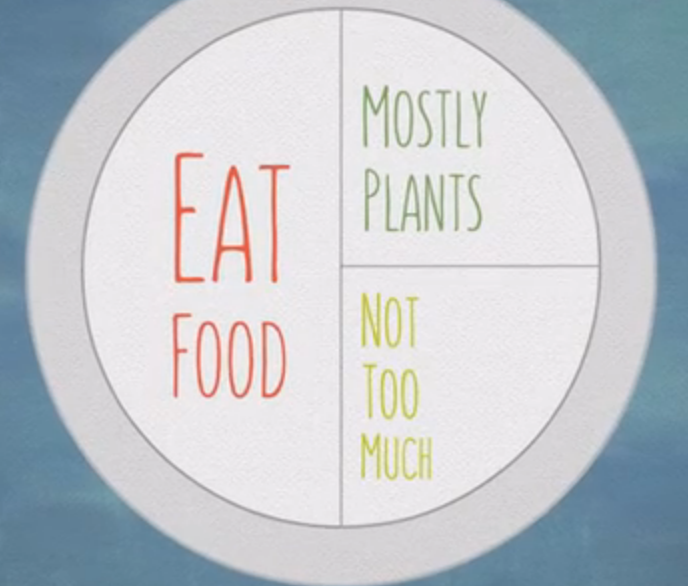
What should a longevity skier do about diet? It’s easy to be overwhelmed by all of the diet recommendations and their justification. But most research, and your physician, still point to the benefits of the Mediterranean diet – fresh, minimally processed, seasonal, local vegetables and fruits; meats and fish in moderation; olive oil as the primary fat; and most importantly, wine in moderation.
Your guidepost is easy – don’t eat anything your great-grandmother would not recognize as food. Sadly, the industrial agriculture-based food supply and distribution system makes it hard to do that, to eat for longevity.
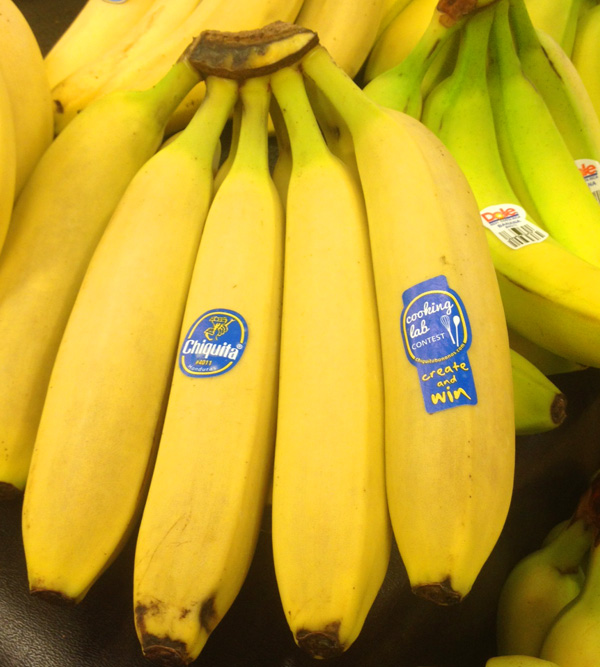
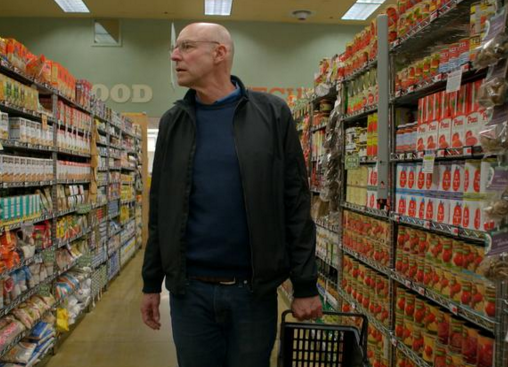
So here’s your test – how much time do you spend in the center aisles of the grocery store? The center aisles are where you find industrially-processed foods, so-called Frankenfoods, that do not contribute to longevity. The fresh foods you seek are on the peripheries. Also, grocery store shelves are stacked with the most appealing packages at eye level, so bend down or reach up for the better choices.
Walking around the outside of the supermarket, and reaching up and bending down is good exercise, too.