


This Week In SeniorsSkiing.com (Jan.29)
Mid-Winter, Ski Art, SmartPhone Photography, XC Booming, Question About Racing, Reminiscence, Skiing Weatherman, AI Ski Coach, Rx Goggles, And More.
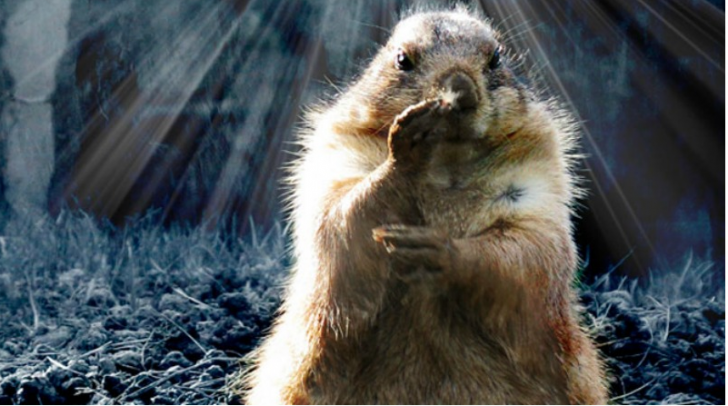
Jon WeisbergComing soon: Prognosticator of Spring.We are approaching the middle of the winter season, and Ground Hog Day, coming up next week on Feb. 2, marks the half way point till spring. Hope you have half your firewood and half your hay left, at least that’s what the old time New Englanders say.
Curious that Dec. 21, the first day of winter and the date of the winter solstice is considered “mid-winter” just like June 21, the first day of summer is “mid-summer”. On Ground Hog Day we are technically half way through the twelve weeks/three months of the winter season, and the dark, long days are behind us, the longest, and darkest Dec. 21. So why not call Ground Hog Day “mid-winter?”
 Actually, Ground Hog Day falls on a cross-quarter day, an astronomical event that marks a midway point between the solstice and equinox.
There are four cross-quarter days each year, Ground Hog Day, usually Feb. 2 or so, is the first. The others are May 1 (May Day), between Spring Equinox and Summer Solstice, August 1, between Summer Solstice and Autumnal Equinox, and November 1, between Autumnal Equinox and Winter Solstice.
Our ancestors used these cross-quarter days as well as the equinoxes and solstices to mark the progress of the year, these markers indicating the time to begin planting or harvesting. In our non-agrarian world, we’ve lost the significance of the sun’s movements across the sky. And no one really celebrates the significance of August 1 and November 1. May 1 has occasional followers (May poles and Morris dancers) as the mid-point of spring. Only Ground Hog Day remains as a celebration of movement towards spring and a huge public relations event for Punxsutawney, PA.
And as a symbol to snow sports lovers that time is running out for this crazy season.
This Week

Don Burch is posting the second of his Ski Art series. Don has managed to create a unique art form from video images, turning them into impressionistic, sometimes dramatic pictures of the ski world. Thanks again Don for publishing your work here. Click here.

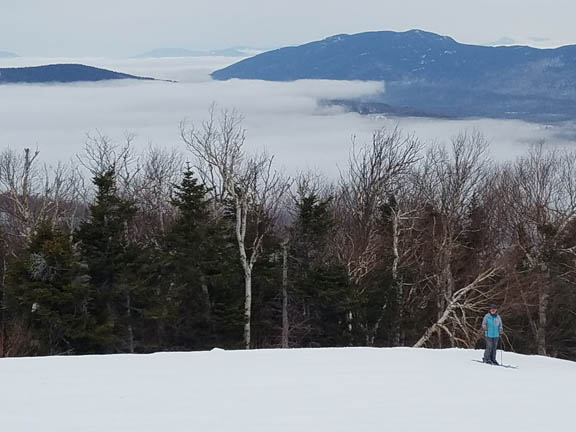
Sugarloaf inversion taken by Smartphone. Credit: Tamsin Venn
Correspondent Tamsin Venn has tips from a professional photographer on how to make the most of Smartphone pics in snow country. Almost everyone we know pauses at the top of a lift or mid trail to take a picture of the scenery or their pals. These ideas can raise the quality of those “snaps” and put them into the “art” category.
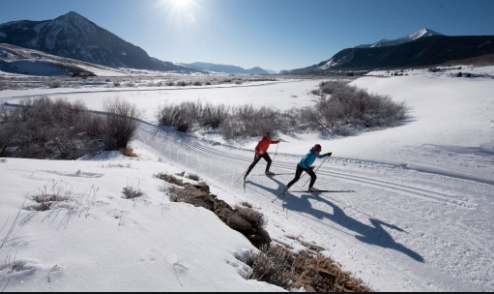
XCResorts.com publisher Roger Lohr reports on the boom in XC activity: Visits to XC areas, gear sales, etc. People are coming back to the sport, bring in old XC gear for tune ups. First timers are being accommodated when Alpine areas run out of capacity. Interesting trend.
Our Question For You this week asks about your racing experience, if any. If not, why not? We are impressed by the many essays we received on how readers learned the sport. Your stories make interesting reading. Thanks for all your contributions. It makes SeniorsSkiing.com a tighter-knit community.
Veteran ski journalist Dave Irons recounts the only time he was a ski instructor. He was called to action to teach a small group of women despite the fact he never took a lesson in his life. How’d it turn out?

Dave had to teach a group of local women, and he never even had a lesson himself.
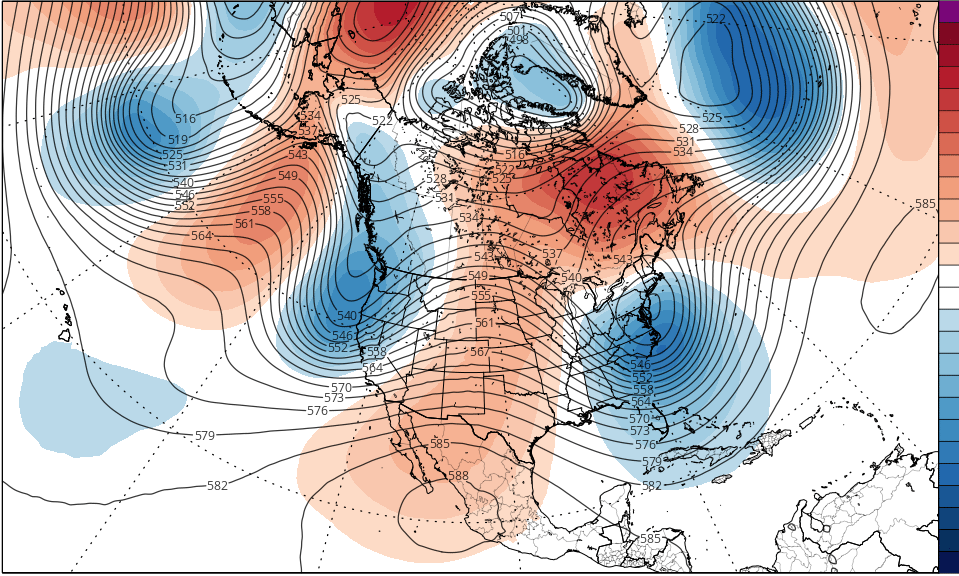
One again Herb Stevens checks in with the next week’s snow forecast. His mid-season predictions more snow for all coming up next week. Standby for news.
Co-Publisher Jon Weisberg describes the SnowVision Rx goggles he’s been using on hikes. The uniqueness of this goggle is that it claims to be fog-proof and full range of vision using a prescription lens insert. This can be a positive feature if you use this for XC skiing as well as Alpine. By the way, SnowVision is a SeniorsSkiing.com advertiser. Check it out.
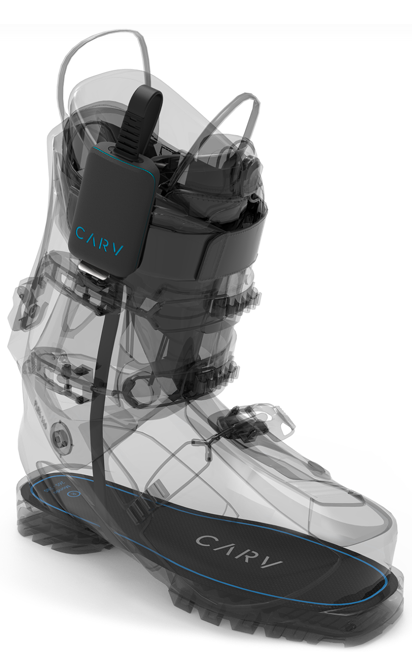
A reader Bob Margulis reports in a new AI product that is essentially a custom ski coach. CARV is a tool you can use to get feedback as you ski. It consists of footpads in your boots, a Smartphone app, and Bluetooth trackers. He’s found his skiing has improved after just a short time using the product.
 We have another poem for this week. In the past, we’d occasionally post a poem or story about snow, skiing, winter, and the like. We’ve posted a lot of Robert Frost, an excerpt from a Hemingway story, modern poets like Linda Pastan, Wallace Stevens, Wendell Barry, Emily Dickinson, W.S. Merwin, John Clare, John Greenleaf Whittier. We’ve published a song by Pete Seeger, and a poem written just for SeniorsSkiing.com by a street poet in Denver. This week we are very pleased to present a poem written by Matthew Haddad, 11 years old, submitted by his grandpa, SeniorsSkiing.com reader Doug Haddad. It’s really good.
Thanks so much for reading SeniorsSkiing.com. Please tell your friends. Remember there are more of us every day, and we aren’t going away. Stay safe out there.







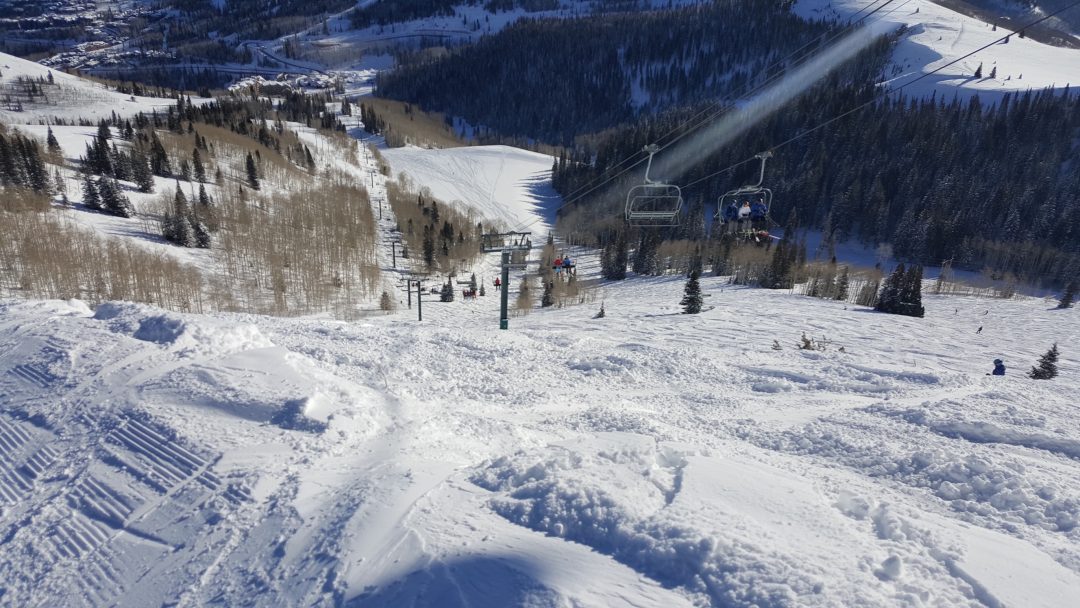






 All of which got us to wonder about technique, especially when ski coach Bob Trueman sent us a provocative article on forgetting about “making turns” and thinking “arcs” instead. His is a conceptual view of what is happening when going down a hill with skis strapped on feet. We are curious what you think.


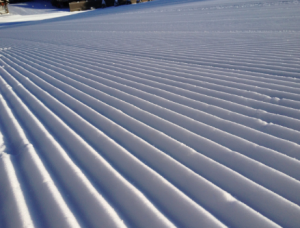 Corduroy creates a strong, stable surface if it’s in place long enough before being used. In addition to faster set-up time (“mechanical age hardening”) and increased snow metamorphism, the triangular shape of the individual ridges adds strength and stiffness. Ideally, corduroy peaks form a thin glaze that extends about 1/3rd of the way down the trough, in effect building a little ice cap. With a well-distributed load, these caps are the first defense against trail flattening, friction, and melt.





 If we were in Utah where we have a place, my wife and I would be able to get shots on Monday, January 18. But we’re in NY where, over the past few days, the Governor announced that people 65+ are now eligible. Scheduling the shot is confusing. The state’s vaccination registration website listing places administering vaccine has hundreds of drugstores, hospitals and dedicated vaccine administration sites. Virtually everyplace we called had no idea when the vaccine would be available.
 Our friends in Vail were given cards verifying they’ve been vaccinated (the first of two doses). It will be interesting to see if a more sophisticated digital system will evolve to identify who has been vaccinated. If it does, it probably will raise issues about privacy. I’m all for maintaining individual digital privacy, but I’m also aware that most Internet users reveal far too much personal detail on Facebook and other social media platforms, often in contrast with their concerns about government knowledge of their personal lives. Articles I’ve read suggest that at one point, those of us who’ve been vaccinated will be part of a national digital registry. Eventually, when airlines and other enterprises limit access only to those who’ve been vaccinated, they’ll get that info from the registry.


 Here we are in mid-January. The Northwest has seen abundant snowfall, the West needs more, the East, well, there’s been some uneven days, and trail counts are down. And we have COVID restrictions in place, changing the experience for lots of visitors from getting to resorts to the hill experience. Even Pitkin County, CO, —home to Aspen—has just
  moved to 50 percent capacity
 We know that many SeniorsSkiing.com readers have bought season passes. Ikon, Epic, resort specific, etc., there are myriad options available, all not inexpensive (unless you’re a veteran who can get awesome deals). And here we are: An okay snow year, constraints and restrictions, and about three-four months to go for this season, depending on where you are.