This is the time of year when, with input from the Realskiers.com website, we publish SeniorsSkiing.com’s annual listing of the best new skis for older skiers.
Arrival of the pandemic virtually wiped out implementation of the comprehensive women’s test. But Realskiers.com was able to collect sufficient data to pick the best models for senior male skiers.
The2021 Best Skis for Senior Skiers listing shows men’s choices only, many of which are suitable for female skiers. It also includes Men’s and Women’s choices from 2019-20. We did this to help readers interested in new skis as well as to help those of you who may run across previously owned boards at a Swap or Sale.
Realskiers.com’s member reviews (see end of this article to obtain a discounted realskiers.com subscription) include narratives that go deeper into each ski’s personality.
All of the selected skis share the characteristics of being designed and engineered to reduce the amount of energy required for turning. Generally, that means softer tip and tail and a bit of sidecut. Those designated as Women’s skis in the 2020 listing may be designed for female size and physique.
The recommended skis are grouped into five categories, each based on the ski’s width, which helps determine the terrain where its performance is optimized.
SeniorsSkiing.com suggests that when purchasing new skis, older skiers should start by choosing the most suitable category (see following) and working with a quality ski shop where they can demo before purchasing. If you score a pair at a Ski Swap, evaluate if the savings are worth sacrificing the demo. As long as you’re in the right category and find a good length, you won’t be too far off base.
Frontside (“Carving” skis)
–Encompasses broadest range of skier abilities from entry-level to experienced
–Use on groomed terrain. Wider models are usable off-trail
Ski width: 75MM-84MM
All-Mountain East
–Work equally well in on-trail and off-trail conditions
–“Re-entry” ski for those who have not skied in a few years
Ski width: 85MM-94MM
All-Mountain West
–For use in the West by high performance skiers
–Adapted for off-trail use but can be skied on-trail by skilled skiers
Ski width: 95MM-100MM
Big Mountain
–More maneuverable powder skis
–Inadvisable for regular on-trail use
Ski width: 101MM-113MM
Powder
–Specialty skis for use in Deep Powder only
Ski width: >113MM
To access the complete listing, a) click “COMMUNITY” on the dark blue menu bar at the top of the page, b) then click “SUBSCRIBER-ONLY CONTENT,” c) click on the 2021 Best Skis for Senior Skiers listing.
Detailed reviews are available at Realskiers.com. The site provides free access to equipment reviews and other information. In depth information and personal guidance from the publisher is available to SeniorsSkiing.com subscribers at a discounted annual rate of $9.95. To sign up, visit Realskiers.com. Scroll down to/click on “Subscribe Today!” Then click “Sign Up” in the “Annual Membership” box. Complete the form and enter SS20 in the field under “Coupon Code.”
https://seniorsskiing.com/wp-content/uploads/2020/11/Screen-Shot-2020-11-05-at-4.43.52-PM.png339689Jon Weisberg/wp-content/uploads/2014/04/Seniors-Skiing-since2013-Logo@2x-300x68.pngJon Weisberg2020-11-05 16:53:262021-09-19 11:27:54Senior Skier? Here are the Best Skis for You.
Remember the old Sears and Montgomery Ward catalogs? For many readers, those thick bibles of material culture were a fixture of my youth.
The comprehensive, new Masterfit Buyer’s Guide is close to being their skiing equivalent. In addition to it’s gear reviews, the guide has numerous helpful articles about how skis and boots are reviewed, kids gear, packing for a day trip to the hill, keeping gear in good condition, picking the right pole, pre-season fitness exercises, etc.
The Guide is intelligently organized and attractively laid out.
Whether a sophisticated ski gear consumer or someone who dials in when the snow falls, the 2021 Masterfoot Buyer’s Guide demystifies gear and gear choices in a series of well written, well illustrated articles.
The Guide, accessible on line, only, sets a high bar for the genre.
It’s the skier’s truism. Boots are our single most important piece of equipment.
While many consider their main function to be comfort and warmth, their primary role is the efficient transfer of energy and movement from skier to skis.
A SeniorsSkiing.com reader survey conducted a few years ago showed that in a given season, 25% of you purchase new boots. In that and subsequent surveys, many of you have commented on the need to change boots because the damn things hurt…or because your feet are uncomfortably cold.
But the correct boot fit isn’t that easy. Ski shops try to stock a good range of options, but they’re never complete. Custom boot shops can provide a good fit, but the customer may pay dearly.
Getting the best fit is an exercise in both science and art, which is why finding and working with a skilled boot fitter can be essential. Fitters I’ve met take true pride in their craft, often trading shoptalk about the difficult feet they’ve successfully fit.
Older feet, especially, require care in the boot selection and fitting process.
A great place to start that process is with SeniorsSkiing.com’s list of the Best 2020-21 Ski Boots for Senior Skiers. That list is now available to subscribers by clicking here.
It was winnowed from a more extensive ski boot evaluation organized last Spring by America’s Best Bootfitters, whose principals have been running North America’s annual boot evaluation event for several decades.
The listing groups boots into two categories most appropriate for older skiers. Each category has recommendations for men and for women and each recommendation is accompanied by comments excerpted from the testers’ comments.
Have a foot that’s wide in the front but has a narrow heel? There’s a boot for you. Is your instep high? There’s a boot for you. Prefer the on/off comfort of a rear entry? There’s a boot for you.
Visit the list, find a prospect or two, and click the link to the extensive boot description and testers’ commentaries, as they appear in the fantastic new Masterfit Buyers Guide, to be highlighted in an upcoming issue.
[Editor Note: SeniorsSkiing.com is asking our readers to contribute to support our online magazine. Yes, we have grown in the number of subscribers and advertisers. But our expenses have also grown. You can help us defray some of these expenses by helping us out with a donation.]
Just three ingredients for warm feet and dry boots. Credit: Harriet Wallis
I like to get to the lodge early, meet new skiers, and visit with old friends.
Recipe for your toes
One day I met John Bridgwater and Joan Kent who travel continually to ski. They invented a way to dry their boots night after night in hotel rooms and keep them toasty warm on the drive to the mountain. They find this works better than the expensive, highly marketed systems. Here’s the boot drying recipe.
List of ingredients:
One inexpensive boot bag that will hold your boots side by side.
One heating pad that will stay on continually rather than turning itself off within a short time. They found CVS carried such a heating pad.
One pair of ski boots that have been worn all day.
How to do it
Put the heating pad in the bottom of the boot bag and leave it there.
At the end of the day, buckle your boots and put them side by side inside the boot bag.
When you get to the hotel – or home – unzip the boot bag and leave it open. Plug in the heating pad. You only need one outlet for this.
Then go out to dinner and enjoy the evening. Your boots are drying themselves.
“It’s a chimney effect,” said John. “The boots heat from the bottom and the moisture is driven out the top.”
And tomorrow
Unplug the heating pad and put the cord into the boot bag. Zip up the bag and the boots will stay warm on the way to the mountain.
Recipe For Your Nose
My friend Marypat Schreibman wears a nifty little nose protector. It secures to her glasses, protects her nose from the sun, and it keeps her nose warm even on the coldest days. It’s called a “nose cone.”
So I Googled nose cone, and the internet gave me nose cones for planes and rockets. Wrong ones!
Ingredients
Marypat’s came from NozKon. It’s made of light weight, flexible material and comes in a variety of colors and models. Some attach to goggles. As the springtime sun grows stronger, many skiers are now wearing the protector.
Or protect your beak with beko gear. Protecting noses from sun damage is an entire industry for bicycling, yard work, and water sports. How’s your nose?
Nose cone fashion statement? Credit: Harriet Wallis
https://seniorsskiing.com/wp-content/uploads/2020/02/alg-cone-2.jpg480594Harriet Wallis/wp-content/uploads/2014/04/Seniors-Skiing-since2013-Logo@2x-300x68.pngHarriet Wallis2020-02-26 17:51:432020-02-26 17:51:43Recipes For Toes And Nose
[Editor Note: SeniorsSkiing.com is asking our readers to contribute to support our online magazine. Yes, we have grown in the number of subscribers and advertisers. But our expenses have also grown. You can help us defray some of these expenses by helping us out with a donation.]
Don’t Wear Your Ski Parka. Choose Specialized Gear For XC.
Contemporary nordic ski togs are lightweight, warm, and more athletic looking than Alpine gear. Credit: Roger Lohr
Often on cross country (XC) ski trails, you see many of the uninitiated in clothes that just don’t work. That is, they are dressed for downhill skiing with insulated ski jackets and pants, alpine ski gloves or mittens, and ski goggles. Over-dressed on an XC trail can lead to heavy sweating, dehydration, cold, and fatigue. There is a better way.
XC skiing is a form of recreation that involves moving and thus lighter clothing is appropriate and recreational XC ski garb is versatile, functional, and fashionable, which is different than either outfits for downhill skiing or the suction suits worn by the XC ski racers seen at the Olympics.
Currently, the most popular cross country ski apparel is from companies like Craft, Daehlie, Sporthill, Swix, and others. What is important is that the products fill a function that includes comfortably allowing movement, protection from the outdoor elements, and transporting perspiration out to keep skiers dry. Of course, skiers need to heed the weather by wearing layers (base layer underwear, pants and tops, and outerwear) and when it’s colder, more layers or thicker layers are necessary.
XC Ski Jacket and Pants
A jacket for XC skiing provides a layer to keep warm and also a way to cool off and transport perspiration away. These jackets have a mesh liner and material that is comfortable when you have to zip up the collar on a very cold day. The hood on the jacket is useful if it suddenly gets cold out on the trail. The high-hip fit keeps you warm and the zippered side pockets can be closed to avoid losing pocketed items. In some jackets the pockets have a mesh liner that allows for the skier’s heat to escape when working hard. The jacket arms might have extended cuffs, which are a nice touch to keep snow out of your gloves. The inside chest pocket has a zipper and a hole for a phone and earbuds for the times that you may want musical accompaniment on solo trail outings.
The pants for XC skiing may be light overpants with zippers along the entire length of the legs. At the ankle there is an elastic area that may be closed with a zipper. This pant ankle set-up is a most significant aspect of the pants because it tightly fits around the boot and keeps snow out of the shoe top to avoid getting wet socks while skiing. To prevent losing a set of keys, zippered side pockets (on pants or jackets) allow a way to lock away your valuables. The base layer (also known as long underwear) is intended to provide a dry layer next to the skin but if there is lined material in the pants it may be enough to stay warm with or without a base layer underneath.
Other Aspects of the XC Ski Outfit
Base layers in various thicknesses can correlate to warm and cold days. Moving perspiration away from the body is very important and very lightweight underwear on those nice winter or spring days are the way to stay dry, but on the coldest days use a heavier or thicker base layer pants and a top that has a turtleneck.
For your head, a light hat or headband is the way to go. Light Lycra neckies are good for your face but when it is very cold (below 15 degrees Fahrenheit) try a heavier neck gaiter like you’d wear when alpine skiing.
Socks and gloves are an entirely other matter that could be covered in a separate article. In short, parameters for selecting socks include material for perspiration, thickness, spacious comfort for your toes, and height of the sock on your leg. Expect to pay as much as $25 for a pair of quality socks these days.
Different pairs of gloves will allow adjusting to the temperature ranging from heavier insulated mittens or two-fingered gloves for the really cold days to lightweight gloves for springtime. One of the features to consider is the patch of soft material found on the outside part of the thumb, which is useful for nose wiping.
For eyewear, opt for sunglasses rather than goggles. Sunglasses allow the air to flow while goggles tend to fog up when you get hot. Oversized glasses that have interchangeable lenses for sun or flat light are great for XC skiing.
https://seniorsskiing.com/wp-content/uploads/2020/02/Freehell-lessons.jpg308460Roger Lohr/wp-content/uploads/2014/04/Seniors-Skiing-since2013-Logo@2x-300x68.pngRoger Lohr2020-02-26 17:46:252020-02-26 17:46:25X-C Skiing: What To Wear
[Editor Note: SeniorsSkiing.com is asking our readers to contribute to support our online magazine. Yes, we have grown in the number of subscribers and advertisers. But our expenses have also grown. You can help us defray some of these expenses by helping us out with a donation.]
Roam Elevate is a computer-driven exoskeleton that anticipates turns and adjusts knee and quad support to aid the skier’s natural motion. It helps people ski stronger and longer by offloading up to 30% of the user’s body weight from the skier’s quads and by reducing painful knee joint compression.
Elevate can be rented at several Western ski resorts and will be available for sale next season.
To get a better understanding of how Elevate works on the hill, we asked Rick Hovey to give it a test drive.
Rick Hovey and his signature turns.
Rick is 65 and is a longtime resident of Park City. A Level II PSIA instructor, he skis 100+ days a year. Last season, despite a diagnosis of chondromaiacia patella (arthritic knees), he skied one million vertical feet.
Rick has put off recommended partial knee surgery, opting instead for Physical Therapy. He has given up teaching and reduced his time on the hill.
He tried the Roam Elevate a few weeks ago and submitted this report.
Clay, the Roam Robotics rep, showed me how to use the straps to attach the exoskeletons to my boots and then to my lower and upper legs. It was simple.
The product uses a slim backpack that contains a lightweight laptop, battery and compressor. Two connectors per side come out of the pack to attach to each exoskeleton. One connection is an air hose; the other is a connection to the computer.
While walking, the apparatus felt light and unencumbering, even if the exposed carbon fiber and wires made me feel a bit like RoboCop.
We clicked into our skis as Clay explained the available settings. The controller is mounted on the shoulder strap and easy to use with gloved hands. There are levels of assist and speed adjustments to suit your style and desired terrain. The speed adjustment sets how fast the computer tells the compressor to release the assistance pressure. In general, the idea is to quicken the speed adjustment for short radius turns or where unweighting is needed quickly.
As soon as we pushed off I lost the sense I had an exoskeleton on and that it was assisting the load on my legs. It felt completely natural and improved my sense of stability.
There is a noticeable vibration from the compressor in the pack, which Clay says to think of it as a massage for your back (bonus!). The vibration became less noticeable after one lap.
A few runs later, we played around with different settings. I really liked the high assist and slow speed setting for the easy cruisers with long radius turns. I felt stronger and forgot about protecting my arthritic knee and I experienced more complete turns with less effort. It also gave me the confidence to lay down deeper carves than I would without the device.
We then changed the settings and tried linked, short radius turns on steeper groomers. I was impressed with how well this worked with no encumbrance of the inside ski hanging-up because the pressure was released right when needed. I used this same setting on a long bump run and was equally impressed.
Roam Elevate backpack and control device
The apparatus always seemed to agree with what I was doing, while enhancing my skiing in a controlled and predictable way.
I should mention the “chop.” Rough snow was on the edges of the groomed runs, just enough to rattle the bones if going fast… this is where I would normally take the first exit to Smoothsville. The Roam Elevate seemed to absorb the bumpiness; no jarring of the knee joints or loss of control. It was like a good suspension on a mountain bike.
After numerous fun and various runs, Clay and I did a final, fast top-to-bottom cruiser. At the bottom, I told Clay my legs and knees felt like I just skied one run, not eight!
I would recommend the Roam Elevate to any skier who has knee and/or leg strength issues. And, if it helps you avoid surgery and extends your skiing life, the value could be great.
The Roam website is taking first-come, first-served reservations for a slimmed down, next generation product for $3500 (includes a 30% discount). To learn more, click on the Roam Elevate ad on the home page.
https://seniorsskiing.com/wp-content/uploads/2020/02/Screen-Shot-2020-02-12-at-6.54.52-AM.png350326seniorsskiing/wp-content/uploads/2014/04/Seniors-Skiing-since2013-Logo@2x-300x68.pngseniorsskiing2020-02-12 16:07:192020-02-12 20:06:51“I Felt Like I Skied One Run, Not Eight”
[Editor Note: SeniorsSkiing.com is asking our readers to contribute to support our online magazine. Yes, we have grown in the number of subscribers and advertisers. But our expenses have also grown. You can help us defray some of these expenses by helping us out with a donation.]
The week before last, more than a thousand manufacturers and marketers of every conceivable product related to winter outdoor sports gathered at Denver’s Colorado Convention Center for the annual OR/SIA Snow Show.
The three-day marketplace is where orders for next season’s merchandise are written.
The big name brands generally occupy large sections of real estate. Lesser known brands and products have smaller exhibits, some limited to an 8’x10’ table. For the most part, exhibits for similar products are clustered in the same areas of the exhibition hall.
One of the more innovative exhibits
Most of the attendees were under 50. The oldest person in the room was the venerable Klaus Obermeyer who turned 100 in December. Klaus is the founder of ski clothing brand, Sport Obermeyer.
Klaus and Jon and the SeniorsSkiing.com sticker
There was an abundance of swag in the form of product samples, advertising promotional items, and other tchotchkes. A long time ago, I learned that most of it is useless, and everything adds to the weight being carried.
Two relatively new categories caught my interest. One, battery-warmed gloves and garments; the other, CBD products touted to reduce pain, help sleep, boost energy, etc., etc.
Of the battery-warmed things, glove liners seemed to make good sense because they cost less and can be used with existing gloves. The downside is that each model I saw uses a relatively bulky battery pack. Of the lot, the ones from FIRedup seemed most interesting. They utilize Far Infrared (FIR) technology which heats only the surfaces it contacts. It uses less power than wire-heated technology and there are no wires to break.
Lightweight, battery-warmed layers also look like a practical way to stay toasty. Fieldsheer has been manufacturing electric clothing for years, primarily for garments for construction workers and motorcyclists. The company is now entering the outdoor recreation market with a variety of good-looking items with strategically placed heated panels.
Each afternoon, exhibitors broke out beer and bands, and the show morphed from sales to party atmosphere. I wandered into the snowboard section where the feeling was rowdier and the air more infused with cannabis.
Friday afternoon, the circus packed its tents and that part of the annual spectacle came to an end.
On Monday, a smaller version popped up at the base of Winter Park Ski Resort. This annual post-show on-snow event gives attendees the opportunity to demo skis, boots, and accessories. Several miles away, at Devil’s Thumb Ranch, a similar event catered to the cross country and snow shoe markets.
I was at Winter Park and tried several different skis. Day One started sunny and got darker and colder as it progressed. Day Two, morning temperatures hovered around -7°F. I overcame second thoughts about taking a few runs and was rewarded with a few inches of fresh snow.
The skis that left the best impression were the Head Kore 93 and the Black Crows Camox. Both have soft shovels and tails and skied beautifully on packed and in the few inches of fresh.
As I drove away, it occurred to me that, ultimately, all of the time and effort that goes into keeping the gears of the industry turning will be for naught if governments and their leaders don’t cooperate on the planet’s environmental and climate issues.
https://seniorsskiing.com/wp-content/uploads/2020/02/Screen-Shot-2020-02-11-at-8.52.53-AM.png243433Jon Weisberg/wp-content/uploads/2014/04/Seniors-Skiing-since2013-Logo@2x-300x68.pngJon Weisberg2020-02-11 11:17:342020-02-12 20:11:04Reporting From the Annual OR/SIA Snow Show
…And Boots. Ski Butler Service Takes The Schlep Out Of Ski Vacations.
Maura Grady of Ski Butlers adjusts the bindings on Rossignol Soul 7 HD skis, one of the models the company offers. Credit: Jon Nelson
I’ve always wanted a butler. After watching all of those episodes of “Downton Abbey,” who wouldn’t?
And like the wise and efficient Carson on that popular TV show and movie, Ski Butlersoffers an indispensable service, making the lives of traveling winter recreationists a whole lot easier.
Ski Butlers is a “come-to-you” ski and snowboard rental service that operates out of some of the largest markets in North America and Europe. Once you fly to a destination and check into your accommodations, Ski Butlers arrives with the gear, setting you up on site.
It’s a seamless operation.
I used the service when I flew into Salt Lake City for a four-day tour of Wasatch resorts in mid-January. The Ski Butlers team brought everything —goggles, helmet, skis, boots and poles. I had requested a high performance package and got Rossignol Soul 7 HD skis, a model I’ve been wanting to try out for a couple of years.
Your first question might be, “How did they fit your boots?”
Maura Grady of Ski Butlers brought several different pairs of boots for me, finding the right-fitting performance Rossignol boots almost immediately. I even learned something from her after finding the right pair.
“Pull the power strap tightly above the top buckle to prevent bruising on your shins,” she said.
And let me also say this: The Soul 7s are a great ski for Utah’s amazing powder.
When it’s time to go back home, Ski Butlers picks up the gear, saving you another travel headache. All in all, it’s the easiest rental service I’ve ever used.
Ski Butlers started at Park City, Utah, in 2004, and has expanded to 50 destinations worldwide, concentrating on the Rocky Mountains and Western United States, said Nikki Bongaerts, senior content and communications manager.
The pricing for Ski Butlers depends upon the time of year, the type of package and the location, Bongaerts said, with rates going up during the busiest times of the year. She added: “Our prices are equal to or lower than the shop prices on the hill.”
For example, base prices in Park City range between $51 per day for a “first-timer” package and $71 per day for a high performance package.
Some of the top markets for Ski Butlers are Utah, Summit County in Colorado, the Lake Tahoe area in California, Jackson Hole, Wyo., and Big Sky, Mont., Bongaerts said. Some Northeastern U.S. destinations may be added in the future, she added, depending upon demand.
Besides the boot-fitting, the other main concern among customers is whether the gear will be beat up. No worries—the bases of my skis were perfectly tuned, thanks to Ski Butlers’ Montana tuning machine, a state-of-the-art robotic system.
Rather than schlepping your gear on an airplane, you might want to consider Ski Butlers in the future.
“The biggest advantage is the convenience factor,” Bongaerts said.
https://seniorsskiing.com/wp-content/uploads/2020/01/SkiButlers2-scaled-e1579703616309.jpg508728John Nelson/wp-content/uploads/2014/04/Seniors-Skiing-since2013-Logo@2x-300x68.pngJohn Nelson2020-01-22 13:49:532020-01-22 13:49:53Jeeves, Bring Me Some Skis…
Who owns a hat for 50 years? Well, if it’s a Moriarty hat, perhaps you understand why.
Getting ready to shovel the driveway one cold morning last winter, I reached to the top shelf of the hall closet for a hat. My fingers felt the double-thick headband of my old Moriarty hat tucked up out of sight. I pulled it over my ears and went a-shoveling. Working the shovel in knee-deep in snow, a thought occurred to me. Wait a minute. I bought that hat from Mrs. Moriarty’s shop on the Stowe Mountain Road in 1964. That made it fifty years old. My hat was fifty. It has been with me in trunks, suitcases, boxes and dresser drawers in moves from New York to California to Japan back to California and then to Massachusetts. Been with me at Mammoth Mountain, cross-country in Appleton Farms, MA, going to class in Syracuse, sailing the Gulf of Maine, walking to work from North Station in downtown Boston. Fifty years is a long time to own a hat. Of course, I had other hats, but my Moriarty kept popping into my hand from time to time from the top shelf. How did this happen?
Back in the 60s and 70s, Moriarty hats were iconic. The Preppy Handbook lampooned them as an essential part of the spoiled college kid outfit. Almost everyone I skied with at Song Mountain, Tully, NY, had one. The three points on the top were like a rooster’s cockscomb, distinctive and bold. You wore your hat down tight over your ears with your goggles wrapped around your head. No helmets in those days. It was a “look” that even the most tentative skiers could exhibit.
Mrs. Moriarty founded a cottage industry around weaving those hats. Soon outpaced by the volume of orders, Mrs. M. enlisted an army of fifty weavers in Stowe village, producing as many as 40,000 in 1965. At its height, the Moriarty hat was as ubiquitous a symbol of skiing as Head skis and Marker turntable bindings. An ad in SKI was bold enough to say, “The people of Vermont make great maple syrup, great cheddar cheese and the best ski hats in the world.” As I said, icon status.
You can buy a vintage Moriarty hat on eBay or from the Vermont Ski and Snowboard Museum that somehow has a stock of left over inventory from the later days of the company. The Moriarty family got out of the business in the 80s.
Mrs. Moriarty was told by skiers that “they skied better” with her hat on. Credit: SKI January, 1965
Don’t ask why I never sent my hat off to the Salvation Army. Despite the odd moth hole, it has simply always been part of my kit along with a handful of books, a banjo, a lighter from my Navy destroyer, and other small remainders of the past. Things that travel through life with you have value. When you pick them up again after many years, memories start to emerge in layers. Even after many years. Even a ski hat. That’s why I love my Moriarty hat.
https://seniorsskiing.com/wp-content/uploads/2014/07/BlueMoriartyHat.jpg32643879mikemaginn/wp-content/uploads/2014/04/Seniors-Skiing-since2013-Logo@2x-300x68.pngmikemaginn2020-01-21 18:45:332020-01-22 16:53:41This Old Moriarty Hat
SeniorsSkiing.com’s Reviewer Tried Againer Exoskeleton On His Second Day On Snow. Find Out How It Worked For Him.
I am a 75-year old, advanced intermediate skier with 10 years experience as a PSIA instructor in the East and mild osteoarthritis in my left knee. I currently ski at Alta; that’s where I recently tested the Againer Exoskeleton.
Againer Exoskeleton attaches to thigh and boot, using a gas piston as a shock absorber.
The Againer consists of a hinged plastic frame which runs from the upper thigh to the lower calf and is held in place by two straps. The key to the Againer system is a gas cylinder attached at the top to the upper section of the frame and at the bottom to a bracket on the rear of the ski boot. When the gas cylinder is engaged, it works like a shock absorber when flexing the knees and provides upward lift at the end of each turn.
The Againer helped me ski one of my favorite runs at Alta, Devil’s Elbow, a long intermediate run with a fairly gentle lower half. On my run, I made as many short radius turns as I could—probably 50 or 60 in a row—in the lower half . When I stopped, my legs were not tired, as they often are at the end of this drill, especially considering that this was only my second day on snow this season.
I can also see two advantages of wearing the Againer in case of a fall, which can be especially damaging to senior skiers. First, the Againer would prevent any lateral movement in the knee, reducing chances of ligament damage. Second, when I fall in powder, I often find one of my knees (usually my weaker left one) flexed underneath me. The Againer system would eliminate that problem and, of course, protect against the opposite occurrence, hyperextension.
The Againer was easy to use, thanks mainly to a well-illustrated and detailed instruction manual. I attached the brackets to my ski boots in about five minutes and put on the frames in another five to 10 minutes. The repetition of daily use would, I’m sure, reduce the time needed to get into the frames, and the brackets would stay on the boots all season.
For more information about the Againer Exoskeleton, check out the website at againer-ski.com.
[Editor Note: Below is a product demo video from Againer Ski.]
How many of you remember the days when you got to the mountain early, skied all day, and quit when the lot was empty? I didn’t fully appreciate it then and look back on those times with nostalgia. Youth is wasted on the young.
But what if we could be out there a bit longer and ski a bit stronger? There’s a device that helps do just that.
It’s called the Againer, and for more than a decade, European skiers have used it to reduce pressure on their knees and backs and to increase their leg muscle performance. Now, for the first time, the Againer is available in the U.S. and Canada via a unique demo/purchase program. More on that later.
Againer attaches easily to boots and legs and employs a shock absorbing system that provides an overall boost to the skiing experience.
An Expert’s Point of View
I won’t be able to try it until January when I’m back on the hill. But I have a copy of a letter about the Againer written by Mark Spieler, a ski pro for 45 years, a PSIA Alpine Examiner, and Ski School Director of Disabled Sports Eastern Sierra, a nonprofit adaptive ski school in Mammoth Lakes, California.
He characterizes the Againer as “…a device to help people save energy while skiing” and states that before trying it he was skeptical. Spieler explains that he tested it “through hard, fast and dynanic skiing.” He was “impressed by the constant lifting action at the top of the femurs…”
“The gas powered strut placed on the outside of each leg consistently helps the skier move up and forward through the turn initiation. The lift the Againer provides is surprisingly powerful! I found the product to be quite comfortable and easy to use on the hill. The switch to disengage the gas strut when riding the chair is simple and effective.
“I am convinced that over the course of hundreds of turns a day, the energy savings the Againer can provide a skier will make a significant difference in a skier’s ability to conserve energy and help the skier with better technique, as well! “
Spieler goes on to say that the Againer is “perfectly suited to assist any skier who has any type of fatigue challenges while skiing,” whether due to advancing age or because of a disability.
According to Murray Jacobson, Againer’s U.S. Sales Manager, the Againer’s performance is most noticeable during turns and when skiing powder.
How To Demo and Buy
Jacobsen sells the units directly to skiers and to adaptive skiing programs. He makes the units available on a 2-week demo basis for $250. If the user wants to buy, the demo fee is applied to the $1300 purchase price. He is available by phone to explain set up and usage and to answer questions. The Againer carries a two-year warranty.
To reach him, call 909-557-3000 or email againerus@gmail.com. To visit the Againer website, click on the Againer ad on the SeniorsSkiing.com Home Page. Yes, this is an advertiser, and YES, this device looks and sounds like it will help a lot of our readers.
Reviews of Againer will be forthcoming as the season progresses and as I and others experience it.
I don’t expect to be making turns continuously for seven hours, but I do look forward to adding some octane to my aging tank.
https://seniorsskiing.com/wp-content/uploads/2019/11/Screen-Shot-2019-11-06-at-1.33.33-PM.png332509Jon Weisberg/wp-content/uploads/2014/04/Seniors-Skiing-since2013-Logo@2x-300x68.pngJon Weisberg2019-11-06 14:07:492019-11-06 14:14:55Againer Helps You Ski Stronger and Longer
Each year, SeniorsSkiing.com collaborates with Realskiers.com to inform its readers about skis that allow older skiers to turn more easily and to ski longer without tiring. Women’s skis – sometimes engineered for female size and physique – are included.
To find the list on the site, a) click “Community” on the menu bar, b) click “Subscriber Only Content” in the dropdown box, and c) click on “Ski Recomendations for Seniors 2020.”
The skis were identified during Realskiers.com’s annual national ski evaluation process.
Most of the selected skis have relatively soft flex, which helps them engage the snow with minimal exertion. Regardless of one’s physical condition, using skis with these characteristics allows older skiers to turn more easily and to ski longer without tiring.
The recommended skis are grouped into five categories, each based on the ski’s width, which helps determine the terrain where its performance is optimized.
SeniorsSkiing.com recommends that when purchasing new skis, older skiers should start by choosing the most suitable category and work with a quality ski shop where they can demo before purchasing.
The characteristics of each of the five categories follow:
Frontside (“Carving” skis)
Encompasses broadest range of skier abilities from entry-level to experienced
For use on groomed terrain. Wider models are usable off-trail
Ski width: 75MM-84MM
All-Mountain East
Works equally well on- and off-trail
Good “re-entry” ski for those who haven’t skied in a few years
Ski width: 85MM-94MM
All-Mountain West
For use in the West by high performance skiers
Adapted for off-trail use but can be skied on-trail by skilled skiers
Ski width: 95MM-100MM
Big Mountain
A more maneuverable powder ski
Inadvisable for regular on-trail use
Ski width: 101MM-113MM
Powder
Specialty ski for use in Deep Powder only
Ski width: >113MM
Detailed reviews are available at Realskiers.com. The site provides free access to equipment reviews and other information. In depth information and personal guidance from the publisher is available to SeniorsSkiing.com subscribers at a discounted annual rate of $9.95. To sign up, visit Realskiers.com. Scroll down to/click on “Subscribe Today!” Then click “Sign Up” in the “Annual Membership” box. Complete the form and enter SS20 in the field under “Coupon Code.”
https://seniorsskiing.com/wp-content/uploads/2019/10/Screen-Shot-2019-10-03-at-6.14.55-PM-e1570140959926.png174728Jon Weisberg/wp-content/uploads/2014/04/Seniors-Skiing-since2013-Logo@2x-300x68.pngJon Weisberg2019-10-03 18:18:062019-10-03 18:21:58Subscribers Only: The Best 2020 Skis for Senior Skiers
First Fat Bikes, Now E-Bikes. The Cycling World Is Spinning Up Innovation.
If you’ve never seen one, this is an e-bike. There are many, many other designs for different purposes. Credit: Ancheer
An interesting phenomena has started to surface in the cycling industry. From July of 2016 to July of 2017, there was a 95% jump in sales of E-Bikes in what industry regulars say is currently a $65 million segment of the cycling business. Sales have been booming and currently all of the major manufacturers have jumped on board with offerings of pedal assist bicycles in both road and off road models.
Along with increased sales especially among the senior set, there has been increased controversy with opponents concerned about the safety of the bikes as well as the safety of other users on our nation’s trail systems. Purists have been vocal about how e-bikes should not be allowed on multi-use trails because they are in the category of motorized vehicles which are currently banned. However, the one thing most people do not understand or admit when criticizing the e-bikes is that one still has to pedal them. Each pedal stroke starts the electric motor which can be used in econo mode (slower and energy savings on hills), and turbo (governed to no more than 20 mph). There are no throttles on the majority of e-bikes. But make no mistake about it, e-bikes are here to stay, and there is even a category for e-bike racing in the 2019 World Mountain Bike Championships coming up this fall. A rainbow jersey will be awarded. Who would have ever thought?
Bringing it closer to home, I have two friends who are now in their 70s. Really fit guys who have ridden mountain bikes for a long time. One guy is slowing down a little bit. So, when the e-bikes came out, he was one of the first to jump on board because it allowed him to keep up with our younger friends and continue to be part of the group rides. In fact, I kid him when following him up hills. I tell him he is the “A” Team now being the fastest up the hills. He smiles and consequently is still part of the rides that he always loved.
The other guy is a very fit 70 year old who told me, “ Pat, I really got the e-bike for my mountain bike trips out West where I am faced with many miles of uphill fire roads.” He can cover a lot more ground and can see a lot more on these scenic Western rides with the pedal assist on long hills. He also says he can ride more days in a row because the pedal assist reduces the daily fatigue on his legs as he ages. He rides more days and enjoys the trips even more.
For non-cyclists, an e-bike can be an accessible way to enjoy the trails. Credit: Pat McCloskey
Finally, the picture you see above is my friend Farah. Her husband is a riding friend of mine, and he is trying to get her to ride a little more. He bought her this Specialized e-bike for use on the many rails to trails around our region. He says she loves it and it allows her to ride many more miles than she would on a regular bike. In fact, she is anxious to ride more because the fatigue factor has been eliminated with the e-bike and she has a lot more fun riding than with a regular bicycle. This is common place now with 94 percent of non-cyclists who purchased an e-bike, reporting that they are riding more daily or weekly because of their new purchase.
As the population ages, e-bikes make sense for those of us who want to still enjoy the trails and roads. There is a learning curve on how to use the econo mode and the turbo mode and braking is a bit different with pedal assist. But it is something that is learned with continual use. Respect on the trails is still required and even the International Mountain Bike Association (IMBA) is re-writing a lot of trail etiquette to address the protocol for riding multi-use trails with e-bikes.
With the current popularity of cycling as a means of transportation, the e-bike makes sense for road riding as well as commuting. Even UBER is investigating utilizing e-bikes as a viable means of transportation in their urban transportation platforms. Backroads Cycling and other adventure cycling organizations are now offering e-bikes to their clients on European cycling journeys with rave reviews.
So, the bottom line is this: Try one. See if it is something that will encourage you as a senior rider to perhaps ride to the store instead of driving. Maybe try the trails that you have never ridden before or enjoy your current trail system with a little assist as you age. We all try to stay fit as seniors but with e-bikes, we can get a little help. I know one is in my future.
https://seniorsskiing.com/wp-content/uploads/2019/04/IMG_0382.jpg960720Pat McCloskey/wp-content/uploads/2014/04/Seniors-Skiing-since2013-Logo@2x-300x68.pngPat McCloskey2019-04-16 13:35:242019-04-16 13:35:27E-Bike: Makes Sense and Here To Stay
Now this ad turned a few heads back in 1969. Credit: Lange
I get it. It’s not easy to sell skis. With so many advances in ski design, there are tons of great skis out there. So how does a brand differentiate their products from others? Just like they always have, advertising and marketing. This means slogans, endorsements, performance claims, use of exotic materials and “systems” and of course, transference (associating the product with being sexy, unique, rugged…See Lange boot ad above.)
Sprinkled in among the gibberish is useful information such as amount of rocker, turning radius, profile, and such. But most of it is nonsensical, indecipherable, and unintentionally amusing.
Back in the 1970s, some Fischer skis had wooden cores “made up of finely-cut laminations of lightweight African Okoume”. Rossignol skis were touted as “the greatest moment-makers that ever smoked the slopes”. Regarding one of their skis, Hart stated, “If you’re a swinger who skis for the sheer fun of it, Jubilee is your baby”.
Hexcel had a honeycomb metal core. Credit: Pugski
In the 1980s, Hexcel skis had an “aerospace-proven honeycomb/prepeg technology”. Atomic advertised that their skis had a new “Hy-Vitronic System” and Dynastar skis had a “metal ‘omega’ rib for torsional stiffness”. Not to be outdone, Molnar skis had a “unique Prismatic construction consisting of two channeled fiberglass blanks mated along the ski’s neutral axis”.
In the 1990s, Tyrolia urged buyers to go with Tyrolia skis because you’ll be with a “fast and smooth crowd.” Rossignol asserted that their skis are “limited only by your courage”. Meanwhile K2 had a ski with “TRIXIAL SYSTEM 3” which “balances flex, torsion and lateral deflection”.
In the 2000s, Salomon skis had “hard elastomer transmitters”. Atomic had skis that had “the reviewers drooling, so if you want a pair, you’d better jump”, and Rossingnol had the “Powerpulson System”.
In the 2010s, Head race skis only began “to work at speeds that would get your ticket pulled.” Volkl hawked a ski that was “just a little piece of heaven in the big scheme of things, but heaven nonetheless”. Atomic promoted a ski with “double-deck construction”. The two decks were “joined by rubbery fasteners.”
And, nowadays, little has changed. Some Volkl skis have “Multi Layer reinforced wood core, powered by titanium and UVO (Ultimate Vibration Object)”, and high-end Head skis have KERS. This “technology works like a turbo charger that provides additional power and acceleration by stiffening the tail of the ski in out turns. The effect: a boost, catapulting the rider into the next turn. Just like when Formula 1 pilots push a button for that extra notch of speed.”
Kers, whatever that is. Credit: Don Burch
I have a pair of Head skis with KERS, and I love them. Of course, I have no idea whether KERS has anything to do with my liking the skis, but I’m hoping next year they’ll have a button I can push for that speed boost!
https://seniorsskiing.com/wp-content/uploads/2019/03/Screen-Shot-2019-03-19-at-3.08.59-PM.png374616Don Burch/wp-content/uploads/2014/04/Seniors-Skiing-since2013-Logo@2x-300x68.pngDon Burch2019-03-19 08:25:312019-03-19 15:26:30Selling Skis: 50 Years Of Gibberish
There are times when we can benefit from some extra help, especially as we age or develop chronic medical conditions.
Nick Manley, a remarkable athlete with a degenerative neurological condition, swears by the Ski-Mojo knee bracing system. The product’s shock absorbing springs reduce the load on his knees, allowing him to continue to race and ski for the entire day without tiring.
I haven’t used it, but I have talked with Nick and at least a dozen other older skiers who tell me that it has made a profound difference in their skiing experiences. Ski-Mojo also helps maintain correct posture while skiing and makes it easier to ski longer.
If you feel you could benefit from some assistance, my strong suggestion is to visit Ski-Mojo’s site.
Now, on a limited basis, there’s another innovative approach to helping your knees. I wrote briefly about it a few months ago, when the company started advertising. The product, being developed by Roam Robotics, is called Elevate. It is a computer-influenced soft exoskeleton that utilizes pneumatics to assist movement in your legs and knees.
It may sound sci-fi, but it’s for real. Starting March 9, the company is making Elevate available on a unique demo basis in three locations: two in Lake Tahoe; one in Park City.
Rent the device, and Roam will arrange for one of its trained ski hosts to accompany you for a few runs or for the entire day, based on your preference. If you’re staying within a certain radius of their facilities, the company will deliver the device to you the night before and provide enough orientation so you’ll be good to go the next morning when you meet your ski host on the hill.
If this sounds a little protective, it is. As a product, Elevate is ready for prime time, but the concept is so new that the company wants to provide hands-on education about its use. It also wants to collect information about customers’ experience to improve future versions. All of this is to assure a smooth roll-out when it ramps up production and makes Elevate available more broadly in seasons to come.
The cost for a one-day demo is $109, which includes drop-off and ski host services. If you are in the Tahoe or Park City neighborhoods and want to try an entirely different approach to protecting your knees and getting more out of your ski day, this is your opportunity. To reserve a demo, click here.
https://seniorsskiing.com/wp-content/uploads/2019/03/Screen-Shot-2019-03-04-at-4.19.24-PM.png398575Jon Weisberg/wp-content/uploads/2014/04/Seniors-Skiing-since2013-Logo@2x-300x68.pngJon Weisberg2019-03-04 19:17:282019-04-16 12:06:37Sometimes Our Bodies Need Help
[Editor Note: As the new year begins, SeniorsSkiing.com is again asking our readers to contribute to support our online magazine. Yes, we have grown in the number of subscribers and advertisers. But our expenses have also grown. You can help us defray some of these expenses by helping us out with a donation. This year, we have a mix of premiums for different level of donations, including stickers, sew-on patches, our new SeniorsSkiing.com ball cap. All donors will be entered into a drawing for a pair of bamboo Polar Poles to be drawn in late March. You can donate by clicking here.]
For The Peripatetic Skier, Adventure Awaits In A “Mobile AirBNB” With Wheels.
[Editor Note: This article was written by Bill Widmer, a former full-time RVer and skiing enthusiast. He’s also a content creator, travel lover, and co-host of the Better Life Better Businesspodcast.]
A rolling hotel. An adventure to some, a frugal alternative to others. Credit: Frank Valentine, Upsplash
Have you ever taken a ski trip in an RV?
If not, maybe you should try it! In this guide, you’ll learn exactly how to rent an RV for your next ski trip, why you should go this way, and some suggestions on where to stay.
Taking an RV allows you to have a little tiny slice of home with you and can be way more affordable than booking a room at a resort.
RVing offers the flexibility to stay at one ski resort or to visit several. You get the convenience of being able to explore on your terms while still having the comforts of home.
The Best RVs for Cold Weather & Snow
Given that most RVs have very little insulation and not all of them have great heat, you have to choose wisely. Here are some of the best RVs to make your ski trip memorable (and not freeze your butt off):
The Jayco Redhawk 26XD. It has a pretty decent furnace (30-BTU auto-ignition) and a six-gallon water heater.
The Lance 4 Seasons Travel Trailer. This bad boy is heavily insulated to keep you warm, even if it is frigid cold outside. It also has a winterized hot water heater so you aren’t stuck with cold showers!
The Forest River Arctic Wolf is great if you get one with the extreme weather package. It comes with a heavy duty furnace, an enclosed and heated underbelly, and an insulated upper decking.
The Jayco 327CKTS Eagle is another awesome snow option. It comes with dual pane windows to keep in the warmth and a tankless water heater with thermostat for hot showers to warm up on demand!
The Keystone Montana is a luxury fifth wheel that has insulated everything from the slide out floors to the walls to the underbelly. Pair that with a high-powered furnace and you will stay nice and toasty.
How to Rent a Winter-Ready RV
If you don’t want to buy one of the above RVs (they are pretty expensive if you’re not going to use them often), renting is your best bet.
Try searching for any of the five RVs listed above. If you can’t find any of those models in the area you want to stay, search for Amenities > Heater. That’s the key ingredient you are going to need in a winter RV rental.
You can also search for handicap access if you need it. But make sure you ask the owner if their RV is winter-friendly. They are the best judge to help you decide on which camper to rent. You can message them right through the rental site or even call them if they listed their phone number.
Wondering where to stay during your RV ski trip? Here are five RV campgrounds that are on or near senior-friendly ski resorts (campground on left, ski resort on right):
And that’s all there is to it! It’s an adventure and, for some, a way of life. Perhaps you’ll get the urge to go RVing on other vacations, or take it up as a lifestyle. Many seniors have hit the road and found communities of like-minded folks. Click here for more information on RVing.
If you RV, chances are you won’t be alone. Credit: Practical Motorhome
https://seniorsskiing.com/wp-content/uploads/2019/02/RV-e1550673018902.png547728seniorsskiing/wp-content/uploads/2014/04/Seniors-Skiing-since2013-Logo@2x-300x68.pngseniorsskiing2019-02-20 09:09:332019-02-21 10:58:13Take A Ski Trip In An RV
I just found and joined your group. I was wondering if you can give me some guidance on how to buy my first pair of boots (so many choices). I am 65 years old and weigh 215 on a 5’10 frame. Have skied Lake Tahoe, Aspen, Breckenridge, Telluride, Steamboat, and headed to Big Sky in March. Ski once or twice a year and can ski mainly groomed blacks and some ungroomed. Have always rented my equipment. But thinking about taking the plunge and purchasing ski boats. Any suggestions?
Response From Steve Cohen, CEO of MasterFit, skiing’s foremost company on boot and shoe fitting.
Wow! You’ve been a lot of great places. Too bad you didn’t experience them with your own ski boots! There’s nothing like having your own boots that are fit to your feet.
The best advice we can give is to put yourself in the hands of a professional bootfit shop. And doing it at a ski area lets you make quick revisits for modifications, if necessary.
If you’re heading to Big Sky, we recommend Grizzly Outfitters. They’re a member of the America’s Best Bootfitters organization of top shops that specialize in bootfitting. Check them out at www.bootfitters.com.
https://seniorsskiing.com/wp-content/uploads/2017/12/TwoSkiers-e1550161530270.jpg325300seniorsskiing/wp-content/uploads/2014/04/Seniors-Skiing-since2013-Logo@2x-300x68.pngseniorsskiing2019-02-07 13:37:082019-02-07 13:37:12Ask The Expert: Ski Boot Advice
[Editor Note: As the new year begins, SeniorsSkiing.com is again asking our readers to contribute to support our online magazine. Yes, we have grown in the number of subscribers and advertisers. But our expenses have also grown. You can help us defray some of these expenses by helping us out with a donation. This year, we have a mix of premiums for different level of donations, including stickers, sew-on patches, our new SeniorsSkiing.com ball cap. All donors will be entered into a drawing for a pair of bamboo Polar Poles to be drawn in late March. You can donate by clicking here.]
Be Prepared, Have Fun.
Night riding mountain bikes in winter can keep you busy while you wait for snow in your neighborhood. Credit: Pat McCloskey
While a lot of folks retreat to the gyms, health spas, and YMCA facilities during the winter for continued workouts, there are those of us who value being outside and continue to ride mountain bikes through the winter. The common questions we get are, “What about the snow?” “What about the cold temperatures? “What are the trails like?” The truth is if you are clothed properly and have the proper equipment like a fat bike or a plus bike with aggressive tread on the tire, you can enjoy your mountain bike riding all year.
Here are a few tips for maintaining your riding fitness and enjoying the winter on a mountain bike:
Make sure that you utilize a fat bike or a plus bike with a tire like the Maxxis Minion DHF. These are aggressive tires for fat bikes or plus bikes. They provide excellent traction in snow and mud.
Fat bikes typically use a 4” plus diameter tire where the plus bikes utilize a 2.6-3” tire. Either bike can be used for winter riding. Fat bikes typically are hard tails without rear suspension with theory that the large diameter tires with very low tire pressure( around 6 PSI) provide plenty of suspension. The plus bikes come in either hard tail or dual suspension design. (Personally, I like the dual suspension for comfort year round). Plus bike tire pressure should be no more than 14 pounds to provide adequate traction.
Use a good light on your helmet as well as your handlebars. The bar mounted lights provide a wide beam on the trail while the helmet light can light up the peripheral vision allowing full visibility at night. Securitylng light is the new company that uses Cree LED technology. and be found on Amazon. I also bring a spare battery in my pack.
Use a balaclava under your helmet for face protection against the elements and also warmth. They are available in any ski shop or online.
Use old ski gloves for warmth. Chemical hand warming packs are good to use with your winter gloves. They can be used on the bottom of your socks as well.
Use ski socks with your normal riding shoes or go to your local shop to secure high topped insulated winter riding shoes. You can search on line for these shoes as well. I find that as long as you use ski socks, you can get away with your normal riding shoes.
Then, layer like you would for skiing with a nice base layer top and bottom and, depending on the temps, a fleece vest and your riding shorts over the top of the base bottom layer.
Finally, I use the Frogg Toggs weather proof suit for wind protection and also to assist with heat retention. It also keeps the mud off as do fenders which are also available for your bike from your local shop. The $39.00 Pro-Lite suit is perfectly acceptable and provides good service without spending an arm and a leg.
Winter boots from Sidi make a difference in keeping warm.
Make sure you are properly hydrated with your Camelbak bladder or utilize an insulated water bottle to prevent from freezing on the bike. I personally like Hammer Nutrition Fizz Electrolyte with my hydration pack or bottle. A lot of folks don’t realize that with winter exercise, you need as much hydration as you do in the summer. You lose a lot of fluids with perspiration and inhaling and exhaling during exertion so make sure you don’t forget to hydrate no matter what winter sport.
One word of caution is that with the freeze thaw cycles that we get in the East, black ice can develop on the trails. There are a lot of choices for studded tires for these conditions that are available online or from your local bike shop. Prepare to pay several hundred dollars each but if you intend to ride no matter what the trail conditions, studded tires will keep you upright.
https://seniorsskiing.com/wp-content/uploads/2019/02/night-ride-october-2-of-1.jpg18112886Pat McCloskey/wp-content/uploads/2014/04/Seniors-Skiing-since2013-Logo@2x-300x68.pngPat McCloskey2019-02-05 13:06:452019-02-06 10:03:47How To Bike In Winter
Have you ever been in or near an avalanche? Big Mountain skiers everywhere are accustomed to hearing and feeling the reverberations of bombs and other technologies used to dislodge slides, making the areas safer.
A few years ago, Taos added a chair to improve accessibility to Kachina Peak. Last week, following inspection by patrol, a slide there killed two.
At the top of NinetyNineNinety at Park City Mountain Resort (the part of the area formerly known as The Canyons), there’s a gate and signs clearly spelling out avvy risks of going into that part of unpatrolled backcountry. Similar warnings probably exist on Kachina Peak.
Warnings at the top of NinetyNineNinty
Several years ago a friend instructing at The Canyons joined a search party looking for a couple whose car was in the otherwise empty parking lot and who hadn’t picked up their child from daycare. My friend explained the methodical nature of combing the post-avalanche slope where the couple was thought to be buried. It was late in the day, but there was ample light. My friend, a geologist, had been trained to seek anomalies…things that were different from the surroundings. Looking up the slope, he detected something angular, possibly the back corner of a ski. He told the search leader, who advised him and the rest of the party to continue probing the cement-like snow to detect what might be buried below. They found nothing until they reached the angular ski tail jutting from the snow. It led them to the two buried bodies. A tragedy.
Last year, I became friends with a man in his 40s who was rescued from a backcountry avalanche. I don’t remember his full description other than how horrific an experience it was and how, after months of hospitalization and rehabilitation, it altered his life.
The website of the National Avalanche Center, a unit of the National Forest Service, shows 551 US avalanche fatalities since 1998. All but five (on Mt Washington in NH and on Mt Mansfield in Stowe) occurred in the West. Most were in back and side country. 177 skiers died. 68 boarders died. 2 were snow shoers. 196 were snowmobilers. 48 were climbers. Five were ski patrol.
This year, alone, there have been 26 snow-related deaths at European resorts.
Once, skiing a remote in-bounds section of The Canyons, I set off a minor slide. It only made it to the tops of my boots, but it was dense and difficult to get free.
There are older skiers who seek out the adventure and solace of side and back country. I no longer have the lungs to climb, but if conditions are right, I rarely hesitate to take a gate or duck a rope for a promising patch of powder on the other side. But with every year I think a bit longer before I do.
Free Lift Tickets for Furloughed Government Employees
Mad River Glen (VT), Sugarbush (VT) and Snow King (WY) announced free skiing benefits to furloughed government employees. Sugarbush upped the ante by extending the freebie to immediate family members. The deals will end when the shut-down ends.
Knee Issues?
Ski-Mojo and Elevate are products for those experiencing knee problems. Both are advertisers. Ski-Mojo is a set of light-weight shock absorber springs that reduce pressure on the knees by 33%. Worn under ski pants, the device reduces pain and fatigue. The people I’ve talked with who use Ski-Mojo, swear by it. Elevate is a soft, robotic ski exoskeleton that boosts quad strength and reduces muscle fatigue and joint pressure. The product causes loads to pass the knee entirely; improving knee stability and preventing normal wear and tear. Elevate is available to demo at locations in Lake Tahoe and Park City.
Saturday is Ski California Safety Day
Resorts throughout California and Nevada will participate in Ski California Safety Day this Saturday, Jan. 26. Each of the 15 participating resorts will host activities designed to inform guests about skiing and riding safely. Topics range from avalanche and deep snow safety to proper chairlift loading and riding. More at skicalifornia.org.
Will Renovated Snowpine Bring New Vibe to Alta?
That’s the question explored in an article this week in The New York Times Travel Section. The Snowpine Lodge was the funkiest of Alta’s five lodges. I know this from multiple stays at each of them over my 45+ years skiing Alta. Accommodations were less than luxe. Food was okay. Guests – maybe because we were all subjected to the same musty smells and low, head-bumping passageways – always seemed to bond. That was back then. The new Snowpine is said to be super-luxe, Aspen or Vail style…with prices to match. It may raise eyebrows among readers who know and love Alta, or simply raise the bar for the other lodges.
Solitude to Host FIS World Snowboardcross and Skicross Championships
The world’s best snowboardcross and ski cross athletes will compete at Solitude, Feb 1-3 in the 2019 FIS World Championships. It will be the biggest winter event in Utah since the 2002 Olympics.
Mont-Tremblant International Airport
The single strip airport is about 20 miles north of the resort. Porter Airlines and Air Canada flights connect through Toronto. A quick check shows that New Yorkers and Bostonians can get round trip fares are as low as $275. Both airlines include free flights for kids and free lift tickets. Click here for details.
Breckenridge to Ski to Memorial Day
That’s the plan for this and future seasons, conditions and US Forest Service permitting.
Videos Worth Watching
Teton Gravity Research generally produces interesting ski videos, and this one(4+minutes) is no exception. It focuses on the challenges a young skier faces at the top of a cornice before skiing a beautiful, steep line.
Kings and Queens – The Evolution of Corbet’s Couloir is fun. The 7+ minute videoshows a competition of men and women skiing and boarding Jackson Hole’s famed chute. Please comment if you’ve had the Corbet’s Experience, and we’ll compare notes.
Experience Something New at Whiteface
Mirror Lake Inn ,in Lake Placid, is a lovely place to stay when visiting Whiteface Mountain and other North Country attractions. Starting this season, Andrew Weibrecht, son of the Inn’s owners and an Olympic medalist, is available to ski with Mirror Inn guests at Whiteface. For details, click on the adjacent ad.
Cell Phone Dying on the Mountain?
Try the GearBeast phone holder. The $9.99 – $12.99 device (SeniorsSkiing.com readers receive a 20% discount; enter SENIORS-SKIING at checkout) fits over the neck and under the parka where your body warmth keeps the phone battery from draining. Other benefits? You won’t drop the phone when using it on the lift. And the mini pocket for credit card, ID and a few bills lets you leave bulky wallets in the car or lodge. Click on the company’s ad.
Joka Glove is $28, mittens also available as are other models.
I usually take most of my vacation time in the winter because I like to ski out West and in the Adirondacks. And more often than not, the trips are something to look forward to when you live in the Mid-Atlantic and have to deal with the rain and sleet events that plague our winters here in “the banana belt”. I always tell everyone if you can stay dry, skiing in the rain is not bad since the snow is soft, and the turns are, well, hero turns on hero snow. Enter the Joka Waterproof Glove.
If you go to the CHS Snowmakers web site, you will find an array of perhaps the finest waterproof gloves that you will ever purchase for a very reasonable price. Joka gloves are rubber and have an inner, removable fleece liner that can be easily removed and dried. These are true snowmaker gloves and are perfect for skiing in the rain.
I have a Pro Gore-Tex from Patagonia that keeps me completely dry, but the Achilles heel has always been wet leather gloves that get soaked and cold. When I found the Joka gloves on a recommendation from a friend, I became a believer and an evangelist. You can literally submerge these gloves up to the fleece lining in a bucket of water and never get wet. Everybody is buying them down here in the banana belt, and you should too if you venture out in weather that is not quite optimal.
The other nice thing about the gloves is that you can “squeegee” your goggles without scratching your lenses. When it really rains, I have to reach up and clear the goggles and these gloves are non -abrasive to the goggle lens. A definite plus for expensive goggles that are sensitive to handling.
My suggestion: Do yourself a favor, buy a pair. You can use them in the yard, on a mountain bike, or skiing in the rain. As my friend the Shark always says, “No such thing as bad weather, just bad clothing choices.”
https://seniorsskiing.com/wp-content/uploads/2019/01/Screen-Shot-2019-01-17-at-9.04.44-AM.png445299Pat McCloskey/wp-content/uploads/2014/04/Seniors-Skiing-since2013-Logo@2x-300x68.pngPat McCloskey2019-01-17 09:13:422019-01-17 09:19:28Snowmaker’s Gloves For Wet Weather: The Joka Waterproof
Cozy Feet. Happy Skier. That’s the headline for the APEX Ski Boot System advertisement at the right of this article. It’s worth taking notice…especially with the unusual, limited time 20% discount to SeniorsSkiing.com readers.
In a reader survey from a few years ago, we asked which new equipment you intended to purchase in the coming season. 25% of you responded “ski boots.” Your reasons generally had to do with issues of comfort and support. Cold feet. Painful feet. Blackened toe nails. The need to spend more time than wanted in the lodge. Difficulties getting the damn things on and off.
APEX offers an excellent solution to these and other problems. It combines a comfortable snowboard-type boot with a hardshell partial exterior. The beauty of this approach is that it allows the wearer to walk to the lift or the lodge in the soft boot only and carry or leave the hardshell in the bindings.
There are many ways to adjust the boot and many sources of help to get it right.
The boot was conceived by Denny Hanson, whose Hanson rear-entry skiboot was popular in the 1970s and is still favored by some older skiers who fell in love with the comfort it provided.
For some, finding a boot that is functional and comfortable is enough of an obstacle to get in the way of their favorite winter outdoor activity. If that includes you, or if you are curious about stepping into a new, comfortable, and proven ski boot design you may want to 1) demo the APEX (free to SeniorsSkiing.com readers) at any of its dedicated demo centers (click here for locations), or 2) take advantage of the company’s rare 20% discount (exclusively for SeniorsSkiing.com readers) by entering SENIOR3000 at checkout.
https://seniorsskiing.com/wp-content/uploads/2018/11/Screen-Shot-2018-11-21-at-10.45.26-PM.png421411Jon Weisberg/wp-content/uploads/2014/04/Seniors-Skiing-since2013-Logo@2x-300x68.pngJon Weisberg2018-12-17 18:07:042018-12-17 18:16:46How Cozy Are Your Feet?
If you’re still looking for something different and/or special for older snow enthusiasts, the following suggestions are discounted for SeniorsSkiing.com followers and can be ordered online.
APEX Ski Boot combines a removable Open Chassis with a walkable boot.
APEX Boot System is offering 20% off retail for SeniorsSkiing.com readers. This is the boot many olderskiers are talking about. It’s a good performer, comfortable, and let’s you walk with ease. No issues getting it on or off. Enter Senior3000 at checkout.
Panda Poleshave bamboo shafts and are beautifully hand-crafted in Idaho. SeniorsSkiing.com subscribers get a 30% discount off the regular price of $95. Enter SENIORS30 at checkout.
Orsdenmakes wonderful parkas and pants in great colors. They’re sold only online. Comparable products in stores sell for twice as much. SeniorsSkiing.com subscribers get a 30% discount through December 31. Enter WINTER30 at checkout.
The Buffalo Wool Companymakes socks, gloves, hats from bison down mixed with silk, yak, wool, and cashmere. SeniorsSkiing.com subscribers get a 10% discount. Enter SeniorsSkiing in the discount code window at checkout.
DeBooter is a skiboot jack, that makes boot removal a breeze. SeniorsSkiing.com subscribers get a 20% discount. Enter SENIORSSKIING at checkout.
GearBeast is a colorful smartphone carrier attached to a comfortable neckstrap. While skiing, the phone is under the parka, keeping it warm, accessible, and safe. GearBeast has a little built-in pocket to carry credit card, driver’s license and a few bills. SeniorsSkiing.com readers receive a 20% discount (regular price: $9.99 – $12.99) by visiting gearbeast.comand entering SENIORS-SKIINGat checkout.
Wild West Jerkymakes great-tasting, all-natural, jerky products. SeniorsSkiing.com subscribers receive a 20% discount off full retail. Enter seniorsskiing in the promo code window at checkout
Happy Holidays!
https://seniorsskiing.com/wp-content/uploads/2018/11/Screen-Shot-2018-11-21-at-10.48.11-PM.png264200Jon Weisberg/wp-content/uploads/2014/04/Seniors-Skiing-since2013-Logo@2x-300x68.pngJon Weisberg2018-12-11 13:18:522019-01-18 09:24:45Holiday Gifts For Senior Skiers
Twenty-seven thousand, three hundred and ninety-four days. Exactly, nine hundred months. On Wednesday I turned 75. For all but the first nine years, skiing has been my passion.
Two things about me contribute to this craziness: I love being outside in the cold, and what I lack in athleticism, I’ve made up for with persistence.
In Okemo’s early days, when I was 11 or 12, I spent the better part of a season determined to ride the Poma without falling. Eventually, I conquered that demon.
For several years, it seemed I was condemned to the stem, functional but awkward. I remember the moment at Mount Snow when a mogul inadvertently caused me to parallel turn. Before long, I had to think twice before stemming.
There were times when I was bedridden. Regardless of time of year, crumpled sheets became mountain ranges, and my mind took me places where I would ski.
In my teens and twenties, friends and I would jump-turn down Eastern trails, stopping with the occasional tip roll. We wore double leather boots wrapped with long thongs. More than once, I’d get to the bottom and realize my skis were splintered.
There were long weekend rides from Manhattan to Killington and Stowe. On the Stowe Road, the LaMarr’s provided a bunk bed and a hearty breakfast for $5.00. On one of those trips another car spun out of control and wrecked my new MG Midget. Hitchhiking that weekend put me on the road to getting hitched. One of the girls who picked me up became my bride.
Soon, skiing shifted to the West, starting in Alta in 1972. It’s been a rare season since when I haven’t
skied that magic mountain. At one point I fell in love with powder. Those of you who have been up to your knees or thighs or waist will understand. When it’s that deep, steep is your friend. It’s a joyful experience, and, like the word, “joy,” it’s ephemeral.
Over the years, I’ve learned to follow the snow. It’s great to spend the day seeking out the best conditions. It might take you to blacks, blues, or greens. If you know how to use your equipment with the least amount of effort, and if you enjoy making graceful turns, you’ll understand this preoccupation with the physics of poetry.
These days, I’m deliberately slow. Wherever I go – and if I feel up to it – I like to play with the fall line, skiing slowly, making well-formed turns. Some kid me about getting more turns per vertical foot. Others get tired of waiting.
I view skiing as a metaphor for life. We develop and use a range of skills. Some days are bluebird; some are dark. There are times of confusion when we feel our way into clarity. Other times it can be cold, miserable, and ugly. But most of the time, skiing is an expression of love.
Legally Younger?
A 69 year old in the Netherlands tried to legally change his age to 49, which, he says, is how old he feels. The Dutch government rejected the request. He plans to appeal, based on the idea that other forms of personal transformation, such as name and gender, are gaining traction in the Netherlands. In one of the SeniorsSkiing.com reader surveys we asked about your actual age and how old you felt after a good day on the slopes. Your ages averaged about 67. How old did you feel? Twenty years younger!
Rare 20% Discount from Apex Ski Boot System
If you’ve been thinking about slipping your feet into a pair of Apex boots — they provide comfort and performance and, like the ad states, let you Ski Hard and Walk Easy — now is a good time to do it. The company is offering a 20% discount to the first 50 SeniorsSkiing.com readers who respond (shipping to the lower 48, included). Offer ends Christmas day. Go to the Apex website, make your selection, and enter SENIOR3000 on checkout.
Ski Whiteface with an Olympian
Mirror Lake Innin Lake Placid, is a lovely place to stay when visiting Whiteface Mountain and other North Country attractions. Starting this season, Andrew Weibrecht, son of the Inn’s owners and an Olympic medalist, is available to ski with Mirror Inn guests at Whiteface. It’s on the pricey side ($450 for 8:00AM to noon, lift ticket included), but for the deep-pocket set, it sounds like a fun experience.
Vermont Adaptive Honors Volunteers
Vermont Adaptive Ski and Sports, the nationally-recognized group empowering people of all abilities through inclusive sports and recreational programming, announced its Volunteers of the Year. They are Phil Crowell, of Plainfield, N.H., and Jackie Levine, Barry Whitworth, and Ryan Kennedy, all of Burlington, VT. Vermont Adaptive Ski and Sports provides services regardless of ability to pay.
Stoking Your Inner-Pow
I don’t know where this videowas shot, but it’s titled “First lines of 2018 – skiing some powder.” Enjoy.
More Great Holiday Gifts for Older Skiers
I just purchased a dozen GearBeasts– all different colors – as holiday gifts for my skiing friends. They’ll use and love this neat, little smartphone carrier. It fits over the neck and under the parka, keeping the phone warm, accessible, and safe. Warm, because it’s close to the body and helps keep the charge. Accessible, because it’s always there and no need to search pockets. Safe, because the phone can be used on the lift without concern for accidental drops. GearBeast has a little built-in pocket to carry credit card, driver’s license and a few bills. When I use it – and I use it often — I leave my wallet in the car. As a holiday gift to SeniorsSkiing.com readers, the company – an advertiser – is giving 20% off its regular prices that range from $9.99 to $12.99 (I bought the $9.99 version.) Go to gearbeast.com (or click on the adjacent ad) and enter SENIORS-SKIING when checking out.
A thoughtful gift for any older skier visiting Aspen/Snowmass is a one-day Ski Younger Now session with Seth Masia: $820 with 7 day advance booking.
Other Recent Gift Giving Suggestions:
Wild West Jerkymakes great-tasting, all-natural, jerky products. SeniorsSkiing.com subscribers receive a 20% discount off full retail. Enter seniorsskiing in the promo code window at checkout
The Buffalo Wool Companymakes socks, gloves, hats from bison down mixed with silk, yak, wool, and cashmere. SeniorsSkiing.com subscribers get a 10% discount. Enter SeniorsSkiing in the discount code window at checkout.
Panda Poleshave bamboo shafts and are beautifully hand-crafted in Idaho. SeniorsSkiing.com subscribers get a 30% discount off the regular price of $95. Enter SENIORS30 at checkout.
Orsdenmakes wonderful parkas and pants in great colors. They’re sold only online. Comparable products in stores sell for twice as much. SeniorsSkiing.com subscribers get a 30% discount through December 31. Enter WINTER30 at checkout.
DeBooter is a skiboot jack, that makes boot removal a breeze. SeniorsSkiing.com subscribers get a 20% discount. Enter SENIORSSKIING at checkout.
Safe Descents is emergency ski and snowboard evacuation insurance.Among other benefits, it covers ambulance or air evacuation services if injured in-bounds at any ski resort in the United States. The policy is available to residents of all but five of the lower 48. $56.99 for the season.
Join Us in the Alps
Join us the week of March 10 when we ski in the Aosta Valley with guides fromAlpskitour. Each day, we’ll go to a different resort in Italy, Switzerland and France. The all-inclusive price — $4500 to $5500 per person– depends on where you fly to and whether you stay in a 3 or 5 star hotel. Orsdenis a sponsor and giving a parka to each participant. If interested, email me:jon@seniorsskiing.com.
We just published the list of 2019 skis identified as the best for older skiers.
The 61 selected skis generally have a softer flex, which helps them engage snow with minimal exertion, allowing older skiers to turn more easily and to ski longer without tiring. Twenty-one women’s models are included.
The skis were selected during the annual national ski evaluation process organized by the renowned ski review site, Realskiers.com.
The recommended skis are grouped into six categories, each based on the ski’s width, which helps determine the terrain where its performance is optimized.
If you’re considering a purchase, we recommend first identifying the most suitable category, then skiing the selections using a demo program. This may be accomplished by working with a quality ski shop.
The categories and their characteristics follow:
Frontside (aka “Carving” skis)encompass the broadest range of skier abilities from entry-level to experienced. They are for use on groomed terrain. Wider models are usable off-trail.
All-Mountain East are versatile skis that work equally well in on-trail and off-trail conditions. This category is suitable for those who have not skied in a few years.
All-Mountain West are good for use in the West by high performance skiers. They are adapted for off-trail use but can be skied on-trail by skilled skiers.
Big Mountainare essentially more maneuverable powder skis. They are inadvisable for regular on-trail use.
Powder are specialty skis for use in deep powder only.
Technical skishave high performance race ski characteristics and are suitable for caving turns on hard-snow.
Realskiers.com is a first rate site for any skier interested in learning about equipment and being exposed to the expert perspectives of it’s publisher, Jackson Hogen. SeniorsSkiing.com subscribers can subscribe to Realskiers.com for $9.95, half of it’s normal rate. As a subscriber, you also have direct access to Jackson and his points of view about what equipment might be best for your needs. It’s a fantastic deal. To sign up, visit Realskiers.com. Scroll down to/click on “Subscribe Today!” Then click “Sign Up” in the “Annual Membership” box. Complete the form and enter SS18 in the field under “Coupon Code.”
https://seniorsskiing.com/wp-content/uploads/2018/11/Screen-Shot-2018-11-14-at-9.40.00-AM.png224555Jon Weisberg/wp-content/uploads/2014/04/Seniors-Skiing-since2013-Logo@2x-300x68.pngJon Weisberg2018-11-14 09:44:152019-07-09 13:43:04Now Available: List of Best 2019 Skis For Seniors




 A SeniorsSkiing.com reader survey conducted a few years ago showed that in a given season, 25% of you purchase new boots. In that and subsequent surveys, many of you have commented on the need to change boots because the damn things hurt…or because your feet are uncomfortably cold.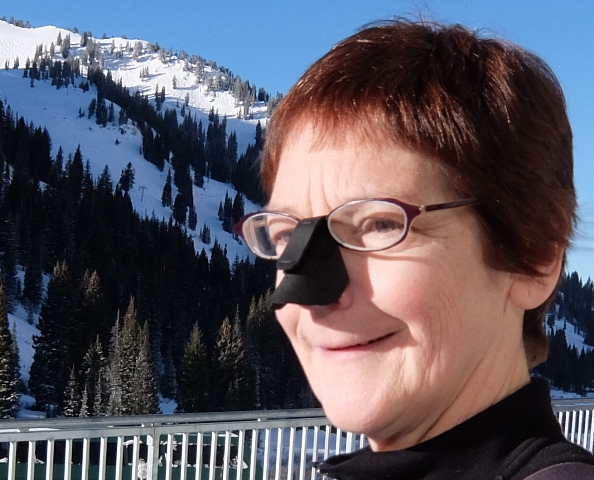

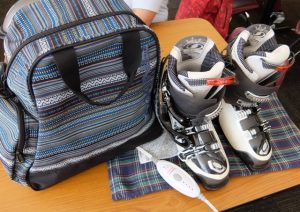


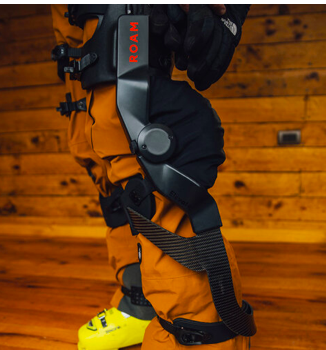


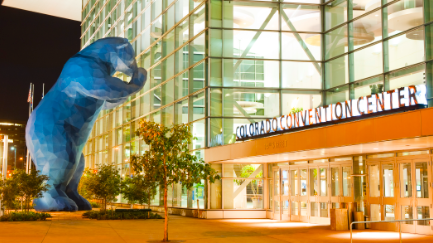


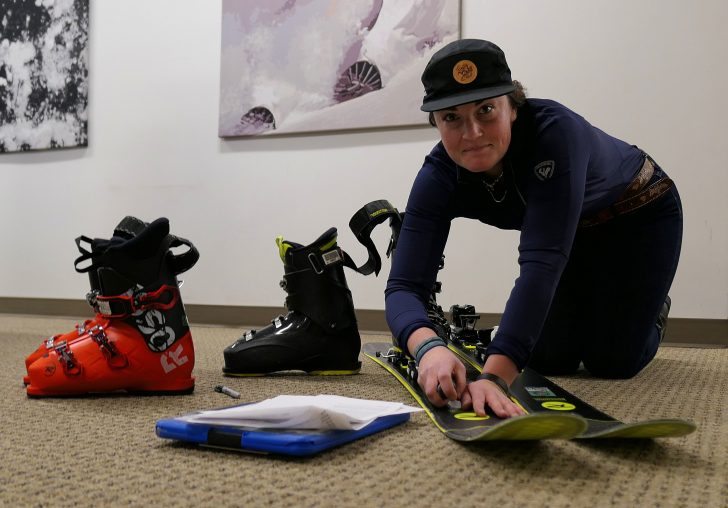



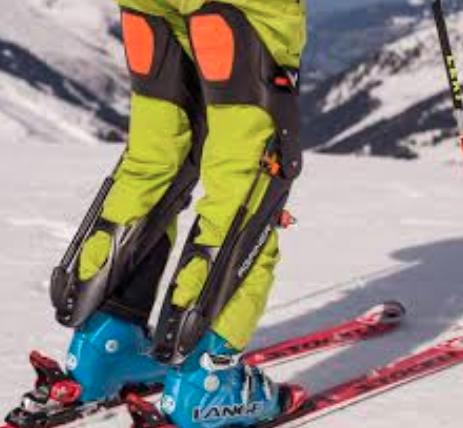






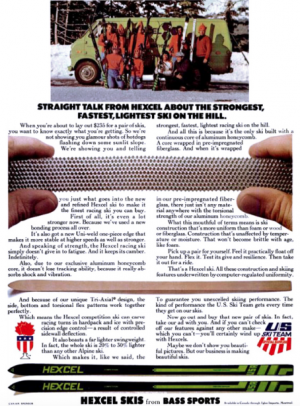


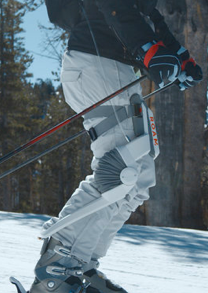


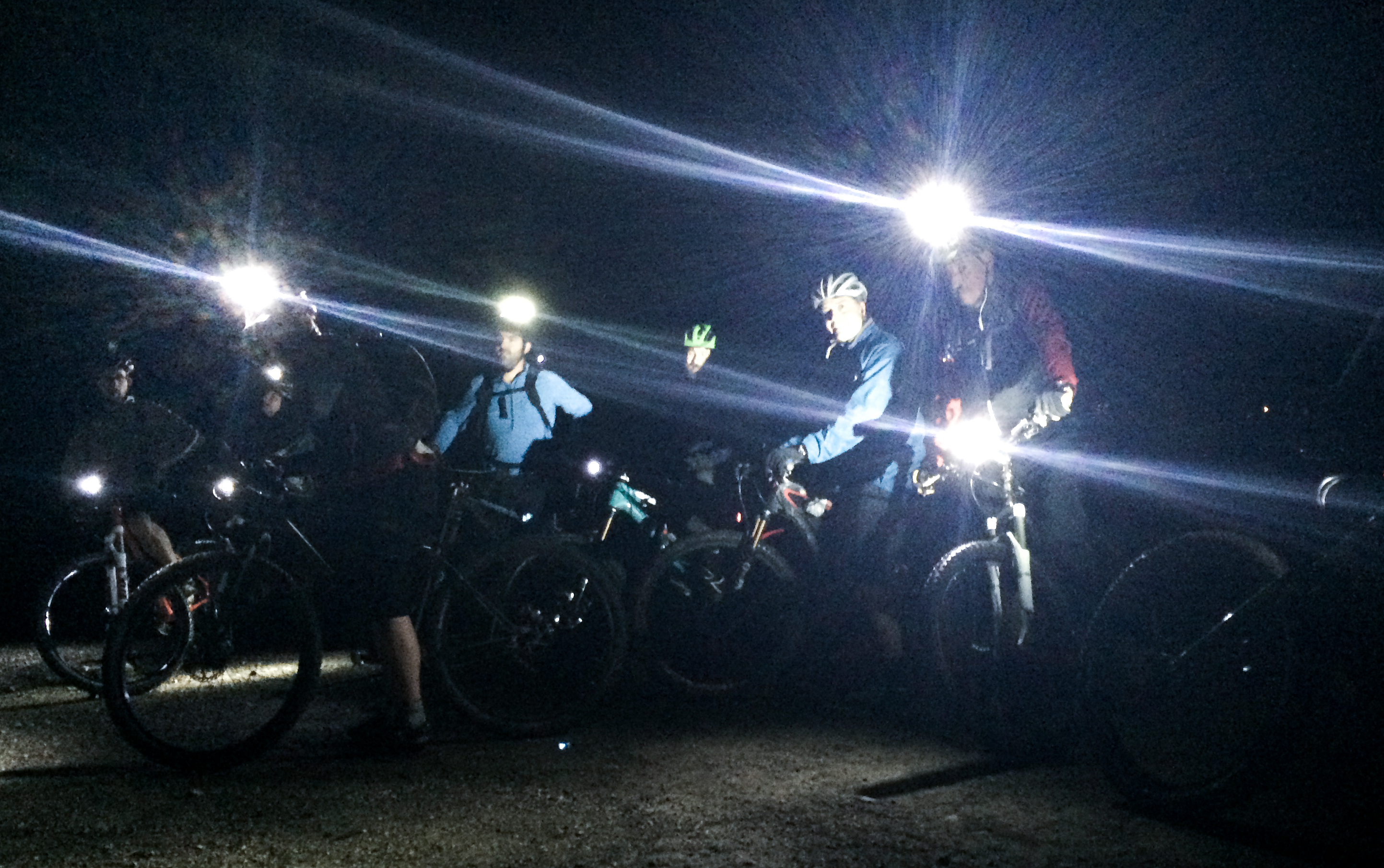





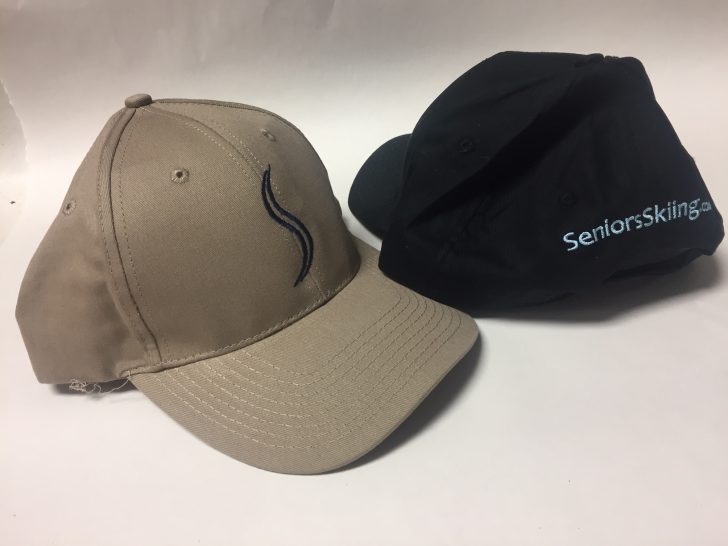


 GearBeast
 athleticism, I’ve made up for with persistence.
 I just purchased a dozen