Tag Archive for: SeniorsSkiing.com

Tips On Starting Nordic Skiing

It’s Different, It’s Fun, It’s Accessible.

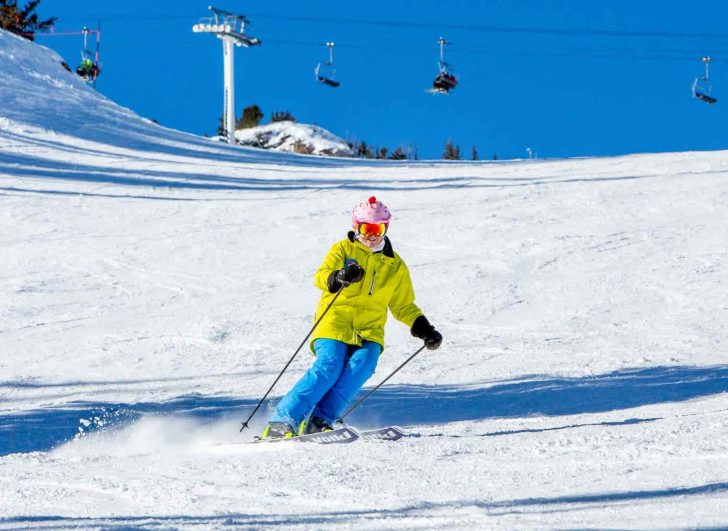
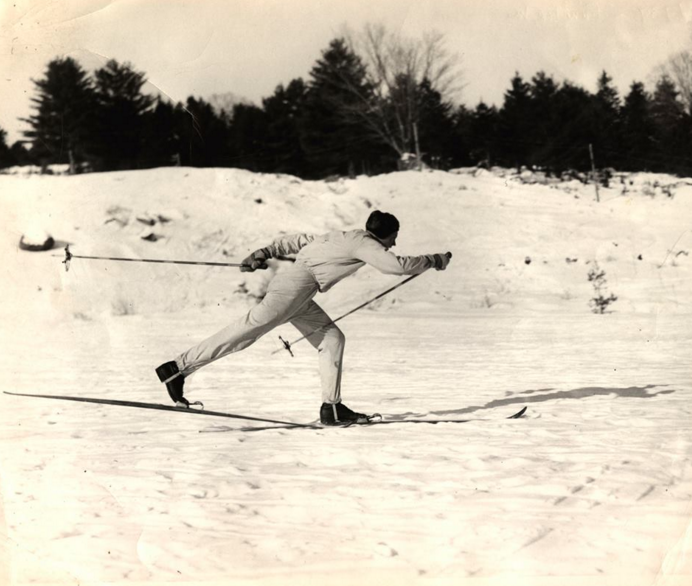
So you’ve decided to try cross country skiing, You can call it cross country skiing, Nordic skiing, XC skiing, or ski touring – when trying cross country skiing the first few times it may be a totally new experience for you and it may take time for you to become confident. Experienced cross country skiers might call you a first timer, beginner, novice skier, and even a “never-ever” but as with any recreational activity, if you do it a few times, it will become easier and more familiar. Cross country skiing can take a while to master, but it is outdoor fun even on the first time on skis.

Downhill Skiing Is Not The Same As Cross Country Skiing

Most people believe that if you are an alpine skier and have mastered the lift-served form of snowsports, that you can easily master cross country skiing. But alpine ski equipment is much heavier than cross country ski gear – the big plastic ski boots and wide skis provide substantially more support compared to cross country ski equipment. Snowplowing on cross country skis takes more technique to roll your ankles and hold/push the ski edge of the skis against the snow while you are moving. Even though both sports are on skis and on the snow, there are many differences between downhill skiing and cross country skiing.

Wobbly Feeling

Putting on the comfortable cross country ski boots, stepping on the bindings and attaching to the narrow skis, you may feel a bit wobbly at first. You’ll be gliding down the smallest incline and you may feel unsure, but bend your knees and try to relax. Don’t lean backwards – bend your knees and feel your weight on your heels and you’ll have more control.
You Will Fall Down

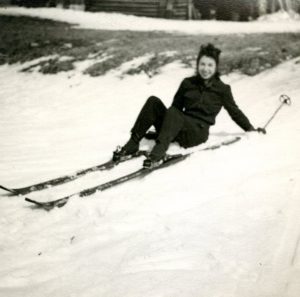
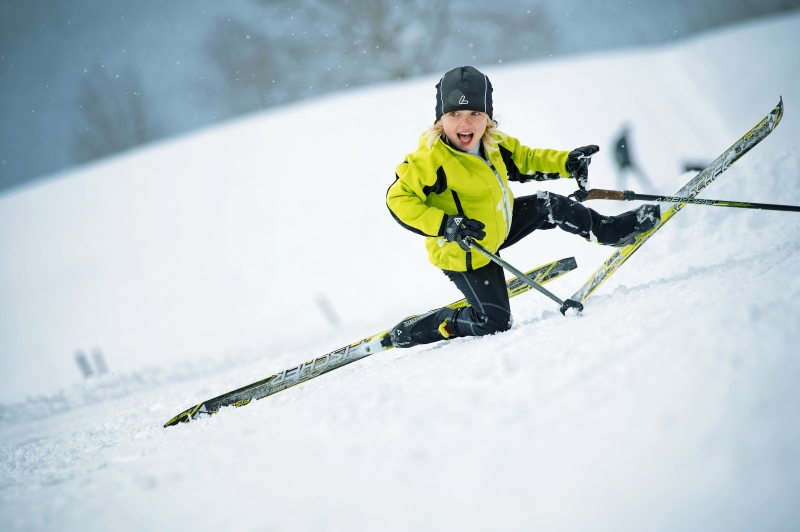
Accept that you will likely fall while cross country skiing. Everyone falls while cross country skiing sooner or later and the snow provides a soft landing. Getting up after a fall is sometimes complicated to orchestrate, but take your time to untangle and get to your knees. Once on your knees it should be easy to stand up.

Groomed Trails

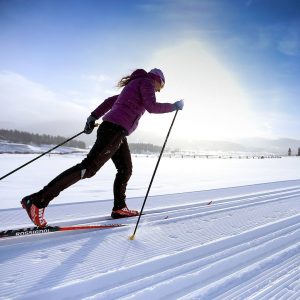
Many people dream about cross country skiing as an adventure in the forest and down hills in the wild. The truth is that this form of recreation is much easier on groomed trails…that is, trails that have been packed and tracked by a machine. On groomed trails, it is easier to glide, easier to go up hills, and easier to control the speed going downhill with a snowplow technique. Cross country ski areas provide trail grooming and charge a fee to use the trails. The trail grooming, signage, maps, lodge facilities, and other services are definitely worth the fee. Most cross country ski areas do not allow dogs to use the trails, but some areas offer dog-friendly trails.

To find a cross country ski area, use the Internet or websites such as www.XCSkiResorts.com or the Cross Country Ski Areas Association (www.xcski.org). These areas often require a reservation to get a lesson, as they do not always have instructors on site, so visit an area’s website in advance to get their information.

Be Prepared

The typical safety concerns are prevalent with cross country skiing. Go out with someone else, take water and food, and have some additional clothing (dry gloves, hat, neck gaiter, etc.) in case it gets colder or snows. These concerns can arise if you take a wrong turn where you end up on a longer trail that you expected.

Hills

If the terrain that you are skiing on is perfectly flat, you should not have much problem on cross country skis but when there are hills, you’ll encounter the sport’s ups and downs. The first time going down a hill could be a bit frightening but as in any sport, with practice you will become more accustomed to the feeling…hopefully. It is best to get tips or a complete lesson. The various cross country ski techniques are taught by experienced or certified instructors at cross country ski areas. Most likely you have friends who try their best to provide insight on ways to master the skis. The former idea (with a certified ski instructor) is the better choice.

Get Out There

Cross country skiing provides one of the greatest full body workouts available as it uses all parts of the body’s muscle groups. You may not feel exhaustion while you are out on the trails, but your body is working hard and using unfamiliar muscles, so take it easy. It’s best to go on a short outing at first and build up the distance or time on the skis over multiple outings.

Getting information about equipment and the different forms of cross country skiing (on track, off track, skating, backcountry, etc.) can be found on the Internet and/or at a cross country ski area. It makes sense to rent your equipment the first couple of times to see if you like cross country skiing. Most ski areas have rental gear for first timers (skis are softer and wider) and for more athletic people (skis are narrower and more lively). The narrower skis will glide better and go faster, while the wider skis will allow more control but feel like they drag a bit on the flat terrain.

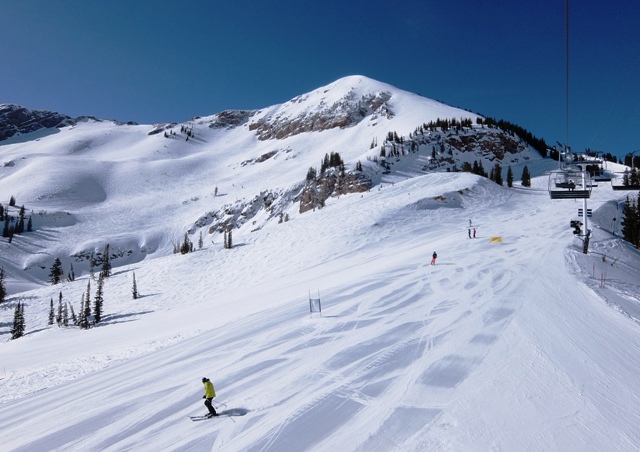
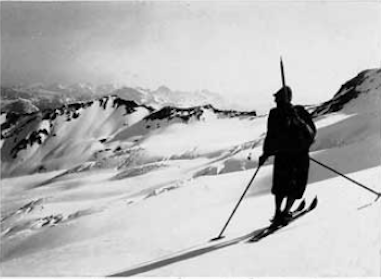
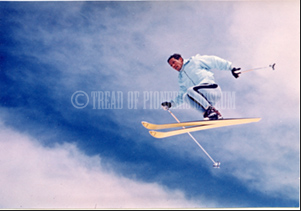
When you get ready to purchase equipment, talk with professionals at a cross country ski area or retail shop to make a decision about what to purchase, which will depend on your interests (on track, off track, control, performance, etc.). Once you become a cross country skier, you’ll look forward to when it snows and it will become a magical experience to enjoy every winter. Top photos, Fischer Skis, Bottom photo, Great Glen, NH

Editor Note: This article first appeared in XCSkiResorts.com
 

This Week In SeniorsSkiing.com (June 26)

Is Fitness On Your Mind These Days?, Harriet’s Hip Advice, Exercise Hacks Book Review, Questions For You.

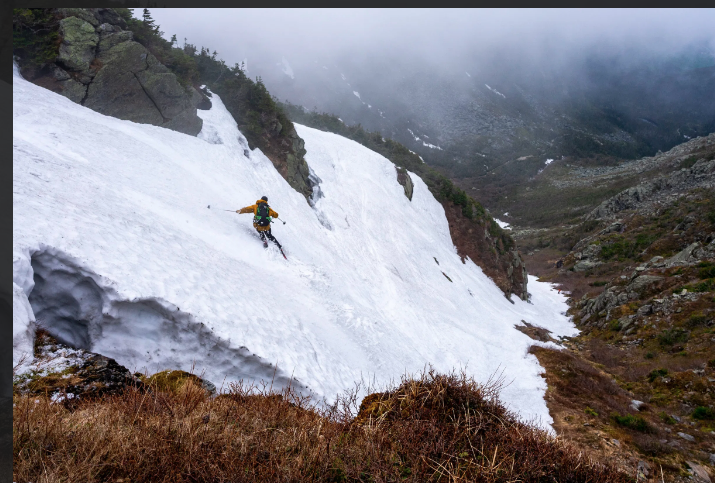
Ski Tuck in June? Sure, say three Vermonters. See below for link to story in Powder Magazine. Credit: Connor Nash from Powder Magazine

The summer solstice has come and gone.  On solstice day, a northeastern Siberian town located above the Arctic Circle, recorded 100.4 degrees, the highest temperature ever recorded in the Arctic since records have been kept.

In the East, an early summer heat wave continues, putting a damper on vigorous outdoor activities for seniors.

Or not.

Around our rural neighborhood, we’ve noticed several senior road cyclists riding solo in the heat of the day, temperature in the mid-90s, humidity up there, their gray hairs sticking out of their helmets giving them away.  Senior runners are out there, too. Wise to keep pumping? Witless for pushing the limit?

At our age, most readers engage as best they can in vigorous physical activity, snow sports in winter, other activities in non-snow months. The virus, however, is cramping our habits. Gyms are closed or opening under major constrictions; team sports are out, bike clubs are social-distancing and mask-wearing, and pools are off limits.

As a result, we know for a fact that some seniors are exercising with new behaviors perhaps unwisely, too much, in the heat, perhaps with existing injuries. We know because we are one. Too much aggressive yoga led to pulled muscles, shutting down our physical activities for weeks now.

It’s hard to ignore that our lives have changed in these times of the virus. What we need to understand is that new fitness habits have to be thought through so that our enthusiasm for that endorphin rush doesn’t compromise our bodies.

This Week.

In this week’s edition, we have a series of articles on fitness.  SeniorsSkiing.com correspondent Harriet Wallis offers her advice on critical decisions prior to having a hip replacement.  Harriet should know; she has two new hips and two new knees.
We have also been sent a cool book on fitness for seniors.  K. Aleisha Fetters’ Fitness Hacks For Over 50 offers 300 ways to build easy fitness moves into everyday activities. It’s a very clever idea to get us to think of different ways to keep our bodies in motion.

The results of our Next Season Survey are in. Click here to review the highlights. Thanks so much for your participation. We had a 21% response rate which is very high for a publication like ours and evidence of the engagement of our readers.

We have some additional Questions For You this month, focusing on cross-country skiing and how frequently SeniorsSkiing.com should publish next season.  Please offer your thoughts.

And despite the oncoming of summer, three Vermonters found a way to ski left-over snow at Tuckerman Ravine in the White Mountains.  Click here for a link to this story from Powder Magazine about three lucky skiers who saw an opportunity ski the Ravine in late June.

Be safe, stay well. Remember there are more of us every day and we aren’t going away.


heliskiers

Short Swings!

Over the past few weeks, we’ve received numerous emails from ski industry and other leaders supporting Black Lives Matter. Mike and I want to add our voices to this and to other expressions of social justice.

Many of you will remember Bob Dylan’s 1964 song, “The Times They Are A Changin.” His anthem to social change and the consequences of ignoring it takes on new relevance during this time of social, environmental and economic uncertainty and disease.

Each of these issues is evident in skiing, boarding and other winter sports. There should be more people of color on the hill, but for many, the effects of historic social injustice have prevented their participation. 

We are constantly reminded of the unfair treatment of those whose skin color relegates them to economic and educational disadvantage and the lifelong consequences of those disadvantages.

The ski industry has acknowledged the need for change. For years, National Ski Areas Association has reached out to minorities in an attempt to attract them and add diversity to the sport.

It appears that decades after Dylan released “The Times They Are A Changin’,” things, finally, are changing.  It’s about time.

National Brotherhood of Skiers

The National Brotherhood of Skiers the group of African American skiers founded in 1972. Its history is fascinating, and its programs introducing black youth to the sport are encouraging. Learn more about NBS by clicking on the image above an watching a first-rate video produced by REI

95-Year-Old Heli-Skier Sets Guinness Record

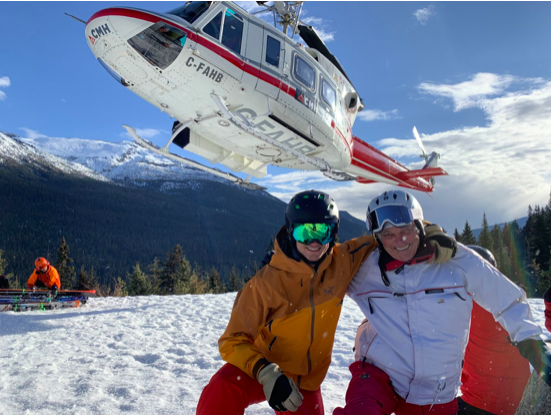
World’s oldest heliskier Gordon Precious and grandson. Credit: CMH Heli-Skiing

Gordon Precious, 95, of Hamilton, Ontario, recently set a new Guinness World Record for oldest heli-skier. A lifelong skier, he achieved the record last year and shortly before his 95th birthday. The previous record was set by a 91-year-old. 

Liftopia Stiffs Ski Resorts

Liftopia, the biggest online lift ticket seller, owes more than $3MM in ticket sales to Alterra, Mountain Collective, Aspen and other resorts. Sources report Liftopia will seek bankruptcy protection.

Mountain Collective Lowers Price; Adds Resorts

Good News: Mountain Collective is giving 2019-20 passholders $50 off their 2020-2021 passes. And it has added these resorts: Sun Peaks Resort, BC; Grand Targhee, WY; Panorama, BC; Sugarloaf, ME, and Chamonix, France. There are now 23 top-raking destinations on the pass.

Less Than Good News: “No Questions Asked” refund deadline for purchasers is October 16, 2020; slightly early to know about the health of the ski season when COVID’s second wave may be reaching shore.

Portillo Postpones Opening “Indefinitely”

Portillo

A letter this week from Ski Portillo states that the legendary Chilean resort will remain closed indefinitely because COVID-19 is at peak levels in Chile, quarantines, and travel restrictions.

Reliable Source of Reliable COVID Supplies

KN95 Mask                                                                  Type II Surgical Mask

I keep on hearing about people ordering face masks online and getting ripped off. An acquaintance thought she was purchasing COVID masks and was sent tiny, mouth-only coverings, unusable for COVID or any other protection. A recent column mentioned that Masterfit, ski boot footbed manufacturer and SeniorsSkiing.com advertiser, now sells high quality KN95 (comparable to the US’s N95) and Type II surgical face masks.

  • KN95 masks fit securely around the face and provide maximum fluid resistance and filtration efficiency. They’re good for those interacting closely and frequently with the public. 
  • FDA Certified Type II surgical masks are what many surgeons wear. They’re lightweight and provide excellent protection through the triple filtration face barrier. Type IIs comfortably wrap around nose, mouth and under the chin. While not designed to make an air-tight seal, it does provide significantly greater virus filtration protection than a simple dust, particle or homemade mask.

Masterfit also sells reusable face shields and an excellent COVID disinfectant spray. SeniorsSkiing.com subscribers enjoy a 10% discount on masks. Pre-discount prices : $35 per package of 10 KN95 masks and $39.50 per package of 50 Type II surgical masks. Click here to access Masterfit’s PPE products. For the discount, enter  FOMCOVID1910 at checkout.


Planning on Skiing Next Season? 92% of You Say YES!

Based on the just completed SeniorsSkiing.com Reader Survey, 92% of you plan to go skiing next season. This, despite growing coronavirus concerns, especially within our age cohort.

You also weighed in on the importance of preventive measures ski areas can take to control the virus:

  • 86% of you consider continuous sanitizing in all public areas (e.g. dining, lodge, restrooms) to be extremely or very important
  • 74% say social distancing in dining areas, lift lines and other public spaces is extremely or very important.
  • 59% report use of face masks on lifts and in public spaces is extremely or very important.
  • 50% indicate daily limits on numbers of skiers and boarders are extremely or very important.

Almost 3,500 of 16,500 readers responded. That’s 21% of our growing subscriber base. Past survey response rates rage from 17.5% to 27.5%.

As to where you plan to ski, 40% will stay local; 56% will take one or more long distance ski trips and ski locally, and 25% will take one or more long distance trips.

Of those taking long distance trips, 42% will ski the US Rockies, 26% will ski the US West, 14%, each, will ski the Canadian Rockies and the US East, and 10% will ski in Europe, Australia, New Zealand, Asia, or South America.

We also asked with whom you usually ski. The question listed “solo,”  “spouse,” “spouse and friends,” “friends,” “adult children,” “grandchildren,” etc. and gave you the opportunity to check “all the time,” “quite frequently,” or “somewhat frequently,” “rarely,” and “never.” Your responses, while not absolute, present a proportional picture:

  • 48% ski with friends all the time or quite frequently
  • 44% ski solo
  • 43% with spouse
  • 34% with spouse and friends
  • 25% with adult children
  • 16% with adult children and grandchildren
  • 10% with grandchildren

We’ll report on other findings in future issues, but one we thought you’d be interested in learning is the amounts you reported spending last season on all aspects of skiing (e.g. equipment, clothing, accessories, travel, lodging, food, lifts, etc.) for yourselves and others.

  • 51% less than $2500
  • 29% between $2500 and $5000
  • 19% more than $5000

The average respondent’s age is 69.8. Seventy-three percent are male; 27% female.

Thank you for taking the time to provide your points of view. We expect that your input, especially on next season’s plans, will help inform resort management decision-making.

The survey was conducted in early June using Survey Monkey. 

Is A Hip Replacement In Your Future?

Here Are Some Tips From A Two-Hip Skier.

Here’s Harriet. Two new knees, two new hips. When it comes to joint replacement, she knows what she is talking about. Credit: Courtesy of Alta

Your decision to replace any body part is a serious decision. Unlike a purchase from a retail store, you cannot return an implant!

But when your “original equipment” wears out, it’s time to have it replaced. Overall, we’re living longer, we’re living healthier, and we want to enjoy life—and ski.

As background, I have two artificial hips, two artificial knees, and I skied 78 days during this last winter before resorts closed because of the Covid virus. Artificial hips and knees work really well.

Here are some tips if you’re considering new hips.

Choose your surgeon carefully. Your future depends on it. Pay the cost of visits to several surgeons. Those visits will help you choose the right one for you.

1. Ask hip questions

Here’s the list of questions I asked each surgeon. I printed a sheet for each surgeon and I wrote down their answers so I’d remember what each one said. Unexpectedly, their answers were quite different. Print out these question and bring them with you to each visit.

  • Do I need a hip replacement?
  • How many hips do you replace a week?  A year?
  • Do you do the surgery or does someone else do it?
  • Do you do anterior or traditional cut? Why?
  • GPS guided? Robotic? Manual?
  • What kind of anesthesia? Why?
  •  What brand of implant do you use?
  • Metal or ceramic?
  • Glue? What kind? Why?
  • Bone density. What if my bones aren’t good when you get in there?
  • Do you resurface instead of replace? Why?
  • How long in hospital?
  • Will I need help when discharged?
  • What kind of PT do you recommend?
  • Can I ski?
  • Why should I choose you?

2. Do a visual check

Are the surgeon’s shoes clean and polished? How’s the hair? It’s a quick measure of how well the surgeon values him/herself. Neat and clean is a good sign. Think twice if s/he’s scruffy.

3. Find out if he’s/she’s athletic.

A surgeon who is physically active will understand your need to keep your active lifestyle and ski. If she or he’s a golfer, plays tennis, bikes, water skis or is active in some sport, she or he’ll identify with your need to keep your body in motion.

Personal note, funny story:

I met with a noted—but fat—surgeon, and I asked: “Do you ski?”

He replied, “No, but I own a house at the resort!” And he said I should give up skiing. I eliminated him from my pool of possible surgeons.

Get your X-rays on a disc

Be prepared. Take the disc of X-rays with you each time you visit a surgeon so they don’t have to take new X-rays. Surgeons might be in different networks and therefore not have access to your X-rays. Or, even if they’re in the same network, the computer system might be down that day.

Before surgery, plan ahead for PT

Visit some physical therapy studios, ask about their rehab for hip replacement, and decide where you want to work out. Do that homework before surgery.

Personal note: When I came home, I did the prescribed home exercises exactly as I should. But the exercises got easy and I stopped making progress.  I was glad I’d checked out PT studios and switched to one with electronic equipment, gym-type equipment and a heartier workout. Recovery came quickly.

After surgery

Expect to start moving right away. Expect to be walking the day after surgery, and expect to have in-hospital physical therapy.

Personal note: I was in the hospital for a couple days and I progressed quickly. The PT studio stairs became too easy, so the PT therapist took me to the hospital stairwell for greater challenge and practice. On a nice day, we went outside and walked around the entire building.

Shoes and boots

Your new metal hip might like more cushy shoes or a different pitch than you’re used to. Buy your shoes and boots at a store such as REI that lets you wear them, see if you like them, and bring them back if they’re not right.

Personal note: With two metal hips and two metal knees, my body is fussy about what’s on my feet. I now buy all my footwear at REI so I can test drive them for a while in real life, not just in the store.

Look forward to a new hip. Work hard at PT. And I’ll look for you on the slopes.

To read Harriet’s five-part series on knee replacement, click these links.

Question For You 8: The XC Option

What About Cross-Country?

Let’s imagine that the recovery from the Corona virus doesn’t go as we all hope it will.  And that by the time snow flies again in the mountains, the second wave has landed.  Ski resorts are either closed or postponing opening dates until later in the winter. Or ski resorts are limiting access through a lottery or other ways of restricting access. In other words, no or limited opportunities for Alpine skiing.
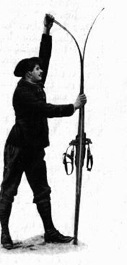
And backcountry may be discouraged for senior skiers because of the potential for deploying essential search and rescue personnel when they are needed elsewhere.

Got it?  So here’s the question:

Please write your response in the Reply Box below.

Given your attraction to snow sports and physical activity, if Alpine skiing is cancelled, delayed, or restricted, will you find opportunities to go cross-country skiing in parks, golf courses, open farm fields, even XC resorts?

old fashioned skier

Question For You 9: SeniorsSkiing’s Publishing Schedule

Is Once A Week Too Much?

The co-publishers are curious about how our readership feels about our publishing schedule.  Currently, SeniorsSkiing.com publishes a weekly edition from around the beginning of October to the end of April. We’ve heard from some readers that might be overkill. Others say, keep on keeping on. We have been struggling with the decisions.  Perhaps you can help.

How say you?

Please write your response in the Reply Box below.

Should SeniorsSkiing.com consider shifting its publishing schedule to twice a month versus once a week during the snow season?

This Week In SeniorsSkiing.com (May 22)

Green Shoots On The Horizon (?), Yellowstone Opens, Season Ticket Puzzle, Bike Fit, Questions For You.

Superstar Killington, VT,  May 19, 2020 Credit: Killington/NewEnglandSkiIndustry.com

According to New England Ski Industry, early-open, late-close Killington resort has decided to pivot to golf on May 19th despite skiable conditions on one popular trail.  Indeed, as the photo shows, Superstar looks ready to go, top to bottom.  The resort closed on March 14, holding open a tendril of possibility of re-opening for some late season skiing. That’s not going to happen. Killington president Mike Solimano said that even if the resort opened with just one trail, a thousand visitors would show up, confounding any attempts at social-distancing.  For the first time in a long time, Killington has lost its “last-to-close” honor because four New Hampshire resorts closed four days later on March 18.

And so the chapter officially closes on the 2019-2020 season, one which currently finds snow falling in the Sierra and the White Mountains in May. It “coulda been a contenda” for a great season, but…

On the other hand, there are green shoots signaling a turning towards the direction of normal. For example, Yellowstone National Park is opening up this week in a series of cautious phases. Come to think of it, what a perfect place to be outdoors and stay isolated. Pitch your pup tent in one of the National Parks’ halycon camp sites, and you’re in lock-down in paradise. If you can get on the road, why not travel to a National Park near you?

Active Travel For Seniors

Which brings up a new feature series for SeniorsSkiing.com.  We’ve realized for a while that our readers are interested in active vacation travel.  Snow sports is just one part of the wide interests of our audience. So are many non-snow destinations and activities.  We’re going to be publishing stories about interesting places to go where you can be active, engage with nature, learn something new, and stay fit. We’re calling the series, “Active Travel For Seniors”.

Coincidentally, our first article is about Yellowstone opening up. Thanks to our new correspondent, Chicago-based Mira Temkin, you can read about its astonishing features and perhaps contemplate a camping/holiday trip into one of its isolated corners. That is, when you’re comfortable with traveling away from your confinement.

Our Looking Ahead Survey

One of our trademark practices at SeniorsSkiing.com is to keep in touch with our readers through online surveys. This spring, we’re going to ask you about how you see your snow sports activity unfolding in the fall. Realizing full-well that everything changes in one news cycle, we’d like to capture a snapshot of how you view the upcoming season as of late May, early June.  So look for the survey coming soon to your email box. And please respond. We will share that information with you when we sift through the data.

This Week

Harriet gets fit in a bike shop studio with an Oriental rug on the floor. Credit: Harriet Wallis

In addition to our inaugural Active Senior Travel story about Yellowstone, you can learn how to get your bike fit to your own peculiar metrics. Correspondent Harriet Wallis visits a pro bike fitter who explains the process.

We are also asking two Questions For You this week.  Questions For You is a new feature which provides you with an opportunity to sound off on a topic. From these collected comments come some themes and and ideas that we can use for future editorials as well as interesting connections between readers.  The Questions For You this week involve what you’re doing for fitness in these virus times and what ski resorts need to do to make you feel comfortable returning to the lifts.

We have also included a nostalgic tribute video story from Outdoor TV about the incomparably stylish Stein Eriksen. Check out his moves and those sweaters right here. 

Thanks for reading SeniorsSkiing.com.  We will get through these difficult times together. We plan to publish monthly through the summer until the snow starts to fly, as we know it will.  It always does.  And remember there are more of us every day, and we aren’t going away.

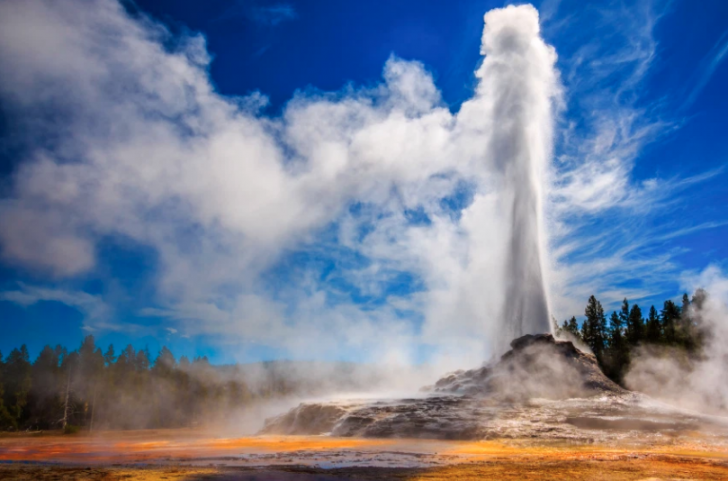
Yellowstone sits on top a thin part of the earth’s mantel, so hot springs are everywhere, heated by the planet’s core.

Short Swings!

Boris and Ivan have been skiing across the frozen steppe for many days. After too long on the front, they’re finally going home. Boris spent hours telling his colleague what he intends to do when, finally, he arrives home: hug his family, down a hearty meal, paint the dacha, tend the garden. 

“Ivan, what is your plan?,” he asks. 

“My wife will come to the door with vodka.” 

“And then?”

“We’ll embrace and make passionate love.”

“And then?”

“I’ll remove these damn skis.” 

That’s one of the few decent ski jokes I know, and, apologies, if I’ve used it before in this space.

Unfortunately, we removed our skis too early this season. And there are legitimate questions as to whether there will be a next season.

That thought, stated indirectly, appears to be on many minds. It’s why Ikon Pass is being sold with a safety net. Purchasers can decide by late November whether they want to use it for 2020-21 or 2021-22. They’ve discounted the price to encourage early sales. And Epic Pass just announced baked-in insurance coverage. Their parent companies need cash to service debt, proceed with planned projects and maintain whatever is left of their payrolls.

Some areas, pursuing similar early purchase tactics, are spinning their messages to get patrons to help them keep the lifts spinning. Their appeal: Your early buy will help keep us afloat. I don’t mind that, as long as it’s not coming from an area that joined one of the big pass programs and eliminated its own senior pass discount. There are several of them.

It’s interesting to see how the resorts are responding to COVID. My prediction is that singles will be riding doubles, triples will be occupied by two’s, etc. Areas relying on gondolas and trams will limit their occupancy and require facemasks. Lines will be longer. See below for Chamonix’s sensible response. 

I expect day lodges will have fewer seats and surfaces will be aggressively sanitized. Maybe restrooms will have full-time attendants whose job will be keeping everything clean. Resort HR departments advertise for “Lifties.” Why not “Resties?”

Expect hand sanitizer stations to be as ubiquitous as tissue dispensers.

Of course there will be rogue skiers and boarders defying the rules and placing themselves and others at risk…just like they do when playing human pinball racing down the hill. The likelihood of their getting reprimanded for sneezing in line is about as likely as their getting stopped for reckless skiing.

I haven’t missed a season since 1954 and don’t intend to miss out on 2020-21. But if things get too complicated on the hill, I might throw in my ski towel, grab my beach towel and head South.

Chamonix Fights COVID With Thermal Scans

Skiers at the French resort are now required to enter a thermal scanning device (similar to an airport security gate) to check their temperatures, use sanitizing material on their hands, and wear masks while waiting in line and riding lifts. Social distancing will be implemented in lines and on enclosed lifts. If found effective, this protocol may become the industry standard.

COVID Concerns = Season Pass Changes

IKON and others offer generous early purchase discounts for next season.

Epic now includes full and/or prorated insurance in event of job loss, stay-at-home orders, job transfers, etc. as well as resort closures due to COVID and other diseases, natural disasters, war, and terrorism.

Mountain Collective provides “incentive credits” encouraging existing pass holders to re-up for 2020-21. 

Alta will issue discounts to existing pass holders based on last season’s use. For a round-up of Utah area offerings, see Harriet Wallis’ story elsewhere in this issue.

Aspen will credit existing pass holders for its truncated season and “…have a refund policy that makes committing to the 2020-21 season risk-free.”

Indy Pass, arguably the best skiing value in North America, offers two days at each of 52 resorts for $199, including its Get America Skiing Promise providing up to 80% credit for the following season, no questions asked. Passes go on sale September 1. Pass holders at participating resorts can purchase the Indy for $129.

COVID Shutters Las Lenas 

Argentina’s premier resort, Las Lenas, announced that because of COVID, it will not open for the 2020 season.

Masterfit Establishes COVID-19 Webstore

SeniorsSkiing.com advertiser, Masterfit Enterprises,  has added protective face masks to its offerings during the pandemic. The insole and bootfit training company is selling facemasks to businesses and consumers at its Masterfit COVID19 webstore.   SeniorsSkiing.com readers get a 10% discount on their first 100 surgical mask purchase using coupon code FOMCOVID1910 at checkout. Here is a link to a story about how Masterfit landed in the PPE business. 

Val Gardena Repurposes Snowguns to Disinfect Streets

Handled by the Italian resort’s volunteer fire fighters, the snowguns are being used to spread disinfectant with hopes of reducing spread of COVID.

Higher Elevation Populations May Be Less Susceptible to COVID

A paper in the June issue Respiratory Physiology & Neurobiology concludes that, among other factors, “…the virulence of SARS-CoV-2 is reduced at high-altitude due to the physiological acclimatization of its inhabitants, and due to particular environmental characteristics.” The study looked at prevalence of COVID in high elevation populations in Tibet, Bolivia and Ecuador.

Two Dimensional Ski Films

Have you noticed how the many GoPro ski films on the Net have a flattened sameness to them? I enjoy watching ski films, despite their similarities to pornography (Same motions. Different locations. Repeat.). But helmet-mounted cameras generally record ski tops against a white surface, making even the steepest terrain look pretty flat. I just watched a GoPro video of someone skiing the Alguille du Midi in Chamonix. I’ve seen it, and it’s heart-stopping steep. His GoPro footage documents the run, but does little to convey the challenge. Give me those long, across-the-valley Warren Miller and John Jay telephoto shots or the ones from the chopper floating above. Go Pro is great for a lot of things. Showing steeps is not one of them.

High School to Use Local Chairlift for Graduation Ceremony

Graduating Kennett High School (Conway, NH) seniors will ride a Cranmore Mountain chairlift to receive their diplomas. Nice way to maintain social distancing in this small New England ski town.

Send A Photo Wearing Vintage Skiwear

Skiers from 1900. Source: The Guardian

Okay, you’ve cleaned the house, organized the family pictures, Zoom-cocktailed with family and friends. Here’s a suggestion for something different: Send us a selfie of you/spouse/friend wearing  vintage clothing and we’ll publish the most interesting ones in June. Make it a sweater, jacket, hat, pants, whatever. For inspiration, check out this gallery of ski fashion dating from 1900 to the early ‘70s. It was published by the British daily The Guardian. Send your pictures to info@seniorsskiing.com and include your name and where you live.

Thanks for reading. Please forward SeniorsSkiing.com to your skier friends. Advertising in SeniorsSkiing.com is a  great way to reach the 50+ snow sports enthusiast. Rates are very low and our 16,500 subscribers are very responsive. Contact: advertising@seniorsskiing.com.

Buying A Season Pass In The Covid Year

[Editor Note: This article first appeared in the Cottonwood Heights Journal on May 18, 2020. The situation unfolding in Utah is similar to what is happening in other regions of North America.]


Wish the rules for buying a season pass were as clear as the skies over Alta. Credit: Harriet Wallis

A Season Pass Is A Complicated Decision.

Gone are the days of one deadline, one price. This year, season passes are a jigsaw puzzle.

It’s complicated by multi-mountain season passes, narrow canyon road congestion, and the now the virus. Each resort has its own spin on passes. You almost need a PhD and a crystal ball to figure out what’s right for you.

A Roundup Of What To Look For.

Deadlines for the best price. Deadlines are all over the place. Some deadlines are as early as this month (May) while others have been extended. And some resorts haven’t specified a deadline.

Discounts because of virus-shortened season. Some resorts are offering discounts on their 2020-21 passes. But the formula for discount varies from resort to resort. Some resorts have other options, too.

Budget plans. Some resorts let you buy your pass now and pay for it in installments.

Change-your-mind assurance. Some resorts let you buy a pass now and change your mind later if you decide you don’t want to ski next season. Options include pushing your pass forward into the 2021-22 season. Those change-your-mind deadlines vary all over the place.

Blackout dates / no blackouts. Yep, that varies too.

One resort, adult season pass. The plain vanilla, “adult pass at one resort, ski any day you want” has gone into tailspin. Some resorts have replaced it with family deals, midweek only deals, and pack of ticket deals.

Highlights Of Resorts In The Region.

Powder Mountain. A season pass includes supplemental injury insurance should you crash and break a bone. A season pass for seniors 75+ is $40.

Snowbasin. If you had a pass last year, you can choose a 20% discount or partial refund on a 2020-21 pass. Or you can donate the amount to one of several charities.

Brighton. It has the clearest explanation of how the Assurance “what-if-I decide-not-to-ski” plan works. While details vary from resort to resort, Brighton’s Q ad A page gives the best point-by-point explanation so you can absorb it.

Deer Valley. It has the best side-by-side comparison chart for comparing a Deer Valley season pass with an  Ikon pass. It eliminates the mumbo-jumbo. A Deer Valley pass comes with multiple benefits.

Snowbird. Snowbird prices passes for 9 different age ranges and occupations. It also offers valet and preferred parking passes.

Solitude. If you had a pass last year, you’re eligible for discounted season pass for car parking this year. And this year you can register two cars on your parking pass — but you can use the pass for only one car at a time. Solitude also offers a mid-week only adult pass.

Park City Mountain. The Epic pass lets you ski Park City plus a gazillion other mountains around the world. But to take advantage of all that, you can’t possibly be working full time. For some, not working might be a reality this winter.

IMPORTANT: Two resorts haven’t posted prices yet.

Alta is taking a wait-and-see approach. Rather than rushing to grab skiers’ money, it’s being cautious because of the virus. Alta told skiers it will let them know about passes when it has a better look down the road.

Sundance has not posted prices.

Stein Shows The Way

Remember Classic Skiing?

Those sweaters, that hair, those baggy pants. Stein was a one-of-a-kind.

Here’s a really great tribute video from Outside TV on Stein Eriksen’s role in creating the world of modern skiing. From extreme skiing to blue cruising, Stein has had a deep and lasting impact on the sport.  Who hasn’t tried to ski with knees locked together in a comma position just like him?

Click below to watch real wedlen and gelandesprungen in action. He sure makes it look easy.


Spring Is Time To Bike Fit

Ride More, Enjoy More With Properly Fit Bike.

Harriet gets fit in a bike shop studio with an Oriental rug on the floor. Credit: Harriet Wallis

If you think your bike hates you, it’s time to schedule a bike fitting. If you hurt when you ride, there’s probably a mismatch between your body’s geometry and the geometry of your bike.

Sure, all bikes look pretty much alike. They have wheels, pedals, handlebars and seats. And they come in sizes – essentially small, medium and large. But your body’s measurements are more complex than that.

Unfortunately, many dedicated bike shops will say: “Find the bike you like and we’ll fit it to you.” That usually means they’ll jiggle the seat up and down.

A real bike fitting includes taking body measurements: shoulder width, arm length, leg length, sit-bone width, and more. You’ll have to ask around to find who’s the real bike fitter in your area.

Some physical therapists are qualified bike fitters, while others are bicycle fitting gurus. A skilled fitter can solve arthritis-related and other structure-related aging problems so it will be fun to ride your bike.

This is what the computer sees. Credit: Harriet Wallis

A fitting  can take about an hour, and the fitter is likely to suggest a different seat or stem or some other component to make it compatible with your body’s unique geometry. They can’t change your body, but they change the bike to suit your body! All this comes with a price tag, but it’s worth it if you want to have fun riding after the snow melts.

Here are some ways to figure out what’s wrong, but if you change one thing then something else will probably feel wrong. A real bike fitting should help you be “one with your bike.”

1. If your knees hurt, you’re seat’s probably too low, too far back, or both.

2. Ask a friend to watch you from behind. If your hips rock back and forth even a little bit, your seat’s probably too high.

3 If your hands, arms, shoulders or neck hurt, you’re probably too far away from the handlebars.

4. If your neck hurts, your handle bars might be too low, too far away, or both.

5. If you feel you’re just not getting enough power for your push, lots of things are probably out of whack.

Friend Laurie is fit by a physical therapist. He placed markers on key areas to analyze her alignments on the computer. Credit: Harriet Wallis

Question For You 6: Next Season

How Is This Going To Work?

Everyone in the ski business has been puzzling about next season and how it will unfold. Uncertainty brings with it lots of speculation about if, when, and how the ski industry will re-open. Even if it does re-open, whatever that means, will people show up? So our first Question For You this month is asking for specifics from your point of view.

Please write your response in the Reply Box below.

What will you need to see ski resorts do to make you feel comfortable about coming back next season?


SeniorTravel: Yellowstone For Remote Active Adventures

The Oldest National Park Starts Phased Re-Opening This Week. 

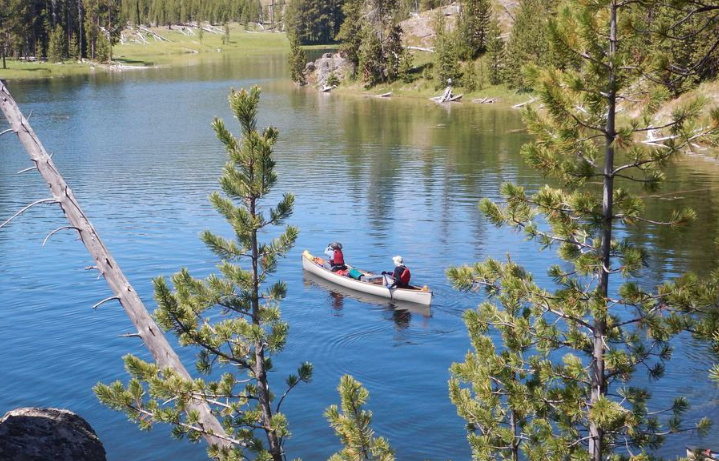
Yellowstone’s vast 2.2 million acres holds many opportunities for an active vacation, and there’s plenty of space for isolation.

Located in Wyoming, Montana, and Idaho, Yellowstone National Park is the first national park, named in 1872, and ideal for active seniors who want to explore the great outdoors. The park is about to be gradually opened up this month. Here’s more information on the re-opening plan.

There’s something surreal about being in Yellowstone. Maybe it’s the millions of years of formation that seem to hold tight to its secrets. When you’re in the park at 8,000 feet of elevation, it evokes a serene sense of calm with lush valleys, jagged buttes, and free-flowing waterfalls.

For seniors who love adventure, the park offers a range of recreational opportunities from hiking, biking and horseback riding to kayaking, white water rafting and fishing. One of the most popular sports is wildlife spotting. When you see a line-up of cars along the highway pulled over to the side, you know there’s something to see. Maybe it’s a herd of bison with their babies, an elk, antelope, or mountain goat. Get your camera out and take some pictures. 

See Old Faithful in All its Glory

When Old Faithful will erupt is predicted on the NPS webcam. Place your bets.

The star of Yellowstone is Old Faithful, erupting on schedule every 35 – 120 minutes and shooting as high as 140 feet in the air. This magnificent geyser in all its splendor lasts between 1 minute, 30 seconds, and five minutes. For those fascinated with statistics, there’s even a clock in the lodge to predict the next eruption. For now, check out the webcam at yellowstone.net/webcams/old-faithful.

With more than 1,000 miles of trails, there’s a hike to challenge you and take you out of your comfort zone. There’s a range of activity for all. Check out the 500-plus geysers in the park with their own schedules, paint pots, calderas, and hydrothermal wonders. Fish enthusiasts will discover the largest population of wild cutthroat trout in North America. Don’t miss the Grand Canyon of the Yellowstone River with its gorgeous waterfalls that will simply take your breath away.

Lake Yellowstone Hotel: Classic Accommodations with Spectacular Views

Hugging the shores of Yellowstone Lake, the “Lady of the Lake” is a magnificent hotel featuring 158 deluxe rooms, recreating a time of grandeur and elegance. Built in 1891, this historic hotel provides guests with fine dining, a string quartet, and an Inspired by Artist series. The narrow halls, back porch, and Sunroom make you feel like you’re on a cruise ship.

A Range of Accommodations and Dining

Yellowstone offers nine types of lodging from the elegant Lake Yellowstone Hotel to cabins and more rustic lodging for those who prefer something other than a hotel. as a part of the premier Xanterra Travel Collection. Check their website for lodging openings. The Lodges also offer tours and activities guided by Certified Interpretive Guides.

Consider visiting in the shoulder season when crowds are a little thinner. Spring (May – June) welcomes bison and antelope newborns, while bears are out of hibernation. In winter, wolf-watching is popular and the geysers even more spectacular.

Yellowstone will be back this summer.  If you decide to travel, you can get “lost” in its vastness. Talk about getting away from it all.

For group travel and recommendations, check out roadscholar.org, yellowstone vacations.com and www.nps.gov

Yellowstone sits on top a thin part of the earth’s mantel, so hot springs are everywhere, heated by the planet’s core.

Open: South and East entrances in Wyoming, the lower loop of the Grand Loop Road, restrooms, self-service gas stations, trails, and boardwalks in open areas

Closed: Montana entrances, overnight accommodation, full-service dining, commercial tour buses, and ranger programs.

For the most current information, visit www.nps.gov/yell/index.htm.


This Week In SeniorsSkiing.com (April 10)

Season Wrap: It Was A Very Good Season Until It Wasn’t.

[Editor note: We’re including a few notable pics from the year to accompany this article.]

Credit: Taos

And so ends the sixth publishing year of SeniorsSkiing.com.  A little earlier than planned.  We had some spring skiing in mind around mid-March; we bet you did, too. Nothing is constant but change.

As we move into the blooming part of Spring 2020—the weather breaking, nature waking up—we have to be grateful for what we did have this year. So, in this last This Week of the publishing year, we are going to look back.

The Women’s World Cup on Thanksgiving Weekend at Killington was, luckily, an act of kindness from the snow gods. Thanks to an early snowstorm, there was snow for racing. And the East was poised to have another fantastic year. California also had a early snow. Hopes were up.  Little did we know the season would be U-shaped, snow-wise, when all was said and done. Rockies, BC, Northwest, mostly great to fantastic. The report card for 2019-20: All good West (not California), Meh, East. Maybe next year.

SeniorsSkiing.com continued to publish its directory of 157 ski resorts where seniors could ski for free or almost free. We defined almost free as deeply discounted lift tickets and season passes.  We keep uncovering more of these bargain spots, thanks, in part, to referrals from our readers. We can still download that directory. Note: You will have to re-enter your name and email to access subscriber-only content.

We also published our yearly list of skis for seniors, thanks to our partnership with Realskiers.com. That is still available, too, as a download. Note: You will have to re-enter your name and email to access subscriber-only content.

This season, we had technique tips from Bob Trueman, Pat McCloskey, and Marc Liebman, as well as a new Ask The Expert series, where reader questions were fielded by industry savants. We published personal memoirs about last turns of the season and Moriarty hats, profiles and obits of ski personalities, and fitness routines, personal stories of knee replacements, and health tips especially for seniors. We had a series of pre-season puzzles to keep readers’ interests engaged while we waited for the weather to turn colder.

We also published resort reviews, based on visits by our correspondents, and a collection of cross-country skiing articles, about places, technique, and news.

Correspondent Jan Brunvand captured an incident in action.

We were happy to publish the Skiing Weatherman’s weekly predictions all season long.  Thanks to Herb Stevens for delivering interesting analyses of how the weather works.  We actually learned a lot about troughs and ridges in the process.

We published over 20 Mystery Glimpse pictures contributed by the many fabulous ski museums around North America. In looking at your guesses, we realized there are many astute observers of ski history out there.  Thanks for playing the game.

This February, we had our second fundraiser. We were humbled and grateful for the wonderful contributions from our readers that will keep this enterprise going. 

Finally, this year’s Incidents And Accidents series has led to important recommendations, shaped by our readers, to make the on-slope experience safer for everyone.  We are currently bringing our findings to the ski industry for their reaction and action. We will report how that project is processing over the next few months.  Bear in mind, the ski business is pre-occupied with virus management, so we are treading carefully and patiently.

Our Magnificent Correspondents

SeniorsSkiing.com could not exist without the contributions of our correspondents, most of whom are professional journalists. Most of these writers have been with SeniorsSkiing.com since we started six years ago. We hope you appreciate their work; we can’t thank them enough.
This year’s regular contributors are:

  • Harriet Wallis, Salt Lake City, UT
  • Roger Lohr, Lebanon, NH
  • Tamsin Venn, Ipswich, MA
  • Pat McCloskey, Sewickley, PA
  • Marc Liebman, Savannah, TX
  • Don Burch, South Windsor, CT
  • Joan Wallen, Andover, NH
  • Bob Trueman, Welshpool, Wales
  • Herb “Skiing Weatherman” Stevens, Wakefield, RI
  • Mike Roth, Albany, NY
  • Rose Marie Cleese, San Francisco, CA
  • Yvette Cardozo, Issaquah, WA
  • Mary Jo Tarallo, Rehoboth Beach, DE

And thanks to the one-time contributors who made it to our pages.

This Week

Co-Publisher Jon Weisberg reviews Roam Robotics Elevate, a computer-assisted exo skeleton, that supplies subtle support and a completely different approach to assistive ski devices.

We reveal last week’s Mystery Glimpse picture from the Tread Of Pioneers Museum, Steamboat Springs, CO.  One reader did a Sherlock-like job connecting the dots, deducting the right answer by reading the clues in the article and pic. Nice work.

We reprise a verse from Two Tramps In Mud Timeby Robert Frost, which fits the temperament of April. We have also included a link to Frost reading the poem himself. The Snow In Literature series has been fun for us to curate, and we’re glad we’ve reached a number of readers. Just shows you there’s another part of winter besides resorts, skis, gear, etc.

Thanks for reading SeniorsSkiing.com.  Take good care in these disruptive days. We will publish monthly over the non-snow months. 

Remember, there are more of us every day, and we aren’t going away.

Sunday River, ME


Snow In Literature: Two Tramps In Mud Time (Excerpt)

[Editor Note: This time of the year, we like to re-publish this verse from Frost’s Two Tramps In Mud Time. We also note that we’ve published a number of Frost’s poems in our Snow In Literature this publishing year. Unintended.  But his words reflect the world of people who know winter and all it brings. You can listen to Frost himself reading the whole poem by clicking on the YouTube link at the bottom.]

By Robert Frost

The sun was warm but the wind was chill.
You know how it is with an April day
When the sun is out and the wind is still,
You’re one month on in the middle of May.
But if you so much as dare to speak,
A cloud comes over the sunlit arch,
A wind comes off a frozen peak,
And you’re two months back in the middle of March.


Editorial: Too Many Incidents And Accidents

It’s Time To Update The Responsibility Code.

Whoops.

Many senior snow sports enthusiasts have been participating in the sport for decades, in some cases, starting as children or high school or college students. Each year, they return to the ski hills, older, less strong, less stamina, but still dedicated to the sport they love.

They come back despite the concern that most senior skiers share: Getting hit and injured by another skier/boarder.

In late spring 2019, SeniorsSkiing.com conducted its annual survey of readers. Among other topics, we asked what most aggravated them about their on-slope experience.

About half reported they experienced a variety of near-misses, injuries, or dangerous behavior of others. A subsequent SeniorsSkiing.com article reported on the writer being blind-sided by another skier who left the scene. This prompted additional comments from other readers expressing dismay and anger about being involved in similar incidents.

Sensing a need for our readers to express their views about these on-hill collisions and near-misses, we launched “Incidents And Accidents”, a series of personal reports from readers in an attempt to further understand and communicate what was happening. We asked readers to report what occurred and what lessons they learned from the experience.

The combination of comments to Incidents And Accidents and the open-ended responses to the survey formed a clear picture of what seniors saw happening on ski slopes that made them cautious, apprehensive, angry, and even frightened about the sport they’ve been engaged in for so many years.

Their observations can be grouped into three categories:

1) Skiers/boarders skiing out of control or too fast for conditions or their skill level,

2) Reckless and rude skiers/boarders distracted, stoned, intoxicated, or not paying attention, and

3) Skiers/boarders not following proper rules of conduct, ignoring trail etiquette, violating right-of-way protocols, and/or not warning about passing.

Too much speed, lack of attention, and non-compliance with standard on-slope protocols are the dangers. These behaviors result in actual or potential accidents and collisions, leaving senior skiers annoyed and disappointed in how their sport is conducted.

Readers report a) being hit from behind sometimes with serious, long-term injuries; b) being passed too close by a speeding skiers/boarders; c) reckless emergence from side trails or trail junctions, and, perhaps most unsettling, d) being knocked down and the other party not remaining at the scene.

As a result, senior skiers devised their own self-protection tactics, adapting their on-snow experience to better deal with potential injury.

Our readers report adopting a number of self-protection tactics. These include a) avoiding crowds or crowded days; b) staying away from beginner areas; c) maintaining a predictable rhythm of turns; d) vigilantly monitoring surroundings and uphill activity, and e) remaining with friends. Basically, they are skiing defensively at all times, some to the point of being ultra, self-consciously cautious on the slopes.

They have also prescribed actions to take if there is a collision, namely, get an ID from the other party, taking a picture of both the ID and the other’s face with a Smartphone, and report the incident to ski patrol and the resort. If circumstances warrant, call 911 or the police, especially if there are serious injuries involved.

That our senior readers—long time veterans of the sport—have generated their own rules and guidelines for dealing with out-of-control skiers/boarders is telling. While they have learned to adapt, they have done so in the absence of more proactive efforts by ski resorts to curb out of control behaviors.

Skiing/boarding without fear of getting hit wouldn’t be such an issue if resorts stepped up to their responsibility to keep all customers safe.

When we asked our readers for advice on what ski resorts can do to better control danger on the slopes, their solutions were insightful. Rather than put the task of enforcing rules squarely on Ski Patrol whose primary function is rescue and trail management, readers recommend ski resorts create a new role of “Safety Guard” who can be visibly monitoring critical hot spots. Safety Guards can pull tickets, track violators, and bring offenders into “time out”. The resort can establish a system where repeat offenders are barred. Resorts can also visually post the number of tickets pulled in a day. Some resorts already use these tactics. For example, Vail is a pioneer in posting and enforcing ski safe rules.

While enforcement and monitoring is critical to making a safe skiing/boarding policy stick, there is an important role for greater awareness and education. Our readers state that resorts should invest in posting the Responsibility Code more prominently. They also recommend displaying the Code and the ski patrol’s hot line number on lifts, in restaurants, and on runs.
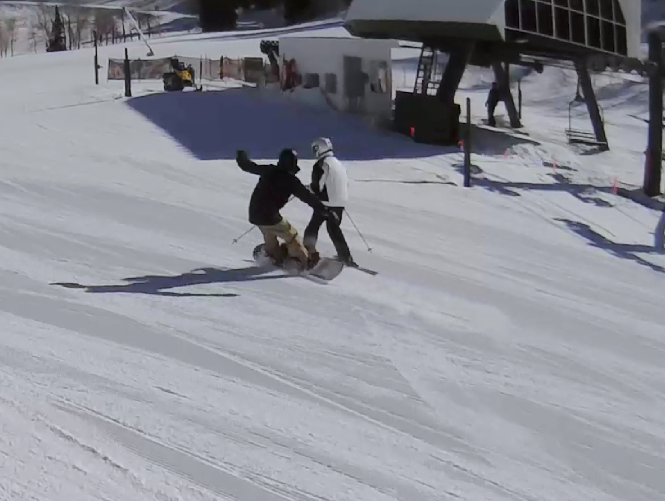
Where do new skiers/boarders learn the Responsibility Code? In lessons where instructors can explain the Code and interpret situations in real time so students can learn to identify what to do.

Finally, to make all these provisions work, ski resorts need to design and implement a safety process. To take the role of monitoring and enforcement seriously, the resort needs to collect incident reports in a consistent and timely manner, analyze the data collected, report it to customers, and use that data to inform policy and decisions.

Recommendations To Ski Area Operators and The Ski Industry: Update The Responsibility Code

At this writing, Vail Ski Resort, CO, has a model program that other resorts can learn from. Its Mountain Safety Program includes a comprehensive list of activities. Education, enforcement, monitoring are keystones. Slow zones and high traffic areas get special attention. Tickets are lifted and daily enforcement results are posted for all to see. At Vail, on-hill safety is a managed priority.

It would be ideal if other resorts copied or adopted a Vail-like program. It wouldn’t take much for resort management to create a new role of Safety Manager who can implement new monitoring and enforcement procedures, perhaps adding responsibilities to an existing position. Also, the national snow sport organizations can help with a set of suggested ideas for the position of Safety Manager with a job description and on-snow deployment techniques and interactions with staff and guests

Right now, resorts have a wide-ranging and inconsistent set of initiatives—and attitudes—when it comes to programs like this. Industry guidance would be helpful in creating consistency and momentum, but that’s not going to happen next season.

So we ask ski resort management and the ski industry to take a small, simple step that will bring attention to on-slope safety and may actually help invigorate awareness of the problem.

Our readers have told us they see an opportunity to update the Responsibility Code, the ski industry’s only guidelines for on-snow safety that hasn’t substantively changed since it was created in the mid-1970s.

SeniorsSkiing.com believes there should be a new provision to “Stay On The Scene” in case of an accident as well as “Provide or Call Help For A Downed Skier/Boarder”. While we’re at it, why not review the other rules and bring them up to date.

These are common sense additions that can help prevent bad situations from becoming worse. Adding these to an updated Code is doable, reasonable, and non-controversial.

It’s up to the ski industry and resort management to decide how to address the on-slope safety issue for everyone, not just seniors. Resorts can consider naming a Safety Manager, enlisting Safety Guard volunteers, and creating awareness with signage and messaging.  Those steps require leadership, commitment, and investment. They are also low cost, high impact.

And, right now, the ski industry can update the Responsibility Code, one simple step that can be done easily, signaling a broad-based effort to curtail unsafe behavior on the hill.

Let’s start there.


Question For You: 5

We Need Your Ideas.

Correspondent Jan Brunvand captured an incident in action.

Our editorial this week calls for the ski industry to re-consider the Responsibility Code with the goal of reducing on-slope collisions, near misses, and even hit-and-runs. This is a serious problem that we’ve explored all season in our Incidents And Accidents series. While a comprehensive solution requires leadership, commitment, and investment by resort management, SeniorsSkiing.com believes a simple, realistic, feasible, and achievable first step is for the industry to update the Responsibility Code.

What do you think? How would you update or amend the Responsibility Code to reflect today’s reality?

Please respond in the Reply Box below.


Mystery Glimpse: Movie Star

Who’s This?

This is a still from a movie this celebrity ski racer was in. Many thanks to the Tread Of Pioneers Museum in Steamboat Springs, CO, for this photo.

Last Week

Credit: Journal New England Ski Museum

From the Journal Of The New England Ski Museum:

“Pete Seibert worked as a ski patroller in Aspen just after the war, then in 1950 attended L’Ecole Hoteliere de Lausanne in Switzerland, learning the art of hotel management on the G.I. Bill. Returning to Colorado, he became manager of Loveland Pass ski area, then moved to Aspen Highlands in 1957.  By then, Earl Eaton had taken Seibert on a March climb up the mountain just west of Vail Pass that Seibert decided he would spend his life developing.”

The video below tells the story of that seminal hike into the hinterlands which would become the Vail resort.


https://www.youtube.com/watch?v=zP4vzekpwjg

Nordic Walking Burns More Calories

If You’re Going For A Walk, Bring Those Poles. Easy, Accessible Efficient.

Add Nordic walking to your virus-beating activities to stay in shape.

Staying active outdoors during the COVID-19 virus crisis is easy and very accessible with Nordic walking, which is a fitness activity that combines walking with specially designed poles to engage the upper body muscles. Like cross country skiing, the poles are used to match each step a person takes. It’s an easy, inexpensive workout with remarkable benefits, according to a study by the Cooper Institute, Nordic walking burns up to 40 percent more calories compared to just plain walking.

It’s better than walking because it provides an easier cardio workout by increasing the heart rate 5-17 beats per minute more than normal walking without increasing the perceived rate of exertion. It also provides an upper body workout that includes shoulders, arms, chest, and back muscles. And it’s a low impact exercise, so it’s easy on knees and joints.

A good pair of walking or running shoes, comfortable clothing, and Nordic walking poles will get anyone started. People of ALL ages and ALL fitness levels can receive the calorie burning and aerobic benefits of Nordic Walking. The winning combination of improved posture and the shock absorbing benefits of the poles help many individuals to walk comfortably – even those with balance issues, knee issues or new knees, hip issues or new hips, back issues (including those with rods in their back), weight issues, multiple sclerosis (MS), Parkinson’s, neuropathy, arthritis, bursitis, scoliosis, lumbar stenosis, fibromyalgia, post polio, osteoporosis, stroke recovery and other limitations to walking.

For those who are unfamiliar, trekking (hiking with poles) and Nordic walking are two different activities that use very different poles and techniques. It may sound silly, but perhaps “walking is not just walking.” The pole angle, weight, grip, and straps are different between those modes of walking. The Nordic walking pole is designed to allow your hands to relax in order to target the larger wrapping muscles of the back. But using poles of any kind automatically stimulates your spine and all of the muscles around it, even with inefficient technique. When walking, the key postural muscles of the core and upper body are engaged.

I’ve been a Nordic Walker for a few years and found many of the claims for the activity regarding posture and exercise to be true. I’ve always been in search of a way to decrease the amount of time spent exercising, so I was sold when I heard that using the poles increases caloric burning by 40 percent. Cross country skiers will find it easy to quickly master Nordic walking. As a bonus, after a summer of Nordic walking, I noticed a marked improvement in my cross country ski poling in terms of strength and timing. It seemed that I increased the amount of forward momentum that was attributable to poling and I was able to pole stronger and longer when skiing.

Nordic Walking provides an exercise foundation for anyone, ranging from those just looking for an activity to lose weight to health aficionados interested in taking it to higher levels of fitness

Transition To Cycling

“Start Slow And Taper Off.”

Keep your distance and take it easy, especially at one your first rides. Credit: Pat McCloskey

The ski season came to a screeching halt as most of us are now staying inside with some socially distanced outings.  As I look back on this shortened season, I can take heart in the fact that I made the most of it before cancelling my last trip.  Skied a lot in the rain locally, dropped some of the Daly Chutes in Deer Valley, and had a great time skiing with my wife and our dear friends out there in Utah.  Skied some great conditions again  locally and was looking forward to another trip with the guys this time and —voila!  Covid -19.  So, for me, I  sharpened and waxed the skis and put them away for another year and look forward to some dry trail time on the mountain bike. 

The good thing about transition time for us seniors is that we can go about it slowly.  We have paid our dues, and those of us who rode over the winter have a good base already on which to build. I have a friend who has a great saying when asked about how he will start his rides.  He smiles and says, “Start slow and taper off”.  We all laugh at this and have made it our motto, but, really, there is some truth to this especially in the spring.  There is no reason to be a world beater when it is still early. Like anything—running, gym work, or any other springtime resolution—if you start too fast or go too hard, you will most likely quit.  Especially if you are new to the sport or perhaps have not done your homework over the winter.  If you approach Spring with the idea that you will start slowly, each day becomes more and more enjoyable as you build your fitness. 

This social distance deal is a bit confining, so it is important to safely get outside and get some fresh air.  You can still build your fitness for the summer in a socially responsible way. For me, I look for trails that I know will not be crowded.  I went out yesterday, for instance, and saw two ladies on horseback—(seniors actually), and a family of hikers.  That was it. 

It was a warm and sunny day, and I felt good getting out under the socially correct protocol.  Eventually, we will be able to regroup with our friends and life will move on. 

For the moment, if you do venture out of your home, avoid the parks, and crowded trails and seek some solace in the more remote places.  A mountain bike is good for that, and, if you take it easy, you will find that you feel good getting out and not killing yourself.  I always say to my friends, “Nobody here is going to the Olympics so slow down.” We will all get through this.  Better times ahead but now is the time to be responsible and “Start slow and taper off.” 

This Week In SeniorsSkiing.com (Mar. 27)

Onwards, Reporting On Your Comments, New Question For You, Skiing Weatherman, Cool Sun Glasses, Poetry For These Times, XC Skiing Still Viable, Sugarloaf Resort Review, Stow Your Gear.

Postmasters Andrea and Brenda at our little country post office were so helpful in mailing fund raiser tote bags. Thanks so much.

Winding down, changing pace, and adapting to new circumstances has become the order of the day. At SeniorsSkiing.com, we are still publishing relevant articles for our readership that will in some small way briefly divert attention away from the pandemic and, at the same time, provide stories that deliver some insight about how to deal with it.

Last week, we offered our readers an opportunity to respond to three questions revolving around the resort shut down, alternative activities, and advice. The response has been overwhelming.  We received more comments on those questions than any article in our six year history.  So, we decided to summarize those replies and offer you the highlights of what your fellow senior snow sports enthusiasts are thinking and feeling these days.

Your comments reflect a thoughtful attitude, kind and understanding, and creative, even resolute, in adjusting to the world of social distancing. Thank you for your contributions.

We decided to add another question in this week’s addition.  A little prosaic, perhaps, but timely. Let’s see what you think about buying lift passes this spring.

Finally, we’re happy to report that all our fundraiser premiums—stickers, patches, tote bags— have been mailed. You should have received your packages or envelopes by now.  Many thanks to the tireless postmasters at our little country post office who handled the load.  Brenda and Andrea, you rock.  We gave them some SeniorsSkiing.com tote bags as thank you gifts.

This Week

As we mentioned, we’re feeding back your comments on our open ended questions from last week, and asking a new question for you. Click here and here for summaries. Please comment in the Reply Box at the bottom of article.

Spring storms have brought snow to many areas. Get your outdoor fix by enjoying the outdoors with XC.

Irony reigns as Herb Stevens, the Skiing Weatherman, reports late season snow is on the way. So there will be Nordic skiing opportunities at the beginning of April. If you’re in snow country, it’s not over yet.

XCSkiResort.com’s publisher Roger Lohr reminds us that Nordic skiing is still available to many and brings lots of benefits in fighting COVID-19Read his report here.

That young racer from last week’s Mystery Glimpse was Nancy Greene-Raine, Canada’s sweetheart and an active player in the snow sports industry in North America. Nancy spent about a decade serving in the Canadian legislature as senator from British Columbia. One of our readers actually skied with her a couple of weeks ago at Sun Peaks! We have included a video news interview with her that was recorded just before she retired where she describes her gold medal win in the 1968 Grenoble Olympics. Our new Mystery Glimpse shows a dude in some cool sunglasses.  Guess who.

We are reprising a story from last year on how to stow away your skis and gear. Correspondent Don Burch has some good advice, and since you probably have some time on your hands, it might be useful to be vigilant about taking care of your equipment.

Sugarloaf from the air on a beauty of a bluebird day.

We have one final Resort Review this season from correspondent Tamsin Venn who reports on Sugarloaf, the beautiful, big resort in western Maine that straddles the northern end of the Appalachian Trail. She managed to get a weekend of skiing in before the big shut down.  Perhaps her story will stir some memories of your season ending runs.

Finally, we include a special poem in our Snow In Literature series.  This one, Wendell Berry’s The Peace Of Wild Things, offers nature and the natural world as a potion for these uncertain times.

Thanks for reading SeniorsSkiing.com.  Tell your friends, and remember, there are more of us every day and we aren’t going away.


Short Swings!

Are skiers gamblers? I started thinking about that when COVID-19 prematurely ended the season. A lot of people purchased season passes of one form or another, never expecting early termination.

What odds would bookmakers have given last fall of that happening?

Skiing always involves some degree of considered risk and reward, not unlike many casino games, or life in general.

That patch of powder is inviting, but are there roots or rocks? 

If I take that unknown trail, will I wind up where I don’t want to be?

Buying skis without trying them is a risk. Buying boots without an expert to fit them also is a gamble.


When I used to leave the house early and drive two hours for a day of skiing, there were times I didn’t know whether it would be raining or snowing by the time I reached the hill. I remember decades ago driving through steady rain for more than an hour, gambling that by the time I reached the foothills, it would change to snow. It did, and I had a great day.

But taking a chance isn’t always rewarded. Many scheduled their annual ski holiday for mid-March or later. At the time, they didn’t know they were taking a chance. Now, we all do.

On a grander scale, we’ve been gambling with the environment for years. Many favor short-term gain over the terrifying long-term risk. As skiers, that gamble is showing a losing hand in areas closing due to lack of snow or the cold temps needed to run their guns.

Supporting that gamble is the understanding that we’ve entered a time when scientific fact is being challenged by uninformed personal opinion. When information sources were few, it was easier for the majority to know the difference between truth and falsehood. But now, with the explosion of information sources and with aggressive blurring of the borders between true and false, the idea that fictions can be perceived as facts has settled in. Those promoting our “post-truth” gestalt do it to confuse and manipulate; to conquer through confusion. 

Like the sport of skiing, accepting the new post-truth standard involves a very slippery slope. It is risky. And, except for those promoting these fictitious agendas, the rewards are nil.

Vail Reports March/April $ Loss

COVID-19 closures caused the company to announce its operating revenues for March and April will be around $200 million lower than expected.

Members Purchase Vermont’s Hermitage Club

Several former members raised $8+ million to buy southern Vermont’s Hermitage Club. The purchase includes Haystack ski area, the accompanying golf course, and numerous structures and inns.

SkiSkating with Snowfeet

The areas may be closed but many of us are living where there’s still snow on the ground. Recently I came across a new alternative to snowshoeing and X-C skiing. Snowfeet is a well built ski/skate that attaches to any winter boot. Once on, it lets you take off on flats or slopes with or without a set of poles. The company sent me a pair at the beginning of the season, and I loaned them to Brian Doubek, a friend in his early 50s who is an enthusiastic backcountry skier and an accomplished skater. He immediately determined that Snowfeet is best used on hardpack. He said the buckles were easy to use and effective. His observation was that weight needs to be centered over the product and using a skier’s stance with weight forward against the tongue of the boot won’t work. The FAQ section of Snowfeet’s website asks the question: Is it hard to learn? Their answer states: “It is as hard as learning to ski. So it takes some time and you will definitely fall now and then, but that’s the part of the fun.” I have yet to try Snowfeet, but expect that the learning curve is much, much shorter than learning to ski. Every time I passed the company’s exhibit at the SIA/OR Snow Show, it looked like retailers were showing interest. Snowfeet are very nicely designed, well manufactured and beautifully packaged. The company put together this short video of people trying Snowfeet for the first time. Their average age looks substantially younger than that of our readers. But that doesn’t mean we can’t enjoy the product, as well. They’re lightweight, fit easily in a pack, and look like they are a helluva lot of fun! They cost about $150, shipping included.

70% Off Parkas and Ski Pants!

During it’s end-of-season clearance, Vermont-based Orsden, is selling its parkas and ski pants at a 70% discount. Orsden sells exclusively on line.  Men’s and women’s jackets, normally $330, are now $99. Ski pants, normally $200, are $75. I’ve worn the parka for 3 or 4 seasons and love it. It looks great, wears well, and has nifty features like a built-in goggle cloth. The company is donating 10% of purchases made through April 1 to the Vermont Community Foundation’s COVID-19 Response Fund to support non-profits addressing the public health and economic impacts of the disease. Click orsden.com to learn more.

Cabin Fever Cures

Source: Getty Images

In the past week you’ve probably received many notifications of free online diversions. Here are a few more that you may find inspiring (or at least entertaining):

Visit Portugal produced this video providing advice and hope

Travel and Leisure offers these virtual tours of several US national parks

National Public Radio has these virtual concerts

Patagonia offers documentary films and stories.

And finally…

This video by a physician in Grand Rapids (MI) explains a logical way to shop for and sanitize groceries before putting them away. It also covers what to do with restaurant take-out.


Resort Management Made the Right Call

Resort management made the right call when they decided to close. That’s the opinion of more than 25% of the SeniorsSkiing.com readers responding last week to the question asking how you felt about the season’s early end, whether you were done, and if you had more turns to make?

It was one of three questions we posed to get a general sense of how you felt about the impact of early closures due to COVID-19

I’m reporting on your responses to Question #1, the one in italics in the first paragraph above. See Mike’s separate report on your responses to Questions #2 and #3.

None of this is scientific, but it does reveal your overall concern for the well being of resort employees and the businesses relying on skiers as customers.

Many of you also commented that your ski plans were interrupted mid-trip. 

  • Monique and her husband landed in France for a Club Med ski vacation at Les Arcs, just as the European travel ban started. They caught an early flight home. Two days later all French resorts ceased operations. 
  • Ski club trip leader Cathy Meyer had 39 people signed up for a visit to Winter Park. Nine cancelled when they learned about COVID-19. The rest flew out only to learn the resort was closing. They all flew back home.
  • Ulf in Sweden wrote, “In Sweden the ski areas are still open and we have plenty of snow in the north, but in Norway the ski areas are shut down.” I just checked to see if that’s still the situation. It is.

Putting it all in perspective is this comment from Vail skier, David Orlinsky: “First year since retirement I didn’t ski my age. Definitively didn’t get enough but ‘life is what happens when you’re busy making other plans.’ “

In summary, most respondents understand why resorts chose to close and, despite the disappointment of a truncated season, are supportive,. 

What You’re Saying: Wisdom And Kindness

Activities and Advice

Appleton Farms, Hamilton, MA

Our editorial intuition proved to be correct when we decided to ask you, our dear readers, about your reactions to the current situation we are all facing and the premature shuttering of ski resorts and snow-sports related activities. In fact, we had more responses to the three questions we posed last week than any other article we’ve published in the six years SeniorsSkiing.com has been around.

Thanks for taking the time to respond.  Here are some take-aways from taking a close look at your responses to a couple of questions.

When you look at Question 2: What outdoor activities are you doing these days?  we find some clear themes.

  • The top two activities you are engaging in are walking/hiking and biking.  Clearly our active senior group is selecting heart-rate-raising activities that keep you in shape. Those two activities combined represented 50 percent of responses. 
  • Yard work, house projects, and gardening followed. According to Tom K., “Hiking, yard cleanup and I may start a garden. I tried a garden 15 years ago and gave up because I never realized how much physical labor goes into a garden.”  Work it out, Tom. Tell us about those tomatoes when they come up.
  • There is a smaller group of readers who are also doing quiet things: reading, watching television, and researching.  Reader Larry McDonald has been looking back into the history of the 1918 Spanish Flu epidemic.  Here’s his comment: “Historical research here in one of Colorado’s virus hotbeds, Gunnison. Must not have learned much from 1918, as Gunnison was an “escape community” back then with 0 deaths during the first two waves, and just a few during the 3rd deadly wave. Just google Gunnison flu 1918. Plenty of historic cemeteries and ghost towns around here to see the impact it had back then.” We did google that, Larry, and found that Gunnison escaped the worst of the flu through strict precautions. 
  • The remainder of activities you’re engaging in range from riding motorcycles and horses, to golfing, tennis, kayaking, playing music, fishing, prepping boats, and, yes, skiing.  There are a couple of folks who plan to continue to ski either by skinning up mountains or cross-country.
  • And just a few of you report you will be “working“. 

What About Advice?

As far as Question 3: What advice would you give seniors facing indefinite isolation?, your words of wisdom revolve around getting outside, staying in shape, staying connected and staying busy with a variety of tasks.

Some  comments were funny (“Binge eat”), therapeutic (“Gargle with saline solution”), or practical (“Make sure you have enough provisions”). 

Others reflected a sense of community. “Do what you can for others” came up often, including offering food, money, or just contact to others. 

One comment really struck us in its inherent kindness.

Reader Bob Ohrt said, “We are some of the most fortunate people in the world, share the blessings a bit more. There are those all around us, and there are about to be a lot more, living on the edge of making it by. Give what you can for others; give money, food, even just a smile. We have all been in tough places and somebody helped, pass it forward. It is our time, that is how a younger generation will learn to do the same.”

Indeed, it’s our time.  Thanks, readers,  for sharing your wisdom and kindness.

Sunday River, aerial view.