Tag Archive for: Roger Lohr

Make More Tracks: A Personal Note At The End Of The Season

XC Has Grown In Participation. Hopefully, Make More Tracks Played A Role.

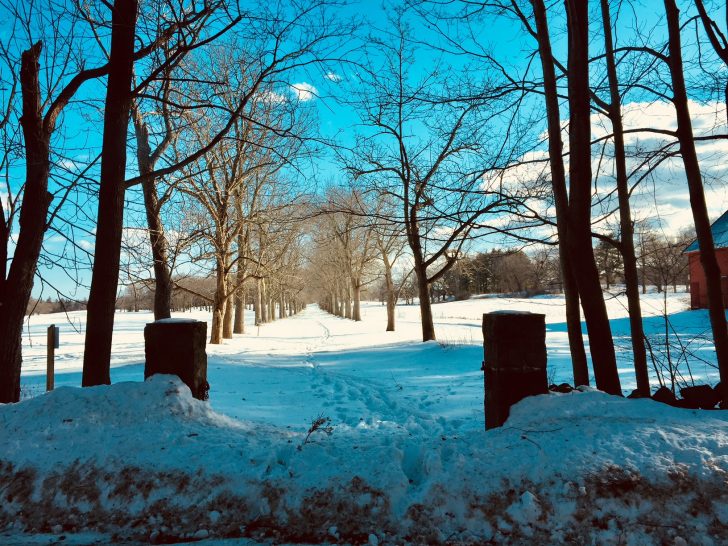
Dawn, Appleton Farms, Ipswich, MA. Credit: NSNA

The Make More Tracks Resource Guide and series of articles in each issues since October was conceived to provide readers of SeniorsSkiing.com with information to expand their options in the winter of the pandemic. It was intended to provide info and perspectives about mostly XC skiing.

As someone who dreamed about skiing as a little suburban boy and has skied since high school, I’ve found that mixing my snow sports is a great idea for my body and mind.  It appears on first look that XC skiing is “too much work” compared to riding the lift and pointing down to let gravity take the effort. The fact is that XC skiing can be done at any individual’s pace that is comfortable. You can avoid the uphill trails, you can ski for as long as you like, you can rent equipment at a XC ski area where the trails are groomed, tracked and maintained regularly, and you have many other options with XC skiing. The physical, psychological, and spiritual wellness association with XC skiing are simply undeniable.

Snowy day in the Lincoln Woods.

The folks who produce SeniorsSkiing.com felt that the pandemic would impact the alpine skiing experience.  Even though the vast majority of readers of SeniorsSkiing are not into XC skiing, it was assumed that perhaps this would be the year that alpine skiers would consider trying it. The statistics at the national Cross Country Ski Areas Association tell us that all the XC ski areas saw many alpine skiers trying XC skiing this year. We hope that Make More Tracks played a part for SeniorsSkiing.com readers to decide to try XC and that they had a new and meaningful experience, one that will continue for years to come.

As the SeniorsSkiing.com Cross Country Ski and Snowshoe Editor, I want to thank Mike Maginn, Jon Weisberg, and Jonathan Wiesel for their wisdom and roles in producing the Make More Tracks Resource Guide and article series for the readers of SeniorsSkiing.com.

So, next winter on a sunny day in the high teens or low twenties, consider dressing lightly, visiting a XC ski area and go experience natural outdoors on XC skis. You’ll be glad that you did!


Editor Note: Visit Roger’s XCSkiResorts.com to learn where you can stay and XC ski in delightful inns and lodges across the US.

Make More Tracks: Sustainable XC Ski Resorts

[Please consider supporting SeniorsSkiing.com with a donation. We appreciate your help. Click here.]

[Editor Note: This article first appeared in XCSkiResorts.com.]

Craftsbury has a solar array, one element in a system that provides heat.

Many cross country (XC) ski areas operate in an environmentally-friendly manner, and some of these operators, who are exemplars using the most sustainable practices, are models of sustainability in the effort to combat climate change. The operators at these resorts practice what they preach such as: using renewable energy, protecting scenic values and wildlife habitats, practicing water/energy conservation, reducing waste and reusing products, designing and building facilities in an environmentally-sensitive manner, managing forest and vegetation properly, handling potentially hazardous waste properly, and educating clientele and staff about environmental awareness.

These sustainable practices are not typically million dollar investments, but they are meaningful accomplishments, and the information about many of their practices can be shared with hundreds of other XC ski areas across the US and Canada.

Devil’s Thumb has geo-thermal heating.

At Devil’s Thumb Ranch Resort & Spa in Tabernash, Colorado, a geothermal heating system is used throughout the resort. The system consists of glycol-filled pipes that have been installed in the Ranch’s on-site lake. Heat is transferred to the glycol from the water, and then heated to 105 degrees by compressors in each building. The resort has also installed EPA-approved specially designed chimneys that minimize emissions from wood burning fireplaces and used recycled asphalt for paving. “We continue to make a concerted effort to work with local suppliers and businesses and reduce our carbon footprint at every level,” said General Manager Sean Damery.

The White Grass Ski Touring Center in Canaan, WV has been awarded the WV Environmental Council’s Green Entrepreneurs Award. The facility is heated with wood and uses about $6.66 worth of electricity a day. Environmental education is a key element at White Grass as there are regular outings in the WV Highlands Conservancy and the Canaan Valley National Wildlife Refuge, which they helped to establish.

In the northeast US, the Great Glen Trails Outdoor Center in Gorham, NH upgraded an old micro-hydro 10 kw system, which now supplies 80 percent of electric needs. They’ve also got a wood pellet heating system in the lodge and have converted more vans that tour up to the top of Mt. Washington to propane gas and installed an electric vehicle charging station, too. The new Glen House Hotel has a geothermal closed loop system and high insulation for high building efficiency. The LED lighting is throughout the hotel indoors and the outside lighting is “Dark Sky Compliant” at night. One of the coolest things at the Glen House is the regenerative elevator system that feeds energy back to the building’s electric grid.

Craftsbury Outdoor Center in VT has incorporated sustainability in its mission statement to be carbon neutral. At Craftsbury Outdoor Center everything is net metered with 32kW on the solar trackers and 3,000 square feet of panels on the roof, supplying the Activity Center with close to 70kW. Between the two, that provides 63 percent of operation’s electricity and there is also solar thermal to provide  summertime domestic hot water, which is supplemented with heat pumps.

Craftsbury has incorporated massive amounts of insulation into all of the new buildings, and locally sourced many of the wood products used in the building construction. The roof of the Activity Center is at R72 and the walls are R46. It also has composting toilets, a heat pump, and locally-sourced wood for paneling and recycled steel beams for support were incorporated in the construction. High efficiency wood gasifying boilers provides all of the heating and domestic hot water demands during the cooler months. They’re tied into the 10 million BTUs of thermal storage in the form of 20,000 gallons of water. This storage system allows them to cogenerate with the snowmaking generator, providing electricity for the pumps and guns, and catching waste heat off the engine.

Sleepy Hollow owners Dan and Sandy pose in front of one of 10 solar arrays at the resort.

Sleepy Hollow Inn Ski & Bike Center in Huntington, VT added 10 kwH of solar this summer and now has 50 kwH of solar net metering from its solar panel arrays to provide for electric needs that include power for a snowmaking system used to guarantee snow early in the season. A solar hot water system heats 50 percent of the hot water use at the inn, and the lights on the ski trail have been converted to LED lights. Sleepy Hollow Proprietor Eli Enman commented, “By April, we’re expecting to see that close to 100 percent of our total electricity would’ve been powered by solar energy and that includes our all-electric snowmaking system water and air pumps.”


Nipika is totally off the grid.

A sustainable Canadian resort that practices what it preaches is Nipika Mountain Resort in BC, which is off the public power grid. It uses solar panels to supply energy needs. The resort’s furniture was built on site with wood from trees that were killed by the Mountain Pine Beetle.

Boundary Country Trekking on the Gunflint Trail in MN offsets the carbon produced on the Banadad Trail (such as snowmobile grooming) by investing in reforestation in the area. This is a planting estimated at 75,000 trees. Boundary Country Trekking is one of the few XC ski operations that have a sustainability statement and a comprehensive implementation plan. Another Minnesota XC ski area, Maplelag Resort in Callaway, is an active tree farm where it has planted thousands of trees and has created more than 20 ponds to benefit wildlife there.

For people who seek beautiful destinations to cross country ski and want to patronize businesses that fight climate change, the resorts in this select group are the places to visit.

Make More Tracks: Cross Country Skiing is Booming Despite COVID

XC Is Hot And Getting Hotter.

Crested Butte Nordic Center attracting alpine skiers who can’t get downhill reservations.

The Cross Country Ski Areas Association (CCSAA) has been conducting online sessions with its cross country (XC) ski area members since last spring, focused on sharing information about how XC operations should respond to the COVID-19 pandemic. Discussions resulted in widespread adoption of plans aimed at minimizing risk of virus transmission for staff and guests.

For example, many XC ski areas have adopted e-commerce and are requiring on-line purchase of trail passes, rental equipment, and lesson reservations. Plans to alter the flow of ski area traffic on the premises and in buildings for safe distancing, as well as limiting or eliminating indoor capacity, have also been put in place.

With plans ready, the onset of winter has come—and business is booming.

High Demand

As per usual for the XC ski business, there is snow in some places and a lack of snow in others. But one thing is consistent­ and fresh—at least since August, XC ski gear has been flying off the shelves.

There are shortages for popular sizes of skis and boots. Bindings and ski poles are also hard to find. Manufacturers have been unable to supply enough products to fill the dealers’ needs. Adding to the shortage, an October fire at a huge Ukrainian factory that reportedly produces a majority of the industry’s skis has hampered the ability to meet demand.

Great Start

XC ski area operators attending the meeting were upbeat about the demand and the level of business this winter, so far.

Christie Hicks of Crested Butte Nordic Center, referring to the two weeks before Thanksgiving when the center in Colorado first opened, “We were slammed from the beginning, and the holidays have been through the roof with five of the seven days during the period being the biggest ever.” Crested Butte Nordic’s season pass sales were up 40 percent, and rental revenue was up more than 100 percent.

First timers at Crested Butte Nordic over the holiday enjoyed good snow conditions and great weather. The center also welcomed alpine skiers who failed to reserve tickets in advance at the alpine ski resort and were turned away due to capacity restrictions.

Richard Hodges of White Pine Touring in Park City, UT, described “business being relentless, as everyday is as busy as a great Saturday. The on-line retail sales are up 300-400 percent, with all the beginner gear sold out and significant gaps in the inventory, but we are hopeful that we can get more products from suppliers by the late winter.”

“With regard to our retail equipment, we are now almost all sold out,” explained Dustin Hite of Osceola Ski & Sport Resort in northern New York. “Indoor capacity is limited to 50 percent per the state, but all the rentals are out on most days and season pass sales have been very strong,” said Hite.

Woodstock Nordic Center is tuning up old XC gear people are using to come back to the sport.

In Vermont, the Woodstock Nordic Center, which traditionally relies on guests at the Woodstock Inn & Resort, has doubled sales of season passes with locals compared to other years despite a 50 percent decline in occupancy at the Inn. Woodstock manager Nick Mahood said, “We had our biggest day ever for revenue leading up to the holidays, and then there was a rain out. Then we got enough snow to open and increased business has occurred despite Vermont’s restrictive travel policy.”  Mahood said that many local people who left the sport for years were coming back with their old gear that they want to get tuned-up.

In Truckee, CA, Tahoe Donner Cross Country is experiencing a low snow winter so far but has had strong season pass sales. According to area operator Sally Jones, “the state has set capacity limits, which is impacting the rentals and food operations. The health authority opposes eating at the premises—even outdoors—because it wants to minimize congregation on the area’s patio.”

On a recent visit I made to Green Woodlands in western New Hampshire (recently named a top place to XC ski in the US by an on-line outdoor website), there was enough snow to ski. And out of 50 XC skiers I saw in the parking lot and on the trails, there were only a couple not wearing masks. XC skiers appear to be respectful without being told to wear masks and there seems to be a minimal chance to get infected with the virus when passing other skiers along a trail if you’re wearing a mask. So join in, get outdoors, and hit the XC ski trails!

Green Woodlands in NH has groomed trails, parking, warming huts and no fee!

Make More Tracks: Milestones In XC Skiing

From Wooden Skis, Wax, And Pine Tar Bases To High Tech Equipment in 50 years.

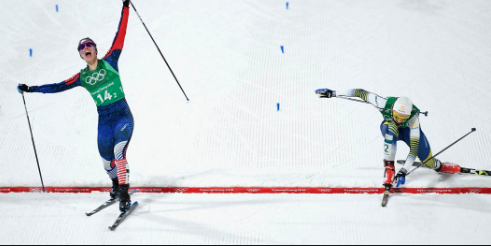
Jessica Diggins with  Kikkan Randall win first Gold Medal for US XC in 2018, making Americans serious competitors on the international racing scene.

Since the time that wooden skis were found in a peat bog in Sweden dating to 2,000 BC, there have been many milestones that brought XC skiing to where it is today. In the USA, the forefathers of cross-country skiing include people like Snowshoe Thompson, who delivered the mail in the Sierra Mountains of California and Jack Rabbit Johannsen, who XC skied in northern New York.

Before around 1970 or so, XC skis were wooden, required the right wax combination to work on the snow, and bases had to be prepared with pine tar “melted” in. Since then, the XC world has experienced enormous growth and change.  The editors of XCSkiResorts.com, using various sources, considered this recent history and development of the sport and created this list of the Milestones of Modern XC Skiing in the USA in rank order of significance:

Waxless skis with fish
scale bottoms made skiing simpler. (Credit: Tahoe Trail Guide)

1. Development of synthetic XC skis in 1974.

2. Development of the waxless based ski in the early 1970’s, most notably the Trak ski with synthetic fish scales on the ski base to eliminate the need for ski waxes. The waxless base gave the recreational skier grip on uphill travel while also allowing gliding downhill.

3. Integrated XC ski binding systems, which provided substantial improvements in simplicity of boot/binding interface and control in the mid 70’s.


Bill Koch started skating on XC skis in the Olympics and changed the sport. Credit: ISHA

4. Olympic and World Cup successes, like Bill Koch who won the Olympic silver medal in 1976 and World Cup in 1982, the first American to ever win at that level. The Nordic Trak exerciser used the Koch image as a fitness icon in advertisements for years. In 2010, there was US Olympic medalists in Nordic Combined, and in 2012 there was a World Cup winner in women’s sprint.

5. The onset of the commercial XC ski area concept began in 1968-69 at Trapp Family Lodge. This brought designed, groomed, and maintained trails making XC skiing easier and safer for the average person.

6. The skating technique proliferated, creating a faster paced and higher performance form of recreation.

7. Revolution Skis developed by Fischer led the way to shorter skis which were easier to use and consolidated ski sizing and simplified ski selection.

Vintage Mother Karen XC jacket made of synthetics came out in the 80s.

8. New lighter clothing with synthetic and breathable materials was more conducive to XC skiing comfortably; company brands such as Mother Karen led the way in the late 1970’s.

9. Other technological advances such as the 2 Wax System that offered one wax for cold temperatures and one for warm temperatures simplified ski waxing, while the BackCountry binding systems provided a beefed up boot/binding system that provided substantially more support and control for backcountry recreation.

10. The Nordic Integrated System (NIS) developed in 2005 has changed the ski/binding interface.  This system combines the ski and binding at manufacture rather than at the retail store. NIS plates were affixed to the ski by the manufacturer and the binding was slid onto the plate rather than screwed directly into the ski.

The changes in XC skiing in the last 50 years has been explosive and exponential, compared to the 4000 prior years. What’s next? Better binding-ski-boot systems, warmer-adaptable clothing, improved grooming, and more resorts catering to the sport.


Editorial: Why Cross-Country Skiing?

[Editor Note: Roger Lohr is SeniorsSkiing.com’s Nordic Editor and publisher of XCSkiResorts.com]

The Older I Get, The More I Love Cross Country Skiing.

Roger Lohr in the grooves. Credit: XCSkiResorts.com

I love the sensation of gliding on the snow through the forest, being outdoors in nature. I can smell the fragrance of the trees. I can hear the bubbling brook and the sound of a bird in the distance, or the screech of my ski bases on the snow.

Groomed trails make it so easy to pass through the woods without worrying about the snow condition or getting tripped up by a hidden branch. But there is also something ethereal about skiing between the trees backcountry down the hill avoiding obstacles and picking my way to the destination. Even on a local trail network, being out in the forest seems like in the words of author Anders Morley (This Land of Snow), where wilderness and civilization meet to negotiate their differences. Even if you can hear cars on a nearby road, that negotiation allows a meditative state in the here and now.

Most skiers are encouraged to go skiing by their family or friends, or they personally always wanted to do it. Getting outdoors is among the list of reasons for people getting into XC skiing, and exercise is most likely an important reason for people to try it. The well-being factor goes beyond exercise as psychological and emotional benefits may very well be the cross beams of XC skiing that buttress the soul.

I love XC skiing in my light jacket and pants over a lightweight base layer, taking my small backpack with all my necessities. Barriers to XC skiing are low. For example, you can XC ski where ever there is snow so it is very accessible in parks and on local trails. While the sport admittedly takes time and practice to master, XC skiing is easy to do at beginner levels. It is also rather inexpensive compared to many other recreational activities. Additionally, people can ski at their own pace and go to a local park to get some outdoor exercise or enjoy the winter scenery.

On the other hand, there are issues that make XC skiing a challenge to people who’ve not tried it. Beginning XC is easy, but if you want to get proficient you have to work at it. Proficiency to higher levels only comes with time, experience, and practice. Specific equipment is important for the different types of XC skiing such as on track, off track, beginner, backcountry with heavy or light weight gear, skating, etc. Struggling on skating skis up a hill exemplifies the need for learning the right technique, skiing on proper equipment, and practice. The different segments of XC skiing may be perplexing to some people. Another factor is that experienced skiers are a tight-knit group, and it maybe a little while before the uninitiated feel accepted.

Why people quit cross country skiing is similar to why people quit any activity. People get tired of traveling or take the time to get to the trails or ski area. Time commitment can be an issue to some. Responsibilities such as work or family are also a significant reason for people deciding to reduce or eliminate time for skiing.

There are few injuries suffered by XC skiers, well, beyond being sore on the next morning because of muscles that are unaccustomed to being used. For XC skiing, proficiency is a factor when learning to glide, go uphill without backsliding, or control the skis on steep downhills.

The reasons why people start or quit skiing have been understood for decades and developing programs and incentives to address concerns is a great challenge for the snow sports industry. But personally I begin longing for the snow as spring time flourishes and am exultant the next time the ground is covered come November or December. Valhalla.

Make More Tracks: Hidden Gems Of Nordic Skiing

[Editor Note: This article first appeared in XCSkiResorts.com.]

Less Known, Excellent XC Destinations To Explore.

Comfortable going along the river behind the Woodstock Inn. Credit: XCSkiResorts.com

With torrent of people hitting the trails and the outdoors across the country, XCSkiResorts.com wanted to give a shout out to hidden gem destinations for cross country (XC) skiing this winter. There may very well be an overflow of skiers at the most popular XC ski trails, so this guide will share some of the lesser known but excellent destinations.

In the east, the Woodstock Nordic Center https://www.xcskiresorts.com/woodstock-nordic-center offers more than 45 km of skiing right in the town of Woodstock, VT on two trail systems. The Mt. Peg trails begin on the golf course at the Woodstock Country Club and climb to the summit overlooking the village below. On nearby Mt. Tom, the Center grooms more than 20 km of trails on old carriage roads in the midst of Vermont’s first tree farm and Marsh-Billings-Rockefeller National Historical Park. The Woodstock Inn & Resort, which operates the Nordic Center is a 142 room AAA four Diamond Resort in the heart of Woodstock, a town that is the quintessential New England town with a wonderful collection of restaurants and shops.

Lapland Lake XC Ski & Vacation Center http://www.xcskiresorts.com/lapland-lake/ in Northville, NY features a touch of Finland in the Adirondacks from the food and the resident reindeer to the Finnish woodburning sauna and children’s games. They’ve got 38 km groomed for classic and skate skiing and 12 km of mapped snowshoe trails. The resort is located adjacent to the famed 133-mile Northville-Lake Placid Trail for limitless wilderness ski and snowshoe opportunities. Known for its courteous staff, this year-round family resort features a two-story warming lodge with a wax room, restrooms, changing room, and shower along snack bar, and eleven housekeeping cottages known as “tupas” that have fully equipped kitchens, living room, up to 4 bedrooms, electric heat, woodstoves, and a bath with showers.

Crystal Lake Ski & Outdoor Center https://www.xcskiresorts.com/crystal-lake-ski-center in Hughesville, PA (central PA near Williamsport) is in a snowbowl location that often has snow when the rest of the region is bare, and the trail system is second to none. There is varied terrain to please beginners, intermediates and advanced skiers. This is a full service area with rentals, ski instruction, and a cozy fireplace lounge.

Yes, West Virginia. Almost heaven. Credit: XCSkiResorts.omc

The White Grass Touring Center http://www.xcskiresorts.com/white-grass-touring-center/ is in the Canaan Valley and high Allegheny Mountains in West Virginia. It is a one-of-a-kind place to XC ski that gets 150 inches of snow annually. There’s 50 km of trails that are groomed or maintained and the area has 1,200 vertical feet with slopes and glades for backcountry skiers, too. Established in the late 1970’s the “fleece and flannel” scene at White Grass is alive with a popular natural foods café.

XC ski destinations in the central regions include Cross Country Ski Headquarters http://www.xcskiresorts.com/cross-country-ski-headquarters/ in Roscommon, MI which is a leading XC ski outfitter and ski area in the Higgins Lake area. Since 1974 this has been a premier destination for XC skiing in Midwest in

XC HQ in Roscommon, MI. Credit: XCSkiResorts.omc

the heart of Michigan, with 19 km of trails groomed for classic and skate skiing for skiers of all abilities and there are also miles of trails all around the region. The Cross Country Ski HQ is known for its friendly and experienced staff and retail operation. Trails are groomed for classic and skate skiing characterized as 10% hilly, 50% moderate, and 40% flat.

The Golden Eagle Lodge https://www.xcskiresorts.com/golden-eagle-lodge in Grand Marais, is a family owned year-round resort located on Flour Lake sitting at the Height of the Laurentian Divide in MN. It has 70 km groomed trails for classic skiing and 60 percent of the trails are groomed for skating in the Superior National Forest. The Baumann family owns the Golden Eagle Lodge, and they are the only residents on the lake, welcoming skiers to enjoy 120 inches of snow annually and the tranquility and solitude of the surrounding ancient forests. The lodge is also amidst the Gunflint Trail 100-mile system, which is a mecca for Midwestern cross country skiers.

Maplelag Resort http://www.xcskiresorts.com/maplelag-resort/ in Callaway, MN is located in the northwest region of MN and is within an hour of Fargo, ND. Maplelag has 70 km groomed for skiing, snowshoeing, and fat biking. Family style meals are known to feed the camaraderie at Maplelag and the lodge is a treasury of Norwegian Folk Art with nooks and crannies to enjoy together or get away to relax and read a book. The bottomless cookie jar policy provides endless sweets. The Richards family is the host that will guarantee you a memorable time.

Further west is XC skiers can visit Enchanted Forest XC Ski & Snowshoe Area http://www.xcskiresorts.com/enchanted-forest/ in Red River, NM, which has 33 km of trails groomed for classic and skate skiing, 15 km for snowshoeing, and 5 km that allow dogs. Enchanted Forest is known for the entertaining events and the great scenic views with 500 acres of ancient forests, aspen groves, and sweeping meadows in the Carson National Forest (that’s Kit Carson for you history buffs) There’s a day lodge at the base area for a snack and the Midway warming yurt and three rental yurts are available for overnight winter accommodations.

Crosscut Mountain Sports Center https://www.xcskiresorts.com/crosscut-mountain-sports-center is in Bozeman, MT next to the alpine ski area Bridger Bowl is a popular XC ski day area only 16 miles from Bozeman. This non-profit organization is a year round recreational sports training and educational facility providing human powered outdoor activities with 50 km of groomed trails for classic and skate skiing. Located in the Bridger Mountains, the center includes a biathlon range and includes a wide 15-foot trail width and narrow gauge trails for fat biking, snowshoeing and classic skiing with impeccable trail grooming. At 6,100 foot elevation there are no altitude problems at Crosscut.

Methow has lots of ways to make more tracks. Credit: XCSkiResorts.com

Methow Trails http://www.xcskiresorts.com/methow-trails/ is located in north-central Washington just below the Canadian border and anchored by the towns of Winthrop, Mazama and Twisp. It has more than 220 km (136 miles) of perfectly groomed skate and classic ski trails. Kids 17 and under ski free everyday in the Methow Valley. Many of the trails also welcome fat bikers, snowshoers and dogs. Methow Trails is a non-profit organization dedicated to connect people, nature and community through world class trail systems.

The Bear Valley Adventure Company http://www.xcskiresorts.com/bear-valley-cross-country/ is in Bear Valley, CA on Highway 4 on the west slope of the Sierra Nevada Mountains in the land of giant Sequoia trees. Bear Valley is perfect for new or experienced XC skiers with a trailhead meadow surrounded by hills and ridges. It is at 7,000 – 7,800 foot elevation and boasts substantial annual snow depths making it in most years the first to open and last to close among the Sierra XC ski centers. There are 70 km on 38 trails groomed for classic and skate skiing with 2 kids trails, a popular sledding and tubing hill, the Snowbound Café and 3 trailside huts There’s a groomed downhill ski area nearby, too.


Make More Tracks: What Has Covid Wrought For Nordic Skiing?

XC Skiing And Snowshoeing Are Perfect Forms Of Recreation For The Pandemic.

Based on activity with walking and bicycling last spring, many people in the snowsports business are anticipating a surge in XC skiing and snowshoeing this winter. If alpine ski areas are restricted in ways that lead to excessive waiting such as the amount of time waiting to acquire lift access reservations via the Internet, waiting to get on the lift, waiting to get lunch in the lodge, waiting to go to the restroom, etc., we predict there may be a resulting influx of alpine skiers to XC skiing and snowshoeing. And, perhaps we’ll see:

  • People who have tried XC skiing in the past but not continued (lapsed skiers) may be motivated to try it again.
  • People who have never gone XC skiing or snowshoeing may be encouraged to try it for the first time—because of associated wellness benefits.
  • And people who already enjoy XC skiing or snowshoeing will go more often this winter.

We do not know if there will be similar restrictions at XC ski areas, but it is expected that people will go XC skiing and snowshoeing with or without restrictions at commercial XC ski areas, which charge a fee for groomed trail access.

A Forbes Magazine article cited that “the younger generation doesn’t ski and some of them think skiing is ecologically destructive and too bourgeois; under forties people feel that it is all artificial snow that requires paying a fortune for gear, clothes, and lessons.” I’m not sure what statistics the Forbes article is drawing on, but COVID surveys conducted by Spot seen in content posted on SeekingAlpha.com revealed “33% of skiers said there is a reduced likelihood of skiing in the upcoming season; 30% fewer season passes have been sold, 24% said they’ll be skiing less frequently, and less travel is expected due to limited resort amenities and services.”

We’ve become accustomed to all the protocols that will be in place at XC ski areas (distancing, contact-less transactions, masks in crowded areas, etc.). All the ski areas both alpine and XC are taking a wait-and-see attitude, hoping that availability of a COVID therapeutic or vaccination will change everything. The predictions are that many of the mitigation efforts will be necessary with or without vaccinations across the population as it will take months for the vaccination to bring on normalcy. Most ski area operators have already set their operational plans to open despite the pandemic and skiers will hear about them as the season approaches.

Product suppliers and dealers are salivating about hoped-for increases in product sales, but some of them are certainly somewhat apprehensive (considering that about 27 million jobs have been lost) about the level of consumer enthusiasm to purchase new gear this year.

Touring is Nordic is XC. Credit: Dynafit

With all of this anticipation, one thing is clear: the reality is that XC skiing and snowshoeing are perfect forms of recreation for the pandemic. Both XC skiing and snowshoeing are exactly what the doctor ordered, that is, healthy benefits such as physical fitness, psychological wellness, and a door to a deep emotional connection with nature. The feeling of passing through the snow covered forest at a slow pace provides a wellness indoctrination that is unavailable from other activities.

It would be beneficial for the people who are newcomers or returning lapsed skiers to get exposed to the advancements in XC skiing such as equipment that makes the sport easier and better. I’ve heard from people who are talking about finding the good in all of the challenges that we have faced since March 2020. More seniors who love the outdoors and winters will be discovering XC skiing and snowshoeing because it will be a great boost and alternative for all those folks. Let’s Make More Tracks!

Click Here For SeniorsSkiing.com’s Make More Tracks: A Resource Guide To XC, Snowshoeing, Fatbiking.

Nordic Walking Burns More Calories

If You’re Going For A Walk, Bring Those Poles. Easy, Accessible Efficient.

Add Nordic walking to your virus-beating activities to stay in shape.

Staying active outdoors during the COVID-19 virus crisis is easy and very accessible with Nordic walking, which is a fitness activity that combines walking with specially designed poles to engage the upper body muscles. Like cross country skiing, the poles are used to match each step a person takes. It’s an easy, inexpensive workout with remarkable benefits, according to a study by the Cooper Institute, Nordic walking burns up to 40 percent more calories compared to just plain walking.

It’s better than walking because it provides an easier cardio workout by increasing the heart rate 5-17 beats per minute more than normal walking without increasing the perceived rate of exertion. It also provides an upper body workout that includes shoulders, arms, chest, and back muscles. And it’s a low impact exercise, so it’s easy on knees and joints.

A good pair of walking or running shoes, comfortable clothing, and Nordic walking poles will get anyone started. People of ALL ages and ALL fitness levels can receive the calorie burning and aerobic benefits of Nordic Walking. The winning combination of improved posture and the shock absorbing benefits of the poles help many individuals to walk comfortably – even those with balance issues, knee issues or new knees, hip issues or new hips, back issues (including those with rods in their back), weight issues, multiple sclerosis (MS), Parkinson’s, neuropathy, arthritis, bursitis, scoliosis, lumbar stenosis, fibromyalgia, post polio, osteoporosis, stroke recovery and other limitations to walking.

For those who are unfamiliar, trekking (hiking with poles) and Nordic walking are two different activities that use very different poles and techniques. It may sound silly, but perhaps “walking is not just walking.” The pole angle, weight, grip, and straps are different between those modes of walking. The Nordic walking pole is designed to allow your hands to relax in order to target the larger wrapping muscles of the back. But using poles of any kind automatically stimulates your spine and all of the muscles around it, even with inefficient technique. When walking, the key postural muscles of the core and upper body are engaged.

I’ve been a Nordic Walker for a few years and found many of the claims for the activity regarding posture and exercise to be true. I’ve always been in search of a way to decrease the amount of time spent exercising, so I was sold when I heard that using the poles increases caloric burning by 40 percent. Cross country skiers will find it easy to quickly master Nordic walking. As a bonus, after a summer of Nordic walking, I noticed a marked improvement in my cross country ski poling in terms of strength and timing. It seemed that I increased the amount of forward momentum that was attributable to poling and I was able to pole stronger and longer when skiing.

Nordic Walking provides an exercise foundation for anyone, ranging from those just looking for an activity to lose weight to health aficionados interested in taking it to higher levels of fitness

SeniorsSkiing Guide: Historic Dartmouth SkiWay

Big Mountain Fun And Small Mountain Friendly With History All Around.

Corduroy in the morning. Dartmouth Skiway has a mix of twisty narrow and open groomers. Credit: TheSnowWay.com

Dartmouth Skiway in Lyme Center, NH was founded in 1956. After six decades the ski area has recently hired only the fourth director in its history. Mark Adamczyk who was the director of outdoor adventure at the Winter Park Resort in Colorado will replace Doug Holler, who is retiring at the end of this season after 19 years on the job.

The Skiway rock guards the entrance to the big, green lodge. That’s Dartmouth green, BTW. Credit: Roger Lohe

The Skiway as it is known locally is family-friendly and reasonably priced with 20-30 runs of terrain that will serve first timers or challenge skiers and riders of all ages and abilities. One-on-one teaching for beginners through advanced skiing is a tradition at the ski area that includes two mountains, a clean, comfortable lodge, a rental shop, and a food court. Visit the area and you’ll see not only kids learning to ski in a beginner area and older skiers doing snowplow turns on the trails, but also ski racers from Dartmouth College training and clacking through the gates.

The Holt’s Ledge side of the resort has a double chair while there is a quad chair and a conveyer lift on the Winslow side. The McLane Family Lodge is open and airy with plenty of space. The large wooden tables and benches and stone fireplace give the lodge a rustic appeal of skiing in the old days. You’ll see after-school groups at the Skiway during the week, but even on weekends the slopes are uncrowded and the lift lines minimal. Dartmouth Skiway has more than 100 skiable acres including tight off-piste trails and glades for advanced patrons, 968 foot vertical drop, and 16,000 square foot lodge.

Watching the races at the Holt’s Ledge, circa 1960. Credit: Dartmouth.edu

This area is quite historical in the world of skiing and ski racing. More than 100 national and Olympic champions have trained at Dartmouth Skiway. The Dartmouth Skiing Wall of Fame on the first floor of the lodge reveals a Who’s Who of ski legends.

Calling the lift ticket prices at Dartmouth Skiway reasonable is an understatement. Adult midweek lift passes are $33 (weekend $58) and half day prices available for morning or afternoon are available for only $28. Prices are lower for teens and children while senior skiers pay only $27 a day or $22 for a half day, and super seniors age 80 and over ski or ride for free! There are low priced season leases for equipment and packages to learn skiing or riding (with private lessons). The beginner area is $14 all day, and there is a Skiway Special on Monday and Tuesday for $23 during non-holiday periods.

From a personal view, the Skiway was about 15 minutes from my home in Hanover, and much of my family ski lore occurred there. Each day of the week there was a different town after-school ski program. I ran the Ford Sayre snowboard program for a number of years there, hiring Hanover High School kids (including my son and daughter) to teach and chaperone hundreds of younger kids in small groups. On a recent visit to the Skiway following a full day snowstorm, I was greeted by the woman at the ticket window stating, “Some things never change, it’s no surprise seeing you here on a powder day.” Riding on and off trail with my kids at Dartmouth Skiway is a deep-rooted part of my family history and on-snow soul.

Dartmouth Skiway is 15 minutes from I-91 Exit 14. For more information  click here. 603-795-2143.

For a Dartmouth Skiway trail map, click here.

For Dartmouth Skiway web cam, click here.

Skiway has a museum in the lodge reflecting 60+ years of history. Credit: Roger Lohr.

X-C Skiing: What To Wear

[Editor Note: SeniorsSkiing.com is asking our readers to contribute to support our online magazine. Yes, we have grown in the number of subscribers and advertisers. But our expenses have also grown. You can help us defray some of these expenses by helping us out with a donation.]

Support SeniorsSkiing.com by clicking here.

______________________________________________________

Don’t Wear Your Ski Parka. Choose Specialized Gear For XC.

Contemporary nordic ski togs are lightweight, warm, and more athletic looking than Alpine gear. Credit: Roger Lohr

Often on cross country (XC) ski trails, you see many of the uninitiated in clothes that just don’t work. That is, they are dressed for downhill skiing with insulated ski jackets and pants, alpine ski gloves or mittens, and ski goggles. Over-dressed on an XC trail can lead to heavy sweating, dehydration, cold, and fatigue. There is a better way.

XC skiing is a form of recreation that involves moving and thus lighter clothing is appropriate and recreational XC ski garb is versatile, functional, and fashionable, which is different than either outfits for downhill skiing or the suction suits worn by the XC ski racers seen at the Olympics.

Currently, the most popular cross country ski apparel is from companies like Craft, Daehlie, Sporthill, Swix, and others.  What is important is that the products fill a function that includes comfortably allowing movement, protection from the outdoor elements, and transporting perspiration out to keep skiers dry. Of course, skiers need to heed the weather by wearing layers (base layer underwear, pants and tops, and outerwear) and when it’s colder, more layers or thicker layers are necessary.

XC Ski Jacket and Pants

A jacket for XC skiing provides a layer to keep warm and also a way to cool off and transport perspiration away. These jackets have a mesh liner and material that is comfortable when you have to zip up the collar on a very cold day. The hood on the jacket is useful if it suddenly gets cold out on the trail. The high-hip fit keeps you warm and the zippered side pockets can be closed to avoid losing pocketed items. In some jackets the pockets have a mesh liner that allows for the skier’s heat to escape when working hard. The jacket arms might have extended cuffs, which are a nice touch to keep snow out of your gloves. The inside chest pocket has a zipper and a hole for a phone and earbuds for the times that you may want musical accompaniment on solo trail outings.

The pants for XC skiing may be light overpants with zippers along the entire length of the legs.  At the ankle there is an elastic area that may be closed with a zipper. This pant ankle set-up is a most significant aspect of the pants because it tightly fits around the boot and keeps snow out of the shoe top to avoid getting wet socks while skiing. To prevent losing a set of keys, zippered side pockets (on pants or jackets) allow a way to lock away your valuables. The base layer (also known as long underwear) is intended to provide a dry layer next to the skin but if there is lined material in the pants it may be enough to stay warm with or without a base layer underneath.

Other Aspects of the XC Ski Outfit

Base layers in various thicknesses can correlate to warm and cold days. Moving perspiration away from the body is very important and very lightweight underwear on those nice winter or spring days are the way to stay dry, but on the coldest days use a heavier or thicker base layer pants and a top that has a turtleneck.

 For your head, a light hat or headband is the way to go. Light Lycra neckies are good for your face but when it is very cold (below 15 degrees Fahrenheit) try a heavier neck gaiter like you’d wear when alpine skiing.

Socks and gloves are an entirely other matter that could be covered in a separate article. In short, parameters for selecting socks include material for perspiration, thickness, spacious comfort for your toes, and height of the sock on your leg.  Expect to pay as much as $25 for a pair of quality socks these days.

Different pairs of gloves will allow adjusting to the temperature ranging from heavier insulated mittens or two-fingered gloves for the really cold days to lightweight gloves for springtime. One of the features to consider is the patch of soft material found on the outside part of the thumb, which is useful for nose wiping.

For eyewear, opt for sunglasses rather than goggles. Sunglasses allow the air to flow while goggles tend to fog up when you get hot. Oversized glasses that have interchangeable lenses for sun or flat light are great for XC skiing.  

Eat Your Way To Fitness

Cross Country Ski and Snowshoe Food Events Offer Exercise And Gourmet Food.

Nordic Nibbles are happening across the country. Eat and lose weight.

[Editor Note: This article first appeared in XCSkiResorts.com, published by Roger Lohr.]

Want a guilt-free way to indulge yourself with food while exercising? Cross country (XC) skiing and snowshoeing are some of the best forms of aerobic exercise, but if you go on a “Gourmet Ski Tour” on your XC skis or snowshoes, you may very well eat your way to fitness at a number of trailside food stops. What a grand time so go ahead, eat, ski, and be merry—appetizers, wine, champagne, fondue, entrees, desserts, and more.

Here’s a cross section of the culinary XC ski events that are planned this winter across the country with a varied menu of fun and fine cuisine.

East

Smugglers Notch, VT has the Snowshoe Adventure Dinner at the mountain summit on Tuesdays. The Maple Experience is on Tuesdays on a tour to learn about maple sugaring and get to take home a sample. The Sugar on the Snow snowshoe tour is on Wednesdays. The Hot Chocolate Warm Up is daily at 3:30 PM with a bonfire.

Notchview Reservation,  Windsor, MA hosts the the Breakfast Ski Club with a short tour followed by beverages, pastry and fruit (9 – 11:00 AM on Jan 18, Feb 1 and 15).

The Chocolate Festival at Mt. Washington Valley Ski & Snowshoe Center, Intervale, NH on Sunday, February 23 is an inn-to-inn affair at about 12 stops to experience your chocolate fantasies including moose and fondue. Go on a tour of any length and actually gain calories, even if you ski as far as 20 kilometers. A shuttle is also available for those that have overindulged at the event dubbed the “Sweetest Day on the Trails.”

Check out those goodies, then burn cals.

Central

Treetops Resort, Gaylord, MI has the Skiable Feast Getaway Package that features a winter gourmet adventure with five buffet food stations along six km of trails. It is offered at 8 AM – 2 PM on seven dates on Saturdays during January-March. Also the Wilderness Sleigh Ride Dinner is on Saturdays at 5-9:30 PM on a tour to the cabin for a culinary adventure.

Cross Country Ski Headquarters, Roscommon, MI has the “Around the World Wine & Ski Tour” is a new event with XC skiing, and Ribs & Blues food music event, and the Gourmet Chili Bard. Look for the Fill at the Grill and Fire on the Mountain food events.

The Upper Peninsula of Michigan in Ironwood features cuisine from local restaurants that can be purchased at a nominal fee for a food court with local restaurants at the Taste of the Trails on the ABR trails on March 14.

Mountains

Just Desserts Eat & Ski in the Enchanted Forest, Red River, NM on February 22 features goodies from 20 different local restaurants at three trailside stations with up to 100 desserts within a four kilometer loop. Their motto is, “It’s not a race, just a gorge fest.” Additionally, on Feb 14 there is a Yurt Dinner Party for Valentine’s Day.

Look to the Galena Lodge, Ketchum, ID for the Full Moon Dinners on nights with the full moon, whereby you can go ski or snowshoe ($5 snowshoe rental offered) and then return to lodge for a four-course dinner at $40 or half-price for kids under 12. There are also special Wine Dinners, Holiday Dinners, and Valentine’s Day Dinner scheduled from mid-December to mid-March.

At Devil’s Thumb Ranch Resort & Spa, Tabernash, CO,  the Ski, Sip & Spa is an all day event that includes lunch and wine & cheese is scheduled for Feb 9, 2020. Also, set for Jan 25 is the Stagecoach Classic Race & Tour starting at Devil’s Thumb into the town of Winter Park followed by an event with a beer garden and hosted by multiple food vendors.

The Rendezvous Trails, West Yellowstone, MT, features cuisine that is homemade and from local restaurants that can be found along a designated route on the trails at the Taste of the Trails on Feb 16. Pay in advance at West Yellowstone retailer Free Heel & Wheel.

Frisco Nordic Center  in Colorado has the Ski, Eat and Be Merry event on Feb 1 from 6:00 – 10:00 PM with a progressive dinner along the trails featuring food, drink, 3 bonfires and luminaries on a 2 km loop.

West

Bear Valley Adventures, in California,  hosts the Wine Tasting in the Meadow in late November to sample local wineries with appetizers.

Tahoe XC, Tahoe City, CA, has the Fish Taco Night is a fundraiser on Jan 29 at the Sunnyside Restaurant & Bar in Tahoe City.

Cypress Mountain, outside Vancouver, BC has Fondue Dinner Snowshoe Tour, S’Mores Tour, and Cheese & Chocolate Fondue Tour all scheduled with a snowshoe trek to the Hollyburn Lodge Building to start in January. These programs include rental equipment, trail access, and guides/instructors.

Remembering Joe Pete Wilson

An All Around Snow Sports Legend and Sportsman Moves On.

Joe Pete Wilson was involved in snow sports his entire career.

Editor Note: This article first appeared in XCSkiResorts.com.

Joe Pete Wilson recently passed away at age 84. He will be remembered as a pioneer and endless promoter in the snow sports world. 

Wilson hailed from Lake Placid, NY where he spent years as the innkeeper at the Bark Eater Inn in nearby Keene. His tireless work to promote cross country skiing was recognized by the former Ski Trax Magazine as one of the top 10 promoters of cross country skiing in the US.

Wilson competed in the 30 km race at the 1960 Winter Olympics in Squaw Valley, CA. In 1972 he directed operations at Trapp Family Lodge in Stowe, VT which was one of the first cross country ski area resorts in the US.

Wilson’s history is like a guide to snow sports guide. He led the Vermont Ski Areas Association and was the general manager of Burke Mountain in 1966-69. Later he sold real estate at Glen Ellen. Drawing on his experience on the four-man bobsleigh team that competed in St. Moritz in 1965, Wilson later became the venue manager for bobsled and luge for the Lake Placid Olympics in 1977-78.

In cross country skiing, Joe Pete was honored by the Professional Ski Instructors Association for developing the teaching system for cross country skiing. He was also involved with setting up the original Eastern Professional Ski Touring Instructors organization (EPSTI). Additionally, Wilson had a hand in organizing the Northeast Ski Touring Operators Association, which became the National Ski Touring Operators Association, where he was the organization’s first president 1973-77. Today this North American organization is known as the Cross Country Ski Areas Association.

Wilson has a place in the St. Lawrence University Hall of Fame and in 2001 he was elected to the Lake Placid Hall of Fame. In 2014, Wilson was given the Founders Award by the Cross Country Ski Areas Association. During his life he also coached local high school cross country skiers as well as the US Biathlon Team.

Along the way, Wilson built a polo field at the Bark Eater Inn on a hillside farm in 1981. He also built a trail system in the Keene area while his stable grew to 85 horses. In 1977, Wilson co-wrote the book Complete Cross-Country Skiing & Ski Touring, and later in 1986 he helped to produce the coffee table book Cross Country Ski Inns of the Northeastern US and Canada.

In his later years, I exchanged emails with Joe Pete and discussed his XC ski-snowshoe invention that he wanted to manufacture and market. He shared his invention drawings and strategies with me, but mostly it was laughing and remembering old times. During his many years at the Cross Country Ski Area Association meetings, he would stand up to share old fashioned stories that usually had a humorous punchline at the end. If cross country skiing had its own hall of fame and museum in the US, Joe Pete Wilson would be among the first to be honored.


Blind-Sided And Body-Slammed

Is It Time To Address Ski Slope Collisions? How?

[Editor Note: This summer, we published a little play about the speeding, out of control skier and what the ski patrol can do about it. You can read it here. Bottom line: It’s not their job, at least, that’s the party line. They are there to maintain the lines, help injured people, sweep the slopes. They are not trained nor prepared to confront unruly or out of line customers who are not complying with the Skier’s Code of Responsibility. What to do? Here’s SeniorsSkiing.com XC editor and publisher of XCSkiResorts.com publisher Roger Lohr’s story about his collision and consequences.]

This year, I was one of the many skiers and riders who got blind-sided and body-slammed by someone on the slopes. After seeing me bounce into the snow a couple of times and violently twist my lower body, the “guy in orange” who plowed into me said nothing and skied away. No apology, no asking if I needed help.

I got up slowly after the collision and immediately thought about how effective my new MIPS helmet worked. Just afterward, I felt shooting pain in my lower back.

Out of the corner of my eye I saw the guy in orange about 40 yards away. He had stopped and was looking across the terrain at me while I was taking stock of my bruises and sprains associated with the collision. Then he took off.

I stopped in at the patrollers’ cabin and saw six guys sitting at a table. I requested some kind of heat compress or rub for my pain and was told that they are not allowed to distribute anything like that.

This incident was in fact, the third collision that I’ve had in recent years. What can the industry do to deal with the increasing number of slope collisions?

Can we blame lack of skill in the kind of collision I experienced? It might have been a miscalculation of his line, his ability to change course, his maintenance of too much speed, inattention, an obstruction, etc.

The collision occurred near the bottom of the slope, so was there a chance that I cut him off? Would more patrollers on the slopes talking to people about control, speed, where they stop, and so on, make a difference?

I often ride the chair with patrollers but I don’t remember the last time I heard from a patroller out on the slopes. I can’t say that I’ve seen many of them speaking with skiers and riders about unsafe situations. Would a broad skier/rider education campaign about speed and skiing in control make a difference for safety purposes and curtail the collisions?

As I’ve aged I’ve become much more cautious keeping an eye on the slopes around me. In my collision situation, I was heading to the lift line and did not look up the slope for five seconds on a day when there were very few people skiing. I paid for those seconds with medical bills and three weeks of pain.

The statistics on ski area collisions are mounting and this past spring’s SeniorsSkiing.com reader survey showed a serious concern among site visitors about these incidents. And we all know parents who have freaked out watching their child get steamrolled and mangled on the slopes.  It is not only older skiers who have cause to worry about collisions.

What happened after I was hit was significant. The speedster took off, offering no help and no curiosity as to whether I was injured.

There are seven points in the Skier’s Responsibility Code about staying in control, avoiding others, stopping in places that do not obstruct, and the like. There is no suggestion in the code that there is any responsibility to help a victim or check that the subject who’s been hit is able to ski away after the incident. Yeah, you’d think it was common courtesy for the slammer to apologize and see if aid is required but in my experience and other incidents that I’ve heard about, this is not the case; this is not standard protocol.

I understand the ski area operators’ perspective: no one wants a “patroller policeman” yelling at guests, but can we develop a more robust educational campaign to curtail slope collisions and incorporate a new tenet for courtesy when such incidents occur? Can we amend the Skier’s Responsibility Code to include helping people who are hit?

Book Review: Boarding Southern Vermont

[Editor Note: SeniorsSkiing.com is again asking our readers to contribute to support our online magazine. Yes, we have grown in the number of subscribers and advertisers. But our expenses have also grown. You can help us defray some of these expenses by helping us out with a donation.  This year, we have a mix of premiums for different level of donations, including stickers, sew-on patches, our new SeniorsSkiing.com ball cap. All donors will be entered into a drawing for a pair of bamboo Polar Poles to be drawn in late March.  You can donate by clicking here.]


How Did A Then-Revolutionary Sport Become Mainstream? Hint: Epic Parties.

[Editor Note: Roger Lohr is the publisher of XCSkiResorts.com and SeniorsSkiing.com’s cross-country editor.]

The book Snowboarding in Southern Vermont: From Burton to the U.S. Open” by Brian Knight on History Press is a snapshot of the 1980s and 1990s during the early days of snowboard lore. The book is a fine encapsulation of snowboard history with an amazing collection of photos of those early days at the region’s ski areas Stratton, Bromley, Magic Mountain, and Snow Valley.

The book traces Jake Burton Carpenter’s life through Londonderry, Manchester, and Stratton Mountain, VT, as he became the proprietor of Burton Snowboards. He shared the spotlight with Donna Carpenter,  a woman he met whom he eventually married. She is cited in the book for “heavy lifting” in the early development of Burton Snowboards which was to become a significant force in the sport. Jake’s infectious enthusiasm and the lengths he went through to get Burton Snowboard started required visionary decision-making and resulted in a very influential company in the snowsports world.

There are hundreds of names that are weaved into the Southern Vermont story such as Paul Johnston the Stratton mountain manager, who had an open mind about snowboarding in the beginning; Lyle Blaisdell, the backhoe operator with the half pipe-carving Midas touch; and other snowboard dignitaries such as Tom Sims, Chuck Barfoot, the Hayes brothers, Neil Korn, Lindsey Jacobellis, Mark Heingartner, Craig Kelly, Dave Schmidt, Terje Haakonsen, Tricia Byrnes, Ross Powers, and Shaun Palmer.

The book’s vibe of the times is also expressed with tales of epic parties and Burton home-grown spirit. The competition parties perhaps far-out shined the half pipe competition.  Spectators at the U.S. Open experience left the event site littered with beer cans and booze bottles, enjoying debauchery and mayhem at “snowboarder residences” throughout the region. The parties hosted by Burton and other purveyors of every imaginable snowboard-oriented product were often topped by the Hayes’ brother infamous gatherings.

The early days were rife with teenage posse behavior both on and off the slopes and age antagonism as skiers fought back to reject the newcomers at the ski areas. The book outlines the certification concept which was a test that snowboarders took to earn the right to get access to the slopes at Stratton. There were many nights when sneaking snowboarders walked up the ski area slopes to make some runs.

The U.S. Open was established as an institution before snowboarding got any television coverage. The time when the Olympics gobbled up snowboarding as a prime time hook for viewers was still in the distant future. During the sunrise of snowboarding, the camaraderie between participants was more important than winning the Open. But the event declined as limits were continually pushed with profanity, violence, and even death when two guys snow caving in the parking lot were crushed in a very sad mishap.

The road to the Olympics was very bumpy for snowboarders coming out of Southern Vermont. Jake Carpenter called the Nagano Olympics, which was the first of the quadrennial competitions to feature snowboarding, “kind of a disaster.” The U.S. Open grew each year and eventually mainstreamed with the elimination of alcohol, superior rider athleticism, and a send off to Stratton’s Sun Bowl so it was not in the main area.

Southern Vermont in the late 80s may have been the epicenter of snowboard culture and the U.S. Open was the crown jewel of snowboard contests. By 2012, that sub-culture had run its course, and it was the end of the era. The event was moved to Vail. The book states “The Vermont brand can launch a business but rarely can sustain it.” For years, coverage of snowboarding was invariably about the jargon, the fashion, and the rebelliousness rather than the joy of floating in powder, dodging trees after a snowstorm, or twisting in the air. “Snowboarding in Southern Vermont” is a quick read that establishes the record of snowboarding’s early days there, and we should be thankful that this record is now public for all.

Memoir Of A Telemark Skier

“Telemarketers” Found Each Other To Practice Their Distinctive Style.

[Editor Note:This remembrance of Telemark skiing by Roger Lohr first appeared in his publication XCSkiresorts.com.]

The North American Telemark Organization set a record with this group turn at Mad River Glen in 1980.

In the 1970s, telemark skiers were called the free heelers, telemarketers, and the Lunatic Fringe. But these skiers performing the historical telemark turn down the slopes at alpine ski areas were seen as “the vanguard of the slopes” by many for their ability and skill descending the runs at high speeds, in the moguls, and landing aerials on their cross country skis. But telemarkers were often heard commenting that they were only riding the lifts at alpine ski areas to improve their downhill skills for the backcountry. Some claimed “free the heel, free the mind”, but they became intoxicated with riding chairlifts rather than getting their thrills in the backcountry.

These days, as alpine touring and backcountry skiing become more popular, the telemark subculture may be a declining breed at the alpine ski areas. However, there was a time when they were racing down through the gates and partying hard and celebrating their differences based on what was perceived as their retro ski techniques. They were dressed in wool pants or knickers with ear flapped knit hats with elongated tassles (designed by Vermonter Poppy Gall, a woman entrepreneur, designer, and currently a co-director of the Vermont Ski & Snowboard Museum).

NATO Founder and Telemark legend Dick Hall wiggles through a narrow spot.

Today, telemarkers, or what is left of this group, are no longer counter culture, but in their heyday, telemark festivals, traveling clinics and workshops, and more were the brainchild of the North American Telemark Organization (NATO) created in 1975 by Richard (Dickie) Hall of Waitsfield, VT. In 2017, Dickie Hall was inducted in the Vermont Ski Hall of Fame, which is a long way from his first time telemark skiing with a dozen others as a group at Pico Mountain, Vt. in 1974.

According to author David Goodman’s article about telemarking in Powder Magazine, “the telemark turn was invented in 1868 by Sondre Norheim in the Telemark district of Norway. As alpine skiing and techniques took over, it was not until Rick Borkovic of Crested Butte, CO, sparked a revival and a number of Nordic skiers rediscovered the old technique.”

I found out about telemarking from the 1977 book “Skiing Cross Country” by Canadian Ned Baldwin while I was living in southern Vermont. Most of us regarded Steve Barnetts’s “Cross-Country Downhill” as the bible of telemarking as it covered downhill techniques in depth. As I improved, I got to know many of the telemarkers in the region, mostly men but there were some women, too. We ran a race series, but beside the competition, it was really a clan of telemark skiers who met on scheduled dates at different ski areas.

As a racer, I felt disadvantaged on my Trucker Light Edge skis, which were narrower and softer compared to the Rossignol Randonee skis, which handled the ruts and hard pack better and were used by most of the other skiers. Always blame the equipment. But Dickie’s motto “Ski Hard. Play Fair. Have Fun” was not so much about winning as it was about spreading the telemark gospel.

Hall developed NATO, (according to Hall, it’s the peaceful one) to conduct workshops, training courses, expeditions, and festivals. He traveled as a telemark evangelist from his home in Waitsfield, VT, and visited the states in the northeast, the Rockies, California, and Alaska among others. These NATO telemark events would feature instructional clinics for all ability levels, and equipment suppliers’ gear for demo use. Hall created the telemark ski school at Mad River Glen as one of the first in the US, and he helped others to become telemark instructors across the country. Over the years, Hall estimated that he has introduced, instructed, or just shared his love of telemark skiing to about 40,000 people!

In 2015, NATO held its 40th and last telemark festival at Mad River Glen, which attracted about 200 participants, a far cry from the 13 attendees at the original Pico event. The races held at the festivals were usually the focus point at these events, but the “group telemark turn” was an activity we all shared together. The telemarkers in Colorado and Alaska would try to top the eastern telemarking crew of deplorables at Mad River Glen, but it is believed that 128 eastern telemarkers in a group turn is the standing record.

At Mad River Glen, Dickie was a task master when it came to the group telemark. In Dickie’s mind, it was paramount that we link two telemark turns for the attempt to count. The photo in the 1984 NATO Eastern Telemark Festival Series poster (and used in many other NATO materials) exemplifies one of those record-breaking group telemark attempts. On the day of that photo (I was there), many of the telemarkers who were near the end of the line got whipped into a gully, and it ended in a yard sale of significant proportion. No injuries, lots of laughs—indeed we played hard and had fun.

NATO is now defunct but Dickie Hall telemark videos are still available via email request at nato@gmavt.net

Author Roger Lohr and two buddies try a three-man tele turn. What’s with the group turning thingy, guys?

Taking The Grandkids Snowshoeing

Here’s How To Do It Right And Have A Fun, Memorable Experience.

A little planning goes a long way when snowshoeing with kids. Credit: Crystal Mountain

On a winter trail outing near my home, I ran into a neighbor and her grandchild on snowshoes—and it was not going well. The kid was uncomfortable and headed back home by herself. Grandma kept going, and since she is a neighbor, I went along with her for a while and chatted. It was clear she was not aware of how to help her granddaughter have a good time on a cold winter day on snowshoes. So, here’s a primer about snowshoeing with the grandkids.

Snowshoes

You can get children’s snowshoes that are used or new but it’s really important to get the right size. For the youngest kids—four-eight years old—get colorful snowshoes but ensure they are secure on the foot and easy to put on. Most snowshoe companies have a snowshoe for kids.

Clothing

Light layers of clothing are comfortable, and you can add or remove clothing as needed (i.e., if it gets too hot). A lightweight synthetic base layer of long underwear helps to keep your grandkid dry and transports perspiration away. A middle layer that provides insulation like a shirt or sweater with a jacket shell as outer layer works great. Don’t forget a headband or light hat and a pair of appropriate gloves. Alpine ski gloves will be too warm for snowshoeing unless it is very cold outside.

The goal is for the kids to recognize when it is too cold or too hot and to encourage them to adjust layers so they feel comfortable with the temperature. Wearing a backpack will allow kids to stash or pull out the extra clothes, and feel self sufficient.

Fun on Snowshoes

If you want it to be a good time for them (and you), you have to make the snowshoeing outing less “boring” and more exciting. Also, your first few outings should be short and easy so that the kids don’t feel that snowshoeing is “too much work.” Maybe they can take pictures with a camera or cell phone. Plan ahead and discuss what to look for—perhaps there are different kinds of scenic views, trees, animals, tracks, and silly poses that you can do. You can’t stop too many times to take photos. Pose for them, take selfies, get some photos of them without you, send them out on social media, etc. You’re making and saving memories!

Set up a scavenger hunt on the trail (hang or hide treats or something); the kids can look for and accumulate the hidden treasures.

Kids love candy and perhaps they’ll love to go snowshoeing to look for candy that is cached (hidden in specific locations in bags). Take them on a “Quest for the Candy” by following hints that you write in advance as a poetic treasure map to follow. This is a new type of orienteering for children.

Choose the Trail

Make sure to take the kids on interesting trails and accept that “interesting” for them may be very different than it is for you. Have a destination such as waterfalls or hilltop, or a site for wildlife spotting. Discuss this issue prior to planning the trek so you are aware of what they might enjoy. Be aware about whether the child is over his or her head—the trail may be too steep, too long, or you are not getting to the destination soon enough.

If you want to avoid all of this decision-making, go to a cross country ski area that can accommodate kids on snowshoes like Great Glen Outdoor Trails Center in Gorham, NH. They have a scavenger hunt called “Trail Tracker” which is a big hit for kids to track down cartoon animals out on the trails. When they find the animated creature signs, they stamp a card, and, upon return to the lodge, they get a treat.

Hydrate and Snacks

Plenty of snacks and drinks are a must. If you are going out more than a half hour pack enough water or drinks. The kids get thirsty fast, and they may like to play the “I’m thirsty” card when they want a break. Granola bars, sandwiches, energy drinks, fresh fruit, and crackers to provide ample energy boosts but also consider some snacks that you know they enjoy like chocolate or candy bars.

A Great Time with the Grandkids

Go for a snowshoe adventure rather than just a snowshoe hike. Take the opportunity to get outside and enjoy nature and exercise, while at the same time having bonding time with your family; you’ll be glad you did.

This Is What You Told Us You Want

A few months ago, we reported on the key finding from our Spring reader survey:


  • Grandparents are a significant influence getting grandkids into the sport. Once the kids have been introduced, almost 95% stay with it.

Another significant finding is that 56% of respondents reported they spent between $1000 and $5000 per person last season on skiing, boarding, and related activities. More than 10% spent $5000 or more, per person.

The survey also produced robust responses to the open-ended question about how we’re doing and how we could improve. The congratulatory messages gave us a nice feeling. The critical ones focused primarily on technical issues. The majority expressed what you, our readers, want to see covered in SeniorsSkiing.com. Those suggestions fall into six categories, which, when you think about it, reflect the general interests of older snow sports enthusiasts.

Here they are:

Travel/Resort Reviews/Ski Clubs

Readers want to know more about ski resorts outside of where they live, as well as in Canada and Europe. Many of you inquired about organized ski trips. In response, we’ll be increasing our coverage of ski clubs, and I’ll report on a variety of unusual ski programs from the Italian Alps.

Discounts and Free Skiing

These are important reader interests. This season, we’re expanding our list of resorts where seniors ski free (or virtually free) to include Canada.

Finding Other Older Skiers

So many of you want to meet up with your skiing contemporaries. The ski club system is a great way to accomplish that. Many clubs don’t require local membership to participate in their trips. For more information on ski clubs: http://skifederation.org. And the 70+ Ski Club has many regional and international offerings. When traveling in the US, look for a local chapter of the Over-The-Hill-Gang. They give free mountain tours for older skiers.

Health/Conditioning/Recovery

Readers facing joint replacement or recovering from other health issues want more guidance from those who already have been through the experience. How to prepare, how to recover, how to stay fit for the coming season. We have a good selection of those articles and welcome more. If interested, click “HEALTH” on the home page menu bar and start exploring.

Equipment and Technique

Readers want information about ski school programs with special senior offerings. We’ll report on them as we learn about them. Please let us know of your favorites. In terms of equipment, we work closely with realskiers.com to present the best ski selections for seniors and with America’s Best Bootfitters for the best boot choices.

General Editorial

Your suggestions include more articles profiling interesting older skiers. More on snow predictions and snow science. More on X-C (cross-country veteran, Roger Lohr, was recently named X-C and Snowshoe Editor). More on backcountry, snow biking, and Ebikes. Adapting to our age. Identifying good retirement places for older skiers.

Your input gives us direction and lifts us in moments of doubt. We’ll continue to do our best to inform you, to create a community of older skiers/boarders, and to heighten awareness of the importance of the older population to the sport.


Developing Golf Course Ski Trails

New Revenue Source For Those Beautiful Fairways.

Snowmaking at a golf course? When it is too cold to play golf, might as well ski. Credit: Nordic Group International

Cross country (XC) skiers hit a hole-in-one once their local golf course, which has been converted to an XC ski area, is covered in snow. Golf courses are ideal for XC skiing as they are often easier than other trail networks for skiers, and they provide easy access to people looking for a convenient winter excursion. And now, Nordic Group International (NGI) will pay $500 for a referral of a golf course that is interested in developing winter recreation such as tubing and cross country (XC) ski operations (and becomes a client of NGI). There are currently more than 170 golf courses in North America that have groomed XC ski trails.

Jonathan Wiesel of NGI wrote an article for Golf Course Management Magazine in 2009, and he is now putting his money where his mouth is.  That is, he is looking to help golf courses in snow regions develop winter operations. Why would a golf course facility want to add winter activities? The opportunity includes increased revenue, maintaining staff positions, providing community recreation, providing winter amenities for existing or prospective property owners, and so on.

A gold course in winter is a perfect setting for xc skiing, and perfect for seniors who prefer gentle slopes. Credit: Nordic Group International

Profitable winter operations could include XC skiing, tubing, sledding, snowshoeing, fat biking, sleigh rides, dog sledding, ice skating, food and beverage sales, lodging, and special events such as winter weddings and meetings. NGI has teamed up with the SE Group (an premier mountain/outdoor planning firm) to offer services such as feasibility studies, planning and design, snowmaking and lighting, tubing/snowplay layout, turf management strategies, construction oversight and marketing planning.

While such an operation makes sense in a region where it snows regularly during the winter, having a snowmaking operation would guarantee favorable snow conditions. Regular programming can extend the operating season at both ends to increase revenue from early and late season activity. Additionally, lighting the trails will attract skiers and tubers that are unable to visit during the daylight hours.

Such a winter operation would work well in an area that is a major population center, but it also allows resort destinations to take advantage of the winter season. The capital investment for an operation would involve variables such as site topography, extent of existing infrastructure and facilities and the size and orientation of the market. With as little as four-six inches of snow, a winter operation could be launched.

The golf course winter operation is not a pipe dream. Successful winter trail facilities have been in existence across the continent for many years in places such as Woodstock Resort, VT, Sun Valley, ID, Bretton Woods, NH, Weston, MA, Garland Resort, MI, Calgary, AB, Bozeman, MT, and in Breckenridge, Aspen and Steamboat in CO. For more info, contact the trails and land planning consultant at www.nordicgroupinternational.com.

Book Review: The Nature Fix

Your Brain On Nature.

[Editor Note: Roger Lohr, publisher of XCSkiResorts.com and SeniorsSkiing.com’s Nordic Editor, reports on the therapeutic effects of being outside.  We thought it, now we know it.]

Lupine field, Sugar Hill, NH. Credit: Roger Lohr

The Nature Fix by Florence Williams, published by W.W. Norton & Company in 2017, provides the most compelling argument to date for people to spend more time outdoors in nature, based on an increasing amount of biological, psychological and medicinal scientific evidence.

Over the years, efforts have been made to quantify nature’s impact on mood, well being, ability to think (remember, plan, create) and sociability. The “biophilic” hypothesis involves lowering human stress, boosting mental health, restoring attention, empathy, and cognitive clarity. Nature also affects a social component like the feeling that is shared among people who spend time together outdoors or people who perform exceeding acts of kindness in the aftermath of a severe environmental event such as a tornado, earthquake, firestorm, and such.

The recommended prescription for getting outdoors in a “nature pyramid” includes both quick doses and longer spells in wild places. Specifically, humans should:

  • Get out in nature nearby on a daily basis for some minutes to de-stress, find focus, and lighten mental fatigue,
  • Spend weekly outings at parks or waterways for an hour or so, and
  • Go on monthly weekend excursions to natural areas to bolster immune systems.

The top of the pyramid includes annual or biyearly multi-day wilderness trips. More significantly, such wilderness experiences are invaluable for adolescents or those who are in grief or suffering trauma.

The author traveled the world over to investigate and experience research on nature’s impact on humans. In Japan, she saw “forest bathing” on a sensory walk in the woods on one of the 48 forest therapy trails in the country. In Scotland, they call it “eco therapy.” She met with a Korean professor of “social forestry” who introduced her to the world’s only college degree for forest healing. In South Korea from 2010-2013, visits to the forest increased from 9.4 million to 12.7 million, while in the USA there was a decline of 25% during the same time period.

The evidence (20 pages of cited notes and credits) about nature impact involves details with cortisol levels, sympathetic nerve activity, heart rate decline, and hemoglobin in the brain’s prefrontal cortex.  The book is replete with that type of information, which may be news to most people who may not be familiar with such neurological details.

One of nature’s benefits are delivered through sound—a bubbling brook, bird tweets in the early morning, the leaves moving in the wind, and so on. But the US Park Service claims that 83% of land in the lower 48 states sits within 3,500 feet of a road and that within 20 years 90 percent of the population will be close enough to hear at least one of the projected 30,000 airplane flights per day.

In Finland, 95 percent of the population spends time recreating outdoors and 50 percent ride bicycles. It is easy to access forests because 74 percent of the country is covered by trees and there are two million summer cottages for a population of two million Finns, who claim the focus on nature correlates to reduced health care costs and mental and physical fitness.

Williams visited Singapore, where 70 percent of the population lives within 400 meters of green space. The government in Singapore allocates .6 percent of the national budget to develop scenery and greenery.

There are successful nature programs to help people who suffer with PTSD (post-traumatic stress disorder) and ADHD (attention deficit hyperactivity disorder). Outward Bound did a study on a therapeutic adventure program showing 9-19 percent of participating veterans who had PTSD, improved. Williams includes a discussion about ADHD programs where 6.4 million kids are diagnosed and half of them are taking medication for the malady.

Isn’t it about time that more therapists, doctors, teachers, and parents prescribe getting outdoors more often?


XC Skiing In The Spring Is The BEST!

Even In Mid-April You Can XC Ski; You Just Have To Find The Snow.

Spring cross country skiing can be found in high country and xc resorts. Credit: Mike Maginn

As the cross country (XC) ski season winds down, most XC ski areas close because of lack of skiers rather than lack of snow on the trails. The sun comes out, the temperature rises, and the XC skiers quit. Why? Are we infected with winter fatigue? Is the lure of spring time recreation too strong to ignore?

XCSkiResorts.com spoke with some ski area operators around the nation to get their take on spring skiing. Many areas host springtime season pass holder parties and offer big discounts for purchasers of season passes for next year. Lapland Lake in Northville, NY, commented that their trails are compacted on a daily basis so the snow does not disappear like in the city or open areas in suburbia. Lapland’s Kathy Zahray encourages skiers and snowshoers to “get out and enjoy this weather and these great spring conditions!”

Zahray admits that “the reality is that in the spring it costs more for grooming and staffing than the amount of income earned from the diminishing number of skiing patrons, however this is one of the most fun times of the year to enjoy the outdoors. The milder temperatures and discounted rates are terrific for everyone, and it is fun to ski in shorts and t-shirts.” Lapland Lake is offering special lodging prices through March.

Carters XC Ski Centers  in Bethel and Orford, ME, have been very busy this spring renting cabins and selling equipment. Carter’s hosted the Burger, Beer & Bike Festival for their patrons to try fat bikes and enjoy the area.

In Minnesota at Maplelag Resort, proprietor Jay Richards concurs “that people want to get on the snow early but get tired of winter and ready for warm spring days.” He feels that “skiers in the Midwest are conditioned to colder and drier snow compared to skiers in other regions who are more accustomed to a wider variety of snow conditions.”

At Cross Country Ski Headquarters in Roscommon, MI, they run spring events on machine-made snow such as the Hawaiian Barbecue where they have locally raised pork hocks, along with island style veggies and of course fresh grilled pineapple. Proprietor Lynne Frye invites everyone to celebrate all that is great about spring: long, sunny days of great cross country skiing in MI!

Skier Brenda Winkler, who is a regular at Izaak Walton Inn said, “There is nothing like skiing on Piston Bully groomed trails at Izaak Walton Inn. I skied yesterday and then enjoyed the best Buffalo burger in the restaurant. Izaak Walton Inn has had great grooming all season and there is a lot of winter left at the Inn!”

The Breckenridge Nordic Center  in CO has skiers who are enjoying the patio and lounging around with a glass of beer or wine. They’ve held some well-attended fundraising events this spring and expect to remain open through April 22. Owner Josh Dayton said “We’re having really warm days but our snow holds up very well.”

The folks at Methow Trails in Winthrop, WA, stated, “This season has been another fantastic snow year!   We have no shortage of snow but people stop skiing in the spring which is really too bad because we often find the best skiing of the season comes in the spring. The trails are well packed, and the days are lighter and warmer making it much more comfortable to ski. We’re seeing that in the Methow right now there’s some of the best ski conditions we’ve had all year!

XC Skiing In Spring Is The Best

XC Ski In Shorts And T-Shirts This Spring: A Peak Experience!

Appleton Farms, Ipswich, MA

As the cross country (XC) ski season winds down most XC ski areas close because of lack of skiers rather than lack of snow on the trails. The sun comes out, the temperature rises, and the XC skiers quit. Why? Are we infected with winter fatigue? Is the lure of spring time recreation too strong to ignore?

Lapland Lake, NY, has plenty of snow

XCSkiResorts.com spoke with some xc ski area operators around the nation to get their take on spring skiing. Many areas host springtime season pass holder parties and offer big discounts for purchasers of season passes for next year. Lapland Lake in Northville, NY, commented that their trails are compacted on a daily basis so the snow does not disappear like in the city or open areas in suburbia. Lapland’s Kathy Zahray encourages skiers and snowshoers to “get out and enjoy this weather and these great spring conditions!”

Zahray admits, “The reality is that in the spring it costs more for grooming and staffing than the amount of income earned from the diminishing number of skiing patrons. However, this is one of the most fun times of the year to enjoy the outdoors. The milder temperatures and discounted rates are terrific for everyone, and it is fun to ski in shorts and t-shirts.” Lapland Lake is offering special lodging prices through March.

Carters XC Ski Centers  in Bethel and Orford, ME have been very busy this spring renting cabins and selling equipment. Carter’s hosted the Burger, Beer & Bike Festival for their patrons to try fat bikes and enjoy the area.

In Minnesota at Maplelag Resort, proprietor Jay Richards concurs, “People want to get on the snow early but get tired of winter and ready for warm spring days.” He feels that “skiers in the Midwest are conditioned to colder and drier snow compared to skiers in other regions who are more accustomed to a wider variety of snow conditions.”

At Cross Country Ski Headquarters in Roscommon, MI, they run spring events on machine-made snow such as the Hawaiian Barbecue where they have locally raised pork hocks, along with island style veggies, and, of course, fresh grilled pineapple. Proprietor Lynne Frye invites everyone to celebrate all that is great about spring: long, sunny days of great cross country skiing in MI!

Skier Brenda Winkler, who is a regular at Izaak Walton Inn said, “There is nothing like skiing on Piston Bully groomed trails at Izaak Walton Inn. I skied yesterday and then enjoyed the best Buffalo burger in the restaurant. Izaak Walton Inn has had great grooming all season and there is a lot of winter left at the Inn!”

Breckenridge Nordic Center

The Breckenridge Nordic Center, CO, has skiers who are enjoying the patio and lounging around with a glass of beer or wine. They’ve held some well-attended fundraising events this spring and expect to remain open through April 22. Owner Josh Dayton said “We’re having really warm days but our snow holds up very well.”

The folks at Methow Trails, Winthrop, WA, stated, “This season has been another fantastic snow year!  We have no shortage of snow but people stop skiing in the spring which is really too bad because we often find the best skiing of the season comes in the spring. The trails are well packed, and the days are lighter and warmer making it much more comfortable to ski. We’re seeing that in the Methow right now there’s some of the best ski conditions we’ve had all year!

Why Take An XC Ski Lesson?

[Many expenses for technicians, designers, and others are associated with delivering SeniorsSkiing.com free each week and developing and publishing Subscriber-Only content. Please help by making a modest donation by clicking here.]

A Lesson?  But It Looks So Easy.

[Editor Note: This article first appeared in XCSkiResorts.com.  Thanks to Publisher Roger Lohr for providing it to SeniorsSkiing.com.]

Old expression worth heeding. “Nordic skiing is easy to do but even easier to do wrong.” Take a lesson.
Credit: XCSkiResorts.com

The vast majority of cross country (XC) skiers do not take XC ski lessons, but rather they start with friends or family, who are usually not trained to teach XC skiing. So, who needs XC ski lessons? Most of us do!

Starting with the basics, a XC ski instructor can help a skier choose clothing and equipment that is appropriate for weather and his or her skiing goals and abilities. Equipment selection can make a huge difference in a skier’s experience.

A ski instructor can gently guide any XC skier to better skills and match a skier’s pace to his or her level of fitness and interest, keeping the skier from working too hard. Interestingly, most people who do not XC ski perceive the sport as too much work. An instructor can show the proper way to balance, transfer weight from one ski to another, and how to use the poles. Learning to keep the body forward with appropriate ankle and knee bend can start a new skier with confidence.

The first time a new skier approaches a hill, whether going up or down, can be a make-or-break experience. A lesson can help one learn simple techniques to travel up a hill with confidence. Going down a hill on XC ski equipment can be challenging to any skier. Narrow trails, difficult snow conditions, rocks and trees are difficult even for experienced XC skiers. An instructor can make sure the initial down hill experience safe and comfortable by starting on the right terrain and practicing skills and techniques.

Can a Lesson Help Seasoned Skiers?

Alpine (downhill) skiers who are trying XC skiing for the first time will also greatly benefit from XC ski instruction because the equipment and techniques so different between the sports. Skiing uphill is a totally new experience for the Alpine skier and going down hills on XC ski equipment, which is lightweight and has a free heel can be more than thrilling.

An experienced XC skier can also benefit from a ski lesson. Most XC ski control and efficiency problems involve incorrect body movements or timing issues and these problems will waste energy. Even constantly looking down at the skis will distort good body position while XC skiing.

Years of incorrect technique can instill the wrong muscle memory and  correction requires a certified and experienced instructor.

Because many XC skiers use outdated equipment, instructors can be helpful in discussing newer, appropriate products. There are so many derivations of XC skiing, that it is imperative to get informed advice to match what someone wants to get out of XC skiing— gliding on a groomed trail or mastering the glades in untracked powder or other ski conditions.

Finding a Qualified XC Ski Instructor

To find a qualified XC ski instructor visit or call a XC ski area. Discuss skiing goals with the instructor and find out if they have been certified by the Professional Ski Instructors Association. Certification involves training and passing a test to teach XC skiing. The instructor should be a “people person” easy to talk to and offer positive feedback on a skier’s strong points and encouragement on how to do better. With enhanced skills and techniques, XC skiers can experience the fun aspect as well as enjoy the outdoors and fitness associated with the sport.

Thank you to Brad Noren, of NordicFusion.ski who is a PSIA certified level 3 Alpine and Level 2 Nordic ski instructor for information in this article based on his experience teaching since 1972 in northern Michigan.


Ski West Yellowstone

Cross Country Apparel: Recommendations From An Expert

Guidelines For What To Choose And Why.

[Editor Note: Thanks to Roger Lohr, publisher of XCSkiResorts.com, for this review of the latest in XC skiwear that was printed first on that site.]

Wearing the right apparel for cross country skiing can keep you warm and comfortable.

I’ve often wondered why there isn’t more hoopla about cross country skiwear. I’m not talking about the suction suits worn by cross country ski racers; rather, I mean the recreational garb, which is versatile, functional, and fashionable.

Currently, I cross country ski wearing apparel from vendors like Craft, Sporthill, Swix, and others.  What is important is that the products that I select to ski in fit a number of personal parameter preferences.

Comfortable Pants For XC Skiing

XC Ski pants with zipper all the way up the leg.

The Craft AXC Touring Pants (about $80) that I wear have zippers along the entire length of the legs, and, at the ankle, there is an elastic area closed with a zipper and a snap.

I feel that this pant ankle set-up is the most significant aspect of the pants. It tightly fits around the boot and keeps snow out of the boot top, avoiding wet socks while skiing.

And if you’re worried about losing your keys, the zippered side pockets are comforting to lock away your valuables.

The comfortably lined material of the Craft pants is also enough to stay warm with or without a base layer underneath.

Craft Cross Country Ski Jacket

Sporthill, Craft, and Swix jackets have most everything I want in a jacket, except few have pit zips to provide an extra way to cool off and transport perspiration away. These jackets have a mesh liner and material that is comfortable when you zip up the collar on a very cold day.

Look for jackets with cuffs and neck closures, mesh linings and, if you can find it, under arm zippers.

I’ve used the packable hood on the jacket quite a few times when it suddenly got cold out on the trail. The high-hip fit keeps you warm, and the zipper side pockets can be closed to avoid losing pocketed items. The jacket arms might have extended fleece cuffs, which are a nice touch to keep snow out of your glove. The inside chest pocket has a zipper and a hole for an earbud cable from my phone or iPod for the times that I want musical accompaniment on solo trail outings.

Socks And Gloves

Socks, gloves, shirts, and base layers are an entirely other matter that will need to be covered in a separate article. In short, parameters for selecting socks include thickness, space for your toes, and height of the sock on your leg. Expect to pay as much as $25 or more for quality socks these days.

I have a few different pairs of gloves so I can adjust to the temperature ranging from heavier, insulated, three-fingered gloves for the really cold days to lightweight gloves for springtime. I also have base layers in various thicknesses to correlate to warm and cold days. Moving perspiration away from the body is very important, and I use very lightweight underwear on those nice winter or spring days, but on the coldest days I use a heavier or thicker base layer pants and a top that has a turtleneck.

Problem: Limited Inventory In Stores

One of the challenges that confronts cross country skiing apparel availability is the fact that there is a limited inventory of these products in retail outlets. Because the cross country market is smaller than Alpine, there are relatively few sales in the stores. Retailers react by purchasing fewer items offering less selection in the following year. So let’s break this cycle. Go out and purchase more cross country skiing apparel!

Top Reasons I Enjoy Being A Senior Nordic Skier

In Response To Last Week’s “Top Reasons I Enjoy Being A Senior Skier”, We Hear From A Nordic-Loving Senior.

Credit: Dawn Green

Editor Note: Roger Lohr is publisher of XCSkiResorts.com, a top guide and center for cross-country news and destination information.

It seems the older I get, the more I enjoy Nordic (XC) skiing. It probably has something to do with being out in nature and also being confident on the skinny skis.

Roger Lohr is publisher of XCSkiResorts.com.

Nothing to Prove

There is nothing to prove but so much to enjoy going along a trail, whether going uphill or downhill. Well, truth be told, I enjoy the downhills much more than the uphills. Frankly, I completely endorse the two-car experience, where one car is left at the bottom of a trail and the other is taken to the top. Is this cheating? Maybe, but I am a senior XC skier; that’s my prerogative.

What A Feeling

It has always been enjoyable to help others with technique tips, but I’d be lying if I didn’t admit to really like when people appreciate my XC ski skills. Much of the enjoyment depends on having the right equipment and, with XC skiing, that is a very important factor. Narrow, fast, waxless skis for the tracks at a groomed XC ski area are great to enjoy the gliding sensation. Whether hearing the nearby brook bubbling, the fragrance of the pine or balsam trees, or stopping along the river to watch the water pass over ice-covered rocks, you find nature is at its transcendent best.

Downhill in the Forest

I also love using wider XC skis (either steel-edged or not) and a little more supportive boot with a wider binding system to go downhill in untracked snow on trails or off trails. Meandering and finding a way down in deep snow is what I call a good time, and the lightweight equipment makes it manageable. I often earn my turns by skiing up a hillside trail on waxless skis to capture some thrills on the slide back down.

The Mountain Road

I especially like taking the lift at Bretton Woods in New Hampshire’s White Mountains to ski back down on the Mountain Road trail whether it is groomed in a corduroy lane, roller coaster tracked, or is sporting a coat of any depth of new snow. That Mountain Road has never disappointed when I’ve taken friends on it.

Snowsport Brethren

My love of XC skiing includes no “attitudes” about my snow sport cousins on alpine skis, telemark or AT skis, snowboards, or snowshoes. We all can enjoy nature in winter and we all can enjoy mastering the snow for memories of the experience. In fact, on powder days I can think of nothing better than donning my snowboard hitting the slopes and floating down the powder paths to the lift to do it again.

Meeting on the Trail

I love to meet others upon the trail and chat about the trails, XC skiing, the equipment, and clothing. Sharing the outdoors with other active folks is great, and it always adds something to the outing.

Ski Anytime

With XC skiing, there is no midweek issue because you can ski anywhere there is snow and on any trail that has enough snow cover to support sliding and turning. Any day can be a great day XC skiing whether at the commercial XC ski area or up the street on a local trail network.

Ready for Anything

Being prepared helps, so on my outings I bring a small pack to carry water and other things that I might need such as dry gloves, a hat, compass, a scraper and spray to handle icing on the skis, and so on. In the old days, I’d carry a spare tip in case the ski broke, but that is a rare instance now as the skis are so well made. And speaking of the equipment, XC ski boots are so comfortable with the right sock set. It seems I’m out there in my bedroom slippers or barefoot.  Light, layered clothing works perfectly to keep me dry and warm. There’s no need for bulky insulation because XC skiing creates heat to ward off cold temperatures.

No Discounts Needed

When I get back home, I enjoy the feeling of accomplishment and respect for nature. I’m not concerned with senior discounts because XC skiing is inexpensive at commercial areas where a trail pass is less than $20-30, or it is free on any other trail that you may find around town or in the local park. Either way, XC skiing keeps you active, feeling great, and in touch with nature, and that’s a triumphant triplet.


Johannes Von Trapp

Johannes Von Trapp: Climbing Every Mountain

Scion Of The Famous Family Is The Inventor Of The Modern X-C Center.

Johannes Von Trapp makes X-C skiing acccessible and fun for guests at the family lodge.
Credit: Roger Lohr

[Editor Note: This article first appeared in XCSkiResorts.com.  Our thanks to publisher Roger Lohr for allowing us to reproduce it here.]

If there was an American Cross Country Ski Hall of Fame, Johannes von Trapp would be one of the surefire inductees. The famous story of the von Trapp family is well known; their escape from Austria in the beginning of World War II, and the Broadway and Hollywood songs such as Edelweiss, My Favorite Things, and Do Re Mi. In November of 2014, Johannes von Trapp spoke at a luncheon of Nordic ski area operators and one could tell they looked at him as their living history. He grew up with nine siblings as the last born in the original von Trapp family and he is also known as the proprietor who opened Trapp Family Lodge, the first commercial Nordic ski area in 1968.

In 1938 just before World War II, the Baron and Baroness von Trapp left all their possessions and estate near Salzburg, Austria. With nine children and one on the way, they fled Austria and were granted asylum in the US. That child on the way was Johannes, who was born in 1939 and now is the president of the modern day Trapp Family Lodge in Stowe, VT.

Arriving in the US with only four dollars, the family settled in Philadelphia and, through their music, turned a family hobby into a profession as the Trapp Family Singers. In 1942, they bought a small farmhouse in Stowe, Vermont because the landscape reminded them of home. They rented out rooms at their farmhouse to skiers and ran the Trapp Family Music Camp.

Johannes commented that they were too poor to pay to use the ski lifts in Stowe, so they skied up and down in the woods around the farm. He attended Dartmouth College and upon returning to Stowe, he later operated the lodge. He started the ski area out of his barn, renting cross country skis, and giving ski lessons to become the first commercial cross country ski resort in the world. He had hired his first staff person, Per Sorlie, an ex-navy man from Norway, who had great enthusiasm for cross country skiing and who had a brother who wholesaled cross country ski equipment from Norway.

They would pack the trail in the early morning, rented and sold Nordic skis, and taught ski lessons. Johannes stated that he grossed $8,000 that first year in the cross country ski business, and he doubled the revenue in the following year. The original concept was a way to attract guests to fill the rooms at lodge.

He always thought that the business would involve backcountry skiing as the key element and today he still hopes that backcountry will grow and become a more noticeable part of the Nordic ski scene. He commented about the “violent contrast” in product development that has become “plastic, nylon, and form fitting,” citing the Americanization of Nordic skiing. But he does admit that the new equipment and clothing have great virtues, and he has come full circle embracing the high tech that has been incorporated into the sport and business.

Johannes reminisced about the first snow machine he bought for $50 to pack the trails. They built many different weighted boxes with skis on the bottom to drag behind a snowmobile and set tracks on the trails.

In the early 1970s, the lodge included a riding stable but the horses impacted the trails too much so horseback riding was discontinued. Johannes cited a recent survey taken by UVM students at Trapp Family Lodge that revealed the skiers mostly cared about the track quality. But he still believes in the psychic benefits of being outdoors and loves how the sport has taken off.

The lodge occupancy has increased over the years.  Acquiring the nearby land (Trapp Family owns 90% of the trail property) was important to maintain the trails. The lodge history included the fire in 1980 and rebuilding in 1983. In 2000, Trapp added 24,000 square feet of meeting space and accommodations to the lodge and four years later the first villas adjacent to the lodge were completed and sold.

Johannes’ son Sam became vice president of the operation in 2007 adding mountain bike trails in the summer and snowmaking in the winter. In 2008, Trapp Family Lodge celebrated its 40th anniversary and was covered in the NY Times, on ABC World News, and the lodge created its first television advertisement. In 2010, Trapp Lager beer was introduced on the property and a new facility was opened in 2015 in Massachusetts to greatly expand the brewery operation.

Johannes von Trapp is one of the American cross country skiing forefathers, who will be recognized for his vision of cross country skiing and his connection to a world famous family story.