Tag Archive for: seniors skiing

My Fitness Journey Continues: Part Four

The Ritz-Carlton, Lake Tahoe is nestled in the forest halfway up Northstar’s Mount Pluto. I Credit: The Ritz-Carlton, Lake Tahoe

The Ritz-Carlton, Lake Tahoe is nestled in the forest halfway up Northstar’s Mount Pluto. 
Credit: The Ritz-Carlton, Lake Tahoe

Exercise your right to stay fit when you go on that summer trip!

To all you senior winter sports aficionados out there who still have your summer escape ahead of you: Is fitness a part of your plans? It should be, and it should be easy to pull off. Those days of lazing about day after day, taking afternoon naps on an Adirondack chair on the lawn of a summer resort or reading a pile of paperback novels on a deck chair aboard a big ocean liner are long gone. Although relaxation is still a major part of summer getaways, the operative words today are “go, go, go!”  That bodes well for us skiers, skaters, snowshoers and boarders who want to be ready to fly when the snow does. Staying in shape during the off-season has never been easier because resorts and cruise companies have geared up handsomely for today’s active senior vacationers.

With my very public fitness journey in the forefront of my mind, I decided to test out this fitness vacation thing and spent three days sampling the fitness options offered by The Ritz-Carlton, Lake Tahoe, a luxury resort situated in the forest halfway up the mountain at Northstar ski area. In addition to all the activities one can do right at the resort, the staff can also arrange any number of active adventures available in the Tahoe area for its hotel guests.

Kayaking is a great upper-body workout for skiers in the off-season and especially relaxing on the calm waters of Lake Tahoe, one of the clearest lakes in the world with water clarity of more than 70 feet. Credit: The Ritz-Carlton, Lake Tahoe

Kayaking is a great upper-body workout for skiers in the off-season and especially relaxing on the calm waters of Lake Tahoe, one of the clearest lakes in the world with water clarity of more than 70 feet. Credit: The Ritz-Carlton, Lake Tahoe

Before we had even checked in, we stopped off at Tahoe Vista on the shores of Lake Tahoe and took the Tahoe Adventure Company’s “Discover Kayaking” tour with a guide, learning how to get into and maneuver a kayak (we were both first-timers), and paddling over to King’s Beach and back, learning about the geology and natural wonders of the lake along the way. One of the beauties of kayaking is that it can be as laid back or as rigorous as you want to make it. And for first-timers, you can’t beat a placid lake!

Our fitness vacation was now officially launched, and after checking in at the hotel, we plotted out the rest of our activities for our short stay. Our main venue would be the hotel’s fitness center, which offers an array of one-hour classes free to hotel guests on selected days, classes such as Active Stretch, Core Focus, and Healthy Back. There’s also a full complement of cardio equipment—treadmills, elliptical machines, recumbent and upright stationary bikes—as well as free weights, etc., available for use 24 hours a day. (It’s amazing how much more enjoyable exercising is when you’re looking out onto a forest.)

Ritz-Carlton guests can also enjoy a lap pool (in addition to the regular hotel pool), and staffers can help guests plan rounds of golf, hikes, mountain biking, white water rafting (when there isn’t a drought!), tennis, or fly fishing. There’s enough active outdoor stuff to do here that you don’t even have to feel guilty when you overindulge in the resort’s superb Manzanita dining room.

Of course, when staying at a five-star establishment, one must spend a certain amount of time luxuriating, which we did: Sunning and swimming at the main pool in between sips of daiquiris served poolside, chilling in the hot tub, and wrapping up our stay with a soothing massage at the resort’s beautiful spa.

Whether you’re headed for a luxury resort or Uncle Joe’s log cabin in the woods, with a little research ahead of time and a little planning,

Ritz-Carlton fitness instructor Nancy Brest demonstrates “dynamic stability” during her Active Stretch class, one of several  fitness classes offered by the resort hotel on selected days.  Credit: Katie Cleese Photography

Ritz-Carlton fitness instructor Nancy Brest demonstrates “dynamic stability” during her Active Stretch class, one of several fitness classes offered by the resort hotel on selected days.
Credit: Katie Cleese Photography

it’s easy to make sure that your vacation has a robust fitness component. Make a list of all the things you can partake in within a 20-mile radius of where you’re staying, then prioritize the items on the list and commit to the top however many. And every time you overindulge at mealtime, make sure you’re out there the next day, hiking or biking or swimming or running. You’re most likely in a very scenic place, so get out there and enjoy the view!

For more information on The Ritz-Carlton, Lake Tahoe, go to www.ritzcarlton.com/en/Properties/LakeTahoe/Default.htm

To contact Tahoe Adventure Company, go to www.tahoeadventurecompany.com or call (530) 913-9212.

Remembering Dick Bass: “The Big Mouth Bass”

SeniorsSkiing.com Correspondent Harriet Wallis Recalls Dick’s Uniqueness

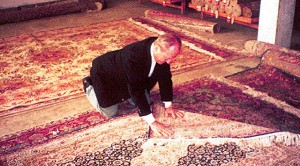
Dick Bass' oriental rugs were hung in the Snowbird lodge by mountain climbers. Credit: Harriet Wallis

Climbers hang rugs on 11-story Atrium wall.
Credit: Harriet Wallis

Dick Bass was always enthusiastic about everything. He was witty and lively, and he always seemed to be in a jovial

Snowbird founder Dick Bass had a fabulous collection of oriental rugs. Credit: Harriet Wallis

Snowbird founder Dick Bass inspects some of his fabulous collection of Oriental rugs
Credit: Snowbird

mood. He often spent time at his loved Snowbird Ski and Summer Resort, and you could always tell when he was there because he’d be in the center of a group and he’d keep them laughing. He loved to indulge anyone who would listen to his tales and insights. Because of his talkative nature he called himself “the big mouth Bass.”

He loved art and literature, and he had an incredible Oriental rug collection that he displayed at Snowbird. The huge, colorful rugs carpeted many floors in the Cliff Lodge. Skiers probably had no idea they were walking on a fabulous collection. For other rugs, he hired rock climbers to scale the massive 11-story tall concrete walls in the lodge’s Atrium and hang them there for display.

Dick Bass seemed to function on only one speed: full speed ahead. We’ll miss him.

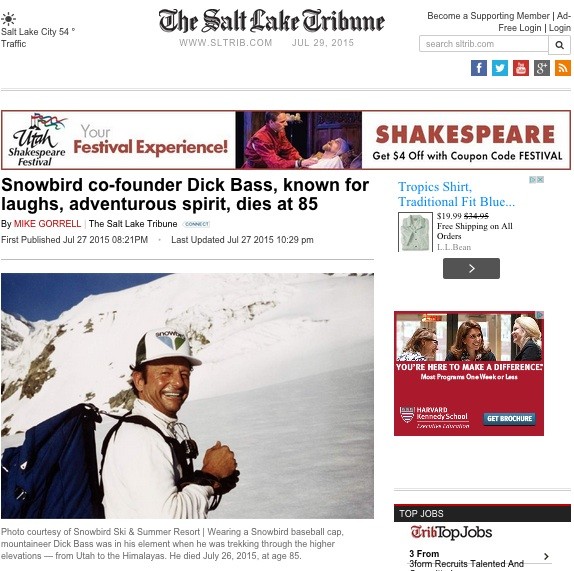
Dick Bass, Skiing Visionary, Dies At 85

Breaking News From The Salt Lake Tribune.  Click to read more.

SLT

Droning On: Striking Views Of Ski Country, Other Places

Drones Bring A Magnificent, Unexpected Perspective.

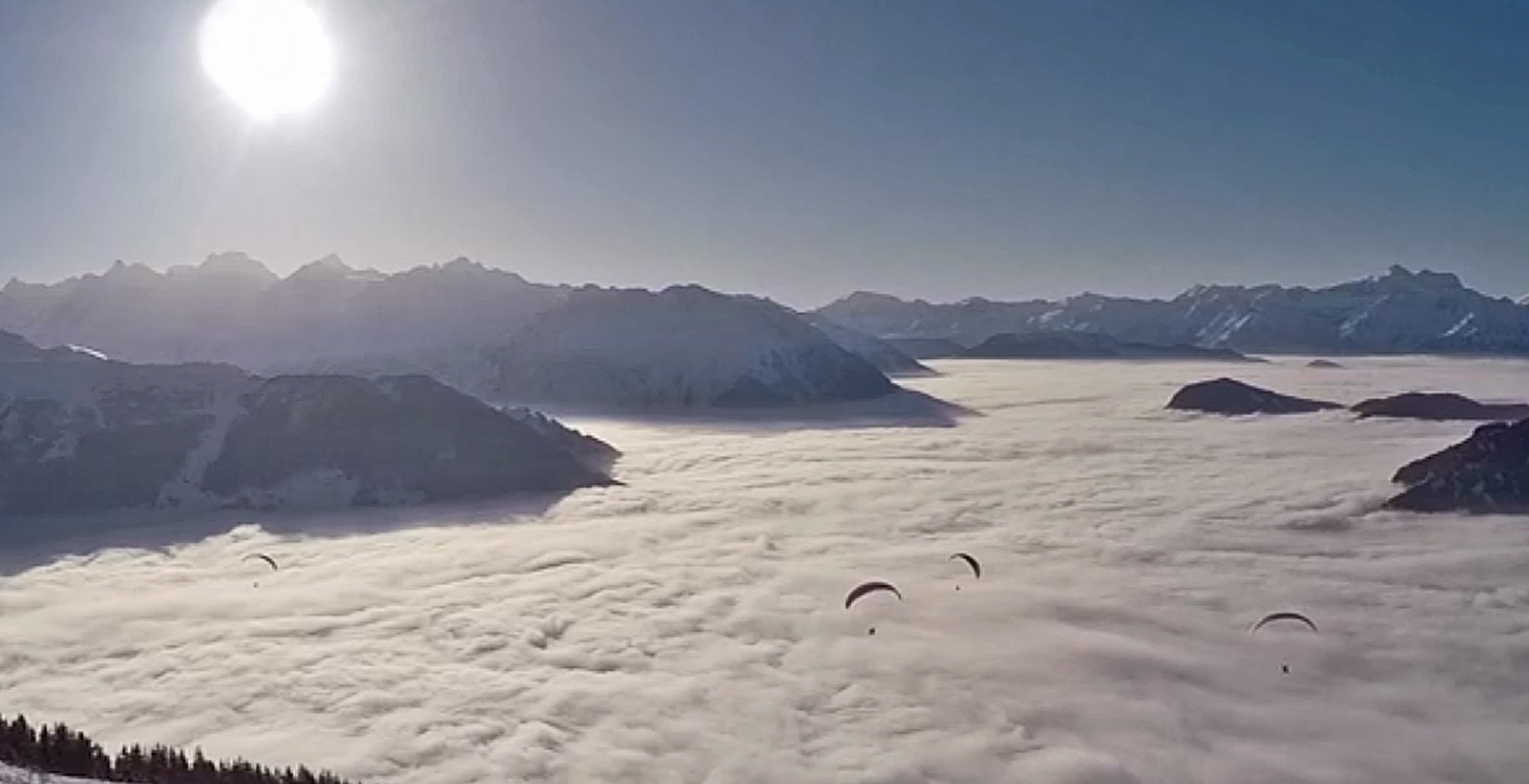
Verbier, Switzerland: ParaSailing on skis Credit: Mark Subi

Verbier, Switzerland: ParaSailing on Skis
Credit: Mark Subi

They’re in the skies, but you may not see them. Professional and amateur operated photo drones are capturing striking bird’s eye views of snow-covered mountains, crashing waterfalls, ancient architecture, daredevil feats, even the inside of an erupting volcano.

So this senior skier learned one late July afternoon following a long hike in the high desert of south central Utah. Prone on couch, he wanders to “drones” on the web and a collection of exceptional videos and stills shot with camera-mounted drones awaited.  Click here for the site; home page reads: Bird’s Eye View. Explore. Share.

Postings are from every part of the globe. Videos tend to be a few minutes in length, and while some are of borderline interest, others are well worth the clicks.. Here are a few that may whet your appetites for winter or for an exotic place that takes on new meaning when viewed from a higher place:

Switzerland: Wintery ravine/ Ski

http://www.dronestagr.am/hauptstrasse-bergun-graubunden-switzerland/

http://www.dronestagr.am/verbier/

Mexico: Tamu Waterfall/ Whales near Puerto Vallarta

http://www.dronestagr.am/tamul-waterfall-2/

http://www.dronestagr.am/puerto-vallarta/

Niagara Falls/New York City

http://www.dronestagr.am/niagara-falls-3/

http://www.dronestagr.am/new-york-usa-8/

Vanuatu: Inside an exploding volcano

http://www.dronestagr.am/yasur-volcano-tanna-island/

Bulgaria: Soccer

http://www.dronestagr.am/sofia-bulgaria-5/

Iceland: Park Tour

http://www.dronestagr.am/reykjavik-iceland/

France: Versailles/High Wire Skyliners

http://www.dronestagr.am/versailles-france/

http://www.dronestagr.am/skyliners/

Have you been droning lately?

Rehab Friend: A Little Assist From Your eBike

An Electric Bike Offers A Friendly Boost To New Knees and Hips

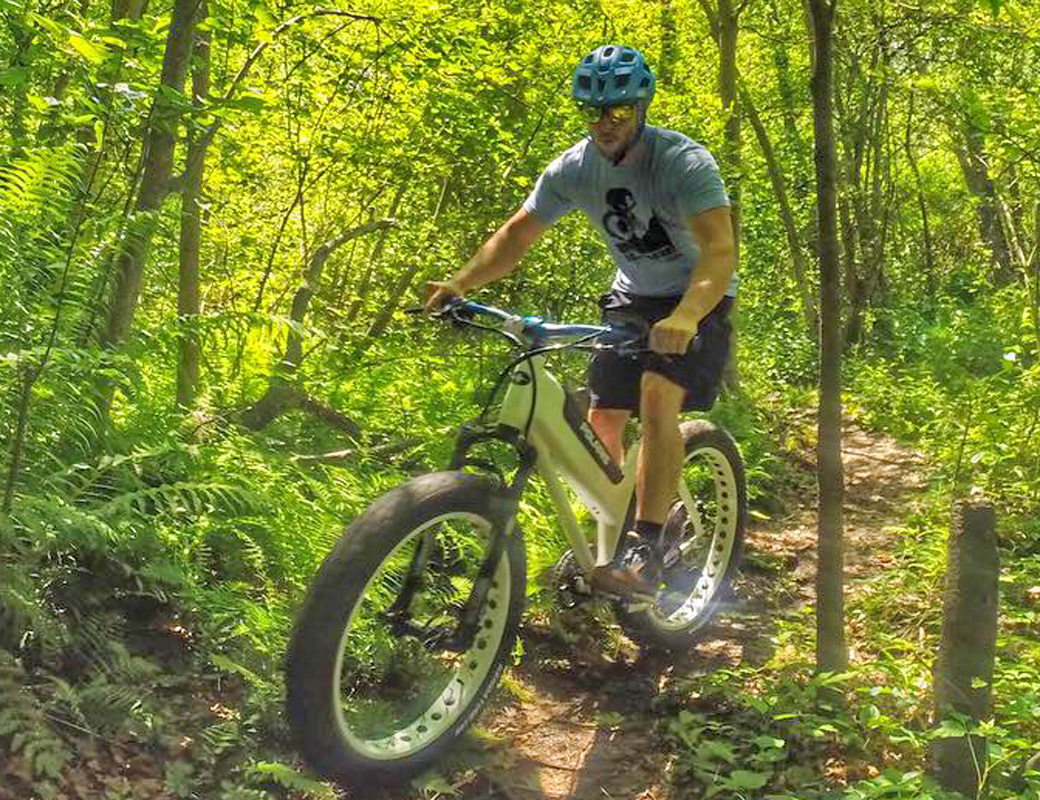
Polaris NordicBike__edited-1 

We all remember “With a Little Help from My Friends” by The Beatles.

My, how things have changed in the 48 years since its release, especially for those boomers who want to come back to the slopes after major surgery on hips and knees and rotator cuffs, among other parts.

Well, here’s some good news:

One of my friends is recovering from hip replacement surgery. His surgeon prescribed riding a bike for exercise, muscle rehabilitation and re- building confidence. How about skiing? Why not!

That’s where an electric bicycle is giving him the confidence to get back on the boards after major surgery. And go uphill at 20+ mph, or faster than your average quad lift!

At the New Hampshire ski area where my friend has spent many a winter, the electric bike with fat tires is ideal for going up the main road from the village to the lodge and beyond. Fat-tire bikes are now common for off-roading. One of the challenges of an electric bicycle design is to configure the entire frame, power and control system and accessories to be as light as possible. Lightness and controllability are among the advantages of the Polaris®eBike.

On unimproved trails and dirt roads, the fat-tire configuration gives my pal stability that helps build his confidence as he builds strength.

Advanced technology now available in electric bicycles is a major factor in getting my pal back on skis. In his case, the Polaris Gear Speed Technology features 8 gear speeds.

As the terrain rises, power kicks in—controllable with paddle shifters like a sports car— and “… a little help. . .” from the electric assist turns into up to fifty miles of riding.

How does he get a fifty mile ride? Polaris technology allows regeneration of the battery by braking and reverse pedaling. Active Trail Mode™ regenerates the bike’s battery during pedaling with automatic incline sensors to deliver power for uphill riding. Operation of this mode extends battery life. A four-hour charge can deliver fifty miles of performance.   Regeneration gives the rider unlimited power—my friend said his bum gave out before the bike needed to be re-charged.

As senior skiers, we’re all adopting new equipment, better outdoor clothing, improved diets and exercise routine.  With a little help from an eBike, we can take advantage of bike riding for fun and exercise.

Early 2015-16 Winter Forecast: El Nino Cometh

A Strong El Nino Is Not Too Cool News For Skiers.

ElNino2


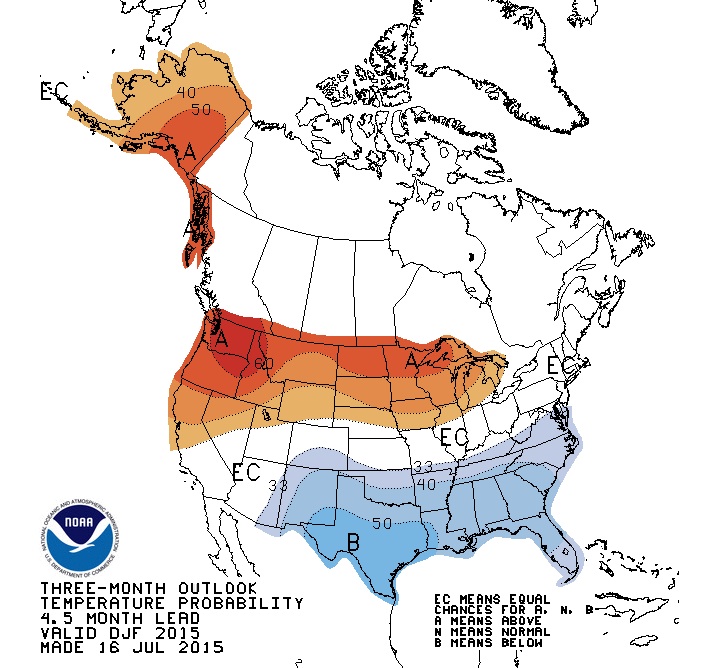
The latest (July 15th) word from NOAA (National Oceanic and Atmospheric Administration) and other weather watchers is that the El Nino currently growing off the west coast of South America is gaining intensity.  El Nino is the weather phenomenon that occurs when Eastern Pacific waters are warmed through a combination of factors, starting with increased cyclones in the Indonesian archipelago, the reversal of the trade winds from easterly to westerly off South America, and the resulting flood of warm Western Pacific waters eastward.  This has an direct impact on our weather and, in fact, weather around the global.

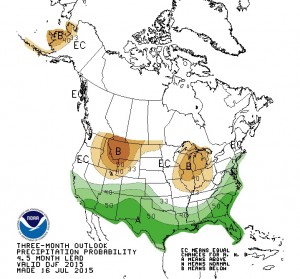
Dec-Jan-Feb Prediction Charts for Precipitation and Temperature reflect impact of El Nino. Credit: NOAA

Dec-Jan-Feb Prediction Charts for Precipitation and Temperature reflect impact of El Nino.
Credit: NOAA

TPrecipPredictionWhen an El Nino comes in, intensity clearly matters.  As of July, this year’s El Nino has a running start, driving the Sea Surface Temperatures (SST) off South America up +1.5 degrees above normal.  Some models have that going up even further later in the year.

According to NOAA, this year’s El Nino has a 90% chance of lasting through February 2016 and an 80% chance of lasting through April next year.  The last strong El Nino in 1997-98 brought major flooding to the West, especially California where storms caused half a billion dollars in damage and loss of life.  This winter, this El Nino’s level of intensity is predicted to have the following effects on our weather:

  • There will be a milder hurricane season this summer and fall in the Atlantic, a busier one in the Eastern Pacific. The National Hurricane Center has predicted below-normal storm activity for the Atlantic Hurricane Season which started June 1 and an above-normal season for the Eastern Pacific, thanks to El Nino.
  • It will be wetter this winter in the southern US from around Interstate 80 to the Mexican border.
  • It will be drier in the Northern Rockies, Ohio Valley, Great Lakes and Northeast.
  • It will be cooler in the southern band from Southern California to the Gulf states to the Carolinas.
  • It will be warmer in the Pacific Northwest to the Great Lakes and the Northeast.

Forecasting weather six months out is obviously an exercise in probability.  What’s interesting this year is that the variables are not wishy-washy; the SST is demonstrable, leading one to think that the chance for coming close to prediction is better than not.

SeniorsSkiing.com will keep you posted as the weather predictors weigh in.


Ski Dolly: At Last, An Easier Way To Carry Gear

Why-Didn’t-We-Think-Of-This-Department: A Gear Toting Assistant

Tip and roll the Ski Dolly away with some help from physics and gravity. Credit: Ski Dolly

Tip and roll the Ski Dolly away with some help from physics and gravity.
Credit: Ski Dolly

You might say, it’s about time someone came up with the Ski Dolly (TM). After schlepping backpacks, boot bags, skis (bagged or loosely tied) from car to base lodge too, too many times, we celebrate the arrival of this good-idea product.  Imagine:  Your favorite ski area has a reserved area for senior skiers (yes, many areas do have these and many more are thinking about it).  At that reserved parking area, you unload, pick up a Ski Dolly (TM) from a super-market-like shopping cart collection point, pile on your kit and roll away.  Arrive at base lodge, drop off Ski-Dolly (TM), don your equipage and go. End of day, reverse process, drop off Ski-Dolly in parking lot.  Pretty simple. Especially helpful when you are hosting your ski club or a cluster of grandchildren.

Ski Dolly is made of welded steel. Credit: Ski Dolly

Ski Dolly is made of welded steel.
Credit: Ski Dolly

Ski-Dolly (TM) is the patent-pending invention of two single parents whose struggles carrying a family-load of gear from car to lodge was the stimulus for this bright idea.  According to the company, the Ski-Dolly(TM) itself can tote up to eight pairs of skis or four or five snowboards, plus helmets.  From the photos, it looks as if you can latch on gear and boot bags, too.

Action Item:  Ask your ski area’s  guest services people to look into providing Ski-Dollys (TM) for the seniors-only parking area.  Or for everyone.  If you are in a ski club, order some for the bus and put your private-label logo on them. Why not?

Hike Vermont: Trails For Seniors And Families

Great Advice From Roger Lohr, Publisher of XCSkiResorts.com.

There’s no better way to enjoy the outdoors than hiking on a trail alone or with your friends or family. Whether you are a first time hiker or a walking aficionado, hiking with the family provides quality time together, allows the family to grow closer, develops life-long memories, and introduces the next generation to the outdoors. It’s no wonder that statistics show that nationally more than 34 million people went hiking in the year 2013 and that has remained somewhat consistent in the last few years.

Family hiking in Smuggler's Notch is a perfect summer vacation. Credit: X-CSkiResorts.com

Family hiking in Smuggler’s Notch is a perfect summer vacation.
Credit: X-CSkiResorts.com

You don’t need to walk very far to experience the joys of being outdoors with your kids or grandkids. It’s about discovery and having fun. For parents taking their kids on a hike, it is recommended that the child’s early experiences be positive, so avoid plans to reach that favorite spot or the top of the mountain. Keep it simple by being flexible and adaptive to make sure the younger ones have a good time.

Perhaps short hikes at first near home or a local park will provide a positive experience. Bring a snack, water, and invite your kid’s playmate. They can find joy in clouds, flowers, tadpoles, splashing water, getting dirty, colorful bugs, etc. but you don’t want them to get sunburned, hungry, thirsty, or exhausted.

Safety and Other Considerations on a Hike

Be careful of rocks, rubble, brush piles, or fallen logs where kids might lose their footing, sprain an ankle, or take a fall. Tell kids not to drink the stream water or eat berries or mushrooms, and the rule with poison ivy, oak, and sumac is “leaves of three, let it be.” Be wary of places where bees and wasps might nest.

Wearing bright clothing is a good idea so you are easy to see and find if lost. Layer clothing, and be prepared for weather changes. Synthetic clothing (such as a capilene shirt or a pile jacket) is lighter, a good insulator, and dries faster. Socks and supportive boots are important. Traditionally hiking socks were made of heavy wool but more recently socks that are made of a variety of materials that provide warmth, durability and keep your foot dry. Hiking boots are not required but they can help kids feel like explorers.

A list of items that could be useful on the trail includes: signal device (whistle, mirror), water bottle, emergency blanket, map, compass, flashlight (with spare battery and bulb), extra food, extra clothing, sunglasses, sunblock, insect repellent, knife, waterproof matches, firestarter or candle and a first aid kit.

If you think that you are lost, try to retrace your course rather than continuing on in an effort to reach some destination. An emergency call consists of three short audible or visible calls repeated at regular intervals. Use a whistle for making noise and a mirror or smoke puffs during the day. At night, use a flashlight or small bright fires to signal.

 You may consider leaving your dog at home if he or she cannot be kept under control. Respect the privacy of residents that live along the trail unless there is an emergency and you desperately need help.

Leave No Trace

Some basic concepts for outdoor and trail etiquette include: Plan ahead and be prepared; Travel on durable surfaces to minimize trail erosion; Pack out what you bring in to the outdoors (don’t bury trash or diapers); Leave the outdoors as you found it, don’t feed the wildlife, and take only memories away with you; Minimize the use of fire and take extra care if you do use it.

Here are some hiking destinations in Vermont and for more locations, check the XCSkiResorts.com Resorts Page:

Bolton Valley: There are 100km of Nordic and backcountry ski trails at Bolton Valley Resort and in the summer these same trails provide paths for outdoor adventure in over 1,000 acres of wilderness. Some trails lead up the valley to the ridge-line where hikers can connect with Vermont’s Long Trail.

Killington Resort: With 15 miles of hiking trails at Killington Resort, you can summit Vermont’s second tallest peak to be treated to 360 degree views of Vermont’s Green Mountains, New York’s Adirondacks, and New Hampshire’s White Mountains. Additionally, near the top of the mountain provides access to the Peak Lodge, Killington’s state of the art facility, which offers fresh food and cool drinks to hikers and mountain bikers all summer. The K1 gondola lift is open for rides to reach the summit.

Smugglers’ Notch Resort: The Green Mountain setting at Smugglers’ Notch Resort creates many opportunities for guided and self-guided hiking for all ages. The resort hosts guided outings designed for families with young children, with a gentle pace and fun learning opportunities. Other guided outings entice new hikers and experienced hikers with the opportunities to learn more about the history of the surrounding area and the local flora and fauna, and to summit some of the area’s most challenging peaks. Guided hiking is included in the resort’s vacation packages. The resort provides informational sheets on self-guided outings nearby.

Trapp Family Lodge: There are over 60 kilometers of wooded hiking trails for all levels of ability at Trapp Family Lodge in Stowe. There is a short, peaceful hike to the Chapel, built by the Trapp family sons on their return home after World War II. A more challenging hike takes you to the Slayton Pasture Cabin, a favorite resting spot for cross country skiers or snowshoers in the winter. Guided nature walks are available to guests to learn about native plants, wildlife, and the evolving landscape.

Woodstock Inn & Resort: Step outside the Woodstock Inn & Resort and choose from more than 60 miles of interconnected trails and pathways that wind through the Woodstock Village, nearby meadows and woodlands, scenic vistas, and rural countrysides. Pedestrian pathways skirt local landmarks, while off-road trails yield to magnificent vistas from the summits of Mount Peg and Mount Tom. For a historic walking tour of Woodstock’s past, stroll the 20+ miles of colonial carriage roads as they wander through the Marsh-Billings-Rockefeller National Historical Park and intersect with the Appalachian Trail.

There’s Still Room: Join The Crowd At The FORUM

SeniorsSkiing.com’s FORUM Is Up, Running and Waiting For You.

Even though you are a subscriber, you will have to register separately for the FORUM.

Even though you are a subscriber, you will have to register separately for the FORUM.

The FORUM is SeniorsSkiing’s online community exchange.  Add your thoughts, comments, insights, advice, critiques, recommendations, favorites, disses, and whatever. Just be nice.

If you are a subscriber to SeniorsSkiing.com, you will have to register separately for the FORUM.  Just click on FORUM, click Register, pick a username (that will appear on your postings) and enter your email address.  You will get an email with a password.  When you enter those back on the FORUM log in page, you will be in.

Remember, the FORUM requires a separate registration even if you’re a regular SeniorsSkiing.com subscriber.  Please join us.

There's plenty of room in SeniorsSkiing.com's FORUM Credit: James Cridland Flickr Creative Commons

There’s plenty of room in SeniorsSkiing.com’s FORUM
Credit: James Cridland Flickr Creative Commons

Grow A Hiking Habit: Part Two–More Stuff

Outdoor Guru Steve Hines Offers More Ideas For Taking A Hike.

Summer hiking season is in full swing. The temperatures are warming and trails are dry. After covering the ten essentials in Grow A Hiking Habit: Part 1, some other items will help you more enjoy your hiking.

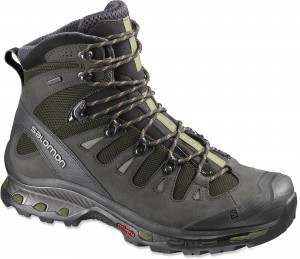
Real hiking boots are lightweight and support your ankle.  Sneakers don't cut it on the trail. Credit: REI

Real hiking boots are lightweight and support your ankle. Sneakers don’t cut it on the trail.
Credit: REI

Boots: Stout boots with good support are a must. Look for boots with waterproof liners. Boots should come to the ankle or above to keep trail debris out and protect the ankles. You should be able to wiggle and spread your toes and walk down hill without “jamming” your toes. Your boots should be wide enough in the forefoot that there is no pinching of any of the toes. Your heel should be held in place without constricting them. If your heel moves around side-to-side with the boot untied try another style/brand. Get fitted at outdoor shop by a qualified boot fitter. If you use orthotics, be sure your boots accommodate them.

Trekking Poles: These are telescoping poles that look like ski poles. When not in use, they can be strapped to the outside of your pack. When in use, they support the legs and lower back. They help with balance and help burn 25 percent more calories.

Comfort Items Now that I’m a little older, several items in my pack make the hike more comfortable.

  • A Dry T-Shirt: A dry shirt mid-hike is great. Avoid cotton; get Dri-Fit or Performance shirts that evaporate quickly.
  • Extra Socks: Even the best socks can’t always keep up with amount of moisture you produce.
  • Foot Powder: Changing socks and rubbing on some foot powder mid-hike is a treat!
  • A Sports Drink: Water is essential. But, a sports drink like Gatorade reduces the risk of dehydration among older hikers.

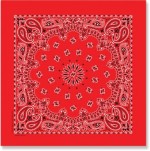
    The classic bandana is an invaluable partner on the trail. Credit: REI

    The classic bandana is an invaluable partner on the trail.
    Credit: REI

Bandana: The ubiquitous hiking buddy: Towel, handkerchief, sun protection, signal caller, sling, and bandage just to name a few uses.

Watch: I like to know how long it takes me to get from Point A to Point B on a hike. If I know the length of the trail I’m on and how long it took me to get there, I can judge my fitness level better. During these last few years, I’ve been aiming for a 1 mile/hour pace on mountain hikes and treks.

Cell Phone: Many people believe cell phones on the trail ruin the wilderness experience. But a phone can be a lifesaver. For many years I left my phone home but now, especially on solo trips, I take it along. Just be aware that in many remote places reception can be spotty or non-existent.

Camera: Helps with memory if you have a time/date stamp option.

Binoculars: Helps with both navigation (identify landmarks for triangulating your position) and spot/identify wildlife.

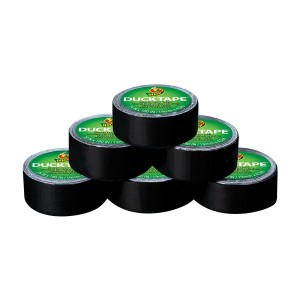
Is it Duct Tape or Duck Tape? Regardless, it comes in small-sized rolls, perfect for a backpack. Credit: Amazon

Is it Duct Tape or Duck Tape? Regardless, it comes in small-sized rolls, perfect for a backpack.
Credit: Amazon

Small Notebook And Pen: Record hiking times and observations, list hiking companions for later memory making.

Duct Tape: Blister treatment, gear repair, unknown problems.  A small roll of duct tape can do miracles.

Please feel free to make comments and provide feedback and additional wisdom. I also welcome questions and clarifications. This can be a wonderful forum for getting your hiking habit started and sharing experiences with others.

My Fitness Journey Continues: Part Three

How and what we eat is the second half of being fit.

Well, they never said it would be easy. Although the exercise part of my journey to fitness is going well (I’ve lost another inch in my upper body measurements), the changing of my diet is going a bit more slowly (I’ve lost only two pounds this month). The good news is that I’m going in the right direction, weight-wise, and I’ve also read that you gain heavier muscle mass as you get into better shape, which means my body composition is better than the scale would indicate.

In this Zesty Lime, Shrimp and Avocado Salad recipe, healthy avocados play a starring role! (Credit: skinnytaste.com)

In this Zesty Lime, Shrimp and Avocado Salad recipe, healthy avocados play a starring role! (Credit: skinnytaste.com)

Regarding food management, we’ve probably all followed some popular diet (or several) over the course of our lifetime, with varying degrees of success. We’ve likely lost some or a lot of weight in a matter of weeks or a few months. But as we all know, within a year or two, we’ve put the weight back on. The problem is that diets with extreme components are not sustainable (or even healthy) over the long term. The key is to instill lifelong healthy eating habits that we can live with (both literally and figuratively!).

Long-popular diet plans (such as the South Beach Diet, the Atkins Diet, Weight Watchers, etc.) and even the more extreme ones (e.g., the Cabbage Soup Diet, the Fast Food Diet) can be good “jump-starters” but over the long haul, the only way to keep the weight off is to develop good eating habits. I’m finding out changing decades-old habits is not something you can do overnight. I’ve made a few changes, such as eliminating a roll or piece of bread with dinner and saying “no” to myself a few times a day when I feel compelled to grab a nibble of something, but I plan on doing a better job of practicing what I preach in the coming months, so hopefully I’ll have great news to report in this area by fall.

And what do I preach? My jump-starter, as mentioned in an earlier article, is Weight Watchers, which I plan to continue for another three months. What’s been good about the program this first three months is that it’s gotten me in the habit of recording everything I eat and drink every day. Over the next three months I plan to do a better job of staying within my allotted daily points.

When it comes to lifelong habits, I’m working on developing the following behaviors:

  • Drink several glasses of water a day (in lieu of diet soda; a study cited in the University of California, Berkeley Wellness Letter showed that people over 65 who drank diet soda every day had gained two more inches in their waist over a nine-year period than those who hadn’t imbibed). Often, when we feel hungry, we’re actually thirsty. A glass of water can subdue hunger pangs, plus it helps keep your body hydrated, which becomes more challenging as we age. Nancy Brest, who’s been a fitness instructor at The Ritz-Carlton Lake Tahoe for five years and works with the U.S. snowboard team, adheres to drinking daily in ounces half your body weight, so if you’re 160 pounds your daily allotment would be 80 ounces.
  • Eat a few small meals a day rather than one or two large ones, and nearly every article I’ve ever read on nutrition and diet has stressed how important it is not to skip breakfast. Save bigger meals for earlier in the day; I try not to eat any meals later than 7 PM.
  • Practice “mindful eating.” In a nutshell, it’s all about chewing slowly and consciously tasting your food. It’s about savoring every mouthful as opposed to shoveling it in. Take twice as long to eat a meal than you usually take. Google “mindful eating” and you’ll find many articles if you want to delve deeper into developing this habit.
  • And finally, you don’t have to eat plain steamed vegetables on a plate to eat healthily. One way to make the transition from bad habits to good ones is substitution: e.g., putting Greek yogurt on your potato instead of butter. And one of the best sites around to find incredibly delicious and savory recipes of your favorite dishes that have been made more healthy is skinnytaste.com. Be sure to check it out, especially the black bean burgers (better than beef ones!).

One final surprising diet tip: the feature article in the latest issue of UC-Berkeley’s Wellness Letter is packed with incredible facts on the health benefits of avocados. Don’t be put off by the calories. There are so many other health benefits packed into the little fruits that outweigh the calorie count. The story won’t be available online for a couple of months, but in the meantime, here are a few avocado facts you can check out on the website now, just click this link.

Bon appetit!

Which Ski Areas Are In Survival/SunsetMode?

Industry Expert Stacks Up Ski Areas From Healthy To Sunset.

Doom and gloom seemed to poke through the otherwise good news presented at the end of January, 2015 Snow Sports Industries America trade show in Denver. Gathered for an “Assembly” by marketing analyst Destimetrics, marketing gurus opined that there was good news in the data: economy upbeat, lodging and gear purchases all on the positive side.  The spoiler was a presentation by former ski resort CEO, now marketing consultant Bill Jensen whose presentation sorted ski areas in a hierarchy.  At the top were the handful of healthy, name-brand resorts.  But, at the bottom of the stack were 300 ski areas who were either in Survivor or Sunset mode.  Bear in mind, according to the National Ski Area Association, there are 470 active ski areas in the US, not counting 50 or 60 in Canada.  Of course, the name of the game is which areas are on those lists.  What do you think?

Here’s a report from Curbed Ski, a Colorado city-ski blog.

CurbedSki


Exercise And Weight Control: Think Again


The Key To Weight Loss Revealed.  And It’s Not Exercise.

We know that senior snow enthusiasts are also cyclists, hikers, kayakers, golfers, sailors, tennis players and more, engaging in lots of non-snow physical activities.  Some of you might be motivated to keep your activity level up by a desire to control your weight.  Gaining weight is an artifact of aging as metabolism slows down.  Curiously, this article by Aaron E. Carroll in a recent New York Times describes exercise as contributing less than we think to weight loss.  In fact, Carroll points to studies that show exercise makes no difference in weight loss.  While exercise does have many, many physical benefits on cardio health, diabetes control, pulmonary disease and the like, the true key to weight control is…eat less.

Here’s the article.  What do you think?

Diet

Grow A Hiking Habit: Part One

An Expert Offers Advice On Getting Started

Here are the "Ten Essentials": Gear you will need for a hike. Credit: Steve Hines

Here are the “Ten Essentials”: Gear you will need for a hike.
Credit: Steve Hines

Hiking is a great fitness activity for seniors. Whether you are an Alpine or Nordic skier, hiking can keep you in shape to enjoy the slopes or trails this coming winter. Hiking is enjoyed on many levels from simple day hikes in your local woods or conservation lands to classic mountain hikes in our national parks.

Whether you’re an experienced hiker with many trails and summits behind you or you’re new to it,  a few basics make it more enjoyable and safe.

On every hike, when you are away from roads and people always pack the “Ten Essentials”  in your 15-to 20-liter day pack.  The “Ten” are:

Essential Item  Comment
1. Map Contour maps are best. Maps with trails labeled are even better.
2. Compass Know how to orient the map, take a bearing and follow it, triangulate to find your position. Classes are available online and through your local outdoor club. Until you’re familiar with map and compass, keep to well-marked trails.
3. Sunglasses and Sunscreen Prescription sunglasses are great, especially at altitude where the UVs are strong. Don’t forget to put sunscreen on your ears and the back of your neck!
4. Extra Clothing Avoid cotton clothing except for desert hiking. Wool and synthetics are best. Take along a waterproof rain jacket and pants. A light fleece jacket or shirt should be adequate. A light wool or fleece hat and gloves/mittens will help if you are going to higher altitudes where weather is very changeable. And, always bring dry socks.
5. Headlamp/Flashlight Small high intensity lights and lamps keep your pack weight down. A light will be helpful if you are late in coming back from your hike.
6. First-aid Kit This kit should also include bug “dope” and any medications you require i.e. heart, blood pressure, diabetes meds.  Bandaids for blisters might also be helpful.
7. Fire-starter Waxed tinder sticks or tinder balls are available at your local camping store or outfitter. You can make your own using a few simple steps.  Just click here for instructions.  If you don’t think a fire-starter is necessary, read Jack London’s “To Build A Fire”.
8. Matches Waterproof matches are good, but a lighter works even when wet. Butane lighters may now work as well at high altitudes.
9. Knife Your handy Swiss army knife is best. No need for a big sheath knife unless you plan on cutting saplings for a shelter.
10. Water and Extra Food Out for just a day? Take lunch and some snacks or energy bars.   Water is crucial. It’s easy to get dehydrated as we get older. Don’t wait until you feel thirsty to sip water.  Drink frequently!


Here's a 12-15 liter day pack you will need for your stuff.  It should weigh about 12 lbs. Credit: Steve Hines

Here’s a 12-15 liter day pack you will need for your stuff. It should weigh about 10-12 lbs.
Credit: Steve Hines

Other items also come in handy. Some people like a walking staff or trekking pole(s). (See “Try Nordic Hiking” article in SeniorsSkiing.com). Bringing a cap or wide brim sunhat is a good idea. If hiking with friends, a camera adds to the fun. All tallied, your hiking day pack should weigh in at no more then 10-12 pounds.

When I hiked with my kids and they began to gripe about all the stuff in their packs I would tell them, “The only way to make sure you won’t need something, is to have it with you.”

Start slow on level ground hikes. Then, as you feel stronger make your hikes longer and on rolling terrain. When you’re ready, plan a mountain ascent. But always, before beginning a new exercise routine, check with your doctor to make sure your heart is healthy enough for hiking.


No-Shows For Late Season Skiing?

Many Years Ago, Alta Stayed Open Late And Guess Who Showed Up?

With so many late, unexpected and unusual snowfalls this late spring, we wondered if people were still showing up.  After all, it is almost boating season.  Yet, a report last week from Faithful Subscriber Paul Remillard showed us that there are die-hards out there.  It was not always thus, apparently.

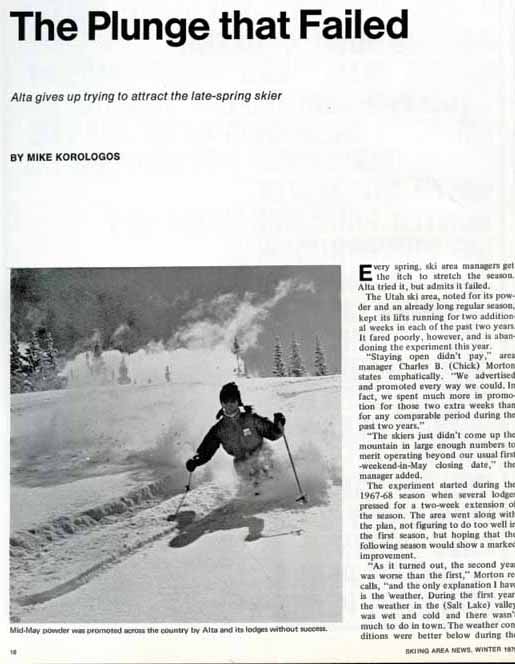
We discovered this article from an archive copy of SKIING AREA NEWS, Winter 1970.  An article by Mike Korologos describes an attempt by Alta to stretch the season by two weeks.  Unfortunately, no one showed up. “Staying open didn’t pay,” said the then area manager Chick Morton.  And that’s after spending more on promotions for those two weeks than any other comparable period during the “real” season.

Morton said he blamed the lack of spring skiing crowds to skiing patterns.  The article states that “When May Day arrives, the cry is ‘Head for the links,’ regardless of how good ski conditions are.”

That was 45 years ago.  Is it still the same today?

From Skiing Area News, Winter 1970.

From Skiing Area News, Winter 1970.

My Fitness Journey Continues: Part Two

This Month’s Main Event: Sound Advice From A Medical Expert.

In Part Two I’m going to focus on fitness and heart health, the latter particularly important to me as a favorite nephew of mine who’s only 49 suddenly ended up in the hospital two days ago having a stent put in due to a 100 percent blocked artery. I may have company soon on my fitness journey! My primary doctor, internist Anne Chang, who’s the medical director of women’s health primary care at UCSF, one of the world’s leading hospitals, took time out of her busy schedule earlier this week to call me and answer some questions I e-mailed her recently about health and exercise. Read on.

Dr. Anne Chang, UCSF's women's health primary care medical director, offers sage advice. Credit: UCSF

Dr. Anne Chang, UCSF’s women’s health primary care medical director, offers sage advice.
Credit: UCSF

Rose Marie: How important is it for people over 50 to check with their doctor before they embark on a fitness program? And why? Dr. Anne Chang: Probably most of the time, it’s wise for seniors to check with their doctors before starting a fitness program, primarily to check the cardiac risk factor. Are they having symptoms? Does it take effort to lift a bag of groceries or climb two flights of stairs? Things to watch for are shortness of breath, lightheadedness, chest pains, or palpitations. On their doctor visit, the doctor needs to take a good history of their health. Seniors who want to continue skiing or get back into it should proceed with caution or perhaps reconsider the sport if they have any back issues or problems—such as arthritis—in their hips, knees, or ankles.

RM: I had a couple of bone density tests when I was in my 50s. Should I have another one? AC: Yes, you should. The guidelines for these tests have been refined quite a bit since your previous tests. Now the recommendation for women with no documented risk factors is to get their first bone density test at age 65; depending on what that test shows, the recommendation for their next test is anywhere from two to five years later. For men the recommended age for their first bone density test is 70, with the same subsequent test recommendations. You probably didn’t need to have those tests when you were younger, but you should have another one now. [I’m scheduling it next week!]

RM: What, in your mind, are the three most important things for a 50-plus individual to do before he or she begins a fitness program? AC: The first thing is to talk to your doctor. Second, based on how fit you are, make sure that the fitness program fits your activity level going in. If you’ve been really sedentary, you don’t want to start off, for example, in one of those more aggressive fitness programs. Finally, choose a fitness program that fits your particular needs and goals. [Note: for skiers and boarders, those would be exercise programs that focus on cardio, muscle stretching, strength, and balance.]

RM: There have been a lot of conflicting recommendations out there regarding how much and what type of exercise someone needs to do weekly as a minimum to reach a healthy level of fitness. What do you say? AC: I go by the American Heart Association’s recommendation of 30 minutes of aerobic exercise daily, such as fast walking.

When asked about which is more important on one’s road to fitness, diet or exercise, Dr. Chang said they are equally important. “Doing one without the other won’t bring you the results you want.” When asked about electronic measuring devices, such as FitBit or iPhone apps, Dr. Chang said, “Anything like that is good because it engages your attention.” When she said that, it struck me that those devices are to your physical fitness what nutrition labeling on food is to your diet! Speaking of diet, that will be my topic of discussion next month, and hopefully I will have made greater strides with that half of my fitness plan. As the good doctor said…!

Correspondent Rose Marie Cleese goes to the Senior Center in Golden Gate Park for free exercise classes. Credit: SFP&R

Correspondent Rose Marie Cleese goes to the Senior Center in Golden Gate Park for free exercise classes.
Credit: SFRecPark

Speaking of my fitness plan: here’s the straight skinny as of today. I have a long way to go before “skinny”—I’ve lost only two pounds since I posted Part One of my journey to fitness four weeks ago—but I’m undaunted. At least I’m going in the right direction and haven’t backslid. The exercise part of my plan is going really well; I’m continuing my mix of four exercise classes a week, and I’ve missed only one during this 11-week session. I’ve lost an inch all around since I last measured (the usual three measurements plus my stomach and thighs) two months ago. Several people have commented, unsolicited, about my looking thinner. Plus I’m able once again to wear a pair of black jeans that have been in the drawer for quite some time.

A parting exercise tip: you know how hard it is to remember when you’re supposed to inhale and exhale when exercising? I’ve come up with a easy way to remember! Think of the “3 ex’s”: example: exertion means exhale. You’re welcome…and again, I welcome any and all comments and suggestions.

Editor Note: You go girl!  Keep it up, Rose Marie!

Mont Blanc Panorama Leaves You Breathless

Highest Mountain in Europe in 360 High-Res Photography

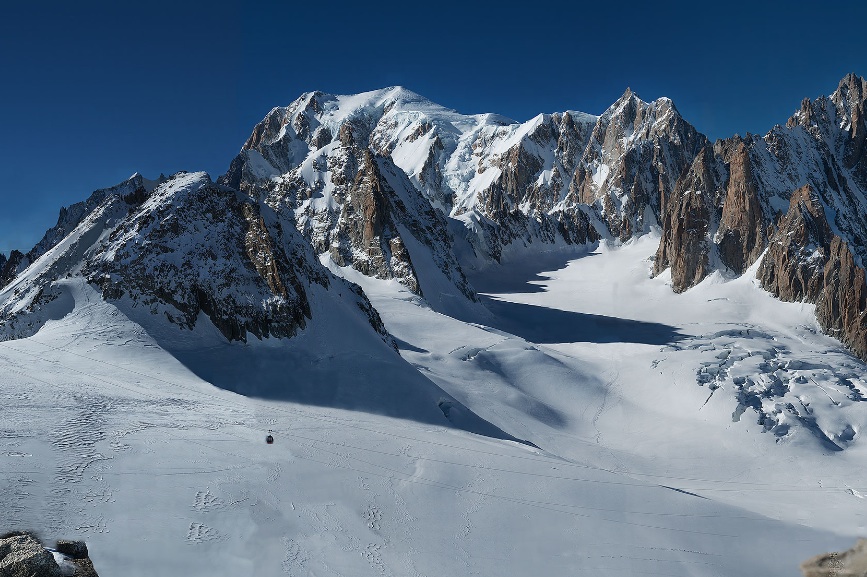
We discovered a post from In2White, a team of extraordinary high-tech Alpine photographers that is definitely worth a diversionary look.  Featured is the fabled Mont Blanc, the highest peak in Europe, captured in the highest resolution panorama ever made. Photographed by Filippo Blengini, this high-altitude, giga-pixel shot lets you macro-zoom into a number of selected peaks almost to the point you  can spot the butterflies fluttering around the crags.  If you look closely, you can see ski tracks throughout the area.

Mont Blanc and surrounds in crystal clear air. Click to access panorama. Credit: Filippo Blengini/In2White

Mont Blanc and surrounds in crystal clear air. Click to access panorama.
Credit: Filippo Blengini/In2White

How Much To Exercise And Why Bother

Is There A “Right” Amount Of Exercise Time?

Most readers of SeniorsSkiing.com are active, engaged folks who enjoy snow sports in the winter and lots of different non-snow activities in the summer.  And, most of us like to keep active, because it makes us feel good.  That’s important as we become more experienced in years.

You might wonder if the amount and intensity of the exercise you are doing is enough or too little or too much.  For what purpose, you ask.  If you want to lose weight, keep fit and nimble, then you already know the answer: If what you are doing now in the gym or on the roads or golf course gives you that bounce in your step, it’s working.  But if your goal is longevity—pushing back that time horizon—then there are some specific numbers you should pay attention to.

NYT

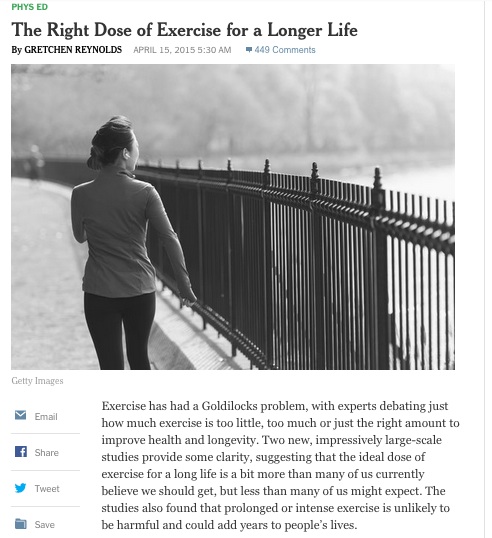
An April 15 New York Times article by Gretchen Reynolds reports on two different studies that now give a prescription for the amount and intensity of exercise that is linked to increased longevity.  We learned that “broad guidelines from governmental and health organizations call for 150 minutes of moderate exercise a week to build and maintain health and fitness.” For those who exercise more—450 minutes a week—then longevity goes up almost 40 percent over non-exercisers.  And, if 20 to 30 minutes of that activity switches gears from moderate to intense, the longevity number goes up even more. If that’s your goal, then those are your guidelines.

In reading readers’ comments accompanying the article, there are many who just think feeling good is a good enough reason to hit the slopes, roads, trails, links and by-ways.  What are the right numbers for you?  And why bother?  Let us know.

Ski Lessons Improve Senior Skiers’ Technique

It’s Never Too Late to Take A Lesson.

William Smith, age 91, started skiing at Mt. Cranmore, N.H., after WW II. His wife even took lessons from ski legend Hannes Schneider. She quit skiing when she was 73, but Smith continued. He was skiing with his son that morning when I rode the lift with them at Waterville Valley Resort, N.H. Father Smith taught his kids and grandkids to ski, but he doesn’t want to take lessons himself.

Senior Skiers take lessons at Waterville Valley Resort. Good technique means more enjoyable skiing. Credit: Steve Bryan

Senior Skiers take lessons at Waterville Valley Resort. Good technique means more enjoyable skiing.
Credit: Steve Bryan

“I’m skiing as well as I’m going to. My legs aren’t holding up as well.” I then watched him push off down the slope swiftly in well balanced short parallel turns. So much for weak knees.

Like Smith, many seniors are skeptical of what they call teaching old dogs new tricks, unless they plan to do something very different, like ski powder in Utah for the first time.  However, a senior ski lesson can actually lead to more enjoyment.

“Most senior skiers like the medium to long radius turns and cruising the mountain and enjoying it,” says Peter Weber, Snowsports Director at Waterville Valley Resort for 15 years. But that is no reason not to ramp up your technique.

“Whether you’re 7 or 77, technique trumps all. The better you are technically, the easier everything gets,” Weber says.

In teaching seniors, an instructor would most focus on pacing—how fast you ski, how many time outs for trailside chats vs. pushing top to bottom runs, and the need for biobreaks.

Fitness level in general is key, adds Weber. “Skiing anything above a moderate level is an athletic endeavor,” he says.

Like other resorts with comprehensive snow sports schools, Waterville Valley Resort matches you to the right instructor, so you don’t end up in a class with a bunch of young hot shots. Weber also recommends a private lesson as well as taking several group lessons.

Mark Hanabury, an instructor at Waterville Valley, says, “I think it’s more important for seniors than anyone else to take lessons.” He feels seniors will be safer and will enjoy skiing more if they embrace the new techniques including a wider stance and shorter, wider shaped skis.

“Skiing has evolved so much,” he says.

He knows first hand. Last year,  he took his dad Dick Hanabury, age 83, to ski Snowbasin, Utah, after convention in Las Vegas.

“He’s been an avid skier all his life and skied on long Head Standard skis when he was younger. I told him he had to retool his techniques to ski safely at his age. I drilled it into his head,” says Hanabury.

“My dad’s outside ski was getting hung up. He was used to stepping onto the outside ski, but his balance wouldn’t allow that. So, a fellow instructor told him to slide the ski forward and free it up. That allowed him to keep both skis on the snow so it was no longer a balance issue,” says Hanabury.

“My son Mark is keen on knowing the latest technique, so he’s done a good job for helping me to keep up as far as turning techniques,” says Dick Hanabury.

“I used that technique, letting the skis do the work, not throwing your body into the turn but just weighting the skis properly and making sure the outside ski in the turn is well weighted, that’s about the best way I can explain it,” he adds.

“If you’re in good condition, I would recommend skiing at any age. I play tennis a couple of times a week, exercise daily, so I’m ready when the time comes,” says Dick Hanabury.

No matter if seniors are updating old technique or learning for the first time, “I feel it is never too late to learn. Skiing is a dynamic sport and seniors enjoy learning just as much as younger folks. This enables them to ski longer and enjoy more terrain with family and friends,” says Mark Hanabury.

Many ski areas have created programs for those interested in new movement patterns associated with shaped skis or improving techniques. They list these programs on the resort website under the snowsports school tab.

Force Majeure: Skiing Is Back In The Cinema

SeniorsSkiing’s First Movie Review A “Runaway” Hit From The Alps

We remember the New Wave of French cinema in the late-50s to mid-70s when going to a “Foreign Film” was an intellectual exercise. That’s when you and your date went to those black and white, sub-titled classics, The Four Hundred Blows, Shoot the Piano Player, Breathless or Jules and Jim, and afterward settled into a discussion about what it all meant. To jog your memory, check out this scene from Annie Hall, where Woody Allen squelches an academic babbler by dragging none other than media theorist Marshall McCluhan into the scene to settle an argument. We were all into interpretation, the more philosophically zealous the better.

Which brings to mind the 2014 movie Force Majeure, from the Swedish director Ruben Ostland. We were attracted to it because it takes place in a French ski resort in the Alps. Since the last film we remember that had skiing as a central element of the plot was Downhill Racer (1969), we thought we’d take it in. It certainly brought back the old-days of trying to “figure out” the message.

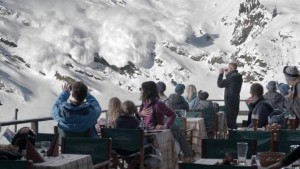
A vacationing Swedish family of four enjoys lunch on the deck of a mid-mountain lodge when an avalanche envelops the scene. It’s actually an

An avalanche triggers a family crisis. Credit: Ruben Ostland

An avalanche triggers a family crisis.
Credit: Ruben Ostland

astonishing sight as the assembled lunch crowd first marvels, then gasps, and finally panics at the approaching cloud of snow. What happens then propels the plot: The father of the family runs away, leaving his wife and two children behind to fend for themselves. The avalanche evaporates into a mist, the father returns, but the wife and mother is left with doubt. That uncertainty grows in several uncomfortable scenes including long, slow takes without dialogue, semi-humorous encounters with other couples at the resort and a foggy ski run that ultimately leads to the climax of the movie and its equally foggy denouement.

While the plot may drive some reflective conversations with your date, we loved our new insights into European-style skiing, the silent actor that we feel stole the show. The movie was filmed at Les Arcs in Savoie, France, which is a cluster of different resorts near Mont Blanc.

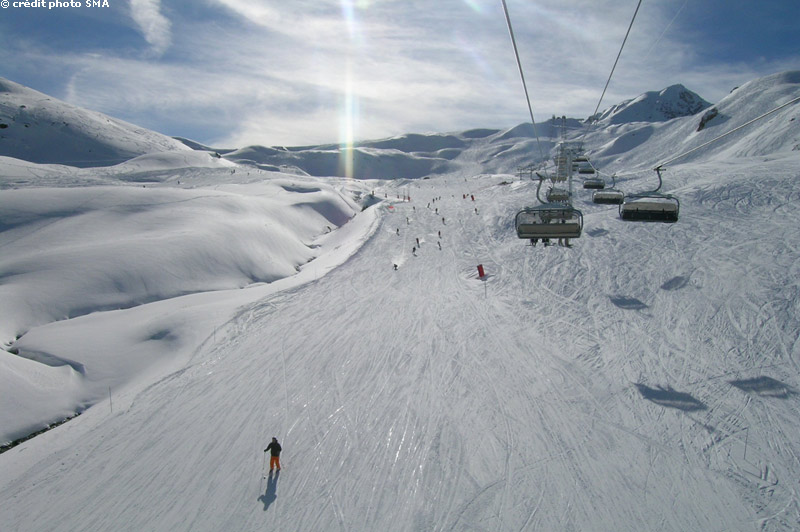
Open-piste skiing is a featured character in Force Majeure Credit: LesArcsNet

Open-piste skiing is a featured character in Force Majeure
Credit: LesArcsNet/SMA

We got a sense of what it is like to spend a week in the alps, open-piste skiing between different resort areas, taking tele-cabine gondolas from place to place and living in a tres chic, modern hotel with luxury dining and service. Les Arcs has a series of large, apartment-block-like hotels located at different altitudes, all connected by a web of lifts. When two characters in the movie head off-piste for some adventure skiing, the solitude and the scenery are exquisite.

Aside from a few thrilling mountain chases in James Bond films, we’ve not noticed ski resorts, skiing or ski racing in any recent movies. So, thanks to Force Majeure and director/writer Ruben Ostland, perhaps another auteur de cinema can realize the dramatic opportunities in alpine vistas.  Force Majeure is currently available on Netflix.

https://youtu.be/3nTJIc_e6Ns

Is Your Down Jacket Responsible?

Contributor Steve Hines’ Explainer On Humane Goose Down Harvesting.

Harvesting goose down in humane conditions is a movement in the outdoor clothing industry.

Harvesting goose down in humane conditions is a movement in the outdoor clothing industry.

If you ski or do any winter outdoor sport you probably have or have had a down jacket. Now is a good time to evaluate what you have and will need for next winter.  If down is truly the answer, then you have to know there are choices between vendors who provide humanely harvested down and those who don’t, at least not yet.

Down consists of the small protective feathers from the chest and bellies of geese. And, while the geese are raised by farmers in Europe and China for this purpose (and for food), many geese are badly mistreated during their lives.

Among the most egregious abuses of these birds are:

  • Being kept in small coops where they cannot move around or change position
  • Being force fed to gain weight rather than eating at what would be their regular intervals
  • Being live plucked – having their feathers pulled off while they are still alive (the farmer hoping that the feathers will grow back so they can pluck them again).

Geese are sentient beings and feel pain. However, efforts are underway to correct these abuses by some of the largest retailers in the outdoor industry.

For good advice about the best down jacket for you, see Chris Simrell’s article on Outdoor Gear Lab.

Most manufacturers contract with suppliers who buy down feathers from farmers. So, the supply chain can be long and convoluted. The abuses happen at the farms themselves. Animal rights groups have spent time and resources documenting these abuses.

When the controversy first broke in late 2013, the first company to respond was Fjallraven, a Swedish clothing and gear company. Their response was to send teams to Europe and China to find and purchase goose farms that were already acting responsibly or which they could convert to responsible practices.

Quickly following was Patagonia, an American company founded by the famous mountaineer Yvon Chouinard. Patagonia has certified that all down suppliers for their garments come from farms that act responsibly. They hang a tag on their jackets carrying the term “Traceable Down”, which means that they know exactly which farms the down came from.

Look for this label when buying down-filled outerwear.

Look for this label when buying down-filled outerwear.

According to Leon Kaye at greengopost.com, Down & Feather Co., Down Linens, Helly-Hansen, Mammut, Marmot, Montane, Nau and Outdoor Research are all following the lead set by Fjallraven and Patagonia.

While researching this story, at least three conflicting articles about The North Face’s (TNF) standards were uncovered. But, the most convincing article said TNF was working on it and the majority of their down garments will be using Responsible Down Standard (RDS) by fall 2015. So, this fall start looking for the tag that claims the product is certified as “Responsible Down”.

As of this writing, Columbia Sportswear claims they have demanded all suppliers adhere to RDS but have made no plans to certify or inspect. Your retailer should be able to provide this information.

Let’s applaud the efforts of companies who are acting responsibly.

It’s Official: Deer Valley Owns Solitude

Changes In Uphill Capacity For 2015-16 Already Planned.

As we reported last October, the deal is now done.  Deer Valley has scooped up Solitude Resort, put a new general manager in place and is announcing lots of capital improvements for next season. Read all about it here. 

Will Deer Valley Change The Sign? Credit: CityWeekly.Net

Big Changes Coming From New Lifts To Restaurant Renovations.
Credit: CityWeekly.Net

My Fitness Journey Begins: Part One

My six-month plan to go from being a couch potato to a mogul masher.

I had a revelation and a wake-up call on the slopes of Heavenly Mountain Resort this winter while skiing a few runs with the resort’s director of skier services. I had not taken my own advice regarding pre-skiing conditioning or done anything to lose the pounds that have piled on in the last decade or so. And even though I had been able to squeeze into my ski pants and didn’t seem to be affected by the 7,000-foot mid-mountain elevation, I felt like a lumbering whale as I went down the slopes. When I got into gunk, I really had to struggle to work my way out of it. I just didn’t have any strength.
Correspondent Rose Marie Cleese BEFORE she started her fitness program. Credit: Rose Marie Cleese

Correspondent Rose Marie Cleese BEFORE she started her fitness program.
Credit: Rose Marie Cleese

But having my ski gene reactivated and sitting amid all that alpine splendor at lunch, I realized how much I love this invigorating sport and all that comes with it. I decided then and there that one of the things on my bucket list (which I still haven’t put together) is going to be skiing down a slope somewhere at age 90!

So I’m going public with my fitness plan; if that doesn’t keep me on track, I don’t know what will! Plus I’m hoping that my personal journey to fitness will encourage other seniors to make the effort to get in the shape they need to be in to return to the slopes and be able to ski safely and with great satisfaction. And I hope that we’ll learn from each other as I share my progress over the next six or seven months. Comments and suggestions are encouraged! My monthly progress reports will be interspersed with bold-faced suggestions to help readers take action.

So, first things first. Before folks at our age jump into a fitness and diet regimen, it’s vital to have the blessing of one’s doctor. I had a complete physical a few months ago, and my doctor was encouraging me to move more, eat less and more healthy. I’m planning to include a few comments from her in a future progress report. Check with your doctor before you begin any fitness and/or diet program.

Since I can’t afford a personal trainer and have a big DIY streak in me, I’m planning to do a mix of things that I think I can stick with, keeping in mind the elements of fitness and health in general and for skiers and boarders specifically. Ignoring any one of these will not get me where I need to be next November. But at its simplest, it all gets down to exercise and diet.

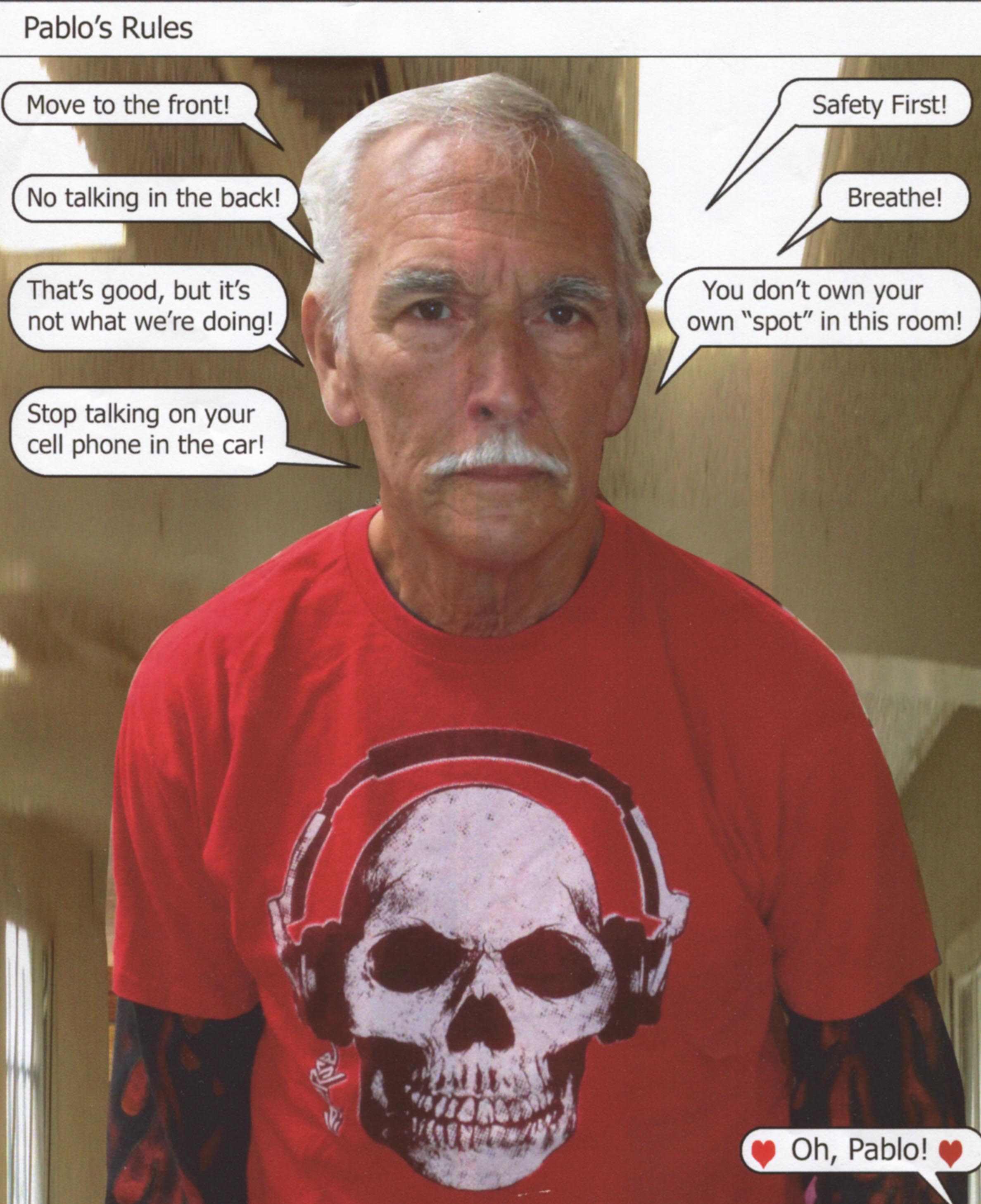
No nonsense aerobics instructor Pablo Molina keeps his classes hopping. He'll be 73 in June, just a few months older than Rose Marie

No-nonsense aerobics instructor Pablo Molina keeps his classes hopping. He’ll be 73 in June, just a few months older than Rose Marie. Credit: San Francisco Recreation and Parks Department

First, I plan to move a lot more. In March, I started several once-a-week classes at the local San Francisco Park and Rec Senior Center located in Golden Gate Park two blocks from my flat: a low-impact and a medium-impact aerobics class, a stretching and strengthening class, and a weights class. And they’re all free. Look for free fitness classes or programs for seniors; they’re more common than you’d think. These classes have shown me in no uncertain terms what I have to work on most: building up my core strength and regaining my balance!

Cardiovascular-wise, I’m finding that, after just six weeks, I’m hardly out of breath now when I walk up the hill to my flat after class. My exercise goal is this: by the end of the summer, to be able to do all the floor core-building exercises and the aerobics exercises that involve balance without batting an eyelash. It’s a pretty pathetic sight to see right now!

My other big move toward fitness and good health was joining Weight Watchers. I’ve known many people over the years who have sworn by it and were also able to maintain a healthy weight once they quit. Choose a dietary program that you can stick to. I signed up for Weight Watchers’ online program in mid-April for three months and after figuring out how to navigate around the website, I’m finding that I’ve become a lot more conscious of my food consumption. Since Weight Watchers’ integrates activity into the point system, I’m also seeing quantitatively the connection between exercise and what and how much one eats. When I started, I weighed 170 pounds and today my weight is 166 pounds. My goal is to reach 140 pounds by the end of my three months with Weight Watchers’, next maintain that weight for a couple of months, and then get down to 130 pounds before the flakes fly.

And finally, I want to concentrate on getting adequate sleep. I’m still working on that one, inveterate night owl and all-nighter puller that I am. I am, however, making sure I get a good night’s sleep when I have an exercise class the next morning. It’s a start!

One more caveat before I sign off: set realistic goals. I expect that I will hone this fitness plan in the coming months, possibly adding some yoga classes, hiking the trails in the wealth of parklands that surround me, and adding more fruits and vegetables to my larder. All I have to do, whenever I waver, is picture being at the top of some fabulous snow-covered mountain, and everything seems possible. Wish me luck!

[Editor’s Note: SeniorsSkiing.com salutes Rose Marie for publicly chronicling her personal journey back to fitness  She is an inspiration to us and we hope to those seniors in our readership or friends of our readership who would benefit from getting back into shape.  Please support her with advice and comments as she travels down that challenging road.]

Keep Moving: Fighting Arthritis With Activity

Here’s What You Can Do To Manage Your Inevitable Osteoarthritis.

If you’re a snow-sport enthusiast and subscriber to SeniorsSkiing.com, you are most likely a senior with an active life style.  We know from our SubscriberSurvey 2015 that many of our respondents not only enjoy Alpine skiing, but also Nordic and snow shoeing, and you ski a lot.  More than 55 percent of the responses say they ski more than 30 days a season.  Anecdotally, we’ve also heard how our subscribers love to hike, cycle, kayak and generally keep moving all year round.

In a recent article by NY Times Personal Health columnist Jane Brody, we see how critically important it is for seniors to keep that kind of active lifestyle.  Not only does activity help stem arthritis, reasonable levels of activity help avoid other chronic health problems. Brody quotes a researcher at the Alabama Research Institute on Aging: “As we get older, if we don’t get up and move around as much as we can, then we soon won’t be able to move at all.”

Read the Comments section attached to this article as well.  There are some insights and advice from NY Times readers you might find interesting.  If you’d like to comment on SeniorsSkiing.com, please do.  How do you stay active?  What does that do for you?  What’s your challenge in keeping in motion?  What works that you can share?

NY Times Columnist explains why activity is a way to fight arthritis. Credit: NY Times.

NY Times Columnist explains why activity is a way to fight arthritis.
Credit: NY Times.

Adieu Winter 2014-15: Shifting To The Non-Snow Season

SeniorsSkiing.com Will Be Publishing This Summer.

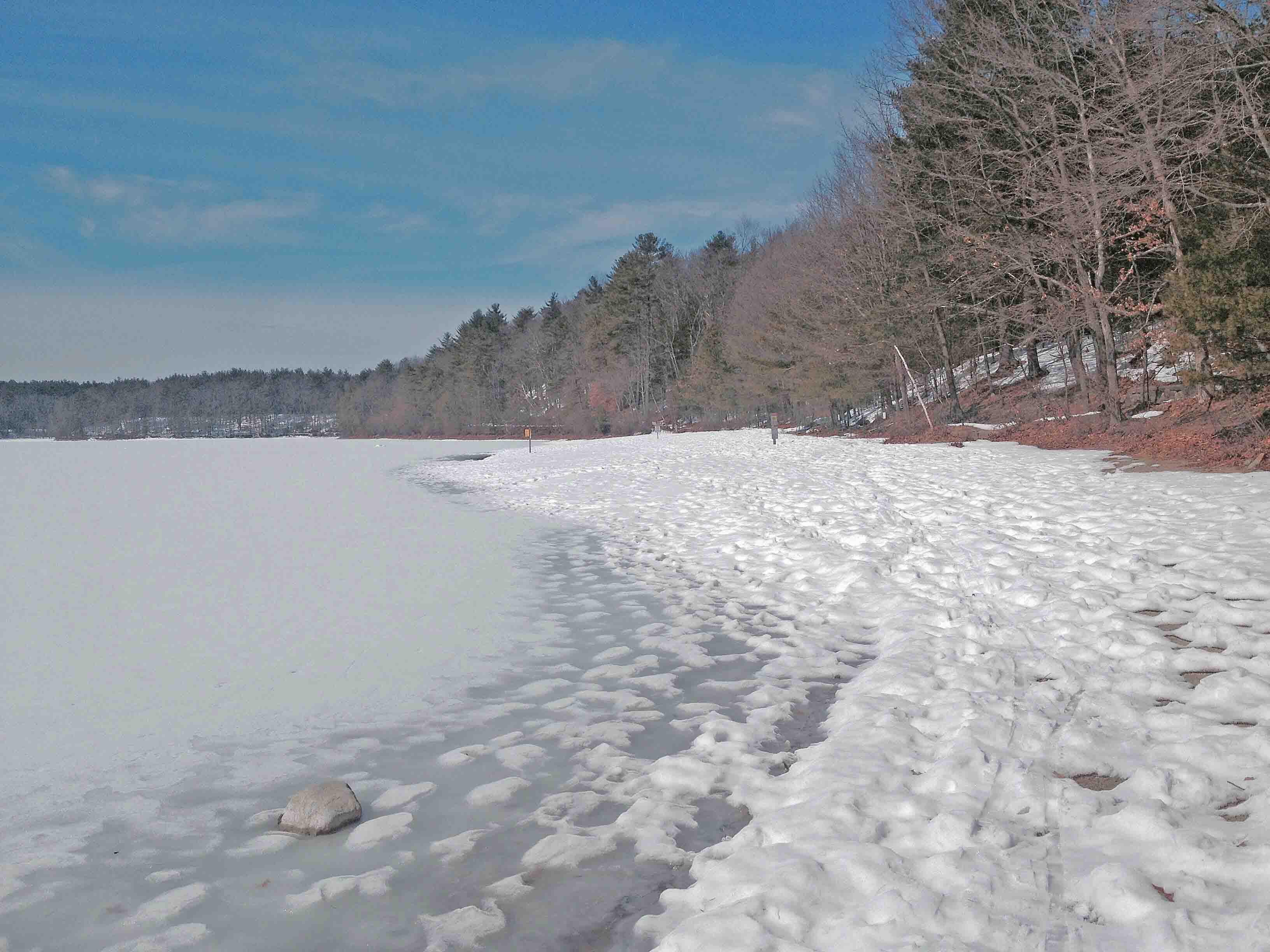
One of our best ski tours of the season came at the beginning of April at Walden Pond.  We go there occasionally throughout the year to reflect on the messages of Henry Thoreau and to take a picture or two of the “pleasant hillside” where he built his tiny cabin.  When we skied in, the trails along the ridges surrounding the pond were chopped up and icy, so we scooted around the snow-covered ice on the edges, thinking that Henry probably walked this way when the snow at Walden got too thick. It’s a short ski, maybe three miles around, but it was a beautiful spring day, we were pretty much the only ones there, and the spirits were a-rising, so to speak.  There’s more to be told about skiing at Walden, and we will have to save that for next season.

Early spring ski tour on a quiet day around Walden Pond.  Priceless. Credit: Mike Maginn

Early spring ski tour on a quiet day around Walden Pond. Priceless.
Credit: Mike Maginn

Based on the responses from Subscriber Survey 2015, we learned that you, our readers, are interested in fitness and product ideas for seniors.  As we move through the summer months, we and our correspondents will be offering both of those topics—as well as whatever pops up—in the spirit of keeping in touch with you, our active and engaged readers.  Please note that we will be starting our online Forum very shortly—another major recommendation from the survey—so you can more readily talk back to us and your fellow snow sport enthusiasts.

Two requests:  Tell your friends about SeniorsSkiing.com. And please watch for our Forum, coming soon.

Let the non-snow season at SeniorsSkiing.com begin!