


The Big K’s Ambassador Program
Ambassadors Help Create A Congenial Climate At Killington.

Here are the 2019-20 Killington Ambassadors saying hello. Volunteers commit to 21 days of service during the season. Credit: Killington Mountain Resort
As a huge ski area with several base areas and mountain peaks, finding one’s way around Killington can be a challenge. That’s where the green-jacketed Ambassadors come in, often saving the day by showing guests how to get where they want to go—or in some cases—avoid a too difficult or too flat a trail.
This year the COVID-19 pandemic has made the Ambassadors duties extra special as so much has changed—from getting a lift ticket to the necessity of wearing masks.
Ambassadors are dedicated volunteers who enjoy skiing or snowboarding so much that they commit to 21 days wearing the green to help guests have fun. Ambassador Program Manager Pete Duffy notes, “They are passionate about the mountain, the sport, and they want to help people.”

Hard to miss the Ambassadors in the green jackets. Credit: Karen Lorentz
To do that, Ambassadors attend morning briefings before the lifts open so they are up to date on conditions, lifts operating, and anything else pertinent to that day. They answer questions as they greet people mornings at the base areas and later help them find their way back to starting points at the end of the day.
Throughout the day, they ski around assigned mountain areas and answer questions just as their bright green jackets invite.
They also help reunite parties that get separated. Seeing a small boy reunited with his parents was “priceless,” Roger Halye said of a best memory.
Another joy Ambassadors cite is assisting with marriage proposals—whether it’s writing a “will you marry me” on the snow under a lift or taking a photo of a proposal at the peak.
They also assist other departments as needed. The sweet perk is skiing until it’s time to help the ski patrol with the end-of-the-day sweep or man various end-of-day stations. Duffy notes, they do all these tasks in all kinds of weather, including extreme cold, wind, snow, and rain.
In a normal season, Ambassadors also give free Meet the Mountains Tours, offer tips on events, take photos of people, greet bus groups, and staff the hotel and events, all of which went by the boards due to state COVID-19 related guidelines this year.

They ARE smiling. Green jacket Ambassadors Mike Cahill, Pete Duffy, Susan Cummins, Keith Murphy guard new ticket booth. Credit: Karen Lorentz
Recently I had the great fun of being shown around by Ambassadors Susan Cummins and Mike “Mickey” Cahill. Cummins prides herself on being “a friendly face willing to help and guide.” Like others, she also praises the social aspects of being an Ambassador, noting, “Through the program, I have generated some wonderful friendships; some so close they have come to my family events like weddings and holidays.”

Retired State Trooper Mike Cahill briefly dips his mask at the new automated ticket kiosk. Credit: Karen Lorentz
Noting he loves skiing Killington and helping people enjoy the mountain. Cahill said becoming an Ambassador helped him fill a void in his life after he retired from being a New York state trooper at the mandatory age of 60. “I enjoy the camaraderie within the group of outstanding people who share the same goals,” he added.
Bobby G has given tours for 20-plus years and counts many special moments, including people who return year after year for another tour, which leads to great friendships. One friendship has taken him to England several times. Another repeat guest is a clinical psychologist, causing Giordano to “sometimes wonder if it’s just the friendship or if I’m a ‘research subject’ that needs to be carefully watched.”
When fierce winds were buffeting a petite beginner who kept falling, Noreen McGill used her own body to shield her from the gusts, and together they managed to slip and side step to the shelter of trees. There McGill applauded the woman’s tenacity and thanked her for “sharing her struggle and strength” with her.
Riding a lift, Ambassador Louise Young met a guest from Toms River, NJ. “I mentioned Toms River made the news years ago (1998) by winning the Little League World Series. Turns out he was one of the coaches!!”
Joe Schorle had a guest ask him “what he could do about boots causing his feet to hurt. I started to recommend a shop for adjustment but then looked down and realized his boots were on the wrong feet!”
Marc Pileggi recalled a “most unusual thing that happened was having to call a transport for a group of 12 who decided to go to the top of Ramshead at 3:45 with no ability to ski down.”
Questions People Ask
“How do you get to the main lodge? They usually mean the lodge where they started from,” notes Louise Young.
“What’s the easiest black diamond trail?”
When he’s stationed at the top of Killington Peak on a cloud-free day, people ask Robert Ide to identify the other visible ski areas. The mountain they wish to have identified most is Mt. Washington, he said.
Questions Anthony Russo hears include: “Can you take our photo (asked prior to COVID)?” “Where’s the restrooms?” “What time does the lift close (usually asked at 4 p.m.)? Where are the beginner slopes? Where is a good place to eat? Can you recommend other things to do besides skiing? Is there an easier way down from here?”
In late March and April, Phil Lipari is often asked, “Why does the mountain close at 4:00 when there is still a lot of day light? In January and February, why there is no night skiing?”
“What do you do with all the man-made snow in the summer?” Noreen McGill overheard a woman ask an Ambassador. “We store it in all the silos on the farms,” elicited an “Oh” as she contentedly walked away.
Pete Duffy said he was greeting people when a woman holding a glass bowl asked where she could leave her pet turtle while she skied. Since pets were not allowed inside a lodge, he never did find out what she did with it.

Sharing A Ski House: Seven Ways To Share Without Stress
Setting Expectations And Providing Reminders Are Key For Sharing.
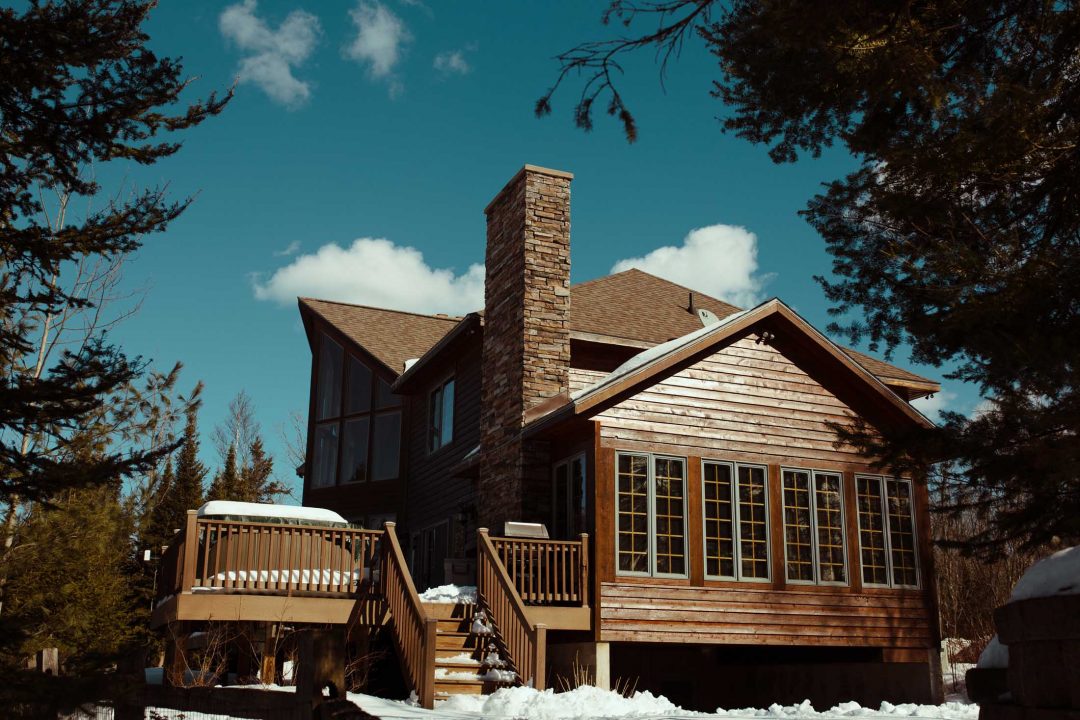
Keep relationships positive by clarifying processes, procedures, and rules up front.
When sharing a property with a club or friends and family, it’s important to establish a sustainable system for access, expenses, safety and maintenance.
Time and effort invested in setting expectations will pay off in the long run.
Here are seven ways to share without stress:
1. Commit to an arrangement (in writing).
This could be anything from an informal email to family members, or a letter attached to a rental agreement, to a lawyer-drafted LLC operating agreement. The point is to make sure that everyone is on the same page so that misunderstandings are avoided.
2. Include a plan for expenses.
Do people replace the supplies and help with maintenance work, or does your group divide expenses according to use or ownership percentage? Figure it out ahead of time so that there are no surprises.
3. Set expectations for using the property.
Do you allocate use, reserve time slots, require permission or allow for first-come-first served? Are guests or pets allowed? Make sure that everyone knows the procedure. Depending on your situation it may be most convenient to call or email one person to request a stay, or you could use a shared online calendar.
4. Separate and simplify House Rules and make them easily accessible.
Few people will read a dense page of complex rules. It’s more effective to keep the house rules short and focused on safety, liability and other key issues.
5. Designate a place to store other information.
An on-site binder with appliance manuals and restaurant menus, local attractions, and directions to the nearest ER is helpful. Contact information for the preferred plumber, heating engineer, cleaner, and babysitters should be easy to find at the property. Make a version available online as well for easy access and updates.
6. Have a Departure Checklist
A list of tasks to check off before you leave can save the property and your peace of mind. Items might include turning down thermostats, making sure the oven is off, checking for laundry, emptying the trash. This is also a good place to make a note of any breakages or supplies that need replacing.
7. Be transparent and over-communicate if necessary.
Better to send an extra text or email than to make assumptions. Family and friend groups are vulnerable to relationship damage from seemingly small miscommunications (see Shakespeare for examples). Transparency builds trust.
What else? If you have suggestions on how to make things run smoothly, or what to avoid please let us know in the comments.
This article was written by the creator of Resercal, an app for shared property scheduling and management. Other options for scheduling and sharing information online include Google Suite (calendar, sheets & docs), or a custom website.

This Week In SeniorsSkiing.com (March 12)
End Or Interim, Snow West, Cooler East, Vail Run, Jan’s Saga, Demo Tips, Ski Japan?, NW XC, Happy At Appi, Sharp Porcupine.
Alta closed on March 17, 2020. Abruptly.
We’ve been through quite a year.
Last year at this time, we were hearing about and experiencing the abrupt closures of ski resorts all over the globe. Races, vacations, bookings cancelled. People just arrived to start vacations had to turn around and go home. Super-spreader events were reported at slow-to-shutter Ischgl, in Austria, Sun Valley and in Colorado. The ski industry shut down, in stutters and starts perhaps, but down tight.

Tough to relax at Ishgl after the superspreader.
A year ago, we began as skeptical, then, as the numbers grew, we became apprehensive. We had to “flatten the curve”, “social distance”, refrain from travel, and frequently and thoroughly wash our hands. We stocked up on toilet paper. Some of us knew people who had gotten sick from the virus, others thought of it as a remote and distant “hoax” impinging on their freedom. Wearing a mask became a statement of the extent you trusted in government directives or not.
Regardless, we learned to adapt, change our plans, and our lifestyles, recreational activities, and expectations. So many of our readers stayed local, skied mid-week, brought bag lunches, and made do. Others took up alternative winter sports; we’ve noted the phenomenal increase in cross-country skiing, thanks in part to regular, staying snow in urban/suburban parks and open areas. Others gave this entire season a pass, opting to wait it out. Others took trips to destination resorts, or, if they lived nearby, went on with the season skiing between the scant numbers of tourists.
This week, one year on, we are either at the end of the beginning or the beginning of the end.
On this anniversary week when the closings started in earnest and almost everything in our lives changed, we remember the 500,000-plus citizens who succumbed.
We also celebrate the vaccines now being injected in earnest. The New York Times reports that 40 percent of Americans are, in one way or another, protected from the virus, either through vaccination or by recovering from infection.
As on a ship coming nearer and nearer the coast, we can begin to see details of what will be appearing soon on the horizon. There is pressure to return to normal. Spring Break may be a festival of youth and sunshine, or it may be yet another super spreader event. Beyond the spring, there are expectations that the summer will begin to look like it always has, and that by the fall, schools will return to classes, restaurants will return to capacity, concerts and theaters will return to performances.
Perhaps. If the virus doesn’t spike again, that is. It’s still out there, looking for people to infect. Variants may play mischief with recovering economics and public health. So, although the trends are in the right direction, this year of virus isn’t over. Far from it.
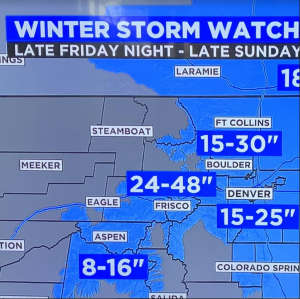
Will snow this weekend impact closing-dates in the Rockies? Credit: Joe Durzo
Which leaves resort owners with an interesting management challenge. Given the relaxing of CDC guidelines for gatherings of people who have been vaccinated and the potential for yet more snow (Colorado and the Northwest are expecting big dumps this weekend), do resorts extend the season as practicable? Open up capacity to all comers? Try to recoup a small amount of revenue lost this season? Or, because many staff are probably not in priority groups for vaccinations and won’t be for a while, and because it may be expensive to undo the physical changes installed to protect customers and staff, just decide to end the season under COVID rules?
Vail announced this week it is extending its closing date one week to April 11. With the current snow forecast, who knows if that might be extended? Bretton Woods, NH, is closing April 15, Killington, VT, will go to May 2. Is it worth it to change virus policy for a few weeks? If you were the manager of a ski area or resort, what would you do?
Like it began, the year of COVID continues with uncertainty.
This Week
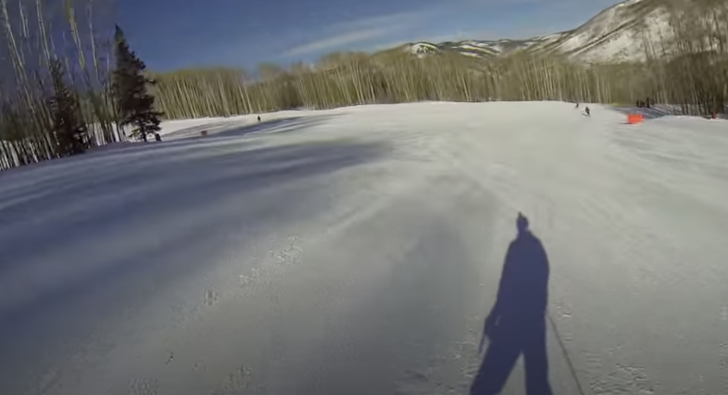
Free run for our readers down the front side of Vail all the way to the bottom. Credit: Glenn Robbins
Herb Stevens, the Skiing Weatherman, sees continuing snow events in the West and a cool down in the East following this unusually warm weekend. There’s potential for more snow out there, check the maps. Click here.
Ever skied Vail? No? Well, take a vicarious run on the front side of Vail on a sunny day. We found the run very different from our mental model of what Vail would be like. Click here.
Jan Brunvand continues his ski life saga, this time describing his lucky move from the Midwest to Utah. Click here.

Take your pic. The lads at Epic Mountain Sports at Winter Park will help you out. Credit: Epic
Marc Liebman gives advice on how to get the most from demo skis. His tips make your demo assessment more objective. We also learned Marc always rented skis on trips, leaving his own sticks at home. That gave him the opportunity to try lots of skis and think about how to evaluate demos. Click here.
Dave Chambers, the Traveling Australian, tells us about his trip to Appi Kogen, a big resort in Northern Honshu, Japan. He revels in telling us about finding a back side of the resort where he skied for a week in untracked powder. Click here.
Our Question For You this week follows up the Appi Kogen story, asking you if you skied Japan and what your experience was like. Click here.
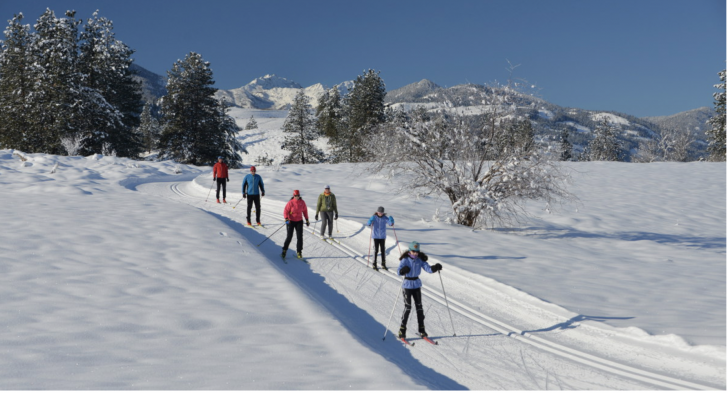
As the next in our Make More Tracks series, Pete Wilson writes in the Nordic Approach about really cool cross-country resorts in Cascadia in the Pacific Northwest. Click here.
Finally, Harriet Wallis tells us a very punny tale of the nameless porcupine who stopped traffic on the trails at Alta. Clearly, he made a point. Click here.
Thank you for reading SeniorsSkiing.com. And thank you for supporting us in our recent fundraiser. We are very grateful. Remember, there are more of us every day, and we aren’t going away.
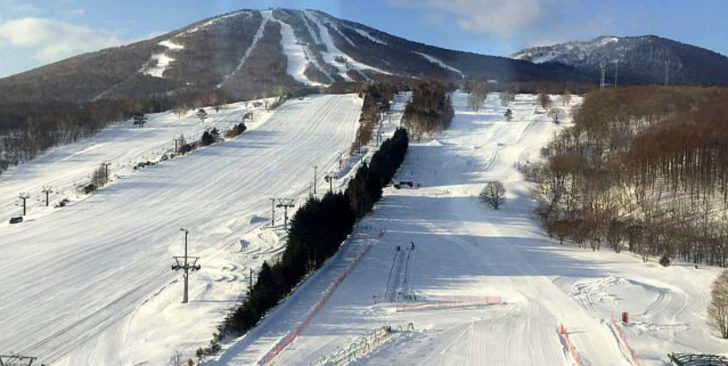
Appi Kogen is one of Japan’s best ski resorts. The resort’s tagline: “Be Happy in Appi”, of course.
[authors_page role=contributor]