

This Week In SeniorsSkiing.com (July 22)
Industry Leader Interview, Artificial Snow Trending, Cycling In The OC.

Ride down to the ocean after you ride up from the beach.
Credit: Pat McCloskey
Summer is at its height, and it’s really hot in North America. Our readers continue to do their summer activities on the water, trails and roads; thanks for letting us know how you’re doing. We are officially noting that the start of Autumn is nine weeks away.
This week, we start our new Snow Sport Leader interview series with a Q&A with Earl Saline, the director of educational programming for the National Ski Area Association. He offers his views on the issues facing the resort industry, where senior snow sports enthusiasts fit in the picture, and his own career in the snow business. We’ll be following other industry leaders throughout the season. Stay tuned.

Construction for Buck Hill’s summer snow hill should be starting about now. (July 2016)
Credit: Buck Hill
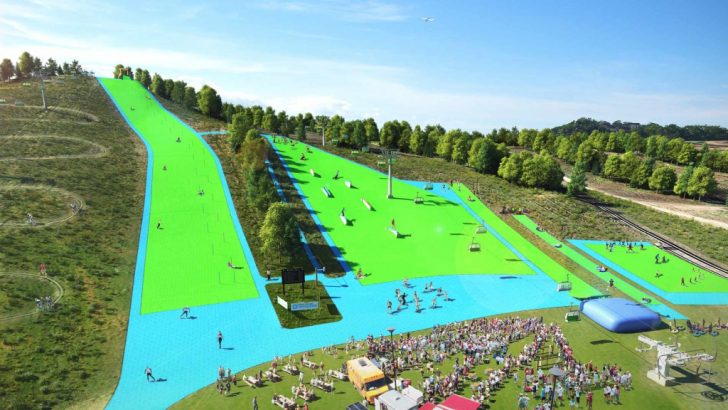
We also read with growing interest about yet another artificial ski hill experiment. Well, its more than an experiment. Buck Hill, MN, is installing a slick surface that reportedly imitates the gliding of snow on its hill this summer. Curious that we are seeing a number of these attempts to extend the season growing in number this year.
Finally, we hear from Pat McCloskey and his Cycling Series report from the Orange County coast. He tells of the Laguna Wilderness where you can engage miles of trails in the coastal range overlooking the sea. Very cool. Thanks, Pat for your cycling reports. Anyone else have a fav place to spin?
Next week, we have a very special event. We will be announcing our list of Trail Masters, those SeniorsSkiing.com readers who report they have skied their age in the 2015-16 season. Skiing your age means you’ve been out on the slopes (or trails) a number of days that equals or exceeds your age. It’s an impressive list, and we have some great ideas for our Trail Masters.
Once again, thanks for reading SeniorsSkiing.com. There are more of us every day, and we aren’t going away!
Artificial Snow Doesn’t Melt
Summer Skiing At Buckhill, MN, Is About To Happen.
Construction for Buck Hill’s summer snow hill should be starting about now. (July 2016)
Credit: Buck Hill
We’ve seen how ventures into summer and indoor skiing have become a growing trend in the ski industry. From a business angle, it makes sense: extend the season, create activity at the ski facility, keep lessons going and get people involved. It may also make sense from a climate change angle. If the winters and snowfall in different regions remain as variable as they have in recent years, then thinking of changing the sport’s paradigm from real to artificial snow. Perhaps this is the future of skiing.
Buck Hill, MN, is installing artificial snow hills this summer to extend the season and provide visitors an opportunity to ski 365 days a year. The surface is made by Neveplast, an Italian company that has created a sliding surface it says is the same as snow without the need for cold or water. Here’s a video of Buck Hill’s testing the surface.
https://www.youtube.com/watch?v=VuFDsui4D_o
Looks interesting. Have you tried this? Would you? Is this the direction skiing is going? Has to go?
Snow Sports Leaders: Earl Saline, National Ski Areas Association (NSAA)
Editor’s Note: With this article, SeniorsSkiing.com begins a project of publishing interviews with snow sports leaders. We want our readers to learn more about the people who are influential in snow sports development and their views of the role of older participants in skiing, boarding and snow shoeing.
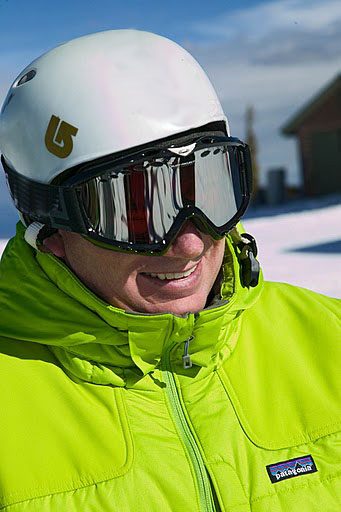
Earl Saline, Director of Education Programming for the National Ski Areas Association (NSAA)
Earl Saline, Director of Education Programming for the National Ski Areas Association (NSAA), has spent most of his 47 years on snow and around the snow industry. At NSAA he develops education programming for ski areas and their employees, including safety campaigns directed at patrons. Earl has taught at ski areas in the US and in New Zealand, at times managing ski schools with 700+ instructors. Before joining NSAA, he was Education Manager for the Professional Ski Instructors – American Association of Snowboard Instructors (PSIA-AASI) where he oversaw education and credentialing for 32,000+ members.
How did your early career lead to your NSAA position?
For years, I’ve worked with instructors and trainers across the US teaching skiing and boarding. My wife and I even went to New Zealand where I taught, trained, and examined snowboard instructors. In 2009 I took a position with PSIA-AASI focusing on education and credentialing programs. Ski area management was an important stakeholder in these programs, which led me to NSAA in 2014.
What issues face the ski area members of NSAA?
The big one is attracting and retaining customers. This involves three critical phases, which we identify as “trial,” “conversion,” and “retention.” Areas work hard to bring new skiers and riders to the sport and to their facilities. If they like the experience, they’re more likely to return, improving their skills and enjoying the sport. That’s the conversion phase. As they identify as skiers and riders, our hope is that they return year after year. We define that as ‘retention.’ Ideally, these converted skiers and riders then share their newfound passion with friends and family.
Our member areas compete year-round with their guests’ work and family obligations and with other recreational and non-recreational pursuits. Many activities don’t require the same time commitment as being on the hill. That’s why we work with areas to keep skiing top of mind when people think about where and how they want to spend their winter.
What is your/NSAA’s thinking about the role of the 50+ snow sports enthusiast in the overall skier population?
Research shows that the majority of new participants are introduced to skiing and riding through family and friends. Grandparents have tremendous influence on getting the rest of their family into skiing, especially when they own property at or near a resort. Many areas are embracing 50+ skiers because they may influence their peers, sometimes bringing new people to the sport. Areas like Crystal Mountain, Michigan are leading the charge with programs specifically aimed at experienced and at new 50+ skiers.
Please comment on other macro-issues impacting the industry.
 Time poverty is one of the greatest issues facing increased participation. Many Americans lead busy lives, even after retirement. Family and other activities compete for attention, time, and financial resources.
Reliable snow is another. Areas have invested heavily in snowmaking. Snowmaking technology helped Eastern areas survive last season.
Areas also are investing in the beginners’ experience. Snow-shaping in beginner areas and equipment designed specifically for beginners is making it easier to learn to ski and ride. And new lifts make the beginner’s experience more enjoyable. Last season, areas in the East, put extra effort into keeping beginner areas open. This was critical to get newcomers into the “trial” phase and increasing their likelihood of conversion.
Qualified, trained instruction is crucial for first timers and for more experienced skiers wanting to stay fresh on snow.
These and other advances and improvements make skiing and riding accessible and better than ever. They are among the most enjoyable ways to spend wintertime with family and friends.
[authors_page role=contributor]