

Utah’s Best Kept Secret Slopes

Powder Mtn
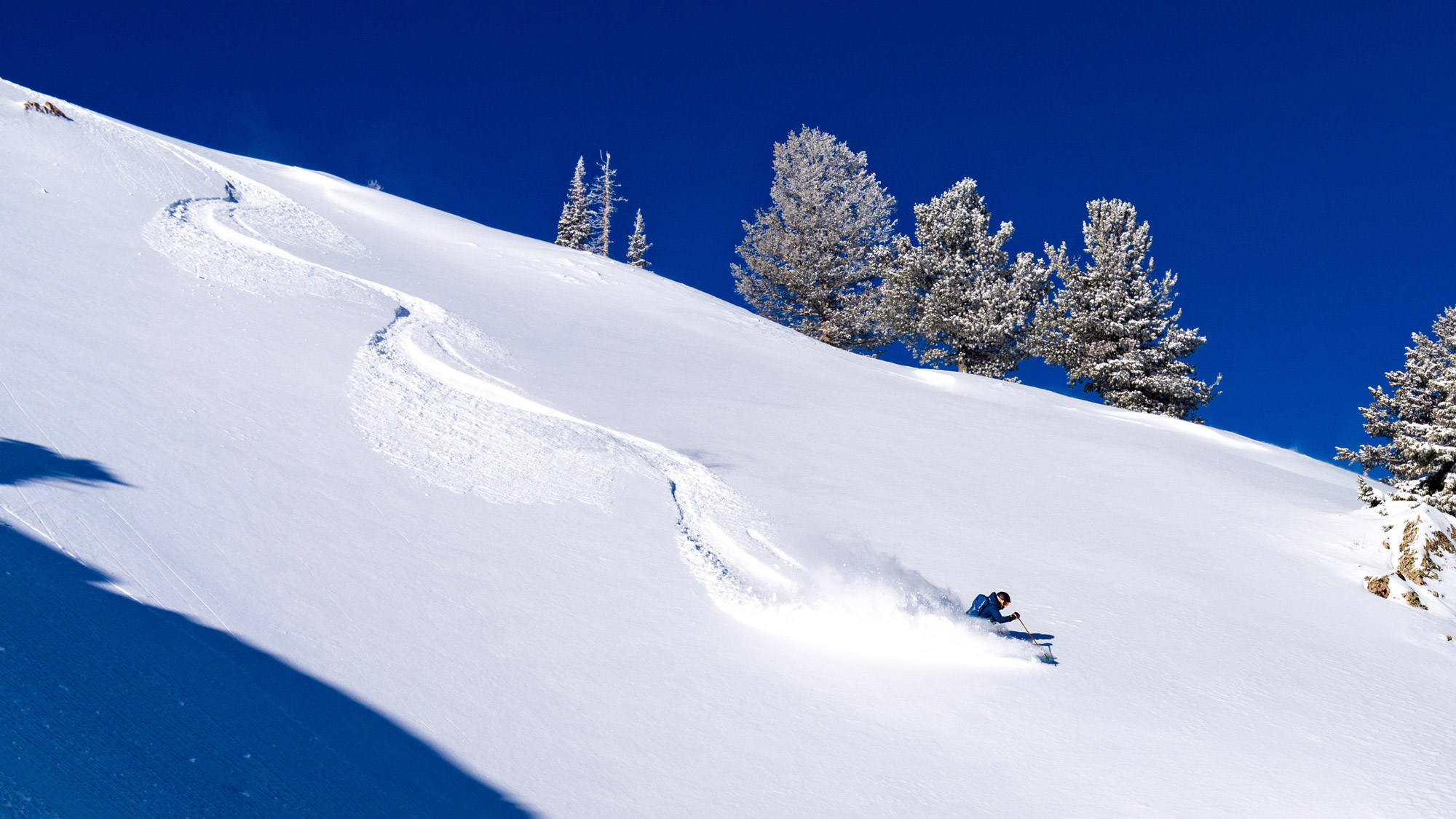
We all know there are many options to ski Utah – Snowbird, Alta, Brighton, Solitude, Park City, Snowbasin, Deer Valley. But none can hold a candle to Powder Mountain. Why is this, you might ask?
Powder mountain boasts the largest ski/snowboard area in North America, with 8,464 acres of groomed trails and un-groomed of pure skiing pleasure.
You are at an elevation of 7,500 feet to almost 9,000 feet at the top, and because of the high elevation the mountain produces over 500 inches of light fluffy powder annually. They do boast the greatest snow on earth with no snowmaking.
It’s easy to lose track of what you’re skiing since the area is so vast.
I was amazed that we had skied most of the day and noticed we had only skied 15 runs. Even though there are – literally – miles of downhill options, there are a few lifts. Most are older fixed grip chairs. The vertical ranges from a short 582 feet vertical at the Village lift to 1,609 vertical at Paradise lift, and an impressive 1,268 for the high-speed.
All the lifts service some very good long runs from beginner to expert (they are also open till 9pm on one lift, for night skiing on the Sundown chair).
On one day, I decided to ski only the Hidden Valley hi-speed lift. From 9am to 3pm, I skied 25 runs and 29,000 vertical feet. That was a max for me, and I wasn’t tired from it because I found the “zone”.
Limiting Guests
Something important to mention is that Powder Mountain limits the number of skiers to 1,500 season pass holders plus day-trippers. So, even on a busy weekend you can expect about 2,200 to 2,500 skiers on 8,500 acres. That’s 3.5 acres plus or minus for each skier.
It’s also important to note that Powder Mountain offers FREE skiing to anybody 75+, which makes it a popular destination for senior skiers and riders – and there are lots of us. The 70+ Ski Club includes a day at Powder Mountain in its annual Utah trip.
There is a reservation system, so if you don’t want to be blocked out and you are purchasing a daily ticket, do it ahead of time online. Also for 75+ senior skiers, who need to reserve online, not at the ticket window.
The limits on daily skiers and riders meant that it was few and far between that I was passed by another downhiller. As you look up a slope from any chair you might see a dozen people on any given slope.
So, safety wise, it was a delight. As a matter of fact, at least eight of about 50 who passed me on the entire week of skiing made announcements of “on your left” or “on your right”. When was the last time you heard that on a crowded slope? Utah, or anywhere else?
Powder Mountain is a throwback to skiing in the 60’s and 70’s, with a basic and unpretentious lodge, compared to some other resorts in the west.
Many of the skiers/riders here are diehards, with about 45% locals and the rest of 55% from out of town.
For the adventurous, there is also the opportunity to go Cat Skiing on a per ride basis. Next season – 2023/34 – Powder Mountain plans to provide full day cat skiing with the strong possibility of having an additional 20,000 acres beyond what they already have.
As the area expands, they are trying very hard to keep the current “down to earth” feel of the area. Everyone from lift attendants to mountain hosts, to all the staff, are very friendly and cheerful.
And chairlift conversations were equally friendly and cheerful, including tips on where to stay nearby, since there is no base area lodging. On one lift ride I was offered a prayer session!
Season Passes and Other Tips
Powder Mountain season passes are hard to come by. There’s a waiting list of about 6,000 people and currently 3,000 pass holders, do don’t hold your breath. I maintain mine, which I received five years ago, so I don’t have to worry about getting a reservation.
If you are going for a longer period, buy a five-pack early in the season, which can be used on a choice of days during the season.
The area’s goal is to provide the best snow conditions to serious skiers and riders, which it is able to do by limiting the number of downhillers on any day.
You will never see a long lift line here, as you might find at other areas on weekends, especially on a powder day. The longest lift line I encountered in a week here was just three minutes long on a weekend day when they had reached the max number of skiers for the day. Mostly, I just skied right up to the lift with just a one or two chair wait for the few people in front of me.
What a delight it is to ski Powder Mountain. I’m already planning my trip for next year………
Thoughts on Aging and Ageism
 “You haven’t aged a bit.” “You can’t teach an old dog new tricks.” “Young at heart.” “So when are you going to retire?” “Still skiing at your age?”
We’ve all heard, read or experienced comments like that, because American culture is grotesquely youth-centric. The notion is that it is sad to be old, that wrinkles are embarrassing and so on.
There is ageism in the workplace, in the doctor’s office, and in the bedroom, all reinforced by pervasive myths developed throughout our lifetime.
Even The Beatles questioned aging when they sang, “Will you still need me, will you still feed me when I’m 64.” That was in the 60s, when they – and we – were in our 20s and 30s, suggesting perhaps that there is a question about love and relationships for older people.
The well-regarded Pew Center found recently that accepted “hallmarks of aging” include obvious perceptions about gray hair, having grandchildren and being retired. More importantly, perhaps, the research revealed a common view about us older people that includes forgetfulness, problems with bladder control and decreased sexual activity.
Before you start claiming that this “ism” is just more “woke,” the stereotype of ageism lies in the assumption that all members of the older people (elders) group are the same – too old for a certain type of car, specific haircut, type of clothing, how to speak, etc. Not to mention too old to ski, snowboard or X-C.
Despite seeing more grey-haired and otherwise older models in commercials, there is an overwhelming and incessant daily barrage of messages of socially sanctioned prejudice. That message is – simply – that people who are no longer fashionably young and fashionably slim find themselves exiled to the margins of society.
Aging is perceived with weakness, forgetfulness and decline. We are afraid of aging, are in denial about aging, and many societal norms keep us blind to the many benefits of aging (and this is not referring to senior discounts offered at the movie theater or on the ski slopes).
There is research that shows that on average, those with positive perceptions about aging live eight years longer than those with negative beliefs about ageing. This is due in part to their motivation to take better care of themselves and/or their engagement with meaningful activities. Like skiing/riding.
Negative stereotypical beliefs can impact health through psychological and behavioral pathways. They operate unconsciously and increase in power as they become more self-relevant and these beliefs are internalized within American society from childhood throughout a person’s lifespan.
 Negative beliefs such as “having a senior moment” have pseudo-scientific legitimacy. Age related frailty and similar age-oriented miss-attributions can influence how we even think about ourselves and if not counteracted by positive beliefs these thoughts can impact how we feel and act.
There are no biological markers for reaching “old age”, despite the prevalence of social security, senior discounts, and retirement age.
“Elderspeak” which is using simplified language, sing-song cadence, and a louder than normal voice is not acceptable as a method for communicating with all older people. Serious mental decline is NOT a normal or inevitable part of ageing.
Aging and memory have much to do with environmental factors and how we approach and think about aging, and the way we tell ourselves how to grow old. The accepted stereotype that the brain inevitably deteriorates as we get older is false.
If you relate to statistics here are a few:
- 75% of those over 85 years old perform everyday activities (i.e., dressing, cooking, relieving themselves) without personal assistance;
- 90% of older folk who are not in nursing homes can think (finding their slippers, making their way) just fine;
- Only 3% of Americans older than 65 are in nursing homes and that rate is down from 5% in the last decade while 9% of those older than 85 are in nursing homes;
- 3.6% of those aged 65-75 in the US have dementia and those rates have been declining;
- of 145 medical schools in the US, only five have a geriatric department and all medical schools require pediatric training compared to less than 10% that require geriatric training.
Do you think that elders are bad drivers? Statistics show that as a group we have fewer accidents, we are more likely to use seat belts, follow speed limits, are not intoxicated, don’t text while driving, and drive much less at night. Hmmm. Sounds like seniors are smarter behind the wheel than their kids or grandkids.
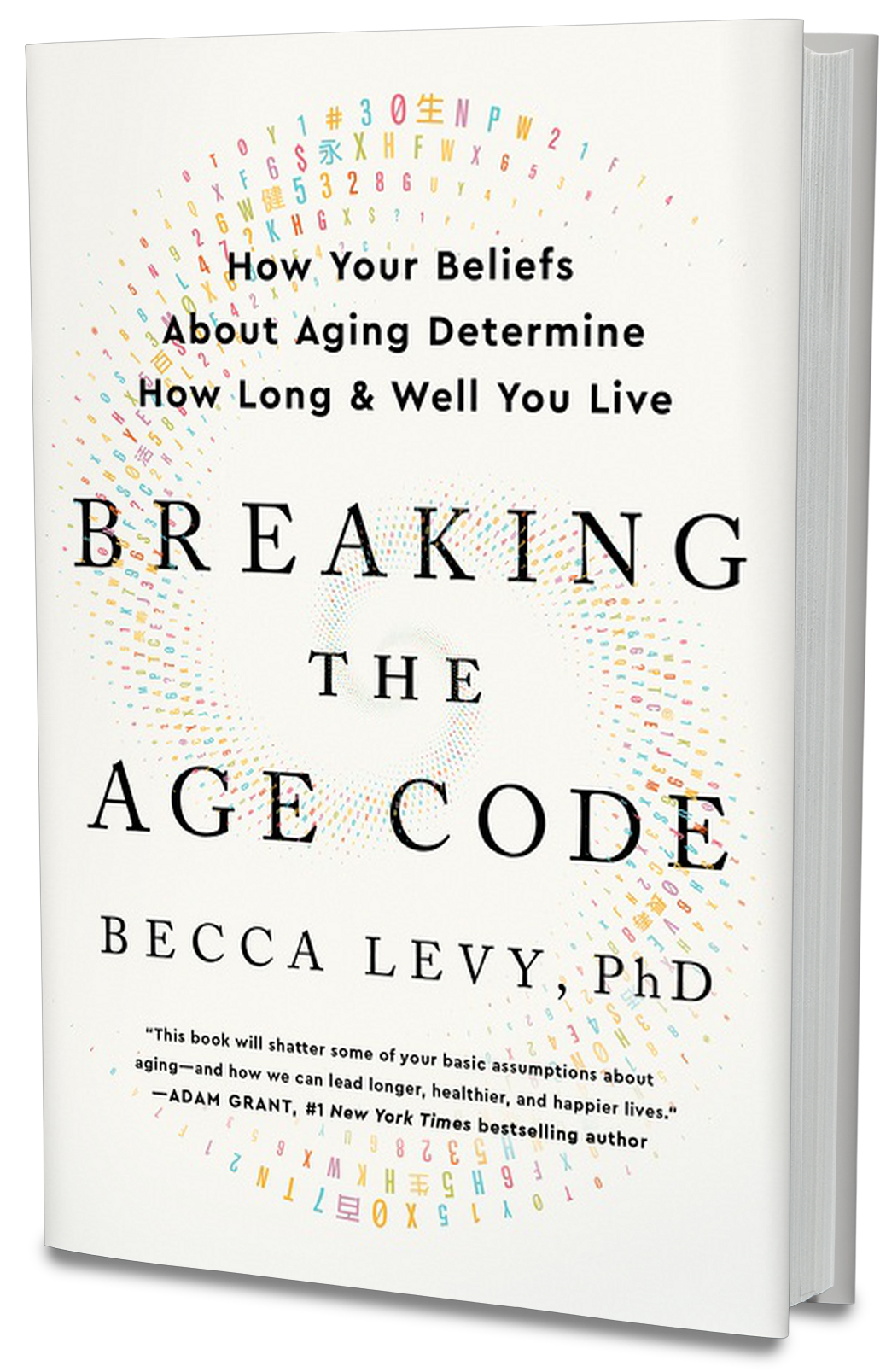
If you want to know more about the slow and subtle shift away from labeling us 50+ folk as doddering idiots, check out these two books –
“Breaking the Age Code” by Dr. Becca Levy (Vermilion, 2022), and “This Chair Rocks, A Manifesto Against Ageism” by Ashton Applewhite (Celadon Books, 2016).
They cover a litany of age-related topics ranging from sex, workplace issues, legislation to address discrimination, the longevity economy, caregiving, independence and self-reliance, retirement living, loneliness, the value of intergenerational relationships, and so much more.
Just in case you don’t already know the answer to the question of whether you’ll still need me and feed me when I’m 64 – ask me on the chairlift.

Tips for Elder Cross Country Skiers
 Herman Smith Johannsen also known as Jackrabbit Johannsen was known for cross country (XC) skiing at 102 years old. He was a man who popularized XC skiing in Quebec and later in America. He lived until he was 111 and was always inquisitive about what was on the other side of the hill. The Jackrabbit kids’ ski program in Canada was named for him and there was also a Jackrabbit ski wax. I don’t know if there is a direct correlation for Johannsen proving that XC skiing helps you live longer, but it is a nice theory.
Among the 4-5 million American XC skiers, about 11.2% are aged 55 or older while 30% of the general population falls into that age group. For those elder individuals who live in or near snow country, they might want to consider the benefits of XC skiing to help them live healthier and longer lives like Johannsen.
As a recreational activity, XC skiing is one of the most acknowledged forms of aerobic exercise and there is scientific evidence that the sport’s characteristics are excellent for mental well-being, too. Recommendations are for older people to undertake vigorous physical intensity (exercise) for 75 minutes per week or moderate intensity for 150 minutes each week. XC skiing is a sport that even when done at a slow pace can raise the heart rate for fitness. The well-being associated with XC skiing is derived not only from the physical exercise involving all the body muscle groups, but it is an outdoor activity that takes place in nature in the winter. This “forest bathing” or immersion in nature has been explained in the book “The Nature Fix” and according to scientific evidence besides the fitness biological benefits, there are very positive psychological and medicinal impacts derived from the activity. The sensory experience of getting outdoors is a kind of eco therapy and a prescription for lowering stress, restoring attention, and boasting mental health and cognitive clarity.
Many XC ski areas offer programs catering to elders from weekly meet-up group outings to special lesson programs and of course, discounted rates for those aged 65 and older. The social aspect of XC skiing occurs when meeting others on the trail junctions or in the lodge and evidence shows that interacting with friends and family is significant factor for living a long and healthy life.
Ski lessons (or a refresher clinic) are recommended to make the sport easier and more satisfying. Ask for an instructor who specializes in teaching older skiers.
Some recommendations for older XC skiers include talking to the doctor if uncertain about strenuous exercise (and remember that you are able to take it easy and ski at a slow pace). There are tips for first timer XC skiers at https://www.xcskiresorts.com/resort-features/2022/1/7/best-secrets-about-cross-country-skiing which suggest to stay within your limits and not to ski too long or too far. Going to a XC ski area is a great idea because the trails are groomed and tracked which makes the sport easier. Additionally, the ski area will have patrollers, rental equipment and ski instructors to provide technique pointers if needed. The new XC ski gear for skiing on a groomed trail is light and lively. The bindings are adjustable to give the skis more glide (go faster and glide further) or more grip (go slower) and this adjustability can also help address how the ski performs in different snow conditions. If a trail is too steep another option is available as it is not a crime to remove the skis and walk down the difficult section (or side step on the skis to avoid speeding out of control).
Another good idea is to know where you are going and where you are on the trail network. Many trail configurations can be confusing and you don’t want to get lost particularly if you are tired. Check the trail signs along the trails and carry a trail map if one is available – and check the map to know where you are in the trail network.
Dressing for cross country skiing is about layering (see What to Wear article at https://www.xcskiresorts.com/new-blog/2016/7/21/cross-country-skiing-apparel) with a light base layer, a shirt and a light jacket. Only use heavier layers when it is very cold because overdressing can be a problem as you create heat when XC skiing. Keep in mind that you can remove layers if you become overheated. Socks, gloves and a hat are important components of your outfit and each plays a key role in keeping you comfortable.
Socks should be comfortable and keep your feet warm and dry. There are many brands of ski socks that are produced to perform. XC ski gloves are available in various thicknesses and if you have problems with the cold, get a heavier XC ski glove or mitten but avoid alpine ski gloves because they are too heavy and are not made for the movement with XC ski poles. Hats could include a lightweight knitted cap or a headband. If your jacket has a hood, that works perfectly on a very cold day.
Sunglasses can minimize the glare off the snow but they also keep the wind out of your eyes. Another job for sunglasses may include improving flat light on the trails, but for the most part this is less important because XC skiing is not too fast so you can handle terrain without worrying about the visibility due to flat light.
Injuries are minimal with XC skiing but be aware of issues such as falling, exhaustion, dehydration (always bring water and take gulps a few times on your outing), and frostbite (if it is very cold). If you are not a regular XC skier, expect to be sore in some muscles (such as back, neck, arms or legs) on the day following your outing and Advil should successfully address such soreness.
When done regularly XC skiing is soft on the body and delivers a general well-being that it can bring you. Hopefully these tips will help you to enjoy the winter outdoors on XC skis!
[authors_page role=contributor]