

INDY XC PASS – The National Ski Pass For XC Skiers

Trails at Waterville Valley
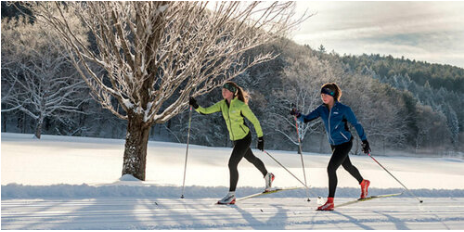
Most dedicated winter sports enthusiasts are familiar with the major season passes such as Epic, Ikon, Mountain Collective and Indy Pass, among others. So far, these multi-ski area passes have been geared toward Alpine skiing and snowboarding. Not anymore! Make way for a new season pass specifically for cross country (XC) skiing and a deal that highlights XC skiing for Alpine skiers and snowboarders.
The new Indy XC Pass recently introduced for the 2022-23 season will provide two days of trail access at (as it stands now) nearly 20 XC ski areas for $69 adult and $29 youth (12 and under). XC skiing will also be included in the regular Indy Pass marketed to alpine skiers and snowboarders ($279 for adults) at 100 alpine ski areas, where applicable. The price is an early season offer and the Indy Pass prices was expected to increase on May 17 (the Indy XC Pass is still $69 in end July).
The Cross Country Ski Areas Association (CCSAA, which is an organization of XC ski areas) is partnering with Indy and will be receiving 10% of the Indy XC Pass proceeds. The initial XC ski areas are located in different regions where XC skiers can ski two times at each area and they include:
EAST
High Point XC Center, NJ; WhiteGrass Touring Center, WV; Woodstock Nordic Center, Rikert Nordic Center and Jay Peak XC Ctr in VT; and in NH Jackson XC and the Adventure Center at Waterville Valley.
CENTRAL, MOUNTAIN and WEST
Maplelag Resort, MN; Treetops Resorts in Gaylord, MI; Enchanted Forest Cross Country Skiing and Snowshoe Area in NM; Crosscut Mtn Sports Ctr in Bozeman, MT; and Bear Valley Adventure Ctr in CA.
Alpine ski areas that have XC skiing on the Indy Pass include Black Mountain of Maine; Jay Peak, VT; Waterville Valley, NH; 49 Degrees North in WA; and Meadows Nordic Center at Mt Hood, OR.
Canadian resorts are participating, too including Manning Park, Sovereign Lake, and Nickle Plate XC Ski Club in British Columbia.
These areas provide a wonderful cross section of experiences and destinations and it is anticipated that the Indy XC Pass will have another couple of dozen XC ski areas sign on by the start of the upcoming winter.

Depending on where one lives, that cost for XC skiing can be reduced further. Currently, those who live in the northeast can receive ski visits (two visits at each of six resorts in New England and New York within reasonable driving distance) for the $69 Indy XC Pass or less than $6 per visit. As more locations are added to the Indy XC Pass, the savings will become more widespread. However, the $69 price tag allows current XC skiers to discover new areas to visit and also offers an attractive enticement to those who are interested in learning the sport.
Most XC ski areas charge about $25 for a day pass to ski on their marked, maintained, and groomed trails. Many of these trails have set manicured tracks that make it easy for anyone to ski. Taking advantage of the Indy XC Pass will save a small amount and help XC skiers to discover some new ski areas to visit.
Promoting the Indy XC Pass will increase awareness of XC skiing and it will educate nonskiers and alpine skiers about XC skiing at areas that provide marked and regularly groomed trails. The image of XC skiing to many people is going out to ski at parks when it snows, breaking trails, or skiing in a previous skiers’ tracks in ungroomed snow conditions. Cross country ski areas use machines to groom the trails to provide consistent ski conditions all winter. Additionally, there are more than 50 areas that can produce machine-made snow because sometimes Mother Nature can be snow-stingy in the winter.
XC skiers who go to a few XC areas because of the Indy XC Pass may very well discover the joy of XC skiing regularly and raise it to a higher status as a prime recreational endeavor in their quiver of things to do in the winter. For more information, see https://www.indyskipass.com/ or https://xcski.org/
Getting Ready For The New Season
Tongue-In-Cheek Tips For Dusting Off All Your Stuff…And You.

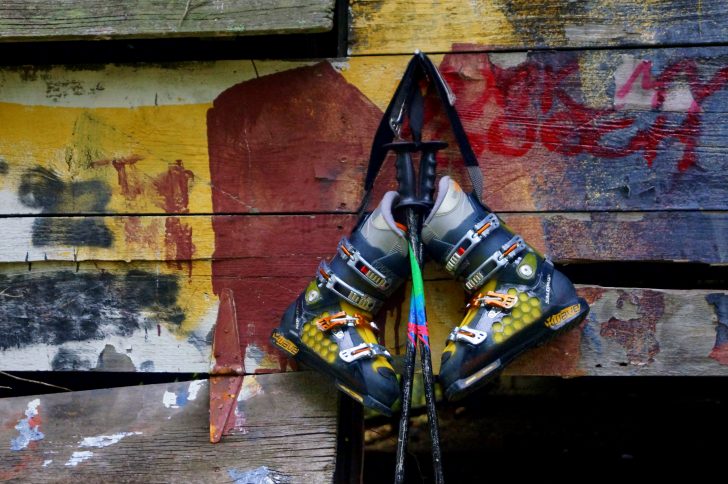
Where did you stow those boots? Keep looking, they must be hanging around somewhere.
Credit: Don Burch
You know it’s time to get ready for skiing when leaves are falling and there have been snow flurries in the mountains. You’ve started having ski dreams, and everyday you check SeniorSkiing .com (and your other favorite ski sites) for new postings.
Here’s what you need to do:
Get in shape. Go to the gym, do a plank. Spritz yourself with water so it looks like you’ve worked up a sweat. Do a lunge. Check your phone for messages. Call it a day.
Schedule all appointments for before or after ski season. Get your teeth cleaned now.
Find your ski clothing. Wash the long underwear that was lovingly stored under the bed. Clear out the pockets of your parka. Put the half-eaten protein bar in a baggy. Pull the fuzz off the loose ibuprofen pills in find a new baggie for them.
Find your new ski pass among the pile of plastic cards in the junk drawer. Throw out all the video store membership cards you find. Yes, even the Blockbuster card.
Go toward the pile of ski poles tossed in the back corner of your garage. First move all the string trimmers that you can’t start, the fishing poles with broken tips and the other things you’re going to fix. Pick out two ski poles that are the same length. No, they don’t need to actually match in any other way.
Get your ski boots out of the barn, shed or whatever outbuilding you promised yourself you’d never again store them in after what happened last year. DO NOT put your hands into the boot. First, turn them over and shake out the acorns. Shake them again, harder this time. Still do not put your hands in them. OK, they’re probably ready for the season.
Hunt for your skis. Do a visual binding check. If they are caked with highway salt and rust spray them with WD40. If they have Cubco bindings, buy new ones. Put them with the ski boots and the mismatched poles.
Watch YouTube instructional ski videos. Visualize yourself making carved turns. Get yourself centered by watching videos posted by your favorite life-coach. You’re working hard so indulge yourself with some cute cat videos.
Download the latest ski apps to your smart phone.
Bore your non-skiing friends, spouse, relatives and anyone you meet with all the new stuff you’ve learned online.
Call all your ski buddies. Subtly ask questions in order to determine their “ski status”. Do they have new grandchildren, new hips or knees, or a new sweetheart who doesn’t ski?
I know you didn’t throw out all the video store membership cards. You knew vinyl records made a modest comeback and so might Blockbuster. So get one of the plastic cards and use it to scrape sleet off goggles. Put it in the interior pocket of your parka along with the fuzz-less ibuprofen pills baggie and the half eaten protein bar. You are now fully ready for the new ski season.

Keep Your Gear In Shape
Originally published in the 2020-21 Masterfit Buyer’s Guide and realskiers.com
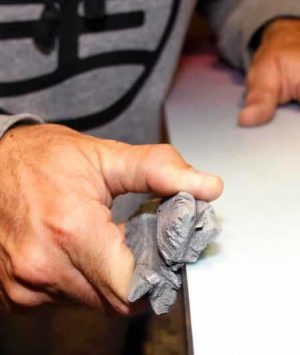
How long your gear remains in tiptop condition depends entirely on how well it’s maintained.
At least once a season, it’s good to get skis tuned by a specialty shop, where tuning machines can reproduce a factory finish on the skis so they perform like new. Here are some tips on how to keep your equipment in optimal condition for better performance on the snow.
If you follow these maintenance tips, a well-made pair of skis can perform acceptably for 200 skier days, and may last longer if there’s no major damage. Even inexpensive package skis have at least 100 days of useful life in them. Heavier and more aggressive skiers will usually wear out their skis—and anything else they own—faster than the lighter and more cautious.
Daily Equipment Care
SKIS: Wipe clean and dry. Check for dings on edges and bases.
BOOTS: Buckle all buckles with just enough tension to keep closed.
Be sure soles are clean and no mud or debris is lodged in tread.
BINDINGS: Wipe clean, particularly at boot/binding interfaces.
Regular Maintenance & at the End of the Season
SKIS: Get ski edges tuned by the shop. Or do it yourself: freshen up side edges with a light filing, followed by hand polishing. Fill cuts in bases if necessary. Wax, scrape and buff.
BOOTS: Visually inspect for sole wear and damage to buckles.
BINDINGS: Look for excessive wear, damage or missing parts. Inspect boot/binding interfaces.

Extend the Life of Your Boots
The first part of your boots to wear out will be the soles, but most boots now use replaceable toe and heel pads. The trick is getting a replacement pair while the supplier still stocks them. Or you could just protect them. If you spend a lot of time in parking lots or other hard surfaces, we recommend The first part of your boots to wear out will be the soles, but most boots now use replaceable toe and heel pads. The trick is getting a replacement pair while the supplier still stocks them. Or you could just protect them. If you spend a lot of time in parking lots or other hard surfaces, we recommend Ski Skootys. These are the easiest to use, most versatile sole protectors on the market. As a bonus, they’re also rockered so they make walking in ski boots a lot easier.
[authors_page role=contributor]