


World Championships 101
[Editor Note: As the new year begins, SeniorsSkiing.com is again asking our readers to contribute to support our online magazine. Yes, we have grown in the number of subscribers and advertisers. But our expenses have also grown. You can help us defray some of these expenses by helping us out with a donation. This year, we have a mix of premiums for different level of donations, including stickers, sew-on patches, our new SeniorsSkiing.com ball cap. All donors will be entered into a drawing for a pair of bamboo Polar Poles to be drawn in late March. You can donate by clicking here.]
Here’s An Inside Look At What Goes On Behind The Scenes.
When I covered my first World Cup ski race many years ago, I was really naive. I thought the winner would be awarded a huge silver trophy. I was disappointed to learn that racers earn points. No trophy.
But my race stupidity gave me an idea that I’ve pursued ever since. Maybe readers would enjoy an inside look at what goes on around a major race venue. Not just the champions. Not just results. Other stuff. Here we go.
Background Facts
For 10 days in early February, 1,400 elite amateur athletes from 40 countries come to Utah to compete in the World Snowboard and Freeski World Championships at three Utah resorts: Deer Valley Resort, Park City Mountain, and Solitude Mountain Resort.
Practice Day At Solitude
Skicross and snowboardcross take place at Solitude where a special rolly-poly course was built for the competition. As explanation, four athletes start at the same time and race for the finish. It’s similar to the Kentucky Derby where all horses start at the same time. Good luck getting in front.
I was at the snowboardcross training day at Solitude. All racers could take run after run to get used to the course. There was no timing. There was no winner. It was a day for individual practice.
Walk Right Up To The Course
While the words “World Championship” sounds lofty, most courses are usually super spectator friendly. I walked right up to the course, and race spectators can also. It’s like being on the 50 yard line for the Super Bowl.

Snowboarders careened down the course, jumped the rollers, and headed for the finish. Repeat, repeat, repeat. I got bored, so I moved along to take other photos.

Inside The Press Room
Off to the press room to get out of the blazing sun. The press room is the sanctuary for writers and photographers from around the world. They munch on snacks, tap away on laptops, and jabber into their phones in foreign languages.
Then there’s a press conference.


These are the faces of BoarderCross athletes — 2018 Olympic champion Michaela Moioli of Italy and U.S. snowboarder Anna Miller. They tell the press conference what it’s like out there on the course. Moioli likes the straight stretches where she can pick up speed. And Miller says she’s “ready to get the job done.” Women to watch.
Going Back Into My Files. Meet An Athlete
Several years ago, I happened to ski at Deer Valley on a similar World Championship training day. I stopped to watch athletes launch themselves off the “kicker” to soar, flip and spin then hope to land right side up. Their athleticism was amazing. But I’m not heavy-duty into aerials, so I went for lunch.
There was a guy gobbling down a big bowl of Deer Valley’s signature turkey chili. He was wearing a race ID, so I asked if he was an athlete. He introduced himself as Jon Lillis. He was fueling up before going back onto the aerial course to flip and spin upside down. Holy cow! Right after lunch!
Now, at Solitude, I bumped into Jon Lillis (Rochester, N.Y.) again. He is the reigning aerial World Champion. He’s a force to watch.

Watch At Home
With 10 days of world class competition, tune-in and watch as history is made. NBC Sports will showcase more than 25 hours of 2019 FIS Snowboard, Freestyle and Freeski World Championship programming, including more than 10 hours of live coverage, on NBC and the NBC Sports networks.
Additional coverage will also be available on NBC Sports Gold – NBC Sports’ direct-to-consumer live streaming product – and the OlympicChannel.com digital platform. A full broadcast schedule will be available on both USSkiandSnowboard.org and 2019WorldChamps.com.
To read more from Harriet click here for her stories on SkiUtah.
How To Bike In Winter
[Editor Note: As the new year begins, SeniorsSkiing.com is again asking our readers to contribute to support our online magazine. Yes, we have grown in the number of subscribers and advertisers. But our expenses have also grown. You can help us defray some of these expenses by helping us out with a donation. This year, we have a mix of premiums for different level of donations, including stickers, sew-on patches, our new SeniorsSkiing.com ball cap. All donors will be entered into a drawing for a pair of bamboo Polar Poles to be drawn in late March. You can donate by clicking here.]
Be Prepared, Have Fun.

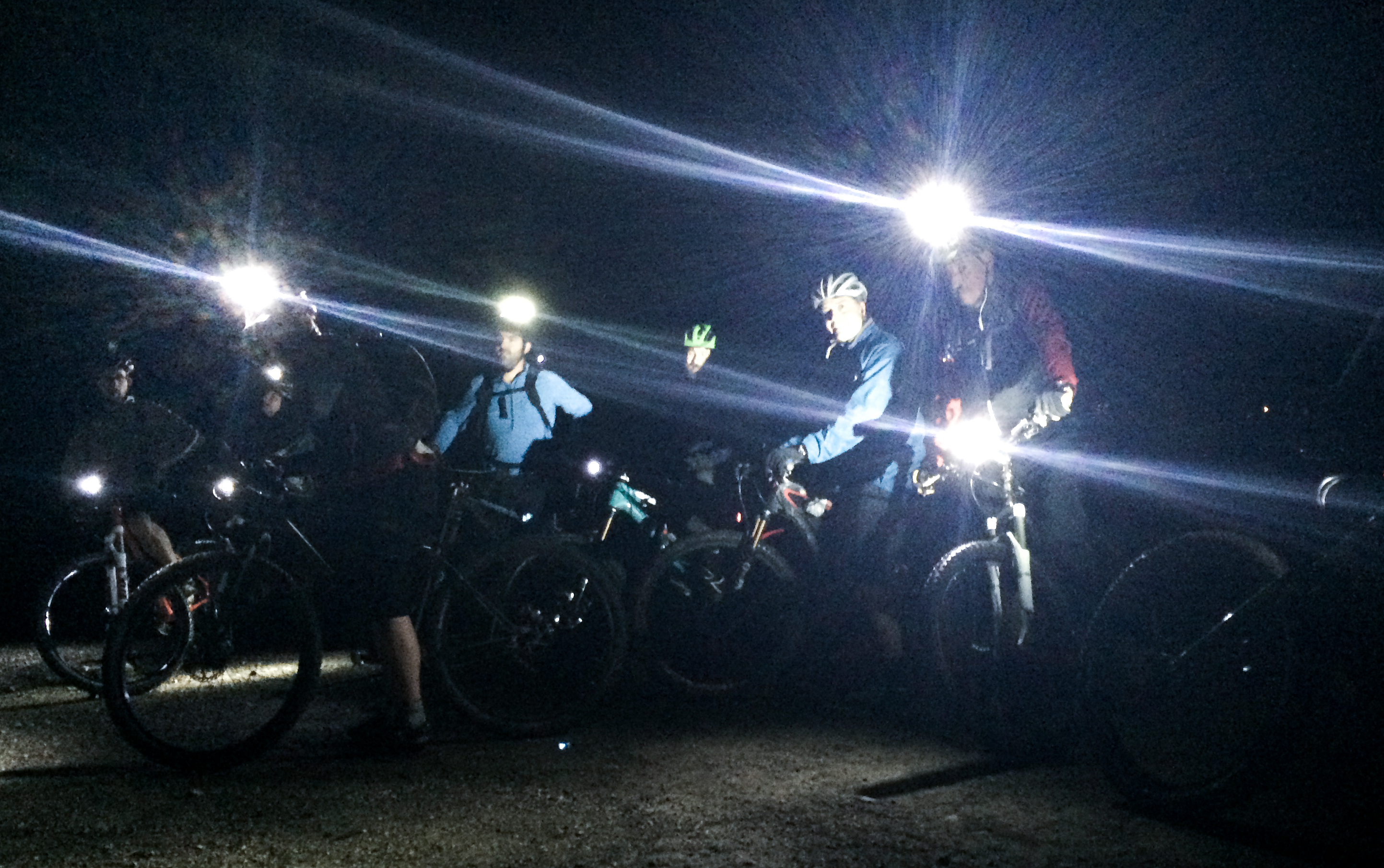
While a lot of folks retreat to the gyms, health spas, and YMCA facilities during the winter for continued workouts, there are those of us who value being outside and continue to ride mountain bikes through the winter. The common questions we get are, “What about the snow?” “What about the cold temperatures? “What are the trails like?” The truth is if you are clothed properly and have the proper equipment like a fat bike or a plus bike with aggressive tread on the tire, you can enjoy your mountain bike riding all year.
Here are a few tips for maintaining your riding fitness and enjoying the winter on a mountain bike:
- Make sure that you utilize a fat bike or a plus bike with a tire like the Maxxis Minion DHF. These are aggressive tires for fat bikes or plus bikes. They provide excellent traction in snow and mud.
- Fat bikes typically use a 4” plus diameter tire where the plus bikes utilize a 2.6-3” tire. Either bike can be used for winter riding. Fat bikes typically are hard tails without rear suspension with theory that the large diameter tires with very low tire pressure( around 6 PSI) provide plenty of suspension. The plus bikes come in either hard tail or dual suspension design. (Personally, I like the dual suspension for comfort year round). Plus bike tire pressure should be no more than 14 pounds to provide adequate traction.
- Use a good light on your helmet as well as your handlebars. The bar mounted lights provide a wide beam on the trail while the helmet light can light up the peripheral vision allowing full visibility at night. Securitylng light is the new company that uses Cree LED technology. and be found on Amazon. I also bring a spare battery in my pack.
- Use a balaclava under your helmet for face protection against the elements and also warmth. They are available in any ski shop or online.
- Use old ski gloves for warmth. Chemical hand warming packs are good to use with your winter gloves. They can be used on the bottom of your socks as well.
- Use ski socks with your normal riding shoes or go to your local shop to secure high topped insulated winter riding shoes. You can search on line for these shoes as well. I find that as long as you use ski socks, you can get away with your normal riding shoes.
- Then, layer like you would for skiing with a nice base layer top and bottom and, depending on the temps, a fleece vest and your riding shorts over the top of the base bottom layer.
- Finally, I use the Frogg Toggs weather proof suit for wind protection and also to assist with heat retention. It also keeps the mud off as do fenders which are also available for your bike from your local shop. The $39.00 Pro-Lite suit is perfectly acceptable and provides good service without spending an arm and a leg.

Make sure you are properly hydrated with your Camelbak bladder or utilize an insulated water bottle to prevent from freezing on the bike. I personally like Hammer Nutrition Fizz Electrolyte with my hydration pack or bottle. A lot of folks don’t realize that with winter exercise, you need as much hydration as you do in the summer. You lose a lot of fluids with perspiration and inhaling and exhaling during exertion so make sure you don’t forget to hydrate no matter what winter sport.
One word of caution is that with the freeze thaw cycles that we get in the East, black ice can develop on the trails. There are a lot of choices for studded tires for these conditions that are available online or from your local bike shop. Prepare to pay several hundred dollars each but if you intend to ride no matter what the trail conditions, studded tires will keep you upright.
SeniorsSkiing Guide: Sundance
[Editor Note: As the new year begins, SeniorsSkiing.com is again asking our readers to contribute to support our online magazine. Yes, we have grown in the number of subscribers and advertisers. But our expenses have also grown. You can help us defray some of these expenses by helping us out with a donation. This year, we have a mix of premiums for different level of donations, including stickers, sew-on patches, our new SeniorsSkiing.com ball cap. All donors will be entered into a drawing for a pair of bamboo Polar Poles to be drawn in late March. You can donate by clicking here.]
If your Western ski vacation takes to Salt Lake City, save a day for Robert Redford’s Sundance.
It’s about an hour from the airport, but it’s off the beaten track, and it’s laid back. It’s the only resort where you can ski—and then create jewelry, make wheel-thrown pottery, or do printmaking all in the same day.
While Robert Redford was still a young actor, he was drawn to the wilderness. He bought two acres in secluded North Fork Canyon and built a small home, doing much of the work himself.

Then in 1969, he bought the entire pristine canyon to protect it from developers who might dice it into small lots, sell it off for homes, and destroy it. He saw the perpetual tug-of-war between developers and environmentalists. Redford lives his beliefs, saying don’t squander the wilderness for short term gains.

Sundance is a 5,000 acre environmental preserve on the shoulder of towering 11,700 foot Mount Timpanogos. It encompasses the 450 acre ski area with four chairs, 44 trails, two terrain parks and a 2,150 foot elevation drop.
The window ticket price for those 65 and over is $30.
And it’s a resort with a twist.
Creativity is good for the soul
The famous Sundance Film Festival was born here, and it celebrates the creativity of independent film makers. Redford believes that creativity and new ideas are good for the soul. Everyone’s soul.
So you can ski in the morning, create silver jewelry in the afternoon, and then wear it home. In just two hours in an Art Studio workshop you can create your own memory of Sundance even if you think you don’t have a creative bone in your body.
Workshops are especially appealing to those who want to enjoy the intimate resort but not ski all day.

There are workshops in jewelry, soap making, journal binding, drawing, painting, wheel-thrown pottery, and print making. Classes are very small or it’s likely the session will be one-on-one with your instructor.
Relax and unwind
“We don’t try to compete with other resorts,” said Sundance Director of Skiing Jerry Warren. “You’re here for a different reason. There’s a greater sense of peace here.”
“Take a person from a busy city. They race to catch a plane, they fly, they land, they jump back into the fast lane. We’re going to slow them down a little bit and let them savor the mountains and the experience,” he said.
Sundance’s active senior group —it’s called the Senior Ski Group—meets and skis together weekly accompanied by a ski school instructor who skis along and gives tips.
There’s also snowshoeing, cross-country skiing, and night skiing.
From brownies to relaxed dining
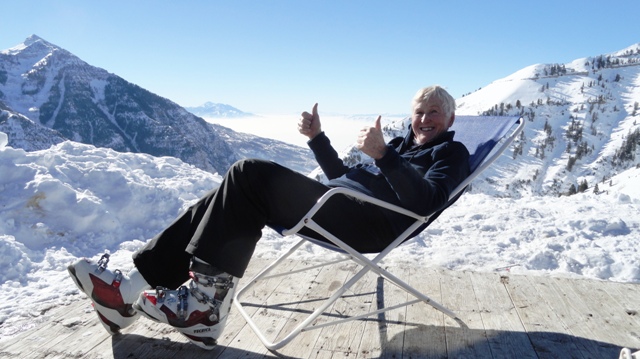
The Bearclaw cabin on the summit offers 360 degree views. It serves soups and sandwiches and brownies that are to die for. On warm days, skiers lie back in deck chairs and soak up the high mountain sunshine.

In the base area, there’s Creekside for a quick bite. The Foundry Grill has an earlier times atmosphere with farm implement decor, rough hewn wood floors and a roaring fireplace. The Tree Room is built around the live native pine tree and has a romantic atmosphere. And there’s a country store with more of those brownies.
Low key is special
But what really distinguishes Sundance is its low key ambiance and relaxed atmosphere that have disappeared from many mega resorts.
Sundance is located 56 miles south of the Salt Lake International Airport. The trip takes a little over an hour. You can reserve a luxurious, secluded Sundance cabin, or there’s ample lodging in Provo about 13 miles away.
For Sundance webcam, click here.
For Sundance trail map, click here.

To read more from Harriet click here for her stories on SkiUtah.

[authors_page role=contributor]