

The Rise of Private Ski Resorts for the Very Wealthy
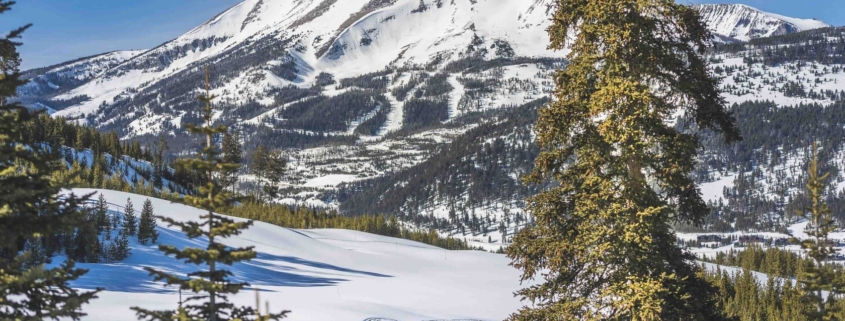
Breathtaking views of the mountain. Photo courtesy The Yellowstone Club.
In recent years, the world of luxury travel has witnessed a significant shift towards exclusivity. Being affluent no longer makes the grade. High-net-worth, ultra-rich individuals are seeking highly personalized and secluded experiences. One of the most striking examples of this trend is the rise of private ski resorts designed exclusively for the ultra-wealthy. These elite winter retreats offer a level of privacy, luxury, and service that far surpasses traditional ski resorts, catering to the desires of high-net-worth individuals who seek the ultimate in skiing opulence.
The Shift Toward Exclusivity
Traditional ski resorts, even those considered high-end, have long been the playgrounds of the affluent. Destinations such as Aspen, Courchevel, and St. Moritz have been synonymous with wealth and glamour for decades. However, as these resorts became increasingly commercialized and crowded, an elite subset of skiers began seeking more exclusive alternatives. This demand has given rise to private ski resorts, where access is restricted to members or property owners, ensuring complete privacy and unparalleled luxury.
Unlike public ski resorts, private ski destinations prioritize exclusivity over mass accessibility. They offer a highly curated experience, often featuring limited memberships, private chalets, and ski runs that are meticulously maintained for a select few. This shift towards privatization reflects a broader trend in luxury travel where high-net-worth individuals prioritize seclusion and personalized service over conventional luxury amenities.
The Pioneers of Private Ski Resorts
Several private ski resorts have emerged in recent years, each offering a unique blend of exclusivity, luxury, and custom-made experiences. The most notable examples include:
Yellowstone Club, Montana
Arguably the most famous private ski resort in the world, the Yellowstone Club in Montana epitomizes the concept of exclusivity. With an initiation fee of $400,000 and annual dues in the tens of thousands, membership is restricted to the ultra-wealthy. The club boasts over 2,900 acres of private ski terrain, alongside world-class dining, luxurious accommodations, and unparalleled service. High-profile members, including billionaires and celebrities, appreciate the privacy and security the resort provides, far removed from the public eye. To join, members need to purchase a property worth $2 million or more. There’s also a $400,000 initiation fee and annual dues of $44,000.
The Hermitage Club, Vermont
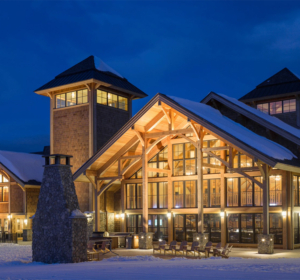
Photo courtesy of the Hermitage Club
Located in the scenic Green Mountains of Vermont, The Hermitage Club offers a luxurious alternative to New England’s crowded ski resorts. This members-only retreat provides a serene skiing experience with uncrowded slopes, high-end dining, and exclusive social events. Unlike traditional resorts, The Hermitage Club is designed for families and individuals seeking a more relaxed and intimate skiing environment without sacrificing luxury. A family membership initiation fee is $100,000 and the annual dues are $18,500.
Cimarron Mountain Club, Colorado
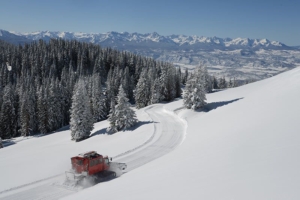
A cat makes tracks at the Cimarron Club
The Cimarron Mountain Club takes exclusivity to the next level, with only 13 members granted access to its 1,750 acres of pristine ski terrain. Each member owns a share in the club, which provides not only unparalleled skiing but also year-round outdoor recreational activities such as fishing, hiking, and mountain biking. This hyper-exclusive model ensures that the slopes remain uncrowded, offering an unparalleled skiing experience. The cost to be one of the 13? A cool $3 million!
Powder Mountain, Utah
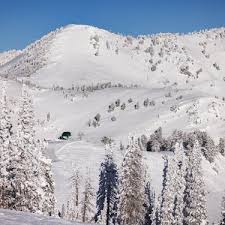
Photo courtesy of Powder Mountain
Powder Mountain is the newest entry into the private resort realm. Recently purchased by Reed Hastings, one of the founders of Netflix, management decided to carve up the 8,000 skiable acres into two resorts. Half the area is open to the public. The other half is now private. Lots will be available starting at $2 million. On top of that members also pay an annual membership fee ranging from $30,000 to $100,000 to access private skiing and amenities. Season passes to the public parts of Powder Mountain cost $1,499.
Will Other Resorts Follow the public/private hybrid?
There are currently at least two other ski areas considering the public/private model. They are Homewood in California and Windham Mountain in NY. They’re making the move for the same reasons as Powder Mountain. The sale of lift tickets alone simply can’t sustain profitability. Industry history shows hotels, condo developments, or home sales are proven sources of revenue for ski resorts.
What Sets Private Ski Resorts Apart?
Private ski resorts differ from their public counterparts in several keyways, making them the preferred choice for the ultra-wealthy:
Unparalleled Privacy and Security
High-profile individuals often seek destinations where they can enjoy their leisure time without the prying eyes of the public or the media. Private ski resorts offer an escape from the paparazzi, ensuring that members can relax in a secure and secluded environment. With stringent security measures and gated access, these resorts provide an unparalleled level of privacy.
Personalized Services and Amenities
Luxury is not just about opulence but also about service. Private ski resorts offer bespoke services that cater to the specific needs of their members. Personal ski instructors, on-demand gourmet chefs, private transportation, and fully staffed chalets are just some of the perks that elevate the experience. Some resorts even offer heli-skiing directly from members’ properties, allowing them to bypass traditional lifts entirely.
Crowd-Free Slopes and Exclusive Terrain
One of the most significant advantages of private ski resorts is the absence of crowds. Unlike public resorts, where skiers may have to wait in long lift lines, private resorts limit the number of skiers on the mountain, ensuring an uninterrupted and enjoyable experience. This also allows for better-maintained slopes and optimal skiing conditions.
Elite Social Circles
Membership in a private ski resort is often seen as a status symbol, granting access to an exclusive community of like-minded individuals. Many members appreciate the networking opportunities that come with belonging to such an elite club, where they can interact with fellow business moguls, celebrities, and influential figures in a relaxed and private setting.
The Cost of Exclusivity
Joining a private ski resort comes with a hefty price tag. Membership fees alone can range from hundreds of thousands to millions of dollars, depending on the resort. Additionally, members often purchase multi-million-dollar properties within the resort, further increasing the financial barrier to entry. Annual dues, maintenance fees, and operational costs add to the ongoing expense, making these destinations accessible only to the wealthiest individuals.
Despite the high costs, demand for private ski resorts continues to grow. Many ultra-wealthy individuals view these properties as not just vacation homes but also as valuable investments. As the desire for exclusivity and privacy intensifies, the market for private ski resorts is expected to expand, with new developments catering to this elite clientele.
The Future of Private Skiing
The rise of private ski resorts signals a broader shift in the luxury travel industry, where exclusivity is becoming the ultimate luxury. As wealth concentration continues to rise globally, demand for hyper-exclusive experiences will likely increase, leading to the development of new private ski resorts in untapped locations.
Environmental concerns may also play a role in shaping the future of private ski resorts. Many developments are incorporating sustainable practices, such as eco-friendly architecture, renewable energy sources, and responsible land management to minimize their impact on the environment. This trend aligns with the growing interest in sustainability among high-net-worth individuals who seek luxury experiences with a reduced ecological footprint.
Another emerging trend is the integration of technology into private ski resorts. High-end resorts are investing in cutting-edge amenities, such as AI-powered concierge services, smart homes with automated climate control, and advanced ski-tracking systems that enhance the overall experience. These technological advancements ensure that private ski resorts remain at the forefront of luxury and innovation.
Conclusion
The rise of private ski resorts for the ultra-wealthy reflects a growing desire for exclusivity, personalized service, and unparalleled luxury. These elite destinations offer a secluded and luxurious retreat where high-net-worth individuals can enjoy world-class skiing without the drawbacks of traditional resorts. As the demand for such experiences continues to grow, private ski resorts will likely remain a coveted indulgence for the world’s wealthiest individuals, shaping the future of luxury travel in the process.
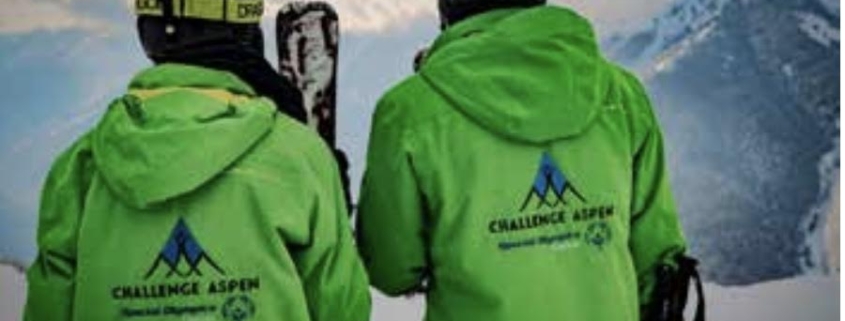
Skiing With the Challenge Aspen Adaptive Program
Photo by Rich Silver
It was another beautiful Colorado ski day. Heading down the mountain in front of me was my ski companion, Aspen/Snowmass local, Jen Arkin, and her ski buddy, Deb. As I followed them down the groomed slope, I realized this day on the mountain was going to be different. Jen waited for me to catch up.
“I love to ski moguls, how about you?” and proceeded to navigate the bumps below fearlessly. I watched her in amazement, and when I caught up, she was grinning from ear to ear. Jen, now in her fifties, has cerebral palsy and decided years ago that her disability was not going to stop her from enjoying the exhilaration of skiing, the activity she loves so much.
On the chairlift ride back up the mountain, Jen proudly exclaimed, “I can actually ski better than I walk,” and demonstrated it by leading me down a black diamond trail. Her contagious smile and upbeat attitude were nothing short of inspiring as we spent the morning sharing our love of the mountains. Skiers often speak about their ’best days on the hill’. This was surely one of mine.
Jen is one of thousands of folks who participate in adaptive programs on ski mountains across America. Challenge Aspen, in partnership with the Aspen/Snowmass Ski Company, provides those with special needs discounted private lessons by specially trained PSIA instructors, buddy support by trained assistants and volunteers, and all types of adaptive equipment necessary to participate in on-snow activities.
Remarkably, this includes the visually impaired, who descend the mountain by voice commands and a deep trust in their guide. In addition, Challenge Aspen offers programs specifically designed for injured veterans, as well as those suffering from PTSD and traumatic brain injuries.
Simply, Challenge Aspen is dedicated to changing the lives of participants and rebuilding their confidence. The patient and caring staff, along with volunteers and pros, have served those with over 150 different types of disabilities year-round since 1995.
It’s not just a ski program. There also are summer retreats which offer groups from around the world the opportunity to sign up for fly fishing, archery, and camping.
If you or someone you know has physical or cognitive challenges and would like to enjoy all the outdoor activities the mountains have to offer, contact Challenge Aspen at (970)923-0578 or visit www.challengeaspen.org.
You might be lucky enough to run into my friend Jen, who once again hit the 100-skier-day mark last season and with whom I look forward to skiing for many seasons to come.
Contributors to Maine’s Ski History are Honored
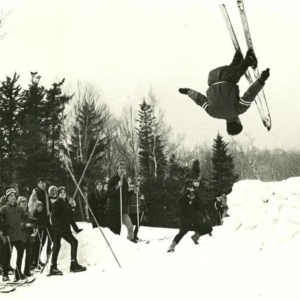
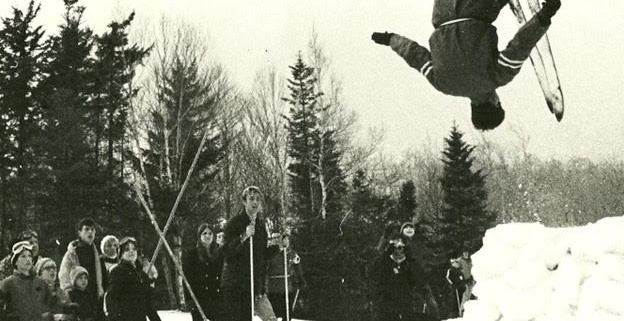
Butch Reilly aerial flip
Coaches, ski area operators, race managers, trainers, a Biathlon director, an apparel ski rep. The Maine Ski and Snowboard Hall of Fame recently inducted ten people into its ranks atPineland Farms in New Gloucester. Most are 70+.
One inductee is lifelong skier and visionary Butch Reilly, 83, who has contributed to the growth of skiing and riding in Maine for the past 55 years. He started in 1968 as a New England sales rep for Rosemount Boots and Hexcel skis and in 1974 joined CB Sports, started by former downhill record holder CB Vaughan, and adding on Rossignol.
As a founding member of New England Sports Representatives, Inc., he helped establish one of the most important regional trade shows in the ski industry, the New England Winter Ski Reps Show that took place in Providence, R.I., and Worcester, Mass. It was a big step up from when regional brand reps would get together and set up equipment and apparel in hotel rooms.
Relly’s career was marked by his success in business and by his generosity, including donating hundreds of jackets and ski pants to Maine children, ensuring that financial barriers would not keep them from the slopes.
“That’s something honestly I have kept going my entire life,” he says. He also helped start the precursor to the Carrabassett Valley Academy at Sugarloaf, where he and several other parents started a tutorial program in a room above The Bag where the kids got home schooled, then went out to run gates.
Reilly is still on the road as an advisor and special projects manager for GUSTi international brands in Canada and Europe. In the past five years, skiing with his five-year-old grandson has renewed his enthusiasm for the sport.
What advice does he have for other senior skiers?
“It doesn’t matter how fast or how high you go, what matters is to just keep going.” He says, “It’s a lifestyle that gets embedded in you and is part of your soul, there’s nothing like putting your feet on the snow and the freedom you feel. Also, you don’t realize how much you have in common with other people who ski until you start talking about different places, people, adventures.”
The biggest change he has seen in the ski world over the past 55 years is snowmaking and the internet retail market that he laments is helping to put ski shops out of business.
Reilly probably speaks for all the recipients when he says, “It was a real surprise and honor to be inducted. I feel fortunate that for me going to work every day was a lifestyle not a job.”
Other honorees include –
- Ski coach Peter Gately of North Bridgton;
- Ski area manager Jeff Knight of Dixfield;
- Ski coach Rick Hardy of Farmington;
- Race administrator Laurel Lashar of Carrabassett Valley;
- Nordic and Biathlon director Matt Sabasteanski of Raymond;
- Coach and Biathlon center developer Carl Theriault of Fort Kent;
- Ski industry personnel trainer Cathy Witherspoon of Kingfield;
- The late Byron and Susan Delano of Lee, developers and operators of Mt. Jefferson.
Biographies of the Hall of Fame 2025 Inductees and nomination forms for the Class of 2026Maine Ski and Snowboard Hall of Fame are available on-line at https://www.maineskiandsnowboardmuseum.org.
[authors_page role=contributor]